The best running trails around Badia Pavese
3.9
(18)
1,059
runners
67
runs
Jogging routes around Badia Pavese offer a tranquil setting within the Province of Pavia, Lombardy. The region is characterized by green hills and extensive vineyards, providing a scenic backdrop for outdoor activities. This rural environment supports a network of paths suitable for various skill levels, making it an appealing destination for those seeking a quiet running experience. The terrain includes gentle ascents and descents across the rolling landscape.
Best jogging routes around Badia Pavese
- The most popular jogging route is…
Last updated: October 4, 2026
4.3
(3)
76
runners
14.3km
01:40
250m
250m
Explore the moderate 8.9-mile (14.3 km) trail running route in the Hill Park of San Colombano, featuring green spaces and the Chapel of Mado
4.5
(2)
66
runners
34.9km
04:01
450m
450m
Hard run. Very good fitness required. Sure-footedness, sturdy shoes and alpine experience required.

40
runners
13.6km
01:32
150m
150m
Moderate run. Good fitness required. Mostly paved surfaces. Suitable for all skill levels.
4.0
(1)
46
runners
Hard run. Very good fitness required. Mostly paved surfaces. Suitable for all skill levels.
25
runners
Hard run. Very good fitness required. Mostly paved surfaces. Suitable for all skill levels.
Get access to more routes and recommendations from other explorers.
Already have an account?
Our route recommendations are based on thousands of hikes, rides, and runs completed by other people on komoot.
Start today with a free account
Your next adventure awaits.
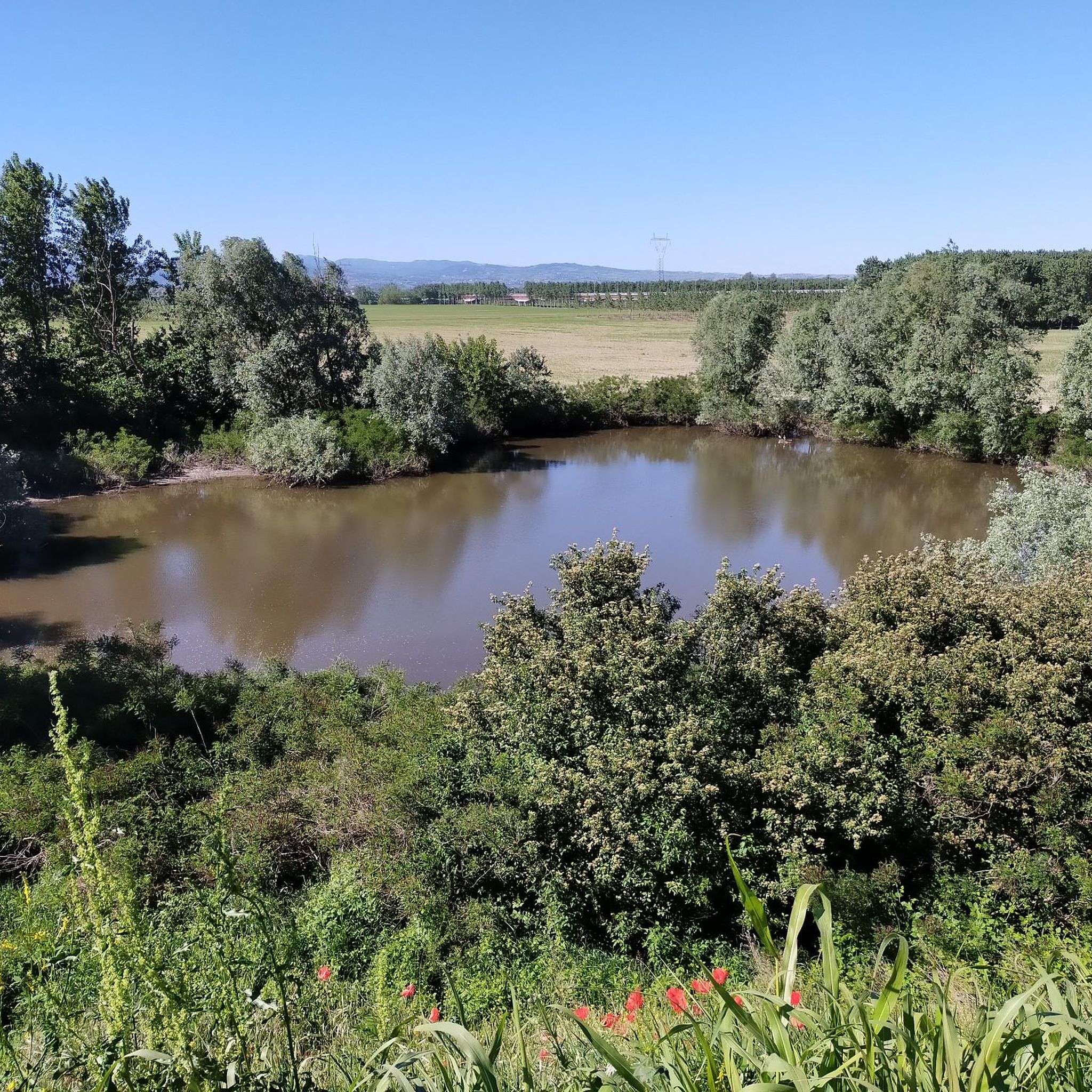
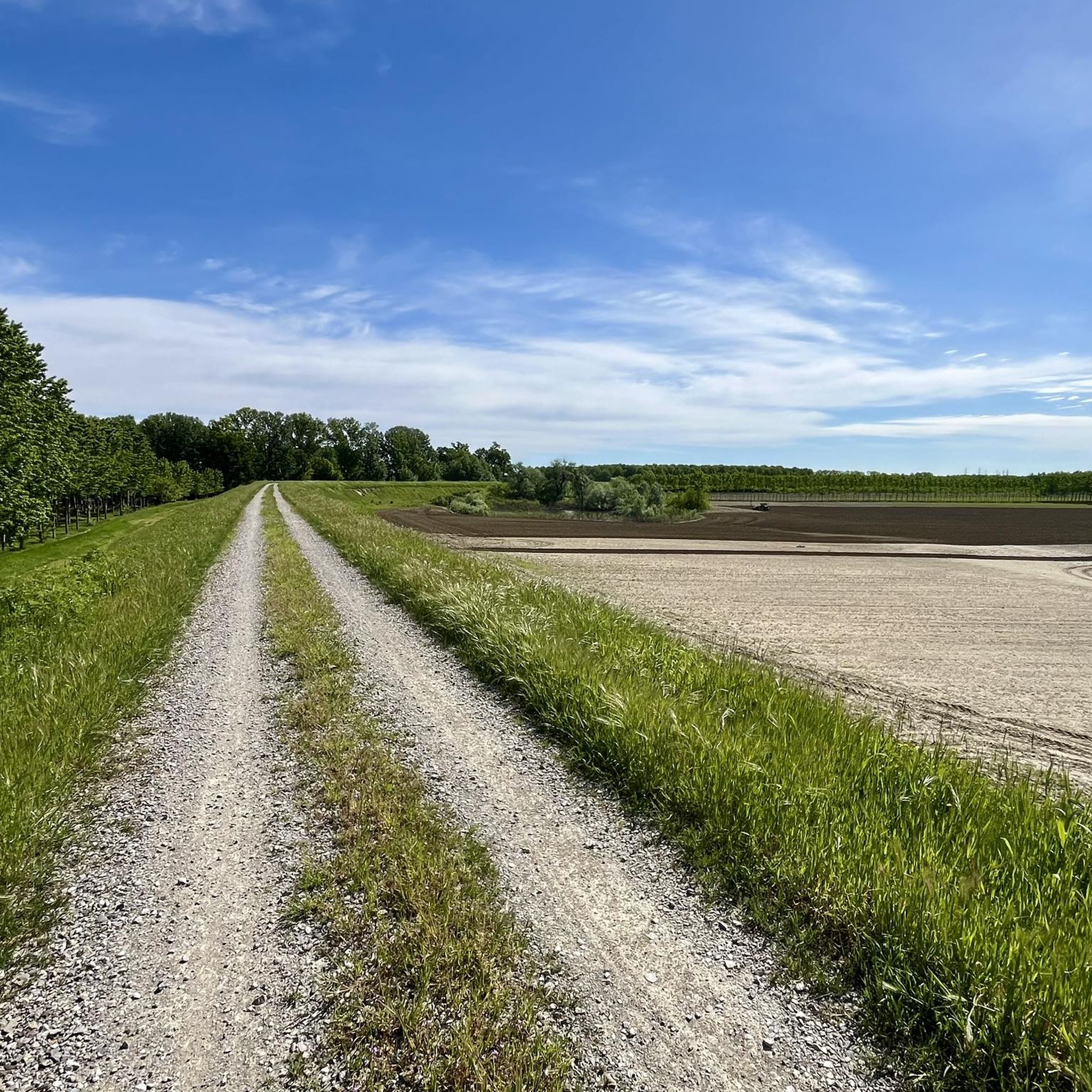
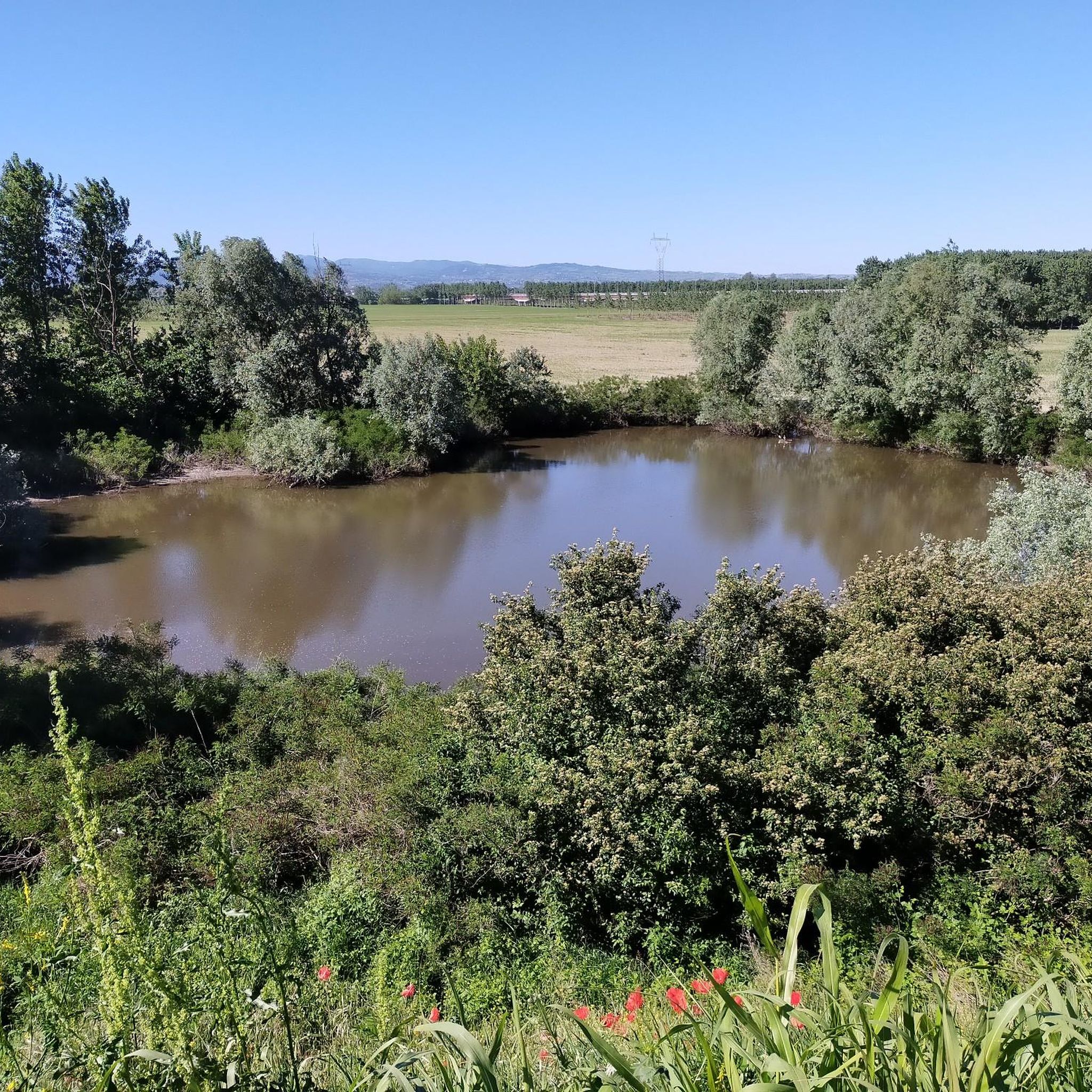

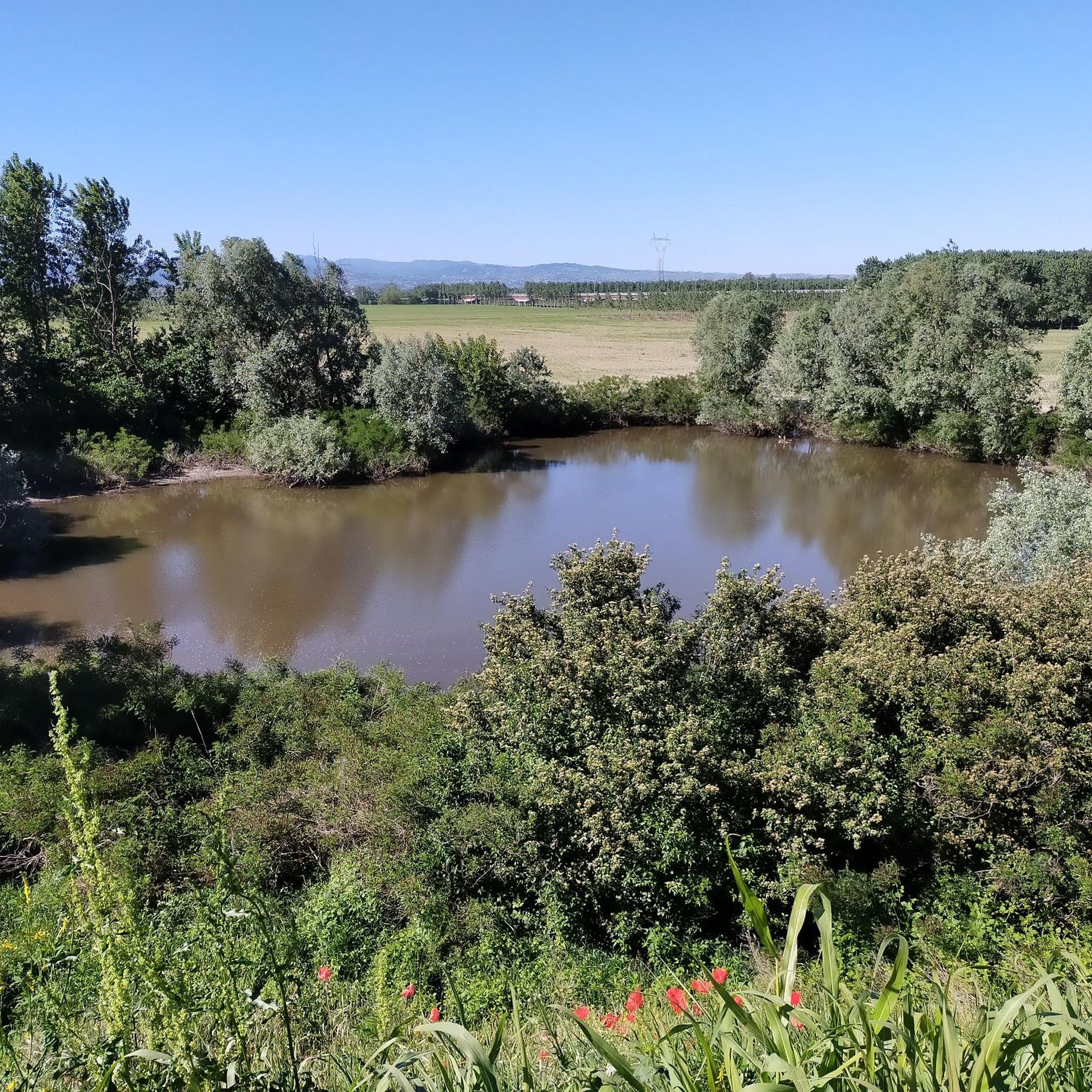
Tips from the Community

The hills of Miradolo Terme rise at the foot of the Banine hills, within the Local Intermunicipal Park of the Collina di San Colombano in Lombardy (province of Pavia). This wooded area offers a panoramic view of the Po Valley and the Oltrepò Pavese and is rich in nature trails, mountain bike paths, and historic thermal springs.
0
0

The Castello di San Colombano (or Castello Belgioioso) stands in the medieval village famous for its vineyards and for being an exclave in the province of Milan. Dating back to the 6th century and rebuilt by Barbarossa in 1164, it is divided between a private area (the keep) and a communal one (the fortified village).
0
0

Private fountain made available for cyclists and runners: make good use of it!
1
0

It's impossible to think of passing through here without visiting the town's castle. Its origins seem to date back to the 6th century but over time it underwent numerous transformations and rearrangements, resulting from the needs of the owners who followed one another over the centuries. First there was Frederick I, known as Barbarossa, who destroyed the previous castle to rebuild it. There were the Visconti-Sforzas and finally the Belgioioso family. The structure of the castle is divided into two parts: on one side the shelter, i.e. the area where daily life took place, on the other the fortress, with military functions and for this reason located high up on the hillside.
1
0

It is a house with a farmhouse, attached to other buildings that are now empty or have become homes but which were once a convent of the Diocese of Pavia. The building was built shortly after 1881 when the entire area was purchased by the bishop of Pavia, Mons. Agostino Riboldi, as a holiday home and from there began restoration work and adaptation to the new use.
1
0
It is the social and cultural center of the life of the village and its events are closely linked to those of the dominations that have taken place in the area. After destroying a previous center set up during the clashes with the city of Milan (1158), the German emperor Frederick I known as Barbarossa, aware of the strategic importance of San Colombano, decided to rebuild the castle in 1164.
1
0
The "Colle di San Colombano" rises between the Lodi plain and the lower Pavia area, in an area located about 40 km south of Milan and 30 km east of Pavia. The soil, which alternates sandy areas with limestone areas, the subsoil rich in minerals (as evidenced by the spring waters of the Terme di Miradolo and the Mineral Fonti Gerette di San Colombano), the exposure to the sun of its slopes, make the Colle an environment ideal and suited for the cultivation of vines.
2
1

after facing the Colada, turn right and slightly uphill you reach Madonna dei Monti. Very nice route to look at
1
0
Frequently Asked Questions
How many running routes are available in the Badia Pavese area?
The Badia Pavese region offers a wide selection of running routes, with nearly 70 different trails available for exploration. These routes cater to various skill levels, from easy jogs to more challenging runs.
What kind of terrain can I expect on jogging routes around Badia Pavese?
Jogging routes in Badia Pavese primarily feature a tranquil rural environment characterized by green hills and extensive vineyards. You'll find a network of paths with gentle ascents and descents across this rolling landscape, providing a scenic and peaceful experience away from urban bustle.
Are there running routes suitable for beginners in Badia Pavese?
Yes, Badia Pavese offers several running routes suitable for beginners. There are 4 easy routes available, providing a gentle introduction to jogging in the area's serene countryside.
Are there challenging running trails for experienced runners in Badia Pavese?
Absolutely. For experienced runners seeking a challenge, Badia Pavese features 26 difficult routes. These trails often include significant elevation gains and longer distances, such as the Banine Ascent: The Woods – Chignolo Po Castle loop from Chignolo Po, which covers 21 miles (33.8 km) with substantial climbing.
What do other runners say about the jogging routes in Badia Pavese?
The running routes in Badia Pavese are highly regarded by the komoot community, holding an average rating of 4.3 stars from over 10 reviews. More than 800 runners have used komoot to explore the varied terrain, often praising the quiet, scenic environment of the green hills and vineyards.
Can I combine my run with sightseeing or visiting historical landmarks?
Yes, many running routes in the Badia Pavese area pass by interesting landmarks and natural features. For example, the Banine Ascent: The Woods – Chignolo Po Castle loop takes you past the historic Chignolo Po Castle. Other notable attractions in the vicinity include Villa Litta Carini and San Colombano Castle.
Are there any circular running routes in the Badia Pavese region?
Yes, many of the running routes around Badia Pavese are designed as loops, offering convenient circular paths. Popular options include the San Colombano Hill Park Loop and the Giant Cart loop from Miradolo Terme, allowing you to start and finish at the same point.
Are the running trails in Badia Pavese suitable for families?
While specific family-friendly designations vary, the tranquil rural environment and the presence of easy routes suggest that many trails could be suitable for families, especially those with older children or those looking for a leisurely pace. The green hills and vineyards offer a pleasant backdrop for outdoor activity.
Are dogs allowed on the jogging routes in Badia Pavese?
Generally, dogs are welcome on many outdoor trails in rural areas like Badia Pavese, especially on paths through vineyards and hills. However, it's always advisable to keep dogs on a leash and check for any specific local regulations or signage, particularly in nature reserves or cultivated areas.
What is the best time of year to go jogging in Badia Pavese?
The best time for jogging in Badia Pavese is typically during spring and autumn when the weather is mild and the natural scenery of green hills and vineyards is at its most vibrant. Summer can also be pleasant, especially in the early mornings or late afternoons, while winter offers a different, quieter charm, though some paths might be muddy or require appropriate gear.
Are there any organized running events or 'marches' in the Badia Pavese area?
Historically, Badia Pavese has hosted non-competitive running events, locally known as 'marches,' organized by groups like G.P. Badia Pavese. These events indicate a local appreciation for running and suggest the terrain is well-suited for such activities. For current event schedules, you might check local sports club listings or resources like fiaspitalia.it.
Where can I find parking for the running routes around Badia Pavese?
Given the rural nature of Badia Pavese and its surrounding towns like Miradolo Terme and San Colombano al Lambro, parking is generally available in or near the villages, often close to trailheads or public spaces. Specific parking details can usually be found on individual route descriptions on komoot.
Can I reach the running trails in Badia Pavese using public transport?
While Badia Pavese is a tranquil rural area, public transport options might be limited compared to larger cities. It's best to research local bus services connecting to Badia Pavese or nearby towns like Miradolo Terme or San Colombano al Lambro. Access to specific trailheads might require a short walk or a local taxi from the nearest public transport stop.
Most popular routes around Badia Pavese
Most popular attractions around Badia Pavese

Get inspired with the komoot mobile app


Explore more
Browse the best Running Trails & Routes in other regions.
