Attractions and Places To See around Filighera - Top 20
Best attractions and places to see around Filighera include cultural sites and natural features. This tranquil municipality in the Province of Pavia, Lombardy, Italy, is characterized by its serene rural landscape. The area offers several cultural sites of local historical and architectural interest, alongside the natural environment of the nearby Po river and its floodplain areas.
Best attractions and places to see around Filighera
- The most popular attractions is Sanctuary of Santa Maria del Novello, a religious building located…
Last updated: October 10, 2026
Sanctuary of Santa Maria del Novello
Highlight • Religious Site
Popular …
Translated by Google •
Tip by

Little Church of Our Lady of Loreto
Highlight • Religious Site
The rural aedicule from the 15th century with an image of the Virgin of Loreto.
The ancient oratory …
Translated by Google •
Tip by

Sign up now to discover places like this
Get recommendations on the best single tracks, peaks, & plenty of other exciting outdoor places.
Church of San Giacomo della Cerreta
Highlight • Religious Site
Translated by Google •
Tip by
Via Francigena in Linarolo
Highlight • Trail
The passage of pilgrims is confirmed by the existence, in the past, …
Translated by Google •
Tip by
Church of San Michele Arcangelo, Belgioioso
Highlight • Religious Site
The castle was originally built in the 14th century by the Belgioioso family. It served as a fortified residence to …
Translated by Google •
Tip by
Sign up for free to discover even more attractions around Filighera.
Already have an account?
Start today with a free account
Your next adventure awaits.
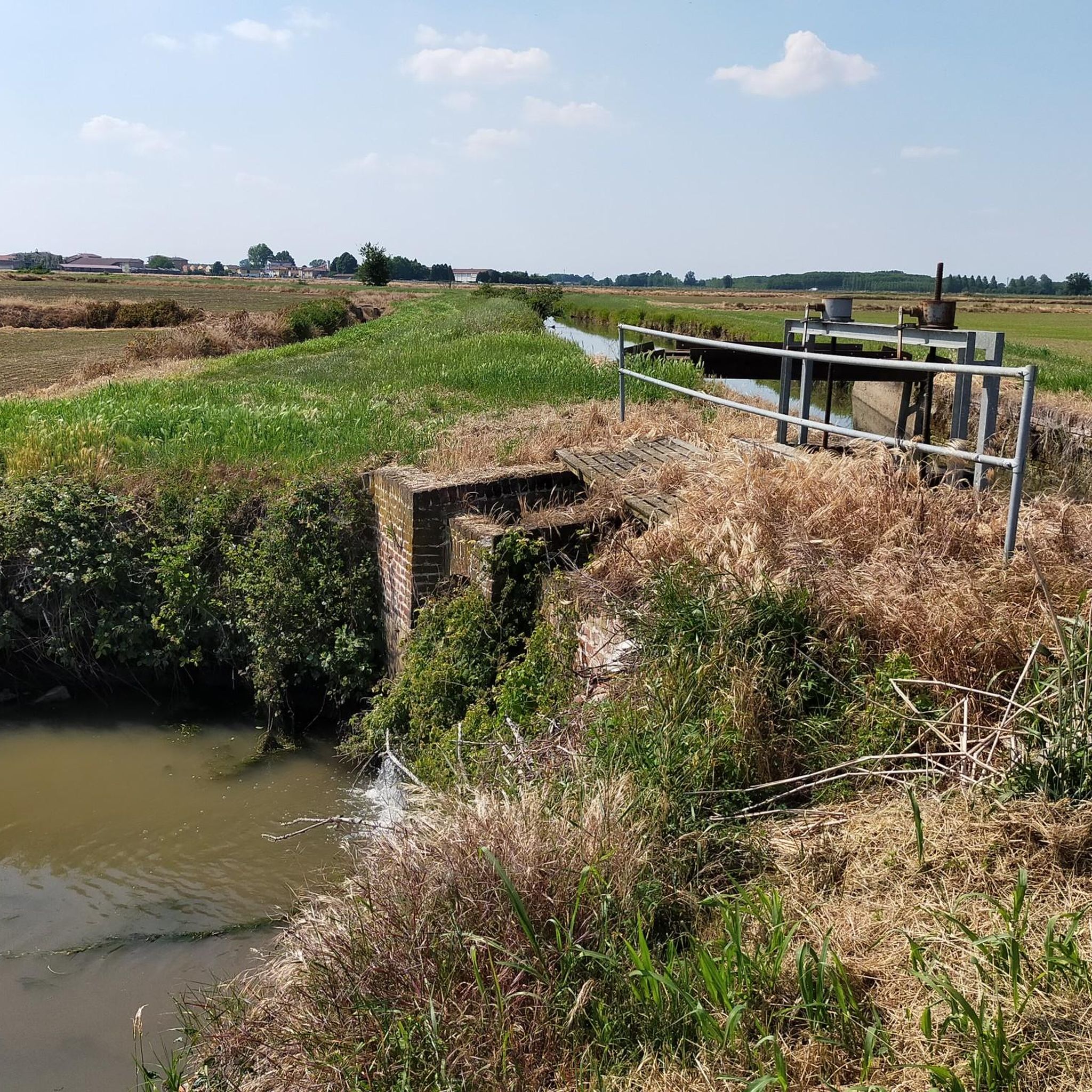

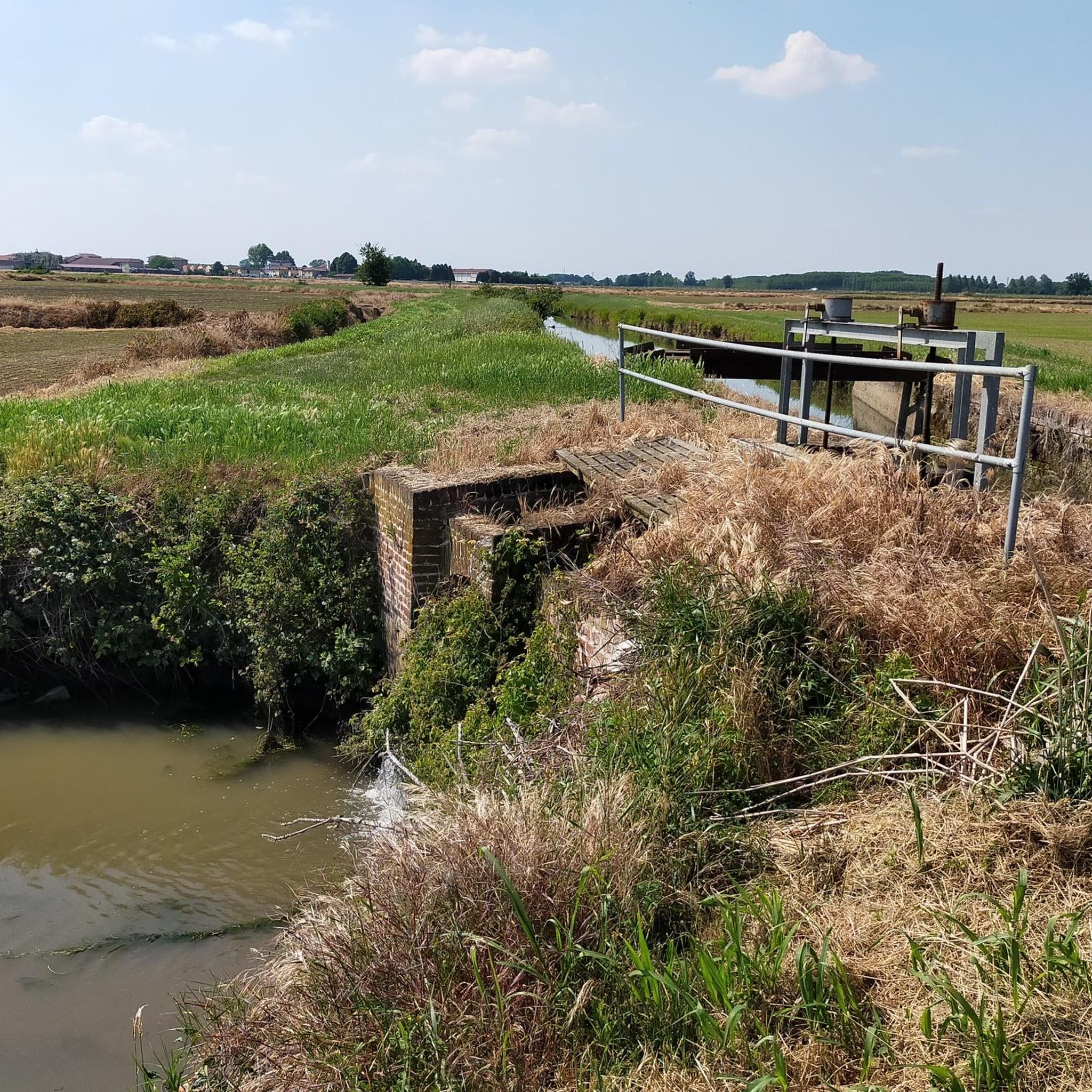
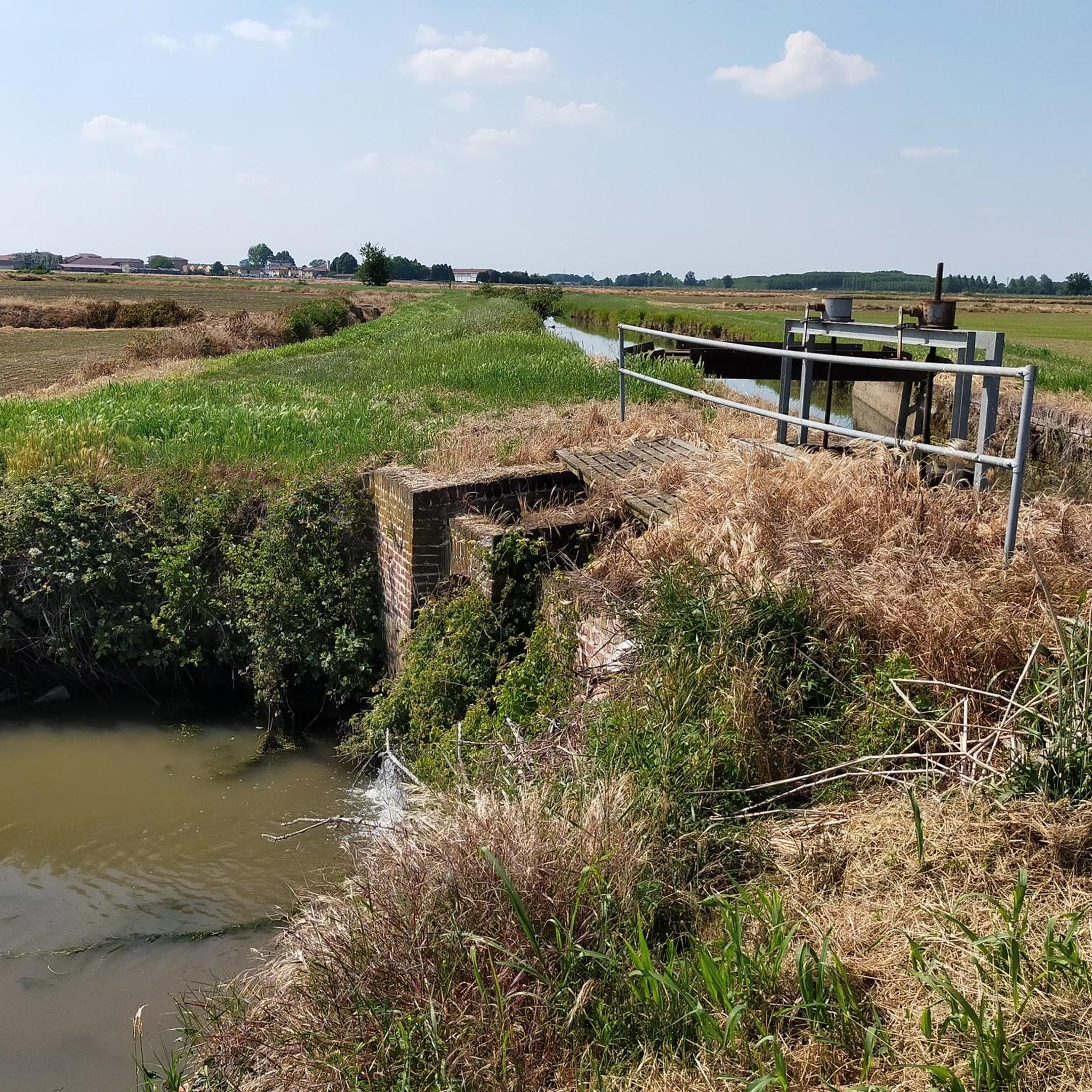
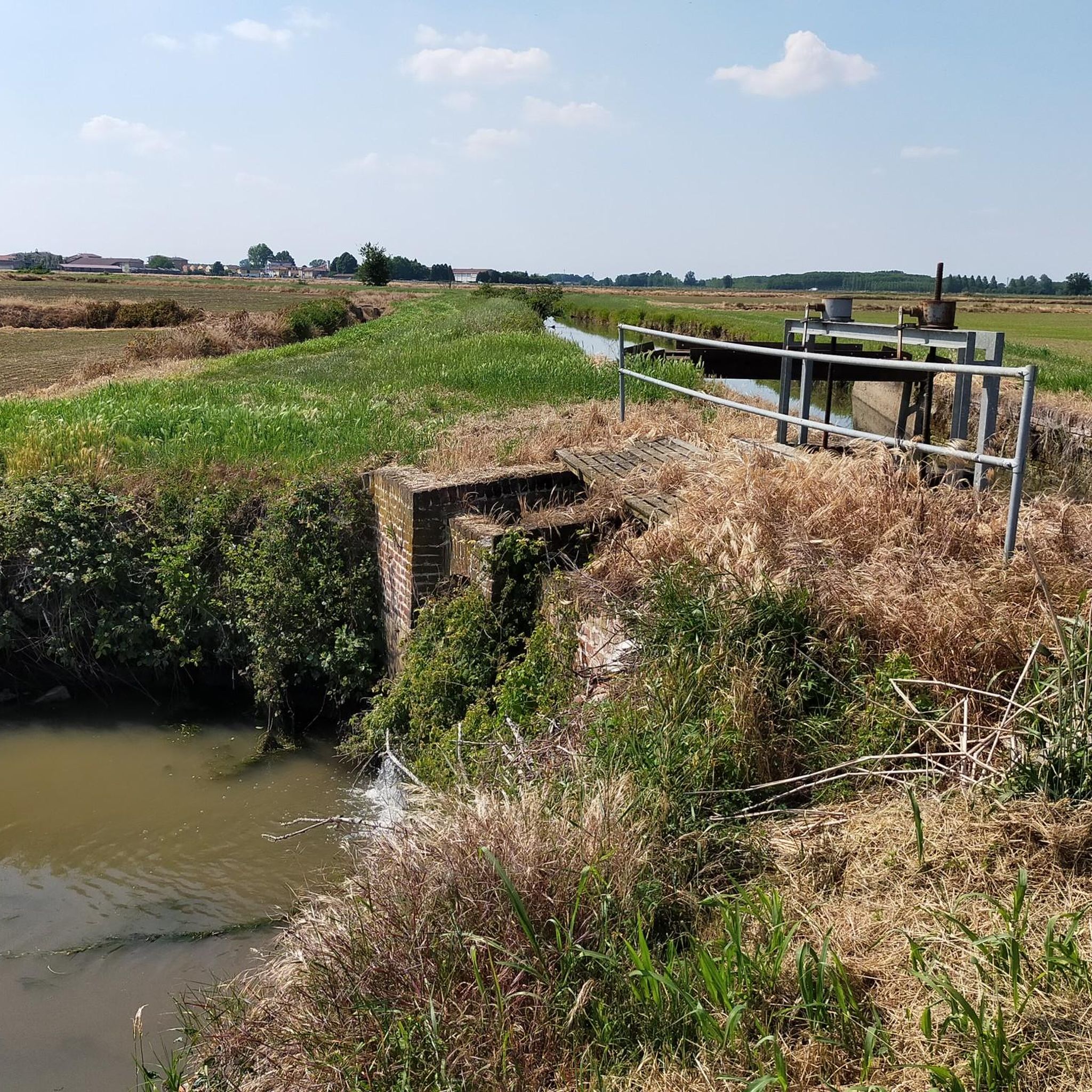

Tips from the Community

The Sanctuary of Santa Maria del Novello (also known as Santuario del Novello) is a fascinating religious building located in Travacò Siccomario, in the province of Pavia. This small country church stands in a suggestive and isolated position within the floodplain area, just a few steps from the main left bank of the Po River. Origins: The original structure dates back to the late 1500s (or early 1600s according to some local sources). It was commissioned by the Bonacossa family and built over a previous country oratory, of which it still preserves the original fresco of the Madonna inside. Protection from floods: According to popular tradition, the building was erected at that precise spot to invoke divine protection against floods.
0
0

The patronage of this shrine, dedicated to the Madonna, refers to the town of Loreto. This is one of the great and important Marian pilgrimage sites in Europe, along with Lourdes in the French Pyrenees and Fatima in Portugal. Unlike the other two places mentioned, however, Loreto is not known for apparitions of the Mother of God. Here, pilgrims can find something very tangible: Mary's childhood home in Nazareth (Israel). Her parents—not mentioned by name in the biblical writings of the New Testament—are mentioned in apocryphal traditions: Saint Anne and Saint Joachim are thus the grandparents of Jesus Christ (their common feast day in the calendar of saints is July 26). Crusaders likely dismantled the venerated building in Nazareth and brought it to Europe when the era of the Christian kingdoms in the Holy Land came to an end towards the end of the 13th century. But this very sober assumption is countered by a much more interesting legend: According to this, four angels carried out the translation and flew the house over the Mediterranean.
0
0

Unfortunately, this church of St. James on the Via Francigena was closed.
1
0

The Chiesuolo della Madonna di Loreto was built in three successive phases: The rural aedicule from the 15th century with an image of the Virgin of Loreto. The ancient oratory in brick from the 17th century, also dedicated to the Madonna di Loreto. The current church, dating from 1781. Architecture: The church has a single nave with a protiro (covered entrance) and is built of exposed brickwork. Inside there are frescoes and an altarpiece with the Madonna di Loreto. Significance: The Chiesuolo is also called ‘Il Chiesuolo’ and is dedicated to the Madonna of Loreto. It is an important historical testimony and a place of devotion. https://www.lombardiabeniculturali.it/architetture/schede/PV240-01108/
6
0
The church of San Michele Arcangelo is in an excellent state of conservation thanks to recent restorations. The façade shows a typical style of the 17th century and is divided into two parts by a horizontal brick frame. At the bottom, there are three portals flanked by slender pilasters. Above the central portal is a fresco dedicated to the saint. The upper half is framed by two curly volutes and two hollow niches that enclose a central window. The façade is crowned by a slightly projecting tympanum with a cross and three columns. The colours of the façade, a delicate balance between white and brown, give a foretaste of the opulence and wealth inside.
6
0
The Castello di Belgioioso, has a rich and fascinating history. The castle was originally built in the 14th century by the Belgioioso family. It served as a fortified residence to protect the surrounding area and as a symbol of power and prestige. In the 16th century, the castle underwent important renovations and extensions. The architecture was influenced by the Renaissance style, with elegant loggias, arcades and beautiful frescoes. In the 18th century, Antonio Barbiano obtained the elevation of Belgioioso to a principality in 1796 and expanded and rebuilt the medieval castle, enriched with extensive gardens and greenhouses in neoclassical style by the architect Leopold Pollack. In the 19th century, the castle became a meeting place for artists, writers and philosophers. It was a breeding ground for creativity and intellectual exchange. Today, the Castle of Belgioioso is managed by the Ente Fiera dei Castelli di Belgioioso e Sartirana. It organizes exhibitions and events that highlight the history, art and culture of the region.
6
0
The Via Francigena passes through the municipality of Linarolo, which belonged to the Order of the Knights Templar. The passage of pilgrims is confirmed by the existence, in the past, of a hospital for the Romans, mentioned by the Duke of Milan Gian Galeazzo Visconti in his Itinerary for pilgrims on the way to Rome, dated 1400. The woods and the proximity of the river were the ideal setting for nature walks and the re-enactment of an evocative history. The city is located in an area that was very popular in the Middle Ages, where the Strada Regina passed, via San Leonardo and Ospedaletto. The road connected Piacenza with Pavia along the Po and was the continuation of the Via Emilia (Rimini-Piacenza).
3
0

Place of cultural, artistic, historical and tourist interest Via Dante Alighieri, 1, 27011 Belgioioso PV https://www.belgioioso.it/ 0382970525
2
0
Frequently Asked Questions
What cultural and historical sites can I visit around Filighera?
Filighera and its surroundings are rich in historical religious buildings. You can explore the Sanctuary of Santa Maria del Novello, dating back to the late 1500s and featuring an original fresco. Another significant site is the Church of San Giacomo della Cerreta, a 15th-century Lombard art example adorned with votive paintings, which served as a pilgrim destination on the ancient Via Francigena. Don't miss the Little Church of Our Lady of Loreto, with its exposed brickwork and internal frescoes, or the Church of San Michele Arcangelo in Belgioioso, known for its distinctive 17th-century facade.
Are there any natural features or landscapes to enjoy near Filighera?
Yes, the primary natural feature of Filighera is its serene rural landscape, characteristic of the Lombardy region. The area is ideal for those seeking peace and nature. The nearby Po river and its floodplain areas also contribute to the local natural environment, offering tranquil settings for walks and enjoying the outdoors.
What outdoor activities can I do near Filighera?
The rural landscape around Filighera is perfect for various outdoor activities. You can find numerous routes for cycling, gravel biking, and running. For example, there are several cycling routes, including a challenging 73 km loop from Belgioioso that explores the Lombard Embankment of the Po River and the vineyards of Oltrepò Pavese. If you prefer gravel biking, you can tackle routes like the Miradolo Trails. For those who enjoy running, there are moderate loops from Belgioioso and Linarolo.
Are there family-friendly attractions around Filighera?
While Filighera is primarily known for its historical and religious sites, some attractions can be enjoyed by families. The Little Church of Our Lady of Loreto and the Church of San Michele Arcangelo are listed as family-friendly. The general rural landscape also provides a peaceful setting for family walks and enjoying nature together.
Can I find easy walking or running trails near Filighera?
Yes, there are several easy to moderate walking and running trails. For instance, you can find running loops from Belgioioso and Linarolo, both around 7 km and rated as moderate. These trails offer a great way to experience the tranquil countryside.
What is the best time to visit Filighera for outdoor activities?
Given its serene rural landscape and focus on outdoor activities like cycling and running, the best time to visit Filighera is typically during spring and autumn. These seasons offer pleasant temperatures for exploring the countryside and historical sites without the extreme heat of summer or the chill of winter.
What is the significance of the Via Francigena in this region?
The Via Francigena, an ancient pilgrimage route, holds historical significance in the area. The Church of San Giacomo della Cerreta was a destination for pilgrims along this route. Additionally, the Via Francigena passes through nearby Linarolo, where its presence is confirmed by historical records of a hospital for Romans and its connection to the Knights Templar. You can even find sections of the Via Francigena in Linarolo, offering a glimpse into this evocative history.
Are there any specific tips for visiting the Sanctuary of Santa Maria del Novello?
The Sanctuary of Santa Maria del Novello is located in a floodplain area next to the Po river. Popular tradition suggests it was built to protect against the river's floods. It's a place of historical and architectural interest, preserving an original fresco from its ancient chapel. Its rebirth is celebrated on the last Sunday of August, which might be a special time to visit.
What makes the Church of San Giacomo della Cerreta unique?
The Church of San Giacomo della Cerreta is a notable example of 15th-century Lombard art. It is entirely adorned with votive paintings, many depicting the Madonna, Saint Roch, and Saint James, often shown in pilgrim attire with a stick, saddlebag, and the characteristic shell. Its historical role as a destination for pilgrims on the ancient Via Francigena also makes it unique.
What kind of cycling routes are available around Filighera?
There's a variety of cycling routes, ranging from moderate to difficult. You can find long-distance routes like the 73 km 'Lombard Embankment of the Po River – Vineyards in Oltrepò Pavese loop' from Belgioioso, or the 76 km 'Naviglio Pavese Cycle Path – Binasco Castle loop'. These routes allow you to explore the diverse landscapes and historical points of interest in the region.
What do visitors enjoy most about the attractions around Filighera?
Visitors appreciate the rich heritage of religious buildings and historical sites that reflect the region's past. The tranquil rural landscape and the opportunity to engage in outdoor activities like cycling and running are also highly valued. The community has upvoted these attractions more than 50 times and shared over 15 photos, highlighting their appeal.
Most popular routes around Filighera

Get inspired with the komoot mobile app


Explore more
Still not found the Highlight you’re looking for? See guides of the top attractions in other regions:
