The 20 Most Amazing Peaks around Pertica Bassa
Best mountain peaks around Pertica Bassa are found within a mountainous landscape in the Brescia and Garda Prealps. This region in Lombardy, Italy, offers a variety of peaks and trails. The area is known for its natural features and opportunities for outdoor activities. Visitors can explore a range of mountain environments, from forested slopes to rocky summits.
Best mountain peaks around Pertica Bassa
- The most popular mountain peaks is Monte Ario, a summit that offers panoramic views of the…
Last updated: July 7, 2026
Fort Cima Ora
Highlight • Historical Site
Translated by Google •
Tip by

Tita Secchi Hut
Highlight • Mountain Hut
Translated by Google •
Tip by

Sign up now to discover places like this
Get recommendations on the best single tracks, peaks, & plenty of other exciting outdoor places.
Sign up for free
Monte Muffetto summit
Highlight • Summit
On the grassy, rounded summit, a simple cross with two howitzers fixed at its base. …
Translated by Google •
Tip by

Monte Ario
Highlight • Summit
Translated by Google •
Tip by

Via Ferrata Crench
Highlight (Segment) • Climb
Translated by Google •
Tip by

Sign up for free to discover even more peaks around Pertica Bassa.
Sign up for free
Already have an account?
Start today with a free account
Your next adventure awaits.
Login or Signup
Popular around Pertica Bassa
Other adventures around Pertica Bassa

Tips from the Community


On the east side there is an alternative route up to the fort which also passes through a short section of iron path and a long, slender ladder that overcomes a wall of about fifteen metres.
0
0

A peak over two thousand meters high, overlooking the Montecampione plain and the Bassinale valley. On the grassy, rounded summit, a simple cross with two howitzers fixed at its base. It can be reached via various trails, or by following the two main ridges: the southeast (EE) and the northwest (EE+, which also features a small equipped cliff mid-ridge). From the summit, you can enjoy a splendid panorama wherever you turn, surrounded by imposing mountain ranges at the four cardinal points, as well as the upper part of Lake Sebino, the Camonica Valley, and the Trompia Valley. With a particularly trained eye, you can see: to the north the Orobie mountain range and at first sight the Presolana (you can also glimpse the snow-capped Bernina), to the east the Adamello massif and the Brenta Dolomites, to the south the mountains of the Maniva mountain range, to the west the Monte Guglielmo group.
3
0

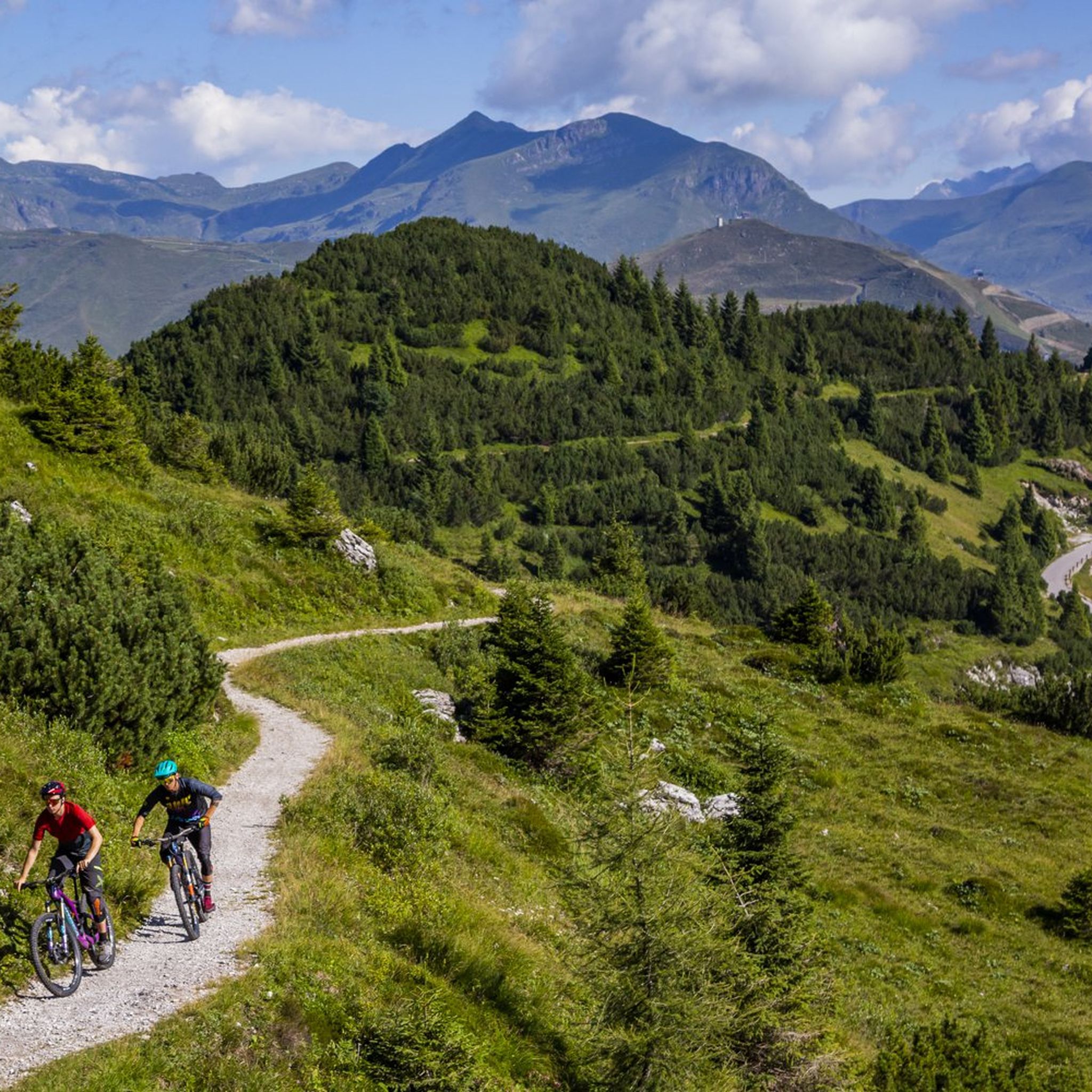
The soldiers' path, a long ledge that can be cycled on, very fun, a little exposed. Arrival at the Tita Secchi hut with a short portage section
0
0

From the refuge a splendid panorama
0
0

The bivouac is located near Cima Caldoline and can be reached either by mountain bike along the mountain pines path
0
0


Frequently Asked Questions
What are some of the most notable mountain peaks and sites to visit around Pertica Bassa?
Beyond the well-known summits, the region offers diverse experiences. You can explore the historical site of Fort Cima Ora, which provides a 360-degree panorama from Mount Baldo to Lake Idro and Mount Maniva. Another unique spot is the Tita Secchi Hut, a characteristic wooden bivouac offering impressive views from its balcony. For a challenging summit with expansive views, consider Monte Muffetto summit, which overlooks the Montecampione plain and offers vistas of Lake Sebino, Val Camonica, and Val Trompia.
Which mountain peaks offer the best panoramic views in the Pertica Bassa area?
For breathtaking panoramic views, Monte Ario is highly recommended, offering a magnificent 360-degree perspective of the Valle Trompia, Passo della Maniva, Corna Blacca, Monte Baldo, Lake Garda, and Monte Guglielmo. Corna Blacca itself, at 2,006 meters, provides stunning views of Lake Iseo, Lake Idro, Lake Garda, and the Val Trompia and Val Sabbia valleys. From Fort Cima Ora, you can also enjoy a wide panorama including Mount Baldo, Lake Idro, and Mount Maniva.
Are there any historically significant mountain peaks or sites near Pertica Bassa?
Yes, the region is rich in history. Fort Cima Ora is a significant historical site, part of the route of forts from the 1915-18 war, offering insights into the area's past. Monte Cingolo Rosso also holds historical importance, having served as a state border for centuries and featuring trenches and a defensive military road from the Great War. Corna Blacca has paths marked by historical significance, including those related to the resistance during World War II, with a memorial stone and a cross on its peaks.
What kind of natural features can I expect to see on the mountain peaks around Pertica Bassa?
The mountain peaks around Pertica Bassa are characterized by diverse natural beauty. Corna Blacca, for instance, is known for its layered limestone and mountain pines, and is part of the 'Little Brescian Dolomites' due to its distinctive rock outcrops. The area also boasts exceptional flora, including rare endemic species like the Daphne petraea, particularly observable in June. Monte Cingolo Rosso features reddish dolomitic rock, especially vibrant at sunset, and is part of a wooded ledge.
What are the hiking difficulty levels for the mountain peaks in Pertica Bassa?
The region offers a variety of trails suitable for different fitness levels. Corna Blacca presents a challenging but rewarding trek, with some exposed sections requiring good stamina and sure-footedness. Monte Cingolo Rosso offers engaging hiking opportunities, with its southern slope traversed by a mule track, and technical routes along its ridge for advanced hikers that include brief, slightly exposed climbing sections (difficulty I° and II°). Monte Palo has an accessible trail to its summit, indicating a more moderate experience.
When is the best season to hike the mountain peaks around Pertica Bassa?
While specific recommendations vary by peak and trail, the presence of rare endemic flora like the Daphne petraea, particularly observable in June on Corna Blacca, suggests that late spring and early summer are excellent times to visit for both hiking and enjoying the natural beauty. The region generally offers a pleasant experience for outdoor activities during warmer months.
Are there any mountain huts or refuges available for hikers in the Pertica Bassa area?
Yes, there are mountain huts that can serve as resting points or destinations. The Tita Secchi Hut is a characteristic wooden bivouac with an equipped kitchen and bathroom, accessible all year round. Another option is Rifugio Blachì 2, located near Alpe Pezzeda, which offers a sensational view of the upper Trompia Valley, though its kitchen service is reduced.
What outdoor activities can I do near the mountain peaks of Pertica Bassa?
Beyond exploring the peaks themselves, the area around Pertica Bassa is excellent for various outdoor activities. You can find numerous Mountain Hikes, including challenging routes like the Via Ferrata Caspai. For cyclists, there are many Road Cycling Routes and Gravel biking trails, such as those around Maniva Pass or Lake Idro.
What makes the mountain peaks around Pertica Bassa unique compared to other regions?
The mountain peaks around Pertica Bassa are unique due to their blend of natural beauty, geological features, and historical significance. Peaks like Corna Blacca are part of the 'Little Brescian Dolomites' with distinctive layered limestone. Monte Cingolo Rosso's history as a borderland and its reddish dolomitic rock add to its character. The region also promotes 'slow tourism,' encouraging visitors to connect deeply with nature, local traditions, and culture in a low-impact way, offering a more authentic experience.
Are there any less crowded mountain peaks or trails for a quieter experience?
While specific crowd levels can vary, Monte Palo, at 1,461 meters, offers a rewarding experience for hikers looking to explore the natural landscapes of the region. Its presence of a trail indicates accessibility for a mountain ascent, and it might offer a quieter alternative compared to more iconic or challenging peaks, allowing for a more serene connection with nature.
What do visitors enjoy most about the mountain peaks around Pertica Bassa?
Visitors particularly appreciate the stunning panoramic views offered from various summits, such as the 360-degree vista from Monte Ario, which encompasses multiple lakes and valleys. The historical significance of sites like Fort Cima Ora and the unique charm of the Tita Secchi Hut are also highly valued. The overall natural beauty, diverse hiking opportunities, and the chance to immerse oneself in the tranquil Lombardy mountains are key attractions.
Most popular routes around Pertica Bassa
Most popular attractions around Pertica Bassa

Get inspired with the komoot mobile app


Explore more
See even more amazing summits around Pertica Bassa with these guides:
