Attractions and Places To See around Izano - Top 20
Best attractions and places to see around Izano include a variety of historical sites, religious buildings, and natural landscapes within the Province of Cremona, Lombardy, Italy. The region features a network of artificial waterways, rivers, and reserves, offering opportunities for outdoor exploration. Visitors can discover a blend of cultural heritage and natural features. This area provides insights into local Italian history and offers diverse points of interest.
Best attractions and places to see around Izano
- The most popular attractions is…
Last updated: September 25, 2026
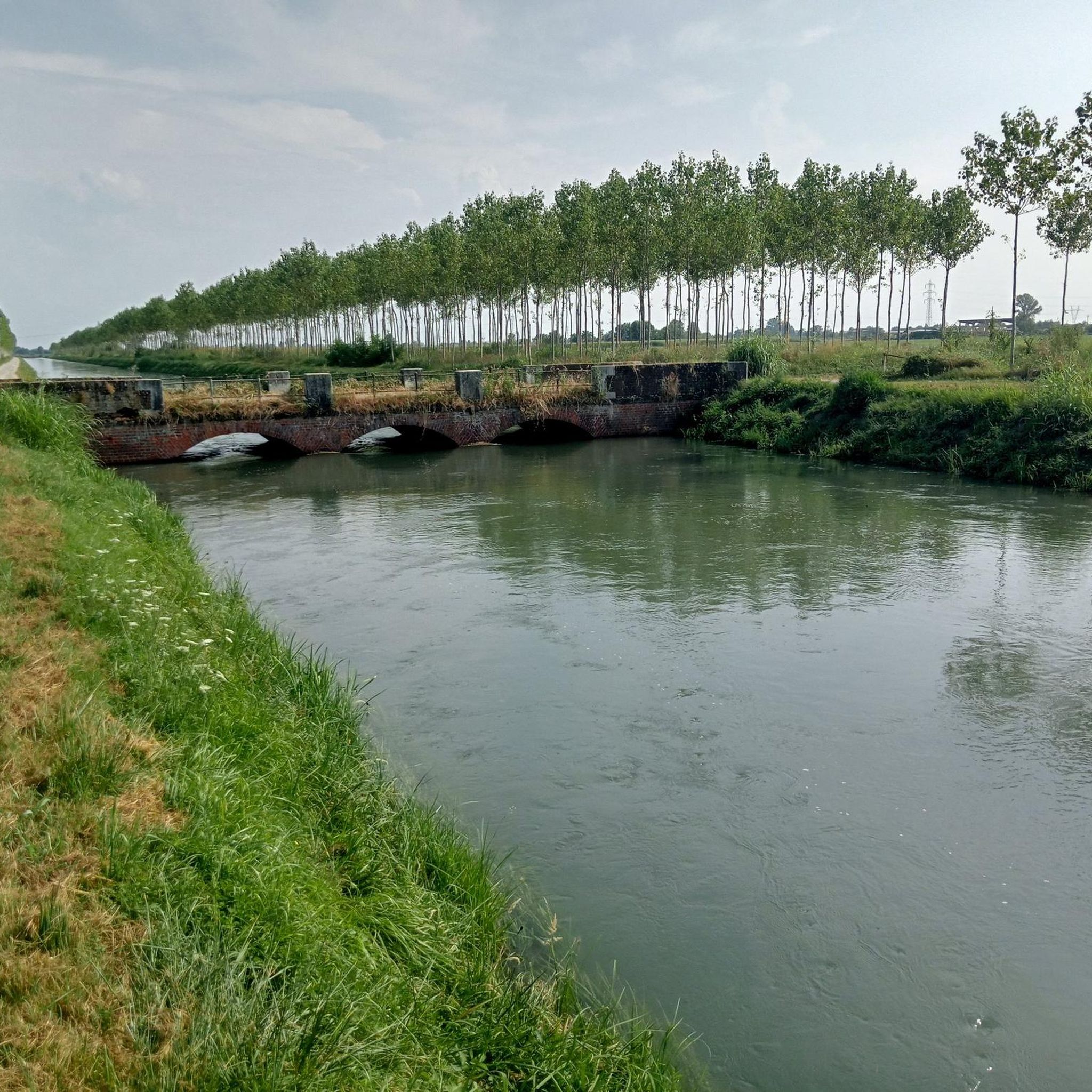
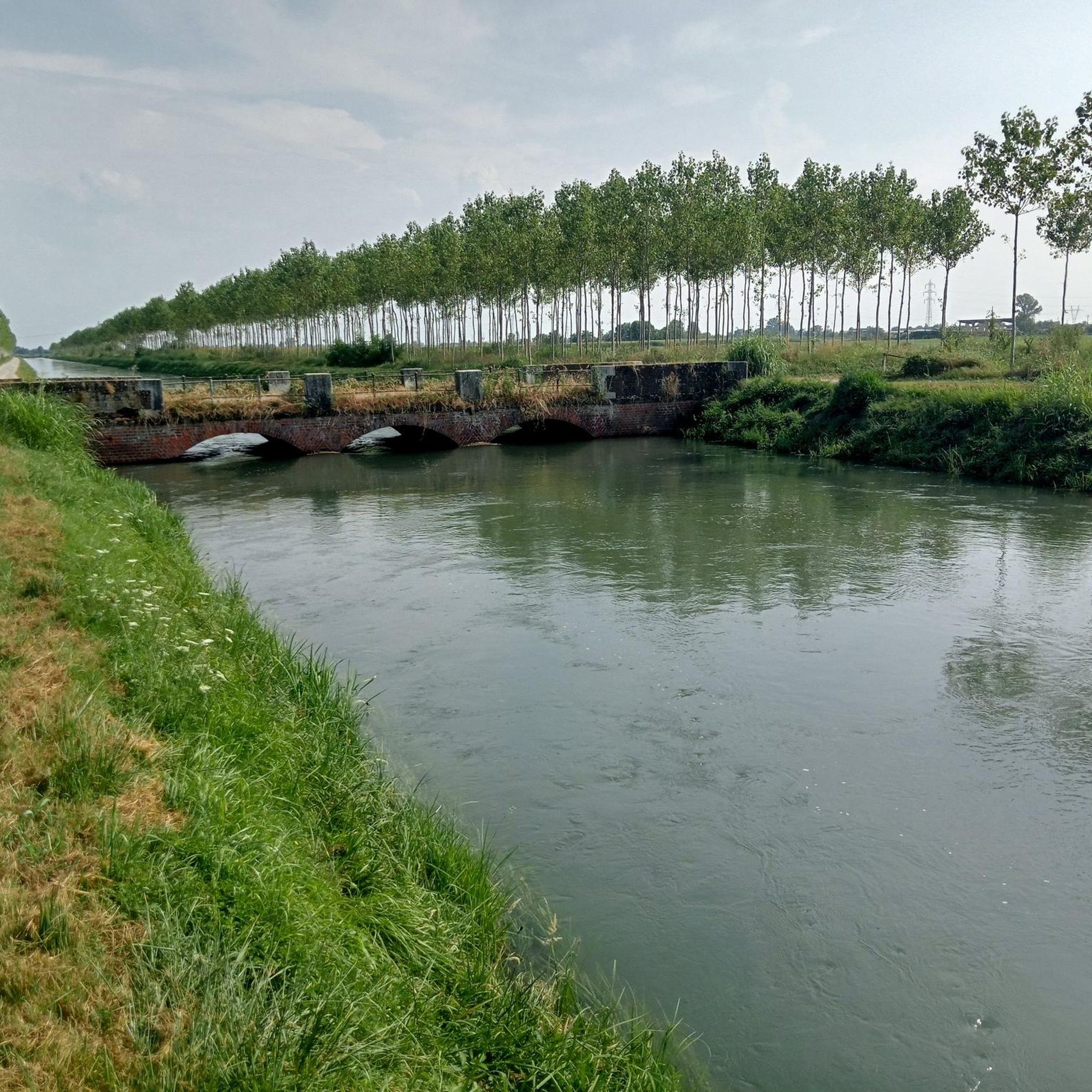
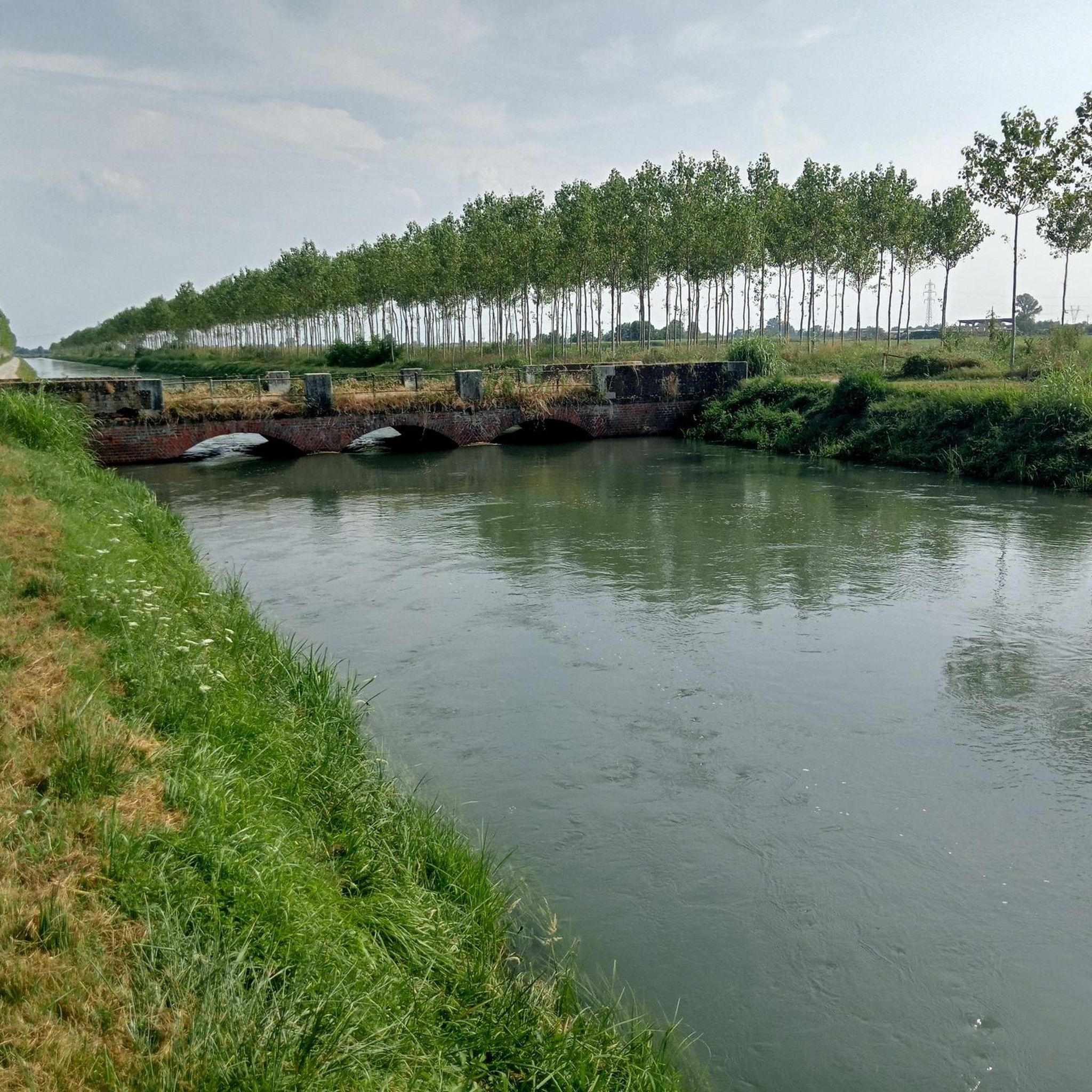
Tombe Morte (and 13 bridges)
Highlight • Structure
Translated by Google •
Tip by

Sforza Castle in Soncino
Highlight • Castle
Translated by Google •
Tip by

Sign up now to discover places like this
Get recommendations on the best single tracks, peaks, & plenty of other exciting outdoor places.
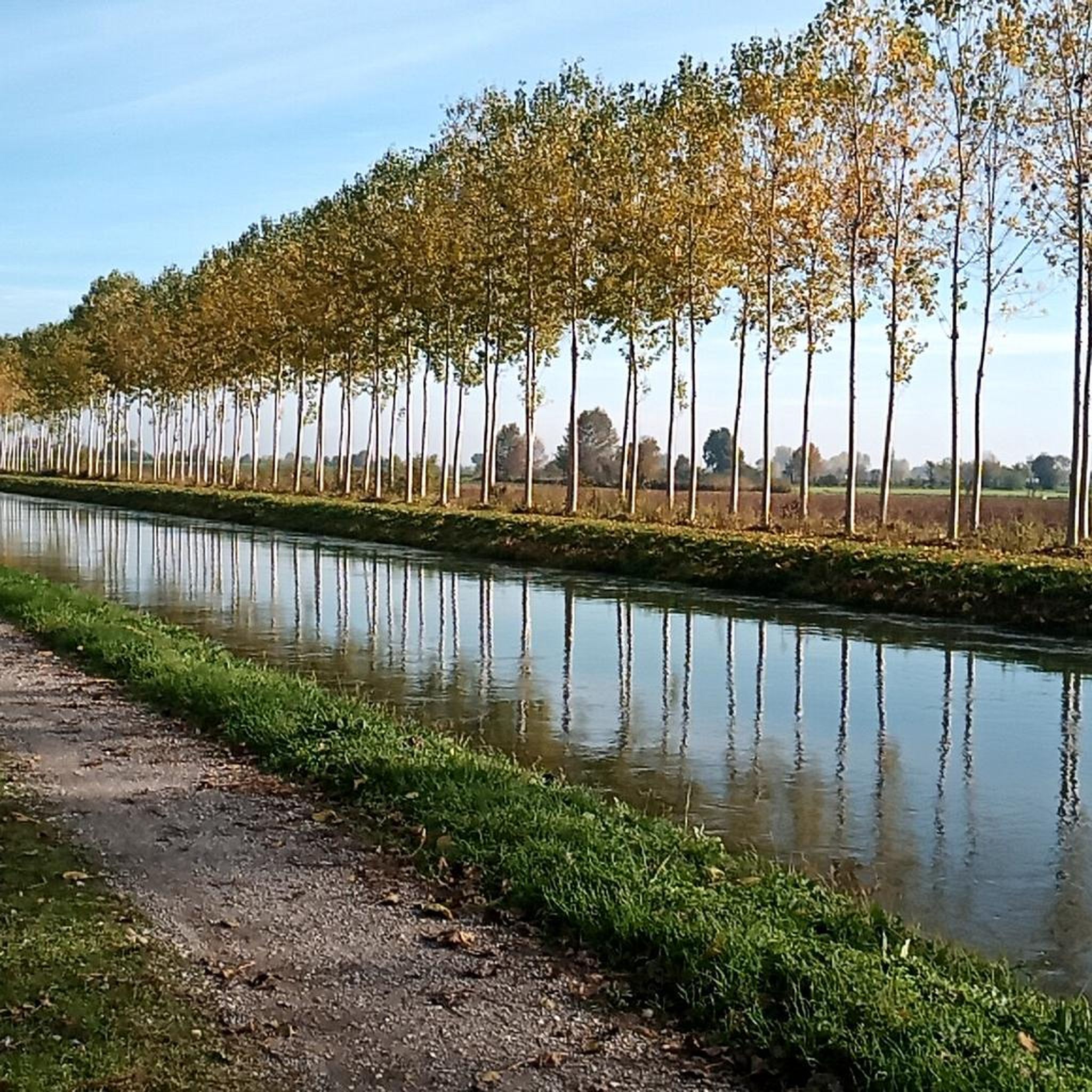
Canale Vacchelli Cycle Path
Highlight • Cycleway
Translated by Google •
Tip by

Church of Saint Catherine in Moso
Highlight • Religious Site
Originally dedicated to San Marco, it was dedicated to Santa Caterina …
Translated by Google •
Tip by

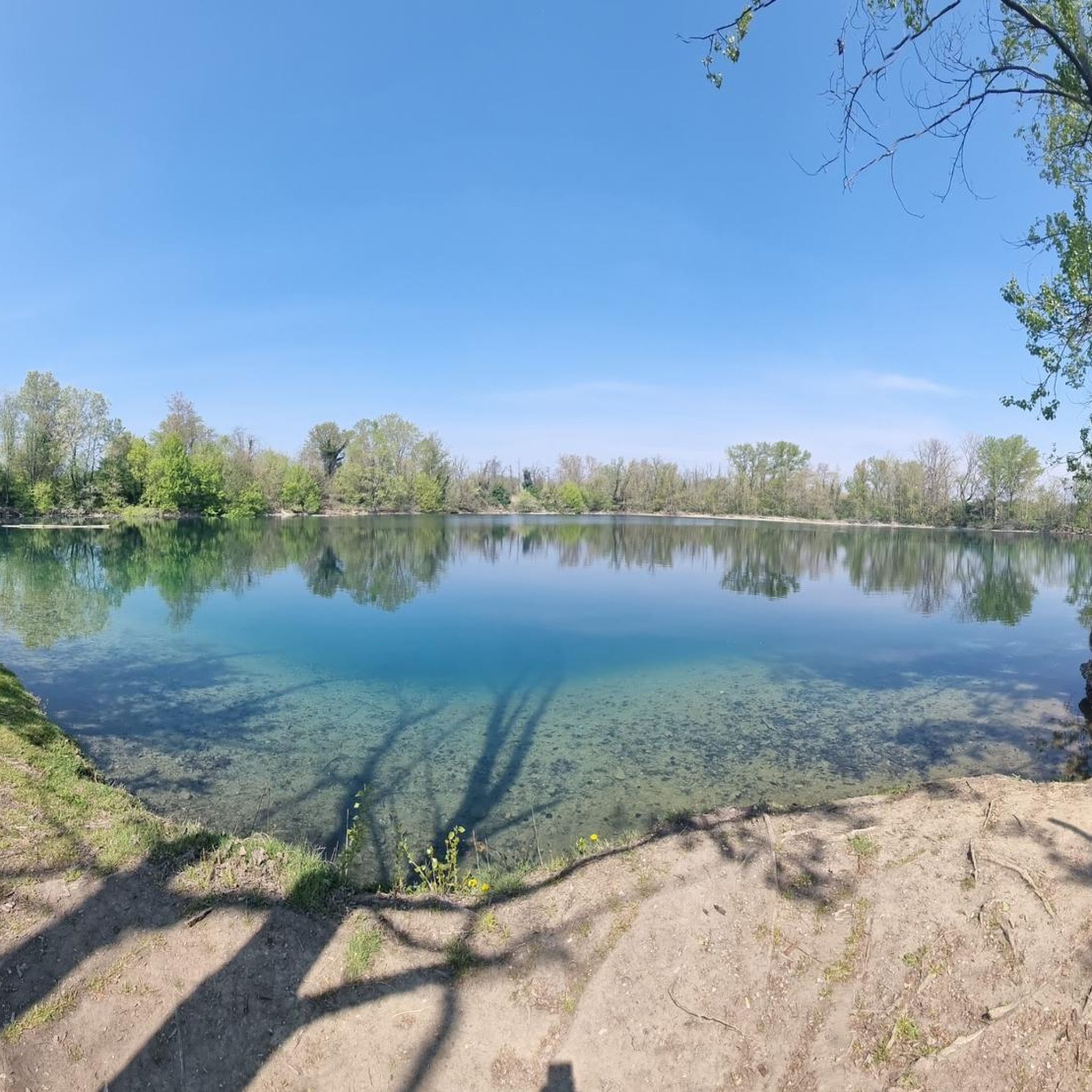
Palata Menasciutto Reserve
Highlight • Natural
Translated by Google •
Tip by
Sign up for free to discover even more attractions around Izano.
Already have an account?
Start today with a free account
Your next adventure awaits.

Tips from the Community

the weed vegetation is completely covering it
2
0

It's always fascinating, every time I see it I know that Crema is almost here
2
0

Soncino: a journey through time amidst walls and mysteries. In the heart of the Lombardy plain, Soncino offers a journey back in time. The majestic Sforza Castle, with its imposing towers and intact moat, tells stories of battles and ancient splendor. Strolling through the village's alleys, you'll discover secret corners, hidden frescoes, and a medieval atmosphere that will make you feel like you're in a fairytale. Perfect for those seeking an adventure between history and nature!
2
0

The hydraulic junction of the Tombe Morte-Tredici Ponti constitutes the most important concentration of artificial waterways in the province of Cremona, irrigating approximately 85,000 hectares of countryside. Here the Naviglio Civico di Cremona, the Naviglio Grande Pallavicino and the Canale Vacchelli intersect, the latter pouring almost all of its flow into the Naviglio Pallavicino, the Naviglio Civico and a dozen irrigation ditches through an impressive system of locks. Finally, a spillway, built between 1968 and 1981, detaches from the junction, which discharges any excess flow from the Naviglio Civico, the Naviglio Pallavicino and the Vacchelli into the Oglio river. Two different hypotheses have been made regarding the origin of the name, the first would originate from the term tomba which is synonymous with siphon, a hydraulic element that connects two conduits. Probably some of these artifacts would have fallen into disuse, hence the adjective death. Another hypothesis is linked to the discovery of several dozen burials dating back to the late Roman era.
24
0

The intersection of these channels is very suggestive
5
0
Also called the church of the Alpine troops for the numerous commemorative plaques of the deceased Cremonese Alpine troops. Originally dedicated to San Marco, it was dedicated to Santa Caterina in honor of the mother of the Alpine lieutenant Marcantonio Vimercati Sanseverino, whose remains were transferred here in 1951
21
0

The Pietro Vacchelli canal is an important hydraulic work from the late 1800s built by the Consorzio Irrigazioni Cremonesi to irrigate 80 thousand hectares of the Cremona countryside in the stretch between the Adda River and the Tombe Morte locality in Genivolta.
1
0
nice road great surface
1
0
Frequently Asked Questions
What historical sites can I explore around Izano?
Beyond Izano's local churches and villas, a significant historical site nearby is the Sforza Castle in Soncino. This impressive fortress, built between 1473 and 1475, played a crucial role in the defense of the area and is a must-see for history enthusiasts.
Are there any notable religious buildings in Izano or nearby?
In Izano, you can visit the Church of San Biagio and the recently restored Oratory of St. Roch, dating from the 14th-15th century. The Church of Saint Catherine in Moso, though partially in decay and closed to worship, is also a fascinating historical religious building known for its commemorative plaques for Alpine troops.
Where can I find unique natural or man-made water features near Izano?
The area is rich in water features. The Tombe Morte (and 13 bridges) is an important hydraulic junction where several artificial waterways intersect, irrigating a vast area. It's a complex system of canals, sluices, and bridges, offering a unique landscape to explore.
Are there good cycling routes near Izano?
Yes, the Canale Vacchelli Cycle Path is a popular option. This cycle way runs along the Pietro Vacchelli canal, connecting the Adda and Oglio rivers with numerous stone bridges and a gravel surface. For more cycling options, you can explore the Cycling around Izano guide.
What kind of natural reserves or parks are in the vicinity of Izano?
You can visit the Palata Menasciutto Reserve, located within the Serio River Regional Park. This splendid reserve offers a beautiful area of the plain, which changes significantly with the seasons, and is reachable by dirt roads.
What outdoor activities can I do near Izano?
Besides cycling along the Canale Vacchelli, the region offers opportunities for hiking and gravel biking. You can find various routes in the Hiking around Izano and Gravel biking around Izano guides, with routes ranging from easy to difficult.
Are there family-friendly attractions around Izano?
Many of the attractions, such as the Tombe Morte (and 13 bridges) and the Canale Vacchelli Cycle Path, are considered family-friendly, offering accessible ways to explore the area's unique hydraulic systems and natural beauty. The Sforza Castle in Soncino also provides an engaging historical experience for families.
What do visitors enjoy most about the attractions near Izano?
Visitors particularly appreciate the unique hydraulic engineering at Tombe Morte, describing it as a fascinating tangle of canals and structures. The scenic gravel paths along the Canale Vacchelli Cycle Path, with its numerous stone bridges, are also highly praised for cycling. The grandeur and historical significance of the Sforza Castle in Soncino also leave a strong impression.
Can I find any patrician villas or grand estates in the countryside near Izano?
Yes, the countryside surrounding Izano is dotted with several patrician villas, many of which were built by Venetian noblemen in the 17th century. Notable examples include Villa Severgnini and the 19th-century Villa Cremonesi, with its distinctive yellow and white exterior and a high turret set within a large garden.
What is the historical significance of Izano?
Izano's history is deeply intertwined with the nearby city of Crema. Mentioned in documents from the late 10th century, it was initially under the bishopric of Cremona and later became a possession of Crema until the late 15th century when it was conquered by the Republic of Venice. This rich history is reflected in its modest yet significant landmarks.
Are there opportunities for gravel biking around Izano?
Absolutely. The area around Izano is well-suited for gravel biking, with routes like the Vacchelli Canal Cycle Path offering typical gravel surfaces. You can find detailed routes and difficulty levels in the Gravel biking around Izano guide.
How can I learn more about the local history and culture of Izano?
Exploring the town's landmarks like the Sanctuary of the Pallavicina, the Church of San Biagio, and the Oratory of St. Roch offers a direct glimpse into Izano's past and religious heritage. For broader historical context, you can also refer to resources like Wikipedia's page on Izano.

Get inspired with the komoot mobile app


Explore more
Still not found the Highlight you’re looking for? See guides of the top attractions in other regions:
