The best road cycling routes around Bussero
4.3
(1005)
18,191
riders
340
rides
Road cycling around Bussero is characterized by the flat plains of Lombardy, offering accessible and scenic routes. The area is integrated into the historic Naviglio Martesana canal system, providing predominantly flat and well-maintained cycle paths. Cyclists can explore routes that traverse the Parco Agricolo Sud Milano, featuring agricultural landscapes and waterways. This region offers a blend of natural beauty and historical landmarks, ideal for varied road cycling experiences.
Best road cycling routes around Bussero
- The most popular road cycling route…
Last updated: May 15, 2026
4.4
(14)
178
riders
55.5km
02:24
320m
320m
Moderate road ride. Good fitness required. Some segments of this route may be unpaved and difficult to ride.
4.3
(6)
181
riders
Moderate road ride. Good fitness required. Mostly well-paved surfaces and easy to ride.

Sign up for free
5.0
(2)
123
riders
Moderate road ride. Good fitness required. Some segments of this route may be unpaved and difficult to ride.
89
riders
132km
06:15
1,430m
1,430m
Hard road ride. Very good fitness required. Some segments of this route may be unpaved and difficult to ride.
29
riders
31.5km
01:15
60m
60m
Easy road ride. Great for any fitness level. Mostly well-paved surfaces and easy to ride.
Get access to more routes and recommendations from other explorers.
Sign up for free
Already have an account?
Our route recommendations are based on thousands of hikes, rides, and runs completed by other people on komoot.
Start today with a free account
Your next adventure awaits.
Login or Signup

Tips from the Community

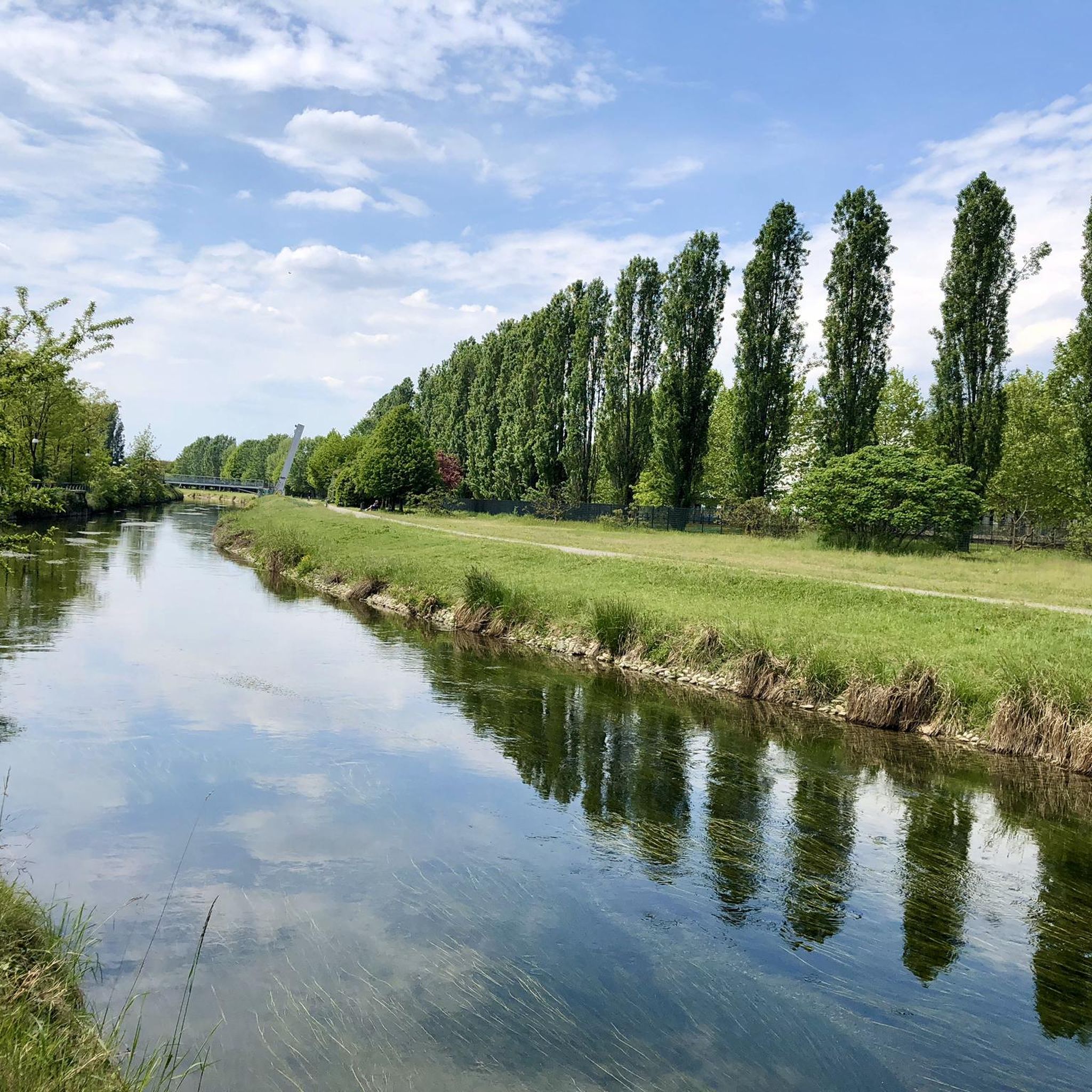
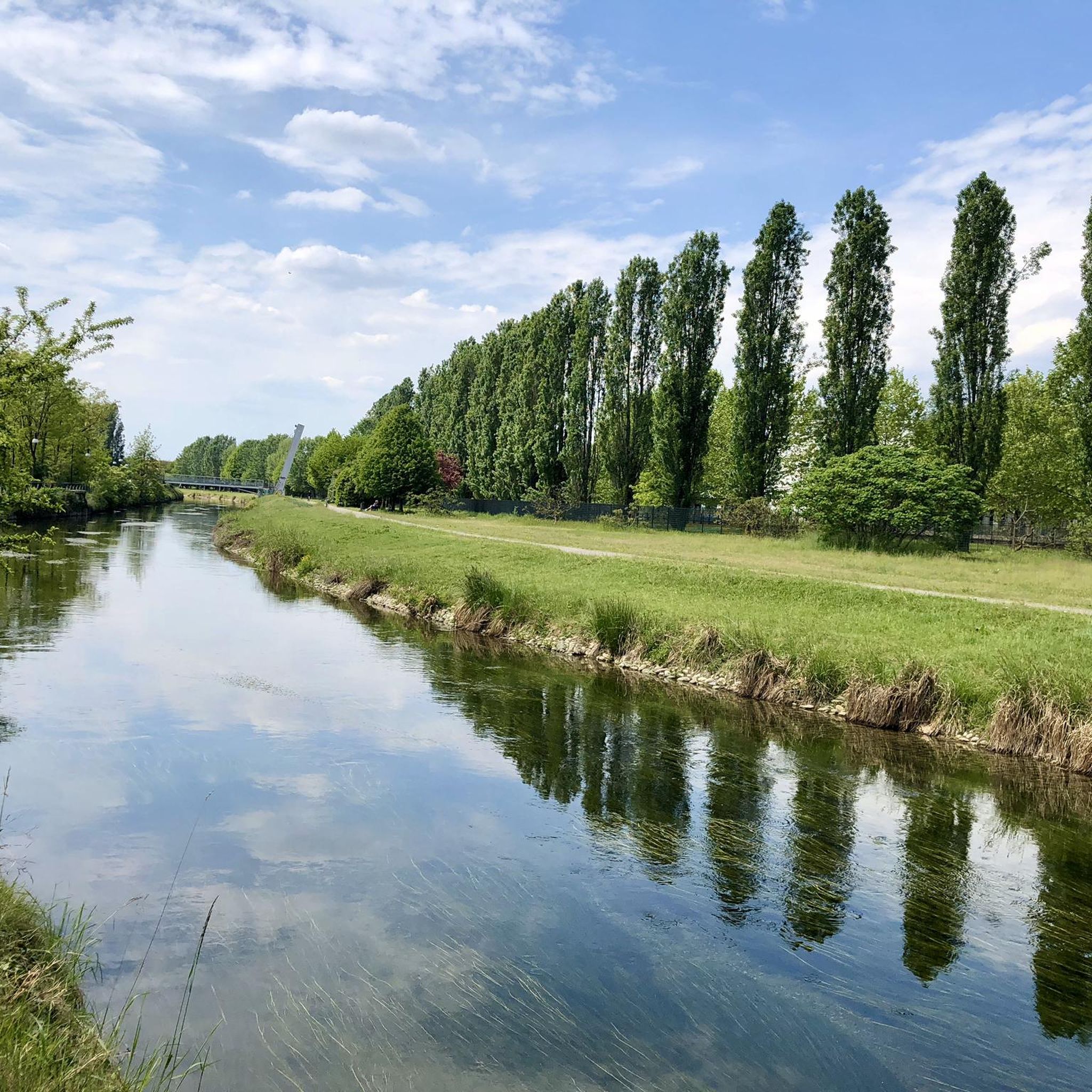
The Naviglio della Martesana, definitively completed in 1496 under the leadership of Ludovico il Moro, flows from Trezzo sull’Adda to Milan for a total length of 38 km. The route runs alongside the ancient Roman road (the current SS 11 padana superiore) which crossed the Adda with two branches: at Vaprio and Cassano. The irrigation of the lands located above the spring belt was for a long time the predominant use of the canal, so much so that initially navigation was limited to two days a week; concurrently with the improvement of the agricultural structure thanks to irrigation, a notable flourishing of stately homes occurred in the Baroque era, aimed at enjoying the convenience of travel on water and controlling the owned lands.
0
0
The Naviglio della Martesana, definitively completed in 1496 under the guidance of Ludovico il Moro, flows from Trezzo sull’Adda to Milan for a total length of 38 km. The route runs alongside the ancient Roman road (the current SS 11 padana superiore) which crossed the Adda with two branches: at Vaprio and Cassano. Irrigation of the land located above the spring belt was for a long time the predominant use of the canal, so much so that initially navigation was limited to two days a week; concurrently with the improvement of the agricultural structure thanks to irrigation, a notable flourishing of stately villas occurred in the Baroque era, intended to enjoy the convenience of travel on water and to control owned lands.
1
0
Naviglio della Martesana is perhaps the least known of the ancient artificial canals connecting Milan to the great Lombard rivers. It originates from the Adda in Concesa, a hamlet of Trezzo d’Adda, crosses the Martesana sub-region, northeast of the provincial capital, and once in the city, it plunges underground beneath Via Melchiorre Gioia, at the height of Cassina de’ Pomm. It measures approximately 38 km in length, with a width varying from 9 to 18 meters. However, once upon a time, the Naviglio della Martesana continued in the open air all the way to the center, where a lock system centered on the Conca dell’Incoronata connected it to the short Naviglio di S. Marco and the urban network of the Navigli. The lock was inaugurated in 1496, utilizing lock gates designed by Leonardo da Vinci. The canal had been opened in 1471, under Francesco Sforza. By connecting it to the other Navigli, Leonardo laid the foundations for realizing a dream of the Sforzas: to travel by water from the Ticino, and therefore from Lake Maggiore, all the way to the Adda.
1
0
The Naviglio della Martesana, initially known as Naviglio Piccolo, is one of the Milanese canals that connects Milan with the course of the Adda river through the municipalities of Martesana. Commissioned in the 15th century by Francesco Sforza, it was used for irrigating the countryside but also represented the ambitious project of connecting Milan with Lake Como and thus with the Alps and Ticino. The Naviglio della Martesana is a place rich in history and beauty, a heritage for everyone that, however, today is still little known and protected. Along the Naviglio runs a rather busy cycle path, which allows you to admire the landscape and cultural beauties, such as the rich flora, fauna, or the numerous historic villas, including the Renaissance Villa Melzi d’Eril in Vaprio d’Adda.
1
0

The Naviglio Martesana cycle path is a 30-35 km cycle and pedestrian route that connects Milan (Cassina de' Pomm/via Melchiorre Gioia area) to Trezzo sull'Adda, running alongside the homonymous canal. It is a predominantly asphalted, flat, easy route suitable for everyone, passing through parks, rural areas, and historic noble villas from the 17th-18th centuries.
0
0

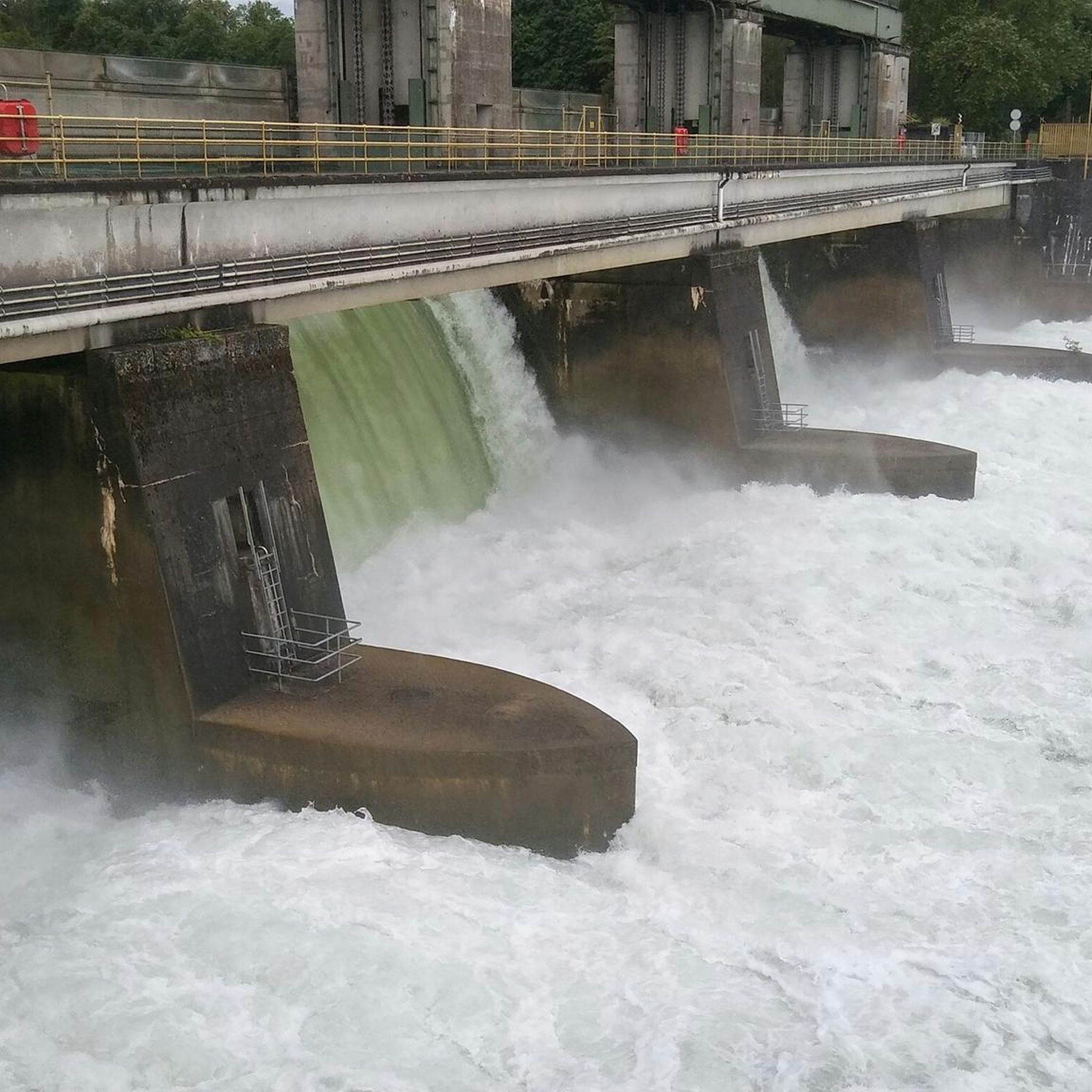
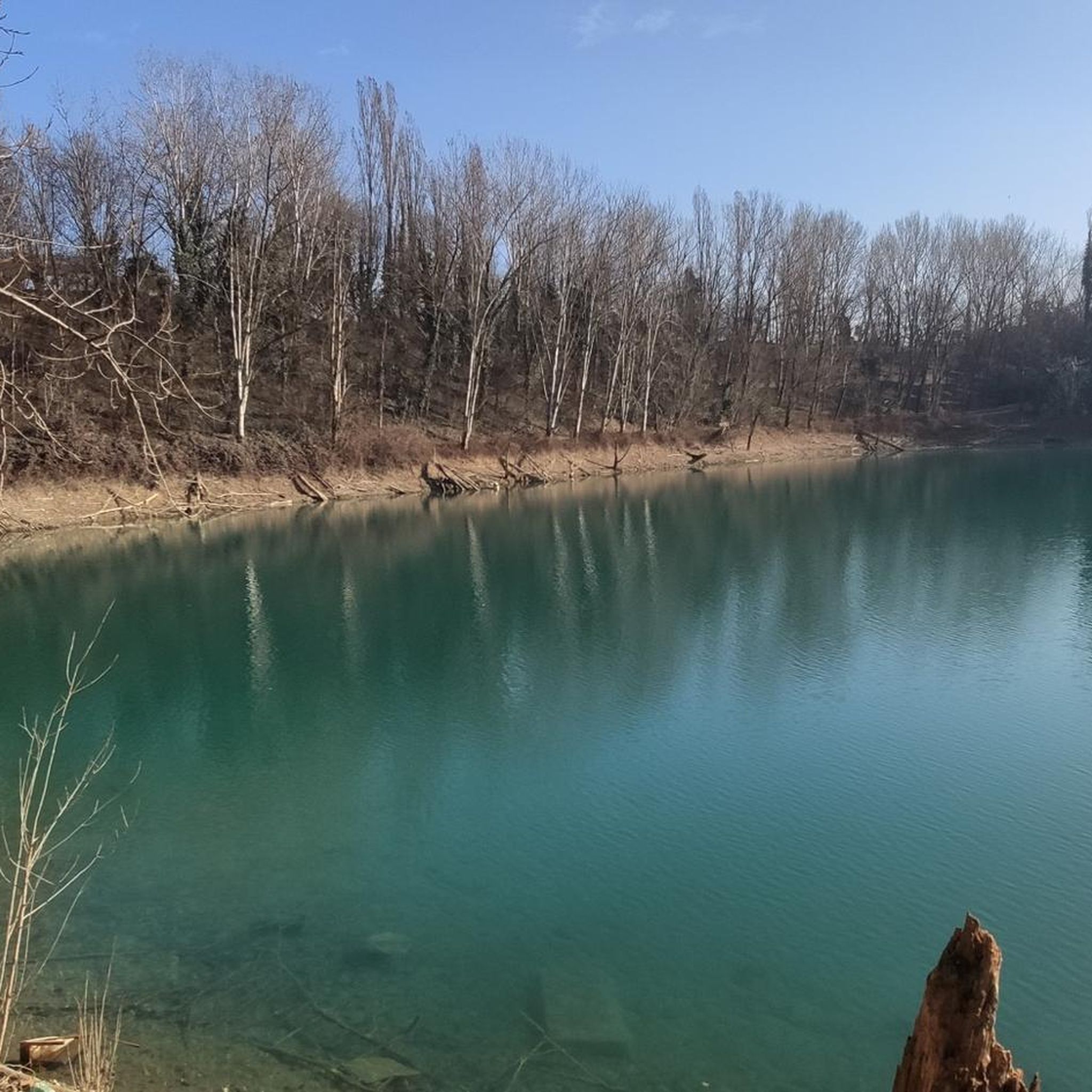
A very characteristic, ancient bridge located on the Martesana; a photo is a must! I don't think it's called the "Bridge of Sighs," but it's very characteristic.
0
0

they have a very renowned spa
0
0

close to the picnic area, a nice spot for good landscape pictures
1
0
Frequently Asked Questions
How many road cycling routes can I explore around Bussero?
Bussero offers a wide variety of road cycling experiences, with over 330 routes available. These routes cater to different skill levels, from easy rides along the canal to more challenging loops through the surrounding agricultural landscapes.
What are the typical difficulty levels for road cycling routes in Bussero?
The region around Bussero is characterized by the flat plains of Lombardy, making many routes accessible. You'll find a good mix of difficulties: approximately 116 easy routes, 195 moderate routes, and 22 more challenging options, often involving gentle climbs as you venture further from the canal.
Are there any family-friendly road cycling routes near Bussero?
Yes, the area is excellent for families. The Martesana Canal cycle path, which runs directly through Bussero, is predominantly flat and well-maintained, making it ideal for cyclists of all ages. An easy option is the Martesana Cycle Path – Martesana Canal Cycle Path loop from Cassina de' Pecchi, which offers a pleasant ride along the canal.
What can I see along the road cycling routes around Bussero?
Cycling around Bussero offers a blend of natural beauty and historical sights. Along the Martesana Canal, you can observe 15th-century engineering, 'ville di delizia' (aristocratic mansions), and serene canal-side views. Further afield, routes traverse the Parco Agricolo Sud Milano with its cultivated fields and farmhouses. Notable attractions include the Martesana Canal Cycle Path itself, and the Royal Villa of Monza if you extend your ride.
What do other road cyclists enjoy most about the routes in Bussero?
The komoot community highly rates road cycling in Bussero, with an average score of 4.4 stars from over 800 reviews. Cyclists often praise the well-maintained, flat terrain of the Martesana Canal for enjoyable rides, as well as the scenic agricultural landscapes and the historical charm found along the routes.
Are there any loop road cycling routes available?
Yes, many routes around Bussero are designed as loops, allowing you to start and finish in the same location. For example, the Bellinzago Lombardo Locks – Adda River at Trezzo sull'Adda loop from Villa Pompea is a popular moderate loop that takes you along the Adda River and past historical canal locks.
What is the best time of year for road cycling in Bussero?
The flat plains of Lombardy make road cycling enjoyable for much of the year. Spring and autumn generally offer the most pleasant temperatures for longer rides. Summer can be warm, but the tree-lined sections of the Martesana Canal provide some shade. Winter rides are possible, though cooler temperatures and occasional fog should be considered.
Can I find cafes or restaurants along the road cycling routes near Bussero?
Yes, as the Martesana Canal cycle path connects numerous towns like Bussero, Cernusco sul Naviglio, and Gorgonzola, you'll find various cafes, restaurants, and accommodation options along the way. These towns offer convenient spots for a break, a meal, or to refuel during your ride.
Is public transport available to access the road cycling routes in Bussero?
Bussero is well-integrated into the local public transport network, making it accessible. The Martesana Canal cycle path itself passes through several towns with public transport links, allowing cyclists to reach starting points or return from end points easily. Check local transport schedules for specific connections.
Are there any routes that offer more challenging climbs or elevation gain?
While the immediate area around Bussero is largely flat, you can find routes with more significant elevation gain by venturing towards the Brianza area. A moderate option that includes some climbing is the Ronco Briantino Town Hall – Lake Sartirana loop from Bussero, which offers a journey towards Lake Sartirana with varied terrain.
Where can I find parking for road cycling routes in Bussero?
Parking is generally available in the towns along the Martesana Canal, including Bussero. Many local municipalities provide public parking areas that can be used as starting points for your cycling adventures. It's advisable to check specific parking regulations and availability in advance, especially during peak times.
Are there any historical landmarks to explore while cycling?
Absolutely. The Martesana Canal itself is a significant historical landmark, a 15th-century engineering marvel with contributions from Leonardo da Vinci. As you cycle, you'll encounter old mooring points, washhouses, and the distinctive wooden covered bridge in Gorgonzola. The route also passes by 'ville di delizia,' aristocratic mansions that offer a glimpse into the region's past.
Most popular attractions around Bussero

Get inspired with the komoot mobile app


Explore more
Browse the best Road cycling routes in other regions.
