The best cycling routes around Masate
4.3
(1906)
13,711
riders
323
rides
Touring cycling around Masate features a landscape primarily characterized by flat terrain and a network of canal paths. The region is situated within the Lombardy plain, offering gentle gradients suitable for cycling. Key waterways like the Martesana Canal and Villoresi Canal provide dedicated cycle paths, often passing through agricultural areas and small towns. This environment supports accessible touring cycling routes Masate distance for various skill levels.
Best touring cycling routes around Masate
- The most popular touring cycling route is Lavagna–Comazzo Cycle Path – Palazzo Carcassola loop from Gessate, a 28.0 miles (45.1 km) trail that takes 2 hours 35 minutes to complete. This moderate route follows established cycle paths through the local countryside.
- Another top favourite among local touring cyclists is Martesana Canal Cycle Path – Martesana Canal loop from Inzago, an easy 7.0 miles (11.3 km) path. This route offers scenic views along the Martesana Canal, ideal for a relaxed ride.
- Local touring cyclists also love the Martesana Canal – Groppello Water Wheel loop from Gessate, a 10.5 miles (16.8 km) trail leading through canal-side landscapes and past the Groppello Water Wheel, often completed in about 58 minutes.
- Touring cycling around Masate is defined by flat canal paths, agricultural fields, and routes connecting small towns. The network offers options for different ability levels, from easy family-friendly bike trails Masate to more advanced cycling trails Masate.
- The routes in Masate are highly rated by the komoot community with an average score of 4.3 stars from over 1,400 reviews. More than 11,000 touring cyclists have used komoot to explore Masate's varied terrain.
Last updated: July 4, 2026
4.5
(29)
115
riders
44.8km
02:33
80m
80m
Moderate bike ride. Good fitness required. Mostly paved surfaces. Suitable for all skill levels.
4.4
(221)
1,407
riders
53.1km
03:08
120m
120m
Moderate bike ride. Good fitness required. Mostly paved surfaces. Suitable for all skill levels.

Sign up for free
17
riders
8.84km
00:30
10m
10m
Easy bike ride. Great for any fitness level. Mostly paved surfaces. Suitable for all skill levels.
4.4
(8)
44
riders
54.3km
03:42
90m
90m
Moderate bike ride. Good fitness required. Mostly paved surfaces. Suitable for all skill levels.
4.7
(3)
45
riders
82.2km
06:01
150m
150m
Hard bike ride. Very good fitness required. You may need to push your bike for some segments of this route.
Get access to more routes and recommendations from other explorers.
Sign up for free
Already have an account?
Our route recommendations are based on thousands of hikes, rides, and runs completed by other people on komoot.
Start today with a free account
Your next adventure awaits.
Login or Signup
Tips from the Community

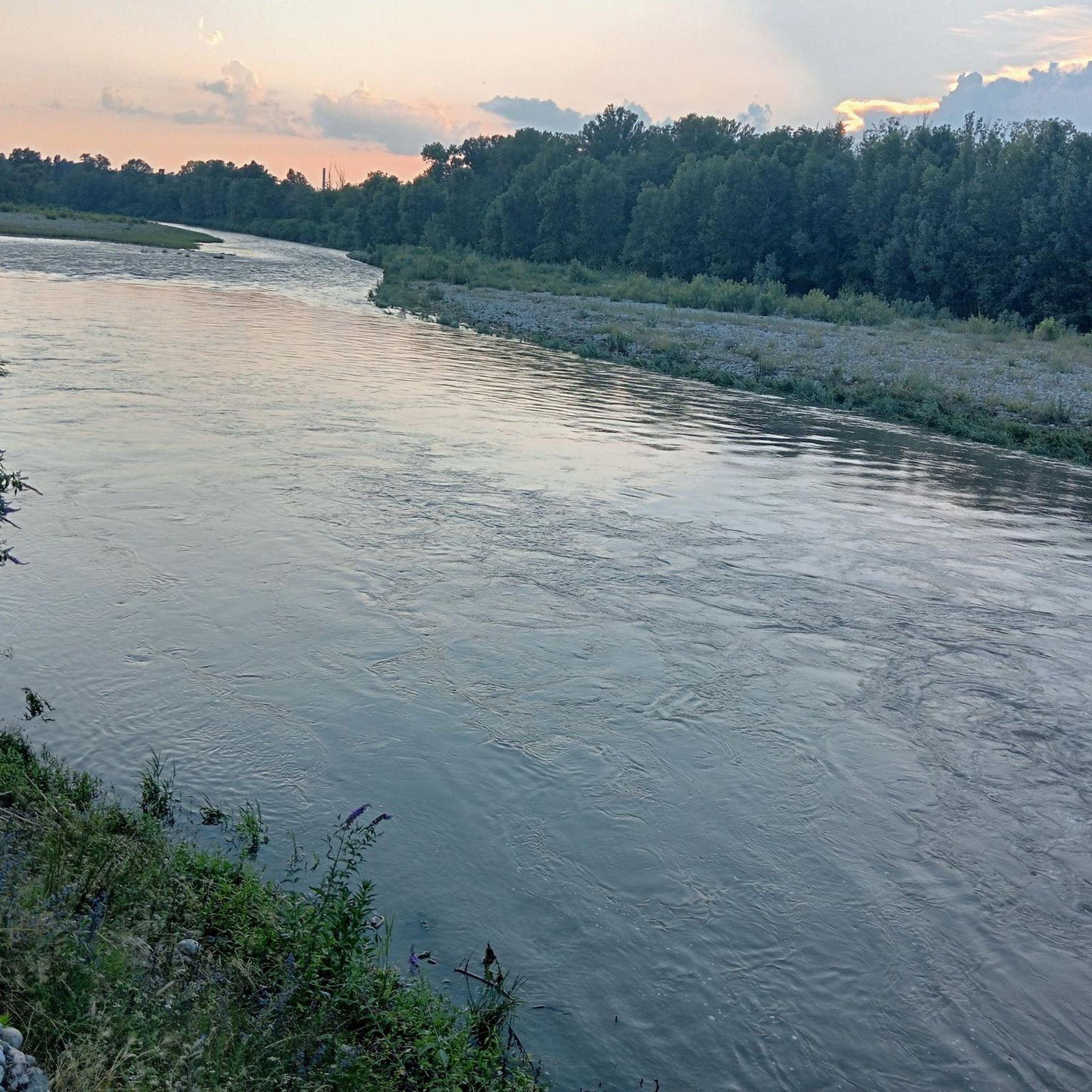
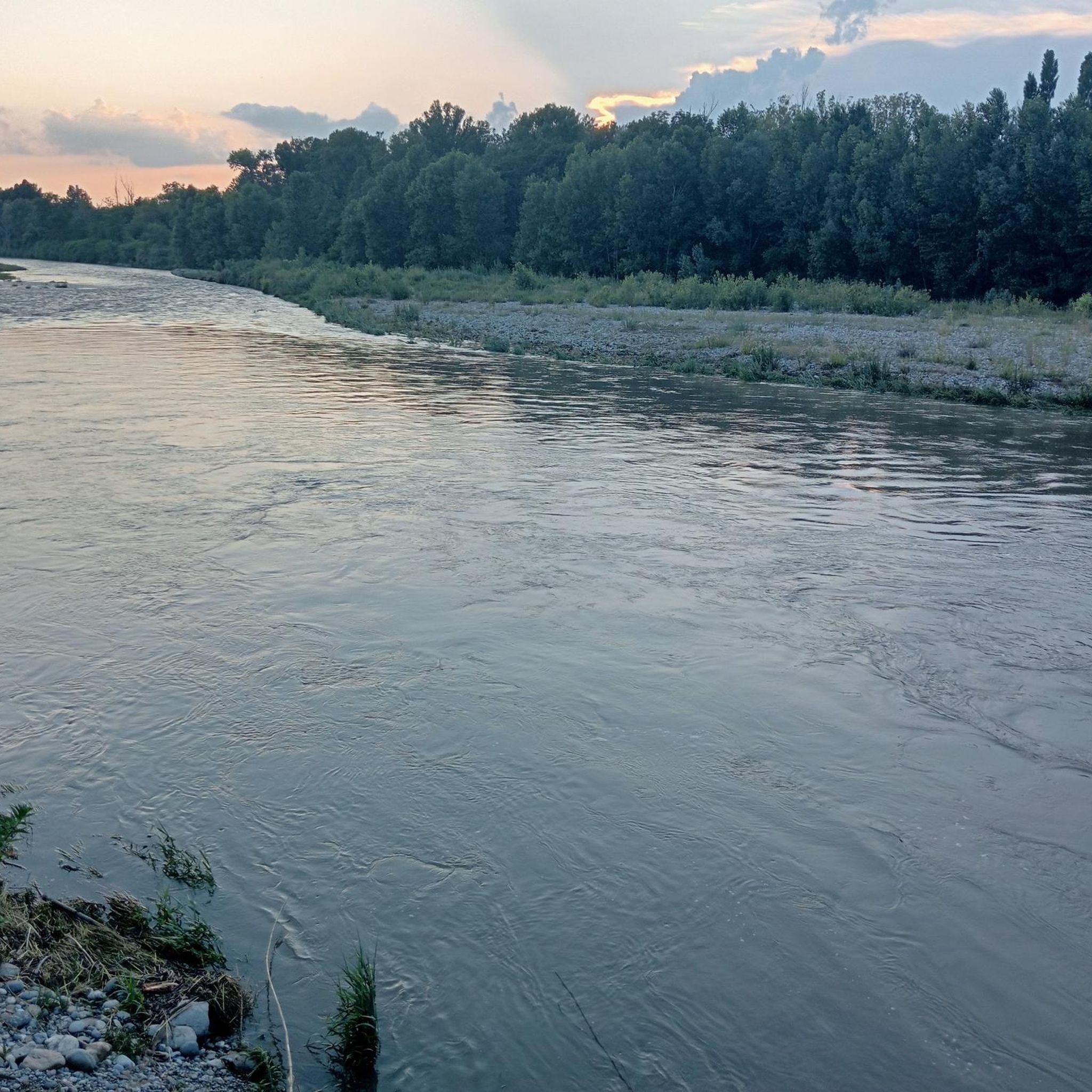
Any trail that winds through its vicinity is wonderful, a shame about the interruption between Zelo and Galgagnano of the path due to the hunting area, incidentally a beautiful place part of the ADDA sud Park but inexplicably in the hands of one or more private individuals who have made it their "hunting park" by fencing it all in. I happened to get inside by mistake, finding one of the numerous open gates and could no longer get out, finding the others closed, receiving a couple of shots in the air behind my back to make me understand that I was not welcome! A real shame because it interrupts the descent from Zelo towards Lodi along the Adda. Beyond the "hunting park" I believe that the passage along the river (state-owned area!!) SHOULD always be guaranteed without any ifs or buts!
0
0

Trucazzano is located on the eastern border of the province of Milan, near the Adda river. The territory is crossed from north to south by the Muzza canal.
1
0
The church of San Giorgio, oriented east-west, faces the main street of the hamlet of Corneliano Bertario. The building has a gabled facade marked by four giant order pilasters, with a single central portal and four niches with statues on the sides. The bell tower rises on the left flank. Inside, the layout is a single nave with side chapels and a vaulted barrel ceiling. On the counter-facade is the structure of the large organ with a balcony supported by columns.
0
0
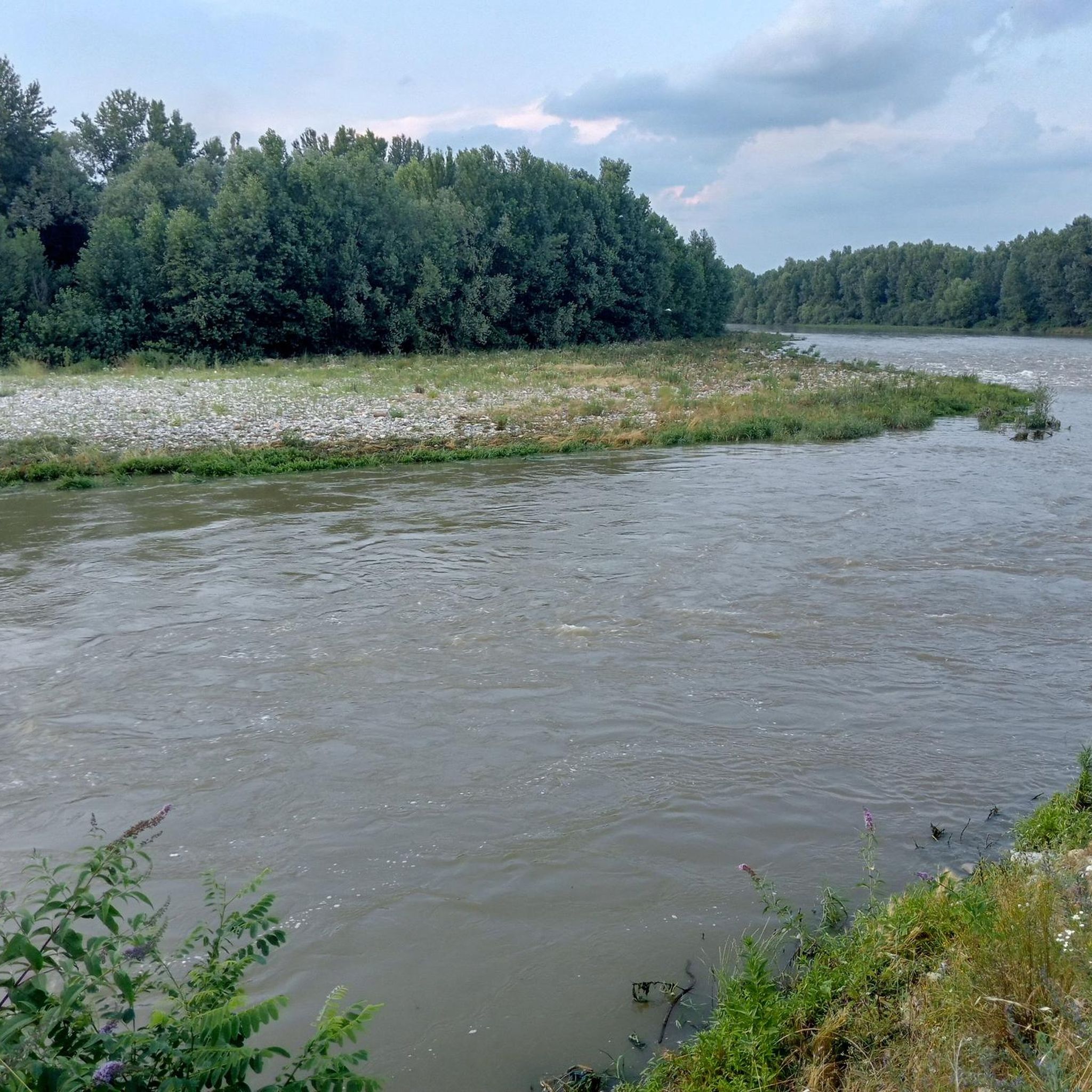
The Muzza canal (61 km long in total) is a branch of the Adda River and recently celebrated its 800th anniversary, making it one of the oldest in Europe. Its name, with slight variations over the centuries, still recalls the name of the Roman Mutia family who moved here in 90 BC, initiating the first land reclamation works. From the wide canal branch off smaller watercourses which, winding through the countryside for a total length of about 1000 kilometers, are mainly intended for agricultural irrigation. The landscape of countryside and farmhouses surrounding it is evocative, with alternating rows of trees and open fields. It is also very interesting from a naturalistic point of view as it attracts many water birds that can be observed along the route.
1
0

Easy cycle path suitable for everyone!
3
0
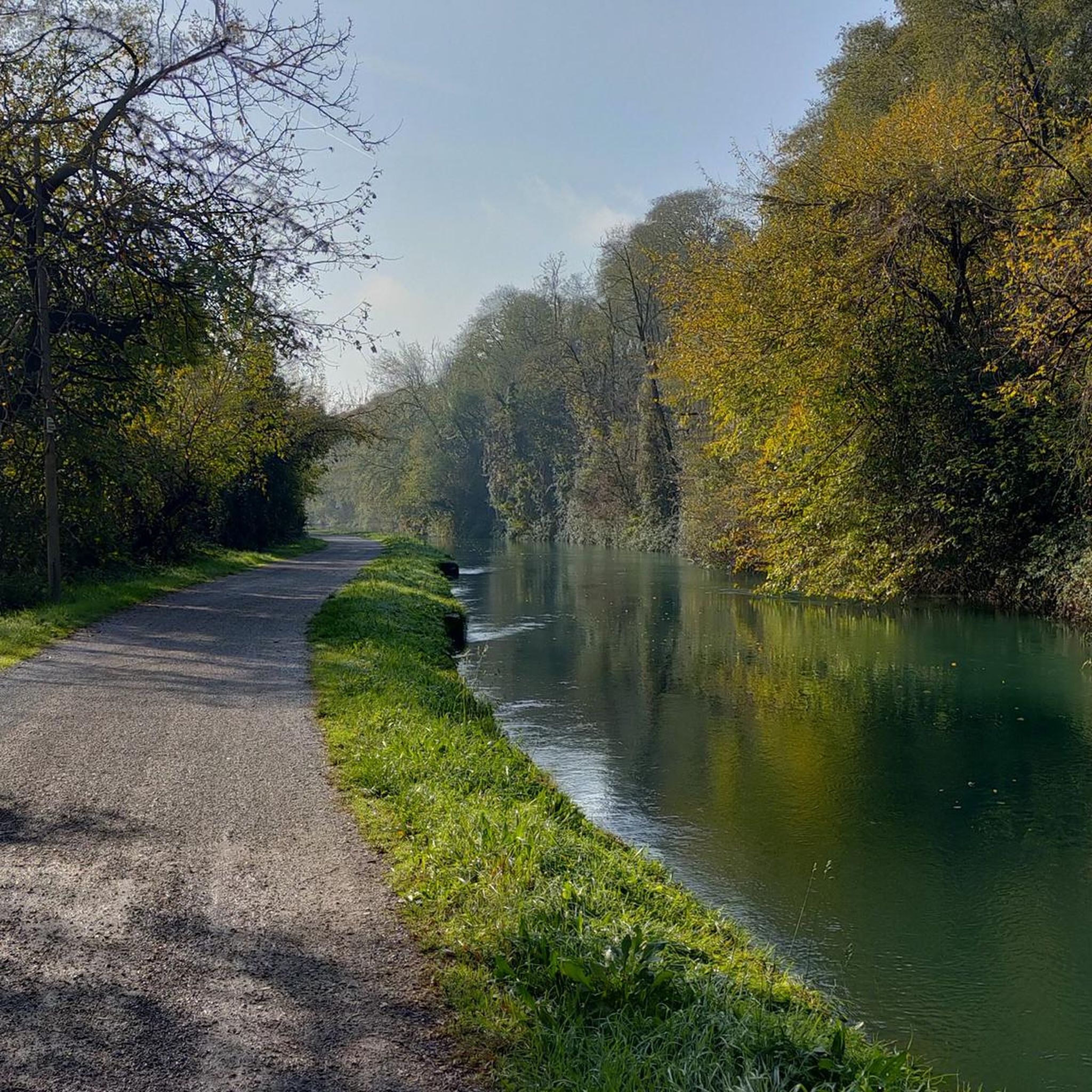
The Naviglio della Martesana, definitively completed in 1496 under the leadership of Ludovico il Moro, flows from Trezzo sull’Adda to Milan for a total length of 38 km. The route runs alongside the ancient Roman road (the current SS 11 padana superiore) which crossed the Adda with two branches: at Vaprio and at Cassano. Irrigation of the land located above the spring belt was for a long time the predominant use of the canal, so much so that initially navigation was limited to two days a week; concurrently with the improvement of the agricultural structure thanks to irrigation, a notable flourishing of stately villas occurred in the Baroque era, aimed at enjoying the convenience of water travel and controlling the owned lands.
0
0
The Naviglio della Martesana, definitively completed in 1496 under the leadership of Ludovico il Moro, flows from Trezzo sull’Adda to Milan for a total length of 38 km. The route runs alongside the ancient Roman road (the current SS 11 padana superiore) which crossed the Adda with two branches: at Vaprio and Cassano. The irrigation of the lands located above the spring belt was for a long time the predominant use of the canal, so much so that initially navigation was limited to two days a week; concurrently with the improvement of the agricultural structure thanks to irrigation, a notable flourishing of stately homes occurred in the Baroque era, aimed at enjoying the convenience of travel on water and controlling the owned lands.
0
0
The Naviglio della Martesana, definitively completed in 1496 under the guidance of Ludovico il Moro, flows from Trezzo sull’Adda to Milan for a total length of 38 km. The route runs alongside the ancient Roman road (the current SS 11 padana superiore) which crossed the Adda with two branches: at Vaprio and Cassano. Irrigation of the land located above the spring belt was for a long time the predominant use of the canal, so much so that initially navigation was limited to two days a week; concurrently with the improvement of the agricultural structure thanks to irrigation, a notable flourishing of stately villas occurred in the Baroque era, intended to enjoy the convenience of travel on water and to control owned lands.
1
0
Frequently Asked Questions
How many touring cycling routes are available around Masate?
There are over 300 touring cycling routes around Masate, offering a wide variety of options for different skill levels and preferences. Approximately 180 of these are easy, 100 are moderate, and over 40 are considered difficult.
What are the typical terrain and landscape features for touring cycling in Masate?
Touring cycling around Masate is characterized by its predominantly flat terrain within the Lombardy plain. Routes often follow dedicated cycle paths along key waterways like the Martesana Canal and Villoresi Canal, passing through agricultural areas and small towns. This environment provides gentle gradients suitable for all cyclists.
Are there any family-friendly touring cycling routes in Masate?
Yes, Masate offers several easy, family-friendly routes. The flat canal paths are ideal for relaxed rides with children. An excellent option is the Martesana Canal Cycle Path – Martesana Canal loop from Inzago, which is an easy 11.3 km path offering scenic views.
Which touring cycling routes are suitable for beginners in Masate?
Beginners will find many suitable routes along the canals. The Martesana Canal – Groppello Water Wheel loop from Gessate is an easy 16.8 km trail that takes you past the historic Groppello Water Wheel, perfect for a gentle introduction to touring cycling in the area.
Are there any challenging touring cycling routes for advanced cyclists in Masate?
While much of the terrain is flat, advanced cyclists can find longer routes that test endurance. The Boscone di Ornago – Villoresi Canal Cycle Path loop from Gessate is a difficult 115.7 km route that offers a significant challenge, exploring a wider area along the Villoresi Canal.
What kind of landmarks or attractions can I see along the touring cycling routes in Masate?
The routes often pass by historical sites and natural beauty. You can explore various castles and historical structures. Notable attractions include the Taccani Hydroelectric Power Plant and Trezzo Castle Tower, the Visconti Castle of Cassano d'Adda, and the Castello di Marne. Many routes also feature picturesque canal-side views and agricultural landscapes.
Are there circular touring cycling routes available in Masate?
Yes, many touring cycling routes in Masate are designed as loops, allowing you to start and end at the same point. Examples include the popular Lavagna–Comazzo Cycle Path – Palazzo Carcassola loop from Gessate, a moderate 45.1 km ride, and the Martesana Canal – Martesana Canal Cycle Path loop from Gessate, a moderate 54.0 km option.
What is the best time of year for touring cycling around Masate?
The best time for touring cycling around Masate is typically during spring (April to June) and autumn (September to October) when the weather is mild and pleasant. Summers can be warm, but the flat terrain and canal-side paths often offer some shade. Winters are generally cold and can be foggy, making them less ideal for extended rides.
What do other touring cyclists enjoy most about cycling in Masate?
The komoot community highly rates touring cycling in Masate, with an average score of 4.3 stars from over 1,400 reviews. Cyclists often praise the well-maintained, flat canal paths, the peaceful agricultural scenery, and the accessibility of routes for all skill levels. The ability to connect small towns and explore historical sites along the way is also frequently highlighted.
Is public transport available to access touring cycling routes near Masate?
Masate and surrounding towns are generally accessible by local bus services, which can connect you to starting points for various routes. For longer distances, regional trains serve nearby larger towns like Gessate, which is on the Milan Metro Line 2 (Green Line), offering connections that can facilitate reaching the canal paths.
Are there cafes or refreshment stops along the touring cycling routes in Masate?
Many routes pass through or near small towns and villages where you can find local cafes, bakeries, and restaurants to refuel. Along the Martesana and Villoresi Canal paths, you'll often encounter establishments catering to cyclists and walkers, especially in more populated areas, offering opportunities for a coffee or a meal.
Most popular attractions around Masate

Get inspired with the komoot mobile app


Explore more
Browse the best Cycling routes in other regions.
