Attractions and Places To See around Langhirano - Top 20
Attractions and places to see around Langhirano are situated in the Parma hills of Emilia-Romagna, Italy. This region features rolling hills, extensive vineyards, and the Parma Stream. Langhirano is recognized as the homeland of Prosciutto di Parma, offering a blend of gastronomic and historical sites.
Best attractions and places to see around Langhirano
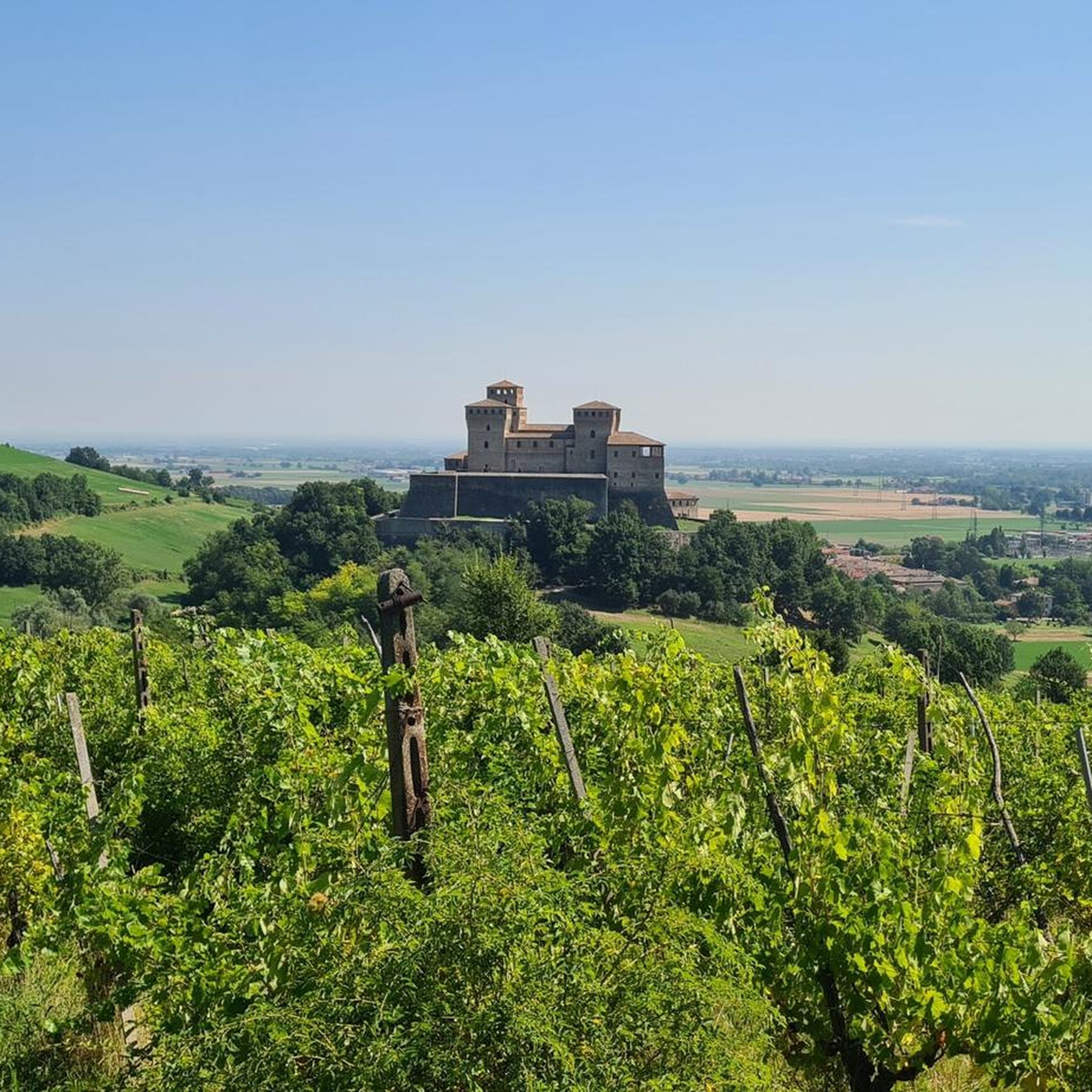
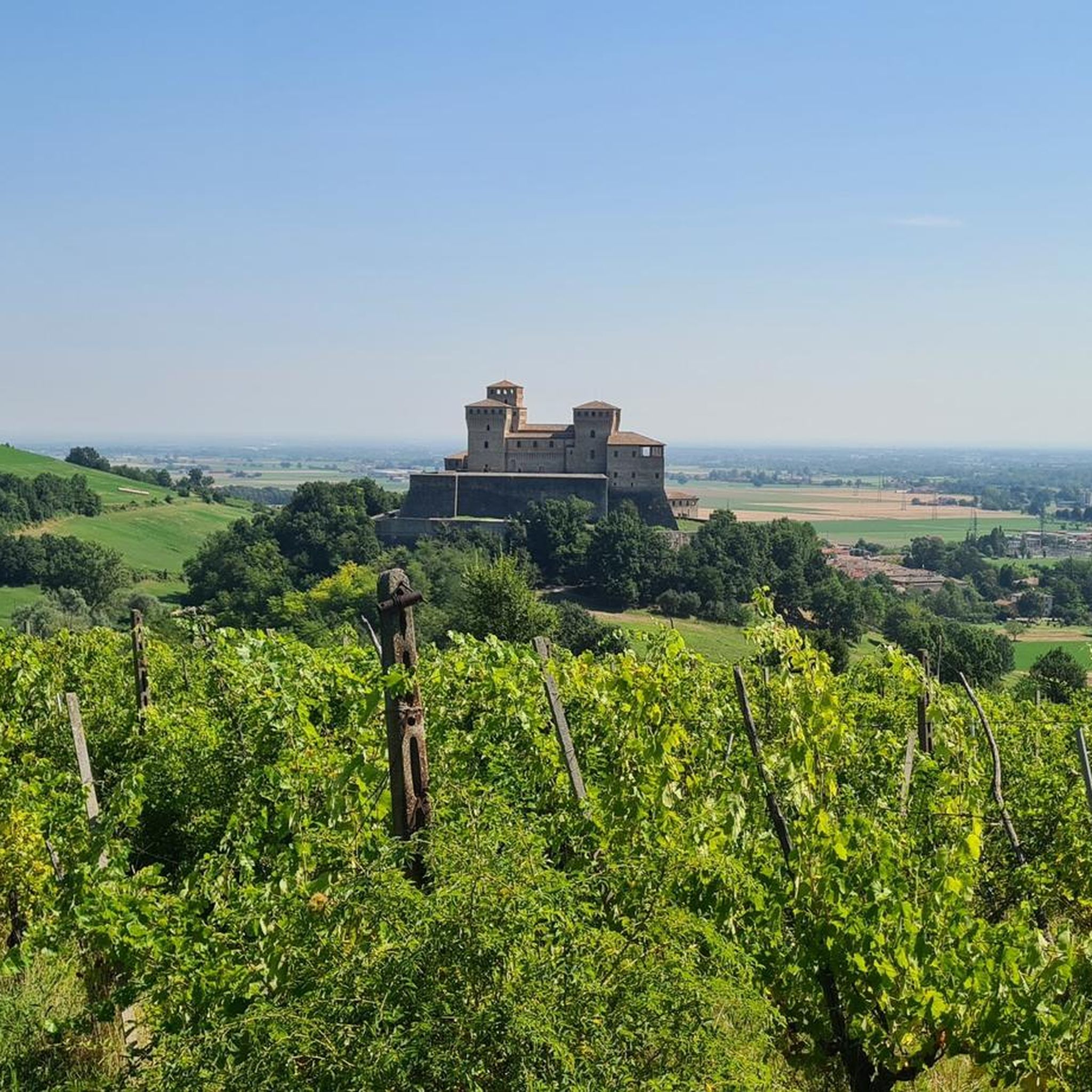
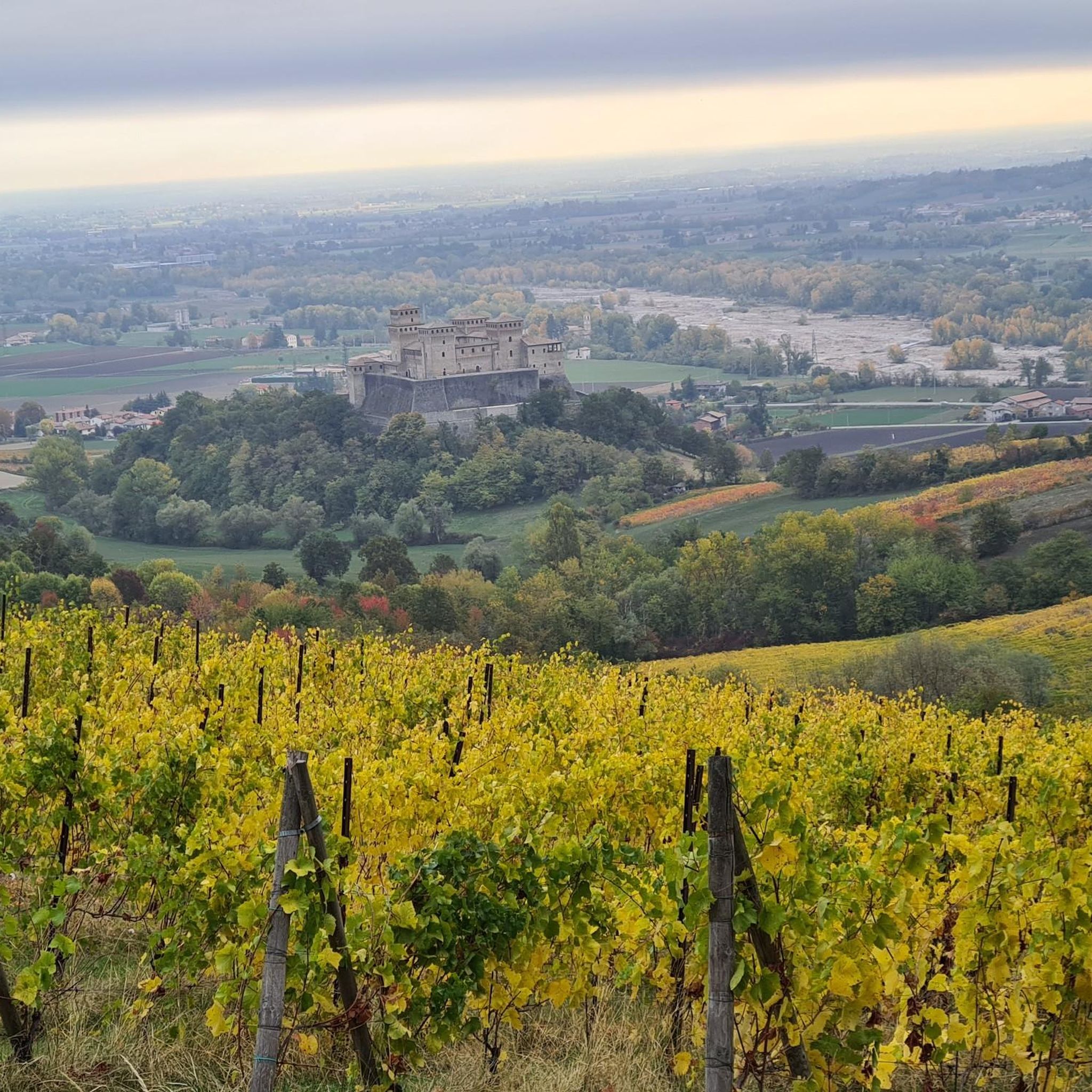
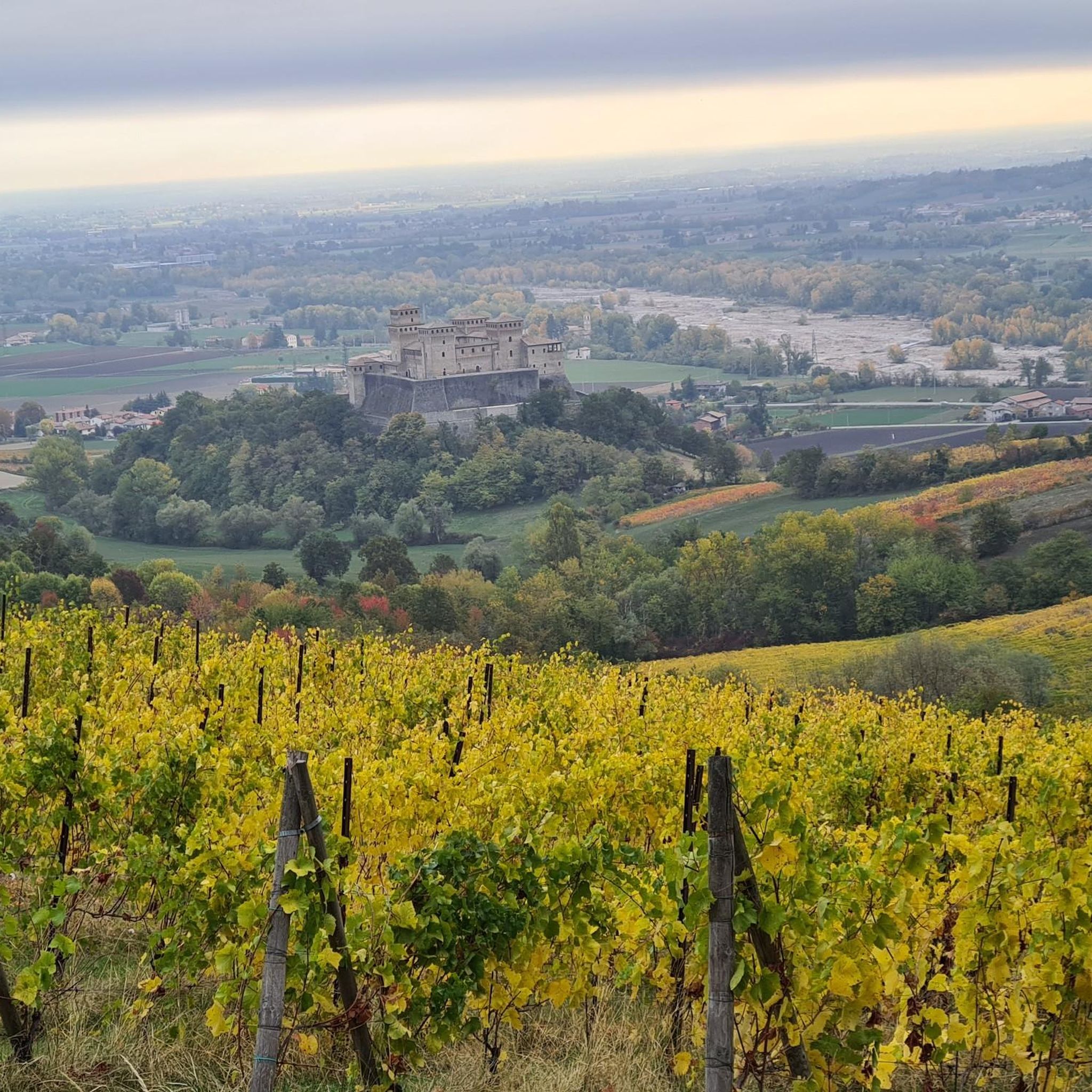
- The most popular attractions is Torrechiara Castle, a castle that is one of the best preserved fortresses in Emilia-Romagna. This fifteenth-century manor features medieval and Renaissance…
Last updated: July 6, 2026
Enza Canal Cycle Path
Highlight (Segment) • Cycleway
Translated by Google •
Tip by

Torrechiara Castle
Highlight • Castle
Translated by Google •
Tip by

Sign up now to discover places like this
Get recommendations on the best single tracks, peaks, & plenty of other exciting outdoor places.
Sign up for free
Road in the Boschi di Carrega
Highlight • Forest
Translated by Google •
Tip by

Rocca Sanvitale di Sala Baganza
Highlight • Castle
fountain. Outside there are also games for children.
Translated by Google •
Tip by

Fragno Pass
Highlight • Mountain Pass
Translated by Google •
Tip by
Sign up for free to discover even more attractions around Langhirano.
Sign up for free
Already have an account?
Start today with a free account
Your next adventure awaits.
Login or Signup
Popular around Langhirano

Tips from the Community

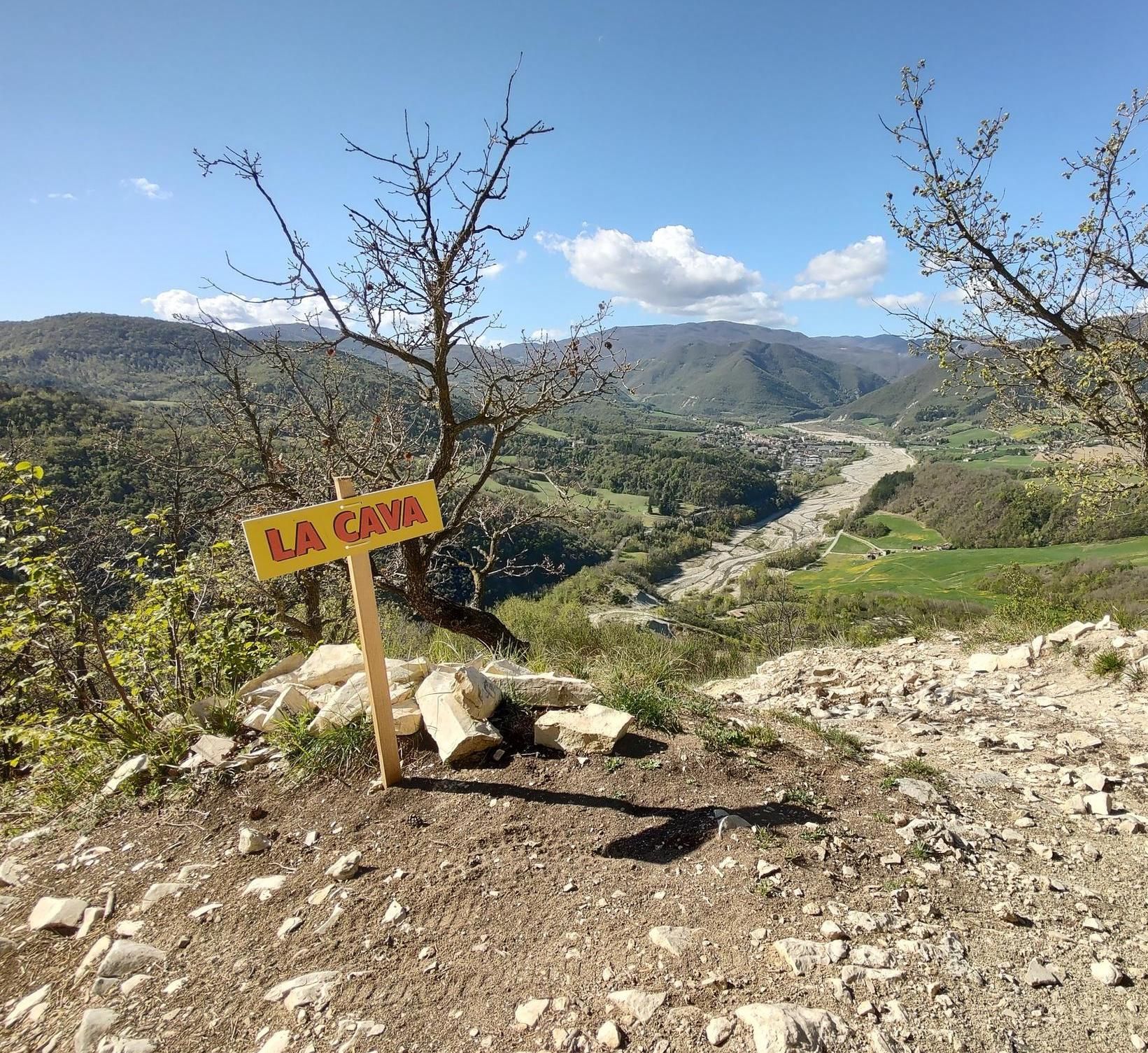
The Ciclabile del Canale d'Enza (also known as Canale Ducale) is a picturesque cycle path of about 6.5 kilometers (one way) located in the first hills of Reggio Emilia, in Emilia-Romagna. The route is entirely developed on its own path, running alongside the ancient 15th-century hydraulic canal in an elevated position above the Enza riverbed. Start: San Polo d'Enza, from Piazza Primo Maggio. Arrival: Cerezzola (Canossa), near the small dam (canal intake weir). Surface: Mostly compact gravel and well-trodden dirt, with very short asphalt sections. Difficulty: Easy and flat (slight incline), suitable for families and all types of bicycles (excluding pure road bikes). Signage: Entirely signposted with information panels and red and white CAI symbols.
0
0
The Boschi di Carrega Regional Park was established in 1982 as the first regional park in Emilia-Romagna. It is located in the province of Parma, extending for about 1270 hectares on the river terraces between the Taro river and the Baganza stream, in the municipal territories of Collecchio, Sala Baganza and Fornovo di Taro. This green lung protects a hilly area of immense naturalistic, historical and cultural value, famous for its ducal atmospheres and its elegant landscapes.
0
0

Beautiful panoramic point overlooking the valleys of the Parma and Baganza rivers
0
0
Area with tables. Often dirty with abandoned garbage, a shame.
1
0

A short detour to visit the town center (and perhaps stop at a bar for a snack)
1
0

A few km from the city, a fantastic naturalistic island
1
0

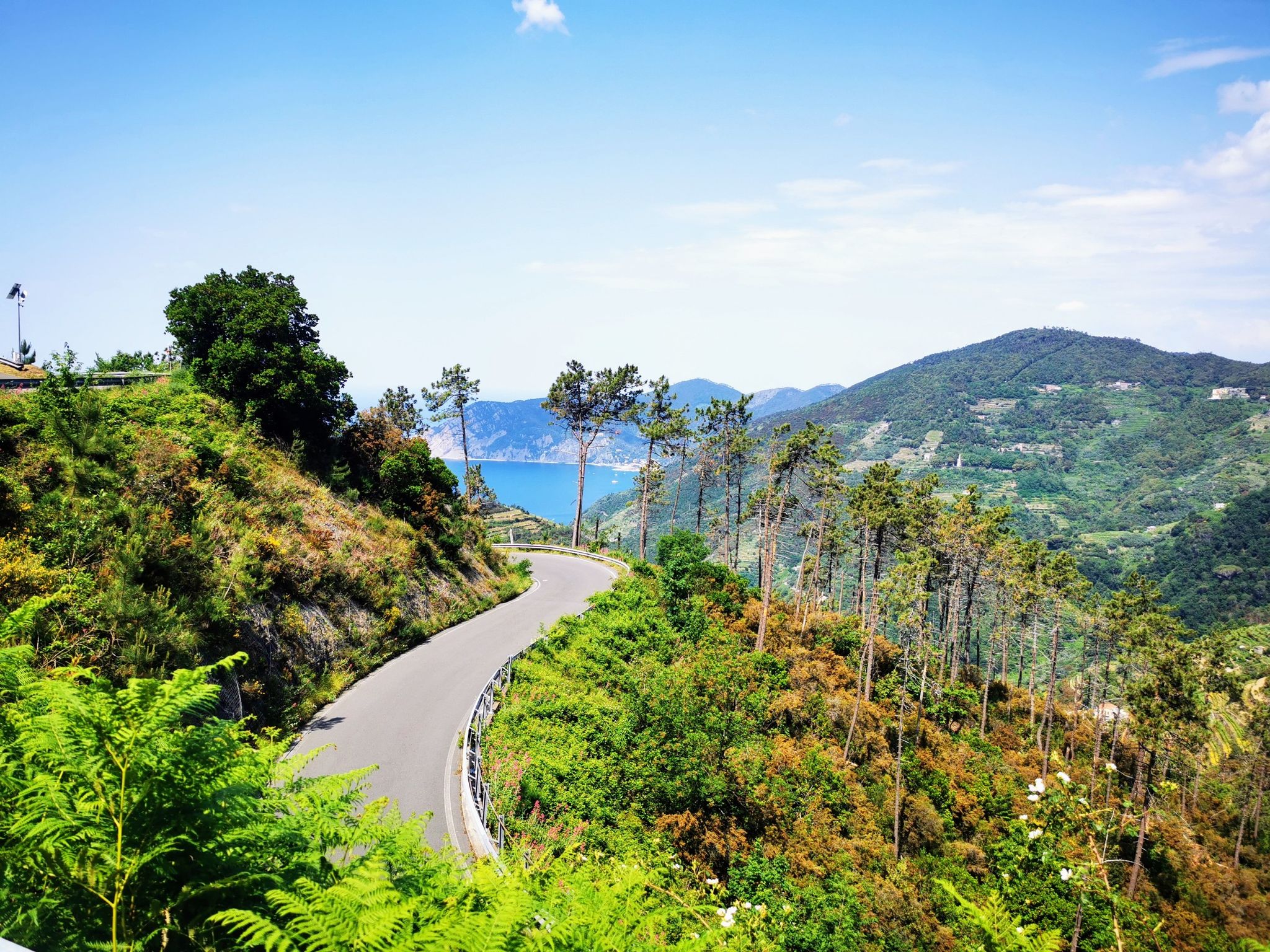
Very panoramic point, the fixed gazebos on the top call for a moment of pause. The slope from Calestano is challenging, especially the first kilometres, challenging slopes on a straight and daunting road (there is a small fountain in the Fragno area). The other side, however, can be "attacked" from Langhirano, here too a challenging climb up to Cozzano, where you have some moments of recovery (there is a fountain), and then begins a more regular climb again in the last 2 km.
0
0

Nice place to stop and admire the view
1
0
Frequently Asked Questions
What historical castles can I visit near Langhirano?
Langhirano is surrounded by impressive historical castles. The most prominent is Torrechiara Castle, a well-preserved medieval fortress known for its frescoes and the Golden Chamber. Another notable site is Rocca Sanvitale di Sala Baganza, a historical castle featuring an eighteenth-century garden and precious frescoes, which served as a hunting residence for dukes. Additionally, the historical Castello di Castrignano is in the vicinity.
What makes Torrechiara Castle a must-see attraction?
Torrechiara Castle is a magnificent, well-preserved medieval castle built in the 15th century. It features grand stone towers, frescoed rooms, and the renowned Golden Chamber in the International Gothic style. Its timeless appeal led to its use as a set for the film "Ladyhawke." The small medieval village of Torrechiara, with its cobblestone alleys, lies at the foot of the fortress, adding to its charm.
Are there any museums or cultural sites related to Langhirano's famous food products?
Yes, Langhirano is known as the "homeland of Prosciutto di Parma." You can visit the Prosciutto di Parma Museum, which is part of the Food Museums network. It offers a cultural journey through the history, technical evolution, and culinary applications of Prosciutto di Parma, often concluding with tastings of prosciutto and local specialties.
What kind of natural landscapes and scenic views can I expect around Langhirano?
The area around Langhirano is characterized by the picturesque rolling Parma hills, lush nature, and extensive vineyards, creating a fairytale-like landscape. For panoramic views, consider visiting Passo di Fragno, a mountain pass connecting Calestano and Langhirano, offering rewarding vistas from the top. The Monte Sporno Hut area also provides interesting mountain scenery and a dense network of paths.
Are there hiking opportunities near Langhirano's attractions?
Absolutely! The region offers various hiking trails. A unique option is the Langhirano Art Trail (Sentiero d'arte), a 12-kilometer scenic route connecting the Benedictine Abbey of Santa Maria della Neve to Torrechiara Castle, winding through vineyards and featuring contemporary art installations. You can find more hiking routes, including the "Torrechiara Art Trail" and "Anello dei Poeti del Cinghio," in the Hiking around Langhirano guide.
Can I go cycling in the Langhirano area?
Yes, the rolling hills and scenic roads around Langhirano are excellent for cycling. Passo di Fragno, for instance, offers a challenging climb with rewarding views for cyclists. You can explore various routes, such as the "View of the Parma Valley – Castello di Torrechiara loop" or the "Felino, Langhirano, and Torrechiara Castle Loop." Detailed routes are available in the Cycling around Langhirano and Road Cycling Routes around Langhirano guides.
Are there any family-friendly attractions in Langhirano?
Yes, several attractions cater to families. Rocca Sanvitale di Sala Baganza features a beautiful garden with games for children outside. The Langhirano Art Trail is suitable for families, offering an engaging walk through nature and art. Exploring the medieval village at the foot of Torrechiara Castle can also be an enjoyable experience for all ages.
What religious or architectural sites are worth visiting?
Beyond the castles, Langhirano offers significant religious architecture. The Benedictine Abbey of Santa Maria della Neve, commissioned in 1471, features a beautiful cloister and an exquisitely decorated church. Another notable site is Pieve di Talignano (Pieve di San Biagio), a Romanesque Catholic church with a rich history, originally an intermediate stop for pilgrims on the Via Francigena.
When is the best time to visit Langhirano?
The best time to visit Langhirano largely depends on your interests. For outdoor activities like hiking and cycling, spring (April-June) and autumn (September-October) offer pleasant temperatures and beautiful scenery. If you're interested in gastronomy, the annual Parma Ham Festival in September is a major event celebrating Prosciutto di Parma with tours, markets, and festivities.
Are there any unique or lesser-known places to discover in the Langhirano area?
For those seeking unique discoveries, consider the Benedictine Abbey of Santa Maria della Neve, which offers cosmetic products made from ancient recipes. The Pieve di Talignano is a charming Romanesque church with a fascinating history, often less crowded than major landmarks. Additionally, the Monte Sporno Hut provides a quiet refuge in a mountainous area popular with hikers and enduro riders, offering a different perspective of the region.
What is the Langhirano Art Trail?
The Langhirano Art Trail (Sentiero d'arte) is an enchanting 12-kilometer scenic route inaugurated in 2020. It connects the Benedictine Abbey of Santa Maria della Neve to Torrechiara Castle, winding through vineyards and waterways. Along the path, you'll encounter ten contemporary art installations, making it a unique experience suitable for both families and experienced hikers.
Most popular routes around Langhirano
Most popular attractions around Langhirano

Get inspired with the komoot mobile app


Explore more
Still not found the Highlight you’re looking for? See guides of the top attractions in other regions:
