Attractions and Places To See around Campobello Di Licata - Top 20
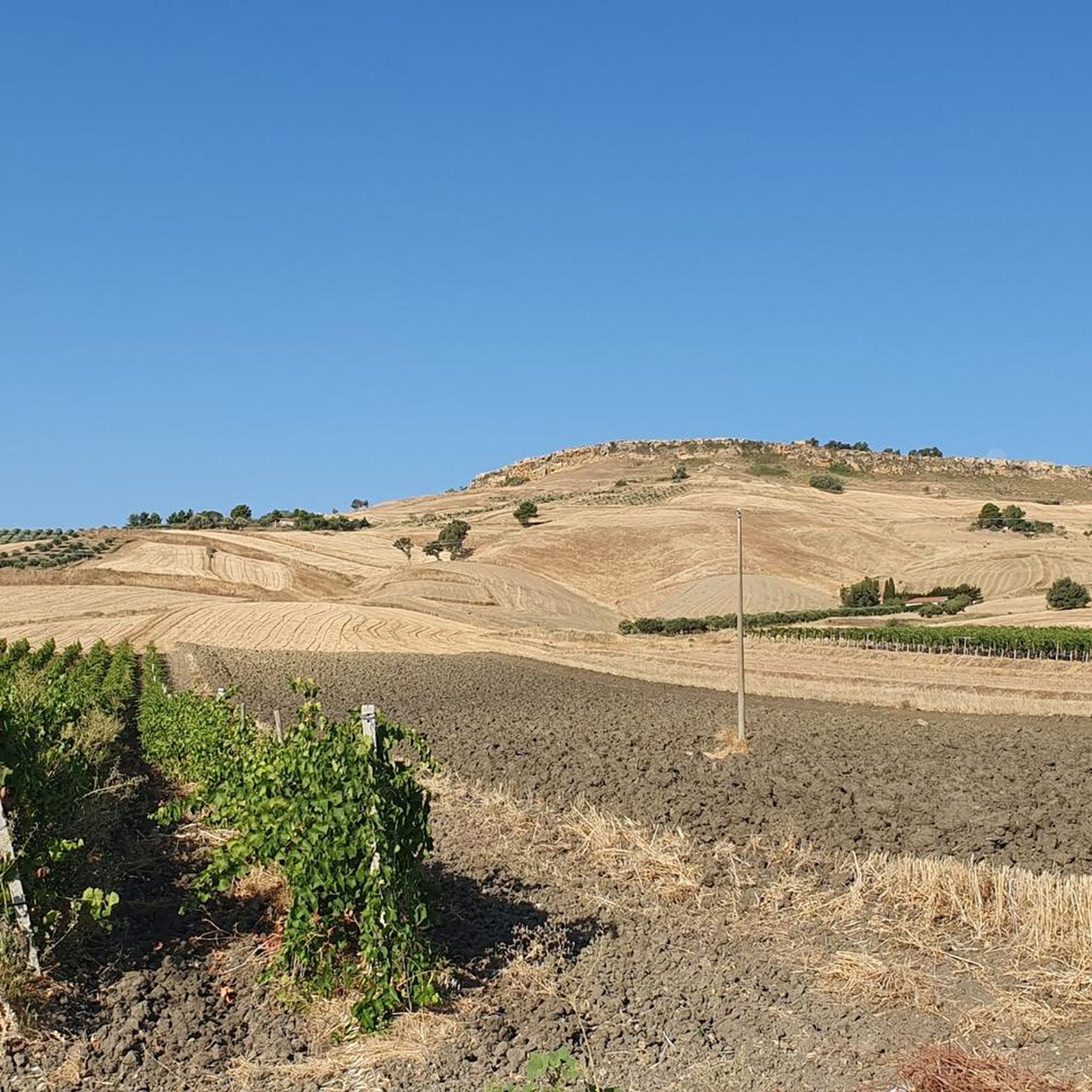
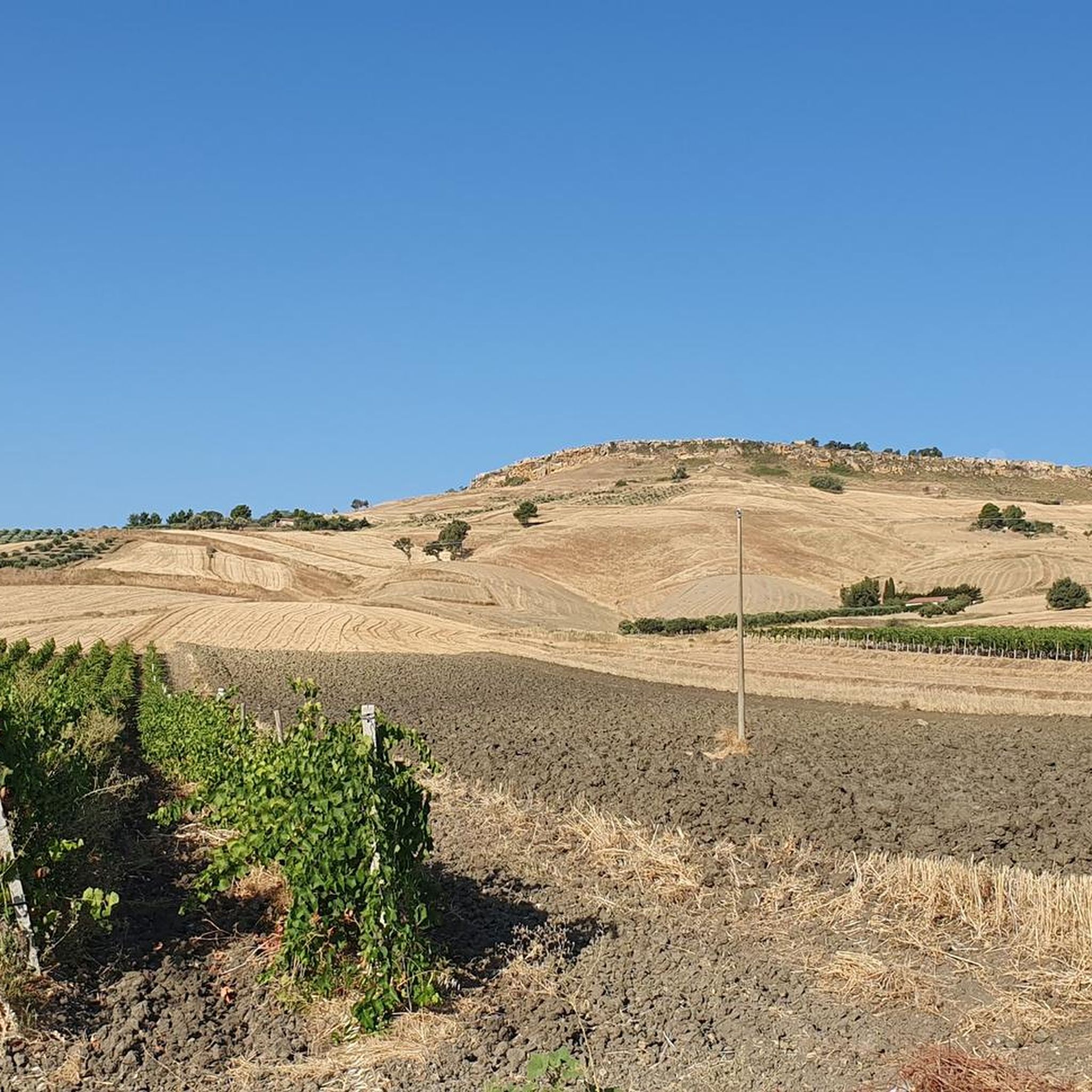
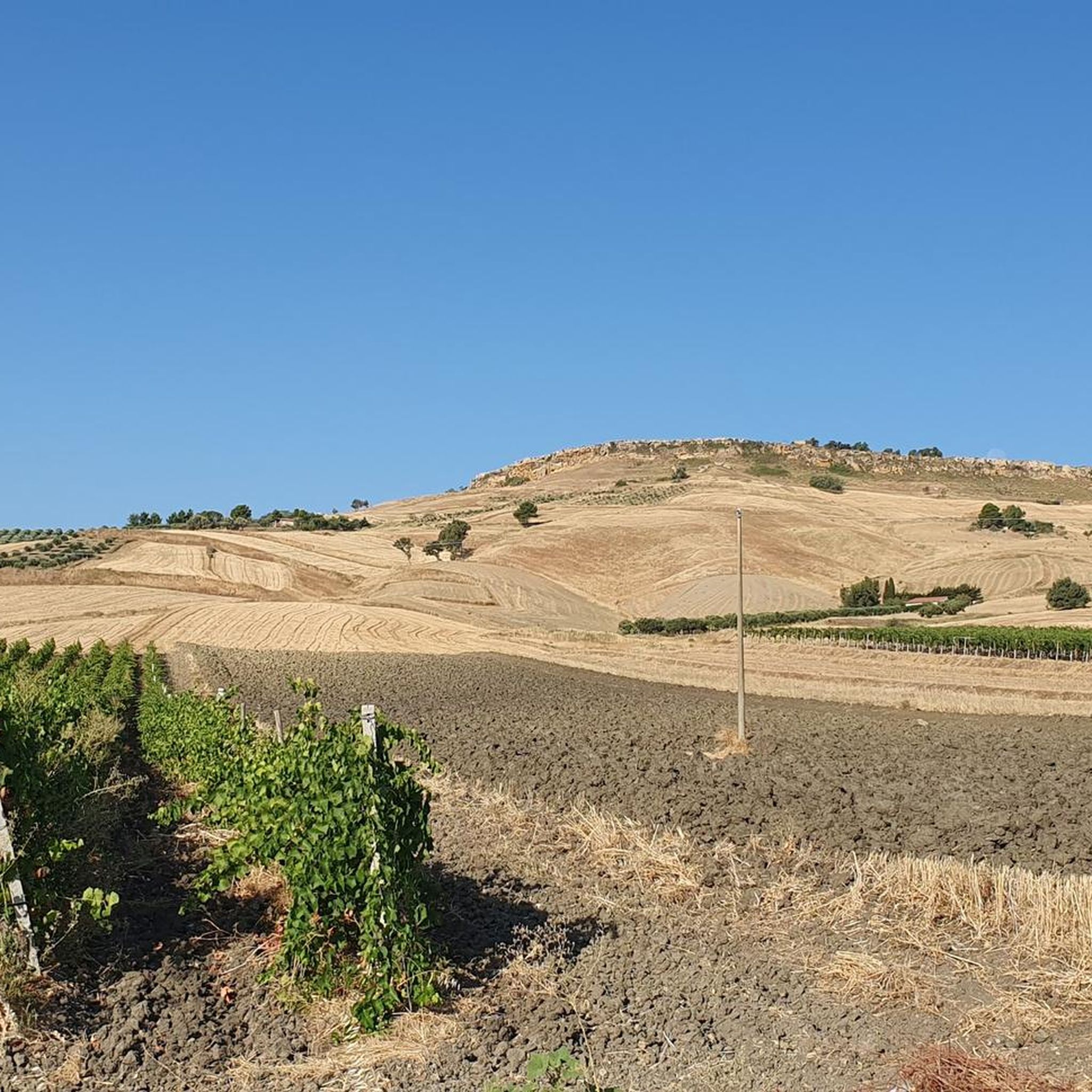
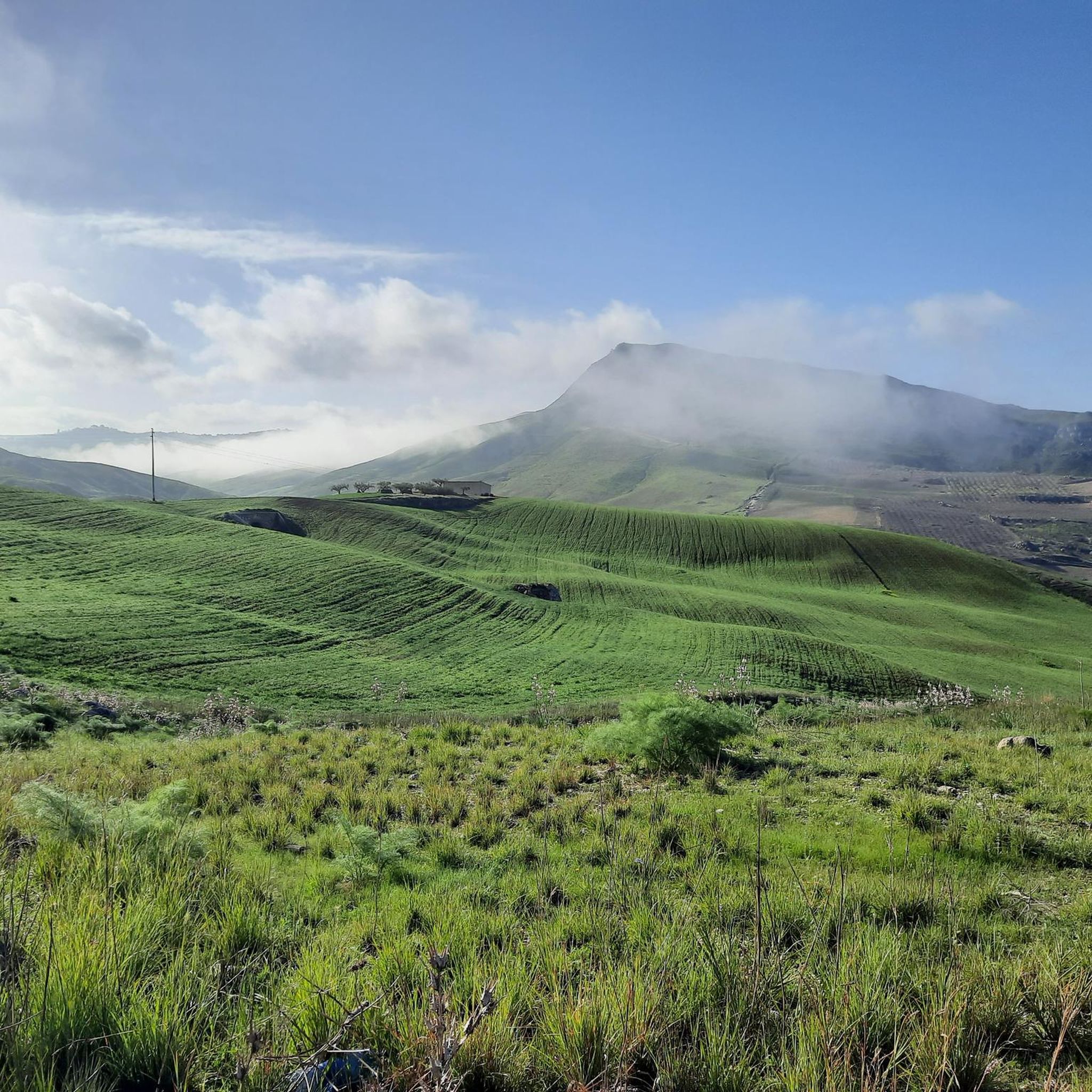
Best attractions and places to see around Campobello Di Licata, a town situated on a plateau in the Salso river valley in Sicily. The area is known for its blend of art, history, and natural beauty, featuring works by artist Silvio Benedetto integrated into the urban landscape. Visitors can explore rolling green hills with vineyards and orchards, characteristic of the fertile agricultural landscape. The region offers a variety of cultural sites and historical landmarks.
Best attractions and places to see…
Last updated: July 7, 2026
Licata
Highlight • Settlement
Translated by Google •
Tip by

Torre di Gaffe Beach
Highlight • Beach
Translated by Google •
Tip by

Sign up now to discover places like this
Get recommendations on the best single tracks, peaks, & plenty of other exciting outdoor places.
Sign up for free
Former Jesuit College of Naro
Highlight • Historical Site
As a consequence of the "Family Pact" stipulated in 1764 between the …
Translated by Google •
Tip by

Church of San Francesco, Naro
Highlight • Religious Site
Translated by Google •
Tip by
Murals of Via delle Vanelle, Naro
Highlight • Monument
Yesterday, in …
Translated by Google •
Tip by
Sign up for free to discover even more attractions around Campobello Di Licata.
Sign up for free
Already have an account?
Start today with a free account
Your next adventure awaits.
Login or Signup
Tips from the Community

Between Palma di Montechiaro and LIcata on the southern Sicilian coast is the Torre di Gaffe
0
0
The coves of the Nicolizia district offer small isolated beaches, and various areas with rocks.
0
0

A former Jesuit college, this structure highlights its baroque style with its imposing main pillars in Greek-Roman style
0
0
The imposing church of San Francesco overlooks the square of Naro
0
0
Finally the work of frescoes in Via delle Vanelle is complete
0
0

Located in the middle of the southern coast of Sicily, Licata is a seaside resort also famous for its Baroque style churches and the Castel Sant'Angelo castle also in Baroque style. In addition to culture, you can relax on the Maraniello beach.
2
0

The first steps in an articulated urban redevelopment project in Naro, which begins with the partnership between the distinguished Academy of Fine Arts in Florence and the Fulgentissima. Yesterday, in Naro (12/06/2022), at the Chiaramonte Castle, the exhibition of frescoes of the Academy of Fine Arts in Florence was inaugurated. It includes a part of works recovered over the years dedicated to the Fresco Course. The DMO Valle dei Templi tourist district is a partner of this project that enriches Naro and the entire territory of the Costa del Mito with art and beauty. The students of the Academy, coming from different parts of the world, are spending six months in Naro, coordinated by Professor Saverio Vinciguerra. Since last March they have begun to devote themselves to the creation of frescoes, some of which are intended to embellish some corners of the town. source: agrigentooggi.it
1
0
The original structure of the church was built in the 13th century and after being revived several times over the centuries, its current structure was built in 1635. The façade, rich in mannerist and Spanish decorative elements (niches, caryatids, sculptures, masks, etc.), dates back to the 12th century. The interior is characterized by a single nave, surmounted by a large barrel vault frescoed by Domenico Provenzani. In addition, the church preserves inside paintings by Vito D'Anna (1718-1769), by Fra 'Felice di Sambuca (1734-1805) depicting San Francesco, and by Eugenio Ragalbuto located at the sides of the entrance, representing La buona Morte and Bad Death. In the sacristy there is a black marble sink that takes up the scene of San Francesco receiving the stigmata and also of the beautiful wooden cabinets depicting scenes of the Via Crucis, made by a local craftsman. Next to the church there is the former convent. With the suppression of the religious corporations in 1866, the Franciscan friars were expelled and the convent was transformed into the seat of the town hall; other rooms are occupied by the Feliciana Library. The eighteenth-century cloister of the current Town Hall also belonged to the former convent; it is delimited by a row of columns that give rise to 16 arches. source: comune.naro.ag.it
1
0
Frequently Asked Questions
What unique artistic attractions can I find in Campobello di Licata?
Campobello di Licata is known as a "City of Art" due to the extensive works by Italian-Argentine artist Silvio Benedetto integrated throughout the town. You can explore the Valle delle Pietre Dipinte (Valley of Painted Stones), also known as Parco della Divina Commedia, an impressive open-air art park featuring over 110 painted monoliths interpreting Dante's Divine Comedy. Additionally, Piazza XX Settembre showcases Benedetto's bronze statues like "The Sower" and "Woman with a Jug," and the Town Hall features six large murals by him depicting local traditions.
Are there any historical sites or religious buildings to visit?
Yes, the area is rich in history and religious architecture. In Campobello di Licata, the 18th-century Chiesa Madre (Mother Church) dedicated to San Giovanni Battista houses significant religious art. Nearby, you can visit the Former Jesuit College of Naro, a historical site built between 1610 and 1619, and the Church of San Francesco, Naro, with an original structure from the 13th century and a rich Baroque facade.
What natural features or scenic spots are there around Campobello di Licata?
The town is set on a plateau in the Salso river valley, surrounded by rolling green hills adorned with vineyards, orchards, and wheat fields. For a coastal experience, Torre di Gaffe Beach, located between Palma di Montechiaro and Licata, offers beautiful views and is a great spot for sunsets.
What kind of outdoor activities can I do near Campobello di Licata?
The region offers various outdoor activities, especially cycling and running. You can find several routes for different skill levels. For cycling, explore options like the 'Via Fabaria Castelli: Ravanusa to Campobello di Licata Loop' which is an easy ride, or more challenging routes like 'From Campobello to Canicattì – loop tour'. For running, there are easy loops starting directly from Campobello di Licata. You can find more details on available routes in the Cycling around Campobello Di Licata and Running Trails around Campobello Di Licata guides.
Are there family-friendly attractions in the area?
Yes, several attractions are suitable for families. Torre di Gaffe Beach is a great option for a relaxing day by the sea. The town of Licata itself offers beaches and historical sites that can be explored with children. Additionally, the Murals of Via delle Vanelle, Naro provide an interesting artistic walk for all ages.
What is the best time of year to visit Campobello di Licata?
While specific data on the best time to visit isn't provided, Sicily generally enjoys a Mediterranean climate. Spring (April-May) and Autumn (September-October) offer pleasant temperatures ideal for exploring outdoor art parks, historical sites, and enjoying the natural landscapes without the intense summer heat. Summer months are perfect for beach activities.
What local culinary experiences should I try in Campobello di Licata?
When visiting, be sure to explore the typical products of Sicilian gastronomy. A unique local specialty is "lu mpurnatu," a baked timbale featuring ziti pasta, pork ragu, cauliflower, eggs, and pecorino cheese. The area is also renowned for its wine production, with local wineries offering celebrated red, white, rosé, and sparkling wines.
Are there any ancient ruins or archaeological sites nearby?
Yes, the surrounding countryside holds remnants of ancient settlements. You can find a Bronze Age necropolis with suggestive cave tombs in the Iachinu Fili area, some of which were reused in Byzantine times, offering a glimpse into the region's deep history.
What cultural events or festivals take place in Campobello di Licata?
To experience local culture, consider visiting during one of the town's traditional festivals. Key events include the Festa di San Giovanni Battista (June 24th), Festa della Beata Maria Vergine di Lourdes (third Sunday of July), and Festa della Madonna dell'Aiuto (third Sunday of August). The "Rietina" event in August is also notable, featuring a parade of decorated Sicilian carts and horses.
What is the significance of the Fontana Canale?
The Fontana Canale (Abbeveratoio) is an ancient watering trough built around 1650, making it one of the oldest masonry works in Campobello di Licata. It holds historical significance and has been restored multiple times, including by Silvio Benedetto in 1981 and again in 2020, preserving its heritage.
What do visitors particularly enjoy about the attractions around Campobello di Licata?
Visitors appreciate the blend of art, history, and natural beauty. The unique artistic installations by Silvio Benedetto, such as the Valle delle Pietre Dipinte, are a major draw. The historical sites like the Former Jesuit College and the charming coastal views from Torre di Gaffe Beach are also highly enjoyed, with the community sharing many photos and positive feedback.
Most popular attractions around Campobello Di Licata

Get inspired with the komoot mobile app


Explore more
Still not found the Highlight you’re looking for? See guides of the top attractions in other regions:
