Attractions and Places To See around Montevago - Top 20
Best attractions and places to see around Montevago offer a blend of historical significance, natural beauty, and cultural richness within Sicily's Belìce Valley. The region features remnants of towns destroyed by the 1968 earthquake, now serving as open-air museums, alongside ancient archaeological sites. Visitors can explore rolling hills, vineyards, and olive groves, characteristic of the serene Belìce countryside. This area provides a unique perspective on resilience and authentic Sicilian life.
Best attractions and places to see around Montevago
- The most popular attractions is Temple E (Temple of Hera), Selinunte Archaeological Park, a historical site that represents a significant heritage of ancient civilizations in Sicily. It is part of the largest archaeological park in Europe, offering insights into the ancient city of Selinunte.
- Another must-see spot is Poggioreale Ruins, a historical site. These ruins are the remains of the city destroyed by the 1968 Belice earthquake, offering a poignant glimpse into the region's past.
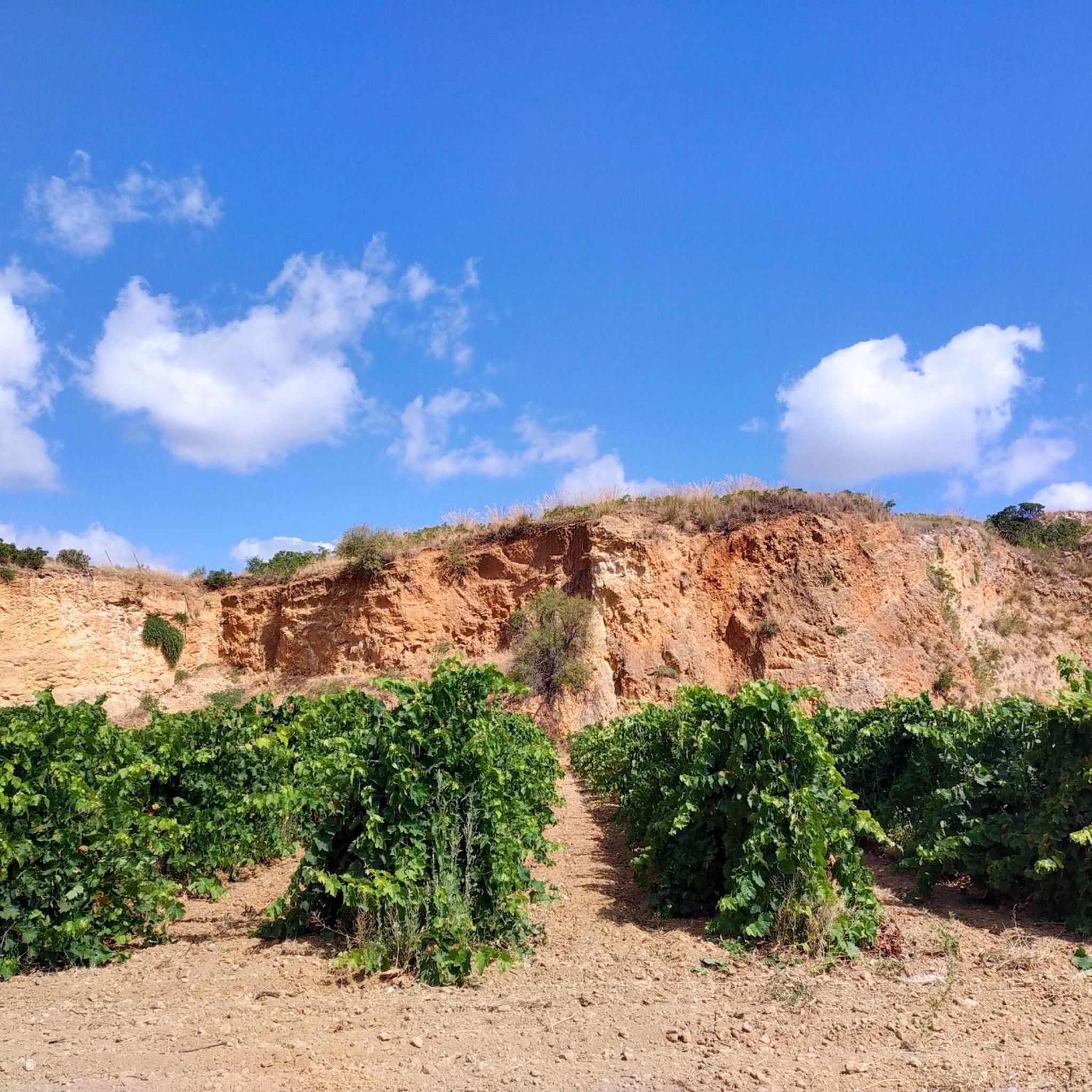
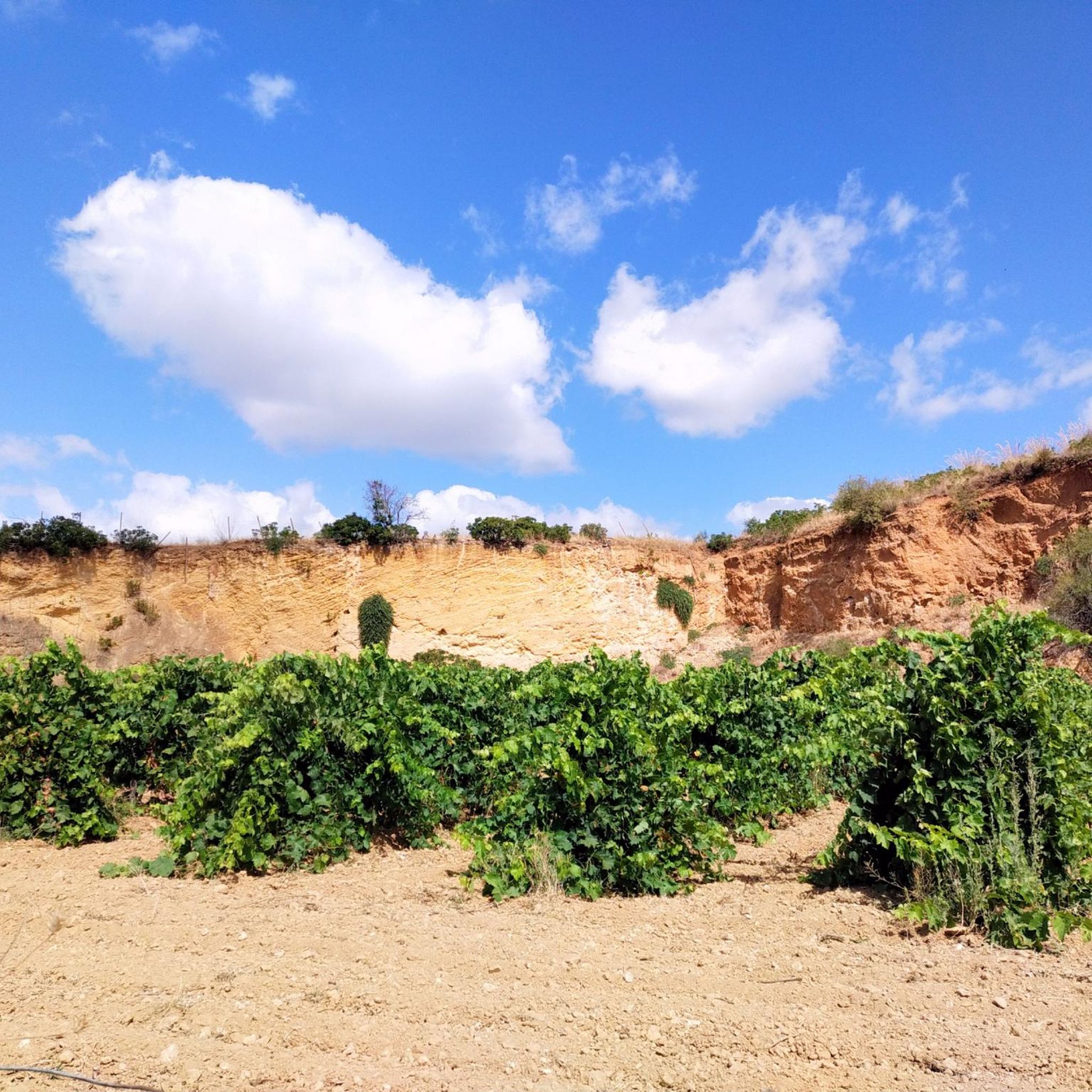
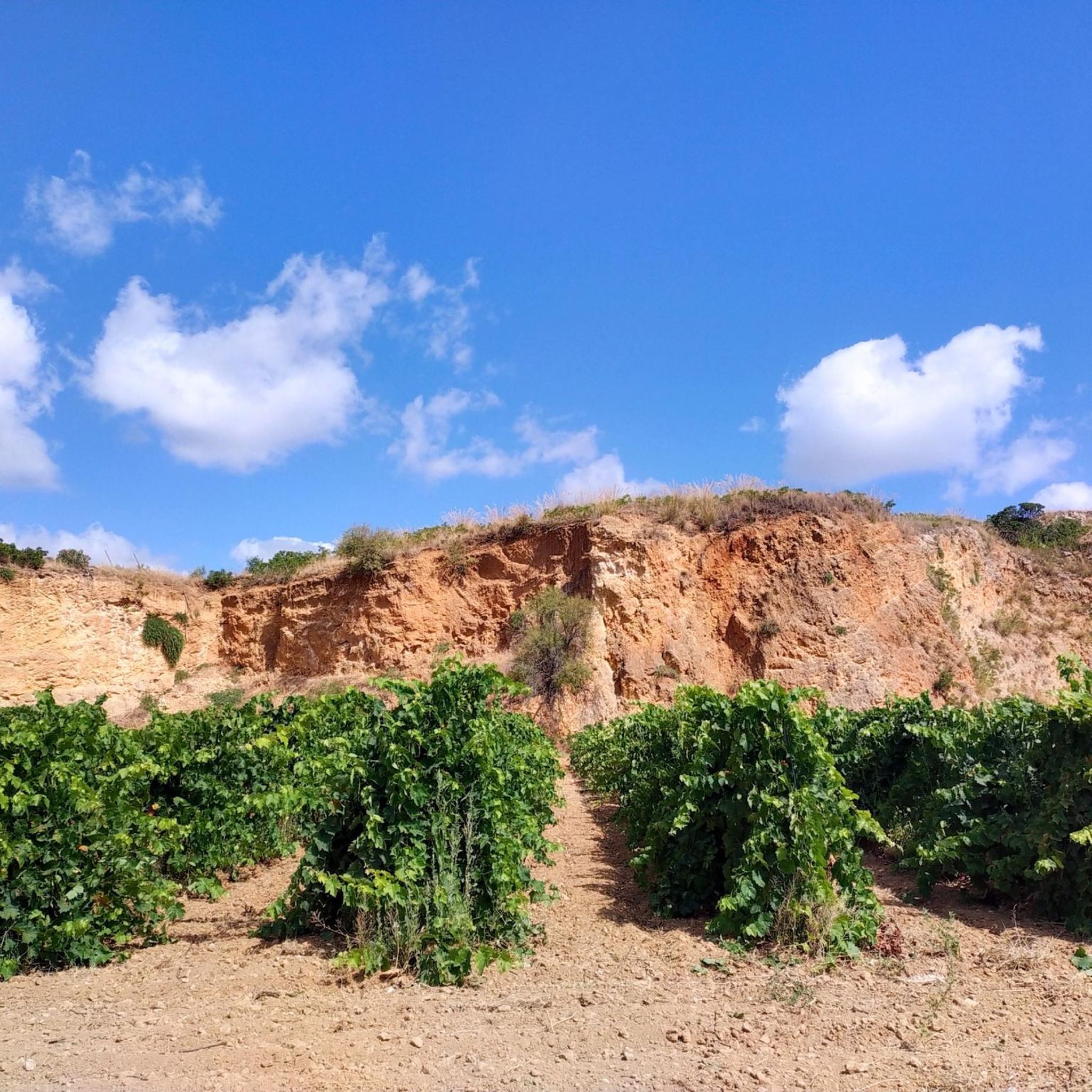
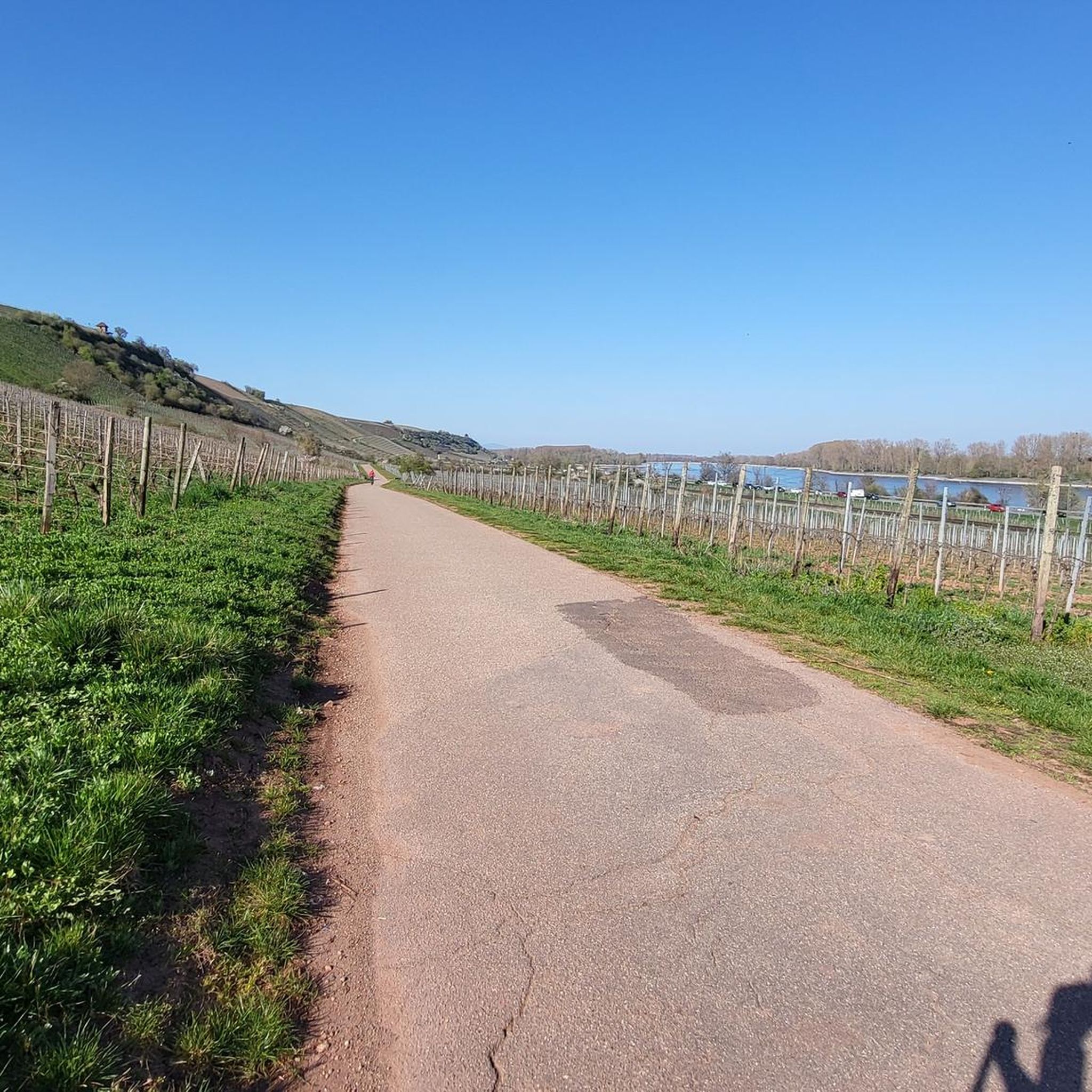
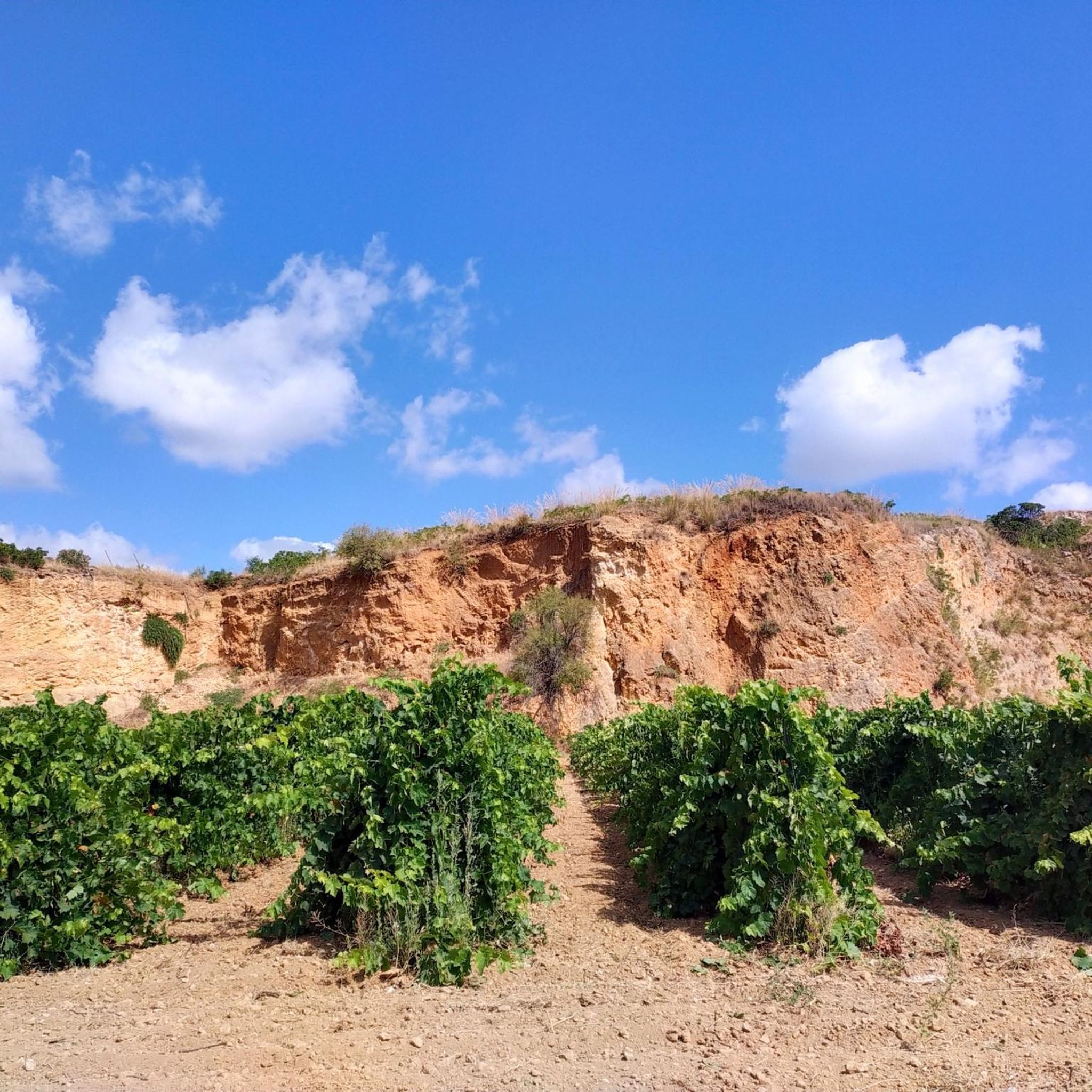
- Visitors also love Finestrelle Forest, a trail ideal for mountain biking and gravel biking. Once at the top, it provides views of the surrounding hills covered by vineyards.
- Montevago is known for its historical sites, natural thermal baths, and scenic trails. The area offers a variety of attractions, from ancient ruins and open-air museums to forests and archaeological sites.
- The attractions around Montevago are appreciated by the komoot community, with 5 highlights featuring more than 100 photos and receiving over 80 upvotes.
Last updated: September 27, 2026
Temple E (Temple of Hera), Selinunte Archaeological Park
Highlight • Historical Site
Translated by Google •
Tip by

Cretto di Burri
Highlight • Monument
Translated by Google •
Tip by

Sign up now to discover places like this
Get recommendations on the best single tracks, peaks, & plenty of other exciting outdoor places.
Poggioreale Ruins
Highlight (Segment) • Historical Site
Translated by Google •
Tip by

Selinunte Harbor
Highlight • Structure
Translated by Google •
Tip by
Selinunte
Highlight • Historical Site
Translated by Google •
Tip by

Sign up for free to discover even more attractions around Montevago.
Already have an account?
Start today with a free account
Your next adventure awaits.
Tips from the Community

The Selinunte Archaeological Park is located near the ancient city of Greek origin. Today, it is the largest archaeological park in Europe. The park consists of: a hill with the sanctuary of Malophòros, the acropolis with temples and fortifications, the Manuzza Hill, an ancient inhabited center, the eastern hill with other temples, and the necropolis. The acropolis houses the temples from letters A to D of the
2
0

The Cretto di Burri in Gibellina, also known as “Il Grande Cretto”, is a unique work of art that honors the destroyed town of Gibellina after the devastating earthquake of 1968. Italian artist Alberto Burri created this monumental work between 1985 and 1989 and it was completed in 2015. With its huge white concrete blocks that look like giant cracks in the ground, the work symbolizes the lasting pain and memory of the past, but at the same time, renewal and reconstruction. Walking through the Cretto almost feels like walking through the past, as if you are re-entering the streets and alleys of the old town. The approximately 80,000 square meter area is made up of concrete structures that trace the original city layout. What is particularly impressive is the fact that the blocks are made from the rubble of the old town itself. When you stand on the Cretto and take in the simple but powerful aesthetic, you can literally feel the connection between art, history and human resilience. It is not only a reminder of what was lost, but also a symbol of hope and rebirth. It is especially beautiful if you do the hike in clear weather - the view into the distance underlines the silence and grandeur of this unique place.
1
0

seen online and seen live it is that place that is worth seeing live, huge and astonishing, shame only for the history of all this
2
1
place rich in history and suffering, unfortunately at 07/2024 it was not possible to access, everything was cordoned off, and work inside, I hope it is to try to recover something of this unique place
0
0

When visiting Sicily, you cannot miss the archaeological park of Selinunte.
0
0

The Sicilian town of Gibellina was devastated by an earthquake in 1968. After the disaster, the residents at the time created a gigantic open-air museum. Alberto Burri's work of art lies like a shroud over the town of Gibellina, which was destroyed by the earthquake. The sidewalks between the concrete structures show where the town's streets and alleys used to run.
2
0


Ruins of Poggioreale are the remains of the city of Poggioreale destroyed by the Belice earthquake of 1968. Entrance to the site is officially forbidden, the entrance gate is closed although there is the possibility of climbing over. In fact, the buildings are in danger and danger is around the corner. Avoid venturing inside the ruins due to the risk of collapse, but above all do not go up to the upper floors as you are not aware of the state of the load-bearing walls. In any case, access is at your own risk.
0
0
Frequently Asked Questions
What historical sites can I visit around Montevago?
Montevago and its surroundings are rich in history. You can explore the poignant Poggioreale Ruins, the remains of a town destroyed by the 1968 earthquake, offering a powerful glimpse into the past. Another significant site is the Temple E (Temple of Hera) within Selinunte Archaeological Park, a major heritage site of ancient civilizations. Don't miss the Cretto di Burri, an impressive environmental art installation built over the ruins of Old Gibellina, also destroyed by the earthquake. The old town of Montevago itself features the 'Visual Paths,' an open-air museum with murals and paintings animating the ancient center, including the former Mother Church.
Are there natural attractions or scenic viewpoints near Montevago?
Yes, the region offers beautiful natural landscapes. The Finestrelle Forest provides stunning views of rolling hills covered by vineyards, especially from its summit. You can also find tranquility at the Bosco del Magaggiaro, a natural setting with an equipped area for relaxation. The entire Belìce Valley countryside, with its vineyards and olive groves, offers picturesque views ideal for slow tourism.
What outdoor activities are available around Montevago?
The area is great for various outdoor activities. For cycling enthusiasts, the Finestrelle Forest is a popular spot for mountain biking and gravel biking. You can find numerous MTB trails, road cycling routes, and running trails around Montevago, catering to different difficulty levels. The Belìce Valley's serene environment is perfect for walks and exploring the countryside.
Are there any family-friendly attractions in the Montevago area?
Absolutely! The Selinunte Archaeological Park, home to Temple E, is listed as family-friendly and offers an engaging historical experience. The Selinunte Harbor area is also family-friendly, with a beach and a charming fishing port. For a relaxing day, the Terme Acqua Pia thermal baths offer pools, a playground, and picnic areas, making it a great option for families.
Where can I experience local culture and traditions in Montevago?
Montevago offers a rich cultural experience. The town is part of the Menfi DOC wine region, so exploring its food and wine traditions, including local specialties like 'cassatella sfighiuliata' and 'muffuletto,' is a must. You can also visit the 'Visual Paths' in the ruins of Old Montevago to see local art and murals. Throughout the year, Montevago hosts various events and festivals, such as Carnival parades and the Festival of wine and local products, which provide insights into authentic Sicilian life.
What is the best time of year to visit Montevago for outdoor activities?
The Belìce Valley generally enjoys a Mediterranean climate. Spring (April-May) and autumn (September-October) are often ideal for outdoor activities like hiking and cycling, as temperatures are pleasant and the landscape is vibrant. Summers can be hot, especially for strenuous activities, but are perfect for enjoying the coast and thermal baths. Winters are mild but can be rainy.
Are there thermal baths or wellness facilities in Montevago?
Yes, Montevago is renowned for its natural thermal baths at Terme Acqua Pia. These baths draw sulphurous-alkaline-ferrous waters from springs appreciated since Roman times. The complex features pools with warm waters (around 37 degrees Celsius), a natural hydromassage center, and beauty therapy services, offering a complete wellness experience.
Can I find archaeological remnants other than Selinunte near Montevago?
Beyond the prominent Selinunte Archaeological Park, Montevago's territory holds other significant archaeological finds. You can explore the remnants of a Muslim farmhouse in Contrada Caliata and the remains of a Roman villa rustica in Contrada Mastroagostino, hinting at the area's long history of human settlement.
What are some unique local food and wine experiences in Montevago?
Montevago is located in the Menfi DOC wine region, celebrated for its quality wines and extra virgin olive oil, including the renowned 'Nocellara del Belice' DOC. Visitors can indulge in wine tastings and explore local culinary specialties such as 'cassatella sfighiuliata' and 'muffuletto,' offering a true taste of Sicilian tradition.
What do visitors enjoy most about the attractions around Montevago?
Visitors frequently appreciate the profound historical significance of sites like the Selinunte Archaeological Park and the poignant Poggioreale Ruins, which offer a unique perspective on resilience. The artistic impact of the Cretto di Burri is also highly praised. Many also enjoy the scenic beauty of the Belìce Valley, especially the views from places like Finestrelle Forest, and the authentic Sicilian life found in its towns and traditions.
Is public transport available to reach attractions around Montevago?
While specific public transport options to all individual attractions may vary, Montevago itself has some local transport. For many of the more remote historical sites and natural areas, having a car is often recommended for flexibility. However, it's advisable to check local bus schedules or consider taxi services for specific destinations like the Terme Acqua Pia or the Selinunte Archaeological Park.
Are there any dog-friendly places or trails near Montevago?
Many natural areas and trails in the Belìce Valley, including the countryside paths and potentially parts of the Finestrelle Forest, can be enjoyed with dogs, provided they are kept on a leash and owners clean up after them. It's always best to check specific regulations for archaeological parks or private establishments like the thermal baths regarding pet access.

Get inspired with the komoot mobile app


Explore more
Still not found the Highlight you’re looking for? See guides of the top attractions in other regions:
