Attractions and Places To See around Santa Margherita Di Belice - Top 20
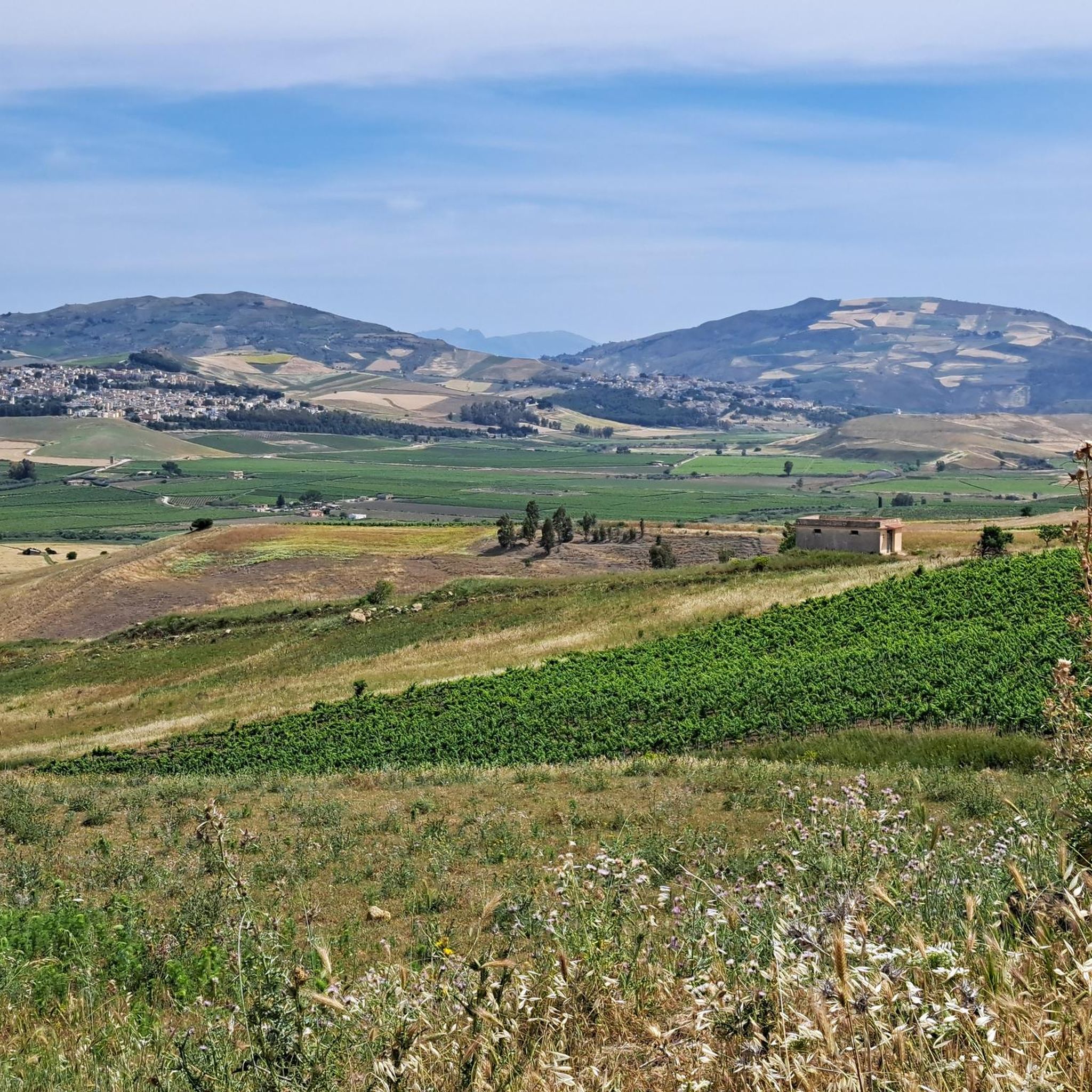
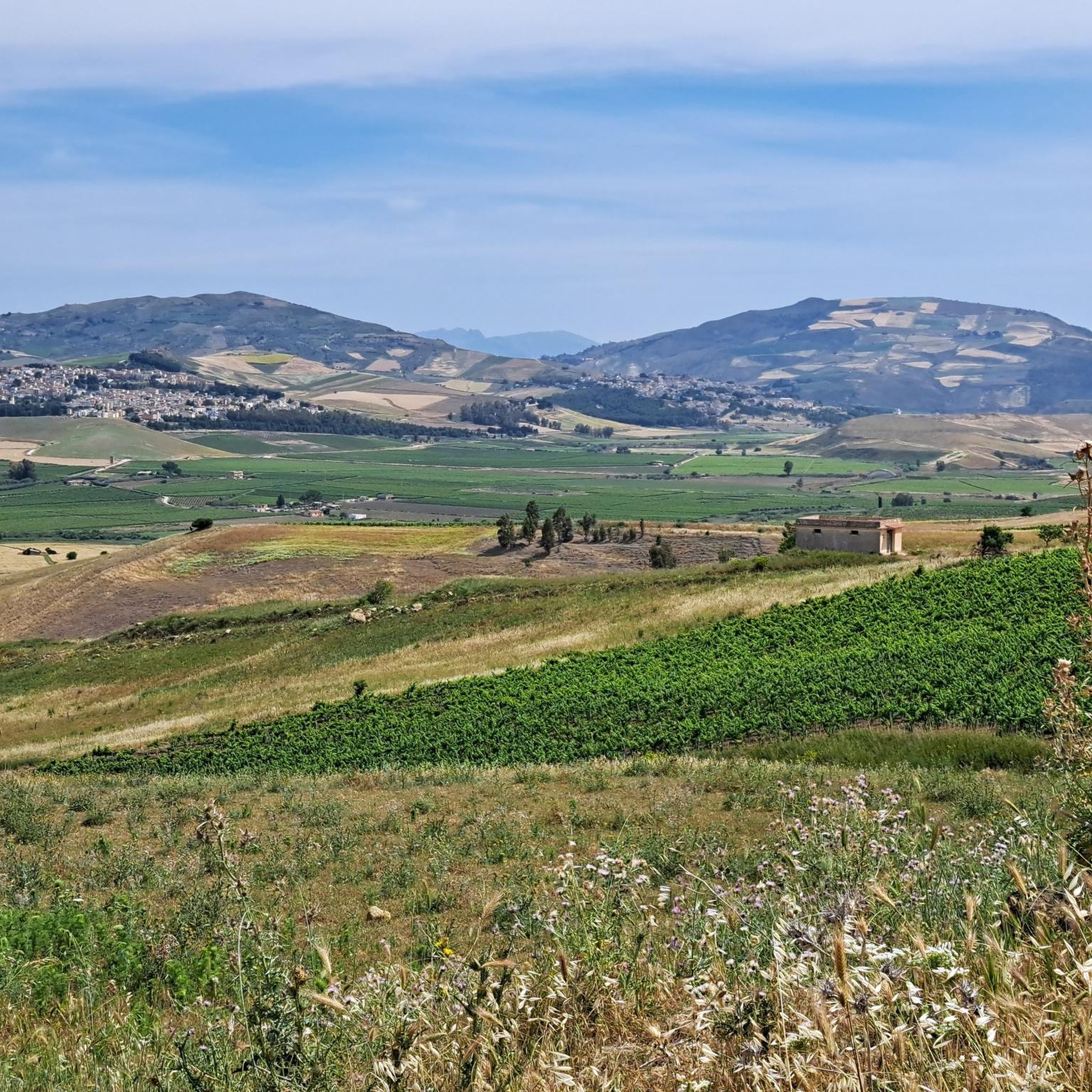
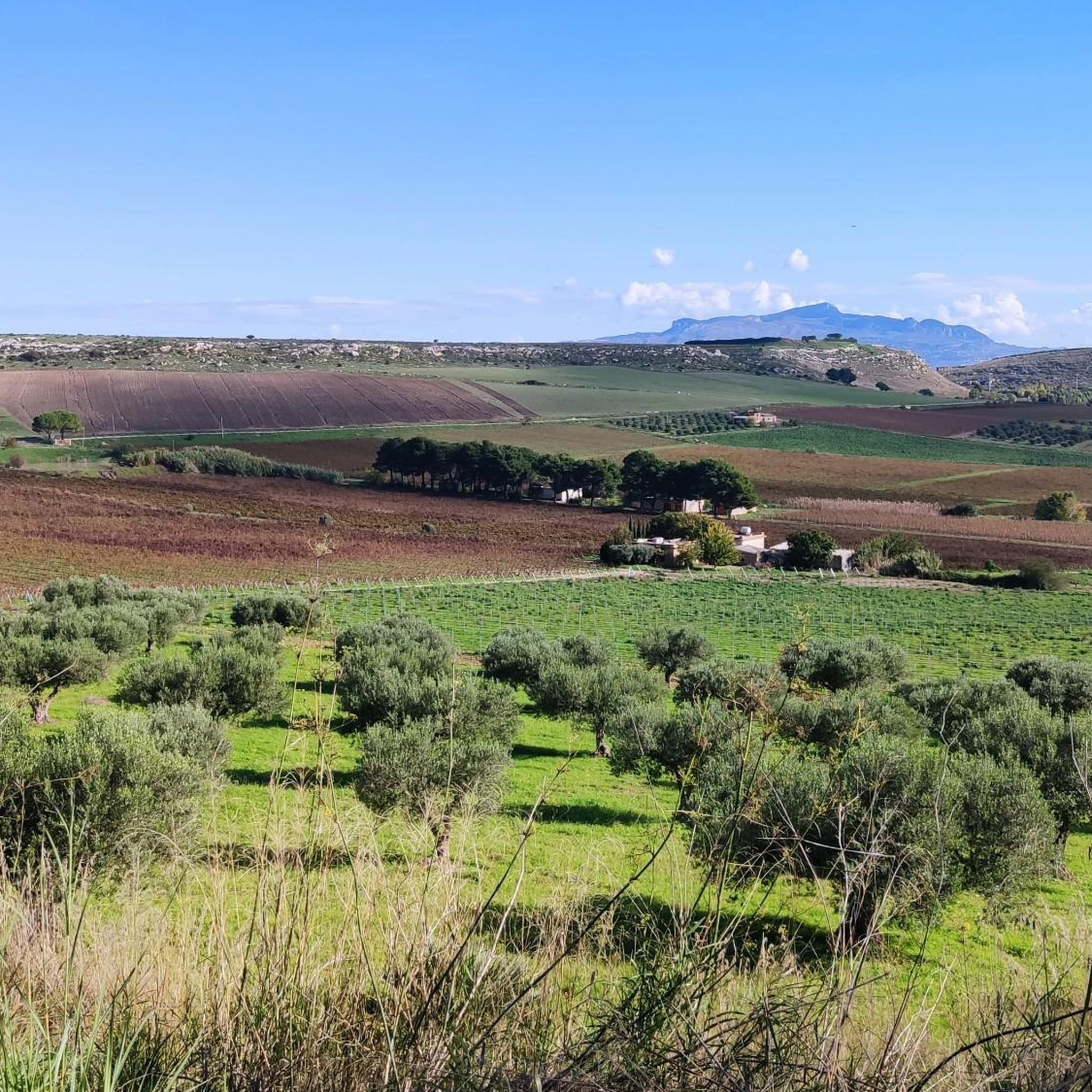
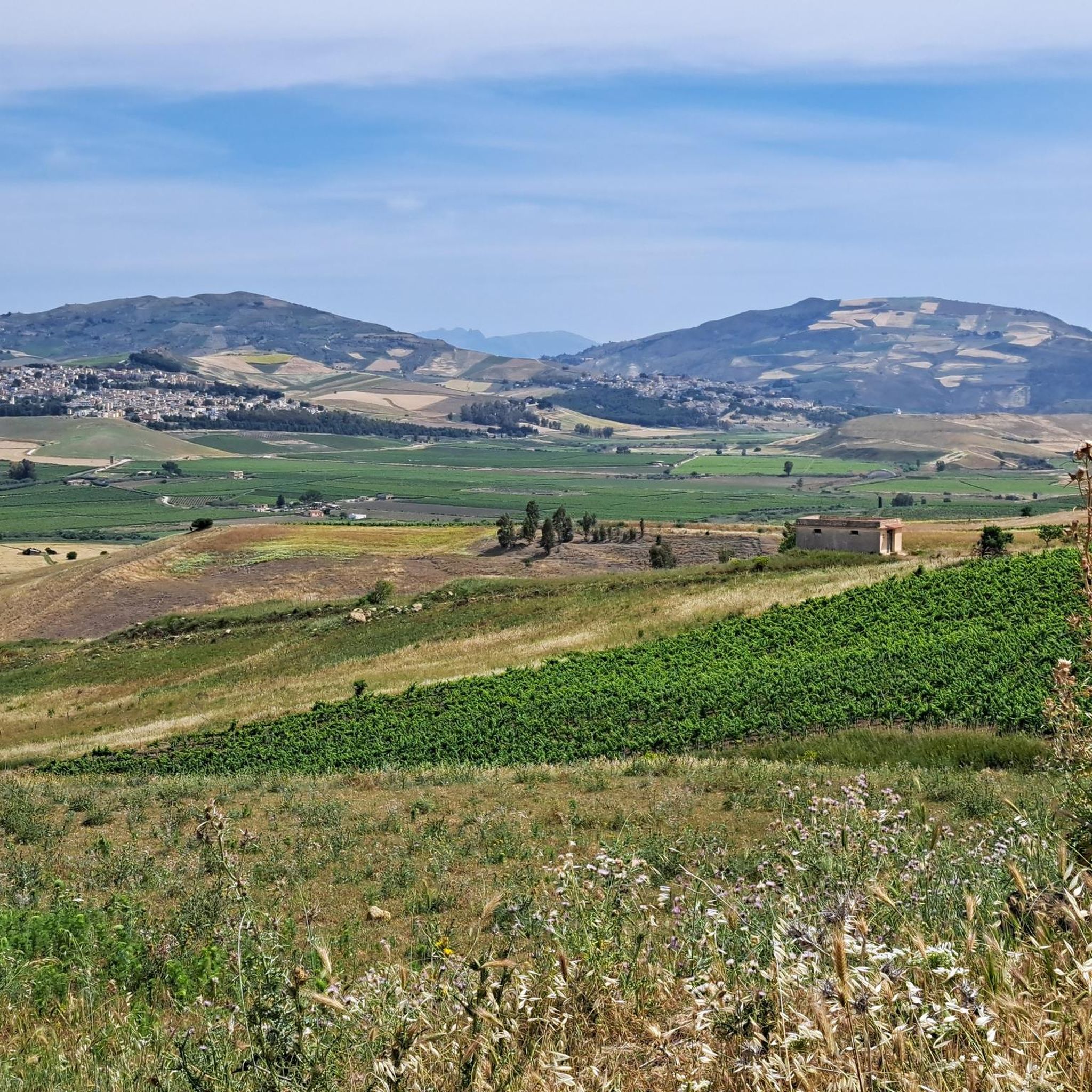
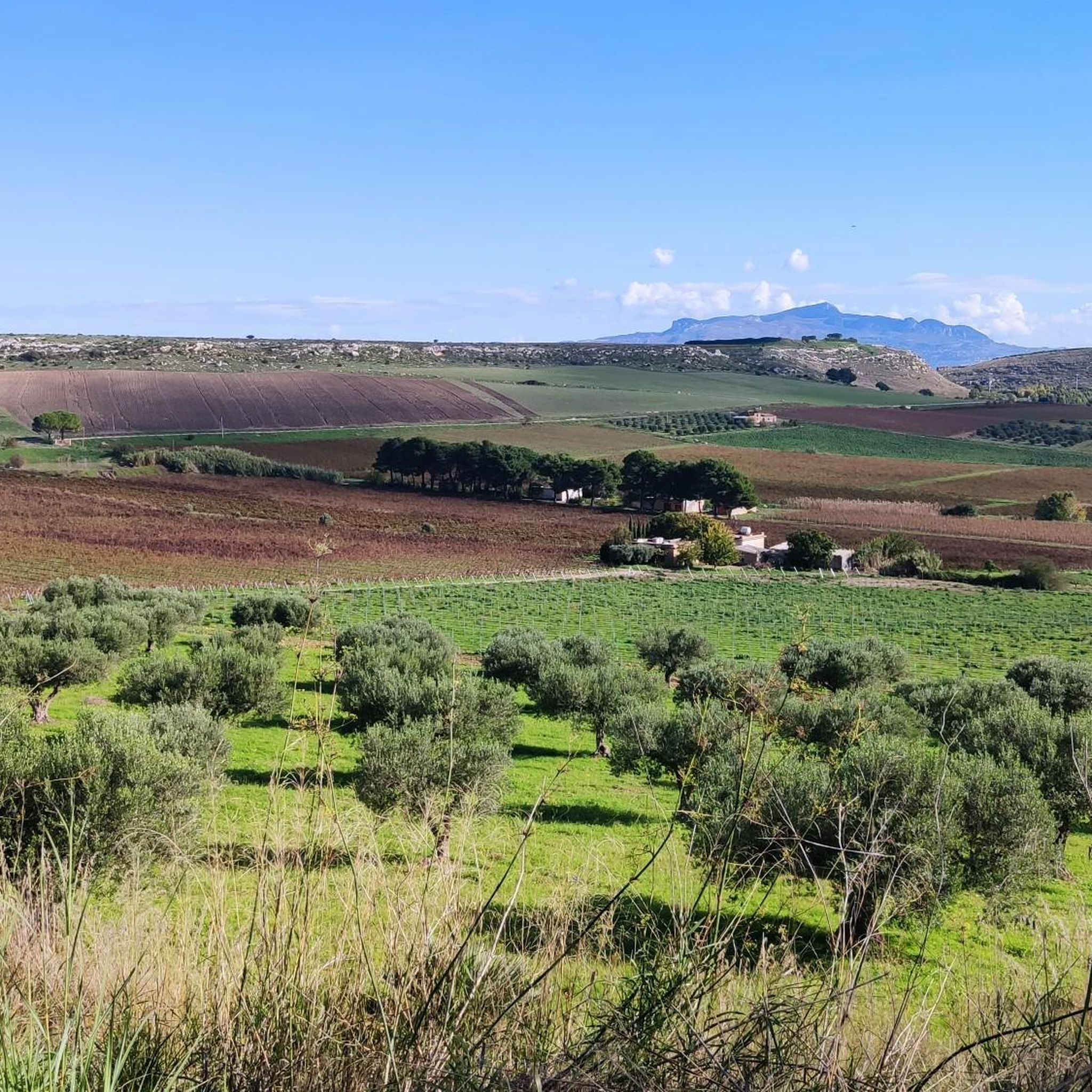
Attractions and places to see around Santa Margherita Di Belice are found in the heart of Sicily's Belice Valley, a region characterized by sinuous hills, olive groves, and vineyards. The town is known for its historical landmarks and cultural sites, including those associated with Giuseppe Tomasi di Lampedusa's novel "The Leopard." Visitors can explore a blend of literary heritage, historical resilience, and natural charm, with evidence of ancient settlements. The area offers diverse landscapes shaped by the Belice River and…
Last updated: September 27, 2026
Cretto di Burri
Highlight • Monument
Translated by Google •
Tip by

Sambuca di Sicilia
Highlight • Settlement
it.wikipedia.org/wiki/Sambuca_di_Sicilia
Showing Translation
Tip by
Sign up now to discover places like this
Get recommendations on the best single tracks, peaks, & plenty of other exciting outdoor places.
Poggioreale Ruins
Highlight (Segment) • Historical Site
Translated by Google •
Tip by

Monte Genuardo
Highlight • Summit
Translated by Google •
Tip by

Former Sambuca - San Carlo Railway
Highlight (Segment) • Trail
Translated by Google •
Tip by

Sign up for free to discover even more attractions around Santa Margherita Di Belice.
Already have an account?
Start today with a free account
Your next adventure awaits.
Popular around Santa Margherita Di Belice

Tips from the Community

A decorative majolica panel that welcomes you to Sambuca di Sicilia, a village in the province of Agrigento proclaimed "Borgo dei Borghi" (Village of Villages) in 2016. The ceramic mural depicts elements that recall the history and culture of the place, including a character in Arab-inspired clothing in reference to the founding emir Zabut, a female figure with a harp, and views of the town with typical local products.
0
0

Beautiful majolica tile drawing that recalls how Sambuca di Sicilia was elected the most beautiful village in Italy in 2016. https://it.wikipedia.org/wiki/Sambuca_di_Sicilia
14
0

Perfect 360° view - safety railing is no longer present.
0
0

The Cretto di Burri in Gibellina, also known as “Il Grande Cretto”, is a unique work of art that honors the destroyed town of Gibellina after the devastating earthquake of 1968. Italian artist Alberto Burri created this monumental work between 1985 and 1989 and it was completed in 2015. With its huge white concrete blocks that look like giant cracks in the ground, the work symbolizes the lasting pain and memory of the past, but at the same time, renewal and reconstruction. Walking through the Cretto almost feels like walking through the past, as if you are re-entering the streets and alleys of the old town. The approximately 80,000 square meter area is made up of concrete structures that trace the original city layout. What is particularly impressive is the fact that the blocks are made from the rubble of the old town itself. When you stand on the Cretto and take in the simple but powerful aesthetic, you can literally feel the connection between art, history and human resilience. It is not only a reminder of what was lost, but also a symbol of hope and rebirth. It is especially beautiful if you do the hike in clear weather - the view into the distance underlines the silence and grandeur of this unique place.
1
0

seen online and seen live it is that place that is worth seeing live, huge and astonishing, shame only for the history of all this
2
1
place rich in history and suffering, unfortunately at 07/2024 it was not possible to access, everything was cordoned off, and work inside, I hope it is to try to recover something of this unique place
0
0

The Sicilian town of Gibellina was devastated by an earthquake in 1968. After the disaster, the residents at the time created a gigantic open-air museum. Alberto Burri's work of art lies like a shroud over the town of Gibellina, which was destroyed by the earthquake. The sidewalks between the concrete structures show where the town's streets and alleys used to run.
2
0

Located on a hill, Sambuca was awarded "Borgo dei Borghi" in 2016. Some of its monuments represent unaltered examples of Islamic urban planning.
4
0
Frequently Asked Questions
What historical sites can I explore around Santa Margherita di Belice?
The region is rich in history. You can visit the Poggioreale Ruins, the remains of a town destroyed by the 1968 Belice earthquake, offering a poignant glimpse into the past. Another significant site is the Cretto di Burri, a massive environmental art installation commemorating the old city of Gibellina, also destroyed by the same earthquake. Within Santa Margherita di Belice itself, the partially rebuilt Palazzo Filangeri di Cutò (Palazzo Gattopardo) and the Memorial Museum, located in the reconstructed former Mother Church, preserve the civil memory of the earthquake.
Are there any attractions related to Giuseppe Tomasi di Lampedusa's novel 'The Leopard'?
Yes, Santa Margherita di Belice is deeply connected to 'The Leopard.' You can visit the Palazzo Filangeri di Cutò, also known as Palazzo Gattopardo, where the author spent his childhood summers and found inspiration. The palace now houses the Gattopardo Museum and the Giuseppe Tomasi di Lampedusa Literary Park, both dedicated to his legacy and the famous novel. The Villa of 'The Leopard' (Municipal Gardens) is another tranquil spot linked to the book.
What natural attractions are there to see in the area?
For nature lovers, Monte Genuardo is a protected reserve offering panoramic views from its summit at around 1200 meters. You can also explore the Cava Serpent (Quarry of the Snake) in the Ciavolara resort, where you can observe fossils and marine-origin conchiglia dating back 1.5 million years. The lush Belice Valley itself, with its sinuous hills, olive groves, and vineyards, provides a beautiful natural backdrop.
What outdoor activities can I do near Santa Margherita di Belice?
The area offers various outdoor activities. You can explore gravel biking routes, such as the 'Cretto di Burri – Overview of the Belice loop' or the 'Finestrelle Forest – Cretto di Burri loop.' For road cycling, consider the 'Sambuca di Sicilia and Lake Arancio Loop.' There are also running trails like the 'Monte Genuardo Loop' and the 'Rocca delle Penne and Monte Finestrelle Loop.' You can find more details and routes on the respective guide pages for gravel biking, road cycling, and running.
Are there any family-friendly attractions or activities?
Yes, the Case Pomo Visitor Center in the Monte Genuardo reserve is equipped with educational panels and materials, offering an immersive experience into the area's history and nature, making it suitable for families. Exploring the Municipal Gardens (Villa of 'The Leopard') also provides a pleasant, tranquil green space for all ages.
What is the significance of the 1968 earthquake in the region?
The 1968 Belice earthquake had a profound impact on the region. Many towns, including Poggioreale and Gibellina, were severely damaged or destroyed. This event is commemorated through sites like the Poggioreale Ruins and the Cretto di Burri. The Memorial Museum in Santa Margherita di Belice also preserves the civil memory of this devastating event through photographic materials and audio-visual displays.
Can I find viewpoints with scenic vistas?
Absolutely. The summit of Monte Genuardo, at approximately 1200 meters, offers breathtaking panoramic views of the surrounding landscape. The Cretto di Burri also provides a unique perspective of the Belice Valley, especially as the sunlight changes throughout the day.
What is the Former Sambuca - San Carlo Railway?
The Former Sambuca - San Carlo Railway is an old railway line that has been repurposed for outdoor activities. It's largely viable for cycling, featuring panoramic bridges and well-preserved, though unlit, galleries. This route is part of the Sicily Divide, offering a unique way to experience the historical landscape between Sambuca di Sicilia and Burgio.
What kind of local products or agriculture is the Belice Valley known for?
The Belice Valley is renowned for its fertile land and agricultural traditions. It's particularly known for its Nocellara olives, high-quality olive oil, prickly pears, and Santa Margherita di Belice DOC wine. The region's diverse landscape, enriched by the Belice River, supports these local products.
What do visitors enjoy most about the attractions around Santa Margherita di Belice?
Visitors appreciate the unique blend of historical resilience, literary heritage, and natural beauty. The powerful artistic statement of the Cretto di Burri and the poignant history of the Poggioreale Ruins are often highlighted. The panoramic views from Monte Genuardo and the opportunity to immerse oneself in the world of 'The Leopard' also receive high praise.
Are there any cultural institutions or museums in Santa Margherita di Belice?
Yes, within the Palazzo Filangeri di Cutò, you'll find the Gattopardo Museum, dedicated to Giuseppe Tomasi di Lampedusa and his novel 'The Leopard.' Additionally, the Memorial Museum, located in the reconstructed former Mother Church, serves as a significant cultural institution, preserving the memory of the 1968 Belice Valley earthquake through various exhibits.
Most popular routes around Santa Margherita Di Belice
Most popular attractions around Santa Margherita Di Belice

Get inspired with the komoot mobile app


Explore more
Still not found the Highlight you’re looking for? See guides of the top attractions in other regions:
