Attractions and Places To See around Santo Stefano Quisquina - Top 20
Best attractions and places to see around Santo Stefano Quisquina, a town nestled in the Sicani Mountains of Sicily, offers a blend of history, culture, and natural beauty. The region is characterized by dense wooded areas like Quisquina Wood and numerous natural springs. Visitors can explore historical sites, spiritual centers, and picturesque landscapes within this authentic Sicilian setting. The area provides opportunities for outdoor activities and cultural immersion.
Best attractions and places to see around Santo Stefano Quisquina
- The most…
Last updated: May 11, 2026
Castronovo di Sicilia
Highlight • Settlement
Translated by Google •
Tip by

Cammarata
Highlight • Settlement
Translated by Google •
Tip by

Sign up now to discover places like this
Get recommendations on the best single tracks, peaks, & plenty of other exciting outdoor places.
Sign up for free
Lake Magazzolo and Castello Dam
Highlight (Segment) • Lake
Translated by Google •
Tip by
Saint Rosalia Hermitage at Quisquina
Highlight • Religious Site
Translated by Google •
Tip by

Santo Stefano Quisquina
Highlight • Settlement
Translated by Google •
Tip by
Sign up for free to discover even more attractions around Santo Stefano Quisquina.
Sign up for free
Already have an account?
Start today with a free account
Your next adventure awaits.
Login or Signup
Popular around Santo Stefano Quisquina
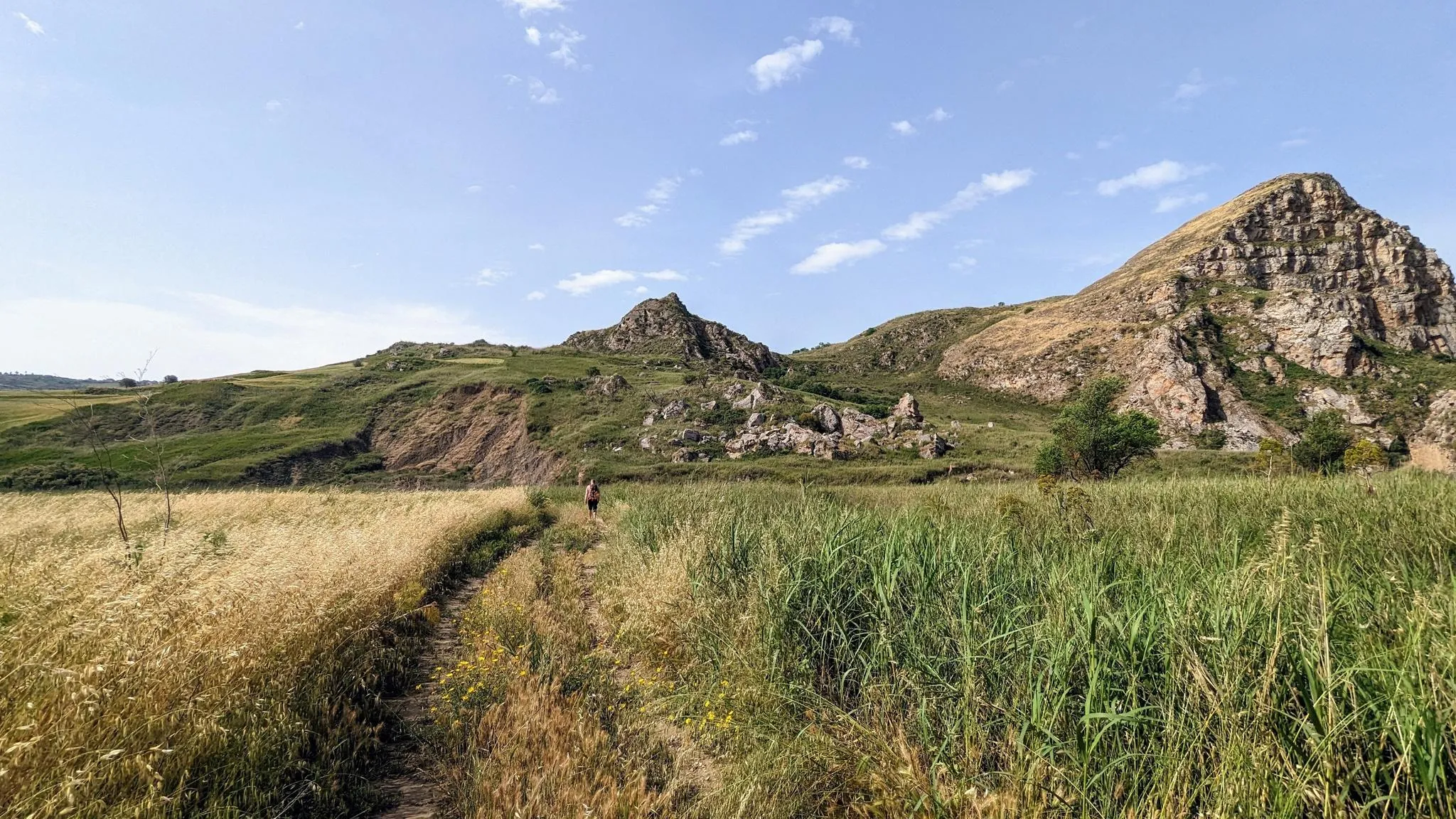
Magna Via Francigena – Sicily between the two seas
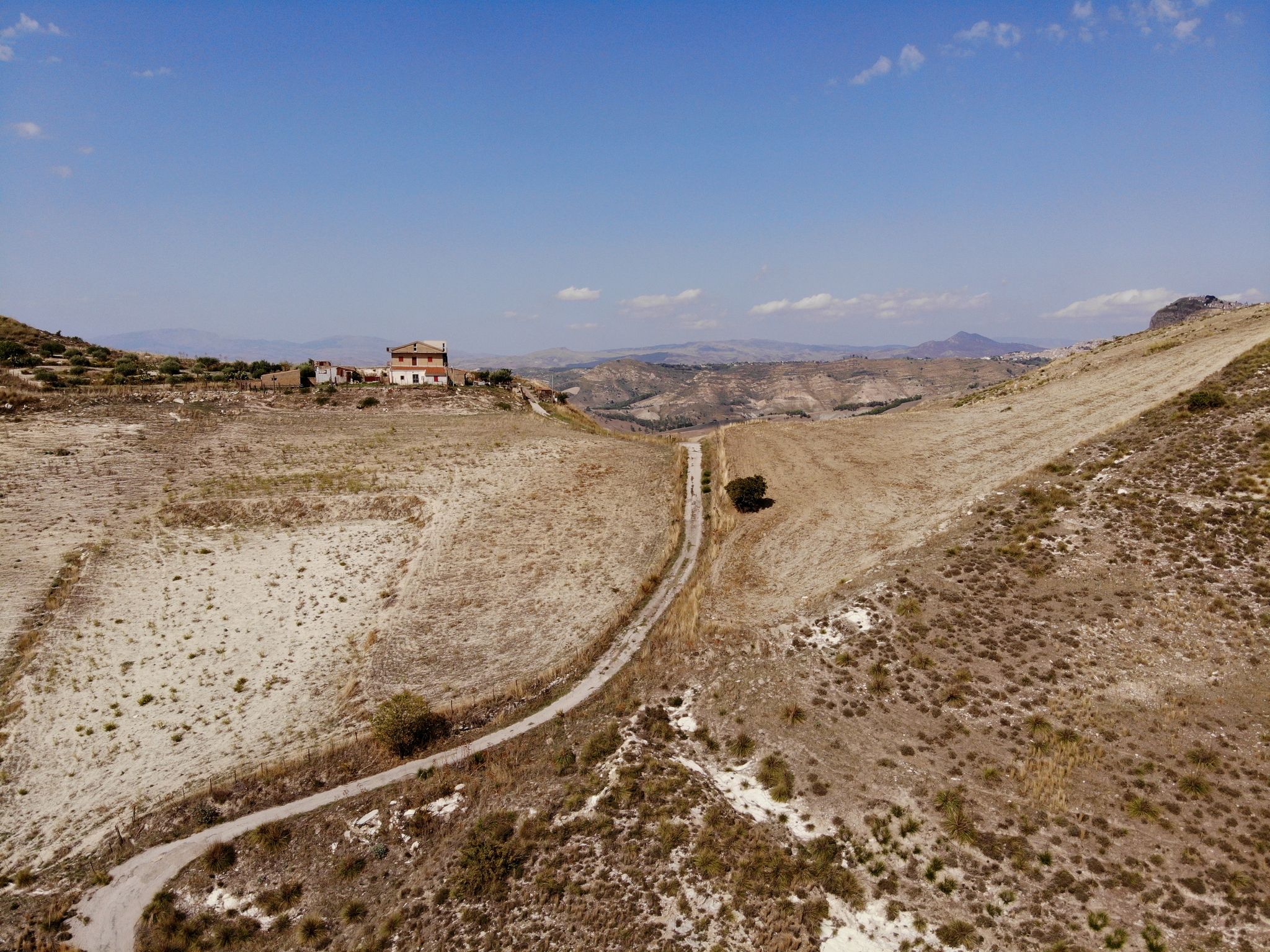
Sicily Divide – an adventure through Sicily
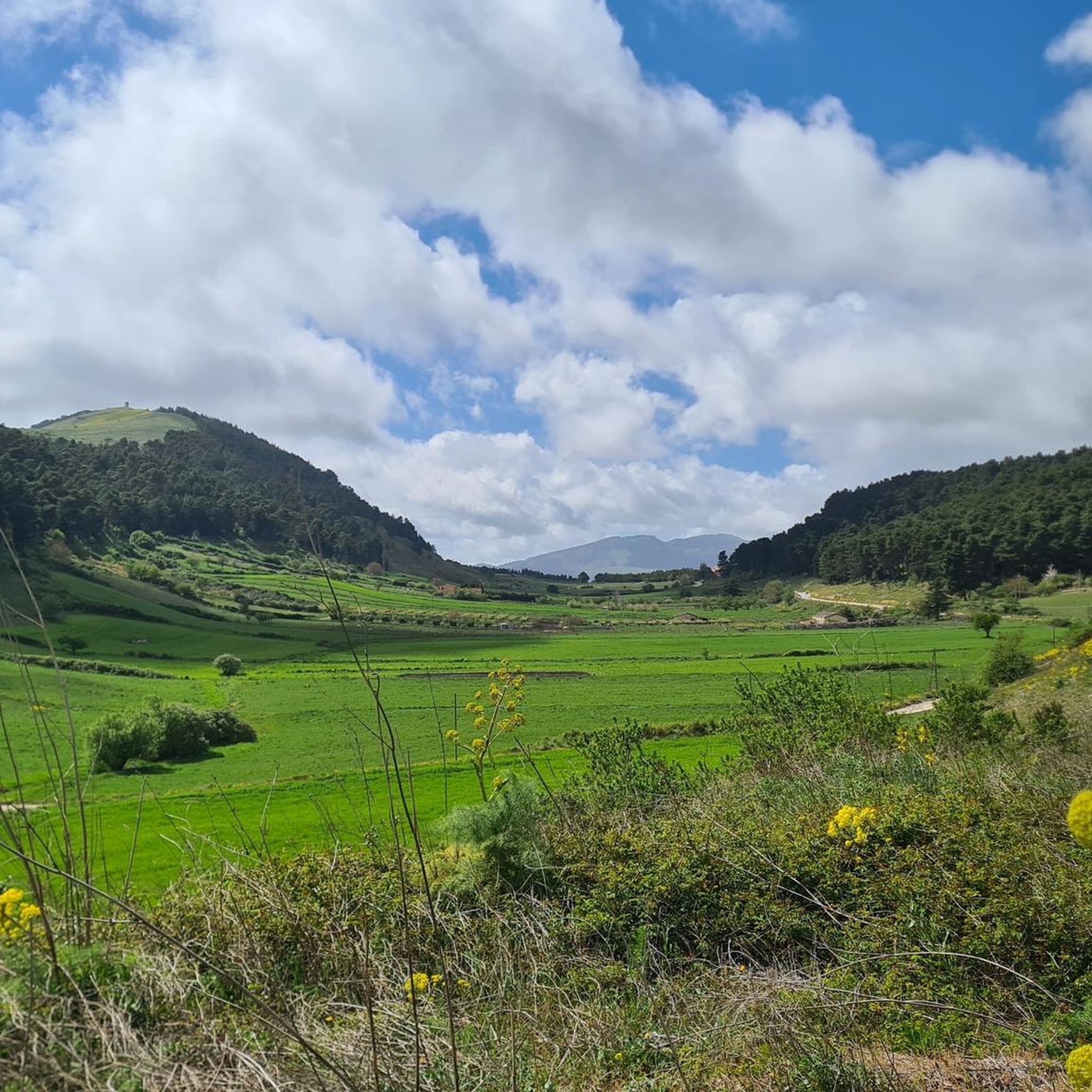
Cycling around Santo Stefano Quisquina
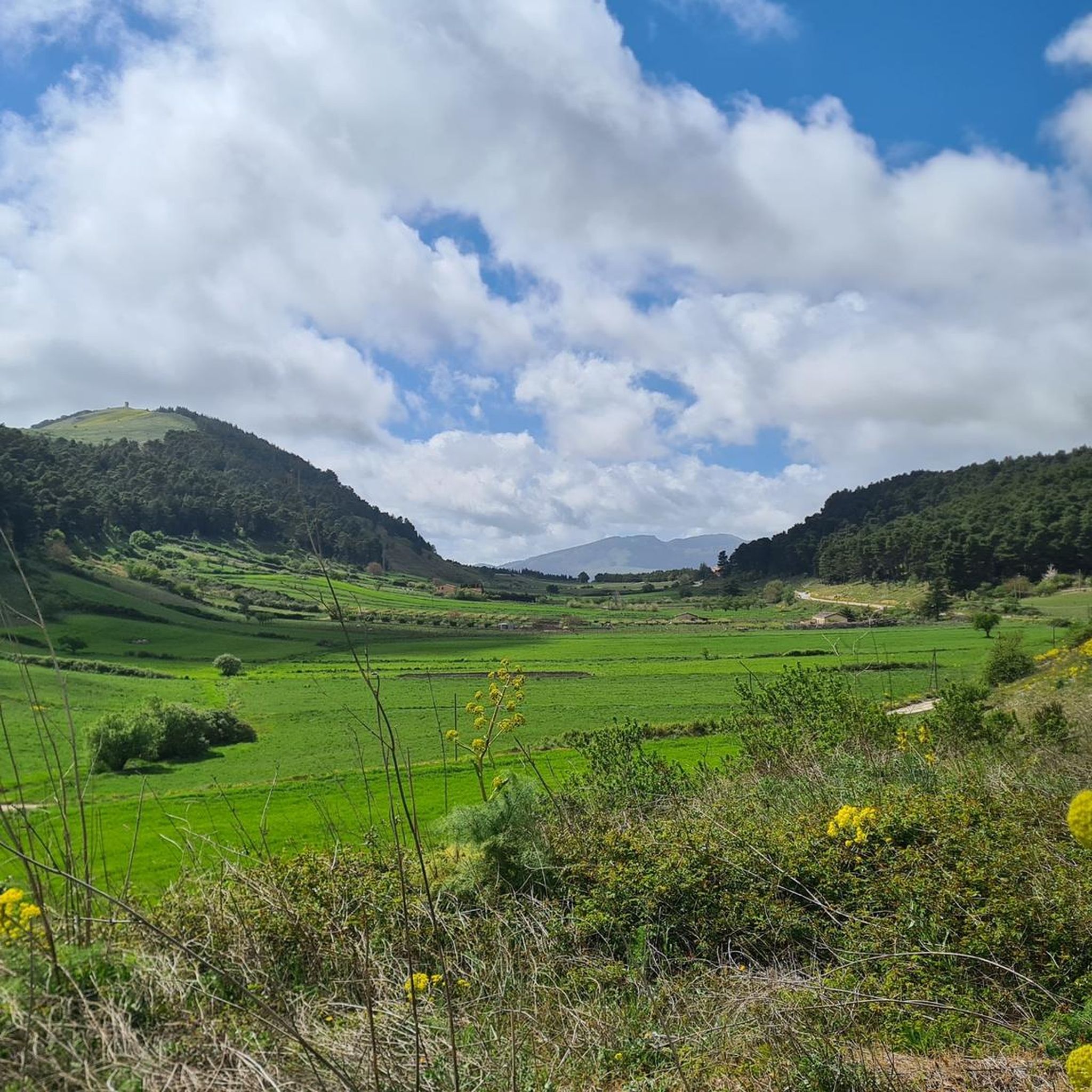
Hiking around Santo Stefano Quisquina
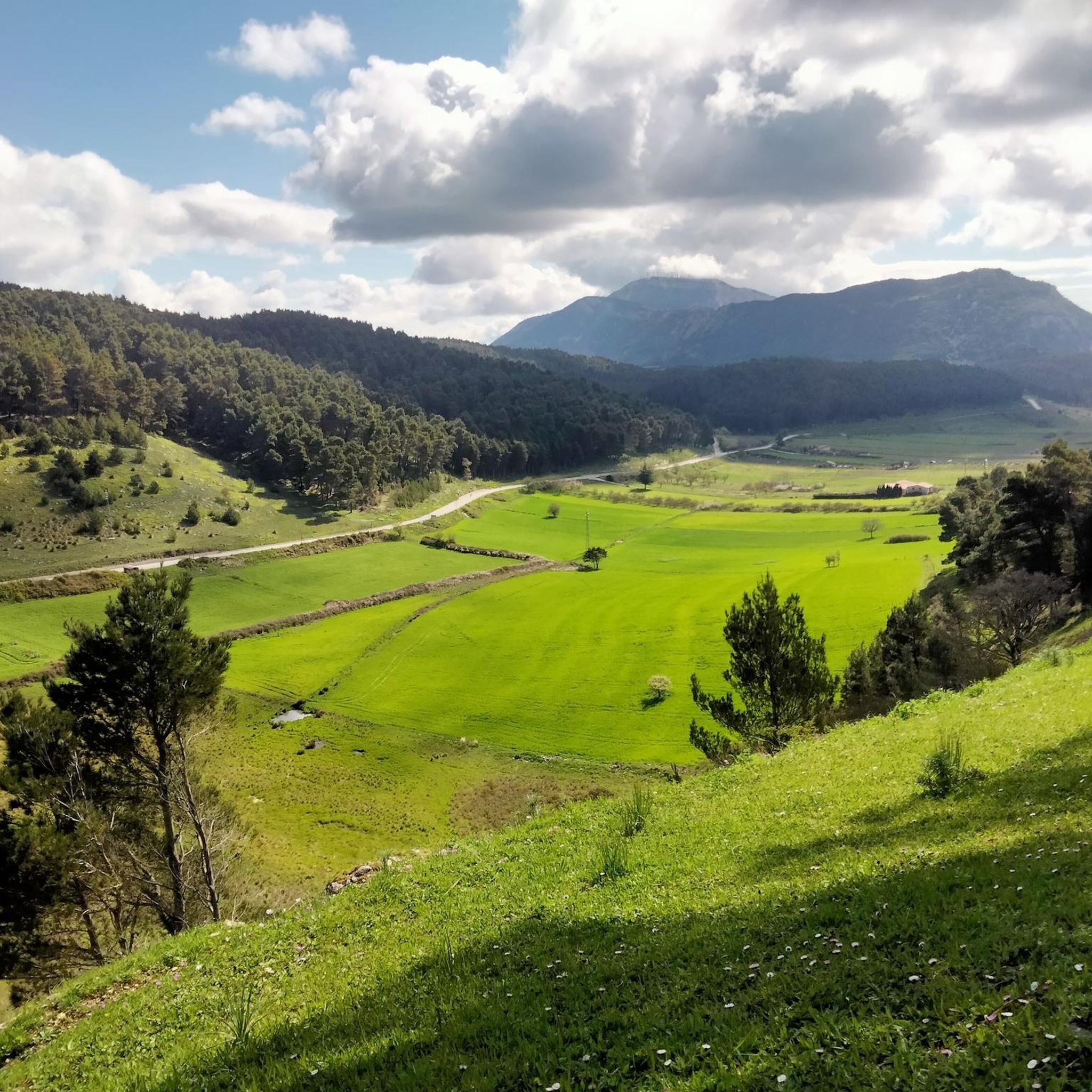
Running Trails around Santo Stefano Quisquina
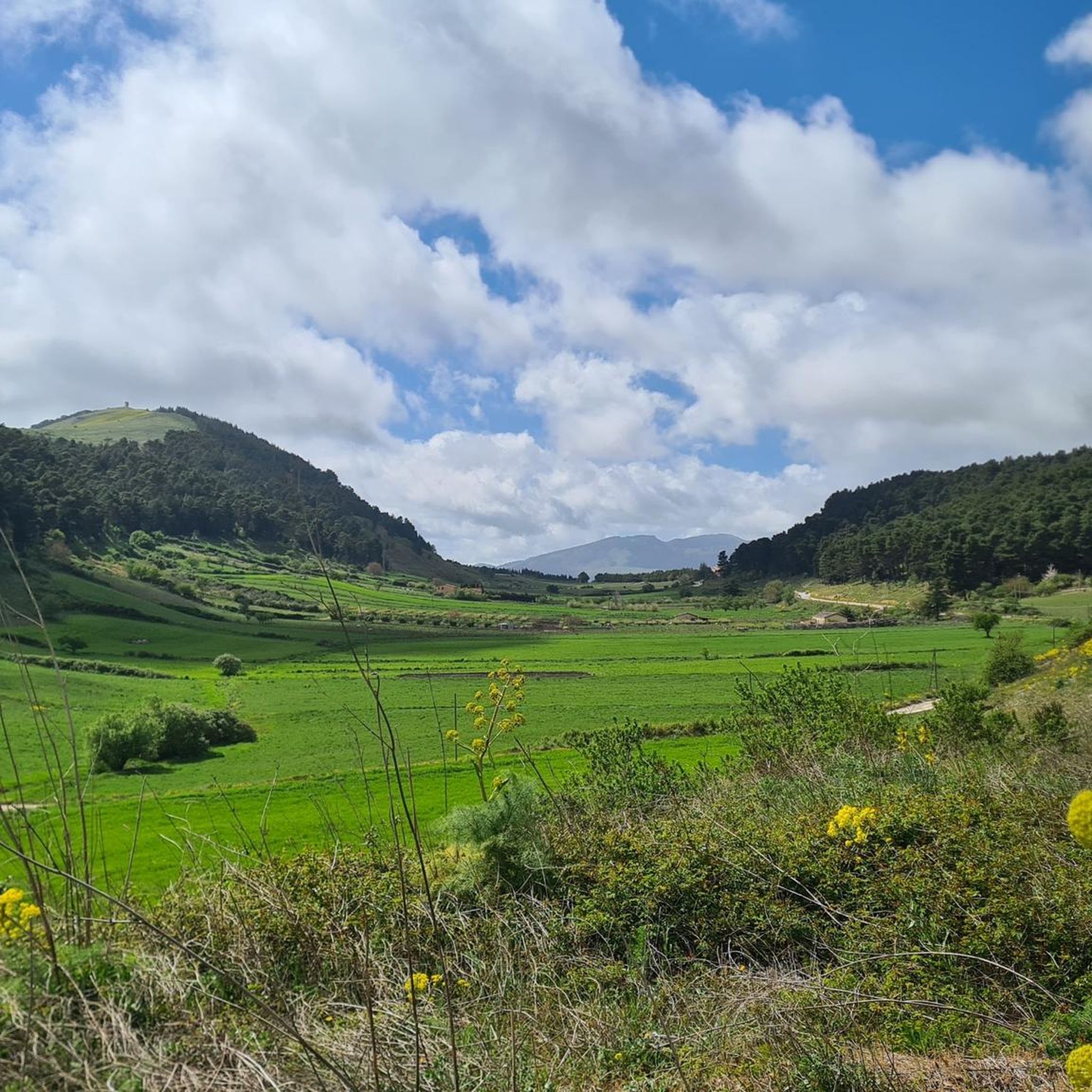
MTB Trails around Santo Stefano Quisquina
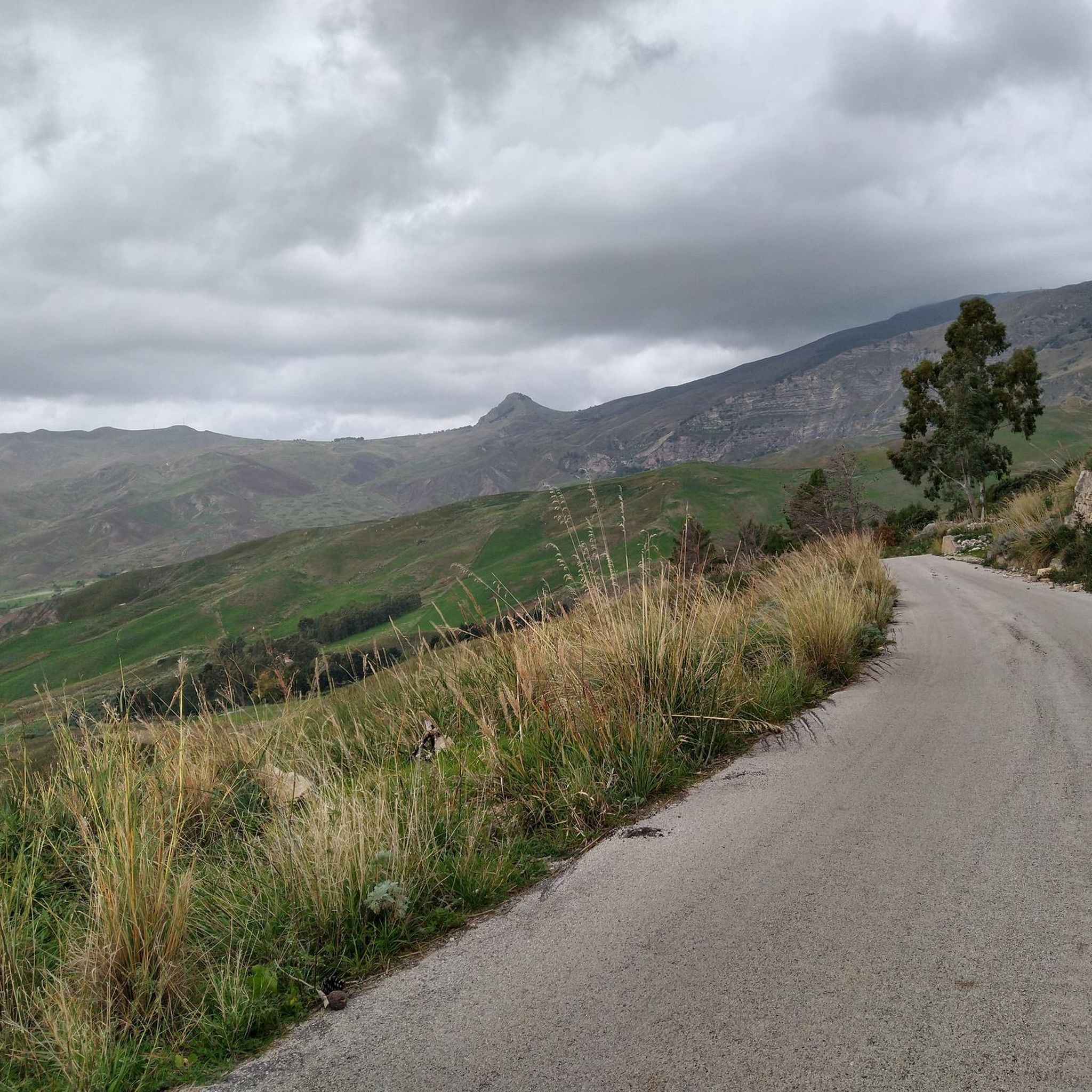
Road Cycling Routes around Santo Stefano Quisquina
Other adventures around Santo Stefano Quisquina


Tips from the Community

Castronovo di Sicilia, an inland town, is a treasure of history, culture and nature. Anyone who finds themselves here can admire the monuments and archaeological sites, taste the local cuisine, and immerse themselves in its paths. There is also an incredible cultural liveliness, with events such as Carnival and the Cheese Festival. Unmissable for those seeking authenticity and beauty.
2
0

The Hermitage of Santa Rosalia alla Quisquina, located on the slopes of Mount Quisquina in Santo Stefano Quisquina in Sicily, is near the cave where Santa Rosalia spent much of her life.
7
0
Castronovo di Sicilia, located in the metropolitan city of Palermo, boasts ancient origins with troglodyte dwellings. Known for its historical heritage, including the Norman Castle and several churches.
1
2
Castronovo di Sicilia, located in the metropolitan city of Palermo, boasts ancient origins with troglodyte dwellings. Known for its historical heritage, including the Norman Castle and numerous churches, it represents a Sicilian jewel.
1
0
Formerly known as Santo Stefano di Melia and then Santo Stefano di Bivona, Santo Stefano Quisquina assumed its current name in 1863. Surrounded by the Sicani mountains, it boasts important monuments such as the hermitage of Santa Rosalia and the Mother Church. With rich natural and architectural resources, it represents a significant piece of Sicilian heritage.
1
0

The village of Cammarata rises at the base of the mountain of the same name and is located within the Monte Cammarata oriented nature reserve. Some artifacts found in the surrounding caves suggest that this area was inhabited since prehistoric times. The first written testimony, however, dates back to the Norman period around the year 1000 AD. The center of the town has maintained its medieval urban characteristics and the southern wing of the Castle of Cammarata is still visible and can be visited. Another site not to be missed is the Norman-style Mother Church of San Nicola di Bari, although rebuilt in the seventeenth century, it houses one of the oldest pipe organs on the entire island (dating back to around 1500).
1
0
The Magazzolo Lake is an artificial lake formed by the damming of the Magazzolo river through the Castello dam. The project dates back to the late sixties but it took ten years to build this dam between 1975 and 1985. The waters of this lake are used for civil and agricultural use and serve various municipalities in the province of Agrigento.
2
0

Along the third stage of the Sicily Divide you cross the Magazzolo lake before arriving in Bivona. The artificial lake is a leisure place for the locals and a panoramic point that every Divider will want to photograph. On the official website you can find more info on the Sicily Divide itinerary for gravel bikes from Trapani to Catania and from Palermo to Catania: https://sicilydivide.it/
1
1
Frequently Asked Questions
What historical and cultural sites can I explore in Santo Stefano Quisquina?
Santo Stefano Quisquina is rich in history and culture. You can visit the significant religious site of Saint Rosalia Hermitage at Quisquina, built near the cave where Saint Rosalia lived. Don't miss the unique Fountain of Santo Stefano Quisquina in the historical center, or the impressive Andromeda Theatre, an open-air stone theater offering breathtaking views. Other notable sites include the Mother Church of San Nicola di Bari and the Baron's Palace.
Are there opportunities for outdoor activities and nature exploration?
Absolutely. The region is nestled within the Sicani Mountains, offering picturesque natural landscapes. You can explore the ancient and dense Quisquina Wood, ideal for hiking, or visit the Monte Cammarata Nature Reserve for more outdoor adventures. The town is also known for its numerous natural springs, including the Capo Favara Spring.
What are some family-friendly attractions or activities in the area?
Families can enjoy the natural beauty of the region. The Women's Trail (Sentiero delle Donne) near the Hermitage of Santa Rosalia is an accessible path through forests, suitable for all types of walkers. The Lake Magazzolo and Castello Dam area is also a leisure spot for locals and offers panoramic views.
What is the best time of year to visit Santo Stefano Quisquina for outdoor activities?
The best time to visit Santo Stefano Quisquina for outdoor activities and pleasant weather is during spring, from April to June, and in the fall, from September to October. During these months, the weather is mild and ideal for exploring the natural landscapes and historical sites.
Are there any accessible trails for visitors with limited mobility?
Yes, the Women's Trail (Sentiero delle Donne) is specifically designed to be an accessible trail. Located near the Hermitage of Santa Rosalia, it allows all types of walkers to enjoy the forests and natural landscapes of the area.
Where can I find hiking trails near Santo Stefano Quisquina?
The Quisquina Wood and Monte Cammarata Nature Reserve offer excellent hiking opportunities. For specific routes, you can explore various trails, including circular walks and beginner-friendly options. Find more details on available routes in the Running Trails around Santo Stefano Quisquina guide.
What kind of cycling routes are available in the region?
The area around Santo Stefano Quisquina offers diverse cycling routes. You can find options for touring bicycles, such as the 'Lago Fanaco e Cammarata — Round trip' or 'Lago Pian del Leone and Santo Stefano Quisquina Loop'. For road cycling enthusiasts, routes like 'From Bivona to Burgio – loop tour' are available. Discover more in the Cycling around Santo Stefano Quisquina guide and the Road Cycling Routes around Santo Stefano Quisquina guide.
What is the Andromeda Theatre and why is it significant?
The Andromeda Theatre is a unique open-air theater created by local shepherd-sculptor-philosopher Lorenzo Reina. Situated on a steep cliff, it features 108 stone cubical seats, each representing a star from the Andromeda constellation. It's often referred to as the highest stone theater in the world, offering a blend of art, nature, and cosmology with stunning views.
Can you tell me about the nearby settlement of Castronovo di Sicilia?
Castronovo di Sicilia is a fascinating settlement known for its rich historical heritage. It boasts ancient origins with troglodyte dwellings, a Norman Castle, and numerous churches. Visitors can explore archaeological sites, admire monuments, and experience the local cuisine and cultural events like Carnival and the Cheese Festival.
What is special about the town of Cammarata?
Cammarata is a village located within the Monte Cammarata Nature Reserve. It has maintained its medieval urban characteristics, and you can still visit the southern wing of its historic Castle. The Norman-style Mother Church of San Nicola di Bari, though rebuilt, houses one of the oldest pipe organs in Sicily, dating back to around 1500.
Are there any viewpoints to enjoy the natural scenery?
Yes, the Sicani Mountains surrounding Santo Stefano Quisquina offer many picturesque viewpoints. The Andromeda Theatre itself provides breathtaking panoramic views. Additionally, the Church of San Calogero, located at 967 meters on the top of its homonymous mountain, offers a quiet, elevated, and panoramic spot to take in the scenery.
What is the significance of the Hermitage of Santa Rosalia?
The Hermitage of Santa Rosalia at Quisquina is a deeply significant religious site. It is built near the cave where Saint Rosalia, the patron saint of Palermo, is believed to have lived as a hermit for twelve years. Constructed in 1624, it became a renowned spiritual center in Sicily, drawing visitors seeking spiritual reflection and historical insight.
Most popular attractions around Santo Stefano Quisquina

Get inspired with the komoot mobile app


Explore more
Still not found the Highlight you’re looking for? See guides of the top attractions in other regions:
