Attractions and Places To See around Acquaviva Platani - Top 20
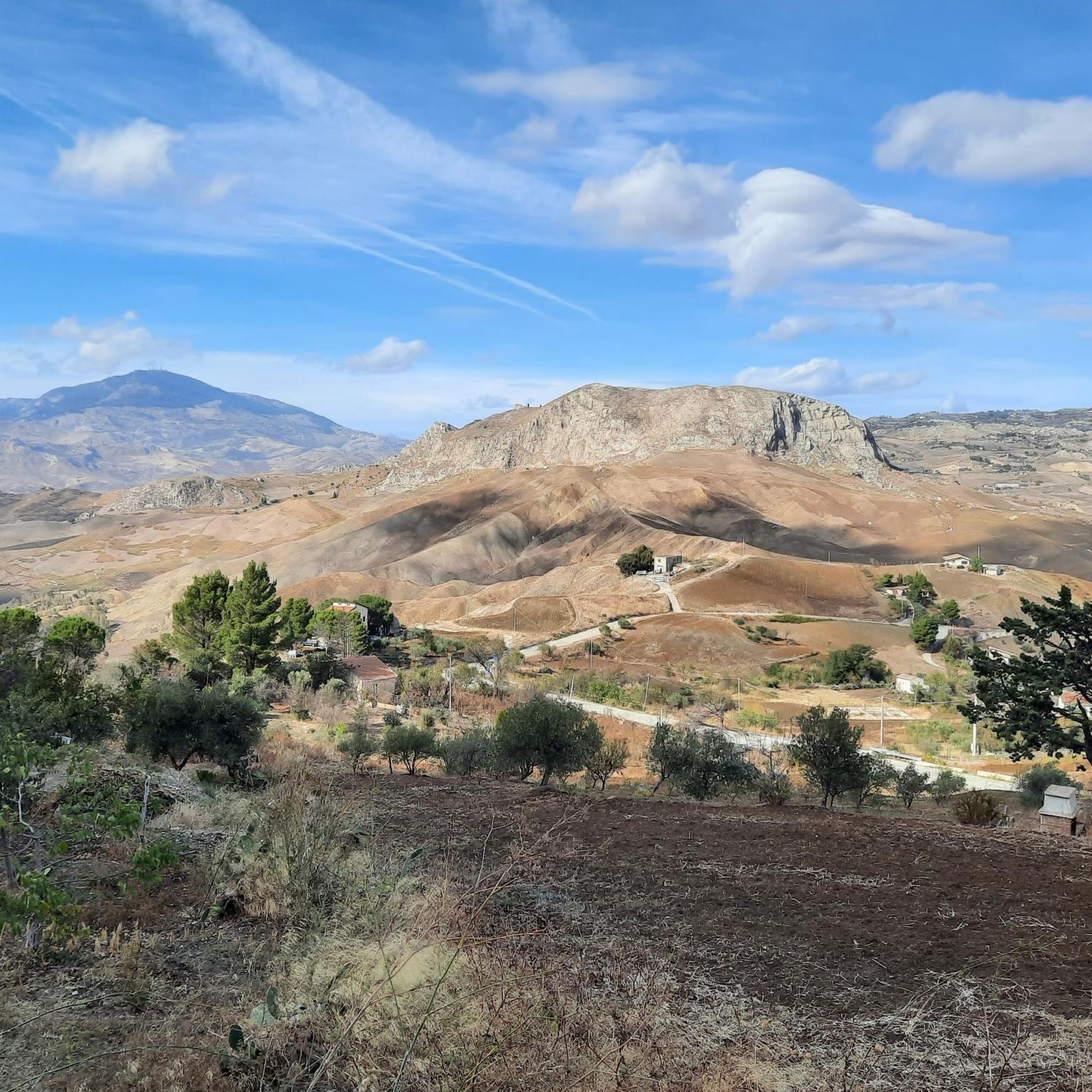
Attractions and places to see around Acquaviva Platani include historical landmarks, cultural sites, and natural features in the province of Caltanissetta, Sicily. This hill town, whose name means "Living Water," is known for its natural springs and is situated within the picturesque valleys of the Platani river. The area offers insights into ancient history, medieval urban layouts, and protected natural reserves.
Best attractions and places to see around Acquaviva Platani
- The most popular attractions is Sutera and Monte San Paolino, a settlement that develops around Monte San Paolino. Its urban center maintains a medieval layout, comprising the districts of Rabato, Rabatello, and Giardinello.
- Another must-see spot is Mussomeli and Its Castle, a castle and significant historical building located approximately 6.5 km from Acquaviva Platani. The area shows traces of pre-Hellenic, Greek, and Roman habitation, with the castle built during the Norman period.
- Visitors also love Cammarata, a settlement that rises at the base of the mountain of the same name within the Monte Cammarata oriented nature reserve. The town center retains its medieval characteristics, and the southern wing of its castle is still visible.
- Acquaviva Platani is known for its historical sites, natural reserves, and charming settlements. Visitors can explore ancient ruins, medieval architecture, and diverse ecosystems.
- The attractions around Acquaviva Platani are appreciated by the komoot community, with 14 upvotes and 6 photos shared by visitors.
Last updated: October 10, 2026
Mussomeli and Its Castle
Highlight • Castle
Translated by Google •
Tip by

Mussomeli Castle
Highlight • Castle
It is said that the manor was built in just three years, between 1364 and 1367, on a previous Swabian fort, by order of Manfredi III of Chiaramonte, Duke of Modica, conquered by its location on an inaccessible hill that made it strategic from a military point of view. The fortress was at the center of an event that went down in history as the "Sala dei Baroni", which we are going to tell you about. Frederick III of Aragon, formally king of Trinacria (1355-1377), governed by establishing good relations with the notables of the island and, to do this, in 1374 he was a guest of Chiaramonte at the castle of Mussomeli with his daughter Maria of Sicily or of Aragon who, upon the death of her father, in 1377, still a minor, inherited the crown of Trinacria (1377-1401). Flanked by 4 vicars, Artale Alagona, Guglielmo Peralta, Francesco Ventimiglia and Manfredi Chiaramonte, she saw them clash because while Alagona intended to marry her to Gian Galeazzo Visconti, the powerful duke of Milan, Ventimiglia instead sided with the Aragonese prince Martino, future king of Aragon and Sicily. In the end, the latter, having the young ruler kidnapped, now compromised, thanks to the help of Guglielmo Raimondo Moncada, managed to marry her. This marital union, born with deception, was, however, disapproved by Pope Boniface IX, Alagona and Manfredi Chiaramonte who gathered in a room of the castle, from that moment on called the "Barons' Hall", the notables of the Island trying to convince them, but without success, of the illegitimacy of that marriage. When Martin the Elder Duke of Montblanc of Aragon, landed in Sicily in 1392, had himself crowned, in the cathedral of Palermo, king of Trinacria, the only ones who did not accept it were Artale Alagona and Manfredi Chiaramonte, who, as punishment, had all their assets confiscated, partly attributed to the Moncada family, loyal, instead, to the Aragonese.
Translated by Google •
Tip by

Sign up now to discover places like this
Get recommendations on the best single tracks, peaks, & plenty of other exciting outdoor places.
Cross of Mount Cammarata
Highlight • Viewpoint
Tip by

Monte Conca Nature Reserve
Highlight • Natural Monument
Translated by Google •
Tip by

Sutera and Monte San Paolino
Highlight • Settlement
The urban centre, with a medieval layout, is made up of the three districts Rabato, Rabatello and Giardinello.
Translated by Google •
Tip by

Sign up for free to discover even more attractions around Acquaviva Platani.
Already have an account?
Start today with a free account
Your next adventure awaits.

Tips from the Community

The small sacred monument encountered on Monte Cammarata is – besides the offered view – perhaps also a fitting place for a brief moment of contemplation. Christiane Völkel commented a few years ago on the wonderfully fitting sentence by the Italian poet Francesco Petrarca (he lived in the 14th century), » Everywhere you have the sky above you «, as follows: “What is the use of praying? The question moves me (…) I have found for myself the answer and the certainty that when I pray, I am with the Lord, or rather, that He is often noticeably closer to me when I pray than at other times. Thus, I still have the possibility to pour out my heart to Him (…) This familiarity with Him makes me believe in Him.”
0
0


Beautiful nature reserve along the Magna Via Francigena. I had problems crossing the river. Hiking poles are an advantage.
2
0

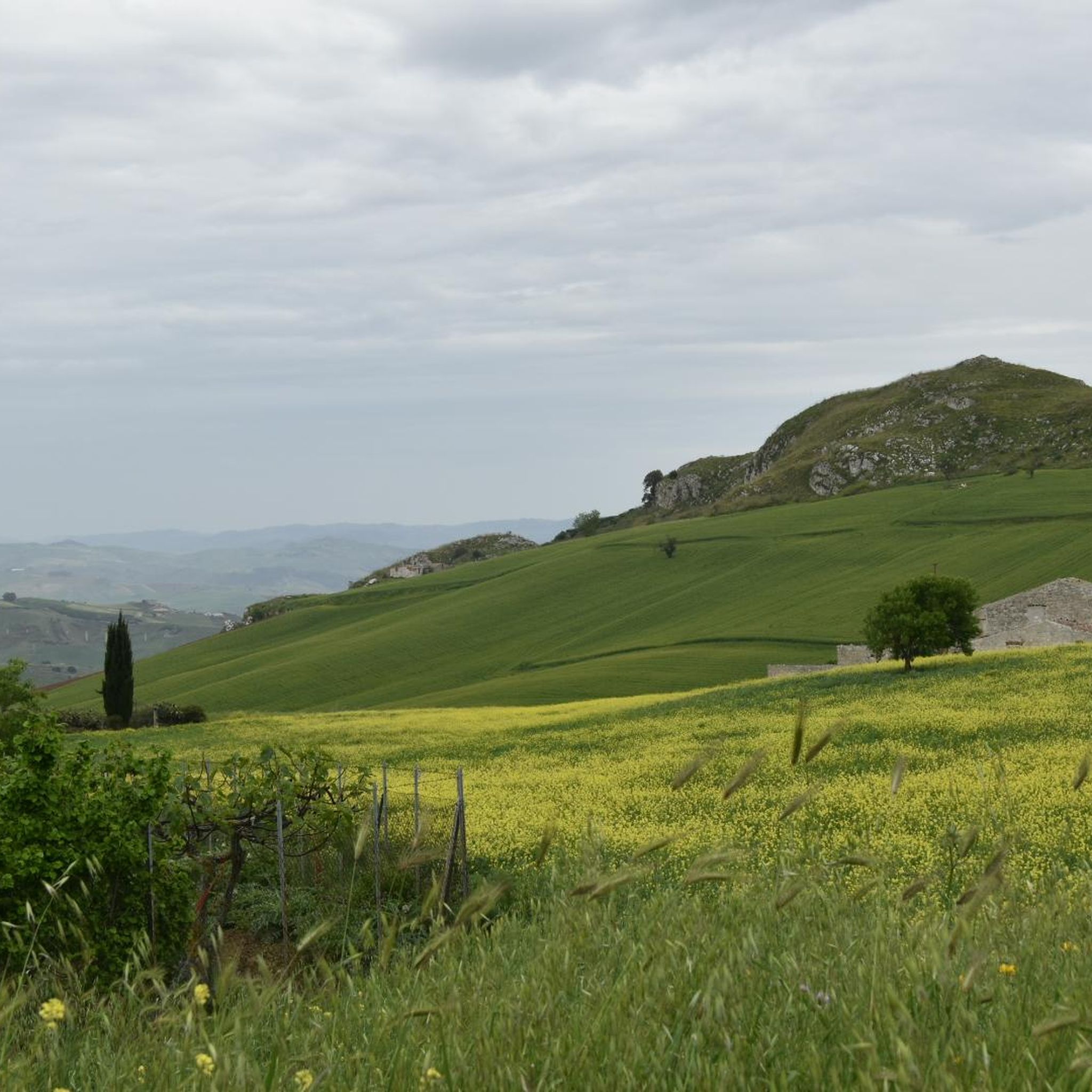
The Monte Conca nature reserve, established in 1995, is an exceptional example of a landscape shaped by karst, with impressive underground karst systems that include the Inghiottitoio and Risorgenza caves. This protected area boasts a rich biodiversity, with habitats ranging from Mediterranean scrub to prairies, hosting endemic plant species and animals at risk of extinction, including the fox, the porcupine and the rare Bonelli's eagle.
4
0
The live nativity scene around Christmas time is highly recommended!
1
0

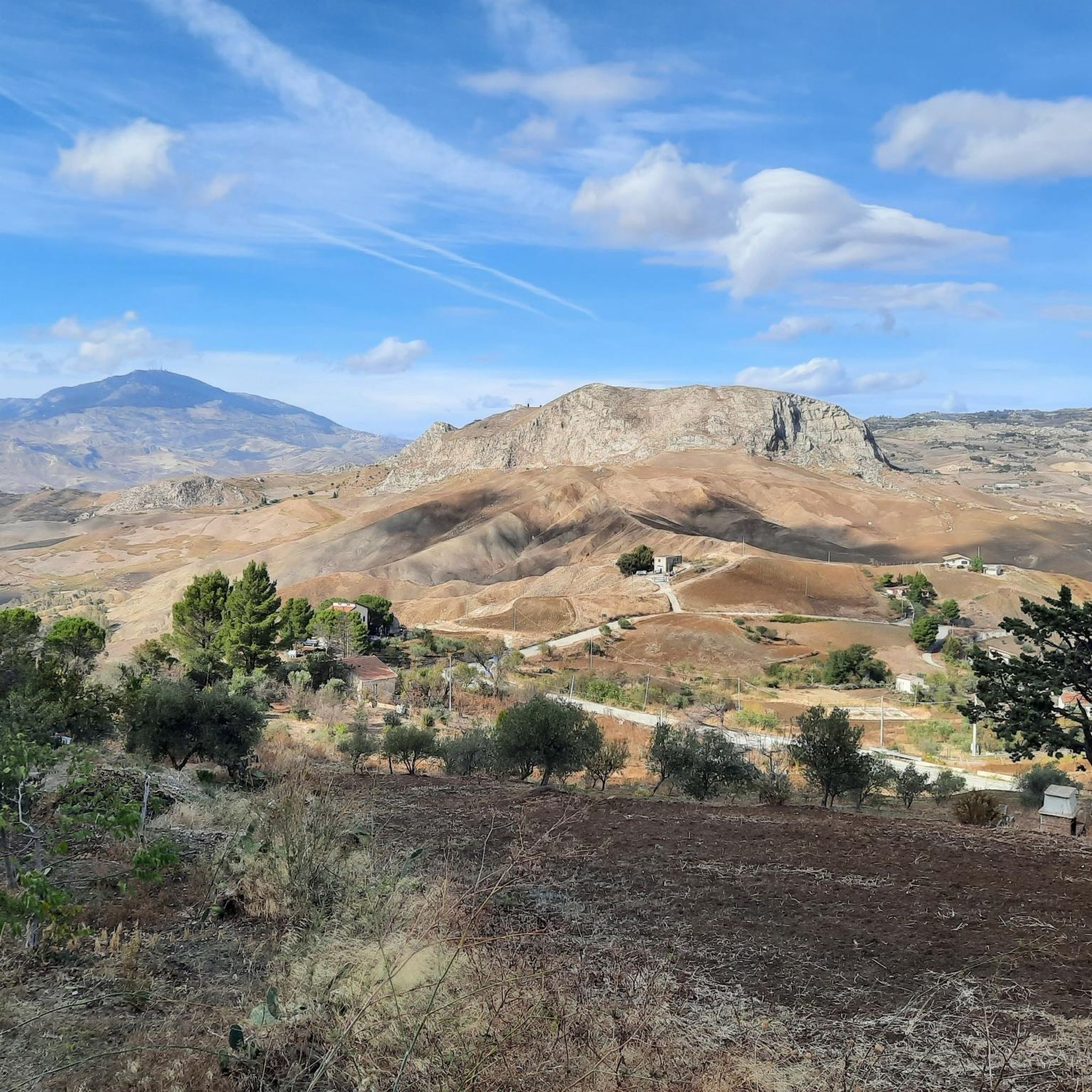
Sutera is a particular city, which develops all around the mountain of San Paolino, a characteristic symbol of this city. The urban centre, with a medieval layout, is made up of the three districts Rabato, Rabatello and Giardinello.
4
0

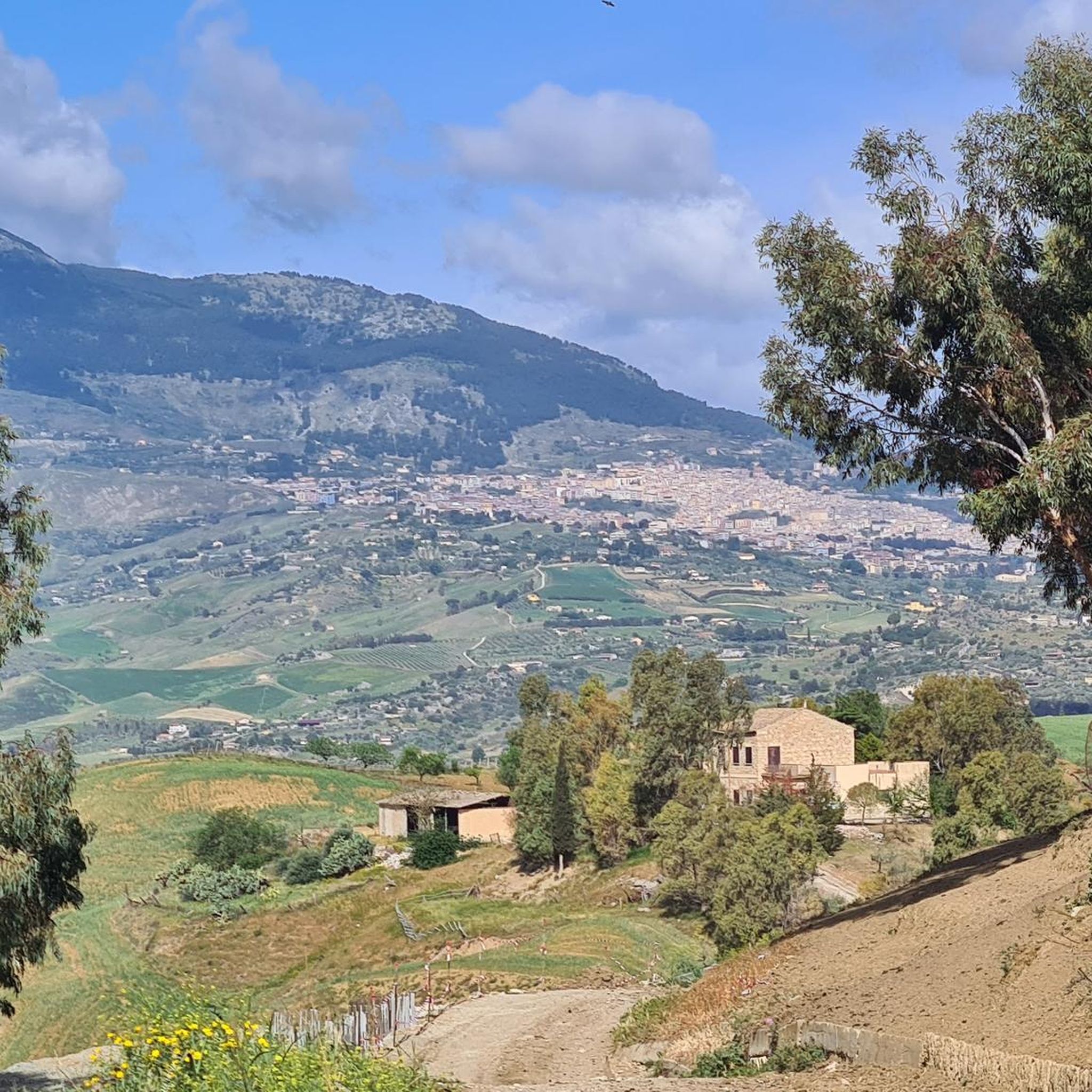
beautiful castle perched on a rocky outcrop just below the town of Mussomeli. It is said that the manor was built in just three years, between 1364 and 1367, on a previous Swabian fort, by order of Manfredi III of Chiaramonte, Duke of Modica, conquered by its location on an inaccessible hill that made it strategic from a military point of view. The fortress was at the center of an event that went down in history as the "Sala dei Baroni", which we are going to tell you about. Frederick III of Aragon, formally king of Trinacria (1355-1377), governed by establishing good relations with the notables of the island and, to do this, in 1374 he was a guest of Chiaramonte at the castle of Mussomeli with his daughter Maria of Sicily or of Aragon who, upon the death of her father, in 1377, still a minor, inherited the crown of Trinacria (1377-1401). Flanked by 4 vicars, Artale Alagona, Guglielmo Peralta, Francesco Ventimiglia and Manfredi Chiaramonte, she saw them clash because while Alagona intended to marry her to Gian Galeazzo Visconti, the powerful duke of Milan, Ventimiglia instead sided with the Aragonese prince Martino, future king of Aragon and Sicily. In the end, the latter, having the young ruler kidnapped, now compromised, thanks to the help of Guglielmo Raimondo Moncada, managed to marry her. This marital union, born with deception, was, however, disapproved by Pope Boniface IX, Alagona and Manfredi Chiaramonte who gathered in a room of the castle, from that moment on called the "Barons' Hall", the notables of the Island trying to convince them, but without success, of the illegitimacy of that marriage. When Martin the Elder Duke of Montblanc of Aragon, landed in Sicily in 1392, had himself crowned, in the cathedral of Palermo, king of Trinacria, the only ones who did not accept it were Artale Alagona and Manfredi Chiaramonte, who, as punishment, had all their assets confiscated, partly attributed to the Moncada family, loyal, instead, to the Aragonese.
0
0

The Mussomeli area was inhabited since ancient times. The first traces are from pre-Hellenic times, these are rock-cut tombs similar to other tombs found in various areas of Sicily. Other testimonies confirm the presence of a settlement both in the period of Greek and Roman domination. But it is only in the Norman period that this town assumes strategic importance also thanks to the construction of the castle by Manfredi III. The Terravecchia district contains the historical identity of this village, it is believed that it was from that first nucleus of houses that the town developed as demonstrated by the presence of monuments such as the Clock Tower, various noble palaces and some of the churches oldest in the city.
4
0
Frequently Asked Questions
What historical sites can I explore in Acquaviva Platani?
Acquaviva Platani and its surroundings are rich in history. You can visit the 17th-century Chiesa Madre Santa Maria della Luce, the Torre dell'Orologio built in 1894, and the Palazzo Ducale with its unique majolica tiled flooring. The area also features prehistoric burial sites and ancient Roman ruins, offering a glimpse into its long past.
Are there any nature reserves or natural attractions nearby?
Yes, the region boasts significant natural beauty. The Monte Conca Nature Reserve is an exceptional example of a karst landscape with impressive underground systems and rich biodiversity. Additionally, the extensive Monte Cammarata Oriented Nature Reserve, which includes the settlement of Cammarata, offers breathtaking panoramic views and opportunities for outdoor activities.
What are some notable medieval towns or settlements to visit?
You can explore Sutera and Monte San Paolino, a distinctive town built around Mount San Paolino with a well-preserved medieval urban layout. Another charming settlement is Cammarata, which retains its medieval characteristics and has a visible southern wing of its castle.
Where can I find information about the region's emigration history?
The Museo dell'Emigrazione in Acquaviva Platani provides a historical perspective on the emigration from the region, offering insights into the lives and journeys of those who left their homeland.
Are there opportunities for cycling around Acquaviva Platani?
Absolutely. There are several cycling routes in the area, including options for touring and road cycling. You can find routes like "Sutera, Mussomeli and Acquaviva Platani – loop from Castelfranco" or "Mussomeli and Its Castle – Acquaviva Platani loop from Mussomeli." Explore more options on the Cycling around Acquaviva Platani and Road Cycling Routes around Acquaviva Platani guide pages.
What kind of hiking trails are available near Acquaviva Platani?
The Monte Conca Nature Reserve offers trails through its unique karst landscape. While the guide does not list specific hiking routes, the area's natural reserves provide excellent opportunities for exploration. For running trails, which often overlap with hiking, you can check the Running Trails around Acquaviva Platani guide.
What is special about Mussomeli and its castle?
Mussomeli and Its Castle is a significant historical site located about 6.5 km from Acquaviva Platani. The area has traces of pre-Hellenic, Greek, and Roman habitation, and the castle itself was built during the Norman period. It's considered an incredible surprise by visitors for its historical depth and beauty.
Are there any religious sites or pilgrimage destinations?
Yes, the Chiesa Madonna delle Grazie is a notable site of pilgrimage, especially during its annual festival in August, dedicated to the Madonna delle Grazie, who is revered as the protector of emigrants. The Chiesa Madre Santa Maria della Luce is also a central religious site.
What can I expect from the town of Acquaviva Platani itself?
Acquaviva Platani is described as a classic Sicilian hinterland town, characterized by its narrow streets and rich traditions. It offers an authentic experience, and visitors often enjoy a walk through its charming alleys. There's also a fountain where you can refresh yourself, a welcome feature in the area.
What is the best time to visit Acquaviva Platani for outdoor activities?
While specific weather data isn't provided, the region's Mediterranean climate generally makes spring and autumn ideal for outdoor activities like hiking and cycling. Temperatures are milder, and the natural landscapes are vibrant. Summers can be quite warm, which might be better suited for exploring historical sites in the cooler parts of the day.
Are there any unique natural features like caves or geological formations?
Yes, the Monte Conca Nature Reserve is renowned for its remarkable karst landscape, featuring impressive underground karst systems such as the Inghiottitoio and Risorgenza caves. These formations are a highlight for those interested in geology and natural wonders.
What kind of wildlife can I expect to see in the nature reserves?
The Monte Conca Nature Reserve is particularly rich in biodiversity. It provides a habitat for endemic plant species and endangered animals, including the fox, porcupine, and the rare Bonelli's eagle, making it an excellent spot for wildlife observation.
Most popular routes around Acquaviva Platani
Most popular attractions around Acquaviva Platani

Get inspired with the komoot mobile app


Explore more
Still not found the Highlight you’re looking for? See guides of the top attractions in other regions:
