Attractions and Places To See around Paternò - Top 20
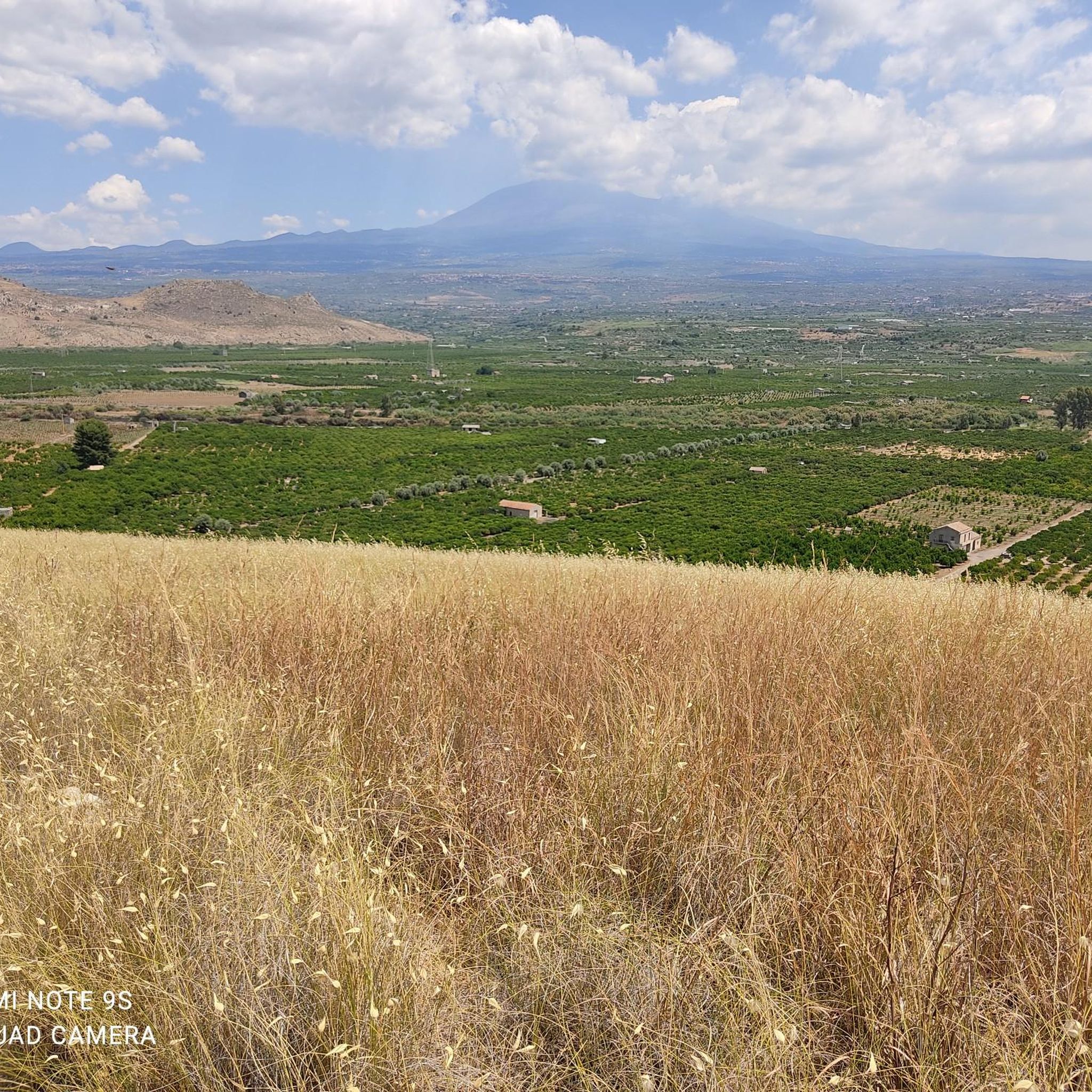
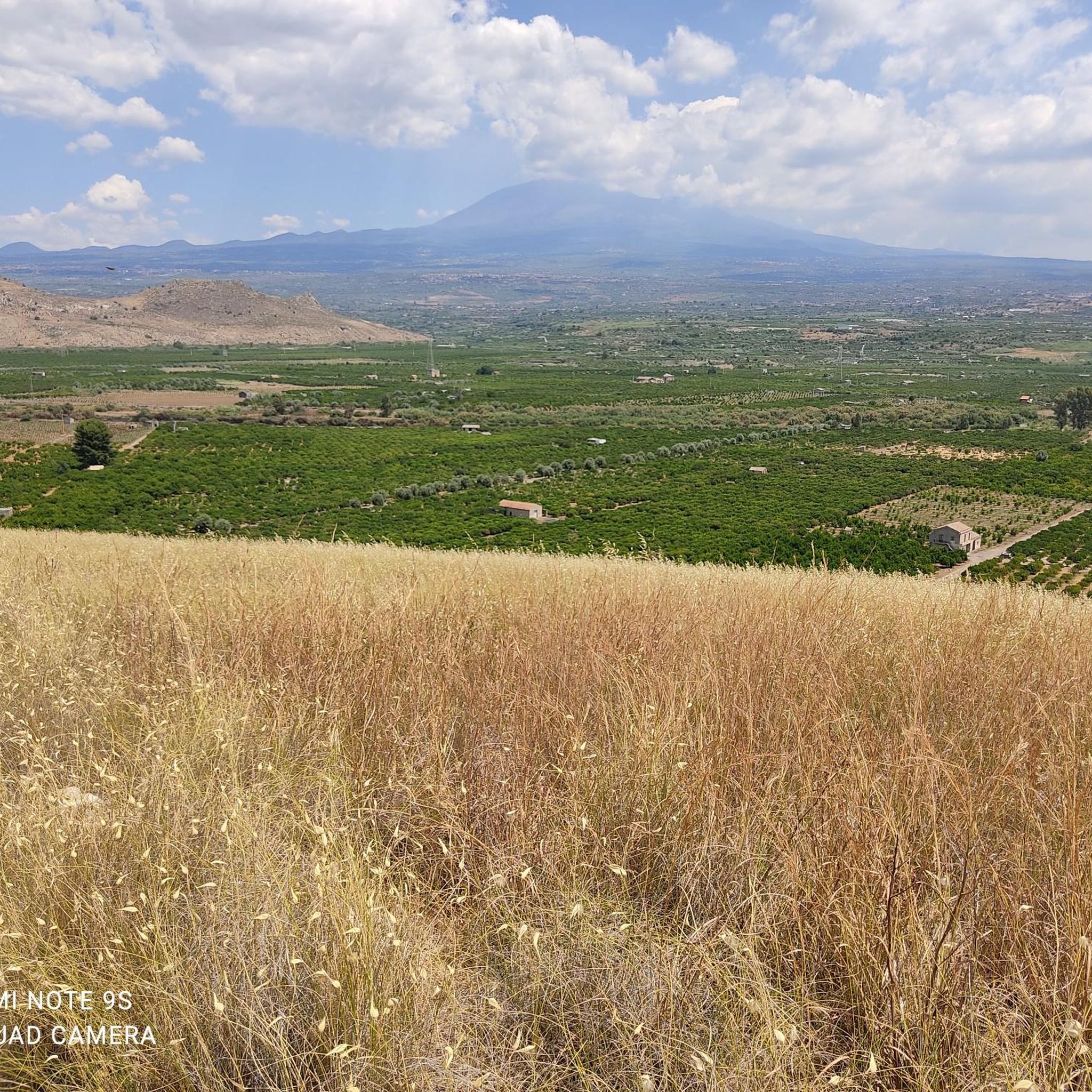
Best attractions and places to see around Paternò, a town in the Sicilian province of Catania, are shaped by its proximity to Mount Etna. This region offers a blend of historical landmarks, cultural sites, and unique natural features. Paternò is situated on the foothills of Mount Etna, with the Simeto River flowing nearby, contributing to a diverse landscape. The area features ancient structures built from lava stone and geological phenomena like mud volcanoes.
Best attractions and places to see around Paternò
- The most popular attractions is Castello di Poira, a castle that was probably built in the Middle Ages. Today it is in a state of abandonment, but its structure is still discernible.
- Another must-see spot is Nicolosi–Rifugio Sapienza Climb, a challenging climb that is the most well-known and traveled on the Etna side. The road is panoramic, smooth, and well-maintained, cutting through lava fields.
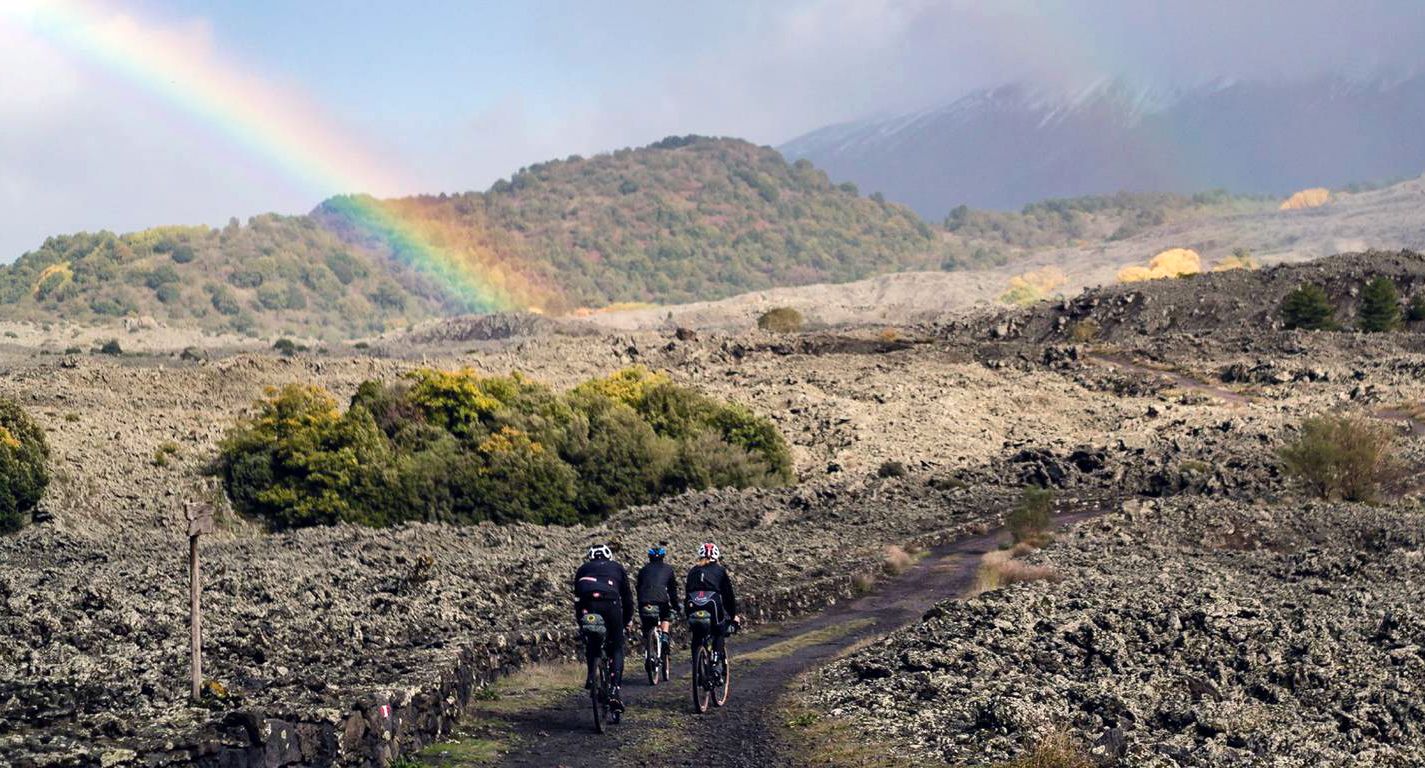
- Visitors also love Ascent Through Mount Etna's Lava Fields, a volcano trail. This route features dark lava fields from which plants emerge, offering a unique landscape.
- Paternò is known for its historical castles, volcanic landscapes, and cultural sites. The area provides a variety of attractions to see and explore, from ancient fortresses to geological formations.
- The attractions around Paternò are appreciated by the komoot community, with 13 upvotes and 10 photos shared.
Last updated: September 26, 2026
Norman Castle of Adrano
Highlight • Castle
Among the notable architectural structures to visit are the Norman Mother Church, the monastery of Santa Lucia and the church of Sant'Agostino, which houses an inlaid marble altar. Among the buildings of importance, the 14th century Catalan castle stands out, now used as an archaeological museum, and the Bellini theater from 1846, built in Art Nouveau style.
Translated by Google •
Tip by

Nicolosi–Rifugio Sapienza Climb
Highlight (Segment) • Climb
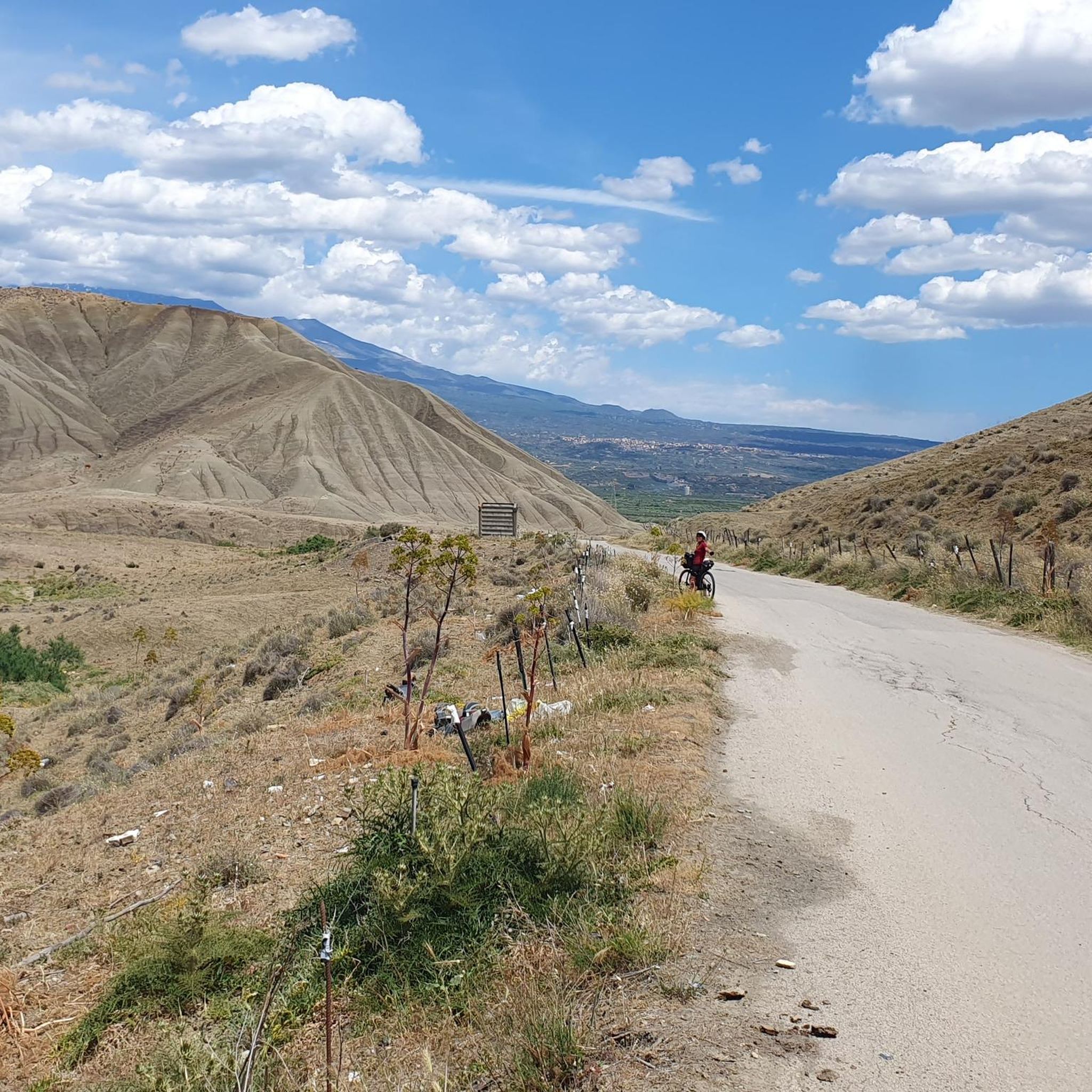
The Nicolosi-Rifugio Sapienza climb is the most well-known, most traveled climb on the Etna side and the one of the Giro d'Italia stage won by Contador in 2011 (dedicated to him). The road is very panoramic, smooth and well-maintained asphalt that crosses the young lava flow of 2001. It cuts through a sea of magma with the scent of sulfur that accompanies pedal after pedal. The climb begins by leaving the town of Nicolosi, right from a public fountain, and ends at the Sapienza refuge at an altitude of 1910 m above sea level.
Translated by Google •
Tip by

Sign up now to discover places like this
Get recommendations on the best single tracks, peaks, & plenty of other exciting outdoor places.
Castello di Poira
Highlight • Castle
Translated by Google •
Tip by

Ascent Through Mount Etna's Lava Fields
Highlight (Segment) • Volcano
Translated by Google •
Tip by

Monte Sona
Highlight • Summit
Translated by Google •
Tip by

Sign up for free to discover even more attractions around Paternò.
Already have an account?
Start today with a free account
Your next adventure awaits.
Other adventures around Paternò

Tips from the Community

Beautiful trail! It's not very popular because it's not a tourist destination, but the passage is very picturesque, thanks in part to the enormous lava flow that runs along the mountain!
0
0

Monte Sona is located in the Belpasso area, on the southern slope of Mount Etna, along Provincial Road 92, which leads from Nicolosi to Rifugio Sapienza. It can be reached by driving one kilometer further toward Rifugio Sapienza after the La Nuova Quercia restaurant. Parking is available in the clearing on the left. A wooden plaque indicates the name of the mountain.
0
0

Adrano celebrates San Nicolò Politi on 2 - 3 - 4 August
1
0


Located on a lava plateau overlooking the Simeto river valley, Adrano enjoys renowned agricultural production, including citrus fruits, olives, pistachios and vegetables. The etymology of the name Adrano is derived from the Latin "Adranon," in honor of the god of the same name. The first settlement dates back to 400 BC. and was founded by Dionysius I near an ancient temple dedicated to this divinity. In 344 BC, it was the scene of the famous Battle of Adranon between Leontini and Corinthians. Subsequently, it was subjected to Roman rule, going through a long period of decline. During the period of Arab domination, it became a powerful feudal village and under the Norman dynasty it transformed into a county of considerable importance, known as Adernò. Among the notable architectural structures to visit are the Norman Mother Church, the monastery of Santa Lucia and the church of Sant'Agostino, which houses an inlaid marble altar. Among the buildings of importance, the 14th century Catalan castle stands out, now used as an archaeological museum, and the Bellini theater from 1846, built in Art Nouveau style.
2
0

The traffic on weekends can be annoying in this great landscape
0
0
Nice that the official climb only starts at an altitude of over 800 meters
0
0

The ancient castle stands in the Poira district, on the road that leads from Paternò to Centuripe. It was probably built in the Middle Ages on the remains of an ancient center inhabited by the Sicilians.
2
0
Frequently Asked Questions
What historical landmarks can I explore in Paternò?
Paternò is rich in history, with the prominent Norman Castle built in 1072 by Count Roger I. This lava stone fortress offers spectacular views of the town and Mount Etna. Other significant historical sites include the Mother Church (Santa Maria dell'Alto), the Benedictine Monastery of San Nicolò, and the Torre dei Falconieri. You can also explore the Scalinata della Matrice and the ancient doors of the town.
Are there any natural attractions or unique geological features to see near Paternò?
Yes, Paternò is close to several unique natural features. You can visit the fascinating Salinelle di Paternò, which are small mud volcanoes erupting mud and saline water, found in the San Biagio fields and even within the city. The town's proximity to Mount Etna offers opportunities for exploring volcanic landscapes, such as the Ascent Through Mount Etna's Lava Fields. The Simeto River flows nearby, with the Oasis of Ponte Barca providing a protected natural area for birdwatching.
What cultural sites and museums are available in Paternò?
For cultural insights, Paternò offers the Museum of Popular Traditions, showcasing local heritage and crafts like pottery and weaving. The town also boasts numerous religious buildings, including the beautiful Baroque Mother Church, the Church of the Santissima Annunziata, and the Church of Santa Barbara.
What kind of outdoor activities can I do around Paternò?
The area around Paternò is excellent for outdoor enthusiasts. You can find various routes for road cycling, running, and hiking. For challenging road cycling, consider the 'Etna - South Side – Sapienza Hut loop from Paternò'. Hikers can explore trails like the 'Mount Etna loop from Nicolosi' or the 'Monte Sona loop from Villa Angelo Musco'. You can find more details on these and other routes in the Hiking around Paternò, Road Cycling Routes around Paternò, and Running Trails around Paternò guides.
Are there any family-friendly attractions in the Paternò area?
Families visiting Paternò can enjoy Etnaland, an amusement and water park located on the outskirts of town, offering a range of attractions for all ages. Additionally, exploring the Moncada Garden or the developing Paternò del Toscano Park provides green spaces for relaxation and play.
Where can I find impressive views or viewpoints near Paternò?
For panoramic views, the Norman Castle in Paternò itself offers spectacular vistas of the town and Mount Etna. Another excellent spot is Monte Sona, located on the southern slope of Mount Etna, which provides picturesque passages and views of enormous lava flows. The Nicolosi–Rifugio Sapienza Climb also offers very panoramic views as it cuts through lava fields.
What is the best time of year to visit Paternò and its attractions?
The best time to visit Paternò and its surrounding attractions generally depends on your preferred activities. Spring (April-May) and autumn (September-October) offer pleasant temperatures ideal for exploring historical sites and hiking on Mount Etna. Summers can be hot, but are perfect for water parks like Etnaland. Winters are milder, but some higher elevation trails on Etna might be less accessible.
Can I visit other historical castles in the vicinity of Paternò?
Beyond Paternò's own Norman Castle, you can explore the Norman Castle of Adrano, which is located on a lava plateau overlooking the Simeto river valley and now houses an archaeological museum. Another historical site is Castello di Poira, a large stone complex that, despite being in a state of abandonment, still allows visitors to imagine its medieval structure and appreciate its historical significance.
Are there any parks or green spaces in Paternò?
Paternò offers a couple of notable green spaces. The Moncada Garden is the city's largest park, situated on the eastern side of town. Additionally, the Paternò del Toscano Park, a historic garden nestled among lava rocks, is being developed into an urban park featuring an Etnean woodland, subtropical vegetation, and various collections, providing a unique natural environment for visitors.
What are some of the more challenging outdoor experiences near Paternò?
For those seeking a challenge, the Nicolosi–Rifugio Sapienza Climb is a well-known and challenging road cycling ascent on the Etna side, featuring a 17 km climb with an average gradient of 6.3%. Hiking trails on Mount Etna, such as the Ascent Through Mount Etna's Lava Fields, can also offer intermediate to challenging experiences depending on the specific route chosen.
What kind of local produce is Paternò known for, given its volcanic soil?
The rich volcanic soil around Paternò, influenced by Mount Etna, is highly fertile. The region is particularly known for its agricultural production, including renowned citrus fruits, especially the distinctive blood-red oranges, as well as olives and pistachios. These local products are a testament to the unique natural environment of the area.
Most popular attractions around Paternò

Get inspired with the komoot mobile app


Explore more
Still not found the Highlight you’re looking for? See guides of the top attractions in other regions:
