Attractions and Places To See around Santu Giuanni Suèrgiu/San Giovanni Suergiu - Top 20
Best attractions and places to see around Santu Giuanni Suèrgiu/San Giovanni Suergiu include a blend of historical, cultural, and natural sites in Sardinia's Sulcis region. The area features ancient archaeological sites, such as Nuragic complexes and Neolithic tombs, alongside coastal landscapes. It is characterized by its proximity to the Island of Sant'Antioco, lagoons, and diverse natural features. This region offers a variety of landmarks and natural points of interest for exploration.
Best attractions and places to see around Santu Giuanni…
Last updated: May 11, 2026
Tratalias–Sant'Antioco Cycle Path
Highlight (Segment) • Cycleway
Translated by Google •
Tip by

Vacca Point
Highlight • Beach
Translated by Google •
Tip by

Sign up now to discover places like this
Get recommendations on the best single tracks, peaks, & plenty of other exciting outdoor places.
Sign up for free
Cliffs of Calasetta
Highlight • Natural
Translated by Google •
Tip by

Calasetta Historic Center
Highlight • Settlement
Translated by Google •
Tip by

Roman Bridge of Sant'Antioco
Highlight • Bridge
Translated by Google •
Tip by

Sign up for free to discover even more attractions around Santu Giuanni Suèrgiu/San Giovanni Suergiu.
Sign up for free
Already have an account?
Start today with a free account
Your next adventure awaits.
Login or Signup
Popular around Santu Giuanni Suèrgiu/San Giovanni Suergiu
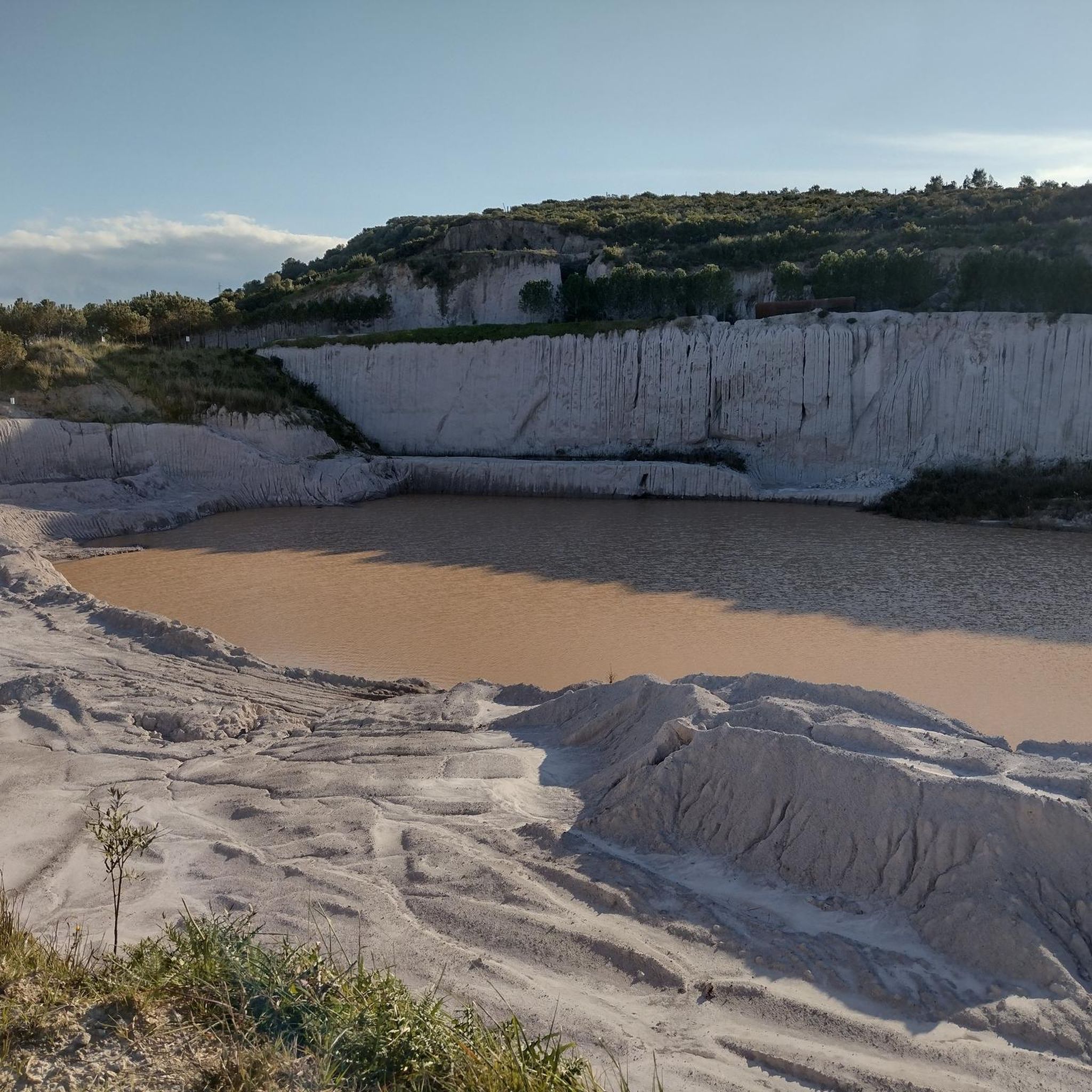
Road Cycling Routes around Santu Giuanni Suèrgiu/San Giovanni Suergiu
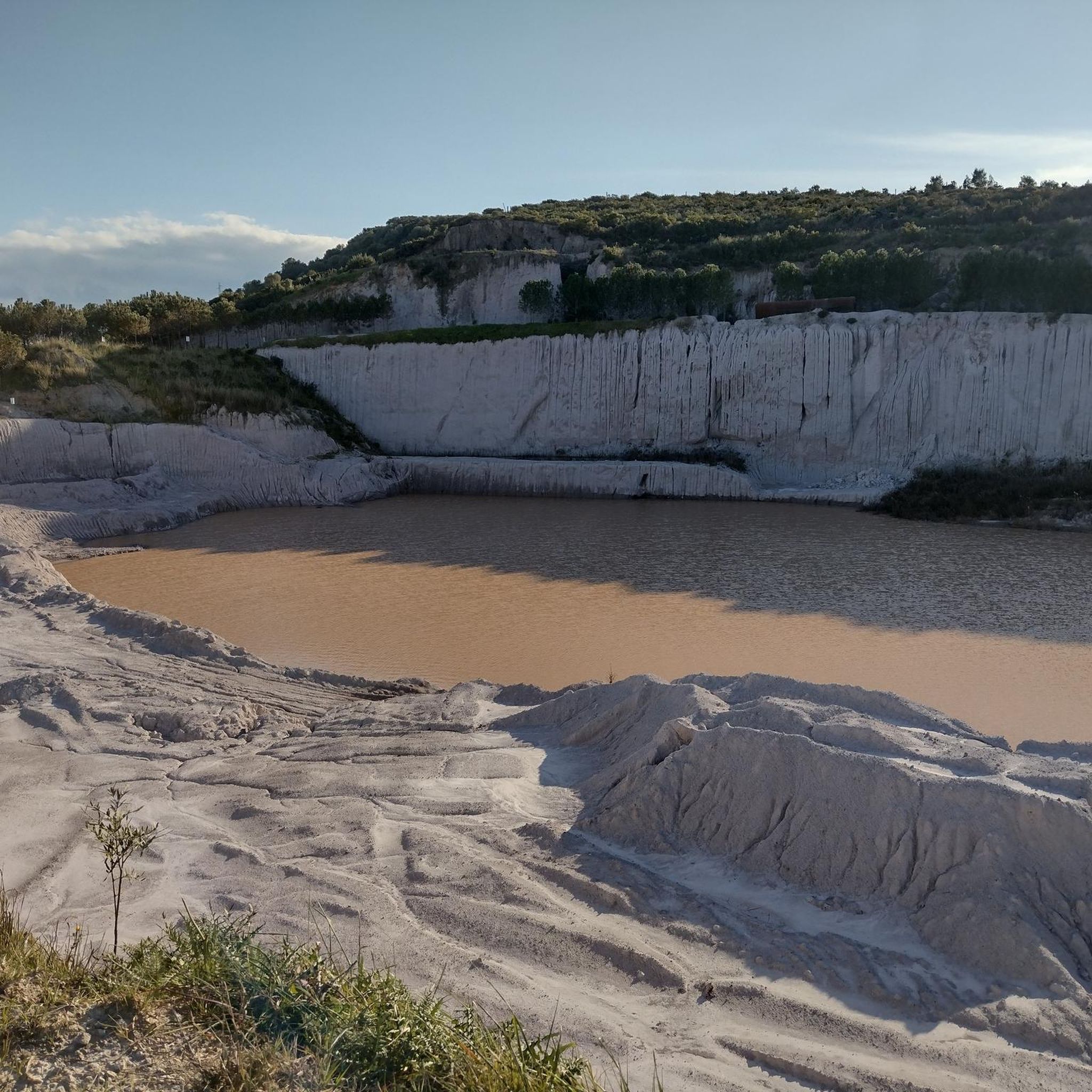
Cycling around Santu Giuanni Suèrgiu/San Giovanni Suergiu
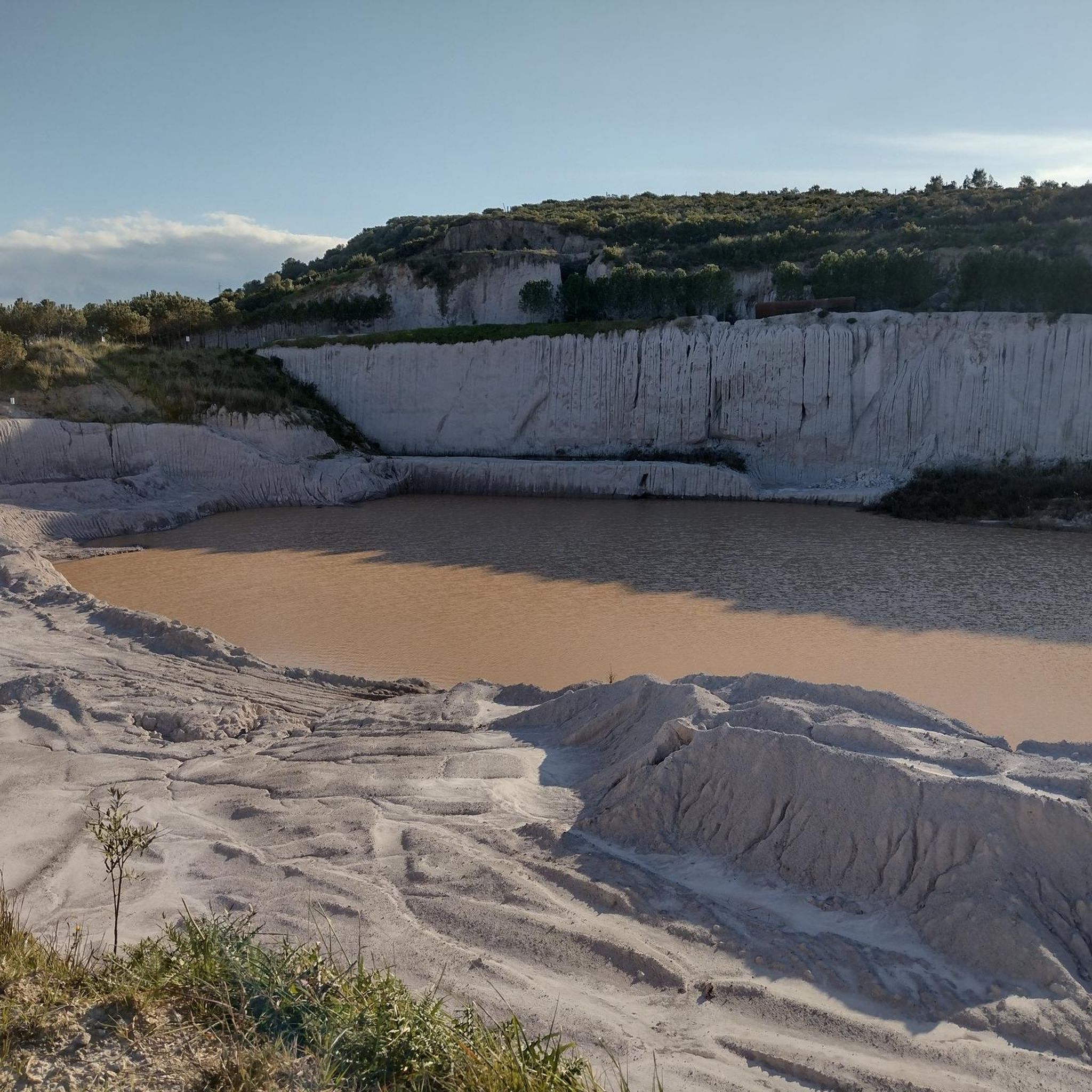
MTB Trails around Santu Giuanni Suèrgiu/San Giovanni Suergiu
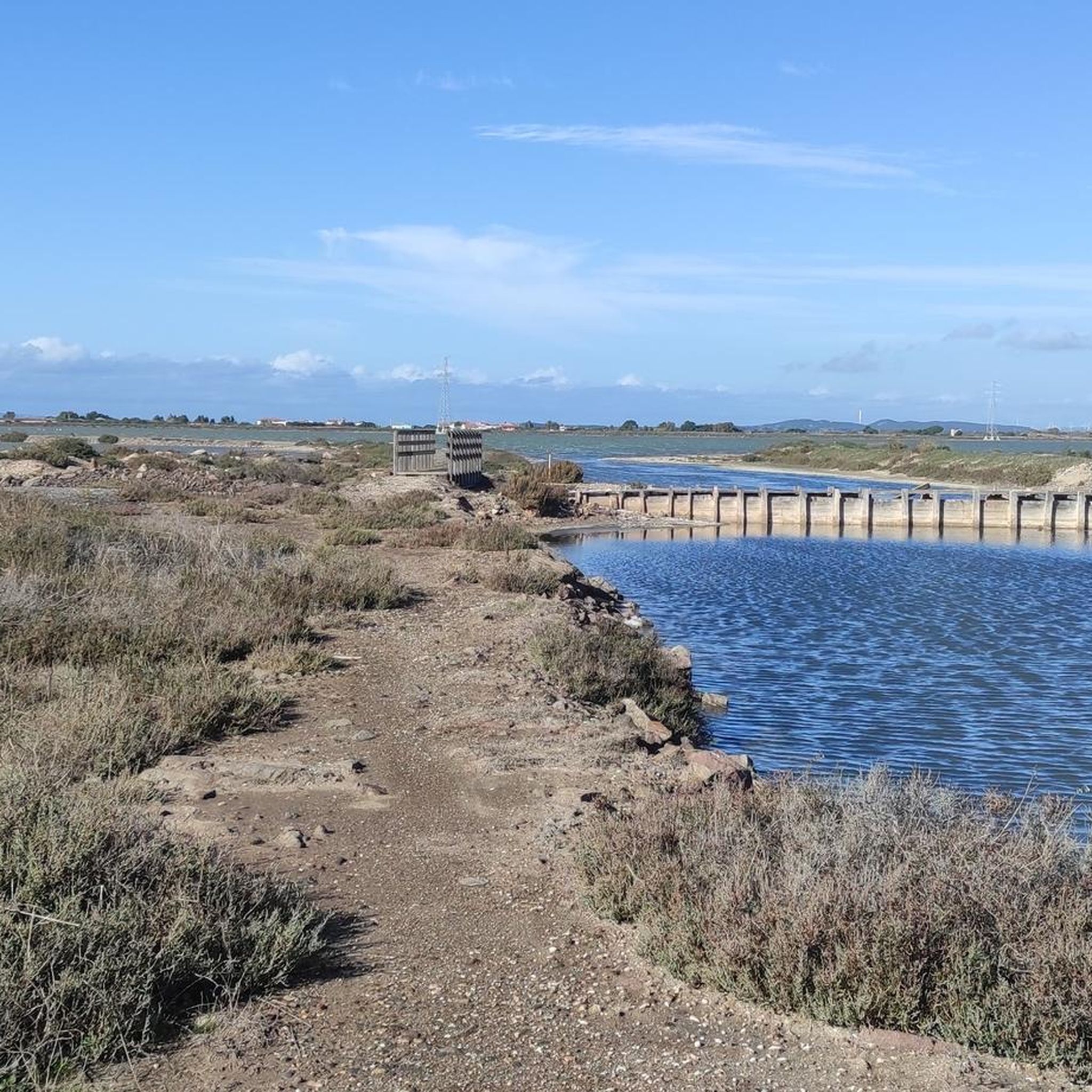
Hiking around Santu Giuanni Suèrgiu/San Giovanni Suergiu
Running Trails around Santu Giuanni Suèrgiu/San Giovanni Suergiu

Gravel biking around Santu Giuanni Suèrgiu/San Giovanni Suergiu
Tips from the Community

There are many interpretations of the name. Some trace its origin to the Campidanese-Sardinian contraction of Cala de Seda, or Cal'e Seda, or also Cala Seda, or Cal'e Sera, or "silk cove". In fact, in the Campidanese-Sardinian language, seda or sera means "silk", because the sea of the Sulcis archipelago was apparently rich in particular mollusks from which "sea silk" was obtained, that is, a type of "natural sea silk" obtained from the threads secreted by a species of marine bivalve mollusk endemic to the Mediterranean (Pinna nobilis), commonly known as "castanets" or "feather mice" (Pinnae margaritiferae). The threads obtained from their interior were used for weaving byssus.
5
0

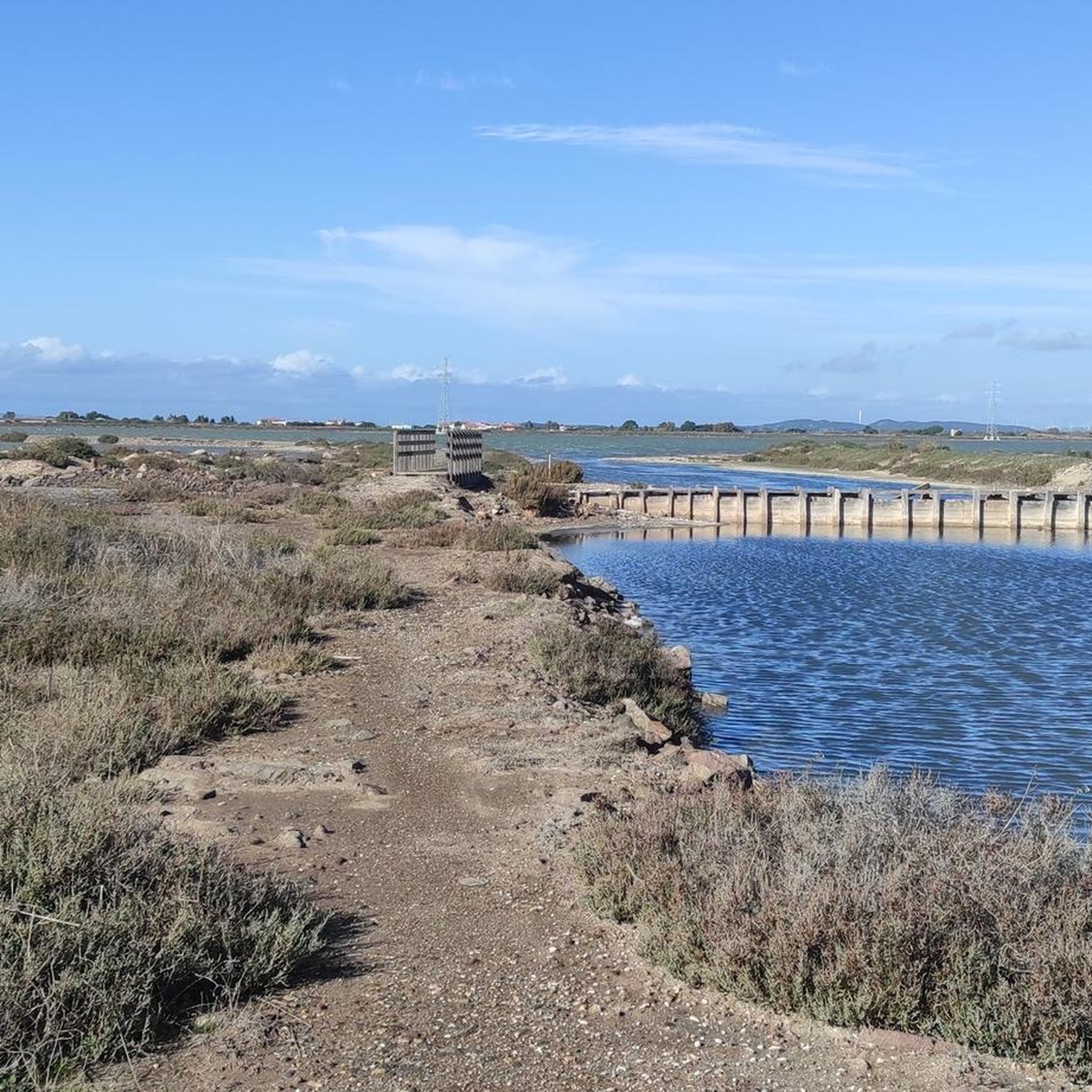
This is the most beautiful stretch of the cycle path that connects Tratalias and the island of Sant'Antioco. Here you cycle through the Santa Caterina pond, on a very narrow strip of sand surrounded by the sea. A unique cycle path!
1
0
Calasetta is a charming fishing village with a very interesting history. The town was founded by a group of families of tuna fishermen originally from Tunisia; then came the Piedmontese settlers (of which the tower is evidence) and finally the Sicilians arrived. The narrow streets between the low pastel-colored houses against the backdrop of the blue sea remind us that we are in the heart of the Mediterranean.
2
0

Ponto Romano is the last of the 3 ancient Roman bridges that led to the island of Sant Antioco. The bridge was still in use until 1954, when the alternative road was built. In 2006 the bridge was restored.
0
0

The island has been inhabited since the 5th millennium BC, as evidenced by remains of the Ozieri culture. Domus de Janas and menhirs also bear witness to Neolithic settlement. Nuraghes, such as the Su Niu de Su Crobu (Crow's Nest), date back to the Bronze Age.
4
0
Sant'Antioco is the second largest island in the Italian region of Sardinia. With an area of 109 km², it is also the fourth largest Italian island. It is located about 87 km from Cagliari and is connected to the island of Sardinia by a bridge. Sant'Antioco belongs to the province of Sulcis Iglesiente, the most important towns are Sant'Antioco, Calasetta and the tourist town of Maladroxia.
1
0
Sant'Antioco is the second largest island in the Italian region of Sardinia. With an area of 109 km², it is also the fourth largest Italian island. It is located about 87 km from Cagliari and is connected to the island of Sardinia by a bridge. Sant'Antioco belongs to the province of Sulcis Iglesiente, the most important towns are Sant'Antioco, Calasetta and the tourist resort of Maladroxia.
4
0

State road that quickly connects Sant'Antioco to Calasetta, it is possible to opt for the Strada Su Pranu (parallel East) which is favored by cyclists and pedestrians because it is undoubtedly more panoramic
1
0
Frequently Asked Questions
What historical and archaeological sites can I explore near Santu Giuanni Suèrgiu?
The region is rich in history. You can visit the significant Roman Bridge of Sant'Antioco, which connects the mainland to the island and has been a vital link since Roman times. Further back in history, the Necropolis of Is Loccis-Santus features domus de janas (chamber tombs) from the Recent Neolithic period, around 3000 BC. The impressive Nuraghe Candelargiu, one of the largest Nuragic complexes in the Sulcis area, also offers a glimpse into the Bronze Age past.
Are there any family-friendly attractions in the Santu Giuanni Suèrgiu area?
Yes, several attractions are suitable for families. The Tratalias–Sant'Antioco Cycle Path is a great option, offering easy cycling with views of the sea and Santa Caterina pond. The Roman Bridge of Sant'Antioco is also considered family-friendly for a historical visit. Additionally, the charming Calasetta Historic Center provides a pleasant environment for a family stroll.
Where can I find beautiful coastal views and natural features?
The area boasts stunning coastal scenery. The Cliffs of Calasetta offer fantastic sea views along a path, though caution is advised due to exposed sections. Vacca Point is another excellent viewpoint and beach on Sant'Antioco island, providing a largely traffic-free route with refreshing sea air. Beyond these, Porto Botte, S'Aqua Salida, and Sa Terredda are known for their soft sands and crystal-clear waters.
What outdoor activities, like hiking or cycling, can I do near these attractions?
The region offers diverse outdoor activities. For cycling, the Tratalias–Sant'Antioco Cycle Path is a highlight. If you're interested in hiking, you can explore various trails, including easy to moderate options around Sant'Antioco and the Santa Caterina Lagoon. For more detailed routes, check out the hiking guide for Santu Giuanni Suèrgiu. Gravel biking and MTB trails are also available, with guides like Gravel biking around Santu Giuanni Suèrgiu and MTB Trails around Santu Giuanni Suèrgiu providing specific routes.
Where can I go for birdwatching or nature observation?
The lagoons of Porto Botte and Sant'Antioco are significant wetland areas, serving as home to various bird species, including herons and flamingos. These locations provide excellent opportunities for nature observation and enjoying the local wildlife.
What is the Island of Sant'Antioco and how is it connected to the mainland?
Sant'Antioco is the fourth-largest Italian island, connected to the Sardinian mainland by a bridge. It's part of the Sulcis Iglesiente province and features several attractions, including the Roman Bridge of Sant'Antioco, the Cliffs of Calasetta, and Vacca Point. The island has a rich history, with evidence of settlement dating back to the 5th millennium BC.
Are there any unique sports or activities popular in the area?
Yes, Punta Trettu is internationally renowned as an excellent spot for kitesurfing. Its shallow, flat, and waveless water, combined with reliable local thermal winds, makes it ideal for both beginners and experienced kitesurfers. The area also features a beautiful naturalistic complex and an adjacent pine forest.
What is the Calasetta Historic Center known for?
The Calasetta Historic Center is a charming fishing village with a fascinating history. It was founded by tuna fishermen from Tunisia, later joined by Piedmontese settlers and Sicilians. Its narrow streets, low pastel-colored houses, and Mediterranean backdrop reflect this diverse heritage, making it a unique cultural spot.
Can I find any industrial heritage sites in the region?
Yes, the Santa Caterina Power Plant (Ex Centrale Enel San Giovanni Suergiu) is a significant example of industrial archaeology. Operational from 1939 to 1963, it used coal from the Serbaiu mines and supplied power to the entire Sulcis area. While currently not open to visitors, its ruins stand as a testament to the region's industrial past.
What kind of views can I expect from viewpoints in the area?
From various viewpoints, such as those near the Necropolis of Is Loccis-Santus, you can enjoy panoramic vistas. These often include sweeping views of the Island of Sant'Antioco, the Island of San Pietro, and the Gulf of Palmas, offering breathtaking natural landscapes.
What do visitors enjoy most about the attractions around Santu Giuanni Suèrgiu?
Visitors particularly appreciate the blend of historical and natural beauty. The unique experience of cycling the Tratalias–Sant'Antioco Cycle Path, with its sea and pond views, is highly rated. The stunning coastal paths along the Cliffs of Calasetta and the traffic-free routes with sea air at Vacca Point are also very popular. The historical significance of sites like the Roman Bridge of Sant'Antioco and the charm of the Calasetta Historic Center are also frequently highlighted.
Are there opportunities for horse riding in the area?
Yes, the Centro Ippico Meurreddus a Cuaddu is highly recommended for horse riding. It offers varied routes and well-behaved horses, making it suitable for both beginners and experienced riders looking to explore the local landscape on horseback.
Most popular routes around Santu Giuanni Suèrgiu/San Giovanni Suergiu
Most popular attractions around Santu Giuanni Suèrgiu/San Giovanni Suergiu

Get inspired with the komoot mobile app


Explore more
Still not found the Highlight you’re looking for? See guides of the top attractions in other regions:
