Attractions and Places To See around Santadi - Top 20
Best attractions and places to see around Santadi, a town in the Sulcis region of southwestern Sardinia, include a diverse range of natural wonders, historical landmarks, and cultural sites. The area is characterized by expansive natural parks, ancient woodlands, and significant archaeological sites. Visitors can explore underground cave systems, historical mining villages, and remnants of Nuragic and Phoenician civilizations.
Best attractions and places to see around Santadi
- The most popular attractions is Torre di Chia Coastal Road, a cycle way that features a road on the coast of southern Sardinia with a succession of ups and downs. It offers views and access to beaches, making it suitable for cyclists.
- Another must-see spot is Rosas Mining Village Narcao, a historical site. This former mine, active from 1849 to 1980 for extracting lead, iron, and zinc, now functions as a multi-purpose museum detailing the mining history of the Sulcis region.
- Visitors also love Church of Saint Mary of Montserrat, a religious building. This former cathedral is the only surviving building from medieval Tatalia, constructed from limestone and trachyte with a distinctive facade and interior.
- Santadi is known for its historical sites, natural features, and cultural experiences. The area offers a variety of attractions, from ancient caves and protected forests to archaeological museums and traditional villages.
- The attractions around Santadi are appreciated by the komoot community, with 9 highlights and 10 photos shared by visitors.
Last updated: August 17, 2026
Rosas Mining Village Narcao
Highlight • Historical Site
Translated by Google •
Tip by

Old Tratalias
Highlight • Historical Site
Translated by Google •
Tip by

Sign up now to discover places like this
Get recommendations on the best single tracks, peaks, & plenty of other exciting outdoor places.
Sign up for free
Sant'Anna Arresi
Highlight • Settlement
Translated by Google •
Tip by

Torre di Chia Coastal Road
Highlight (Segment) • Cycleway
Translated by Google •
Tip by

Church of Saint Mary of Montserrat
Highlight • Religious Site
The facade is divided into two orders. The lower area is tripartite and has smooth lateral mirrors, decorated only with a lozenge, while in the center is the portal, with an architrave and surmounted by a round arch with a ring decorated with plant motifs. In the upper order opens the rose window, with a polylobed oculus. The tympanum above the second order has an opening from which some steps lead from inside the church to the roof. Both the facade and the side walls are decorated with hanging arches, which rest on sculpted corbels. The side portal of the south elevation is similar to the one on the façade, while the north portal is surmounted by a pointed arch.
Retablo
The interior has a rectangular plan, divided into three naves by pillars and round arches, with a semicircular oriented apse. The naves are covered with wooden trusses. The light enters through the various lateral single-lancet windows, from the rose window on the façade and from the pointed-arched mullioned window above the apse. In the left aisle there is a small sixteenth-century altarpiece
Wikipedia source
Translated by Google •
Tip by
Sign up for free to discover even more attractions around Santadi.
Sign up for free
Already have an account?
Start today with a free account
Your next adventure awaits.
Login or Signup
Popular around Santadi
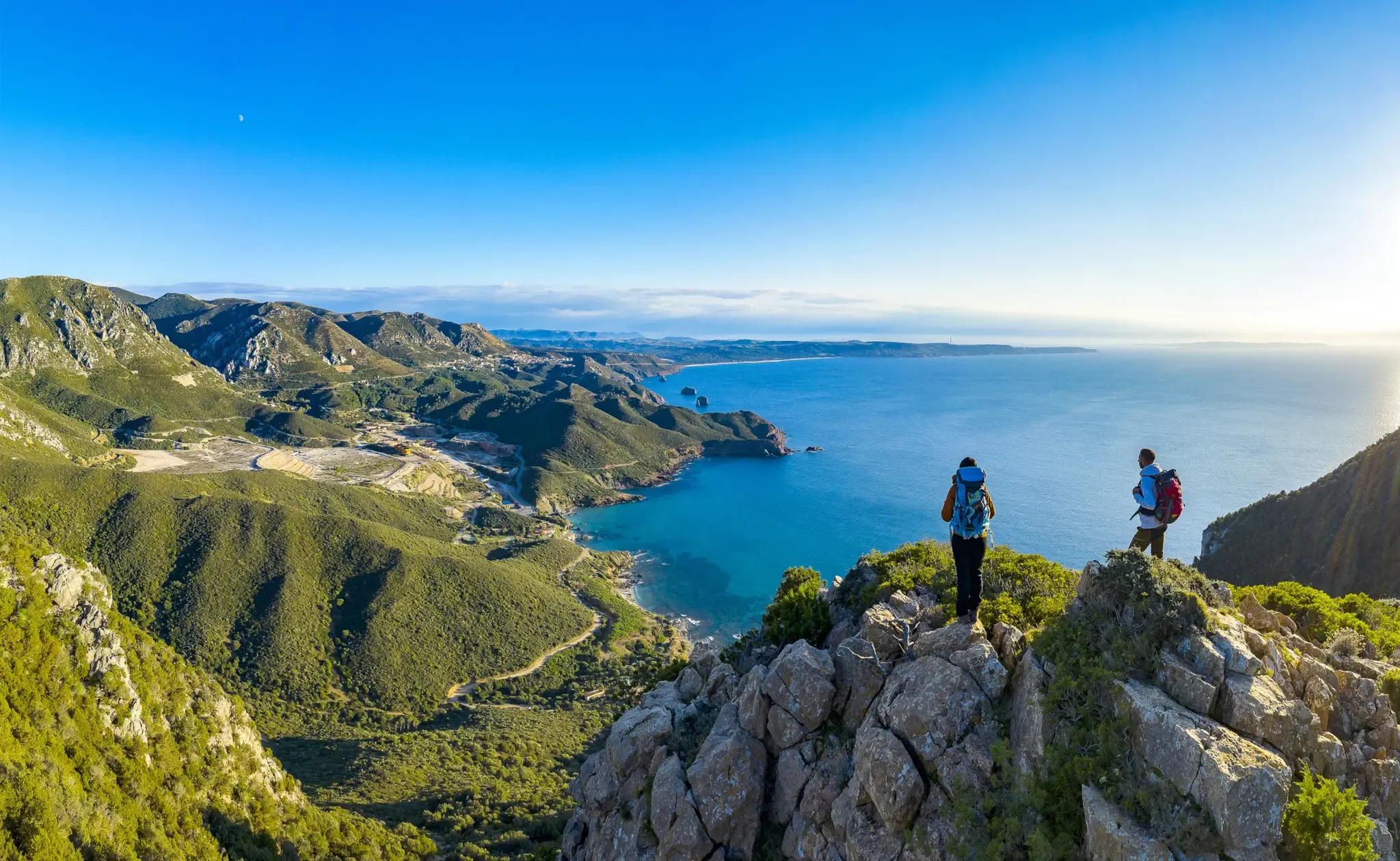
Cammino Minerario di Santa Barbara – memories of ancient Sardinia
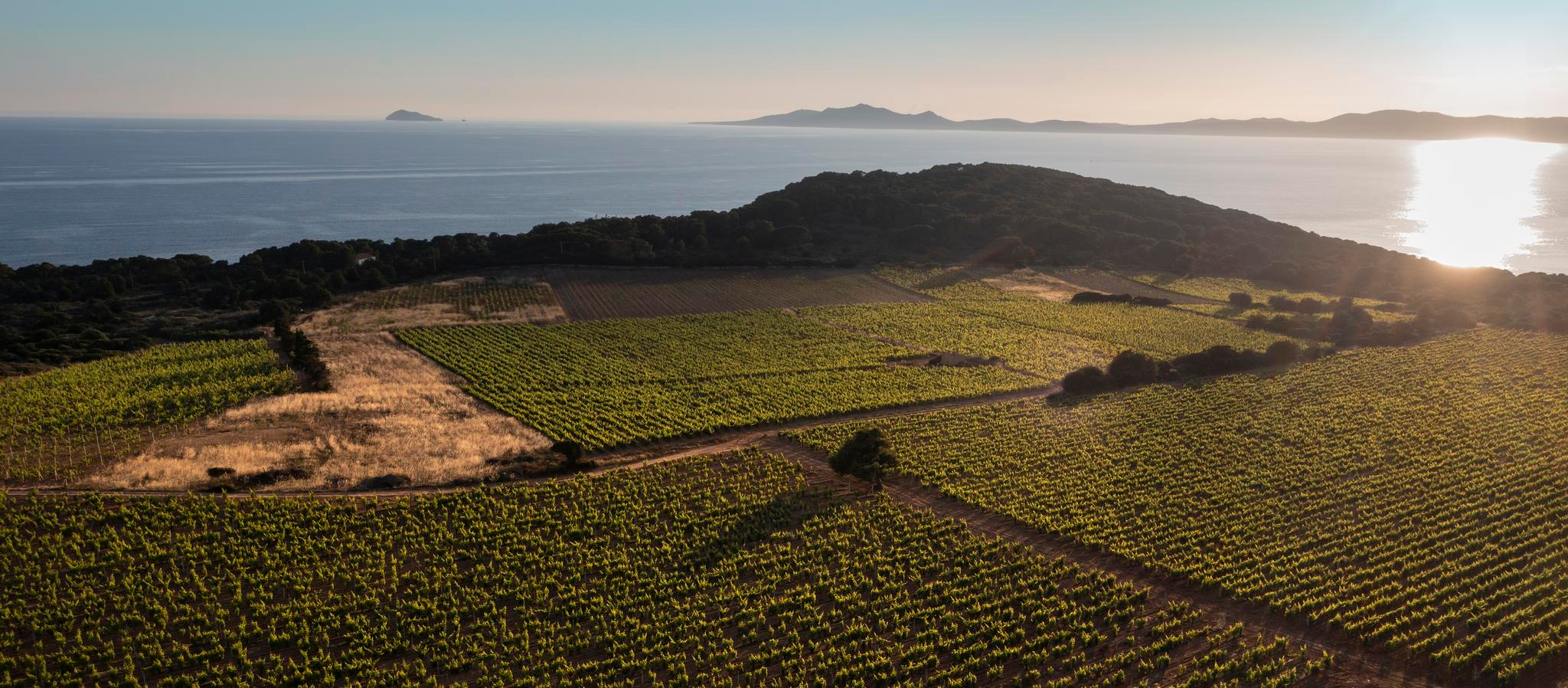
Trails among Carignano's vineyards – Cammino Minerario di Santa Barbara
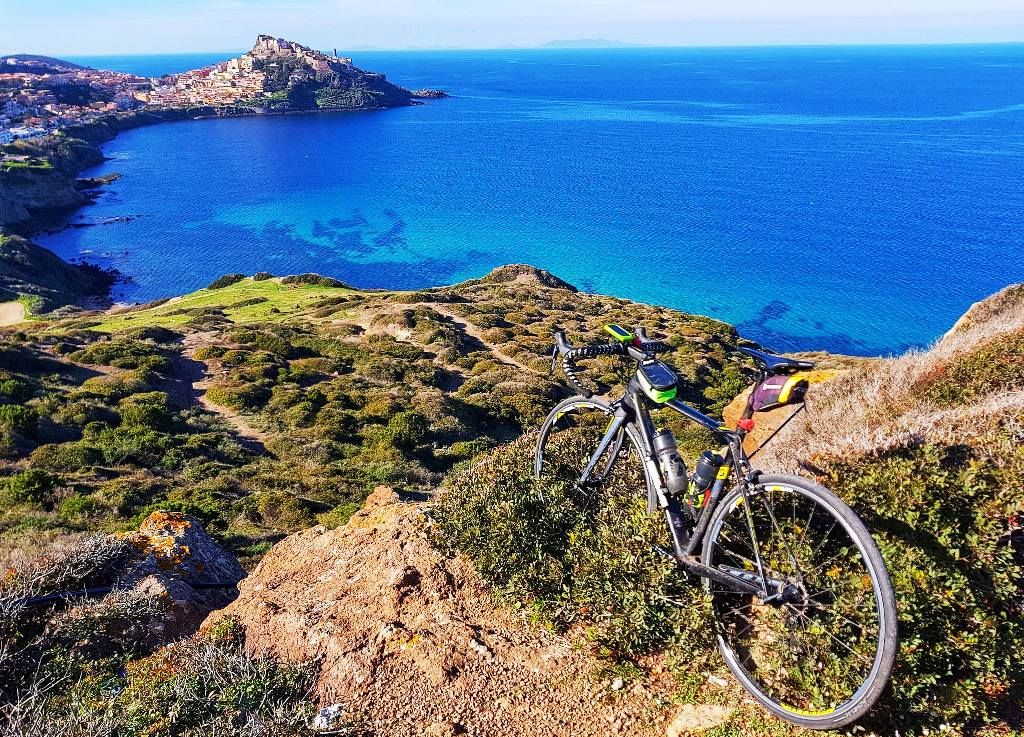
Sardinia by road bike – ten routes to discover the island
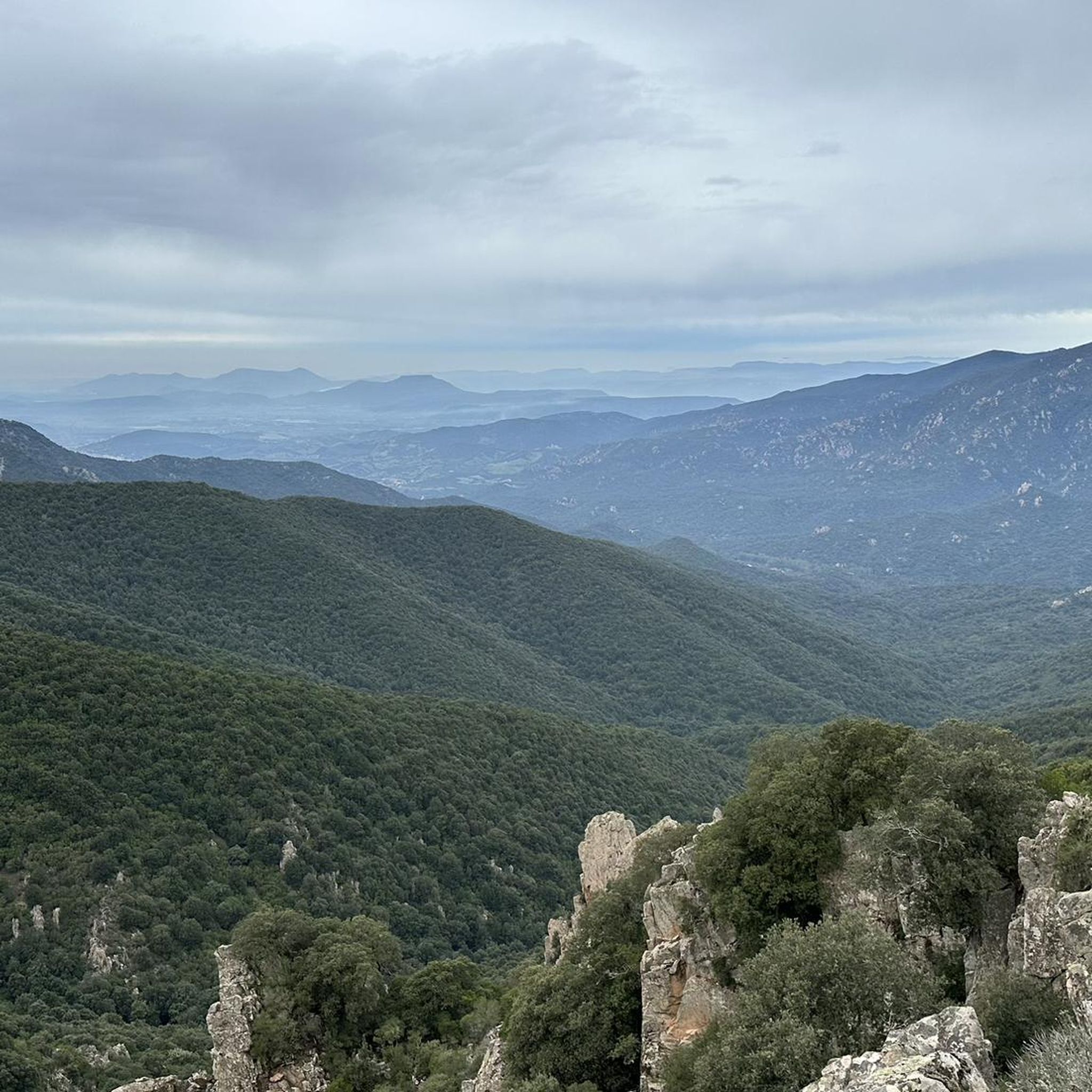
Road Cycling Routes around Santadi
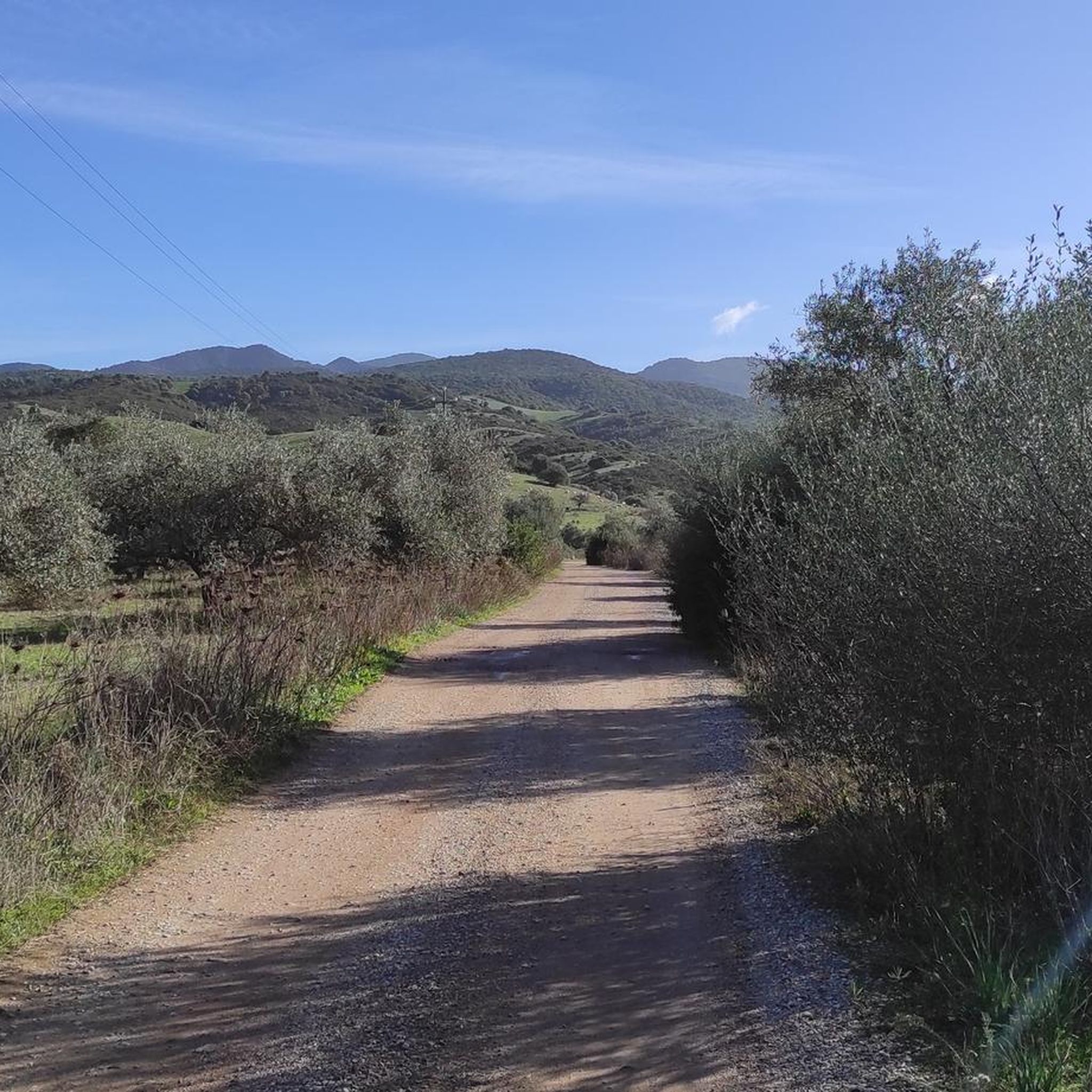
Hiking around Santadi
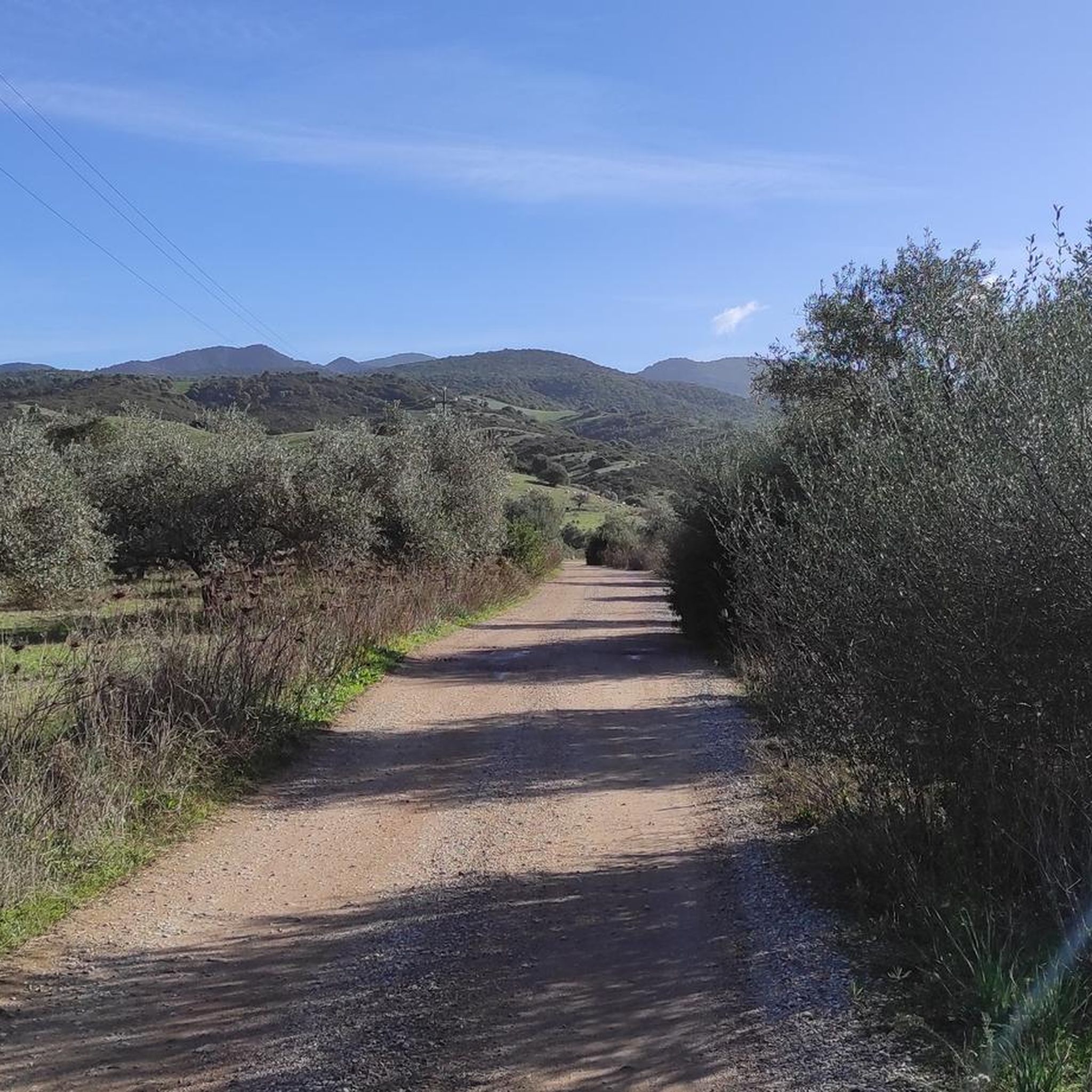
MTB Trails around Santadi
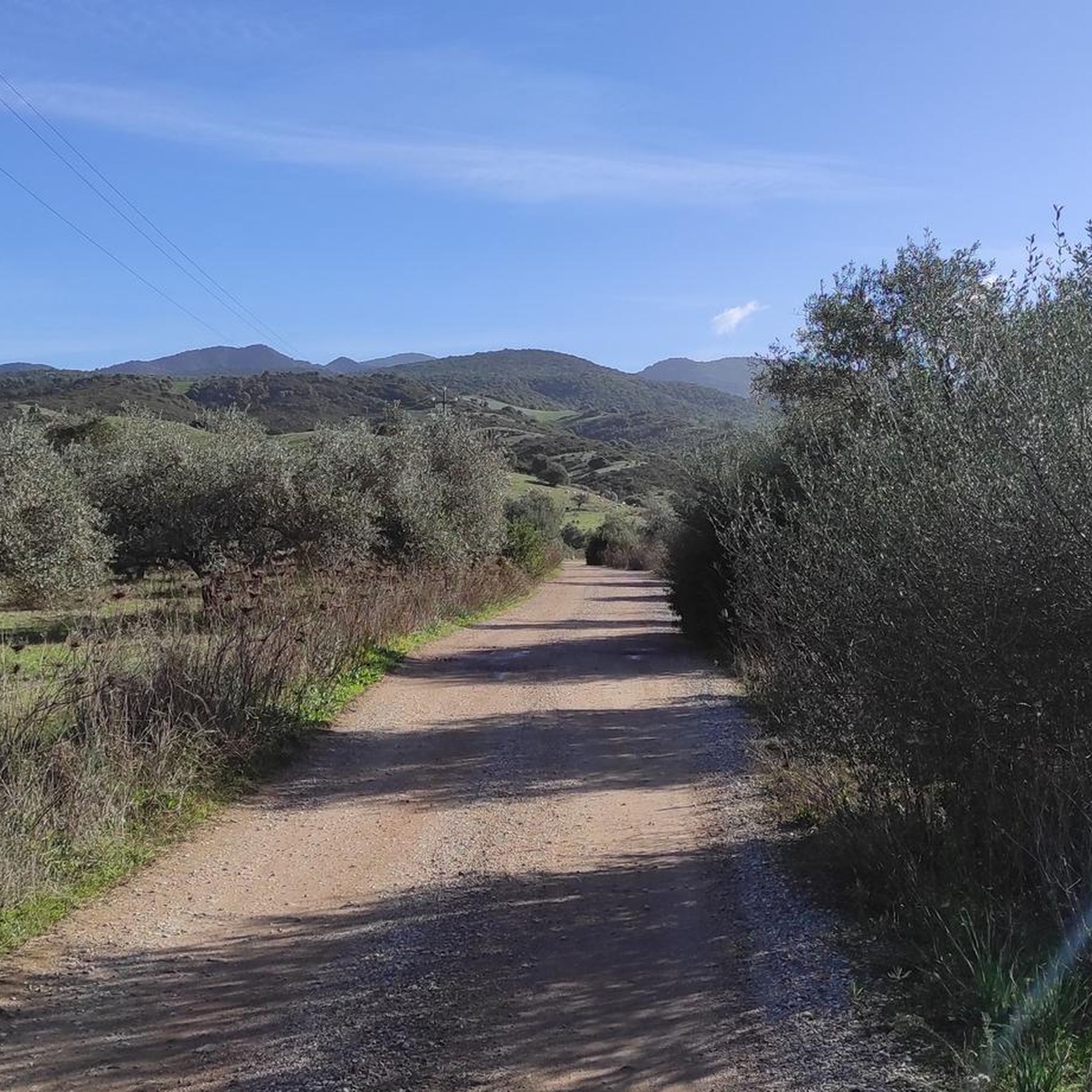
Cycling around Santadi
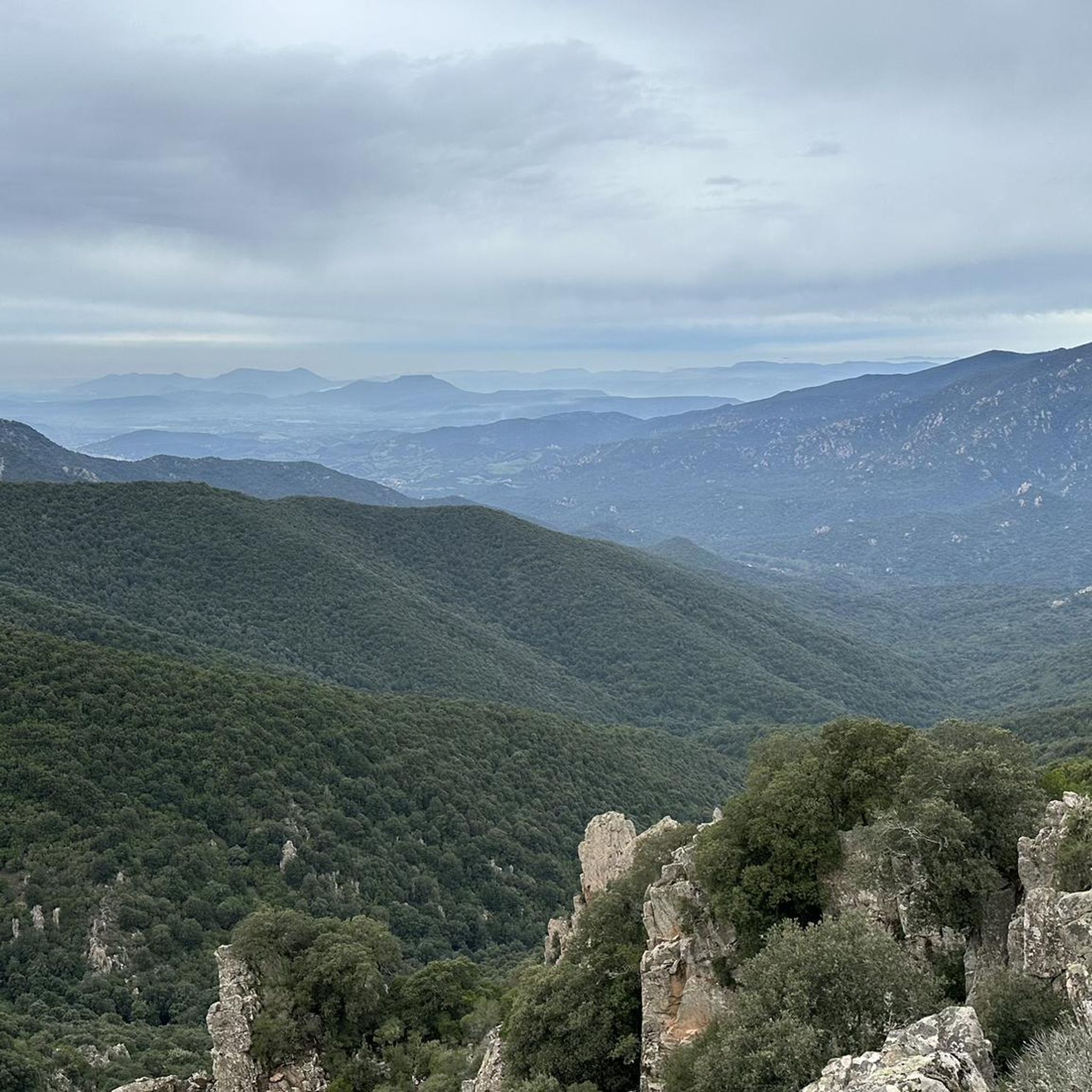
Running Trails around Santadi
Gravel biking around Santadi
Other adventures around Santadi


Tips from the Community

The Rosas Mine, active from 1849 to 1980 for the extraction of silver-bearing galena, lead, and zinc, is now a multi-purpose museum that chronicles the mining history of the Sulcis region. A guided tour allows access to the underground tunnels and a close-up look at the restored structures, while nearby hiking trails allow visitors to explore the natural environment and traces of the mining activity. For updated hours, costs, and reservations: https://museorosasnarcao.it/.
1
0

Beautiful forest trails. The mining center has a picnic area with a water tap.
0
0

The village of Sant'Anna Arresi is particular thanks to the presence of a nuraghe in the center of the town. The name of the town comes from the name of the nuraghe and the patron saint. In August there is the fish festival and at the beginning of September the jazz music festival takes place.
0
0

Interesting facility, lost places...but the opening times on the internet are wrong. Apparently mostly closed. The outdoor facilities can still be visited though. There are lovely shady picnic areas, and the water taps work!
0
0

Beautiful little known place
0
0

After the construction of a nearby dam, the old medieval village of Tratalias was abandoned due to various and serious water infiltration problems. Today it is a beautiful village worth visiting. In the evening, I recommend the Locanda Monserrat restaurant.
0
0

The former cathedral is the only surviving building from medieval Tatalia. The building, in limestone and trachyte, is based on a high plinth into which the corner pilasters and pilasters that mark the sides externally are inserted. The facade is divided into two orders. The lower area is tripartite and has smooth lateral mirrors, decorated only with a lozenge, while in the center is the portal, with an architrave and surmounted by a round arch with a ring decorated with plant motifs. In the upper order opens the rose window, with a polylobed oculus. The tympanum above the second order has an opening from which some steps lead from inside the church to the roof. Both the facade and the side walls are decorated with hanging arches, which rest on sculpted corbels. The side portal of the south elevation is similar to the one on the façade, while the north portal is surmounted by a pointed arch. Retablo The interior has a rectangular plan, divided into three naves by pillars and round arches, with a semicircular oriented apse. The naves are covered with wooden trusses. The light enters through the various lateral single-lancet windows, from the rose window on the façade and from the pointed-arched mullioned window above the apse. In the left aisle there is a small sixteenth-century altarpiece Wikipedia source
0
0
Just before adding the famous dunes of Porto Pino, this small village stands out for the presence of a beautiful nuraghe in the central square of the village next to the church.
0
1
Frequently Asked Questions
What natural wonders can I explore near Santadi?
Near Santadi, you can explore the remarkable Is Zuddas Caves, known for their intricate underground system and unique aragonite formations. The region is also home to the expansive Gutturu Mannu Park, including the ancient Pantaleo Forest, which is ideal for trekking and observing Sardinian deer and fallow deer amidst holm oaks and Mediterranean scrub.
Where can I learn about the history and archaeology of the Santadi region?
The Rosas Mining Village Narcao offers a deep dive into the Sulcis region's mining history, functioning as a multi-purpose museum. You can also visit the Civic Archaeological Museum in Santadi, which showcases findings from the Neolithic to the Roman age, including artifacts from the Nuragic period and the Pani Loriga Archaeological Site. The Old Tratalias village also provides a glimpse into medieval history.
Are there family-friendly attractions in Santadi?
Yes, several attractions are suitable for families. The Is Zuddas Caves offer an engaging underground exploration. The Rosas Mining Village Narcao is an eco-museum with restored structures and outdoor facilities, including picnic areas. Additionally, the Sa Domu Antiga house-museum provides an interesting look into traditional Sulcis daily life.
What hiking opportunities are available around Santadi?
The Gutturu Mannu Park and Pantaleo Forest offer extensive trekking opportunities through ancient woodlands. For specific routes, you can find various trails, including moderate and difficult options, in the Hiking around Santadi guide. One notable hike is the 'Menhir Luxia Arrabiosa – Caves of Is Zuddas loop'.
What cultural experiences does Santadi offer beyond historical sites?
Santadi is known for its winemaking tradition; you can visit the Cantina di Santadi for tours and tastings of local Carignano wine. The Sa Domu Antiga house-museum offers a glimpse into traditional Sulcis customs. If visiting in early August, you might experience the 'Matrimonio Mauritano', a significant cultural celebration based on ancient rural traditions.
Are there any unique historical villages or settlements to visit?
Absolutely. The Old Tratalias is a beautiful medieval village, abandoned in the mid-1900s due to dam construction, now a charming site to explore. The Rosas Mining Village Narcao is another unique historical settlement, offering insight into the region's industrial past. The village of Sant'Anna Arresi also features a nuraghe in its center.
What is the best time of year to visit Santadi?
Santadi offers attractions year-round. For outdoor activities like trekking in Gutturu Mannu Park, spring and autumn provide pleasant temperatures. If you're interested in cultural events, the 'Matrimonio Mauritano' takes place in early August. The Is Zuddas Caves are a great option regardless of the weather.
Are there opportunities for cycling or running near Santadi's attractions?
Yes, the region offers excellent routes for both cycling and running. The Torre di Chia Coastal Road is a popular cycle way with scenic views and access to beaches. For running, you can find various loops and trails in the Running Trails around Santadi guide, including routes from Santadi itself and nearby Arresi/Sant'Anna Arresi.
What kind of archaeological sites can I find in the area?
The Santadi area is rich in archaeological sites. Besides the findings at the Civic Archaeological Museum, you can visit the Pani Loriga Archaeological Site, which features stratifications from the 4th millennium BC to the 8th century AD, including a Phoenician-Punic settlement and Nuragic evidence like the Tomb of Giants. Another significant Nuragic burial site is the Tomba dei Giganti Barrancu Mannu.
Is there a notable church or religious building to visit?
Yes, the Church of Saint Mary of Montserrat is a significant religious building. This former cathedral is the only surviving structure from medieval Tatalia, known for its distinctive facade, interior, and unique architectural details in limestone and trachyte.
What are some lesser-known attractions or 'hidden gems' in Santadi?
Beyond the main attractions, Santadi also houses specialized museums such as the Book Museum and the Doll Museum, offering unique insights. Exploring the smaller, traditional streets of the village itself can also reveal charming local life and architecture, like Sa Domu Antiga.
Most popular attractions around Santadi

Get inspired with the komoot mobile app


Explore more
Still not found the Highlight you’re looking for? See guides of the top attractions in other regions:
