Attractions and Places To See around Gonnos/Gonnosfanadiga - Top 20
Best attractions and places to see around Gonnos/Gonnosfanadiga include a diverse range of historical, cultural, and natural sites. Nestled between the Medio Campidano plain and the Monte Linas mountains, the area offers a variety of landscapes. Visitors can explore ancient archaeological sites, significant religious architecture, and extensive natural parks. The region is known for its rich history, from Neolithic settlements to Roman influences, alongside its pristine natural environment.
Best attractions and places to see around Gonnos/Gonnosfanadiga
- The most popular attractions is Bidderdi Pass (492 m), a mountain pass that connects towns and scenic areas. It is well-asphalted and frequented by motorcyclists due to its curves, climbs, and descents.
- Another must-see spot is Antas Nuragic Village, a historical site. This archaeological area dates back to the Bronze Age (around 1200 BC) and was a sanctuary for a heroic cult.
- Visitors also love The Temple of Antas, a Punico-Roman temple dedicated to the Sardinian god Sid Babay Addir. Built from local limestone, it is one of Sardinia's important Roman monuments.
- Gonnos/Gonnosfanadiga is known for its historical sites, archaeological treasures, and natural features like mountains and waterfalls. The region offers a wide array of attractions, from ancient ruins to scenic passes and natural parks.
- The attractions around Gonnos/Gonnosfanadiga are appreciated by the komoot community, with 9 highlights featuring 13 photos and receiving 59 upvotes.
Last updated: May 9, 2026
Bidderdi Pass (492 m)
Highlight • Mountain Pass
It is well asphalted, full of curves, climbs, descents and therefore is frequented by many motorcyclists, especially in summer.
Tip by

Antas Nuragic Village
Highlight • Historical Site
The archaeological area of Antas plays a fundamental role in the history of the Fluminese area and the island: starting from the Nuragic age, it was the site of a sanctuary where the rites and festivals of a heroic cult took place. The village from 1200 BC Chr. (Bronze Age) was never interested in in-depth research, but was only brought to light during the excavation campaign in 1966/67.
It highlighted the ruins of circular rooms built of small stones cemented with mortar and clay and covered by a conical roof made of branches and twigs; Among the finds were artifacts and ceramics, iron tips and blades, molten lead, glassworking slag and obsidian. The small village, surrounded by a curvilinear wall, was partially adapted in late Roman times. Four Roman Cassone tombs have been discovered between the wall and the houses, which are currently covered by vegetation
The huts flank a path that connects the mining areas of the Iglesiente to the west coast and passes through the nearby Grotta di Su Mannau, a place dedicated to the worship of water and a fundamental station from the sea to the hinterland. On the path, which is later called the Ancient Roman Road, you can see the forced cuts in the rocks that allow the passage of drawn wagons. The path reached in a short time (approx. The first part of the cave, which is called the archaeological space, was for a long time a real underground temple dedicated to the water cult, a symbol of female fertility and identified in the mother goddess, the bearer of the Hundreds of still visible fragments of votive lamps underline their religious use. "
Source: startuno.it/villaggio-nuragico-antas
Translated by Google •
Tip by

Sign up now to discover places like this
Get recommendations on the best single tracks, peaks, & plenty of other exciting outdoor places.
Sign up for free
Piscina Irgas Waterfall
Highlight • Waterfall
Translated by Google •
Tip by

The Temple of Antas
Highlight • Historical Site
Translated by Google •
Tip by

Brassey Ore Processing Plant
Highlight • Historical Site
This plant was for the time one of the most modern in the field of mechanical preparation of minerals. Today, however, it represents to attentive eyes one of the many signs of the "violence" suffered by the Sardinian territory by foreign companies that exploited the mines without any benefit for the Sardinians.
Translated by Google •
Tip by

Sign up for free to discover even more attractions around Gonnos/Gonnosfanadiga.
Sign up for free
Already have an account?
Start today with a free account
Your next adventure awaits.
Login or Signup
Popular around Gonnos/Gonnosfanadiga
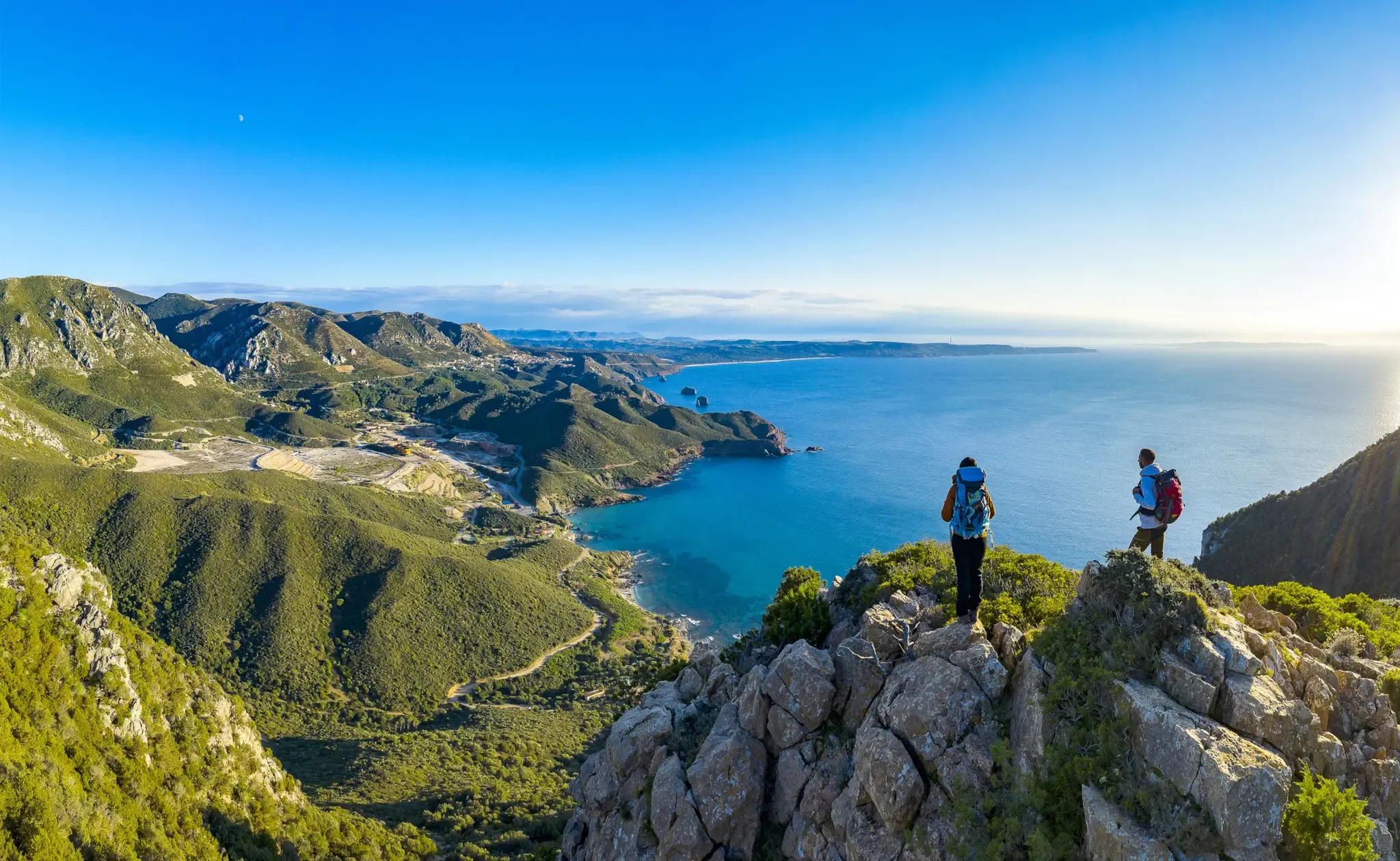
Cammino Minerario di Santa Barbara – memories of ancient Sardinia
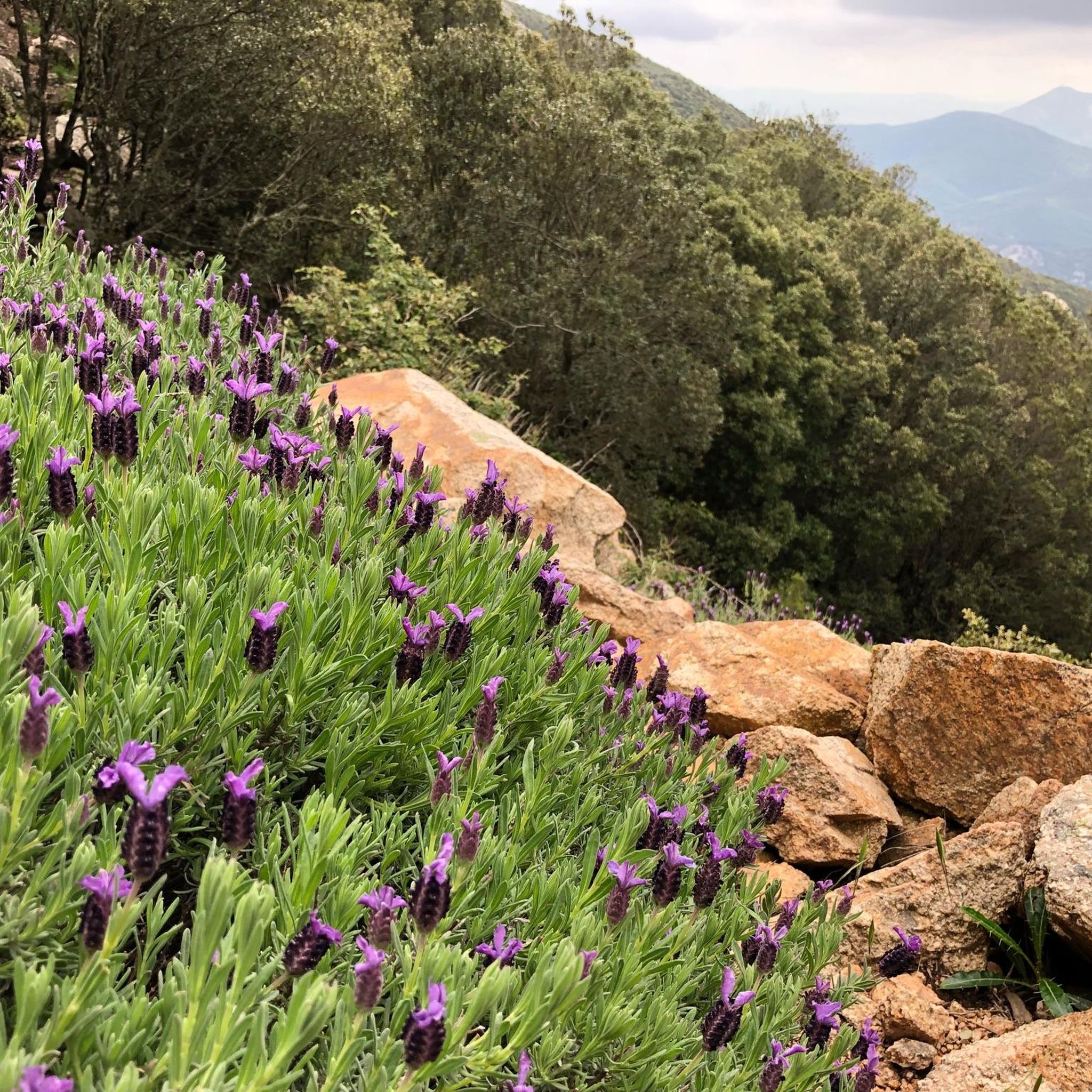
Hiking around Gonnos/Gonnosfanadiga
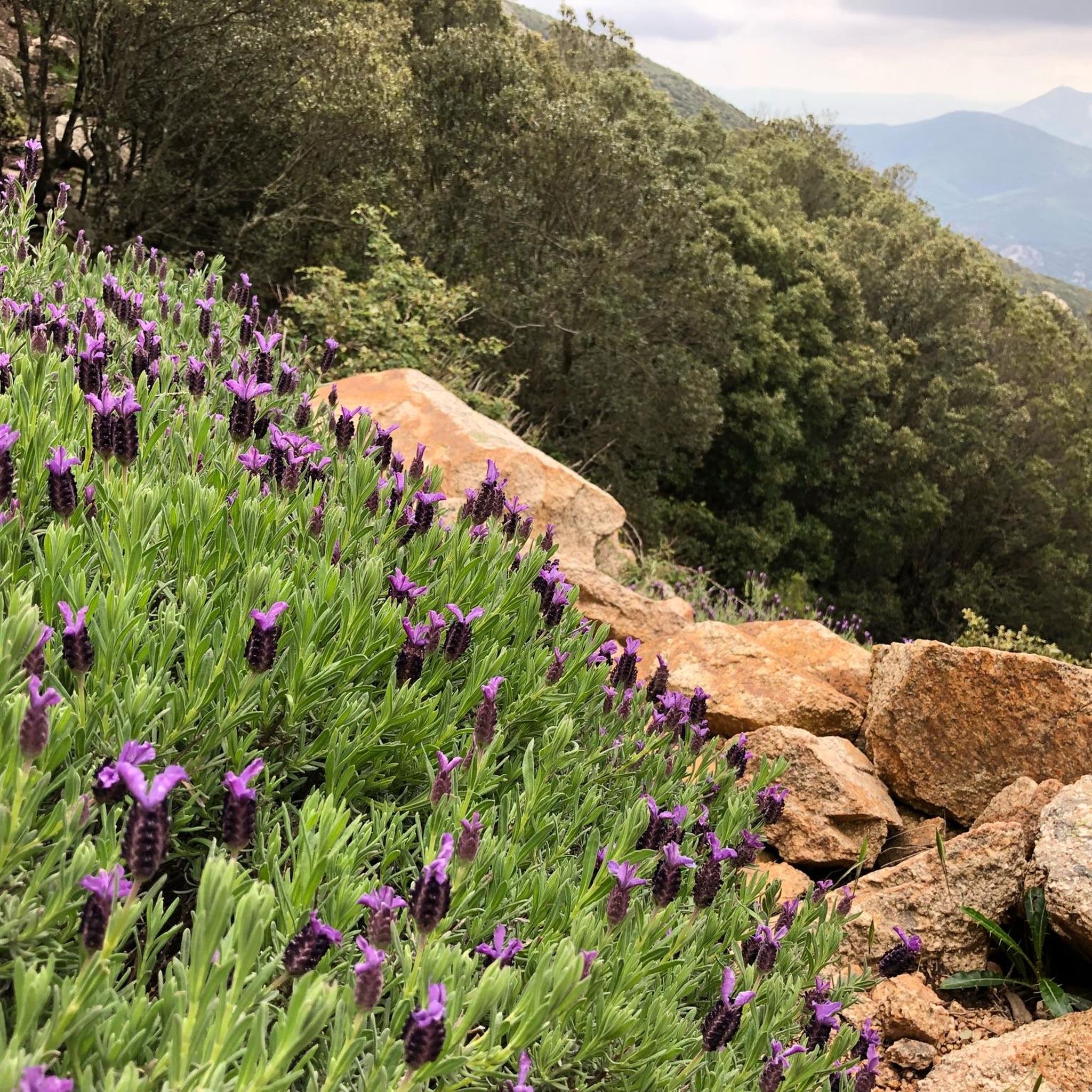
Road Cycling Routes around Gonnos/Gonnosfanadiga
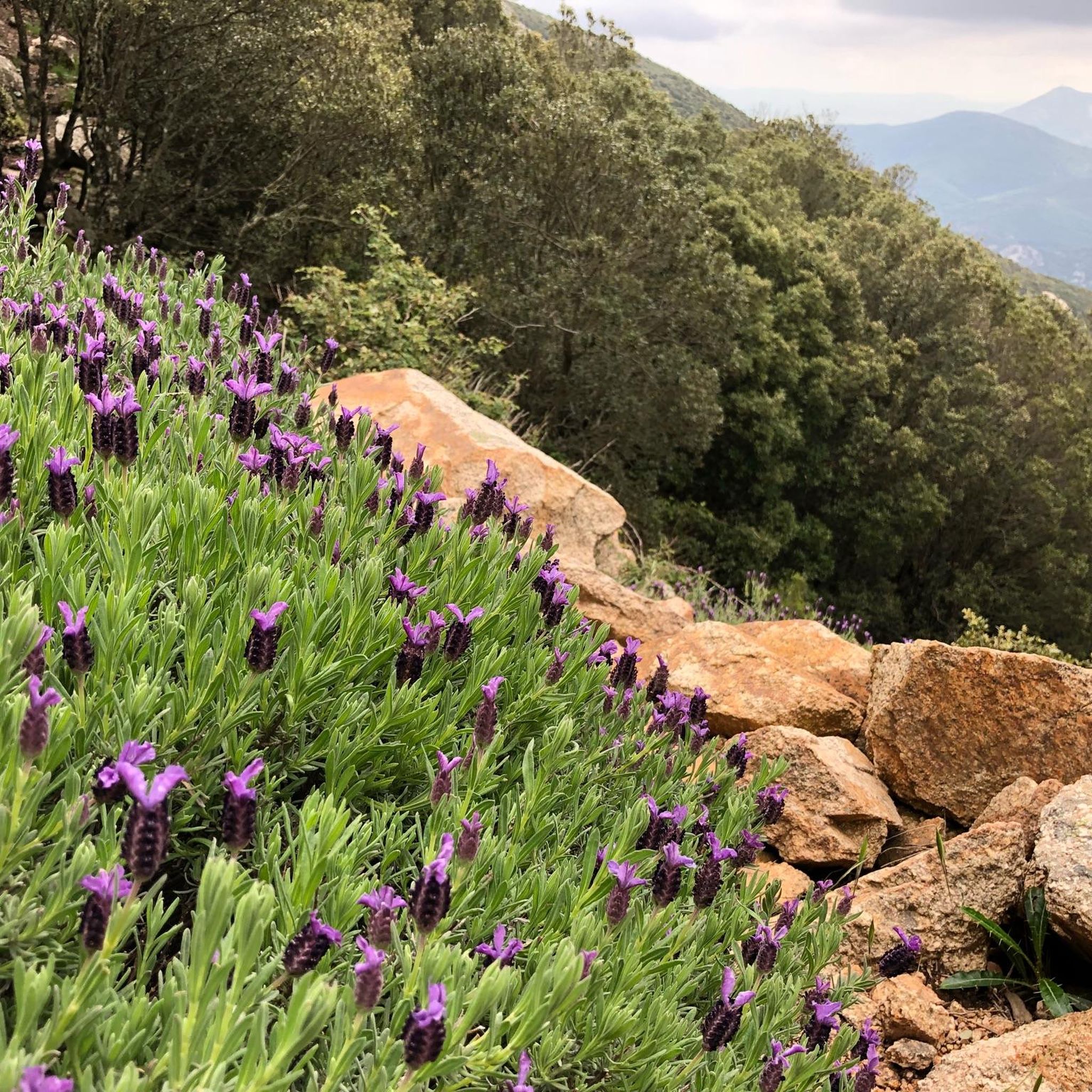
Cycling around Gonnos/Gonnosfanadiga
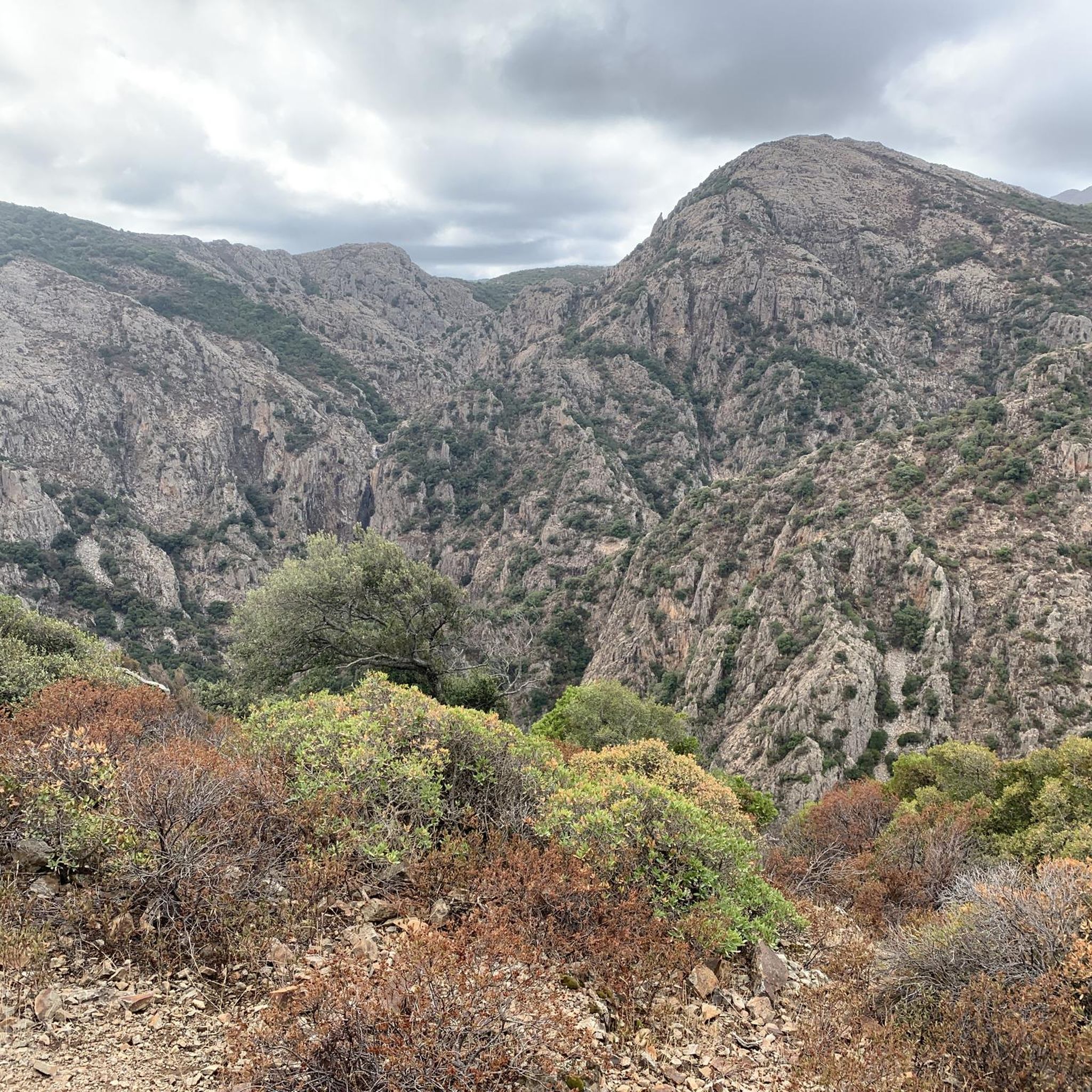
MTB Trails around Gonnos/Gonnosfanadiga
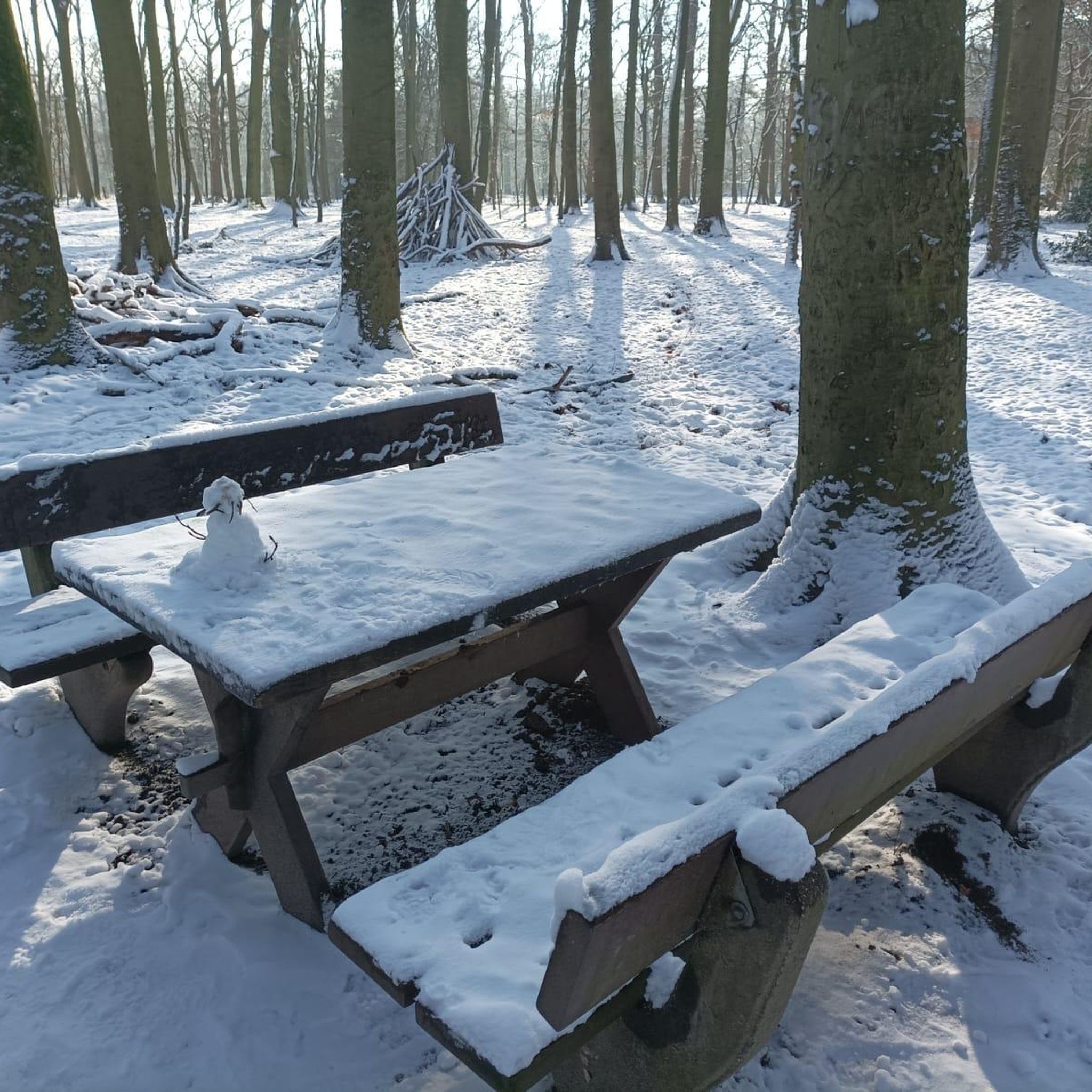
Gravel biking around Gonnos/Gonnosfanadiga
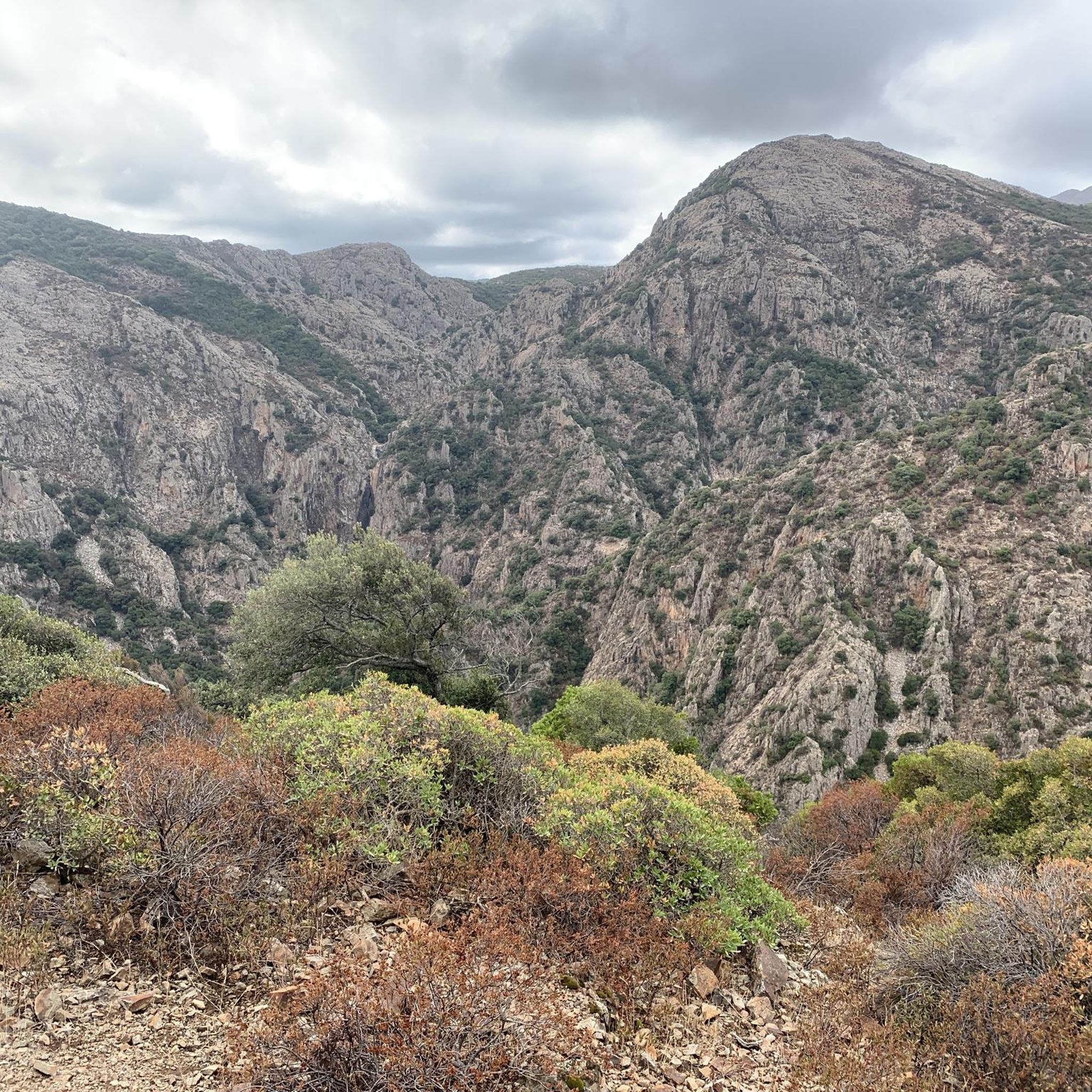
Running Trails around Gonnos/Gonnosfanadiga
Other adventures around Gonnos/Gonnosfanadiga

Tips from the Community

The Nuragic village can also be reached via the hiking trail to the left of the parking lot. The gate is only there because of the wild boars, you can open the knot, go through and close it again
0
0

The Irgas waterfall is not 45 meters high, maybe it reaches that height with the jumps that are part of the final section. I humbly suggest the fourth great waterfall of Linas... the waterfall of the Rio Fenugu just below Togoro, accessible from the road to Linas. In the days after the rain, you could hear it from at least 1 km away. It's a shame we have beautiful things close by and we don't appreciate them. Saludusu.
0
0

Excellent place to rest after the climb from Flumini Maggiore, before going downhill and partially on gravel among the cork trees
0
0

In a lush valley around Iglesias lies one of Sardinia's most important Roman monuments. Originally a nuragic sanctuary, it was also used during the Carthaginian and Punic-Hellenistic periods. Built from local limestone, the sanctuary is nestled in a picturesque valley in the Fluminimaggiore area.
4
0

The Temple of Antas stands in the splendid Antas Valley, a natural amphitheater intertwined with over three thousand years of history. The Nuragic people practiced rituals and burials here since the Bronze Age, followed by the Carthaginians, who erected a sanctuary dedicated to the god Sid Addir Babay, and finally by the Romans, who in the 2nd century AD rebuilt the temple in honor of Sardus Pater Babai, the patron deity of the Sardinian people. Find all the information on opening hours and tickets on the website: https://startuno.it/.
1
0
Built in the early 1900s and named after Lord Thomas Allnutt Brassey, the Naracauli Washery processed blende, the mineral from which zinc was extracted. Connected to the Gennamari and Ingurtosu mines by funiculars and railways, it was one of Sardinia's main mining facilities for decades. Dismantled in the 1970s, today its monumental remains—immersed in the landscape of the Costa Verde—are one of the most iconic images of the Sardinian Geomineral Park.
0
0
Beautiful 4-hour hike, the landscapes are magnificent
0
0

Between Arbus and Fiuminimaggiore, the Bidderdi Pass is a famous climb in the province of South Sardinia, including the territories of the former provinces of Carbonia-Iglesias and Medio Campidano. As you climb it, you might notice some specimens of Arbus black sheep, a native sheep species.
0
0
Frequently Asked Questions
What historical and archaeological sites can I explore in Gonnosfanadiga?
Gonnosfanadiga is rich in ancient history. You can visit the impressive Antas Nuragic Village, dating back to the Bronze Age, and the nearby Temple of Antas, a significant Punico-Roman monument. Other notable sites include the Giants' Tomb of San Cosimo, the Temple a Megaron of Spadula, and various Nuragic settlements like those at Terra 'e Seddaris and Pal'e Pardu. The rural Church of Santa Severa also stands on an ancient Roman necropolis, with origins potentially from the Early Christian period.
Are there any natural attractions or parks to visit in the area?
Yes, the region offers stunning natural beauty. The town is nestled at the foot of the granite Monte Linas Massif, a pristine natural park with wild peaks, deep gorges, and diverse forests. You can also visit the Piscina Irgas Waterfall, which plunges into an emerald lake. To the south, the Municipal Park of Perd'e Pibera is the largest municipal park in the Medio Campidano region, featuring ancient oak forests and trails.
What kind of outdoor activities can I do near Gonnosfanadiga?
The area around Gonnosfanadiga is ideal for various outdoor activities. You can find numerous hiking trails, including routes on the Monte Arcuentu massif and around the Genna Farraceus Shelter. For cyclists, there are challenging routes like the Coastal Dunes Road and tours around the Montevecchio Mines. Gravel biking enthusiasts can explore paths leading to the Piscinas Dunes or the Canale Serci Mine. For more details on routes, check the hiking, cycling, and gravel biking guides for the region.
Are there any family-friendly attractions in Gonnosfanadiga?
Families can enjoy exploring the Temple of Antas, which is listed as family-friendly. The Municipal Park of Perd'e Pibera offers trails suitable for walks and opportunities to spot local wildlife, making it a great option for families to spend time outdoors.
What is the Bidderdi Pass and why is it popular?
The Bidderdi Pass (492 m) is a mountain pass on state road 126 that connects towns like Arbus and Fluminimaggiore, as well as scenic areas and archaeological sites. It's well-asphalted with many curves, climbs, and descents, making it particularly popular among motorcyclists, especially in summer, for its enjoyable ride and scenic views.
What is the significance of the Brassey Ore Processing Plant?
The Brassey Ore Processing Plant, also known as the Naracauli washery, is a historical site that operated in the early 1900s. It was one of the most modern facilities for treating blende, the mineral from which zinc was extracted. Today, its monumental remains are immersed in the landscape of the Costa Verde, offering a fascinating glimpse into the region's industrial archaeology and mining history.
What local products or crafts is Gonnosfanadiga known for?
Gonnosfanadiga is renowned as the "City of Oil" due to its excellent olive oil production from ancient olive groves. The town is also known for its skilled master knife-makers, and for producing items from wood, cork, ceramics, and textiles, showcasing a rich tradition of local craftsmanship.
Can I find ancient religious architecture in Gonnosfanadiga?
Yes, the town features several significant religious structures. The ancient parish church has roots tracing back to the 13th century. The Church of Santa Barbara was built during the Giudicati period, retaining a 1388 bell tower. The rural Church of Santa Severa is particularly ancient, potentially dating back to the Early Christian period (4th-5th century) and built on the site of a Roman necropolis.
What kind of wildlife can be found in the Monte Linas Massif and Perd'e Pibera Park?
The Monte Linas Massif is home to rare wildlife, including the Sardinian deer and the golden eagle, thriving in its diverse forests of holm oak, cork oak, and yew. The Municipal Park of Perd'e Pibera also supports a wide array of animals such as wild boars, foxes, rabbits, goats, and various birds of prey, alongside numerous mushroom species.
Are there any unique archaeological finds from the region?
Beyond the well-known Nuragic sites, archaeological digs at the Giants' Tomb of San Cosimo have uncovered pottery, bowls, jars, and a unique glass necklace, suggesting ancient interactions between Nuragic and Mycenaean cultures. The Site of Zairi, near the town, has yielded Punic lamps, highly realistic anatomical terracottas, and numerous Roman and early medieval artifacts, including coins and remnants of fortifications.
What are the distinctive features of Gonnosfanadiga's historic center?
The historic center of Gonnosfanadiga is characterized by an imposing Gradinata (flight of steps) that leads towards the hills, adding to its ancient charm. Numerous public wells are also a distinctive feature. Historically crucial for water supply and as social hubs, these wells remain important topographical references and hold architectural and historical interest, even though they no longer serve their original functions.
Most popular routes around Gonnos/Gonnosfanadiga
Most popular attractions around Gonnos/Gonnosfanadiga

Get inspired with the komoot mobile app


Explore more
Still not found the Highlight you’re looking for? See guides of the top attractions in other regions:
