Attractions and Places To See around Biddanoa De Forru/Villanovaforru - Top 13
Best attractions and places to see around Biddanoa De Forru/Villanovaforru include a rich archaeological heritage and diverse natural landscapes. This village in central-southern Sardinia's Marmilla region offers insights into ancient Nuragic civilization and traditional Sardinian life. Visitors can explore gentle hills, holm oak woods, and enjoy panoramic views from various elevated points. The area is known for its significant historical sites and natural monuments.
Best attractions and places to see around Biddanoa De Forru/Villanovaforru
- The most popular attractions is Tomb…
Last updated: May 3, 2026
Tomb of the Giants Sa Domu e S'Orku
Highlight • Historical Site
Translated by Google •
Tip by

Giara di Siddi
Highlight (Segment) • Natural Monument
Translated by Google •
Tip by

Sign up now to discover places like this
Get recommendations on the best single tracks, peaks, & plenty of other exciting outdoor places.
Sign up for free
Historic Center of Baradili
Highlight • Historical Site
Translated by Google •
Tip by

Giants' Tomb of Su Cuaddu 'e Nixias
Highlight • Historical Site
Translated by Google •
Tip by

Church of Santa Margherita
Highlight • Religious Site
Translated by Google •
Tip by

Sign up for free to discover even more attractions around Biddanoa De Forru/Villanovaforru.
Sign up for free
Already have an account?
Start today with a free account
Your next adventure awaits.
Login or Signup
Popular around Biddanoa De Forru/Villanovaforru
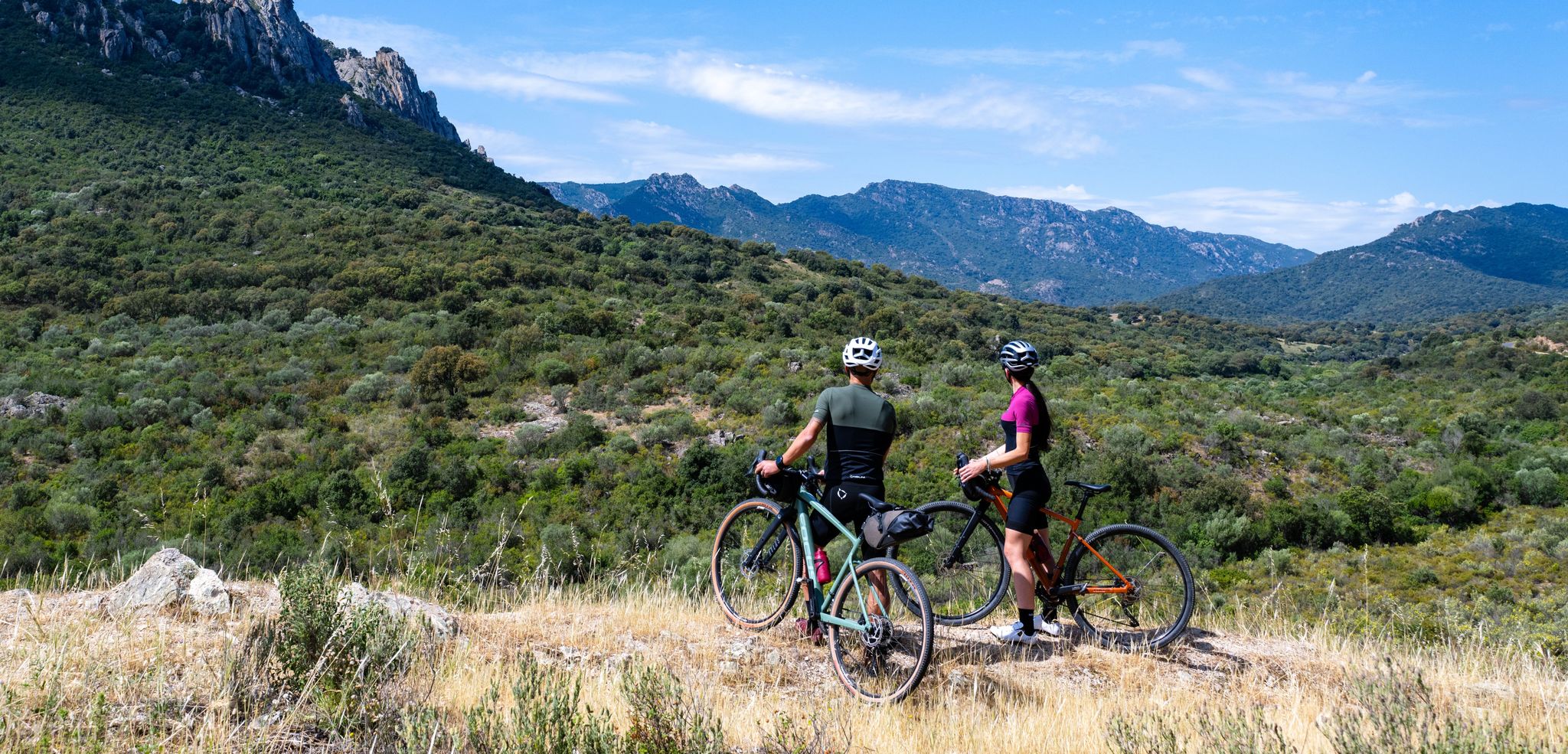
Sardinia by e-bike – enchanting landscapes and ancient culture
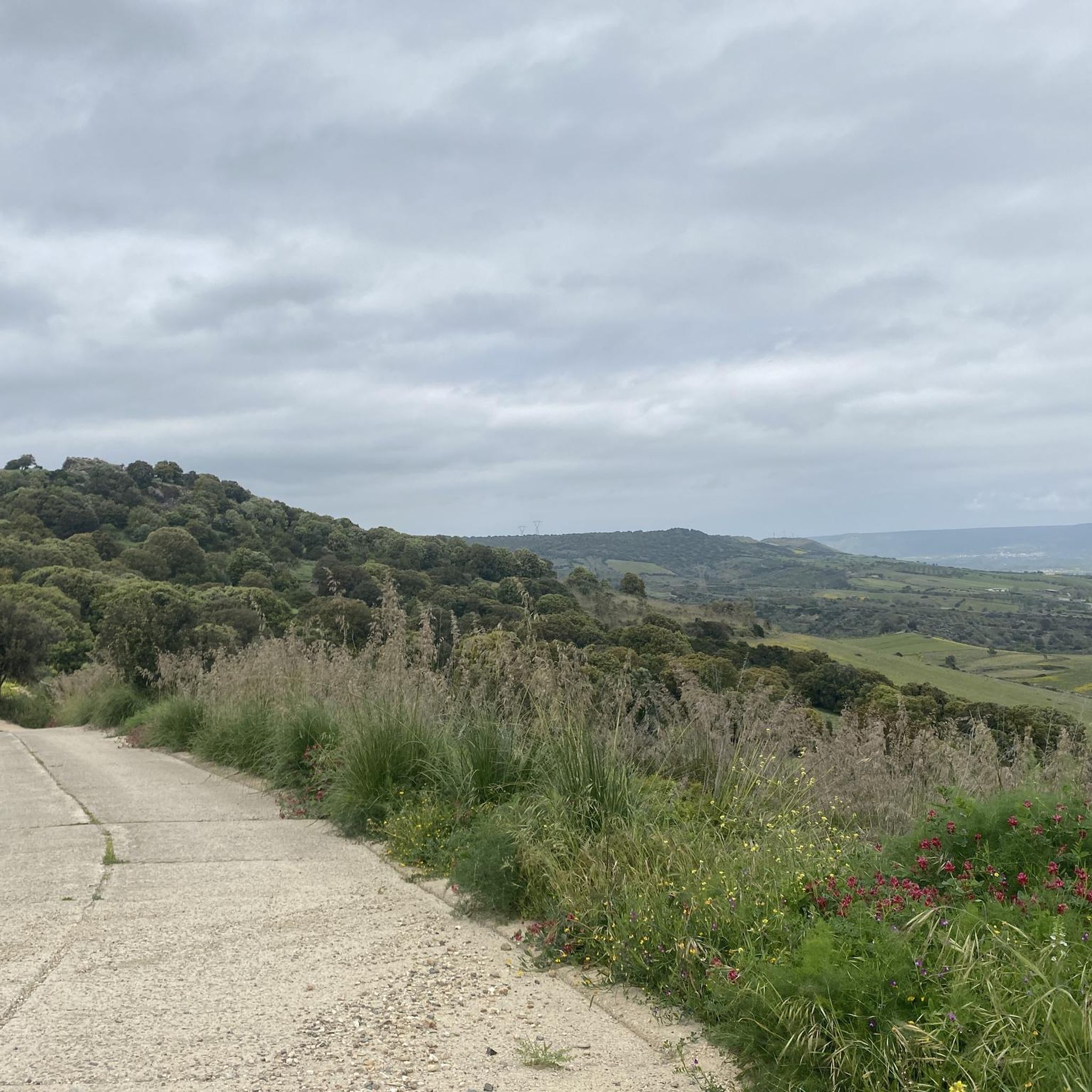
Cycling around Biddanoa De Forru/Villanovaforru
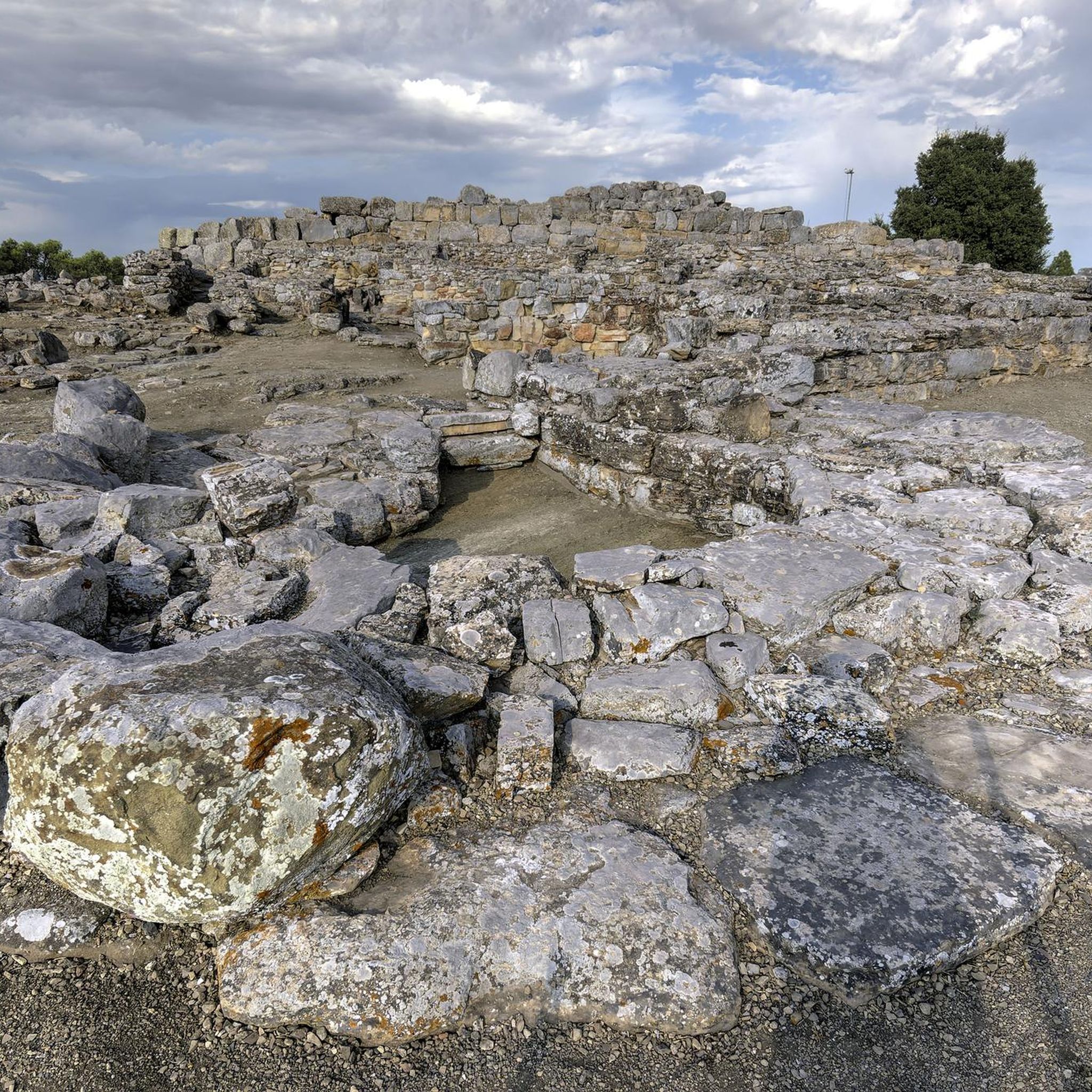
Road Cycling Routes around Biddanoa De Forru/Villanovaforru
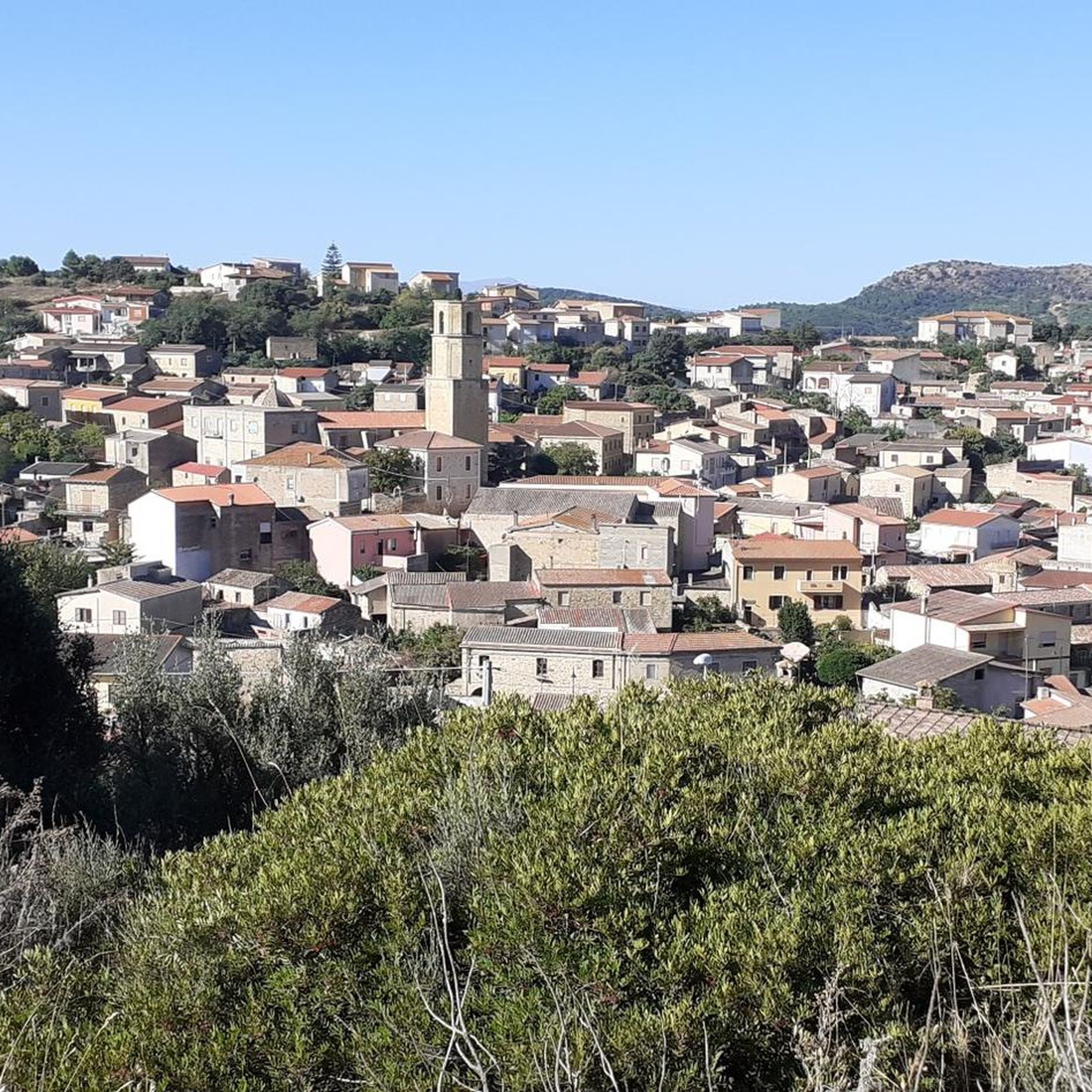
MTB Trails around Biddanoa De Forru/Villanovaforru

Hiking around Biddanoa De Forru/Villanovaforru

Running Trails around Biddanoa De Forru/Villanovaforru
Other adventures around Biddanoa De Forru/Villanovaforru

Tips from the Community

The titular Saint of the church is, curiously, linked to the ravioli festival (is cruguxionis in the local dialect) that is celebrated in Baradili: according to a legend, some young farmers found a statuette of Saint Margaret in the countryside. They brought it to the parish priest, who was sitting at the table in front of a plate of ravioli. To thank them, he invited them and the entire population to the table. The ravioli seemed to never end. The frugal lunch turned into a banquet. This is where the ravioli festival was born.
1
0

Sa Dome and s'Orku, one of the best preserved giants' tombs on the island
0
0

The church is centrally located in Baradili. Unfortunately it was closed when we visited. "The parish church of Santa Margherita Martire dates back to the 18th century, was completed in 1935 and has undergone numerous renovations. Inside there are precious wooden statues of various saints, including that of Saint Anthony of Padua with the Child Jesus standing. In honor of the saint, protector of the Children, there are two festivals every year: sa festa manna, the main festival at the end of May, and Santa Mragaida agattada (found) or de is cruguxionis (the ravioli) in mid-July, spread over two Sundays. With the celebration is the festival of raviolo (a type of stuffed pasta). It all went back to a legend, according to which a few young farm workers in the countryside found a small statue of Santa Margherita (St. Margaret). They brought it to the parish priest, who was in front of a plate of ravioli pasta sat at the table. To thank him, he invited her and the entire population to the table. The ravioli pasta never seemed to end. The frugal lunch was turned into a banquet. This story led to the creation of the festival in 1995, where all types of ravioli pasta are distributed: ravioli stuffed with ricotta cheese, lemon, spinach and with potatoes." Source: https://www.sardegnaturismo.it/en/explore/baradili
0
0
Even though the town of Baradili is really very small, it is worth taking a short tour through the beautiful, quiet streets. "Famous for being the municipality with the smallest population on the island and one of the least populated in Italy, its traditions and natural and archaeological treasures are still unchanged. Baradili is a small village in the Oristano region with less than a hundred inhabitants ( with a birth rate close to zero). It is located near the Giara in the Marmilla hills and is surrounded by vineyards, olive groves and almond orchards from which excellent wines, oils and cakes are obtained. Its appearance resembles a medieval village with numerous ancient ones Houses "with an inner courtyard" - including the grain bank and the houses Casa Usai and Casa Lavra - and there is a risk that it will become a ghost village in a few decades. In 1927 it was annexed to the neighboring municipality of Baressa, but since 1958 it has been autonomous again. The first written document mentioning Baratuli dates from 1342, but its origin probably dates back to Roman times, traces of which have been found in various areas." Source: https://www.sardegnaturismo.it/en/explore/baradili
0
0

Tamba dei Giganti really beautiful and impressive, a pity that part of the arch on the sides of the entrance is missing
0
0
Not complete, but the main stone is very beautiful
1
0

There are about 800 Giants' Tombs in Sardinia. The one inside the archaeological site of the Giara di Siddi is one of the best preserved Nuragic funerary monuments.
1
0

It represents the oldest tomb of the giants in Sardinia, dating back to the centuries 1700-1600 BC. The hole on the upper part of the stele is particular, according to popular legend it was used to tie up horses.
1
0
Frequently Asked Questions
What are the most significant historical and archaeological sites to visit around Biddanoa De Forru/Villanovaforru?
The region is rich in ancient history. You can explore the Tomb of the Giants Sa Domu e S'Orku, one of Sardinia's best-preserved Nuragic funerary monuments located within the Giara di Siddi. Another must-see is the Giants' Tomb of Su Cuaddu 'e Nixias, which is the oldest tomb of its kind in Sardinia, dating back to the 17th-16th centuries BC. Additionally, the Nuraghe Genna Maria complex, with its attached Civic Archaeological Museum in Villanovaforru, offers deep insights into Nuragic civilization and displays artifacts from various historical periods.
Are there any natural monuments or scenic areas worth visiting near Villanovaforru?
Absolutely. The Giara di Siddi is a significant natural monument, a basalt plateau with a unique inverted 'T' shape, offering stunning views and preserving valuable pre-Nuragic and Nuragic legacies. From higher points like Nuraghe Genna Maria, you can enjoy panoramic views stretching from the Gulf of Oristano to Cagliari, the Campidano plain, and even the Gennargentu mountain range. The area is also surrounded by gentle hills and holm oak woods, perfect for enjoying nature.
What cultural attractions can I find in the villages around Biddanoa De Forru/Villanovaforru?
Beyond archaeological sites, you can visit the Church of Santa Margherita in Baradili, an 18th-century parish church known for its wooden statues and connection to a local ravioli festival. The Historic Center of Baradili itself is charming, with traditional houses and a quiet atmosphere. In Villanovaforru, explore its 17th-century historic town center with traditional agricultural architecture and murals depicting fairy tales, and the 17th-century Church of San Francesco.
Are there family-friendly activities or attractions in the area?
Yes, several attractions are suitable for families. The Historic Center of Baradili is listed as family-friendly, offering a pleasant stroll through a traditional Sardinian village. The Civic Archaeological Museum in Villanovaforru, attached to Nuraghe Genna Maria, can also be engaging for older children interested in history. The scenic surroundings with holm oak woods provide opportunities for picnics and enjoying nature together.
What kind of outdoor activities, like hiking or cycling, are available near these attractions?
The region offers various outdoor activities. For hiking, you can find routes like the 'View from Castle of Sanluri loop' or the 'Casa Vacanze Montis – Casa Tita Wine and Territory loop'. If you're into mountain biking, consider the 'Percorso turistico Giara di Siddi — Giro ad anello'. Road cycling enthusiasts can explore longer routes such as 'The tour of the thirty villages'. You can find more details and routes on the dedicated guides for Hiking around Biddanoa De Forru/Villanovaforru, MTB Trails around Biddanoa De Forru/Villanovaforru, and Road Cycling Routes around Biddanoa De Forru/Villanovaforru.
What is the best time of year to visit Biddanoa De Forru/Villanovaforru for sightseeing and outdoor activities?
The Marmilla region, where Villanovaforru is located, generally enjoys a Mediterranean climate. Spring (April-May) and autumn (September-October) are often ideal for visiting, as the weather is pleasant for exploring archaeological sites and engaging in outdoor activities like hiking and cycling. Summers can be hot, but the higher elevations and natural areas still offer enjoyable experiences. Winters are mild, making it possible for year-round exploration, though some services might have reduced hours.
Are there any 'hidden gems' or less-known spots to discover in the area?
While not strictly 'hidden', the rural church of Santa Marina, built in 1280 in Pisan Romanesque style and located on a hill southwest of Villanovaforru, offers a glimpse into medieval architecture in a serene setting. The village's historic center itself, with its unique murals and traditional architecture, provides a charming, less-traveled experience compared to more prominent sites.
What are the options for parking when visiting attractions in Biddanoa De Forru/Villanovaforru?
For attractions like Nuraghe Genna Maria and its museum in Villanovaforru, parking is generally available nearby. When visiting sites like the Tomb of the Giants Sa Domu e S'Orku within the Giara di Siddi, you'll typically find designated parking areas at the entrance to the archaeological park or nearby access points. For smaller village centers like Baradili, street parking is usually an option.
Can I find cafes or places to eat near the attractions?
Villanovaforru, being a small village, has local establishments where you can find refreshments and traditional Sardinian food. Similarly, in nearby villages like Baradili, you might find small cafes or eateries. It's always a good idea to check local opening hours, especially in smaller communities, or consider bringing snacks and drinks, particularly when exploring more remote natural or archaeological sites.
Is the Giara di Gesturi, known for its wild horses, accessible from Villanovaforru?
Yes, the Giara di Gesturi, famous for its wild horses and rich biodiversity, is one of the three basalt plateaus in the Marmilla region, making it accessible from Villanovaforru. It's a significant natural monument and a great place for nature observation and walks, offering a different natural experience compared to the archaeological sites.
What is the significance of the Nuragic civilization in this region?
The Nuragic civilization is central to the history of the Marmilla region. Sites like Nuraghe Genna Maria and the various Tombs of Giants, such as Sa Domu e S'Orku and Su Cuaddu 'e Nixias, are prime examples of this ancient culture. These structures, dating back thousands of years, provide invaluable insights into the daily life, rituals, and architectural prowess of the Nuragic people, making the area a crucial destination for understanding Sardinia's ancient past.
Are there any specific tips for visiting the Tomb of the Giants Sa Domu e S'Orku?
The Tomb of the Giants Sa Domu e S'Orku can be visited independently and free of charge. However, a paid guided tour through municipal services is also often available, which can enhance your understanding of this well-preserved Nuragic funerary monument. It's located within the archaeological site of the Giara di Siddi, so you can combine your visit with exploring the natural beauty of the plateau.
Most popular routes around Biddanoa De Forru/Villanovaforru

Get inspired with the komoot mobile app


Explore more
Still not found the Highlight you’re looking for? See guides of the top attractions in other regions:
