Attractions and Places To See around Sàrdara/Sardara - Top 15
Best attractions and places to see around Sàrdara/Sardara include a rich blend of historical, cultural, and natural sites. This area in Sardinia, Italy, is known for its ancient origins, significant archaeological heritage, and long-standing thermal tradition. Visitors can explore prehistoric settlements, Roman thermal centers, and medieval strongholds, all set within the Campidano plain. The region offers a variety of sites, from basaltic natural monuments to well-preserved Nuragic funerary monuments.
Best attractions and places to see around Sàrdara/Sardara
- The most popular…
Last updated: July 15, 2026
Tomb of the Giants Sa Domu e S'Orku
Highlight • Historical Site
Translated by Google •
Tip by

Giara di Siddi
Highlight (Segment) • Natural Monument
Translated by Google •
Tip by

Sign up now to discover places like this
Get recommendations on the best single tracks, peaks, & plenty of other exciting outdoor places.
Sign up for free
Giants' Tomb of Su Cuaddu 'e Nixias
Highlight • Historical Site
Translated by Google •
Tip by

Pinnettu (Traditional Sardinian Shepherd's Hut)
Highlight • Mountain Hut
Translated by Google •
Tip by
The (former) province of Medio Campidano (Sardinia)
Highlight • Settlement
Tip by

Sign up for free to discover even more attractions around Sàrdara/Sardara.
Sign up for free
Already have an account?
Start today with a free account
Your next adventure awaits.
Login or Signup
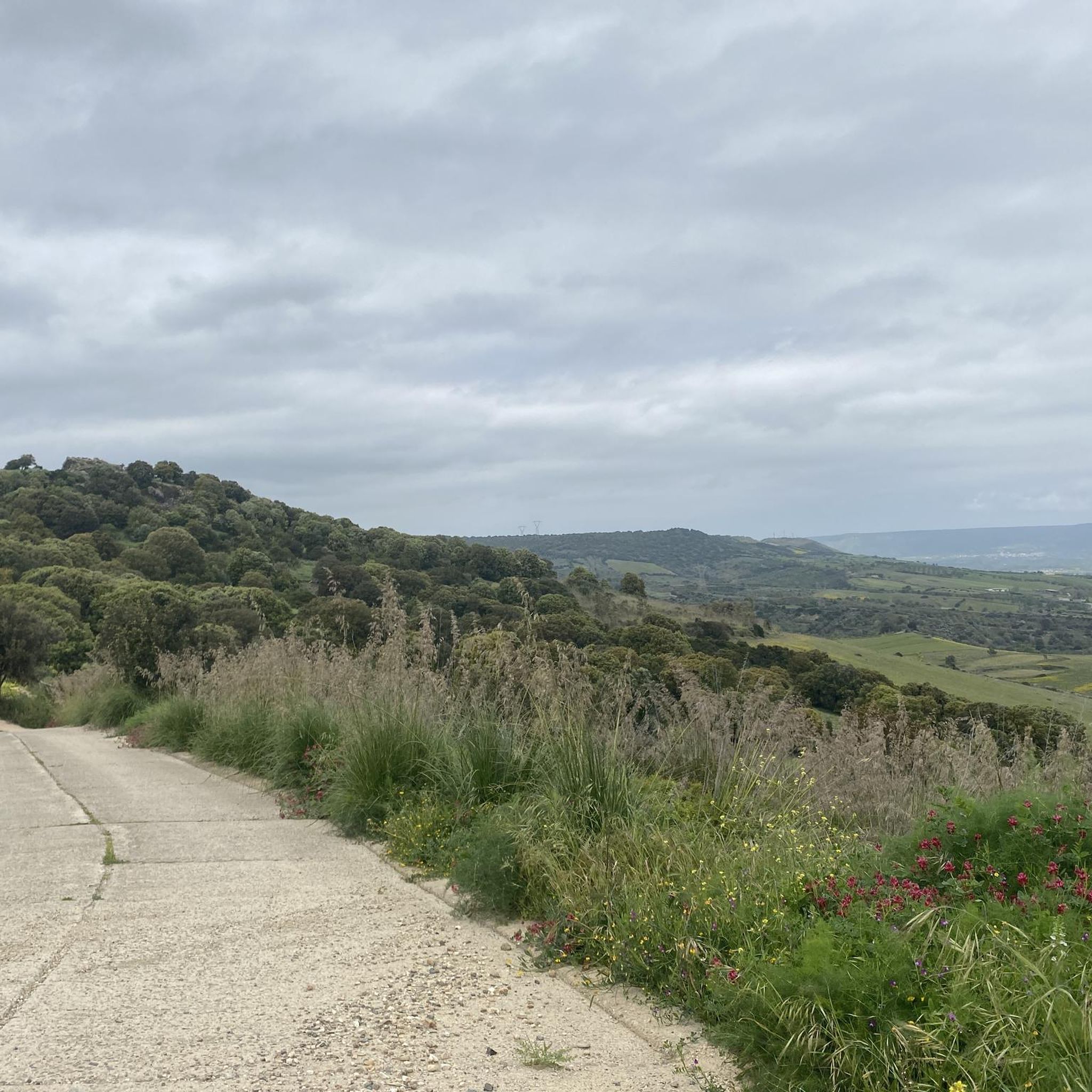
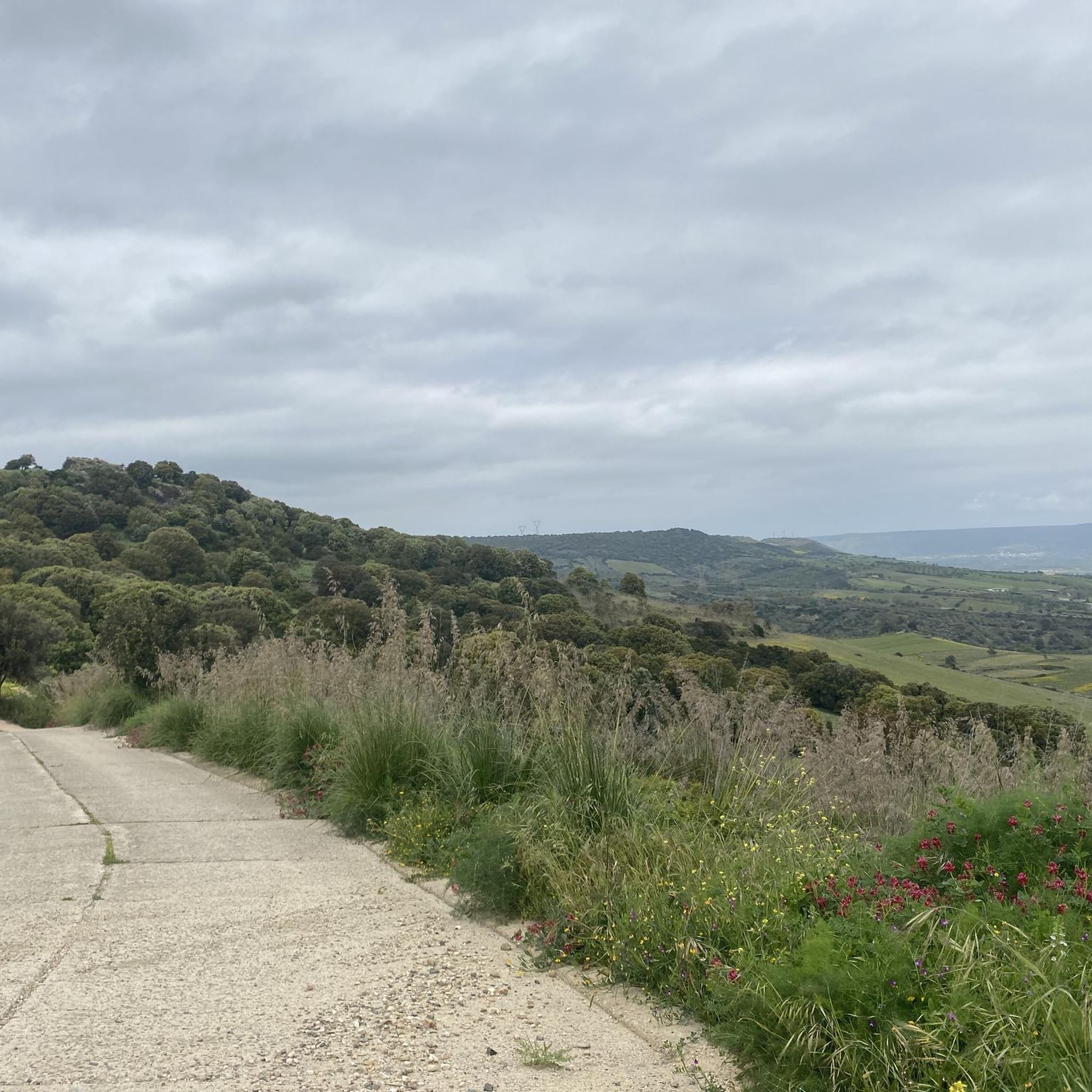
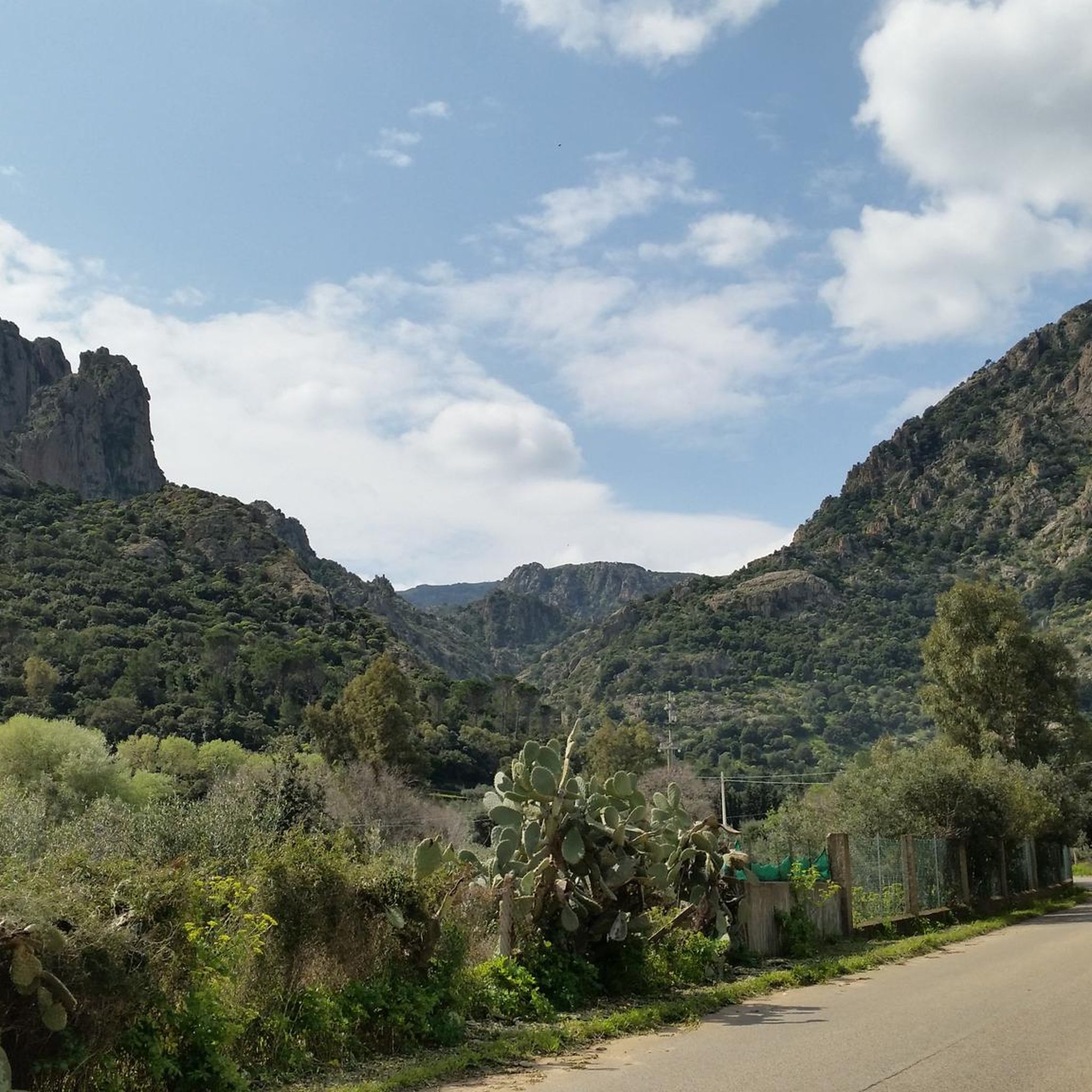
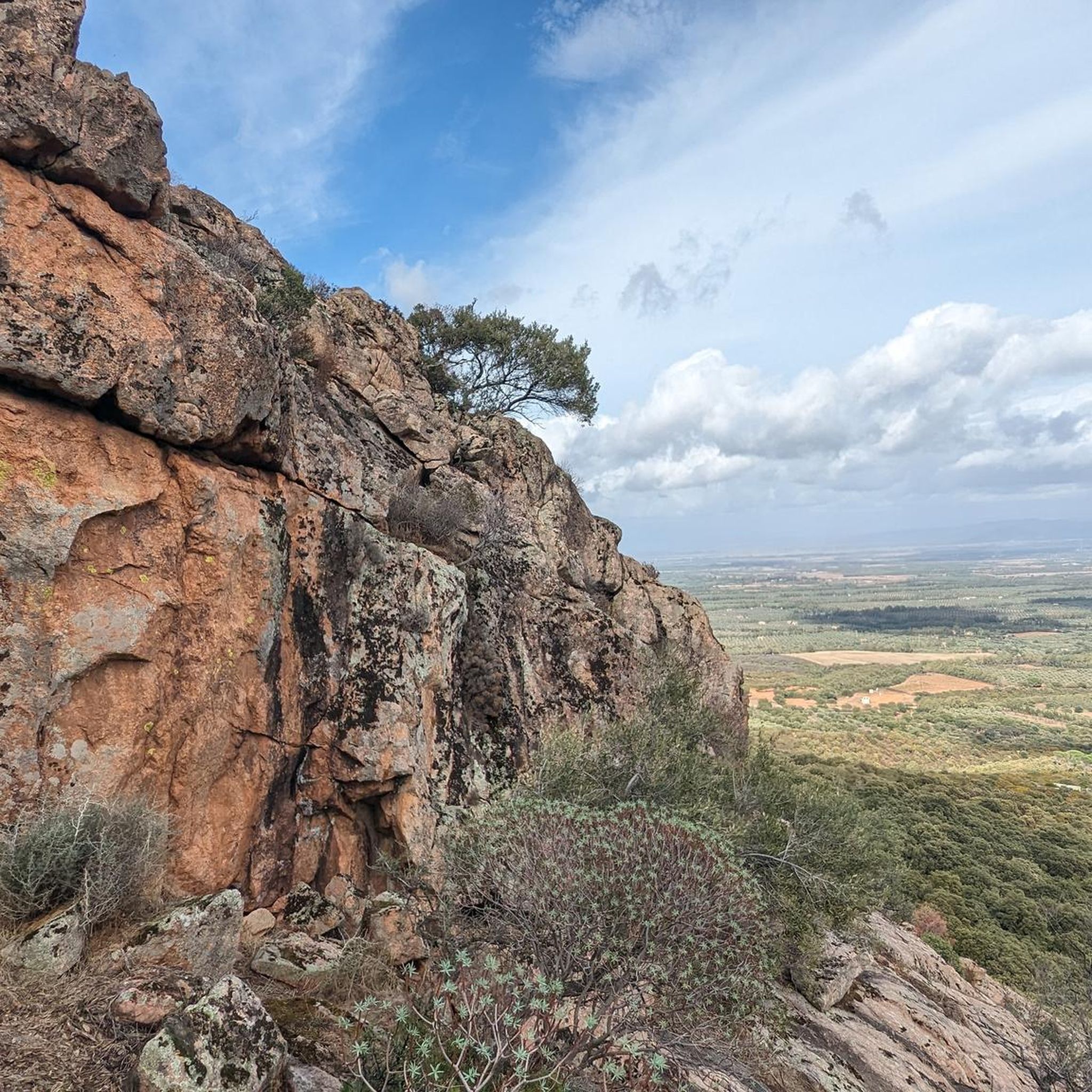

Tips from the Community

Sa Dome and s'Orku, one of the best preserved giants' tombs on the island
0
0

Tamba dei Giganti really beautiful and impressive, a pity that part of the arch on the sides of the entrance is missing
0
0
Not complete, but the main stone is very beautiful
1
0
As we pass, it is left to itself
0
0

There are about 800 Giants' Tombs in Sardinia. The one inside the archaeological site of the Giara di Siddi is one of the best preserved Nuragic funerary monuments.
1
0

typical Sardinian huts with stone bases and cone-shaped foliage or branches. By type and materials they are almost identical to the huts of the Nuragic era. Normally used as a shelter for shepherds in inaccessible places
1
0
It represents the oldest tomb of the giants in Sardinia, dating back to the centuries 1700-1600 BC. The hole on the upper part of the stele is particular, according to popular legend it was used to tie up horses.
1
0

It represents the oldest tomb of the giants in Sardinia, dating back to the centuries 1700-1600 BC. The hole on the upper part of the stele is particular, according to popular legend it was used to tie up horses.
1
0
Frequently Asked Questions
What historical sites can I explore in Sàrdara?
Sàrdara is rich in history. You can visit the significant Tomb of the Giants Sa Domu e S'Orku, one of the best-preserved Nuragic funerary monuments in Sardinia. Another important site is the Giants' Tomb of Su Cuaddu 'e Nixias, which dates back to 1700-1600 BC and is considered the oldest tomb of its kind in Sardinia. Don't miss the Sant'Anastasia Archaeological Complex, featuring a Nuragic temple with a sacred well, and the ruins of Monreale Castle, a medieval stronghold.
Are there any ancient Roman or thermal sites in Sàrdara?
Yes, Sàrdara has a long-standing thermal tradition. You can visit the Church of Santa Maria de Is Acquas and Ancient Roman Baths. The ancient Roman baths, known as "Aquae Neapolitanae," date from the 2nd-1st century BC and were incorporated into the modern thermal establishments. The Church of Santa Maria de Is Acquas itself is a historic pilgrimage destination.
What natural attractions are there around Sàrdara?
The most prominent natural attraction is the Giara di Siddi, also known as *su Pranu*. This basaltic 'table' is a unique natural monument formed by ancient lava flows. It's not only geologically interesting but also preserves precious pre-Nuragic and Nuragic legacies, including one of the best-preserved Giants' Tombs on the island.
What outdoor activities can I do near Sàrdara's attractions?
The area around Sàrdara offers various outdoor activities. You can explore cycling routes like the 'Giara di Siddi Loop' or 'Murals of San Gavino Monreale loop'. For mountain biking, consider the 'Monreale Mine – Pozzo Peddis loop'. If you prefer running, there are trails such as the 'Nuraghe Domu Beccia loop'. You can find more details and routes in the dedicated guides for Cycling around Sàrdara/Sardara, MTB Trails around Sàrdara/Sardara, and Running Trails around Sàrdara/Sardara.
Are there any museums in Sàrdara showcasing the region's history?
Yes, the Villa Abbas Archaeological Museum in Sàrdara houses numerous finds and votive materials discovered in the local area. It offers deeper insights into the region's ancient history, including elegant ceramic materials from the Nuragic era.
What is special about Sàrdara's historic town center?
Sàrdara's historic town center is described as charming and evocative. It features well-preserved typical Campidano architecture, with cobbled streets and traditional courtyard houses adorned with ornate portals, offering a glimpse into the region's cultural heritage.
What are some notable churches to visit in Sàrdara?
Beyond the Church of Santa Maria de Is Acquas, which is a significant pilgrimage site, you can also visit the Church of the Assumption (Chiesa della Beata Vergine Assunta) in the historic center. The Former Parish Church of San Gregorio is also noteworthy, considered one of the most important 14th-century churches in Sardinia.
Can I find any pre-Nuragic or Nuragic legacies on the Giara di Siddi?
Absolutely. The Giara di Siddi is not just a natural monument but also a treasure trove of ancient history. It preserves precious pre-Nuragic and Nuragic legacies, including one of the best-preserved Giants' Tombs on the island, dating back to 1700-1600 BC.
Is the Tomb of the Giants Sa Domu e S'Orku accessible for independent visits?
Yes, the Tomb of the Giants Sa Domu e S'Orku can be visited free of charge independently. However, paid guided tours through municipal services may also be available for a more in-depth experience.
What is the significance of Monreale Castle?
Monreale Castle, situated on a hill, is a significant historical landmark. Its ruins symbolize the period when Sàrdara was a border between the Giudicati of Arborea and Calari. Originally, it comprised a keep, eight towers, and town walls, with remnants of a medieval village still visible within its powerful walls.
Are there any unique features about the Giants' Tomb of Su Cuaddu 'e Nixias?
The Giants' Tomb of Su Cuaddu 'e Nixias is notable for being the oldest tomb of the giants in Sardinia, dating back to 1700-1600 BC. A particular feature is the hole on the upper part of the stele, which, according to popular legend, was used to tie up horses.
What kind of archaeological finds can be seen at the Sant'Anastasia Archaeological Complex?
The Sant'Anastasia Archaeological Complex is centered around a Nuragic temple with a sacred well, dating back to the 9th-8th century BC. The well is constructed from basalt and limestone, and the site's use as a place of worship continued through Punic and Byzantine times. An associated Nuragic village extends beneath parts of modern Sardara.
Most popular routes around Sàrdara/Sardara
Most popular attractions around Sàrdara/Sardara

Get inspired with the komoot mobile app


Explore more
Still not found the Highlight you’re looking for? See guides of the top attractions in other regions:
