Attractions and Places To See around Serramanna - Top 20
Attractions and places to see around Serramanna highlight its location in the central-western Campidano plain of southern Sardinia. The area offers a blend of historical sites, cultural heritage, and natural features. Visitors can explore ancient churches, traditional Campidanese houses, and significant archaeological remains. The surrounding landscape also provides natural monuments and unique cultural expressions in nearby towns.
Best attractions and places to see around Serramanna
- The most popular attractions is Murals of San Sperate, a man-made monument known for…
Last updated: July 7, 2026
Murals of San Sperate
Highlight • Monument
Translated by Google •
Tip by

Sa Spendula Waterfall
Highlight • Waterfall
Showing Translation
Tip by

Sign up now to discover places like this
Get recommendations on the best single tracks, peaks, & plenty of other exciting outdoor places.
Sign up for free
Coxinas Dam
Highlight • Structure
Translated by Google •
Tip by

Rest Area with Benches
Highlight • Rest Area
Tip by

Ancient Olive Tree Near Villacidro
Highlight • Natural Monument
Translated by Google •
Tip by

Sign up for free to discover even more attractions around Serramanna.
Sign up for free
Already have an account?
Start today with a free account
Your next adventure awaits.
Login or Signup
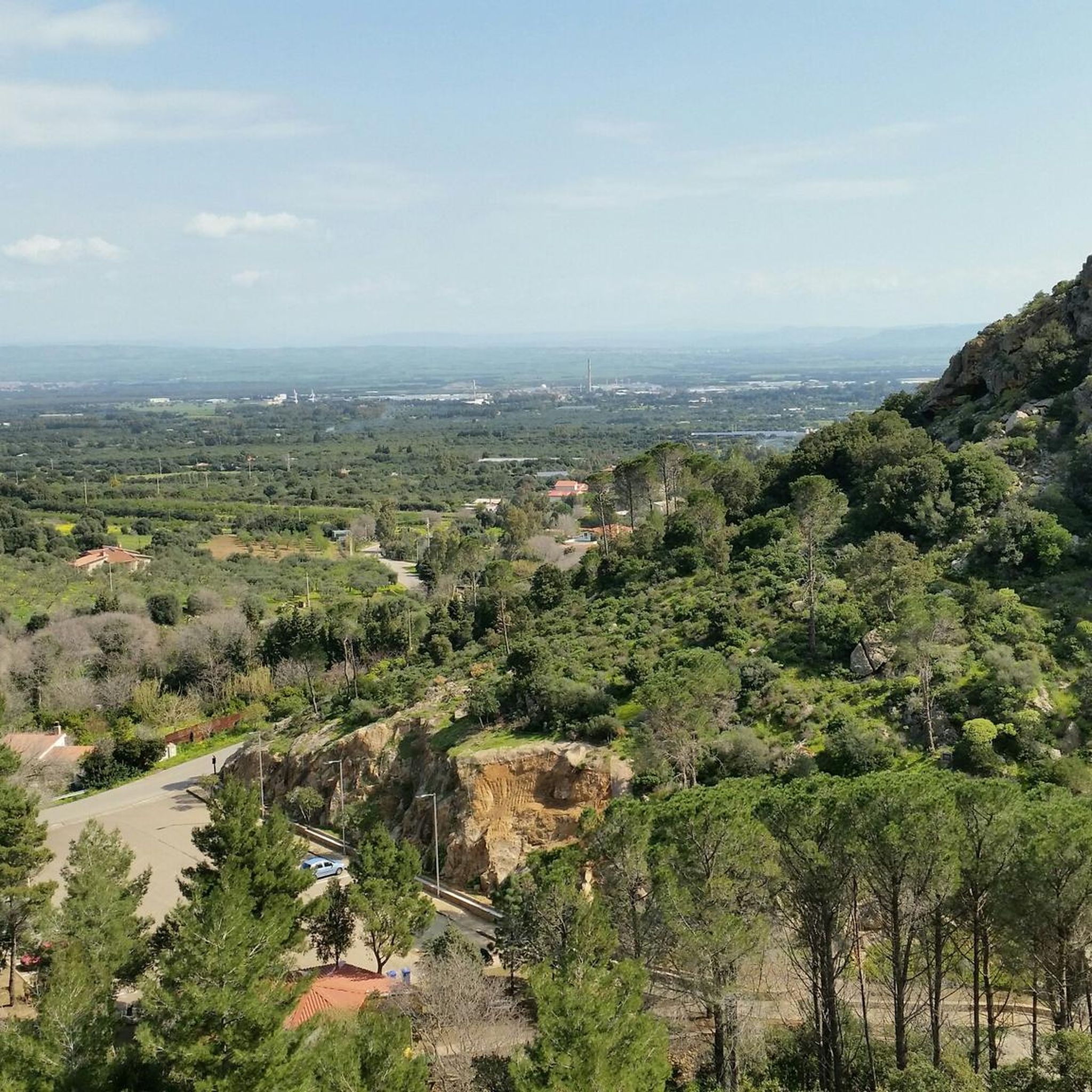

Tips from the Community

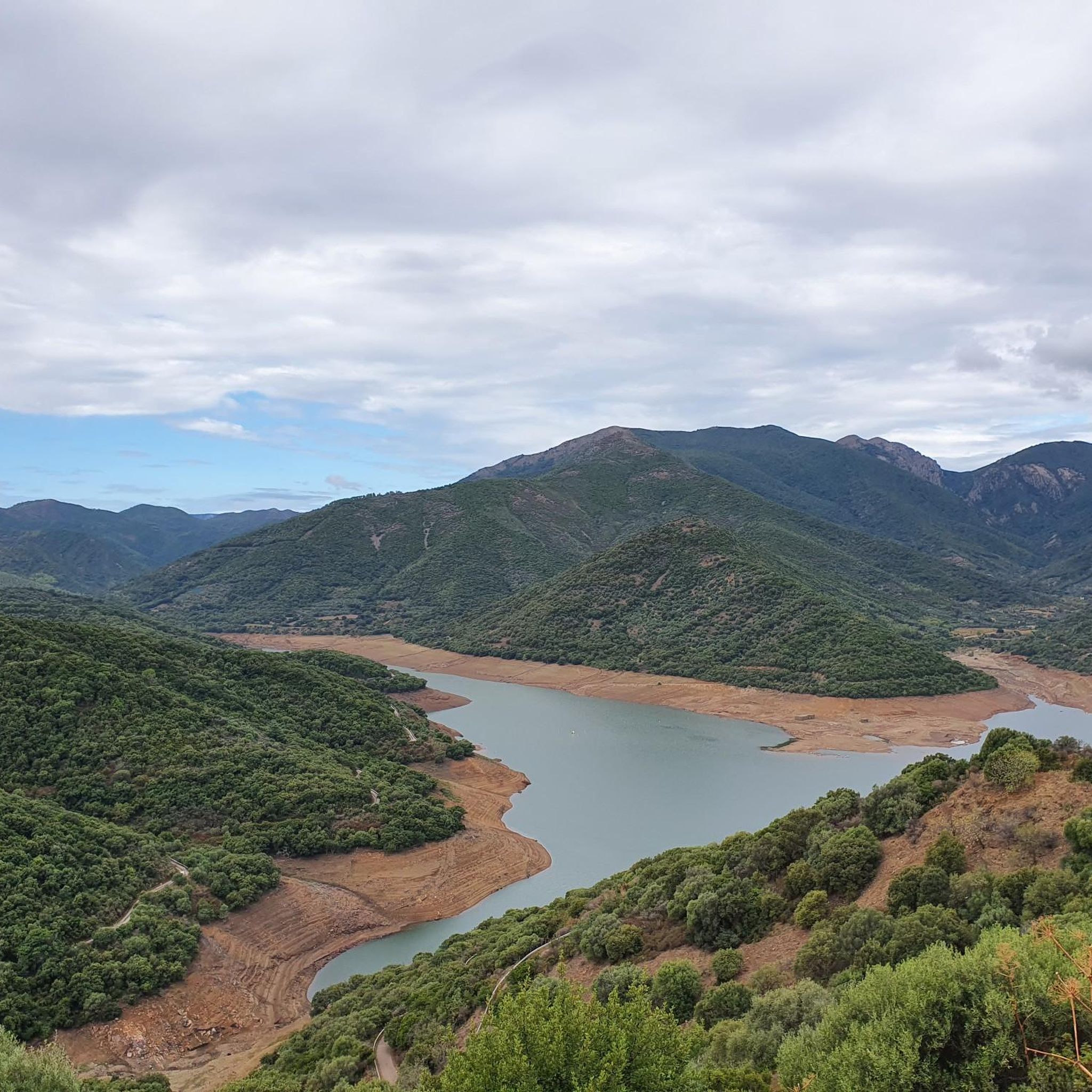
Dam that collects water for the Sa Spendula waterfall
0
0

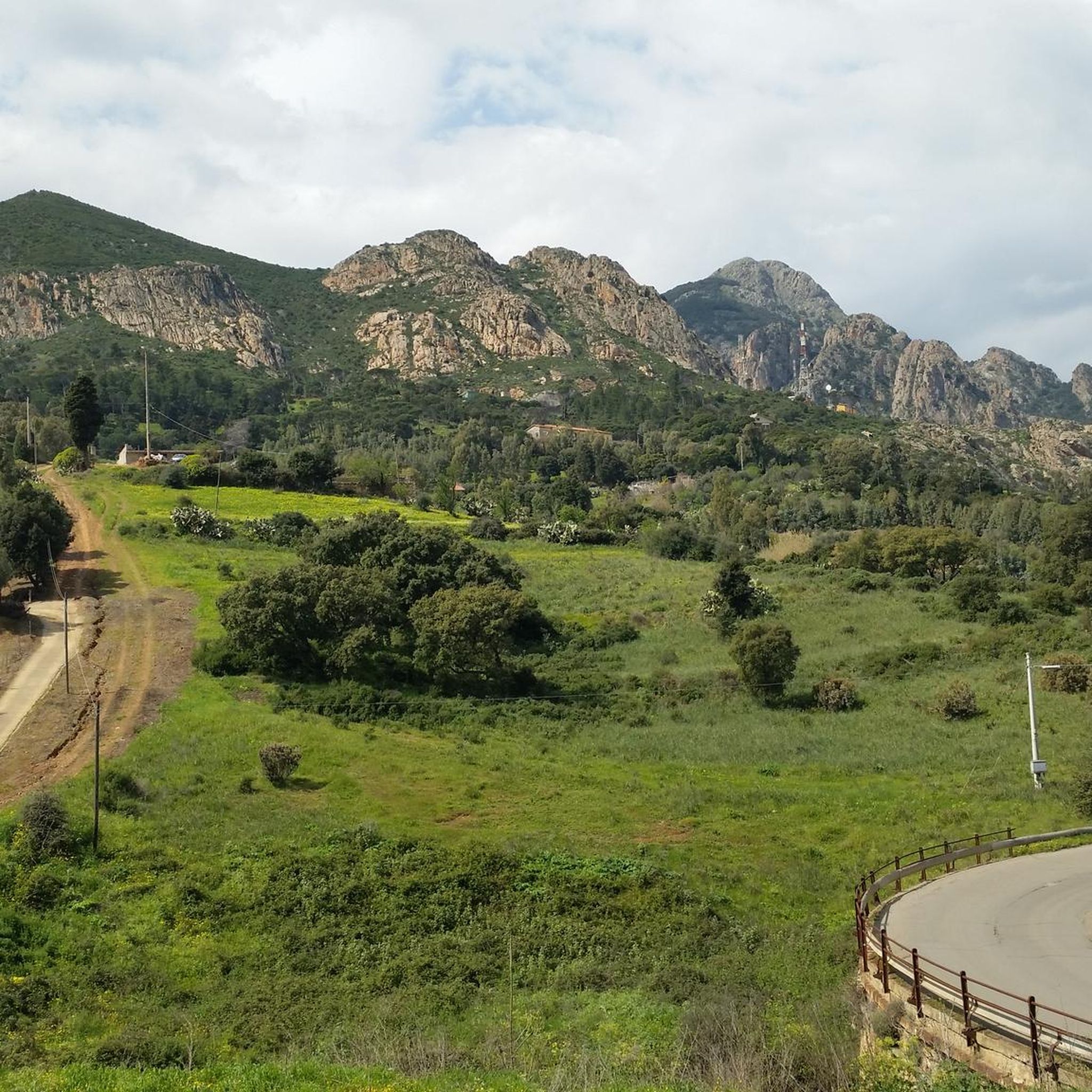
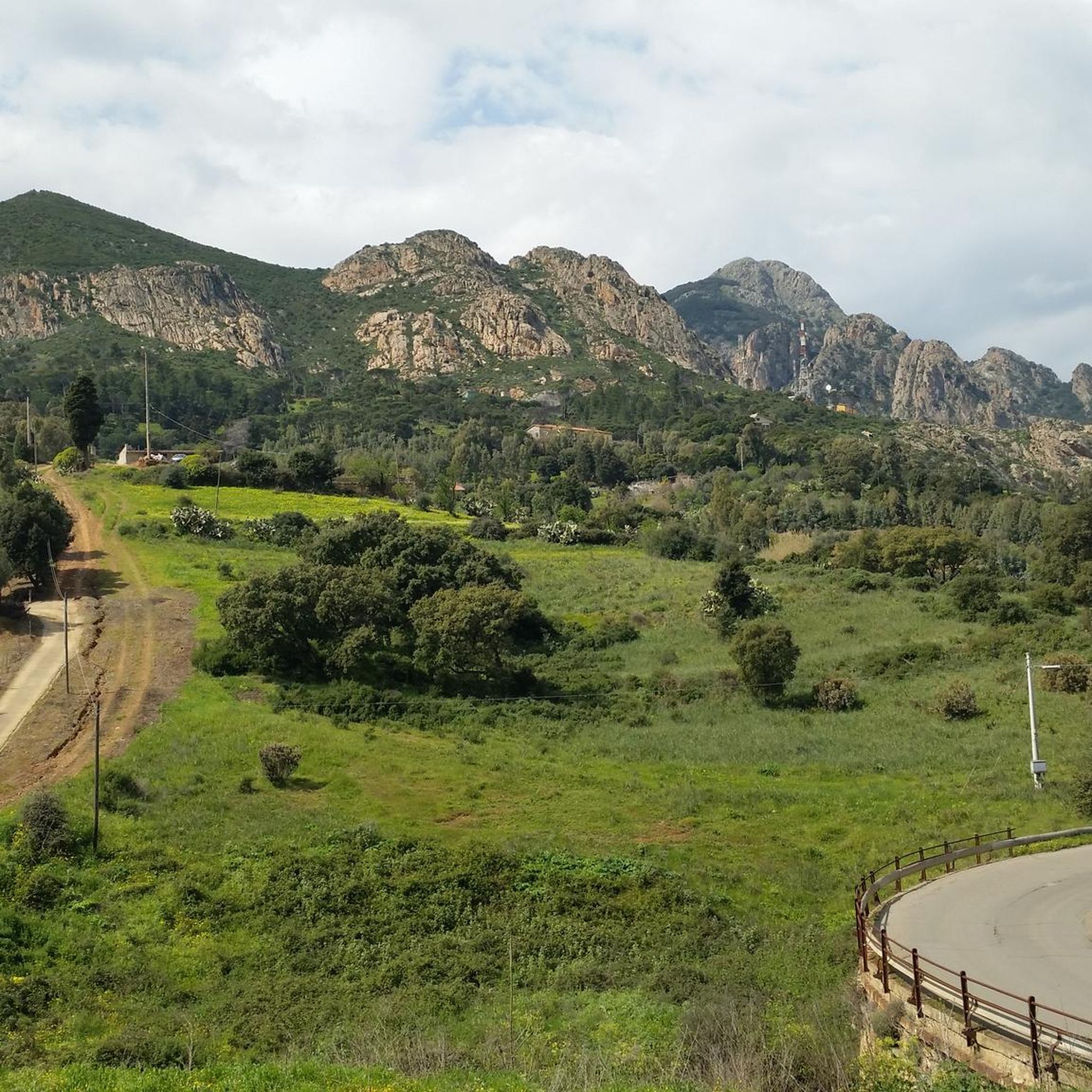
Scenic waterfall at the gates of Villacidro, Sa Spendula is the last stretch of the Coxinas river, which makes three leaps between high granite walls for a drop of about 60 meters. Easily reachable from the town, it is particularly striking between autumn and spring, when the water flow is greater, and is often combined with excursions to the nearby waterfalls of Piscina Irgas and Muru Mannu.
0
0

The route is accessible by public transport. From Cagliari, take ARST bus line 211 to Villacidro (starting point).
0
0

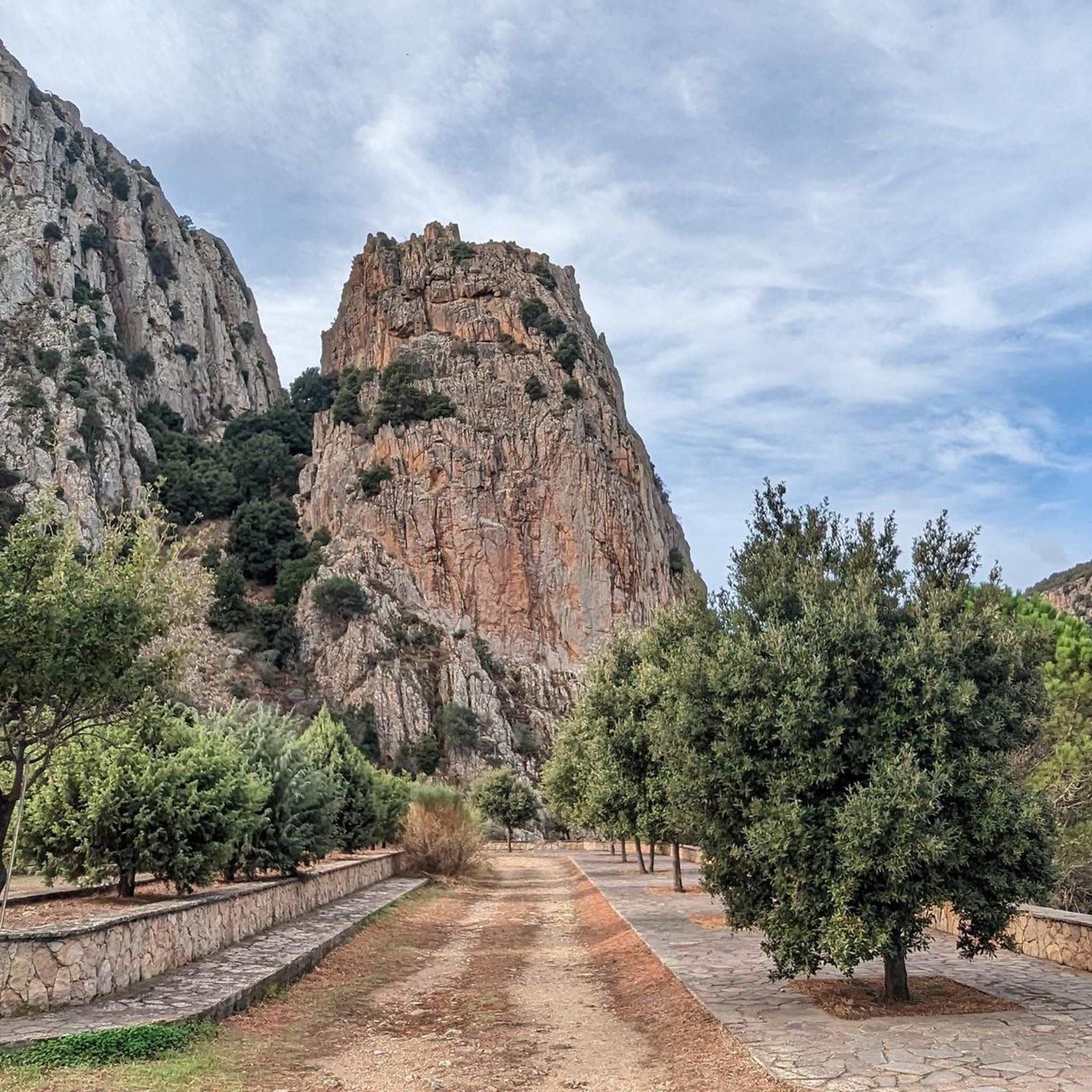
In the hilly landscape around Villacidro, nestled between granite rocks and scrubland, grow olive trees several centuries old. Their gnarled trunks and twisted branches speak of wind, drought, and the patience of the earth. This tree has likely been here since the 16th or 17th century – planted by farmers who relied on olive oil for their livelihood. Villacidro was once an important agricultural center in southern Sardinia. Even today, old terraces, dry stone walls, and abandoned oil mills characterize the landscape. Many of the trees continue to bear fruit – slowly but steadily. Special feature: The tree pictured here belongs to the so-called "ulivi secolari" – long-established olive trees that appear almost sculptural due to their shape, size, and history. In Sardinia, they are considered symbols of permanence – deeply rooted, scarred, but vibrant.
0
0

Even in mid-June 2024, it's only a trickle. But it's still a pretty place.
1
0

A dilapidated dam - a true "lost place" in a dreamlike setting. Difficult to access, you should not be afraid of heights on some passages; sturdy shoes are a must!
1
0

A really nice little place where Murali (wall paintings) play a big role. The houses are lovingly decorated with flowers and other accessories. Otherwise the place offers nothing. So if you don't like wall paintings, you don't need to make a detour here
0
0

Unfortunately, now in October the waterfall has no water. Still, there is really something going on here.
1
0
Frequently Asked Questions
What natural attractions can I explore near Serramanna?
The region offers several natural highlights. You can visit Sa Spendula Waterfall, a picturesque spot near Villacidro, though its water flow can be limited in drier months. Another unique natural feature is the Ancient Olive Tree Near Villacidro, a centuries-old 'ulivi secolari' symbolizing permanence in Sardinia. For a more adventurous experience, the dilapidated Coxinas Dam offers a 'lost place' in a scenic setting.
Are there any historical or cultural sites to visit in Serramanna and its surroundings?
Yes, Serramanna and nearby towns are rich in history and culture. The town itself features several significant churches, including the San Leonardo Parish Church with its blend of Gothic-Catalan and Baroque styles, and the Church of Sant'Angelo, which houses the Museum of Memory and Religious Traditions. You can also explore the historic center with its traditional Campidanese houses. Just outside Serramanna, the Murals of San Sperate are a must-see, known as the first murals created in Sardinia. San Sperate also boasts the Megalithic Garden of San Sperate, featuring stone sculptures inspired by prehistoric art.
What archaeological sites are present in the Serramanna area?
The region has a deep historical past with several archaeological sites. You can find the ancient menhir Perda Fitta, Menhir Sa Sennoredda, dating back to the late Neolithic period, which represents the Mother Goddess. Additionally, Nuragic structures in Santa Luxeria and the Neolithic village of Cuccuru Ambudu indicate early settlements in the Serramanna territory.
What outdoor activities can I do near Serramanna?
The area around Serramanna is excellent for outdoor enthusiasts. You can find various routes for hiking, gravel biking, and mountain biking. For hiking, explore trails like the 'Rest Area with Benches – Sa Spendula Waterfall loop' or the 'Murals of San Sperate loop'. If you're interested in cycling, there are numerous options for gravel biking and MTB trails, including routes around Montevecchio and Serrenti. You can find more details on hiking routes around Serramanna.
Are there family-friendly attractions around Serramanna?
Yes, there are several family-friendly options. The Murals of San Sperate offer a colorful and engaging cultural experience for all ages. The Megalithic Garden of San Sperate is another great spot, with its unique stone sculptures and green spaces. Within Serramanna, the Parco Comunale and Parco Giochi (Playground Park) provide green areas for relaxation and play. The Ancient Olive Tree Near Villacidro can also be an interesting and educational stop for families.
What do visitors enjoy most about the attractions near Serramanna?
Visitors particularly appreciate the unique cultural expressions and natural beauty. The Murals of San Sperate are highly praised for their artistic significance and the charming atmosphere they create in the town. Even when water flow is low, Sa Spendula Waterfall is noted as a pretty and scenic spot. The Coxinas Dam is valued by those seeking a 'lost place' experience in a dreamlike setting.
Are there any unique or 'hidden gem' places to discover?
For those seeking something unique, the Coxinas Dam is considered a true 'lost place' with its dilapidated structure set in a beautiful natural environment, offering a distinct experience for adventurous visitors. The traditional Campidanese houses in Serramanna's historic center, with their distinctive courtyards and 'sas lollas', also offer a glimpse into local heritage that might be less frequented by typical tourists.
What is the best time to visit Sa Spendula Waterfall?
While Sa Spendula Waterfall is a picturesque spot year-round, its water flow is significantly reduced in drier months, such as October or mid-June. For the best experience with more water, it is advisable to visit after periods of rain or during the wetter seasons.
Can I find any museums or cultural centers in Serramanna?
Yes, Serramanna is home to the Museo delle Memorie e delle Tradizioni Religiose (Museum of Memory and Religious Traditions), located within the Church of Sant'Angelo. This museum showcases precious sacred furnishings, sculptures, and art, providing insight into the region's religious practices and artistic heritage.
Are there any places to see traditional Sardinian architecture?
Absolutely. The historic center of Serramanna is an excellent place to see typical Campidanese houses. These traditional homes are characterized by their entrance portals, courtyards, and 'sas lollas' (loggias), offering a glimpse into the local architectural style and way of life. Notable examples include Casa Cadoni-Arcais and Casa Abis.
What kind of churches can I visit in Serramanna?
Serramanna features several historically significant churches. The San Leonardo Parish Church is notable for its blend of Gothic-Catalan, Aragonese, and late-Baroque architectural styles. Other important churches include the Church of Sant'Ignazio da Laconi, the 16th-century Church of San Sebastiano, and the Church of Sant'Angelo, which also houses a museum. The rural Church of Santa Maria di Monserrat dates back to the year 1000.
Most popular routes around Serramanna
Most popular attractions around Serramanna

Get inspired with the komoot mobile app


Explore more
Still not found the Highlight you’re looking for? See guides of the top attractions in other regions:
