Attractions and Places To See around Castello-Molina Di Fiemme - Top 20
Best attractions and places to see around Castello-Molina Di Fiemme include a blend of natural landscapes and historical sites within Italy's Trentino-Alto Adige region. The area is situated in the valley of the Avisio river, surrounded by the Dolomites, offering views of Catinaccio, Latemar, and the Val di Non Alps. Visitors can explore ancient forests, picturesque lakes, and historical villages with well-preserved 16th-century buildings. This region provides opportunities for outdoor activities alongside cultural exploration.
Best attractions and places to see…
Last updated: October 9, 2026
Bletterbach Gorge
Highlight (Segment) • Gorge
Showing Translation
Tip by

Gleno Viaduct
Highlight • Bridge
Translated by Google •
Tip by

Sign up now to discover places like this
Get recommendations on the best single tracks, peaks, & plenty of other exciting outdoor places.
Corno Bianco / Weißhorn Summit
Highlight • Summit
From the top, in fact, you can see the Catinaccio, the …
Translated by Google •
Tip by

Fleimstal Railway Tunnel
Highlight • Structure
Showing Translation
Tip by

Fleimstalbahn Viaduct
Highlight • Bridge
Translated by Google •
Tip by

Sign up for free to discover even more attractions around Castello-Molina Di Fiemme.
Already have an account?
Start today with a free account
Your next adventure awaits.
Popular around Castello-Molina Di Fiemme
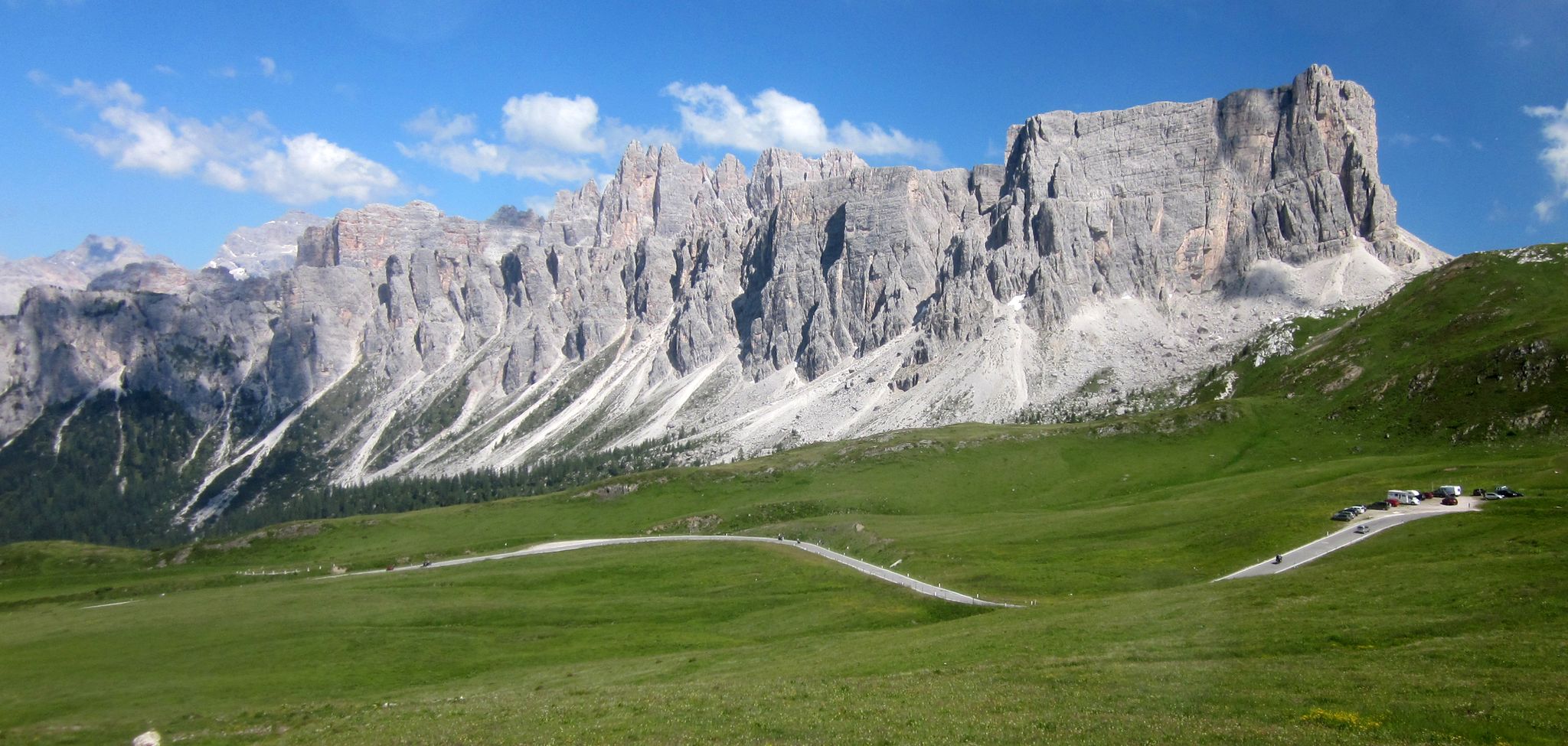
Traversing the Dolomites — the world's most beautiful mountain range
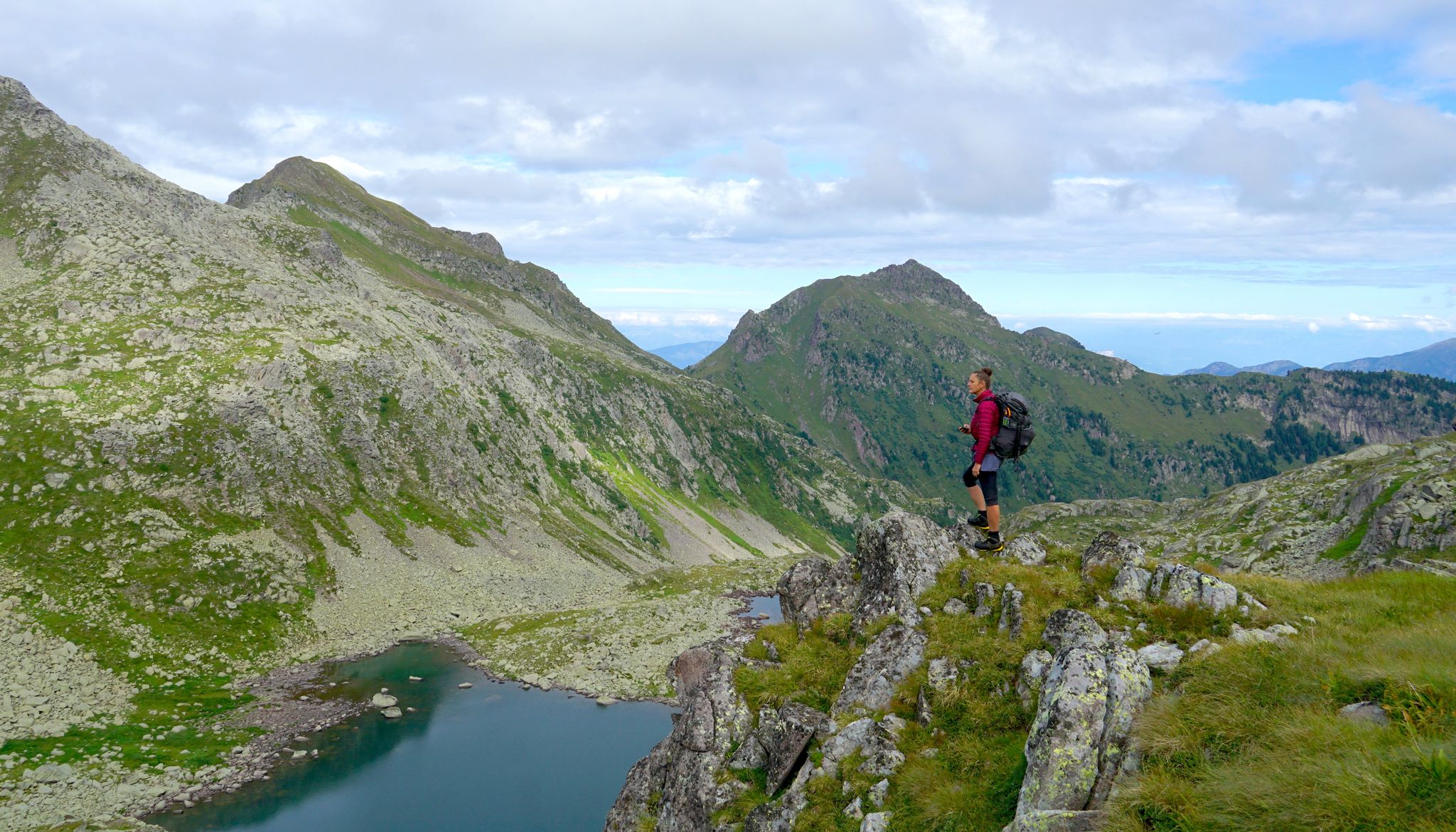
Translagorai – dreamy trekking through the wild heart of Trentino
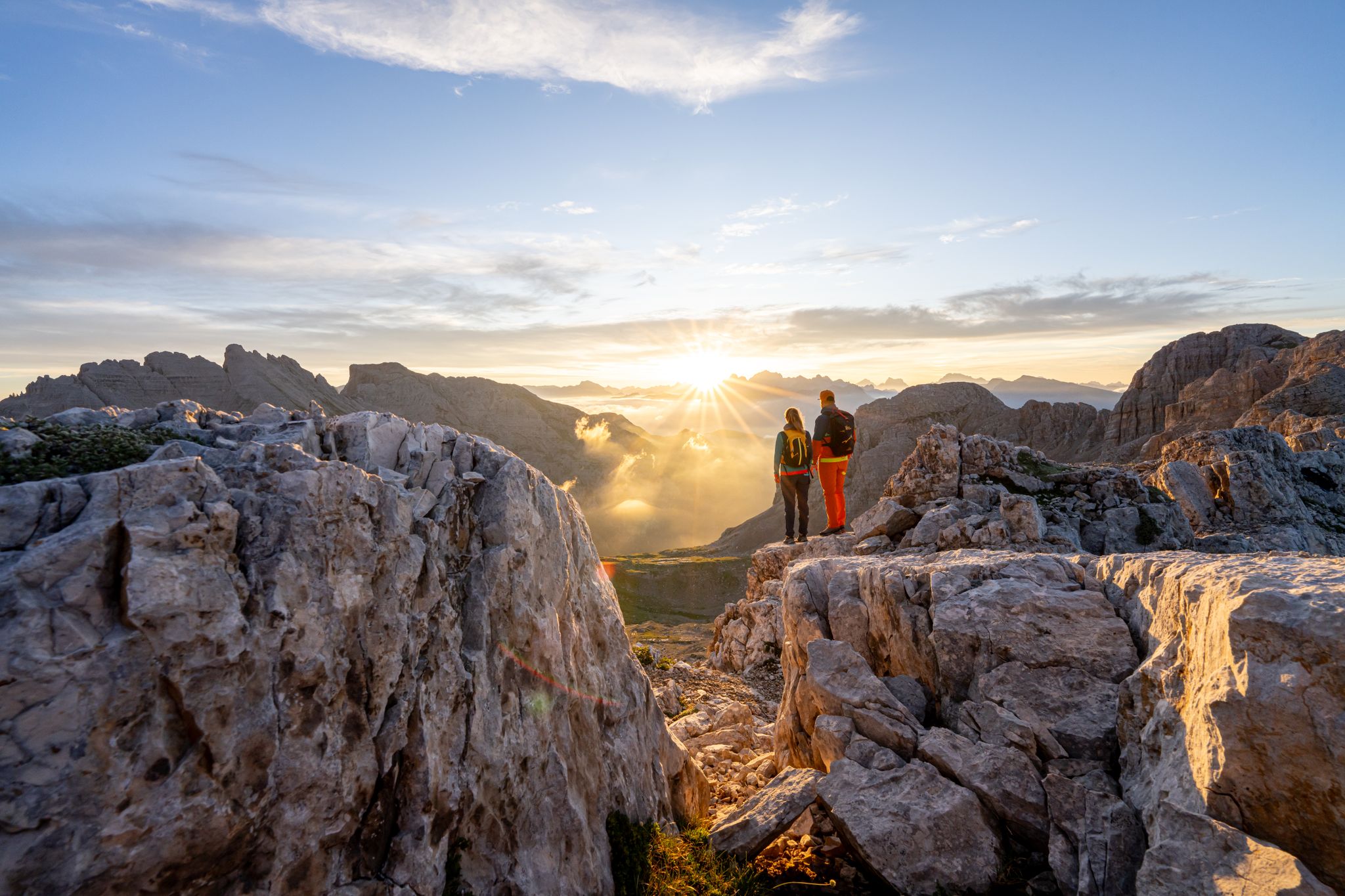
Dolomite Panoramas – 10 excursions in Val di Fiemme
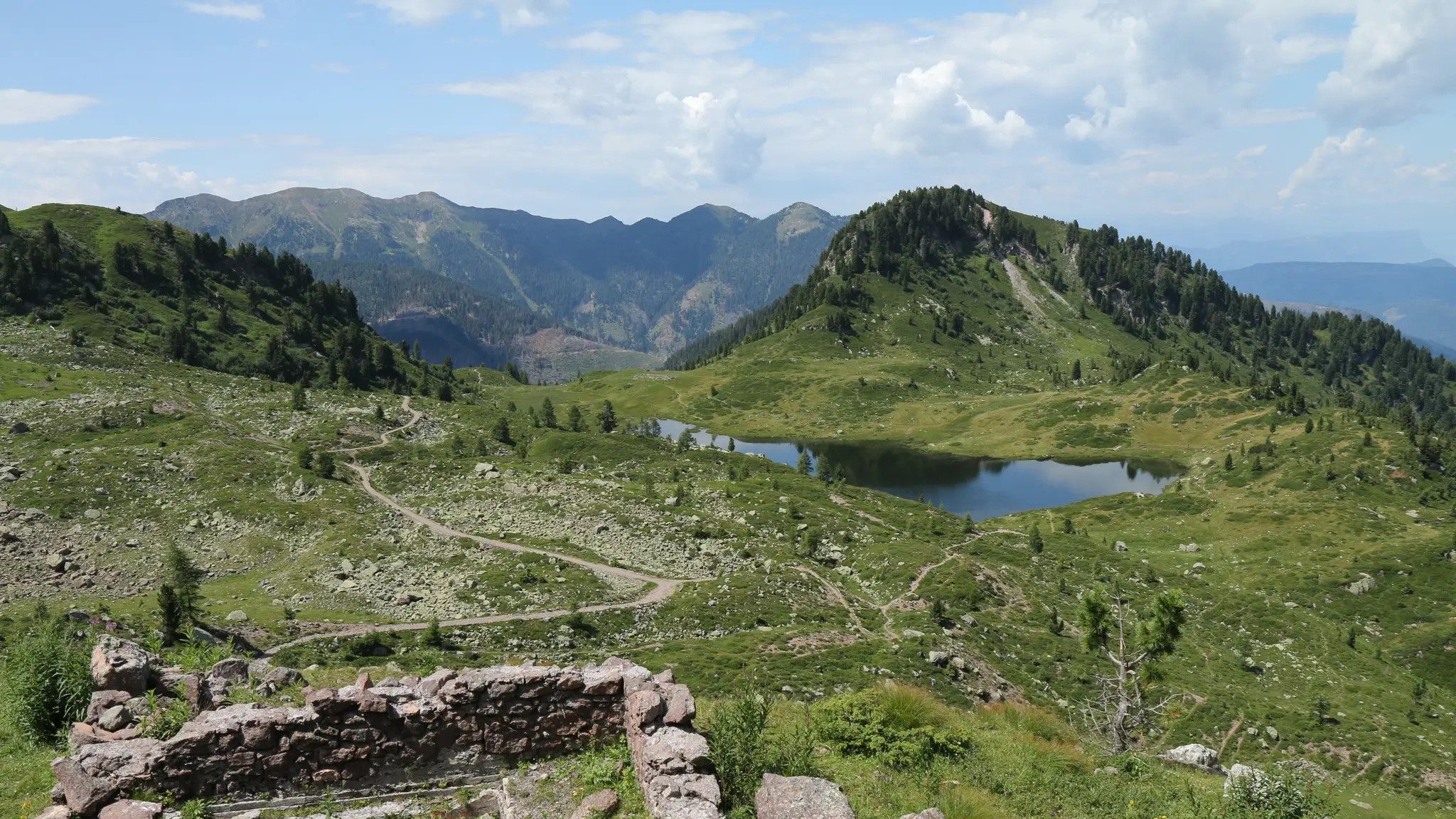
A hut hike through Italy’s Lagorai massif – Alta Via Lagorai Panorama
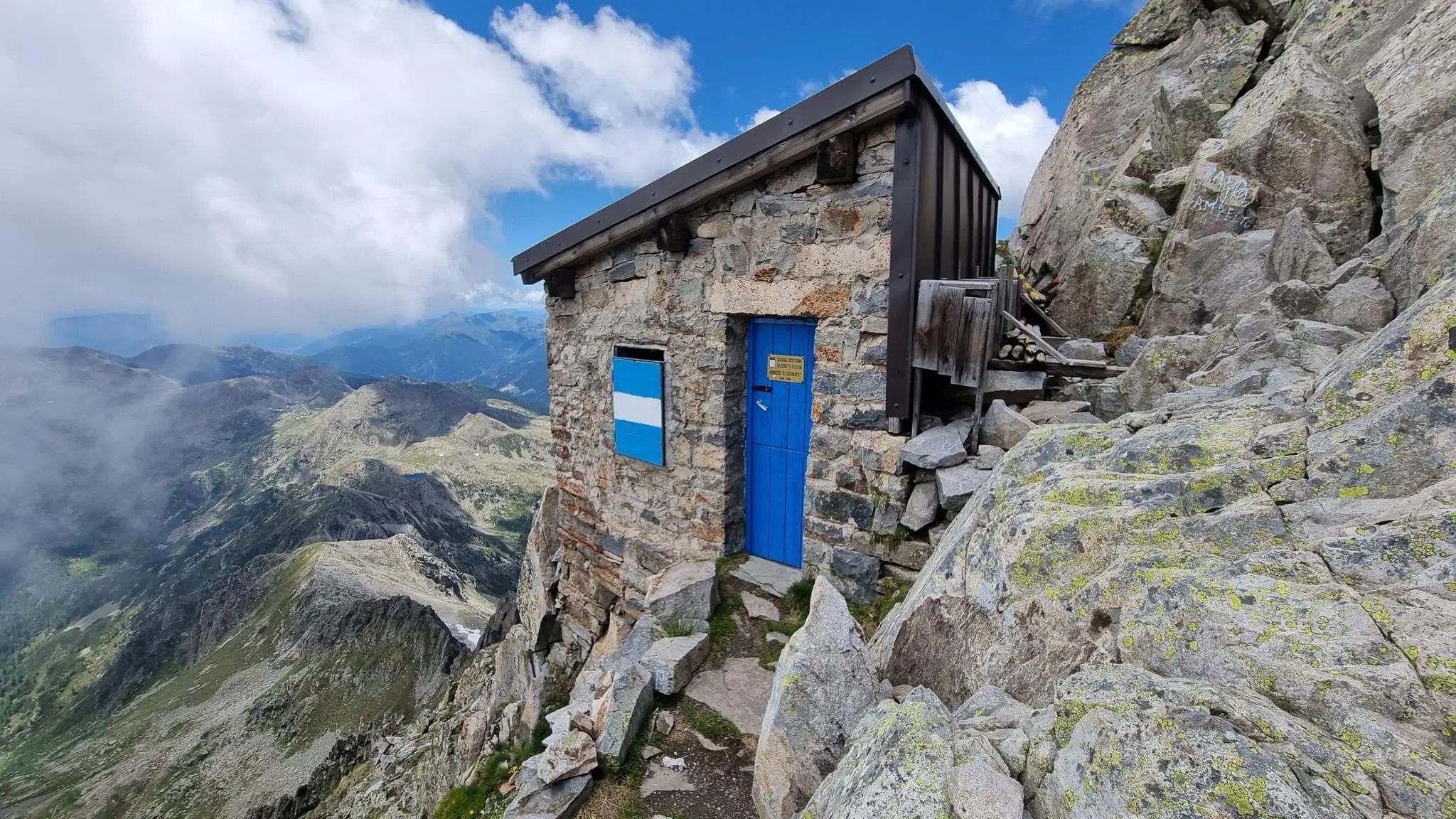
Alta Via del Centenario – hike among vestiges of the First World War in Italy
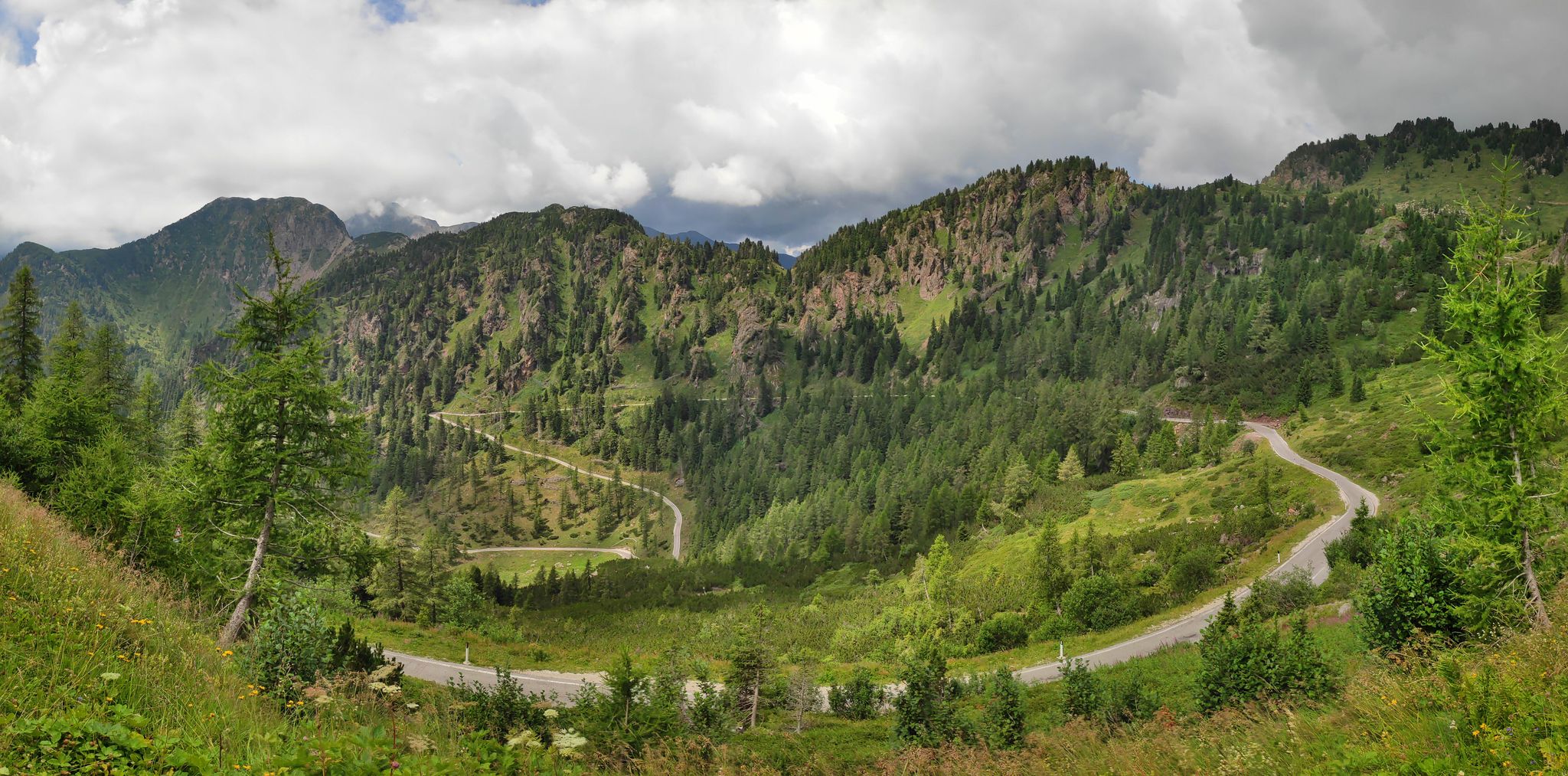
Test yourself uphill – Sportful Dolomiti Race
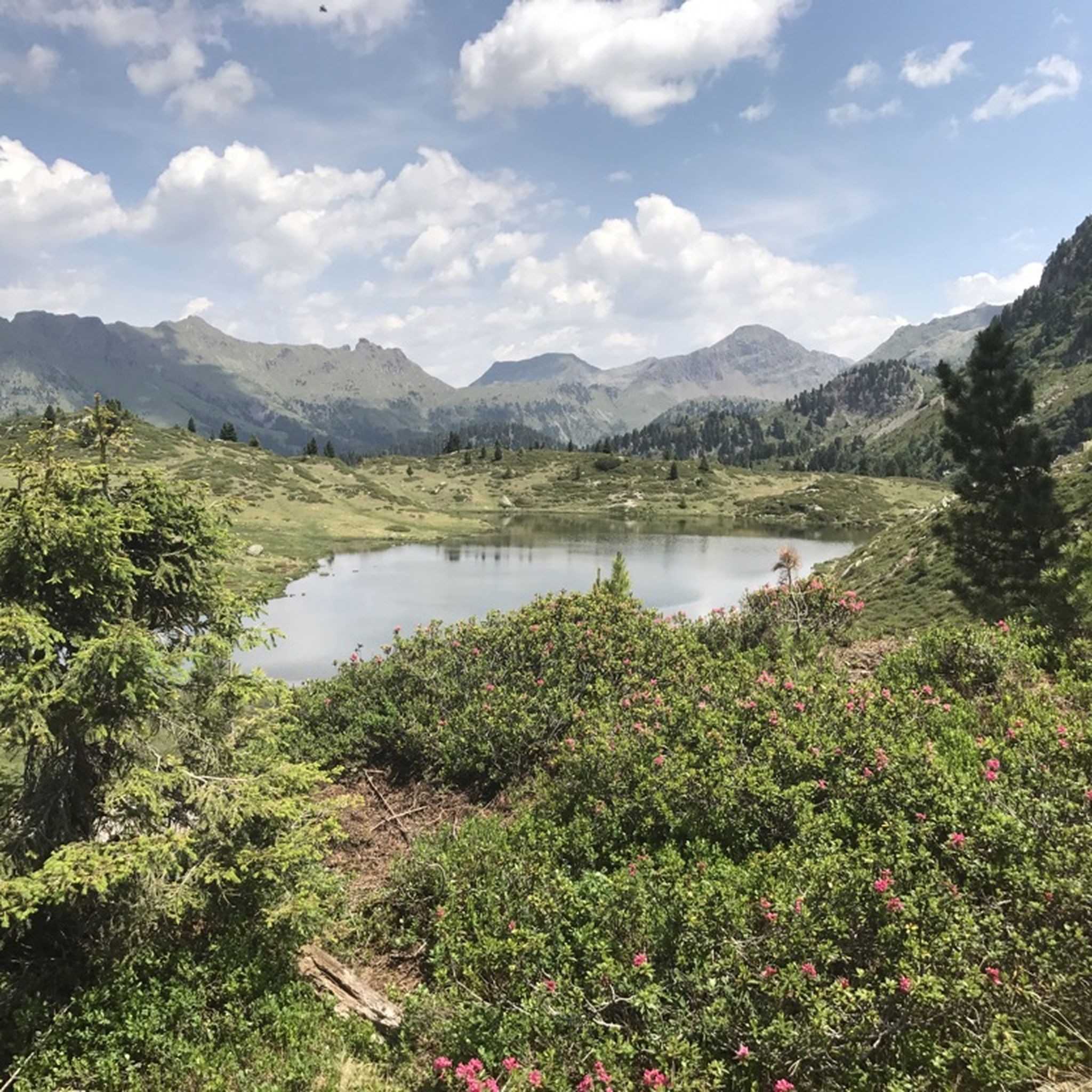
Hiking around Castello-Molina Di Fiemme
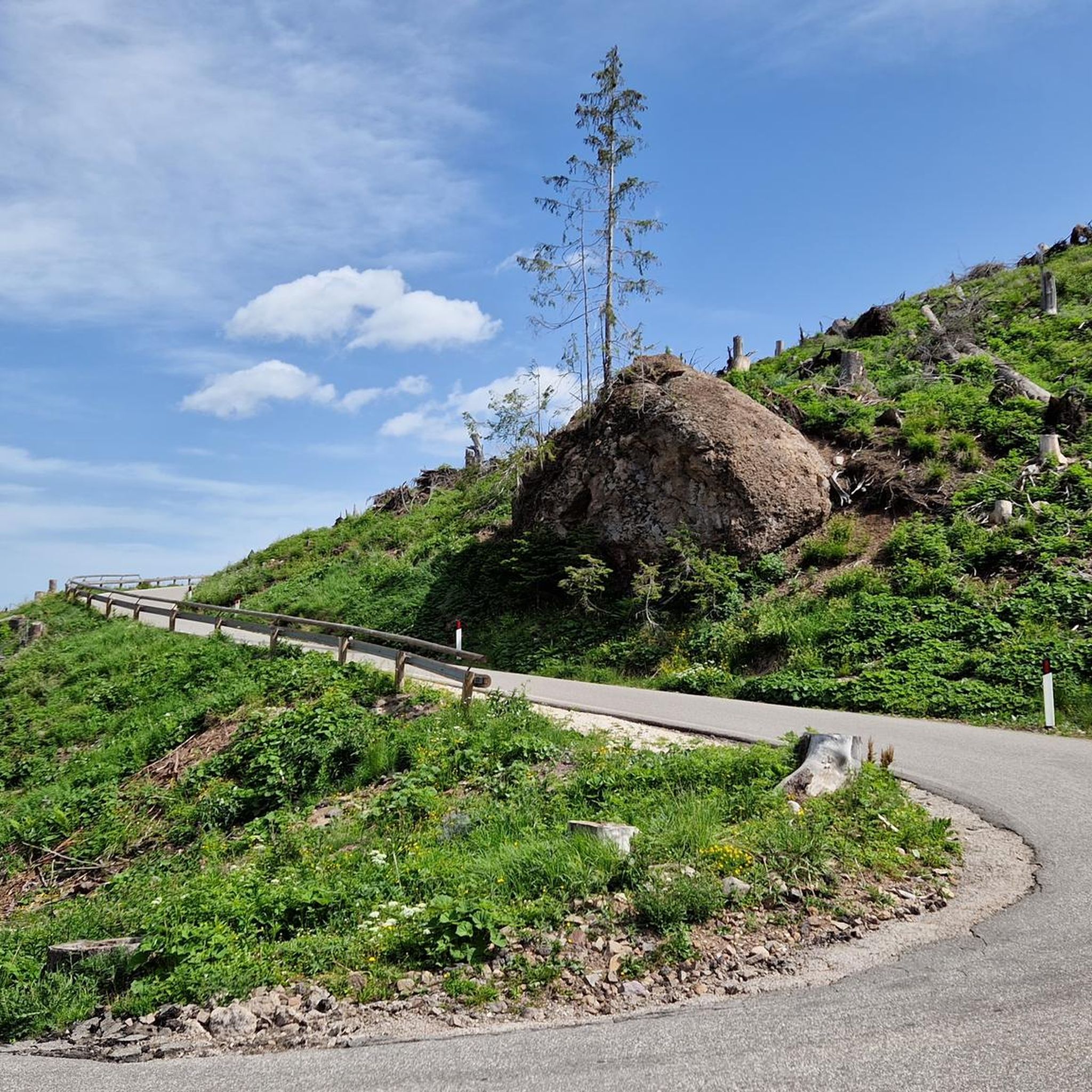
Cycling around Castello-Molina Di Fiemme
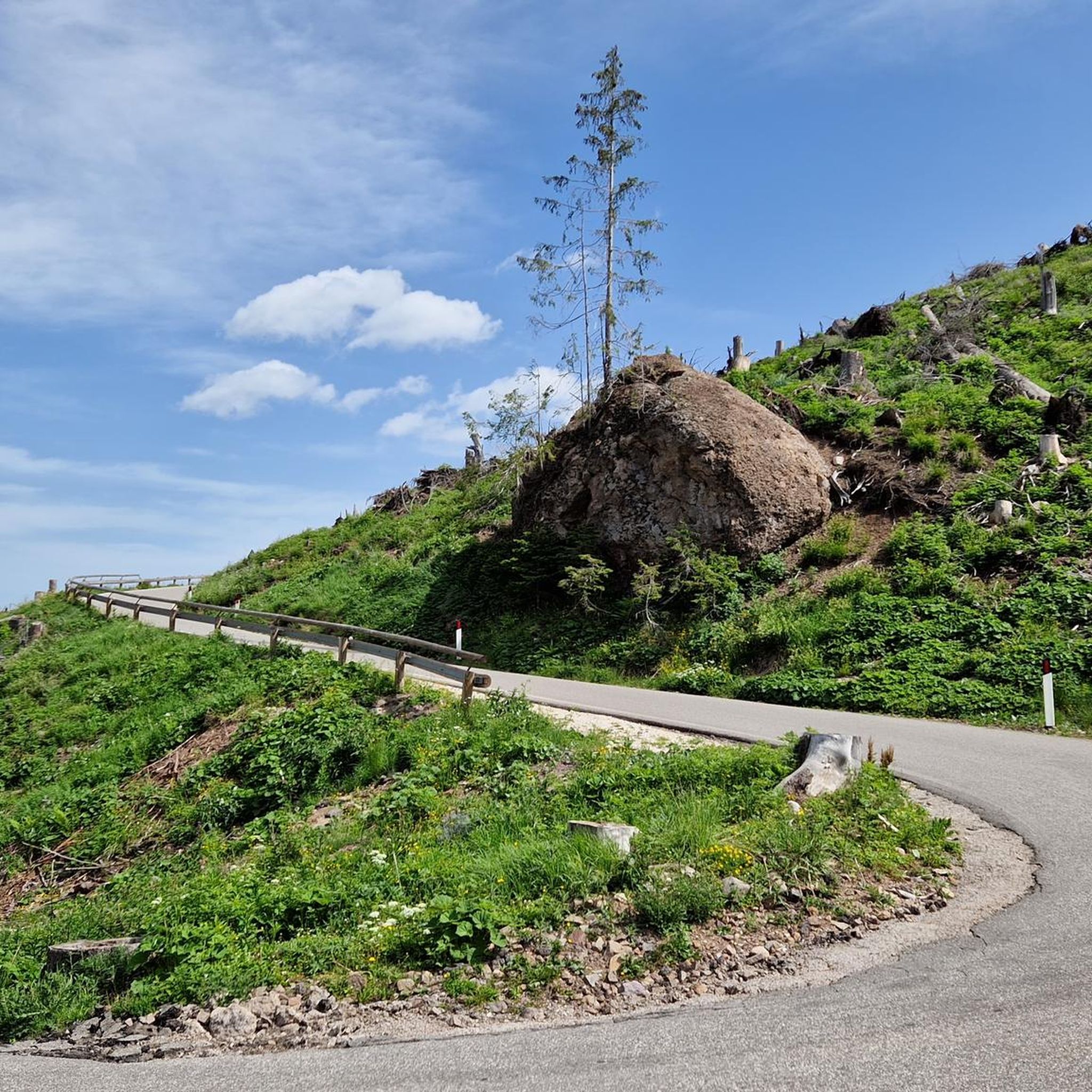
Road Cycling Routes around Castello-Molina Di Fiemme
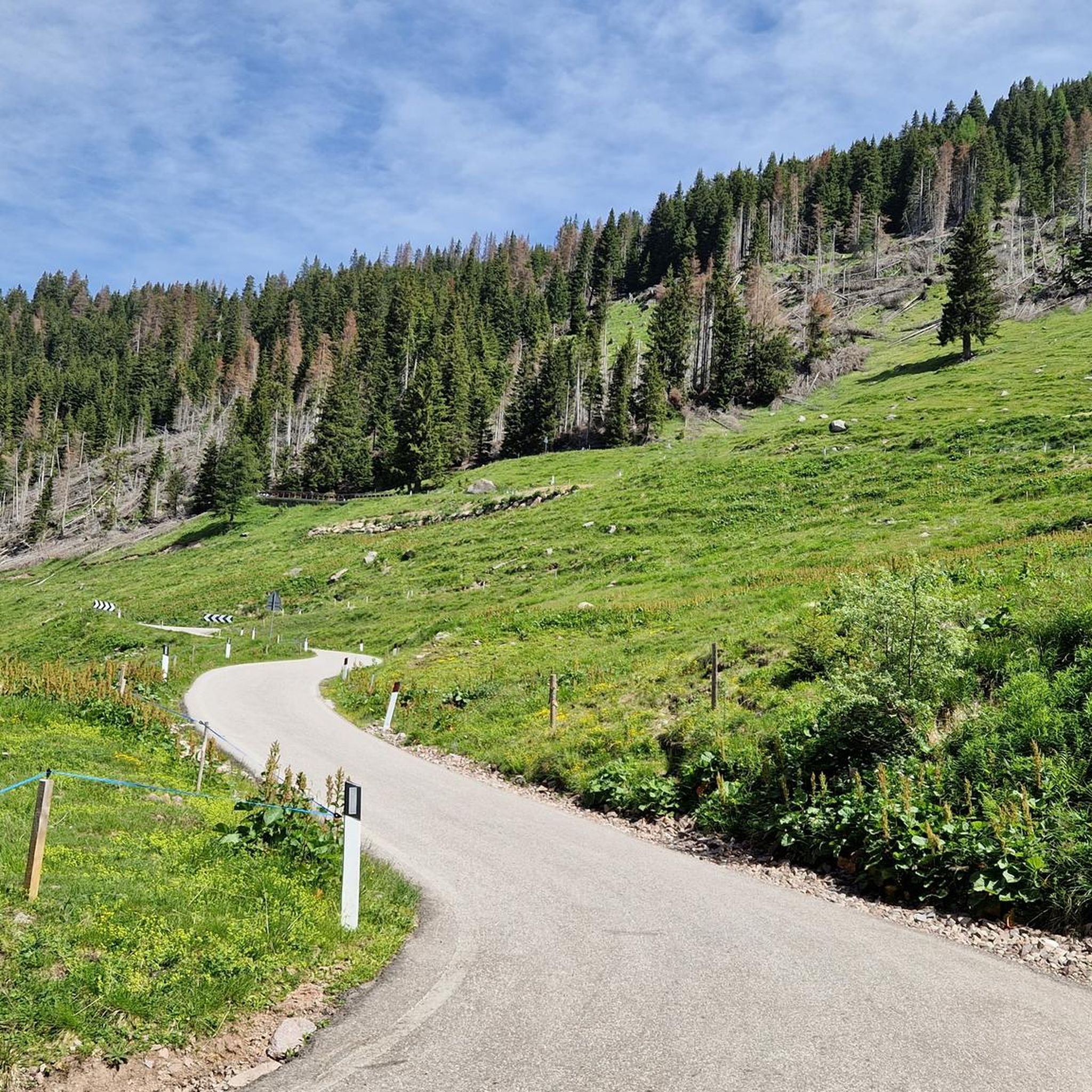
Running Trails around Castello-Molina Di Fiemme
Other adventures around Castello-Molina Di Fiemme


Tips from the Community

Old railway path with a beautiful bridge overlooking the plantations.
0
0

The summit of Corno Bianco rises to 2,316 meters above sea level and offers an impressive 360 degree view. From the top, in fact, you can see the Catinaccio, the Latemar, the Val di Non Alps, as well as on Lavazè, the Corno Nero and up to the Val d'Adige. The effort is amply rewarded.
2
3

Fantastic! Almost more beautiful seen from afar than walking along it.
3
2
The former railway tunnels have remained unchanged over time. The only convenience is that they are illuminated and the lights are controlled by a sensor, they turn on as the cyclist approaches the tunnel. Excellent solution to avoid unnecessary waste and congratulations for the initiative.
3
1

A masterpiece of the track builders of that time, I take my hat off to them, the landscape is a dream.
4
0

The railway viaduct of the former Fiemme Valley Railway was built in 1917 and the gradient of the route is an average of 3 percent.
2
0


The Bletterbach is a watercourse located in the area of the municipality of Aldine and forms the Bletterbach gorge at the foot of the 2,316 m high Corno Biano, also known as the "Grand Canyon of South Tyrol". The gorge, which was formed about 15,000 years ago in the ice age, is about eight kilometers long and 400 meters deep. It has been slowly sculpted by water erosion, making different sedimentary layers visible. In addition to the geological interest, the Bletterbach Gorge offers a unique landscape. It is impressive to walk between the steep walls of the gorge. Access is allowed only with a protective helmet and the entrance to the park is paid but it's worth it.
2
0
Frequently Asked Questions
What natural attractions can I explore around Castello-Molina di Fiemme?
The region offers a wealth of natural beauty. You can visit the picturesque Lago delle Stellune for relaxation, or explore the ancient forests and breathtaking landscapes within the Parco Naturale Paneveggio-Pale di San Martino. The area is also surrounded by the majestic Italian Dolomites, providing stunning views of Catinaccio, Latemar, and the Val di Non Alps. Don't miss the unique Bletterbach Gorge, known for its geological formations and fossil finds.
Are there historical sites or cultural attractions to visit in Castello-Molina di Fiemme?
Yes, both Castello and Molina preserve a rich historical character. In Castello, you can see the 19th-century Parish Church of S. Giorgio and the medieval "Roman Houses" with their distinctive wooden outdoor staircases and sacred frescoes. Molina is home to the Parish Church of S. Antonio from Padova. For a deeper dive into local heritage, visit the Museo Etnografico della Civiltà Contadina, which showcases traditional objects and local history.
What kind of hiking opportunities are available near Castello-Molina di Fiemme?
Castello-Molina di Fiemme is an excellent base for hiking, with hundreds of routes traversing meadows and forests. You can find trails suitable for various skill levels. For example, you can explore routes like the Monte Ziolera and Lago delle Buse Loop. Many more options are available in the surrounding area; you can find detailed hiking routes on the Hiking around Castello-Molina Di Fiemme guide.
Can I go cycling around Castello-Molina di Fiemme?
Absolutely. Molina serves as a starting point for the scenic Cycle Route of the Dolomites. You can also cycle along the historic Gleno Viaduct, which is now part of a cycle path offering views over the Adige Valley. Another interesting route is the Fleimstal Railway Tunnel, part of the former railway line. For more cycling adventures, check out the Cycling around Castello-Molina Di Fiemme guide.
Are there any family-friendly activities or attractions in the area?
Yes, families can enjoy the Acrobatic Park and Tarzaning for adventure and fun. The Fleimstal Railway Tunnel is also considered family-friendly, offering an atmospheric ride through former railway tunnels with automatic lighting. The numerous easy hiking trails and the general natural environment provide ample opportunities for family outings.
What is the best time of year to visit Castello-Molina di Fiemme for outdoor activities?
The best time depends on your preferred activities. Summer is ideal for hiking, trekking, and cycling, with hundreds of routes available. Winter transforms the region into a paradise for snow sports, offering cross-country skiing on the Marcialonga track, downhill skiing at nearby resorts like Cermis and Pampeago, and ski mountaineering on the Lagorai chain.
Where can I experience panoramic views of the Dolomites?
For breathtaking panoramic views, head to the Corno Bianco / Weißhorn Summit. Rising to 2,316 meters above sea level, it offers an impressive 360-degree vista of the Catinaccio, Latemar, Val di Non Alps, and beyond. The region itself, situated in the valley of the Avisio river, is surrounded by the majestic Italian Dolomites, providing stunning backdrops throughout.
What winter sports can I enjoy in Castello-Molina di Fiemme?
In winter, Castello-Molina di Fiemme is a hub for snow sports. Cross-country skiing is very popular, with the renowned Marcialonga track passing through Molina. Downhill skiing is available at nearby ski areas such as Cermis and Pampeago. For those seeking more challenging adventures, ski mountaineering can be enjoyed on the Lagorai chain, and snowshoeing routes are accessible towards Passo Manghen.
Are there any specific landmarks in the villages of Castello and Molina?
In Castello, you can find the Parish Church of S. Giorgio, perched on a rocky hill, and the unique medieval "Roman Houses." The village's narrow streets also feature old country-noble houses with wooden outdoor staircases. In Molina, the main landmark is the Parish Church of S. Antonio from Padova, built in 1852. Both villages retain a historic charm with well-preserved 16th-century buildings.
What are some easy trails suitable for a leisurely walk?
While specific easy trails are not detailed, the region offers numerous walks through meadows and forests that are suitable for a leisurely pace. The Cycle Route of the Dolomites, starting from Molina, also provides a relatively flat and scenic path that can be enjoyed on foot for shorter distances. The former railway lines, like the one leading to the Fleimstal Railway Tunnel, are generally smooth and accessible for easy walks.
Is Castello-Molina di Fiemme a good base for exploring the wider Fiemme Valley?
Yes, Castello-Molina di Fiemme is strategically located in the valley of the Avisio river, making it an excellent base for exploring the broader Fiemme Valley and the surrounding Dolomites. Its central position allows easy access to various natural parks, ski resorts, and historical towns within the region. You can find more information about the area on the official tourism websites, such as Visit Trentino or Visit Fiemme.
Most popular routes around Castello-Molina Di Fiemme
Most popular attractions around Castello-Molina Di Fiemme

Get inspired with the komoot mobile app


Explore more
Still not found the Highlight you’re looking for? See guides of the top attractions in other regions:
