Top 6 Castles around Campitello Di Fassa
Best castles around Campitello Di Fassa are found within the Fassa Valley and the broader Trentino region, offering a blend of historical significance and dramatic Dolomite scenery. This area is characterized by its alpine landscape, traditional Ladin culture, and opportunities for outdoor exploration. The castles here range from well-preserved fortresses to scenic ruins, often situated in strategic locations with panoramic views.
Best castles around Campitello Di Fassa
- The most popular castles is Ruins of Castelvecchio (Salegg Castle), a castle that is a short detour from the Oswald-Von-Wolkenstein-Weg. This 12th-century building was once owned by the Tyrolean poet Oswald von Wolkenstein and offers a small area with seating and local legends.
- Another must-see spot is Ruins of Wolkenstein Castle, a castle located at over 1,600 meters high in the Stevia rock face. This 13th-century castle served a strategic function guarding the crossing over the Gardena Pass, and today its south-facing wall and courtyard are preserved.
- Visitors also love Fischburg Castle (Ciastel de Gherdëina), a castle built between 1622 and 1641 as a summer residence and hunting lodge. Its impressive exterior and historical significance make it a worthwhile stop for admiration from afar, though it is privately owned and not open for interior visits.
- Campitello Di Fassa is known for its historical castle ruins and privately owned castles. Visitors can explore a variety of historical sites, from medieval fortresses to Renaissance-era residences, often set against the backdrop of the Dolomites.
- The castles around Campitello Di Fassa are appreciated by the komoot community, with more than 400 photos and over 400 upvotes shared by visitors.
Last updated: May 3, 2026
Ruins of Castelvecchio (Salegg Castle)
Highlight • Castle
Hidden under a thick rock is a small area with seating (for children) and a thick book with short stories and legends from the area to read aloud.
Translated by Google •
Tip by

Ruins of Wolkenstein Castle
Highlight • Castle
Translated by Google •
Tip by

Sign up now to discover places like this
Get recommendations on the best single tracks, peaks, & plenty of other exciting outdoor places.
Sign up for free
Fischburg Castle (Ciastel de Gherdëina)
Highlight • Castle
Translated by Google •
Tip by

Ruins of Hauenstein Castle
Highlight • Castle
Translated by Google •
Tip by

Castel Gardena (Fischburg)
Highlight • Castle
Translated by Google •
Tip by

Sign up for free to discover even more castles around Campitello Di Fassa.
Sign up for free
Already have an account?
Start today with a free account
Your next adventure awaits.
Login or Signup
Popular around Campitello Di Fassa
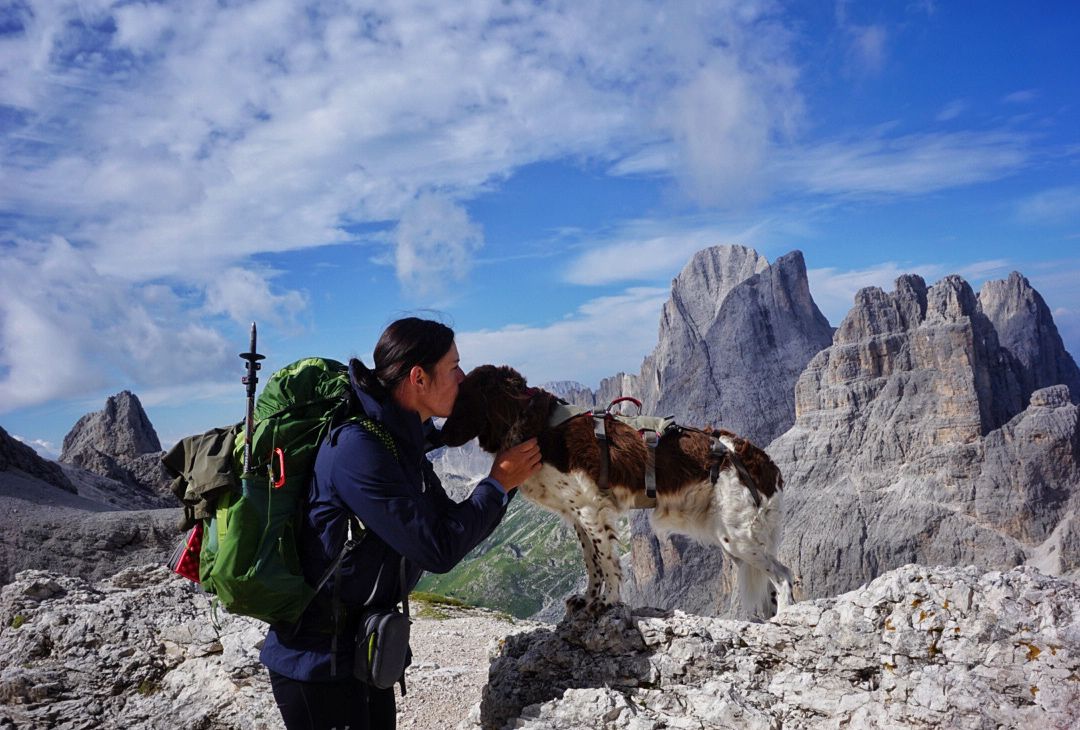
The extra-large Dolomites round – an out-of-this-world hiking adventure
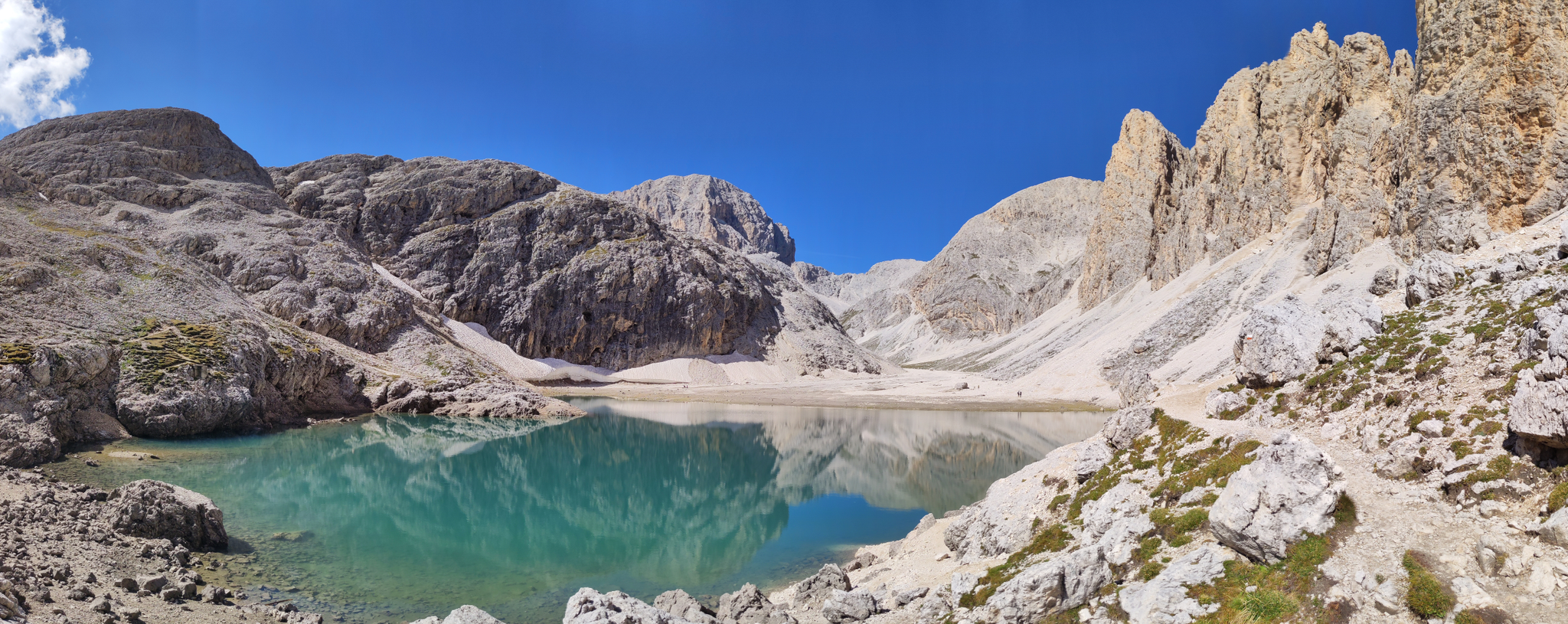
Dolomiti Trek-King – autumnal wonder
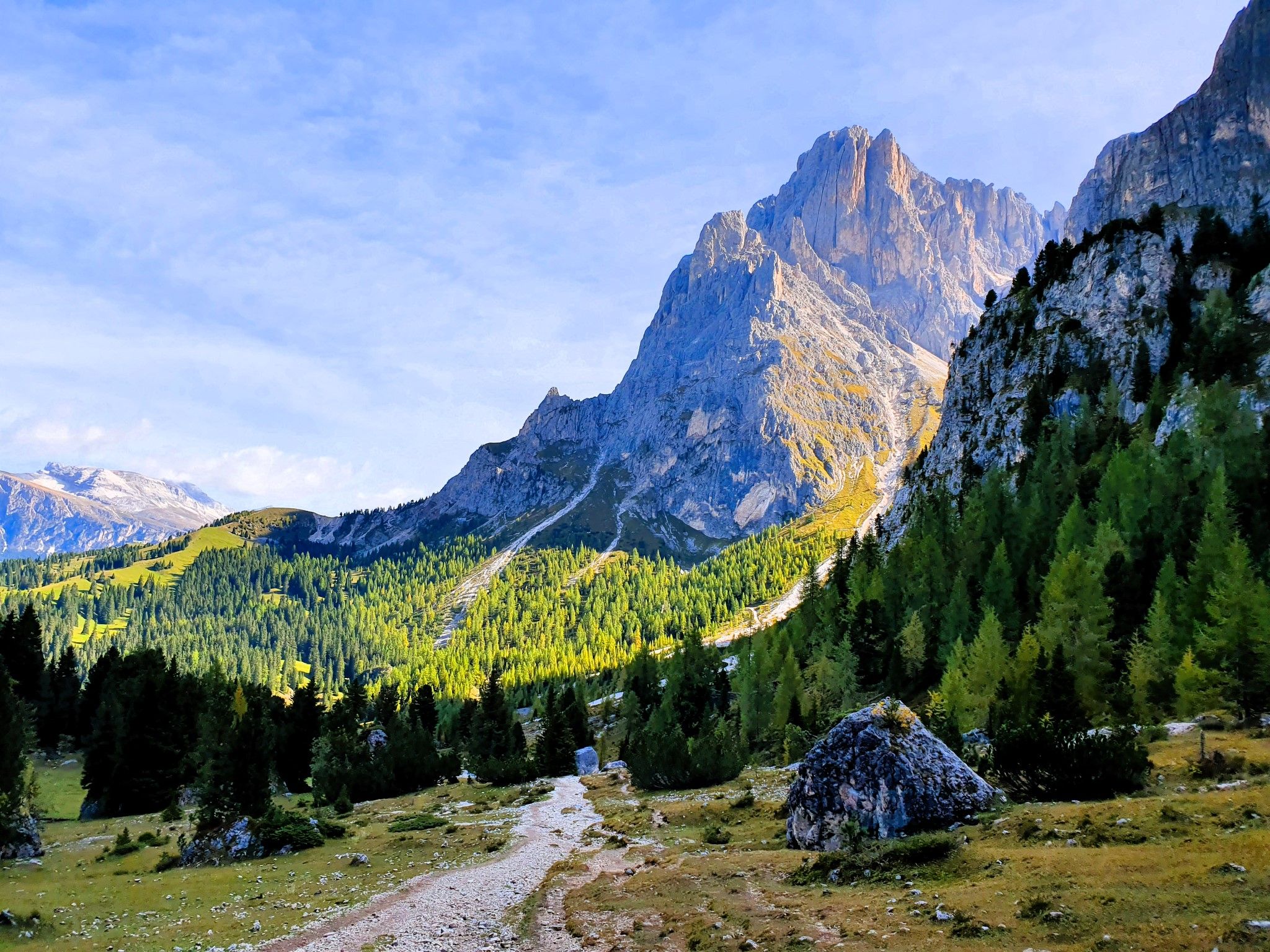
Trail running between the Sciliar and the Puez – Bolzano to Selva
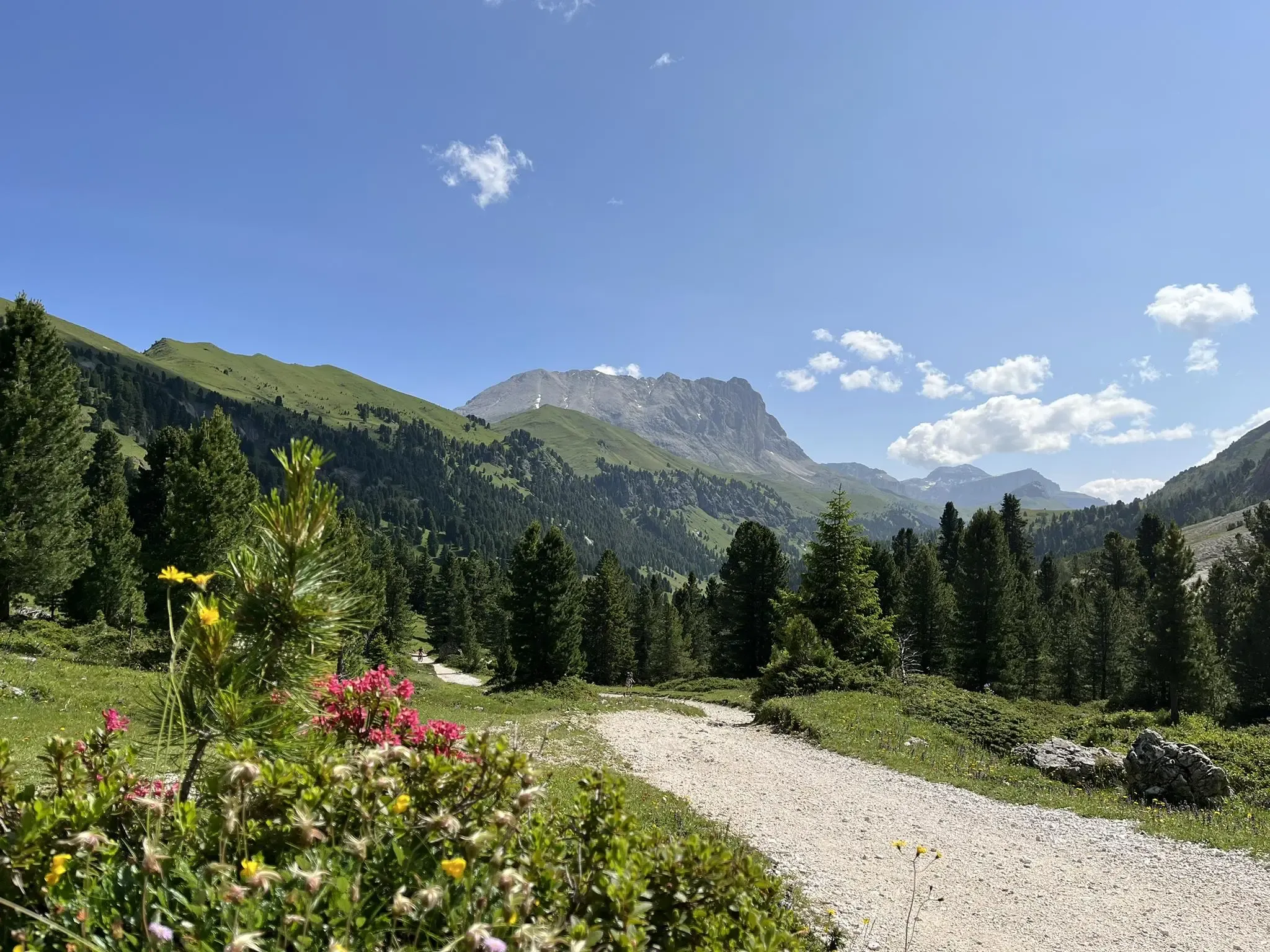
Three days in the Val di Fassa – Dolomiti Trek-King
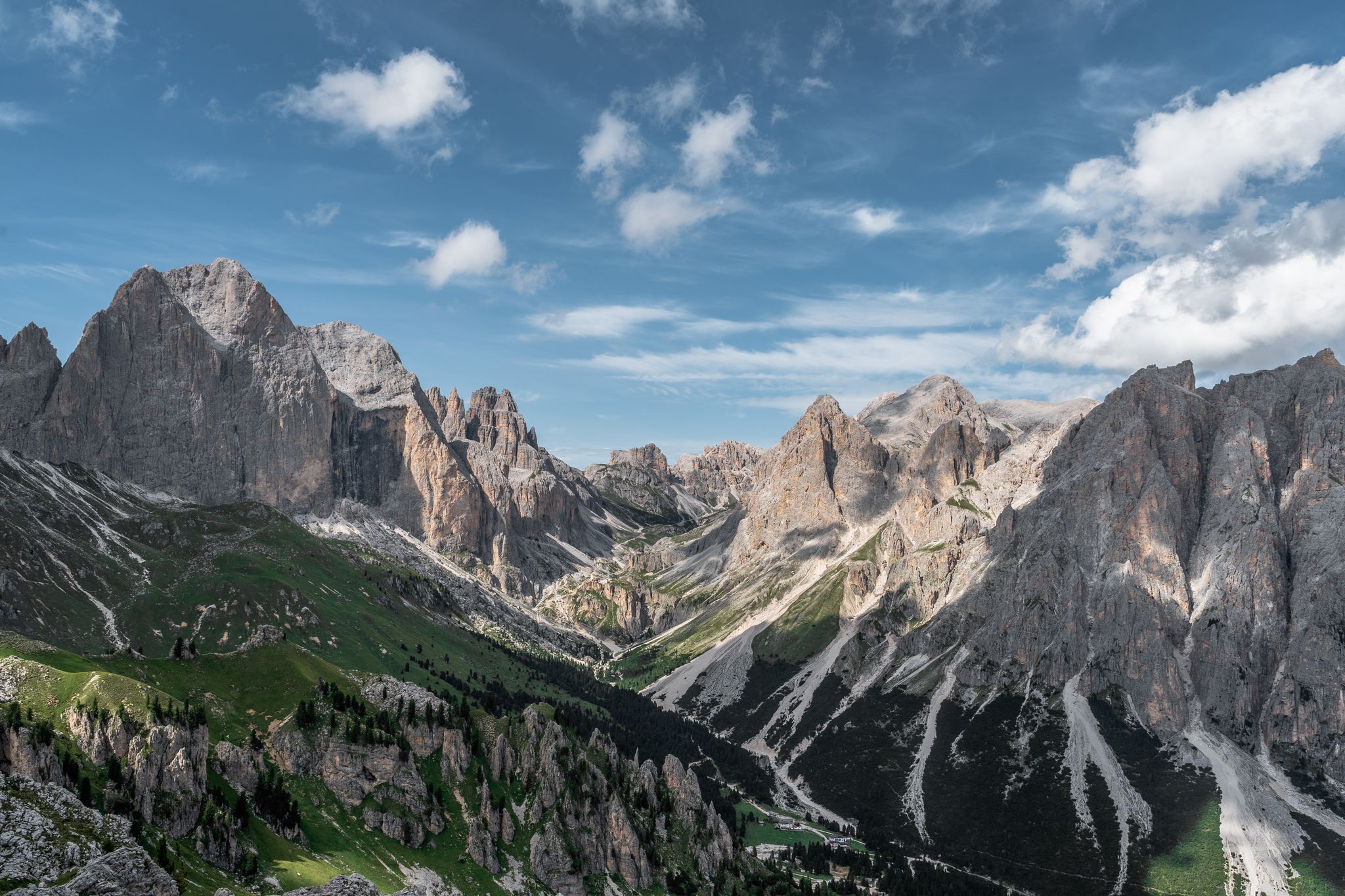
Between lakes, refuges and forests – trekking in the Fassa Valley Dolomites
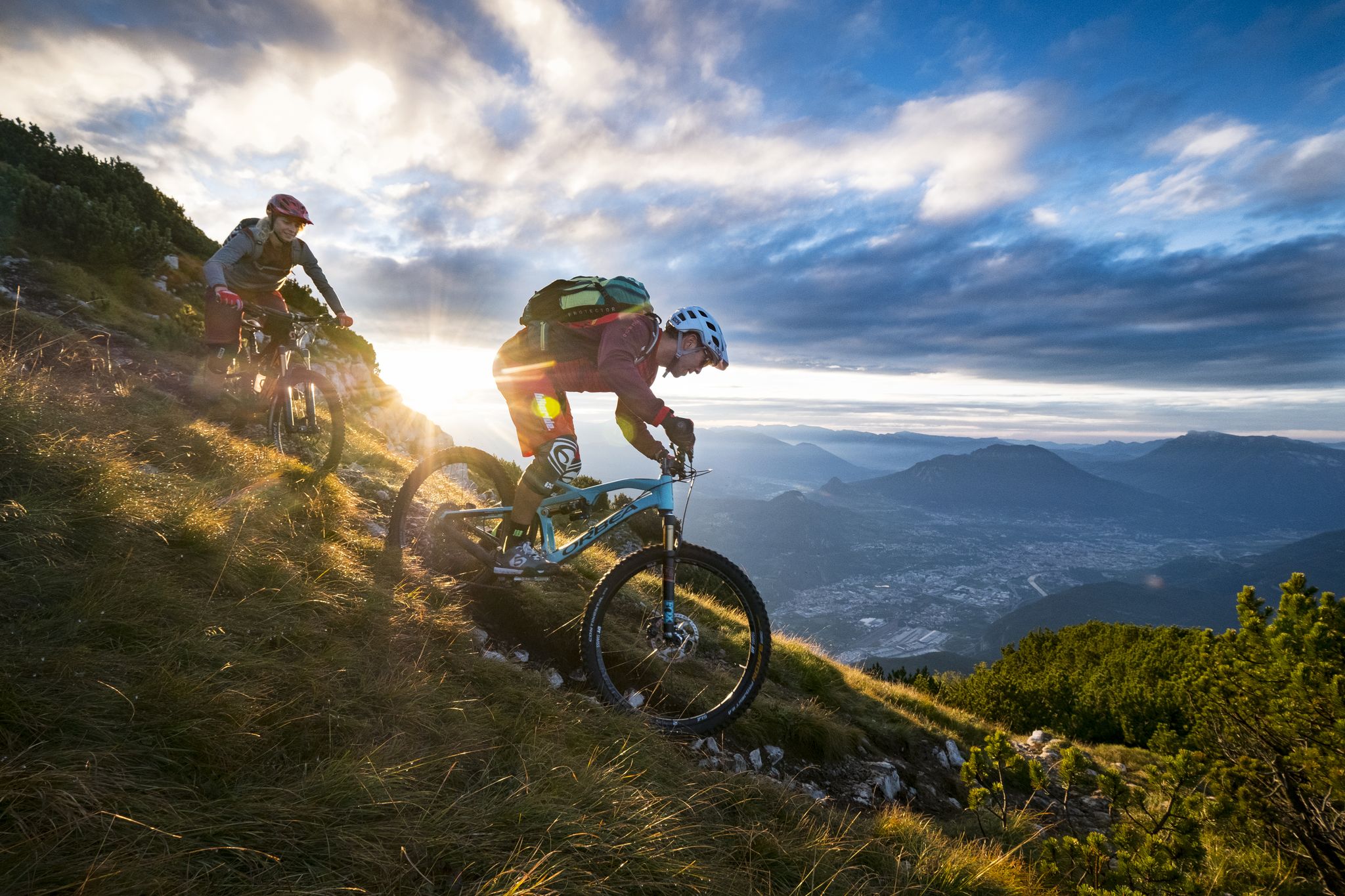
Mountain Biking in Trentino — from the Dolomites to Lake Garda
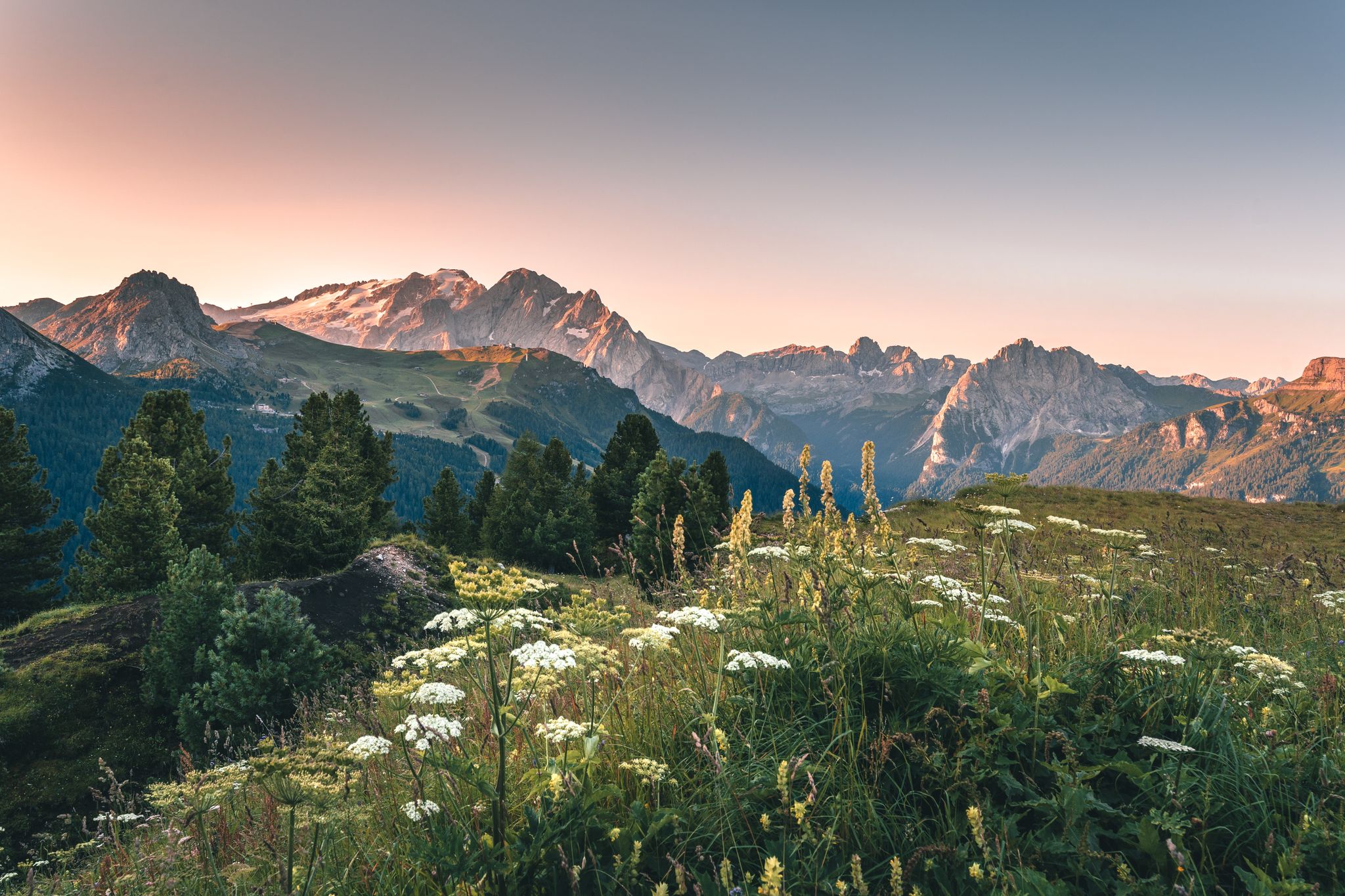
Das achte Weltwunder – die Dolomiten des Fassatals auf dem MTB
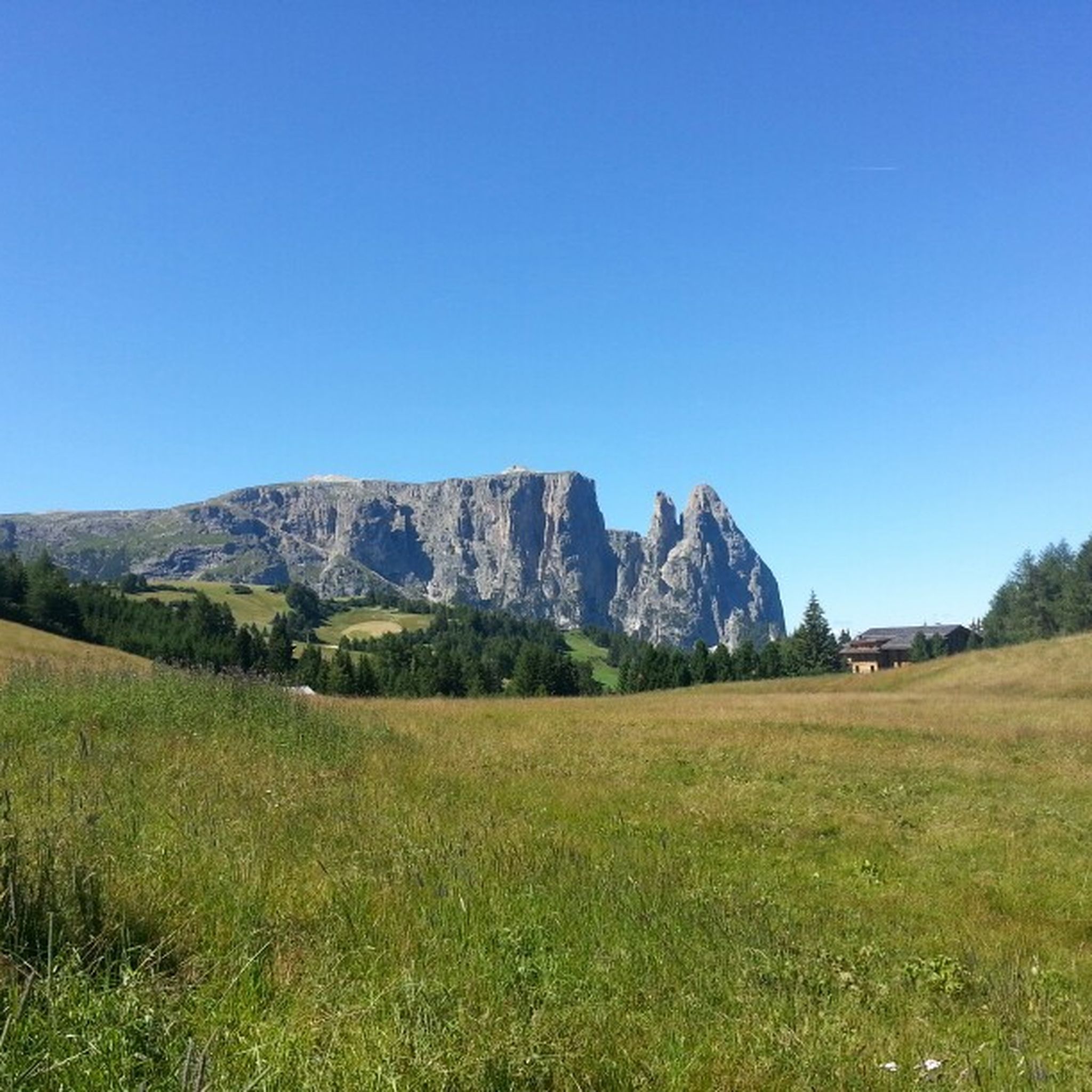
Hiking around Campitello Di Fassa
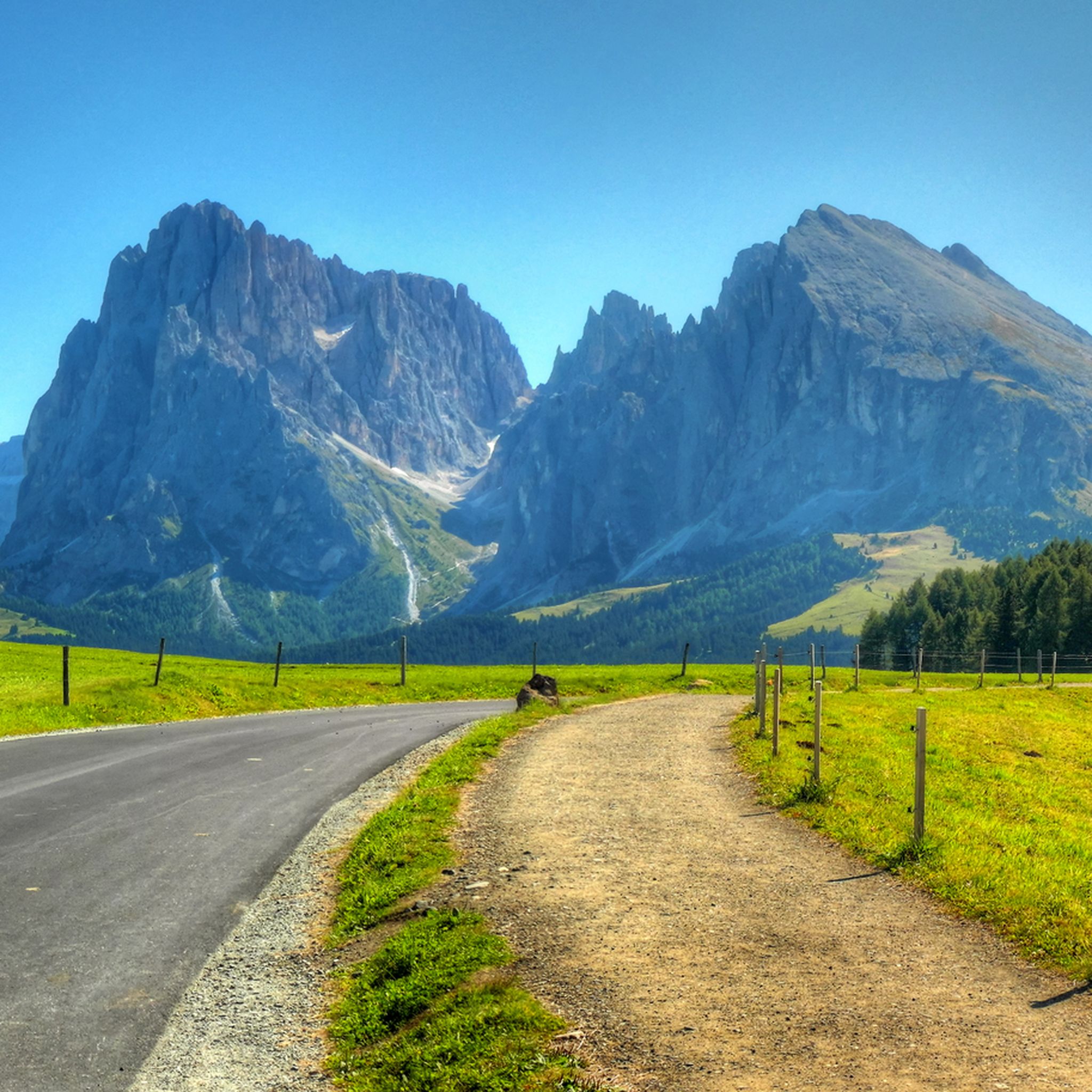
Cycling around Campitello Di Fassa
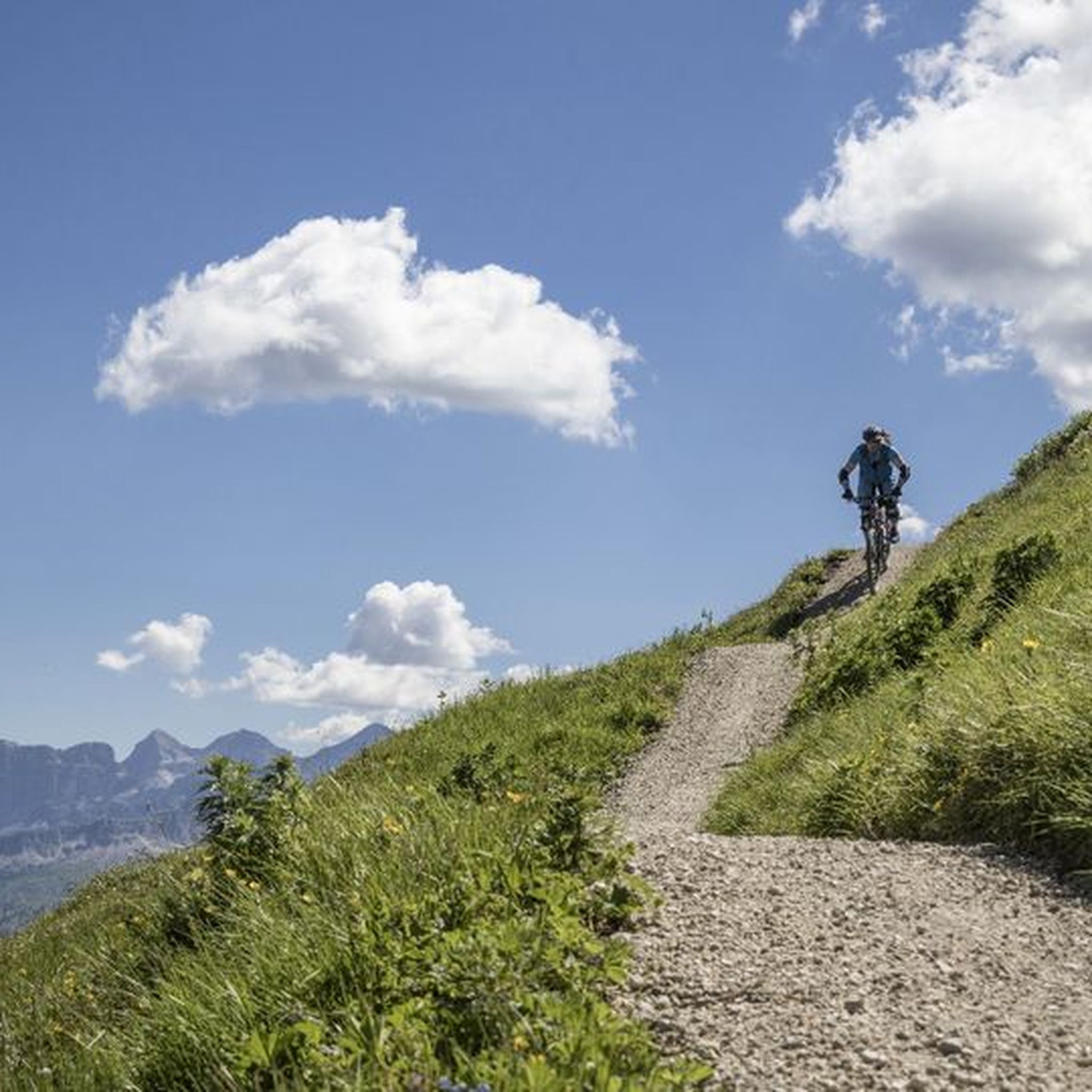
MTB Trails around Campitello Di Fassa
Other adventures around Campitello Di Fassa


Tips from the Community

The ruins are located at the confluence of the Vallunga and Val Gardena valleys, over 1,600 meters high in the Stevia rock face, in the Puez Group of the Dolomites. The small castle served an important strategic function, guarding the crossing over the Gardena Pass into Val Badia.
13
0

On the left side of the Val Gardena stream, between Selva and St. Christina, the Fischburg (Ladin Ciastel de Gherdëina) stands enthroned, surrounded by numerous fish ponds, which gave the castle its name. The castle was built between 1622 and 1641 by Engelhard Dietrich von Wolkenstein-Trostburg as a summer residence and hunting lodge, even though the monumental building exudes medieval defensiveness. The castle was equipped more with hunting weapons than with military weapons. Fishing equipment was also found - obvious, considering the nearby fish ponds. At the end of the 18th century, the castle gradually fell into disrepair, and in 1826 part of the inventory was auctioned off. In the middle of the 19th century, Count Leopold von Wolkenstein-Trostburg donated the Fischburg to the municipality of St. Christina, which wanted to build a home for the elderly and the poor here. In 1926, the castle was sold to Baron Carlo Franchetti from Venice, who renovated the castle inside and out and equipped it with furnishings purchased in South Tyrol and Val Gardena. The castle is still owned by this Venetian family today and is not accessible. https://www.valgardena-groeden.com/de/highlights/burgen-schloesser/fischburg/
2
0

Only the throne remains, the tablet has disappeared….
0
0

Beautiful old castle, which unfortunately cannot be visited. It is privately owned
2
0

Beautiful old castle that unfortunately cannot be visited
3
0


In the Langental, also called Vallunga, is the ancestral castle of the Tyrolean noble family Wolkenstein-Trostburg. It is located in a somewhat unusual position at over 1,600 m above sea level, high in the rock face of the Stevia, a 2,555 m high mountain in the Puez group in the Dolomites. The position suggests that it was used to guard the crossing over the Gardena Pass into the Gadertal. The castle dates back to the 13th century. After initially falling into disrepair, it became the property of Randolt von Villanders, an ancestor of the Wolkenstein family, from whom the famous minstrel Oswald von Wolkenstein would later descend. The well-known poet and composer led an adventurous life and is said to have often resided in the castle in the Stevia wall during the summer months. In the 15th century, the castle was stormed by the Venetians, in the 16th century it was rebuilt before finally being left to decay. Today, the south-facing wall and the castle courtyard are still preserved.
2
0
On the left side of the valley of the Gröden stream, between Selva and St. Christina, the Fischburg (Ladin Ciastel de Gherdëina) stands enthroned, surrounded by numerous fish ponds, which gave the castle its name. The castle was built between 1622 and 1641 by Engelhard Dietrich von Wolkenstein-Trostburg as a summer residence and hunting lodge, even though the monumental building exudes medieval defensiveness. The castle was equipped more with hunting weapons than with military weapons. Fishing equipment was also found - obvious, considering the nearby fish ponds. At the end of the 18th century, the castle gradually fell into disrepair, and in 1826 part of the inventory was auctioned off. In the middle of the 19th century, Leopold Count von Wolkenstein-Trostburg donated the Fischburg to the municipality of St. Christina, which wanted to build a home for the elderly and the poor here. In 1926 the castle was sold to Baron Carlo Franchetti from Venice, who renovated the castle inside and out and equipped it with furnishings purchased in South Tyrol and Val Gardena. Today the castle is still owned by this Venetian family and is not accessible.
2
0
Frequently Asked Questions
What are the most historically significant castles in the wider Trentino region?
For an in-depth historical and architectural experience, consider visiting Castello del Buonconsiglio in Trento, a 13th-century fortress transformed into a luxurious palace with extensive art collections and frescoes. Another significant site is Beseno Castle, the largest fortified complex in Trentino, known for its defensive walls, towers, and historical reenactments. Thun Castle in Val di Non also offers a glimpse into the opulent lifestyle of its former inhabitants with its well-preserved interiors.
Are there any castle ruins near Campitello di Fassa that I can explore?
Yes, you can explore the Ruins of Wolkenstein Castle, located dramatically at over 1,600 meters high in the Stevia rock face. Its south-facing wall and courtyard are preserved, offering stunning views. Another option is the Ruins of Castelvecchio (Salegg Castle), a 12th-century building that was once owned by the Tyrolean poet Oswald von Wolkenstein, accessible as a short detour from the Oswald-Von-Wolkenstein-Weg.
Can I visit Fischburg Castle (Ciastel de Gherdëina)?
The Fischburg Castle (Ciastel de Gherdëina), built as a summer residence and hunting lodge, is privately owned and generally not open for interior visits. However, its impressive exterior and historical significance make it a worthwhile stop for admiration from afar, especially with the stunning views of Val Gardena and the Dolomites from its slopes.
What kind of historical insights do the castles in this region offer?
The castles in the Trentino region provide a rich journey through centuries of history, from medieval fortresses guarding strategic passes to Renaissance palaces showcasing artistic and aristocratic life. They reveal the region's past as a crossroads of cultures and powers, with sites like Castello del Buonconsiglio detailing the lives of Prince-Bishops and Beseno Castle highlighting military strategies and daily life within a fortified complex.
Are there family-friendly castles to visit near Campitello di Fassa?
Yes, several castles offer family-friendly experiences. Castello del Buonconsiglio in Trento aims to be an inclusive space with activities for families and young people. Beseno Castle provides immersive historical experiences, including opportunities to try on armor and participate in historical reenactments. The Ruins of Castelvecchio (Salegg Castle), located along the Oswald-Von-Wolkenstein-Weg, is designed to be playful and engaging for children, with stories and legends from the area.
Which castles offer the best panoramic views of the Dolomites?
For breathtaking panoramic views, the Ruins of Wolkenstein Castle, perched at over 1,600 meters in the Stevia rock face, offers dramatic vistas of the surrounding peaks and valleys. Beseno Castle, strategically located on a hilltop, provides magnificent views of the Vallagarina valley. Even the exterior of Fischburg Castle (Ciastel de Gherdëina) offers stunning views of Val Gardena and the Dolomites.
What is the best time of year to visit castles in the Campitello di Fassa area?
The best time to visit castles in the Campitello di Fassa area and the broader Trentino region is generally during the warmer months, from late spring to early autumn (May to October). During this period, the weather is more favorable for exploring outdoor ruins and enjoying the scenic drives to the more distant castles. Many castles also host special events and exhibitions during the summer.
Are there any castles that offer an immersive historical experience?
Beseno Castle is renowned for its immersive historical experience, featuring a rich program of events including historical reenactments. Visitors can try on armor and explore preserved rooms like bread ovens and wine cellars, gaining insight into Renaissance fortress life. The castle also recreates the pivotal Battle of Calliano in immersive rooms.
What outdoor activities can I do near these castles?
The area around Campitello di Fassa, including near some of these castles, is excellent for outdoor activities. You can find numerous hiking trails, such as the 'Climb to Lake Antermoia' or the 'Val Duron Trail'. For mountain biking, there are routes like the 'Val di Fassa Cycle Path'. You can find more details on these activities and routes in the Hiking around Campitello Di Fassa and MTB Trails around Campitello Di Fassa guides.
What do visitors enjoy most about the castles around Campitello di Fassa?
Visitors particularly enjoy the dramatic settings of the castles against the Dolomite backdrop, the historical insights they offer, and the opportunities for outdoor exploration. The Ruins of Castelvecchio (Salegg Castle) is appreciated for its short detour from a scenic path and local legends. The Ruins of Wolkenstein Castle is praised for its dramatic location and panoramic views, especially when combined with a hike.
Are there any castles that are easily accessible by public transport from Campitello di Fassa?
While Campitello di Fassa itself is well-connected, many of the significant castles like Castello del Buonconsiglio in Trento or Beseno Castle are best reached by a combination of public transport and/or car, as they are located in the wider Trentino region. For the closer ruins like Ruins of Wolkenstein Castle or Ruins of Castelvecchio (Salegg Castle), you would typically combine a bus journey with a hike.
Can I find cafes or restaurants near the castles?
For the more developed castle sites like Castello del Buonconsiglio and Beseno Castle, you will find amenities including cafes or restaurants either within the castle grounds or in the nearby towns. For the castle ruins closer to Campitello di Fassa, such as the Ruins of Castelvecchio (Salegg Castle) or Ruins of Wolkenstein Castle, you would typically need to rely on facilities in the nearest villages or along popular hiking routes.
Most popular routes around Campitello Di Fassa
Most popular attractions around Campitello Di Fassa

Get inspired with the komoot mobile app


Explore more
Looking for the best castles somewhere else? Discover other guides around Campitello Di Fassa:
