Attractions and Places To See around Mondaino - Top 20
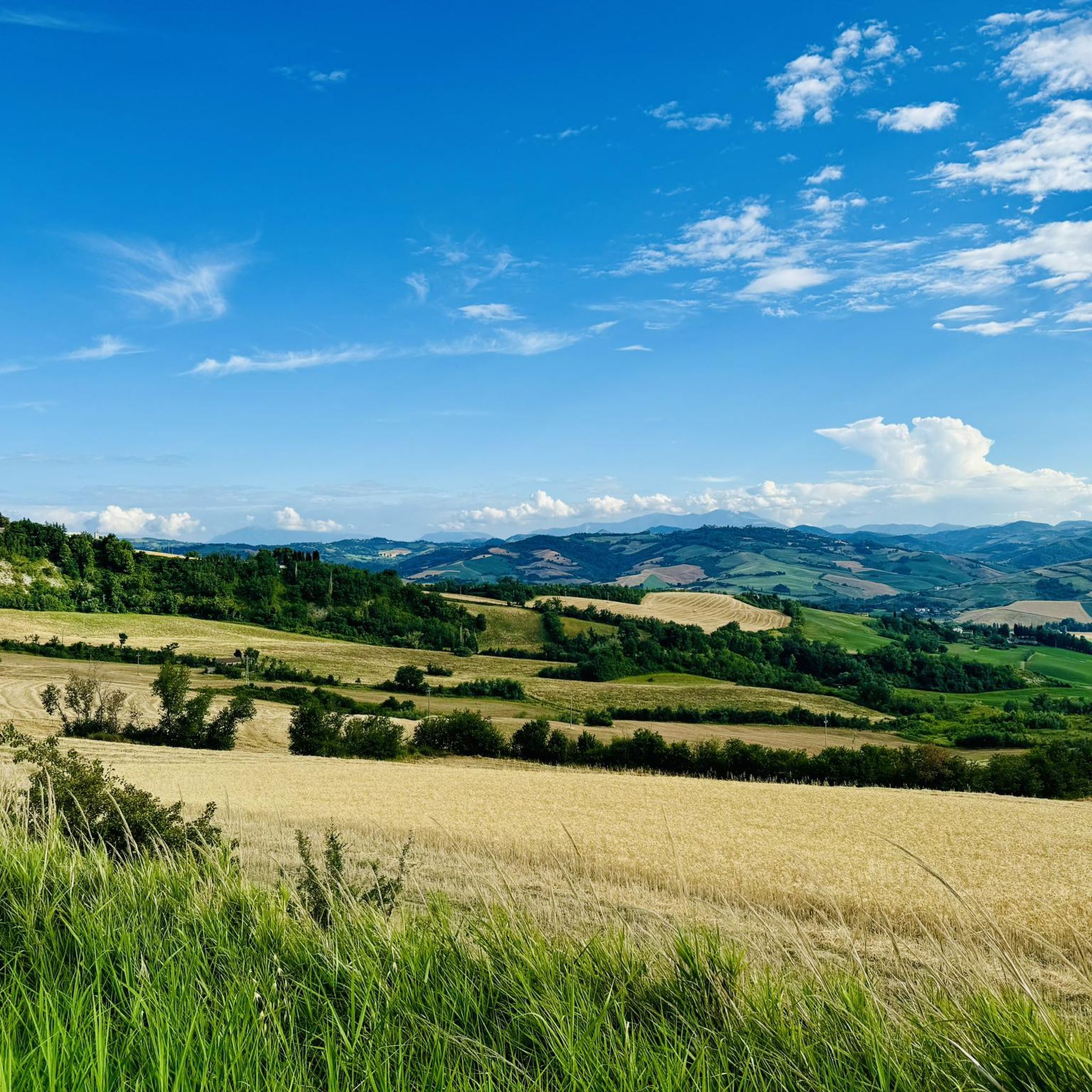
Best attractions and places to see around Mondaino include a variety of historical and natural sites. Mondaino is a hilltop village in the Emilia-Romagna region, situated in the picturesque Conca Valley. The area features medieval architecture and a landscape of lush countryside. Visitors can explore historical strongholds, cultural institutions, and museums showcasing local history and paleontology.
Best attractions and places to see around Mondaino
- The most popular attractions is Montescudo, a settlement that was an autonomous municipality until 2015.…
Last updated: July 6, 2026
Tavoleto Castle
Highlight • Castle
Translated by Google •
Tip by

San Clemente Historic Center
Highlight • Historical Site
Translated by Google •
Tip by

Sign up now to discover places like this
Get recommendations on the best single tracks, peaks, & plenty of other exciting outdoor places.
Sign up for free
Saludecio
Highlight • Settlement
Translated by Google •
Tip by

Montescudo
Highlight • Settlement
Translated by Google •
Tip by
Ventena Trail of Gemmano towards Montefiore Conca
Highlight • Trail
Translated by Google •
Tip by

Sign up for free to discover even more attractions around Mondaino.
Sign up for free
Already have an account?
Start today with a free account
Your next adventure awaits.
Login or Signup

Tips from the Community

Saludecio is registered in the Italian Association of Painted Villages because of the 50 splendid murals that color its streets.
0
0

Dating back to the Malatesta era and still well preserved today, the village of San Clemente is one of the best destinations in the Romagna hinterland. The walls and bastions are clearly visible, enclosing the center of the village as they once did. Not far away is also Castelleale, commissioned in 1388 by Leale Malatesta, bishop of Rimini.
0
0

The village of San Clemente dates back to the Malatesta era and its origins are still clearly visible today. The walls enclose, as in the past, the heart of the historic center and the complex known as Castelleale. It is one of the rare examples remaining in the Rimini area of a building that is both a large farm and a fortified villa, built in 1388 by Leale Malatesta, bishop of Rimini.
0
0
The construction of the castle took place by the family of Sigismondo Malatesta in the early 1300s and was disputed between the Malatesta and Montefeltro families in the battles for the acquisition of the territory. It was thus lost and reconquered five times, until Federico da Montefeltro finally conquered Tavoleto in 1458. Federico ordered the demolition of the castle and then rebuilt it under the work of the architect Francesco di Giorgio Martini who finished it before 1474. In 1631 it became the direct domain of the Papacy, but in 1885 it was donated to the Lawyer Petrangolini at the same time as the assignment of the title of count and the subjugation of the surrounding territories. It was subsequently sold to a private individual who transformed it into a restaurant in the more recent 1960s and renovated it according to the standards of those years. The current owners instead purchased it with the intention of bringing it back to its origins. Today it is home to receptions and ceremonies.
0
0

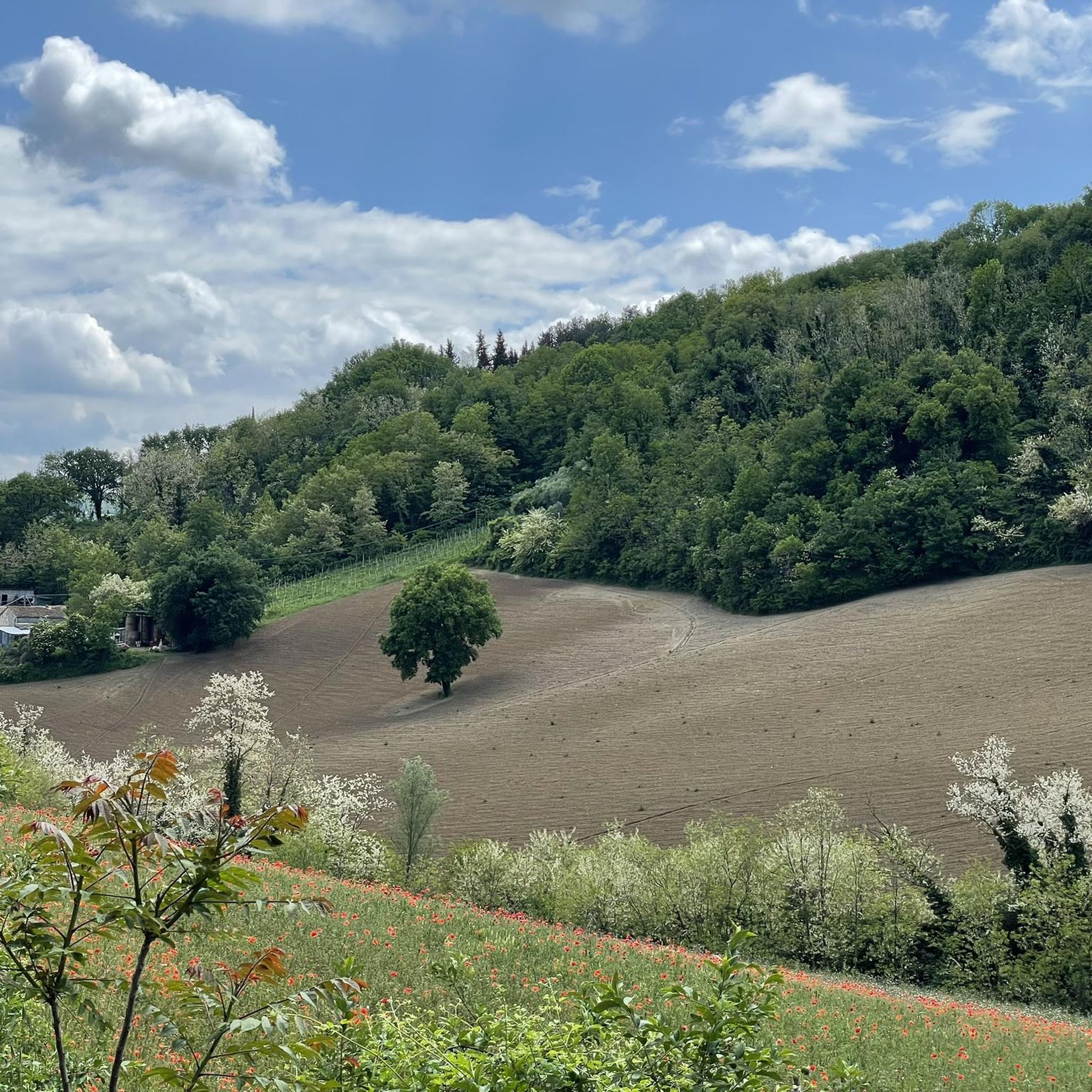
I passed several times last year in the summer but it never happened to me to smell a strong smell of sulfur and see it ... I would say that the yellowish white one is sulfur ...
0
0
A hamlet of the Montescudo-Monte Colombo municipality, Montescudo was an autonomous municipality until 31 December 2015. A village of Malatesta origins, the local potato festival is particularly famous, a typical variety which is harvested in the month of August.
1
0

The town has a characteristic medieval aspect, but different from the other towns in the hinterland of the province of Rimini. In the times of the Malatesta noble family, the area was not very contested and so it was not necessary to make a fortress out of the village. Among the sights of the municipality is the central church that can be seen in the photo, the historic center and Piazza Mazzini. In the districts of Agello and Castelleale there are some country houses and farms that have a medieval character and were built in the 14th century, such as the Fattoria fortificata di Castelleale.
1
0

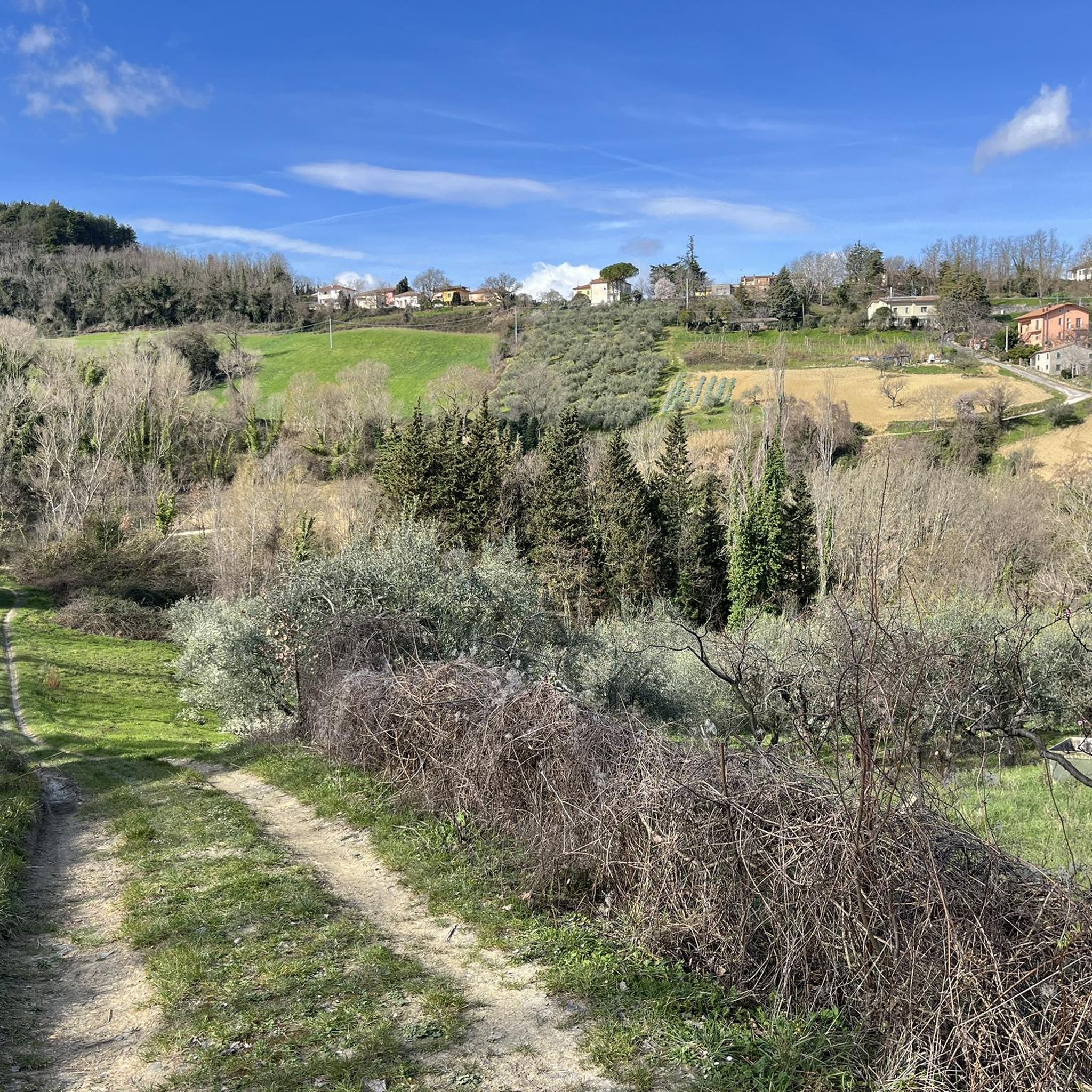
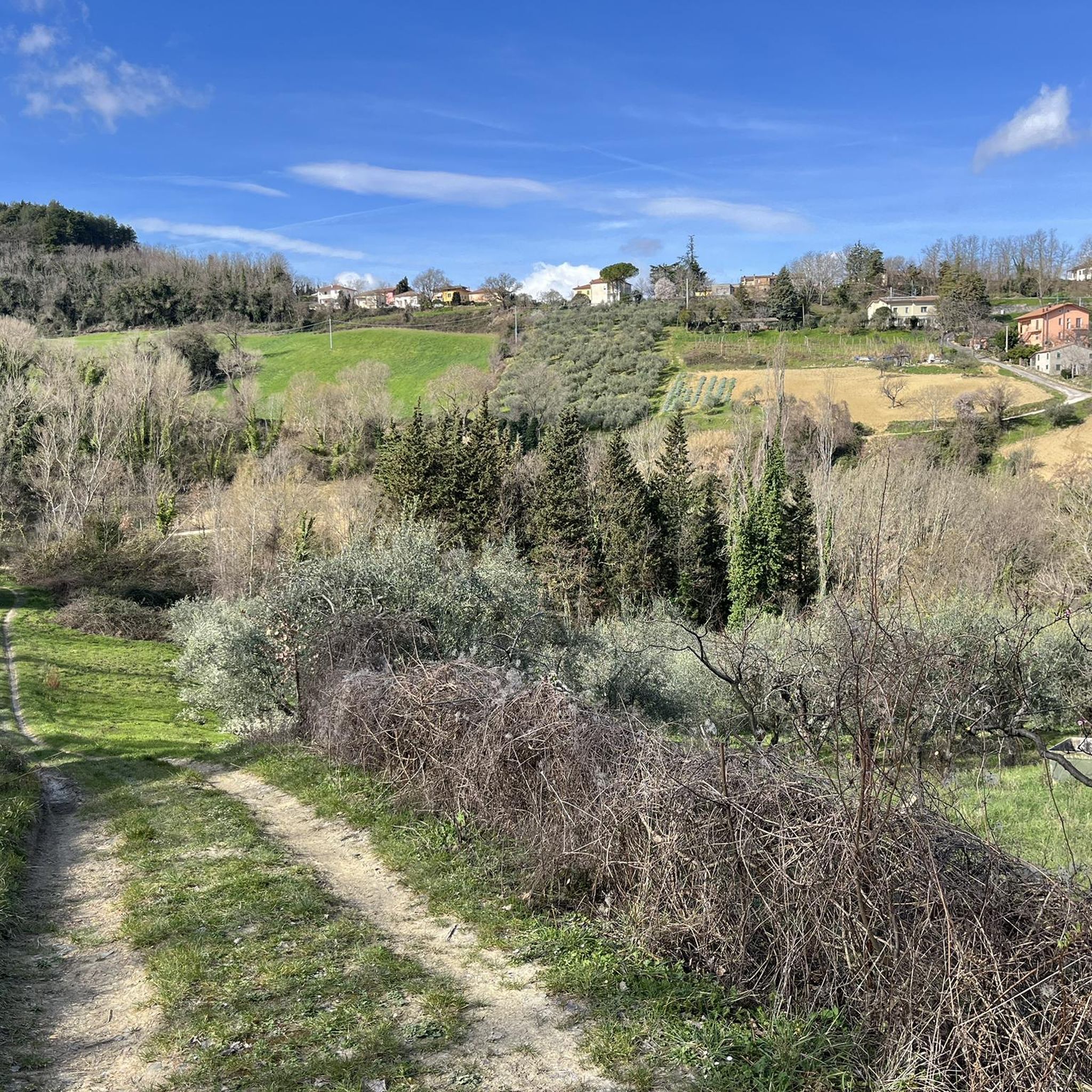
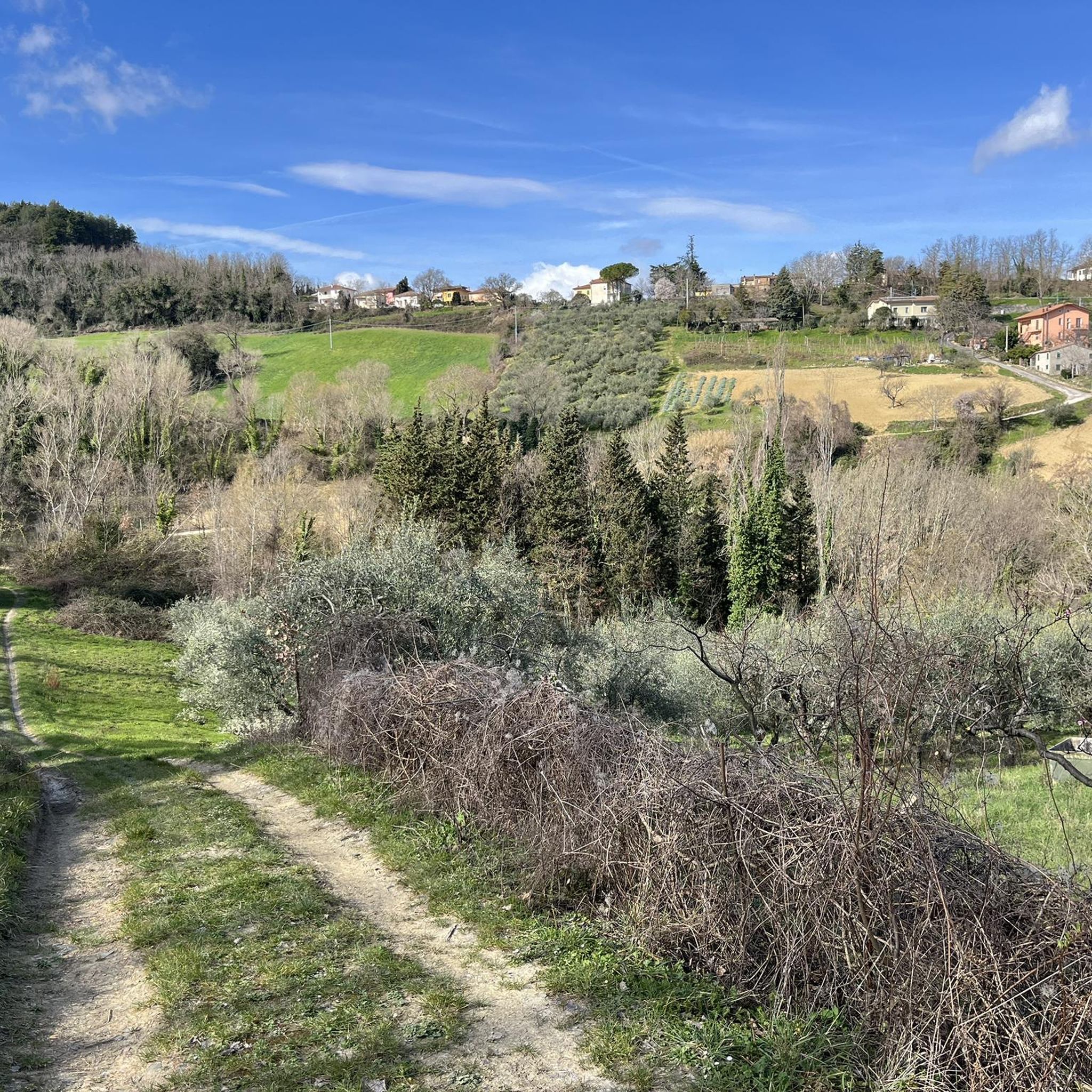
Tough trail that requires a minimum of training. Few reports. Overall, however, the effort to get to the town is rewarded by the spectacular view.
0
0
Frequently Asked Questions
What historical sites can I explore around Mondaino?
Mondaino and its surroundings are rich in history. You can visit the well-preserved San Clemente Historic Center, dating back to the Malatesta era, with its visible walls and bastions. Another significant site is Tavoleto Castle, originally built by the Malatesta family in the 1300s. The village of Saludecio also retains its medieval structure with monumental access gates.
Are there any natural attractions or scenic viewpoints near Mondaino?
Mondaino is nestled in the picturesque Conca Valley, offering lush, green countryside. For panoramic views, the Rocca Malatestiana in Mondaino provides excellent vistas. Additionally, the village of Montescudo, situated on a small hill, offers a wonderful view of the sea and is surrounded by vineyards and olive groves.
What cultural experiences does Mondaino offer?
Mondaino boasts several unique cultural experiences. The Rocca Malatestiana houses the Palaeontology Museum, showcasing local fossils from four million years ago. You can also explore the Museum of Maioliche, which exhibits ceramic artifacts. For a taste of local tradition, visit the Mulino La Porta di Sotto, where traditional Fossa cheese is matured in underground pits.
What events or festivals take place in Mondaino?
Mondaino is known for its vibrant events. The highlight is the Palio del Daino - Historical Festival, a four-day medieval and Renaissance-inspired event held every August, featuring games, re-enactments, and ancient crafts. Food enthusiasts will enjoy "Fossa, Tartufo e Venere" in November, celebrating white truffles and Fossa cheese.
Are there family-friendly attractions around Mondaino?
Many of the historical sites are suitable for families. The San Clemente Historic Center and Tavoleto Castle offer engaging historical exploration. The Palaeontology Museum within the Rocca Malatestiana can also be an interesting educational experience for children.
What outdoor activities, like hiking, can I do near Mondaino?
The area around Mondaino offers several hiking opportunities. You can find moderate trails such as the Cerreto and San Teodoro Loop Trail or the route "Towards the Church of Sant'Apollinare along the trails of the Alta Valconca." For more options and detailed routes, explore the Hiking around Mondaino guide.
Are there cycling routes available near Mondaino?
Yes, Mondaino is a great starting point for cycling. You can find challenging road cycling routes like the "Tavoleto Castle – Passo Marco Pantani loop from Mondaino" or the "Urbino – Ducal Palace loop." For a comprehensive list of routes, check out the Road Cycling Routes around Mondaino guide.
What is the best time to visit Mondaino for sightseeing?
The mild climate of the Conca Valley makes Mondaino pleasant for visiting throughout much of the year. For cultural events, August is ideal for the Palio del Daino, and November for the Fossa, Tartufo e Venere festival. Spring and autumn offer comfortable temperatures for exploring historical sites and enjoying the natural scenery.
What makes Mondaino unique compared to other nearby villages?
Mondaino stands out with its distinctive semi-circular Piazza Maggiore, affectionately known as "Frying-Pan Square," and its well-preserved Rocca Malatestiana, which houses a Palaeontology Museum. Its strong connection to traditional Fossa cheese production and the vibrant Palio del Daino festival also give it a unique character.
What do visitors enjoy most about the attractions around Mondaino?
Visitors frequently appreciate the rich history and well-preserved medieval character of the villages. The strategic location of places like Mondaino and Montescudo offers stunning views, and the local festivals provide a lively insight into regional traditions.
Can I find running trails near Mondaino?
Yes, there are several running trails in the vicinity. You can explore routes like the "Morciano di Romagna – Artificial waterfall loop" or shorter running loops starting from Morciano di Romagna. More detailed options can be found in the Running Trails around Mondaino guide.
Most popular routes around Mondaino
Most popular attractions around Mondaino

Get inspired with the komoot mobile app


Explore more
Still not found the Highlight you’re looking for? See guides of the top attractions in other regions:
