Attractions and Places To See around Fossombrone - Top 20
Best attractions and places to see around Fossombrone include a blend of historical, cultural, and natural sites within the Marche region of Italy. The town features ancient Roman origins, medieval fortifications, and Renaissance architecture. Fossombrone is situated amidst natural landscapes, including gorges and hills carved by rivers. The area offers a variety of attractions for visitors interested in history, art, and outdoor exploration.
Best attractions and places to see around Fossombrone
- The most popular attractions is Gola del Furlo Gorge…
Last updated: August 29, 2026
Gola del Furlo Gorge
Highlight • Gorge
Translated by Google •
Tip by

Ducal Palace
Highlight • Castle
Tip by

Sign up now to discover places like this
Get recommendations on the best single tracks, peaks, & plenty of other exciting outdoor places.
Sign up for free
Ducal Palace, Urbino
Highlight • Historical Site
Translated by Google •
Tip by

Urbino
Highlight • Historical Site
Translated by Google •
Tip by

Passo del Furlo
Highlight • Gorge
Translated by Google •
Tip by

Sign up for free to discover even more attractions around Fossombrone.
Sign up for free
Already have an account?
Start today with a free account
Your next adventure awaits.
Login or Signup
Popular around Fossombrone
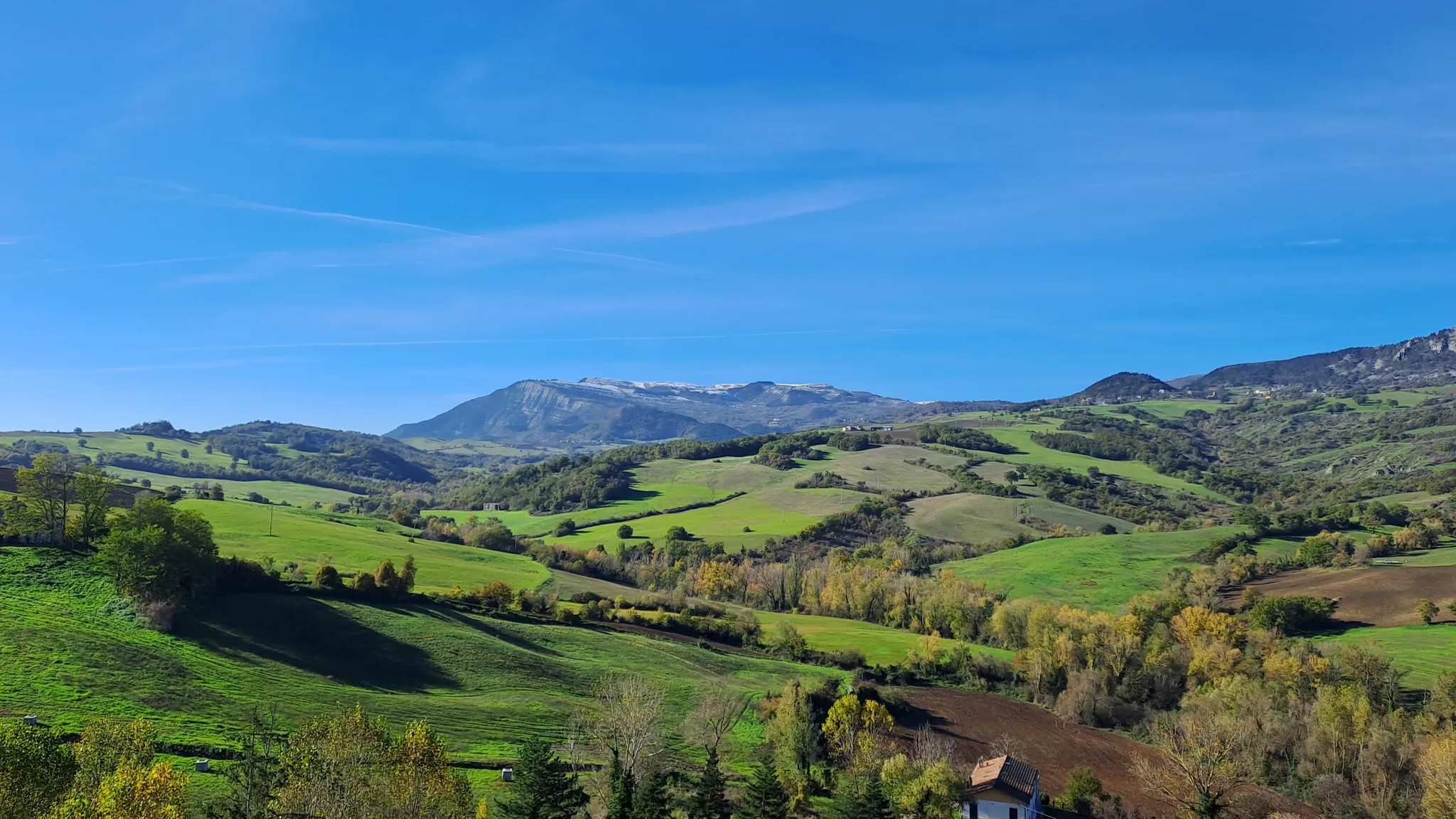
Cycling the Marche – sea to the mountains, among villages and hills
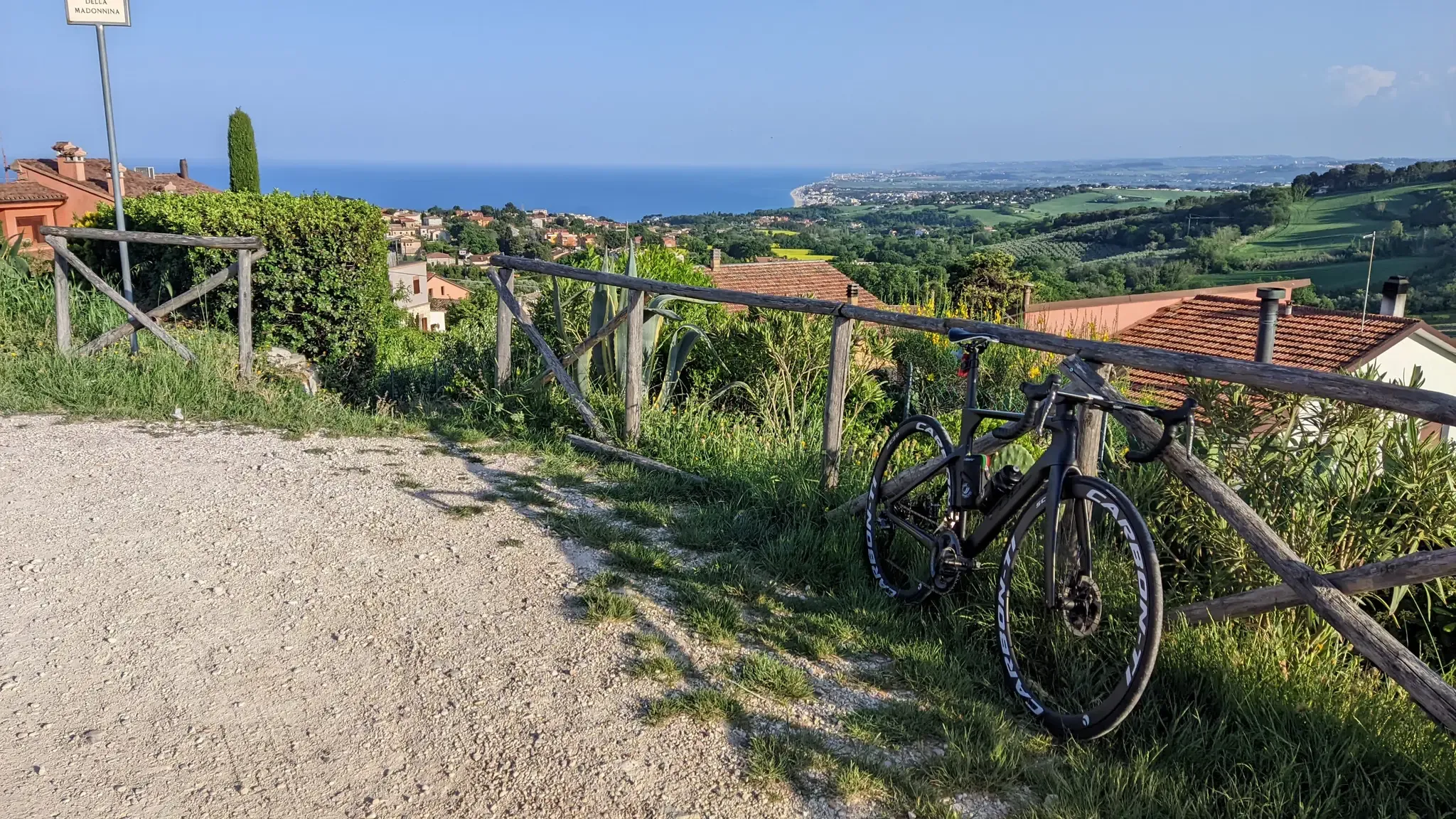
Between mountains and sea — road cycling in Italy’s Marche
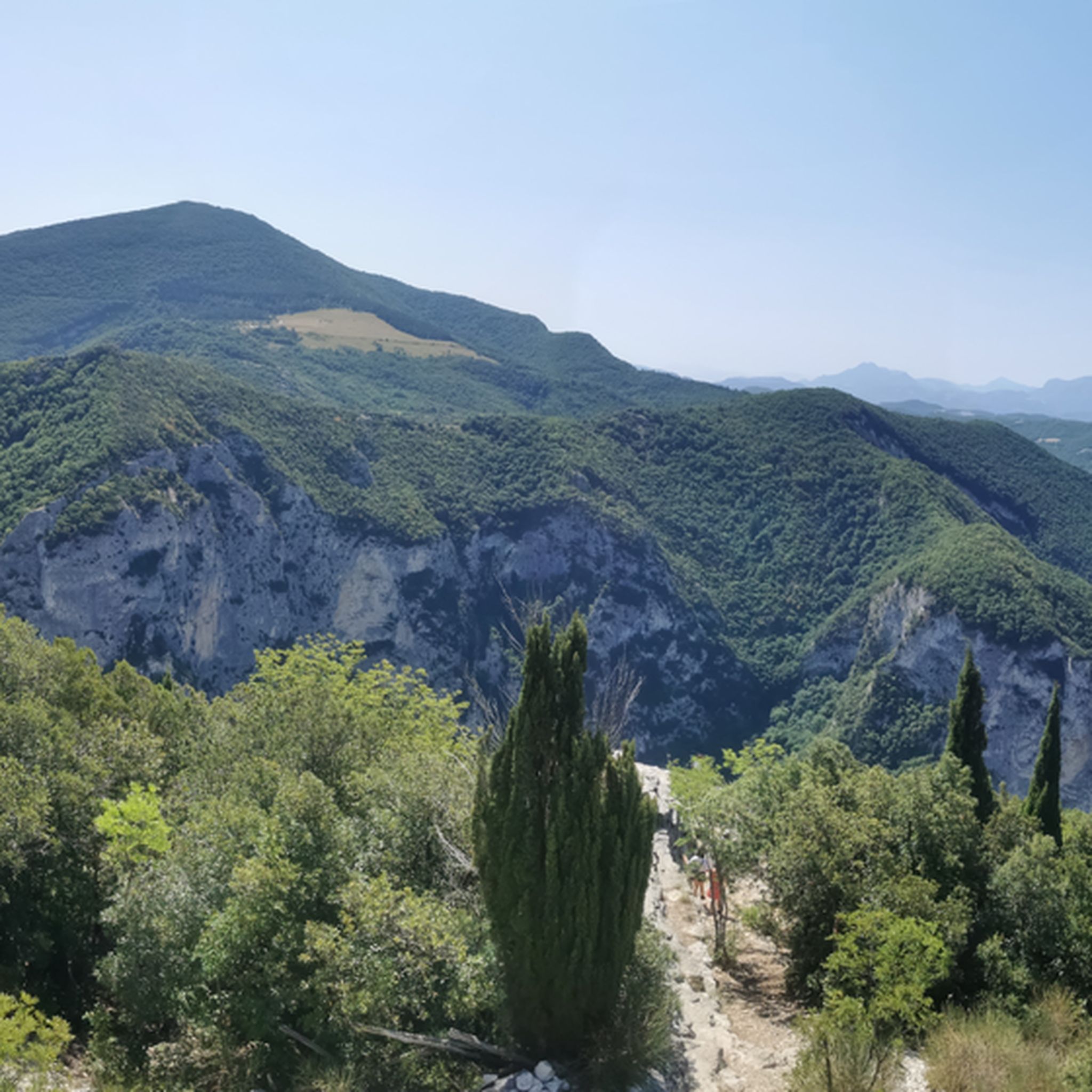
Hiking around Fossombrone
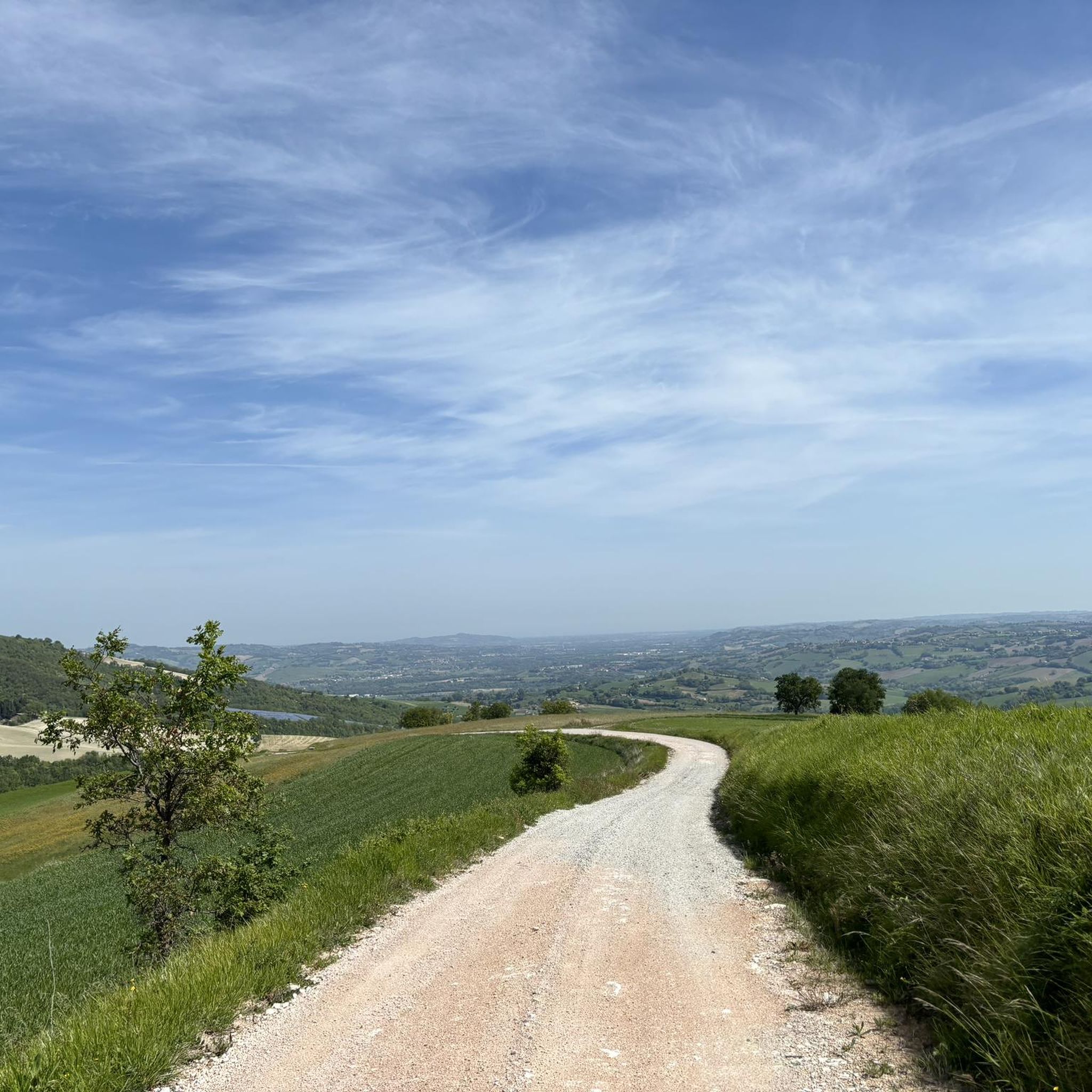
Cycling around Fossombrone
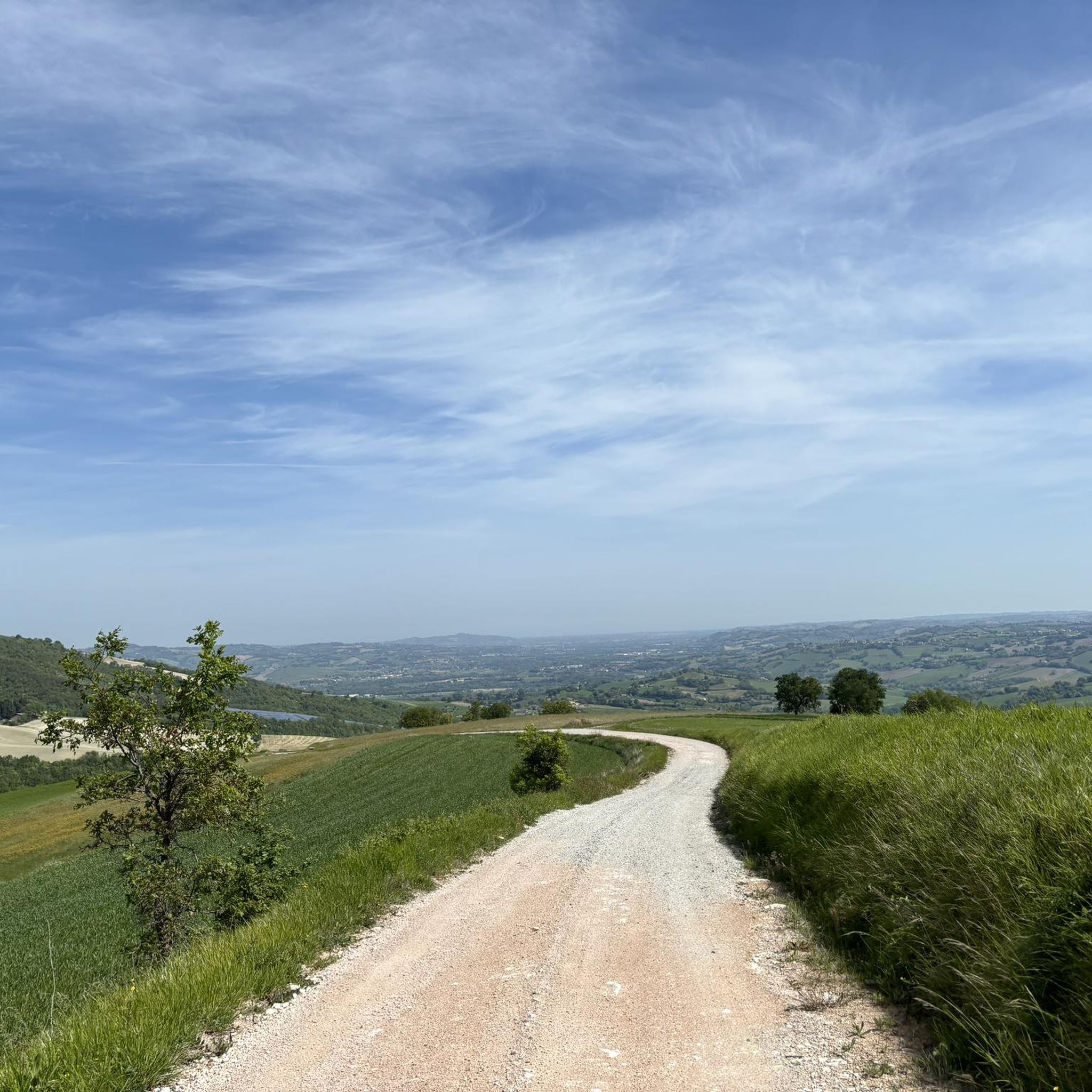
MTB Trails around Fossombrone
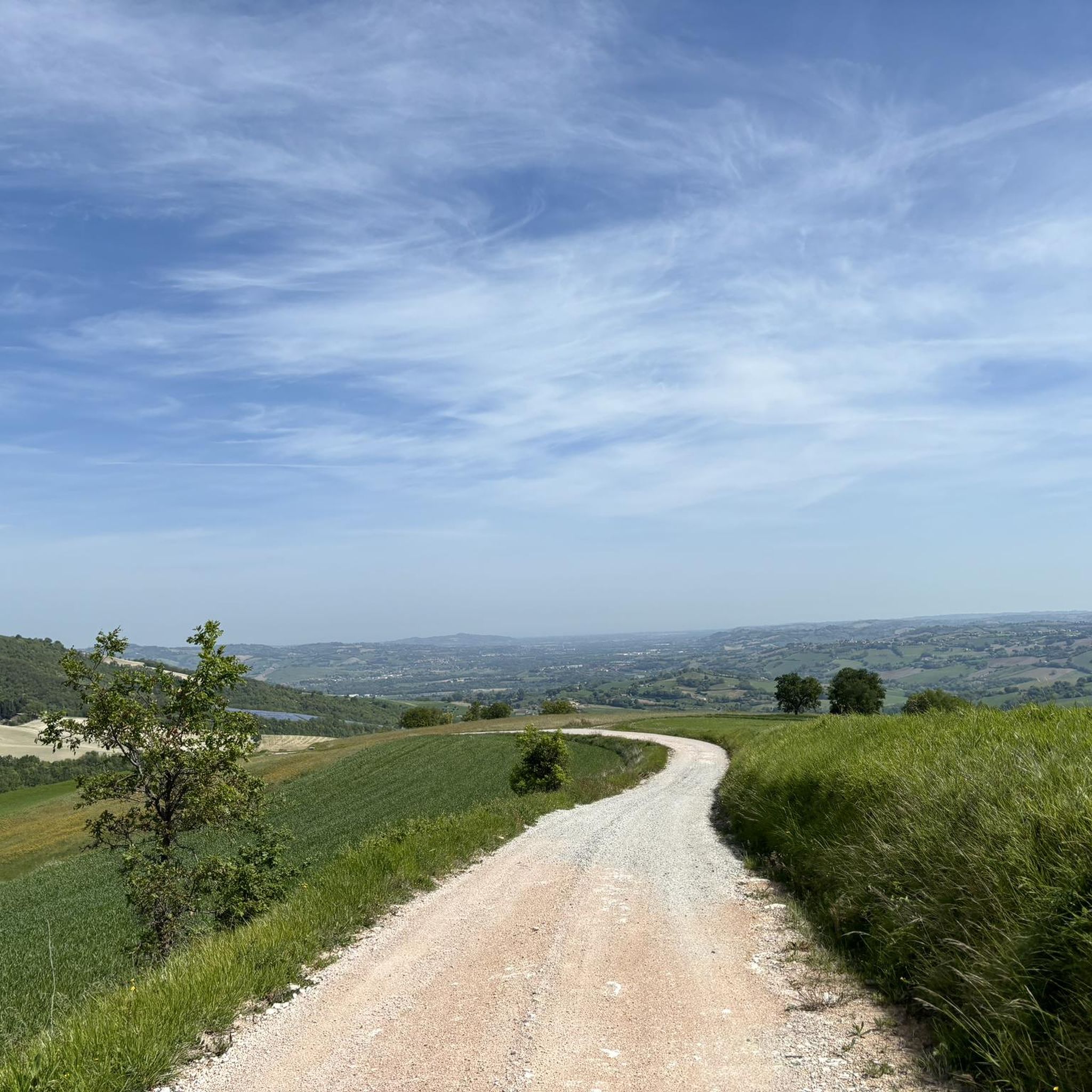
Road Cycling Routes around Fossombrone
Running Trails around Fossombrone

Gravel biking around Fossombrone


Tips from the Community

Urbino is a city in the Marche region, recognized as a UNESCO World Heritage site for its Renaissance-era historic center. It is located in a hilly area and is characterized by uphill streets, squares, and brick buildings. Among the main sites is the Ducal Palace of Urbino, home to the National Gallery of the Marche. Urbino is also the birthplace of Raffaello Sanzio, with a house-museum that can be visited. The city is home to the University of Urbino Carlo Bo, which contributes to the presence of students throughout the year.
0
0

The Palazzo Ducale is a Renaissance ducal palace built primarily on the orders of Count Federico da Montefeltro between 1463 and 1472. It is now a UNESCO World Heritage Site.
1
0
The Palazzo Ducale in Urbino is a Renaissance palace and houses the famous Renaissance picture gallery of the Marche.
2
0

Simple excursion, even for beginners... 80% shaded path
0
0

Point of extreme charm. Mandatory stop!
1
0

Easy route on clean and dry paths. Enchanting views
1
0

..... all I would add is that the toilets are clean and free for public use. An impressive inner courtyard and part of it is free to enter.
0
0

The city of Urbino is located on the highest part of a hill which, seen from afar, takes your breath away with such beauty.
2
0
Frequently Asked Questions
What natural features can I explore around Fossombrone?
The most prominent natural attraction is the Gola del Furlo Gorge, a dramatic canyon carved by the Candigliano river, part of a State Natural Reserve. Here, you can also find unique rock formations known as Le Marmitte dei Giganti. For panoramic views and serene walks, consider visiting the Colle dei Cappuccini, located across the river, or the Pineta delle Cesane, a pine forest ideal for walking and mountain biking.
What historical sites can I visit in Fossombrone?
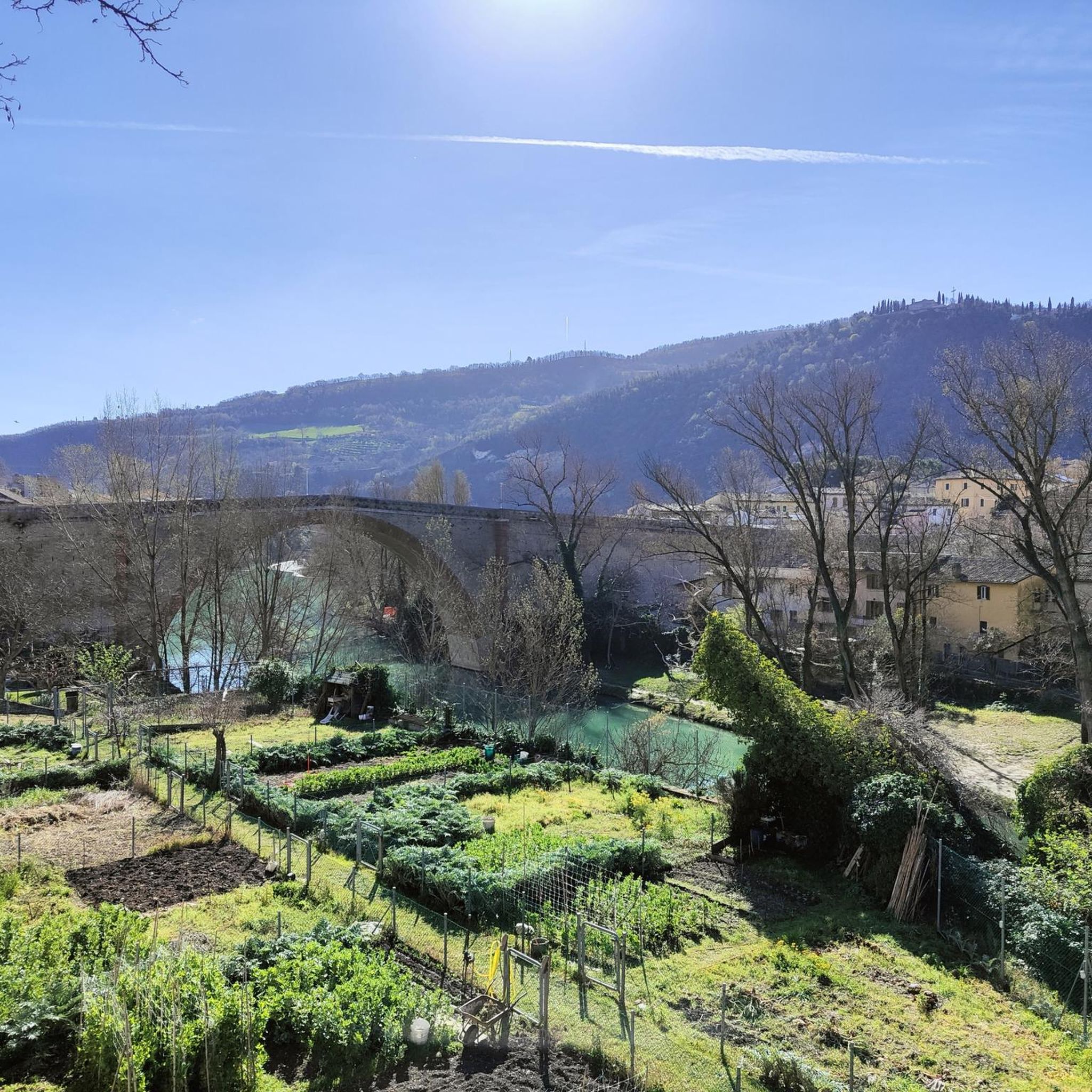
Fossombrone boasts a rich history. You can walk along Corso Garibaldi, the historic main street, and see the iconic Ponte della Concordia, a Roman bridge dating back to 292 AD. Explore the ruins of the medieval Rocca Malatestiana for expansive views, or visit the Corte Alta, a 15th-century ducal palace that now houses the civic art gallery and museum. The Forum Sempronii Archaeological Park showcases the town's ancient Roman origins.
Are there any significant cultural attractions or museums in Fossombrone?
Yes, the Corte Alta, once a Montefeltro regal residence, now hosts the 'Augusto Vernarecci' Civic Museum and the Pinacoteca Civica, featuring art from the 16th to 19th centuries. You can also visit several historic churches, such as the neoclassical Fossombrone Cathedral, the Baroque Church of San Filippo, and the 14th-century Church of Sant'Agostino. The Casa Museo Quadreria Cesarini offers a collection of 20th-century art in an elegant historic residence.
What family-friendly attractions are available around Fossombrone?
Families can enjoy the natural beauty of the Gola del Furlo Gorge, which offers easy trails and scenic views. The historic Ponte della Concordia is a picturesque spot for photos. A short trip to nearby Urbino offers the Ducal Palace, Urbino, a UNESCO World Heritage Site with a renowned art gallery that can be engaging for older children.
When is the best time to visit Fossombrone for exploring its attractions?
The best time to visit Fossombrone is typically during the spring (April to June) and early autumn (September to October). During these months, the weather is pleasant for exploring historical sites and enjoying outdoor activities in the natural landscapes like the Gola del Furlo Gorge, avoiding the peak heat of summer and the colder, wetter months of winter.
Are there hiking or running trails near Fossombrone's attractions?
Yes, the area around Fossombrone offers various trails. For running, you can find routes like the 'Giant's Kettles – Tourist Information Office loop from Fossombrone' or more challenging options around the Gola del Furlo Gorge. Explore more running trails on the Running Trails around Fossombrone guide.
What cycling routes are available around Fossombrone?
Fossombrone is a great base for cyclists. You can find gravel biking routes such as the 'Furlo Gorge (Gola del Furlo) – Furlo Iron Bridge loop' or road cycling routes like the 'Roman Tunnel of Furlo – Gola del Furlo Gorge loop from Fossombrone'. For more options, check the Gravel biking around Fossombrone guide and the Road Cycling Routes around Fossombrone guide.
What notable towns or sites are worth visiting near Fossombrone?
Just a short distance away, the city of Urbino is a must-see. It's a UNESCO World Heritage Site, renowned as the 'Cradle of the Renaissance,' with its impressive Ducal Palace and rich artistic heritage. It offers stunning views and a vibrant historical atmosphere.
Are there any viewpoints offering panoramic scenery in the area?
Absolutely. The ruins of the Rocca Malatestiana, perched above Fossombrone, provide expansive views over the valley. The Gola del Furlo Gorge itself offers dramatic vistas of the river carving through the mountains. Additionally, the Colle dei Cappuccini, with its Franciscan monastery, provides beautiful views of the countryside and river valley.
What is the historical significance of Fossombrone?
Fossombrone has deep historical roots, tracing back to ancient Roman times as Forum Sempronii, located along the Via Flaminia. It later became a significant medieval stronghold under the Malatesta family and flourished during the Renaissance as a ducal residence, particularly under the Montefeltro family. This rich past is evident in its architecture, from Roman bridges to Renaissance palaces.
Are there any hidden gems or lesser-known spots to discover?
Beyond the main attractions, consider exploring Le Marmitte dei Giganti within the Furlo Gorge, unique rock formations where the river flows through a narrow section, often explored by canoe or kayak. The Colle dei Cappuccini, with its 15th-century Franciscan monastery and Church of San Giovanni Battista, offers a peaceful retreat and beautiful views away from the main tourist paths.
What do visitors enjoy most about the attractions around Fossombrone?
Visitors frequently praise the unique and uncontaminated nature of the Gola del Furlo Gorge, highlighting its charm and beautiful views of the Furlo River. The historical richness of sites like the Ducal Palace and the overall atmosphere of Urbino are also highly appreciated, with many noting the breathtaking beauty and historical significance.
Most popular routes around Fossombrone
Most popular attractions around Fossombrone

Get inspired with the komoot mobile app


Explore more
Still not found the Highlight you’re looking for? See guides of the top attractions in other regions:
