Attractions and Places To See around Piagge - Top 20
Best attractions and places to see around Piagge include a variety of historical, cultural, and natural sites. Located in the Marche region, Piagge serves as a gateway to explore the Province of Pesaro and Urbino. The area features well-preserved historical sites, religious buildings, and offers scenic viewpoints. Visitors can discover a diverse landscape with options for cultural exploration and outdoor activities.
Best attractions and places to see around Piagge
- The most popular attractions is Eremo di Monte Giove, a…
Last updated: July 6, 2026
Arch of Augustus (Arco d'Augusto), Fano
Highlight • Historical Site
Translated by Google •
Tip by

Mombaroccio Gate
Highlight • Historical Site
Translated by Google •
Tip by

Sign up now to discover places like this
Get recommendations on the best single tracks, peaks, & plenty of other exciting outdoor places.
Sign up for free
Sanctuary of Beato Sante
Highlight • Religious Site
Translated by Google •
Tip by

Fontana della Fortuna, Piazza XX Settembre
Highlight • Monument
Translated by Google •
Tip by

Eremo di Monte Giove
Highlight • Religious Site
Translated by Google •
Tip by

Sign up for free to discover even more attractions around Piagge.
Sign up for free
Already have an account?
Start today with a free account
Your next adventure awaits.
Login or Signup
Tips from the Community

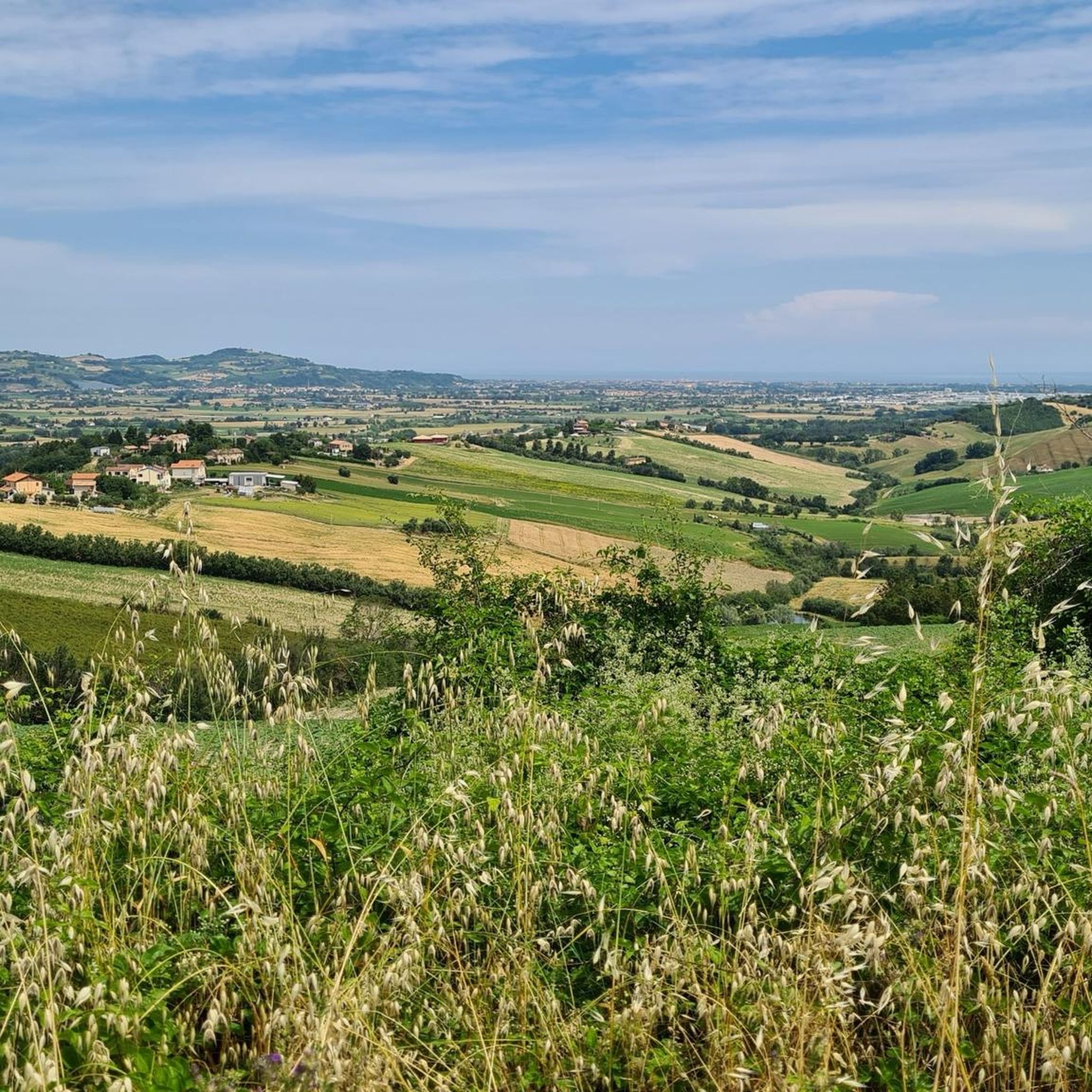
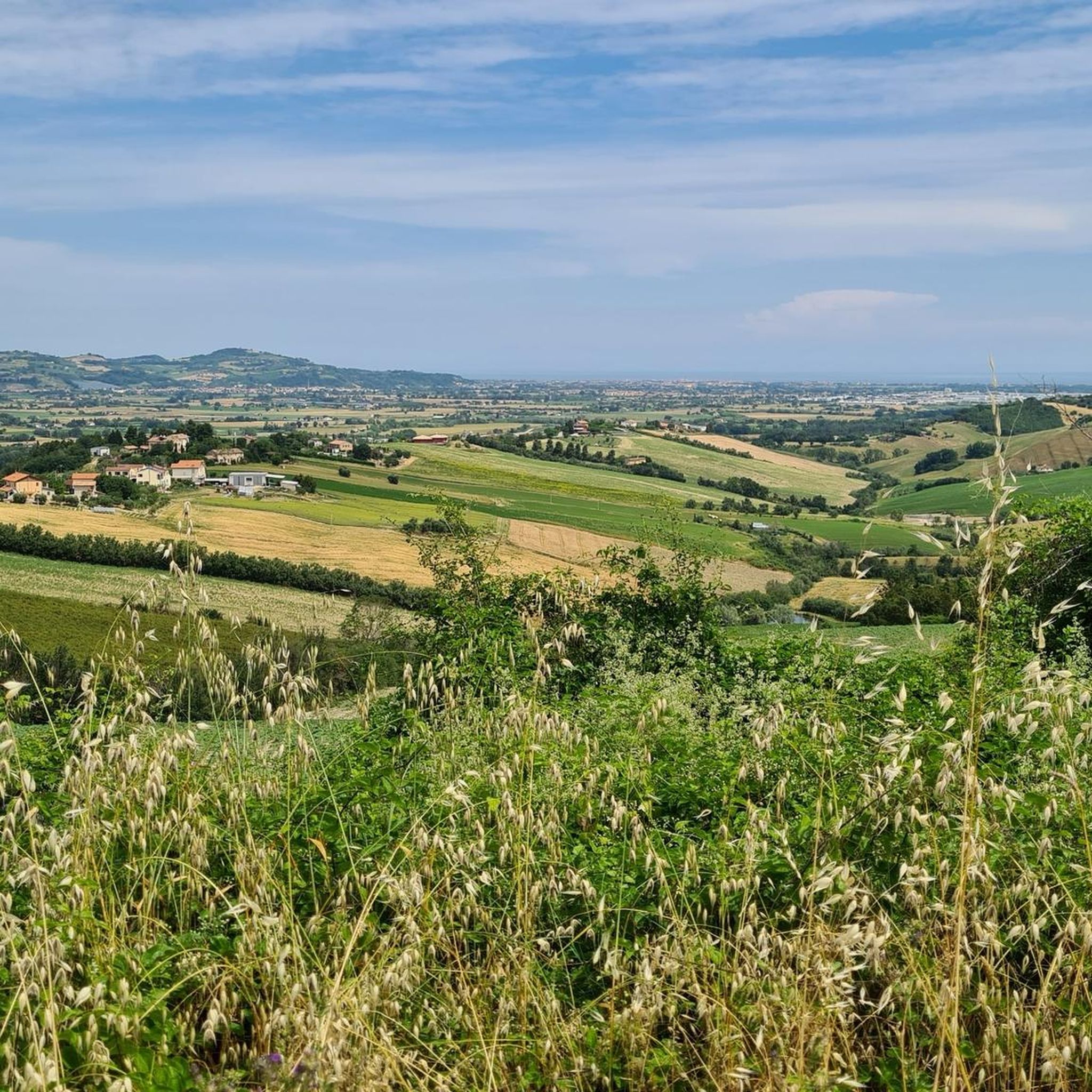
🚪 Porta di Mombaroccio The Porta di Mombaroccio represents one of the historic entrances to the medieval village of Mombaroccio, still preserving the charm of ancient defensive structures today. Built as part of the walled system, the gate had a strategic function: to control access to the town and protect the inhabitants from potential attacks. Travelers, merchants, and pilgrims passed through this passage, making the village a connecting point between the surrounding valleys. The structure, simple but solid, testifies to the typical architecture of the fortified centers in the Marche region, where functionality and defense were essential elements. ✨ Today the gate is a symbol of welcome and historical memory: crossing it means entering a place where time seems to have stood still, amidst alleys, walls, and still-living traditions.
0
0
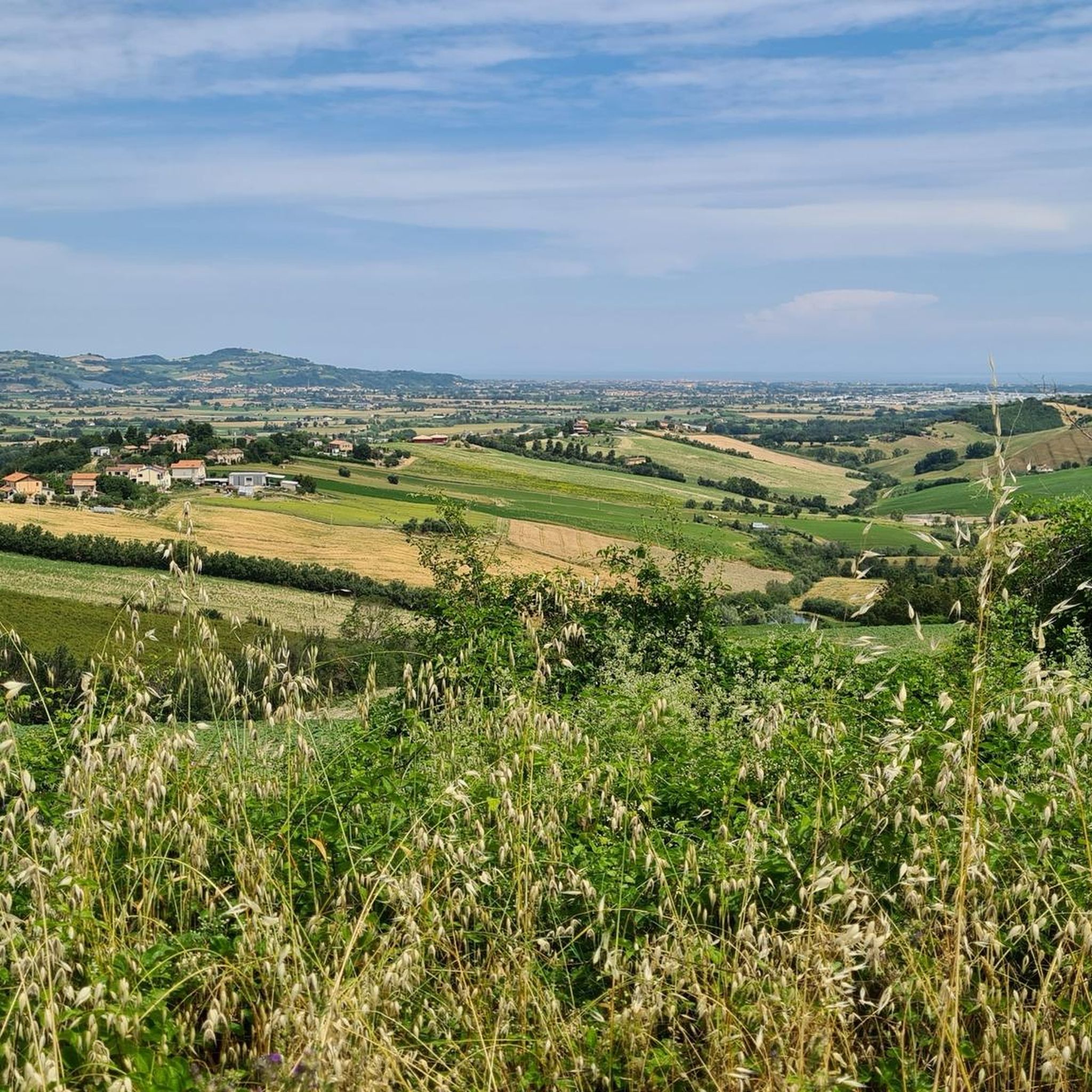
⛪ Santuario del Beato Sante The Sanctuary of Beato Sante is located in a panoramic position on the Marche hills, a short distance from the village of Mombaroccio. Immersed in nature, it has been a place of silence, prayer, and pilgrimage for centuries. The sanctuary is dedicated to Beato Sante Brancorsini, a 14th-century Franciscan friar born in Mombaroccio. After embracing a life of poverty and spirituality, he retired as a hermit on the nearby Monte della Croce, living in contemplation. After his death in 1392, the fame of his sanctity spread rapidly among the population, giving rise to strong popular devotion. Over time, the sanctuary arose on the site of his hermit life, which still houses his relics today. ✨ Today, the sanctuary represents a spiritual and cultural landmark, capable of welcoming pilgrims and visitors in an atmosphere of peace and recollection.
0
0

Very beautiful historic village, worth visiting if you are passing through
1
0


Fano has a beautiful old town that invites you to take a stroll. Beautiful old buildings with many small shops.
1
0

In front of the entrance to the village of Mombaroccio there is a lookout with some benches
0
0

An indispensable Roman era beauty!
0
0
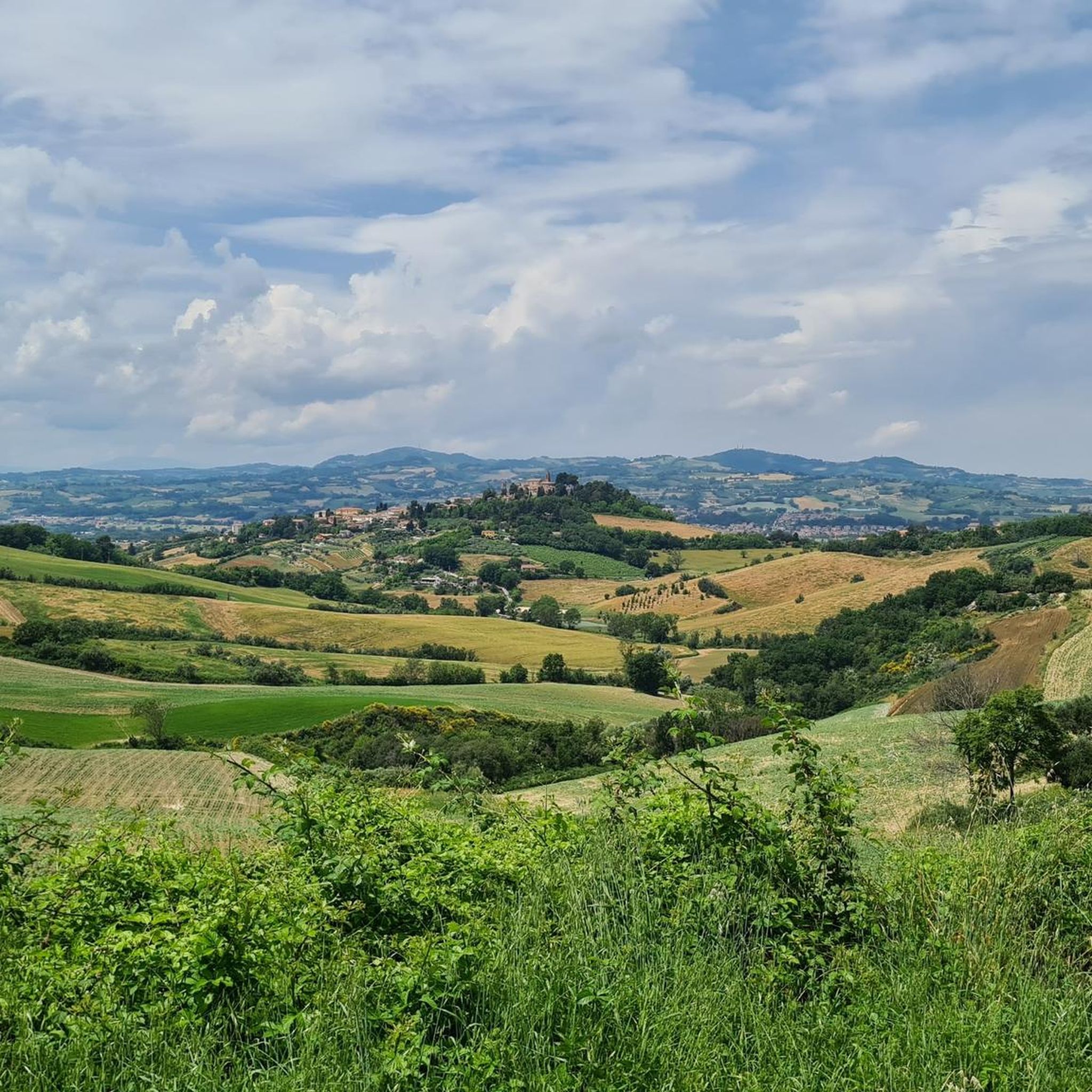
Mombaroccio is a small town of just over 2000 inhabitants. Its village, dominated by the church, was given to various lordships over the years, such as the Malatesta, the Sforza and the Della Rovere, ending with the Del Monte in 1953. Finally Cardinal Gabrielli included it in the legation of Pesaro and Urbino. Wikipedia source
0
0
Frequently Asked Questions
What historical sites can I visit around Piagge?
The area around Piagge is rich in history. You can explore the ancient Roman Arch of Augustus in Fano, built in 9 AD. Other notable historical sites include the well-preserved medieval Rocca di Mondavio and the Mombaroccio Gate, which offers access to a historic village.
Are there any notable religious buildings or viewpoints in the area?
Yes, the Eremo di Monte Giove is a significant religious building located at 223 meters above sea level. It offers enchanting panoramic views of Monte Conero, the Sibillini Mountains, and the Adriatic coast from Fano to Ancona.
What natural features can I explore around Piagge?
Beyond historical sites, the region offers natural beauty. The Valle dei Tufi is known for its tuff walls and is a nesting ground for bee-eaters between April and May. For more extensive natural exploration, the Sibillini Mountains Park is also within reach, offering opportunities for hiking and enjoying diverse landscapes.
Are there opportunities for cycling around Piagge?
Absolutely! Piagge is a great base for cycling. You can find various routes for different disciplines. For mountain biking, explore trails like the 'Trail Along the Metauro' or the 'Sanctuary of Beato Sante – Mombaroccio Gate loop'. Road cyclists can enjoy routes such as the 'View of San Giorgio di Pesaro – View of the Marche Countryside loop'. There are also challenging gravel biking routes, including the 'Valle dei Tufi – Piazza del Castello di Cerasa loop'. You can find more details on these routes in the MTB Trails around Piagge, Road Cycling Routes around Piagge, and Gravel biking around Piagge guides.
What kind of hiking trails are available near Piagge?
While specific hiking trails are not detailed in the immediate vicinity, the region offers numerous walking and cycling routes that can be adapted for hiking. The Eremo di Monte Giove is a known starting point for many walking routes, offering scenic views. The broader Sibillini Mountains Park also provides extensive hiking opportunities for various difficulty levels.
Are there family-friendly attractions in Piagge?
Many attractions around Piagge are suitable for families. Historical sites like the Arch of Augustus in Fano, the Mombaroccio Gate, and the Rocca di Mondavio are categorized as family-friendly. Exploring these historical villages and fortresses can be an engaging experience for all ages.
Are there any wheelchair-accessible attractions around Piagge?
Yes, the Fontana della Fortuna in Piazza XX Settembre, Fano, is noted as wheelchair-accessible. The surrounding old town of Fano, with its beautiful buildings and shops, also invites strolling.
When is the best time to visit Piagge for outdoor activities?
The spring months, particularly April and May, are excellent for outdoor activities. This is when bee-eaters nest in the Valle dei Tufi, offering a unique natural spectacle. Additionally, the Fiera di Sant'Ubaldo, a fair with flowers, local products, and street food, takes place in mid-May in Viale delle Piagge, Pisa (if referring to that specific Piagge), which could add to a spring visit experience.
How long should I plan for visiting attractions around Piagge?
To fully appreciate the historical sites, natural beauty, and nearby towns, planning at least 2-3 days is recommended. This allows for exploring Fano's Roman and medieval sites, visiting the Rocca di Mondavio, enjoying the views from Eremo di Monte Giove, and perhaps a day trip to a nearby city like Jesi or Fabriano.
What do visitors particularly enjoy about the attractions near Piagge?
Visitors frequently praise the well-preserved historical sites and the scenic views. The Arch of Augustus in Fano is appreciated for its preservation and the charming small streets of Fano. The Mombaroccio Gate leads to a beautiful historic village, and the Eremo di Monte Giove is cherished for its 'splendid view' and 'enchanting place' atmosphere.
Are there any unique cultural experiences or hidden gems near Piagge?
Beyond the main attractions, the region offers unique cultural insights. Fabriano, about 30 km away, is a UNESCO city famous for its handcrafted paper, where you can visit the Museum of Paper and Watermark. Ancona hosts the tactile Omero Museum, a unique experience for all. In the Florentine periphery, if referring to that Piagge, ilPrisma is a cultural incubator dedicated to artistic research and urban regeneration through art.
What other towns or cities are worth visiting for a day trip from Piagge?
Several fascinating towns are within easy reach for a day trip. Jesi, the birthplace of Holy Roman Emperor Frederick II, offers numerous historical buildings and museums. Fabriano is renowned for its paper-making tradition. Ancona, a harbor city, boasts historical and religious structures like the Cathedral of Saint Ciriaco. Recanati is famous as the city of poet Giacomo Leopardi, and Macerata is known for its open-air opera arena.
Most popular attractions around Piagge

Get inspired with the komoot mobile app


Explore more
Still not found the Highlight you’re looking for? See guides of the top attractions in other regions:
