Top 20 Castles around Vallefoglia
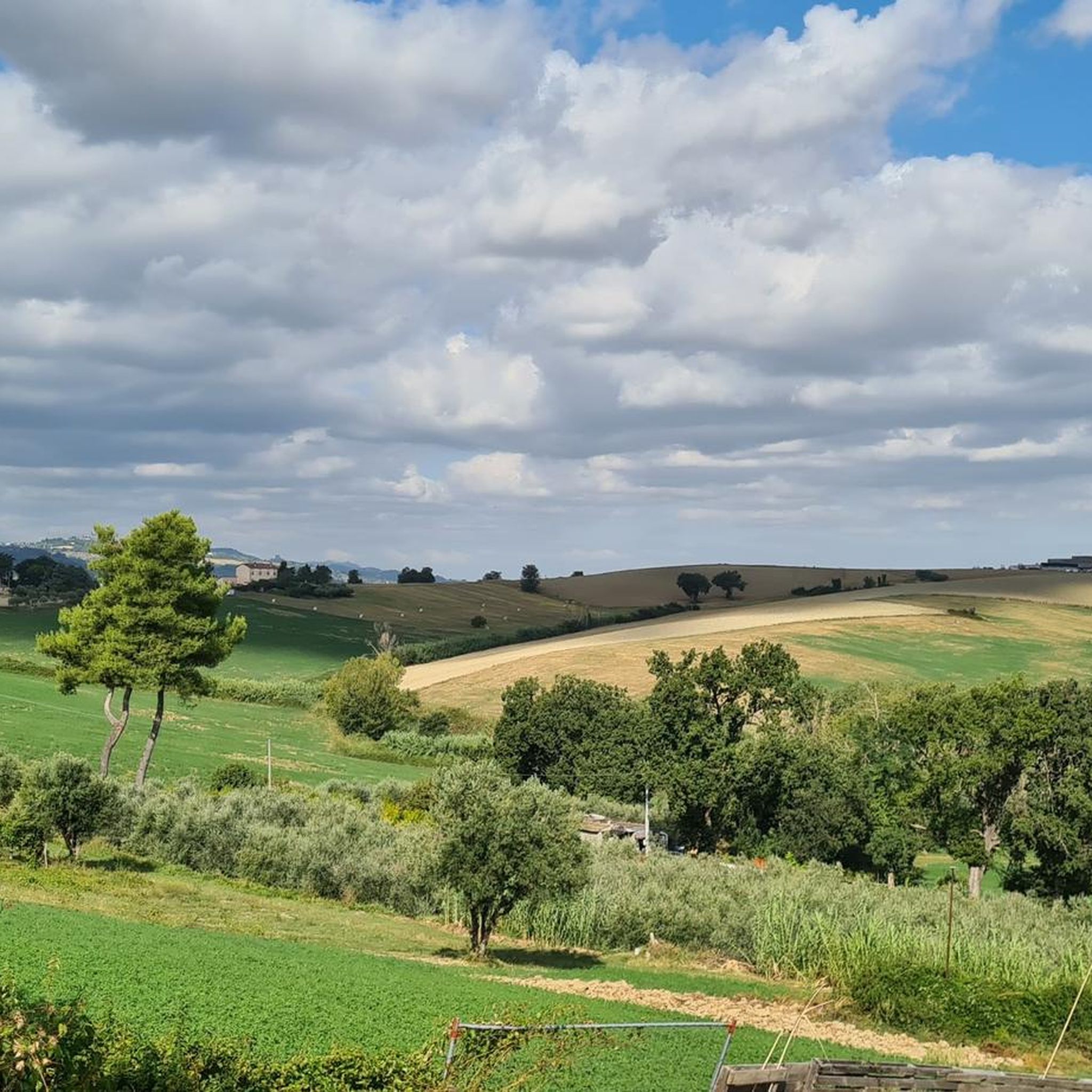
Best castles around Vallefoglia are found in a region characterized by rolling hills and historical significance. The area features a landscape shaped by centuries of regional conflicts between powerful families like the Malatesta and Montefeltro. This part of Italy offers a glimpse into medieval architecture and fortified villages. The municipality provides access to a rich historical landscape.
Best castles around Vallefoglia
- The most popular castles is Urbino, a historical site that is a UNESCO World Heritage Site. It is…
Last updated: July 7, 2026
Gradara
Highlight • Castle
The imposing structure is protected by two city …
Translated by Google •
Tip by

Tavoleto Castle
Highlight • Castle
Translated by Google •
Tip by

Sign up now to discover places like this
Get recommendations on the best single tracks, peaks, & plenty of other exciting outdoor places.
Sign up for free
Ducal Palace
Highlight • Castle
Tip by

Ducal Palace, Urbino
Highlight • Historical Site
Translated by Google •
Tip by

Urbino
Highlight • Historical Site
Translated by Google •
Tip by
Sign up for free to discover even more castles around Vallefoglia.
Sign up for free
Already have an account?
Start today with a free account
Your next adventure awaits.
Login or Signup

Tips from the Community

The castle preserves original furnishings, 15th-century frescoes, and a chapel with terracotta altarpieces. The structure is famous for its connection to the story of Paolo and Francesca, the two lovers mentioned by Dante in the Divine Comedy. The village is known for its double ring of walls and drawbridge, examples of medieval military architecture. The interior houses the courtyard of honor, the torture chambers, and the room attributed to the betrayal of the two young people.
1
0
Urbino is a city in the Marche region, recognized as a UNESCO World Heritage site for its Renaissance-era historic center. It is located in a hilly area and is characterized by uphill streets, squares, and brick buildings. Among the main sites is the Ducal Palace of Urbino, home to the National Gallery of the Marche. Urbino is also the birthplace of Raffaello Sanzio, with a house-museum that can be visited. The city is home to the University of Urbino Carlo Bo, which contributes to the presence of students throughout the year.
0
0

The Palazzo Ducale is a Renaissance ducal palace built primarily on the orders of Count Federico da Montefeltro between 1463 and 1472. It is now a UNESCO World Heritage Site.
1
0

Entering the medieval village of Gradara has its own charm...
1
0
The Palazzo Ducale in Urbino is a Renaissance palace and houses the famous Renaissance picture gallery of the Marche.
2
0

..... all I would add is that the toilets are clean and free for public use. An impressive inner courtyard and part of it is free to enter.
0
0

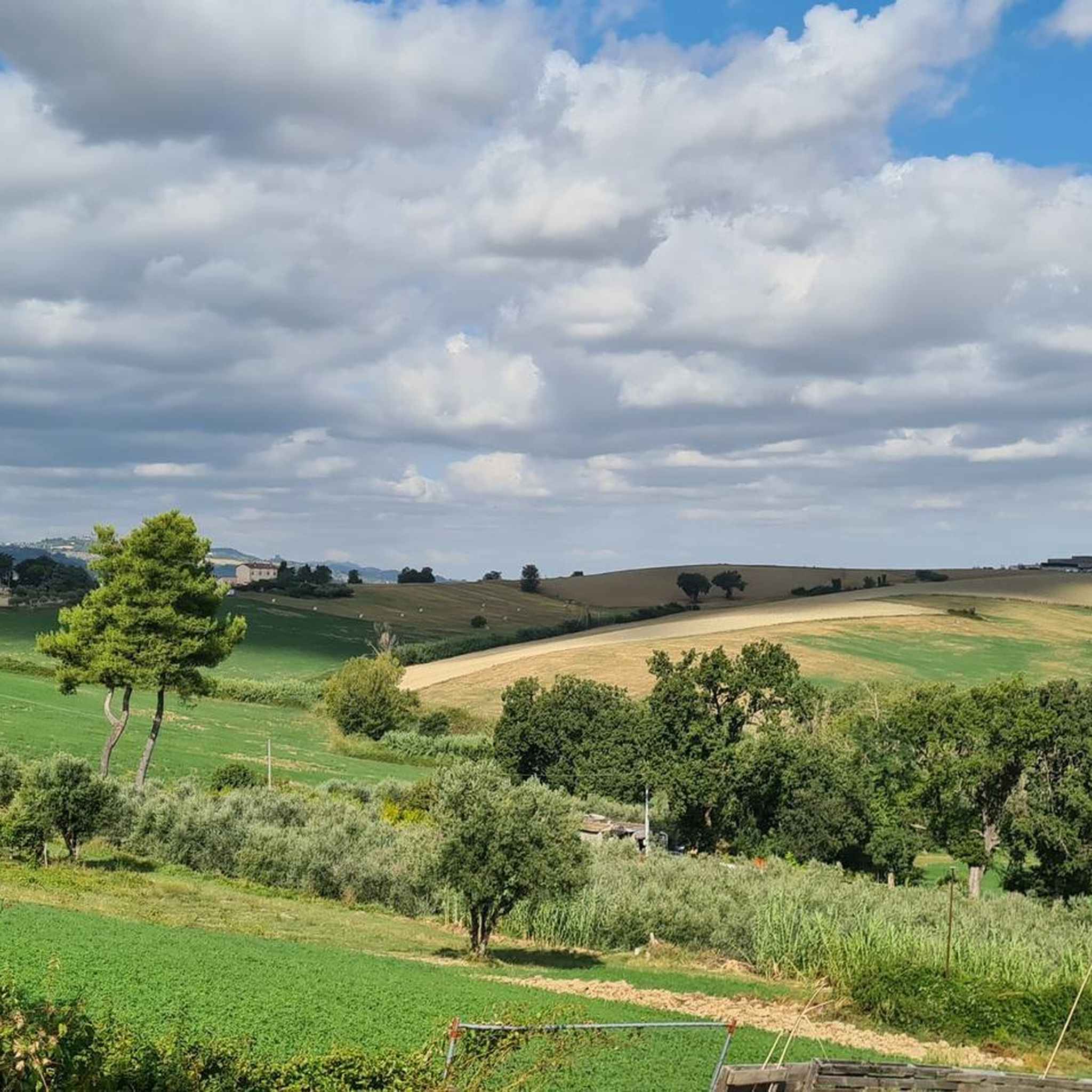
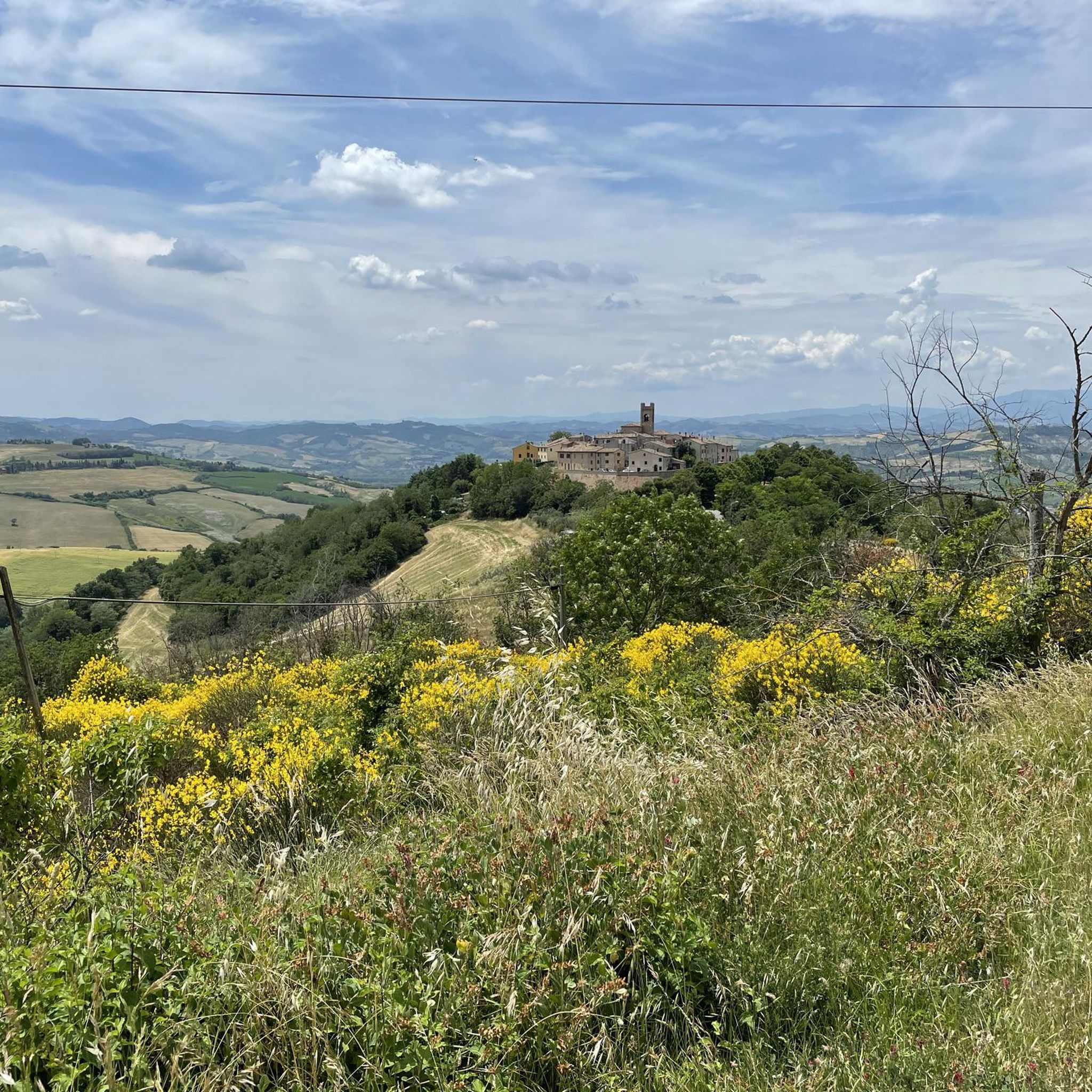
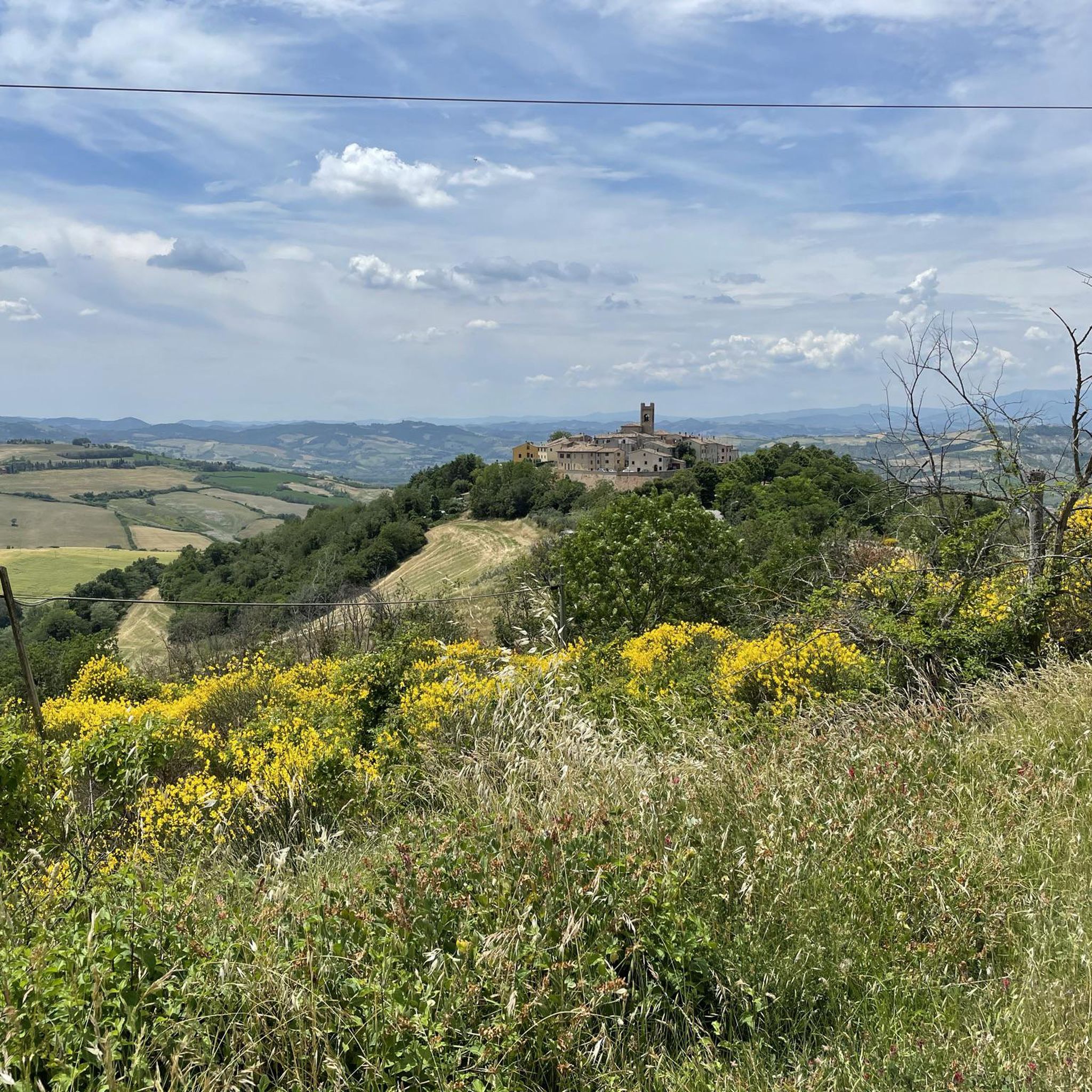
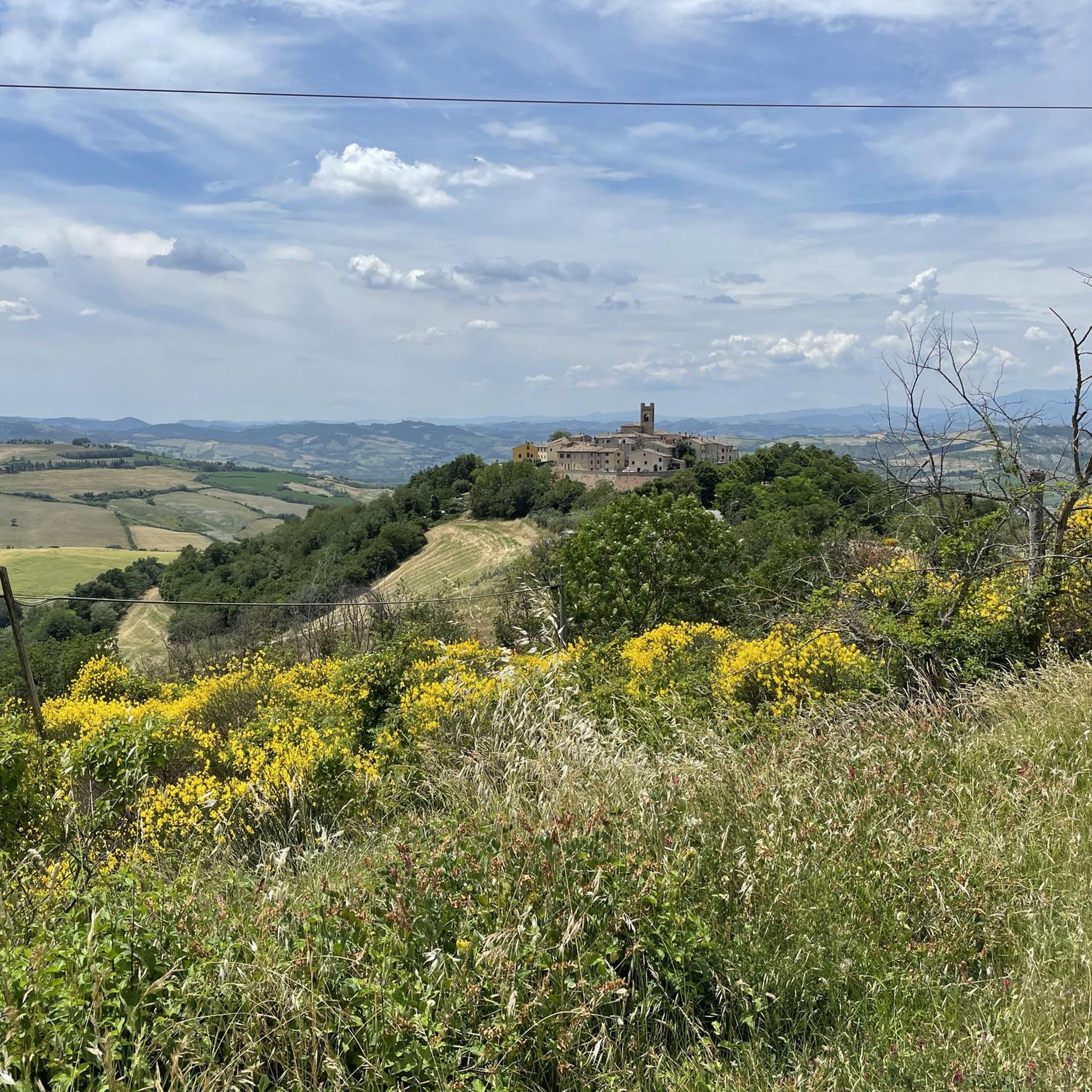
The city of Urbino is located on the highest part of a hill which, seen from afar, takes your breath away with such beauty.
2
0

The Palazzo Ducale is the main monument of the city of Urbino and one of the most interesting artistic-architectural examples of the Italian Renaissance. It is home to the National Gallery of the Marche and the Archaeological Lapidary Museum.
1
0
Frequently Asked Questions
Which castles and fortified villages should I visit around Vallefoglia?
You can explore several historically significant sites. Don't miss Urbino, a UNESCO World Heritage site known as the "Cradle of the Renaissance." The fortified village of Saludecio offers a glimpse into medieval defensive structures with its bell towers and ancient walls. Tavoleto Castle, with its tumultuous history between the Malatesta and Montefeltro families, is also a notable visit. Additionally, the fortified village of Mondaino and the historical site of Montefabbri are worth exploring.
Are there family-friendly castles or historical sites in the Vallefoglia area?
Yes, several sites are suitable for families. Tavoleto Castle, Urbino, and Saludecio are all listed as family-friendly. Exploring these fortified villages and castles can be an engaging experience for all ages, offering a tangible connection to history.
What kind of historical significance do the castles around Vallefoglia hold?
The castles and fortified villages in this region are deeply rooted in the conflicts between powerful families like the Malatesta and Montefeltro. Sites like Tavoleto Castle changed hands multiple times, and the fortified village of Mondaino was a crucial part of the Malatesta Lordship's defensive line. Urbino, with its Ducal Palace, is a UNESCO World Heritage site and a prime example of Renaissance architecture and culture.
Can I find panoramic views near the castles in Vallefoglia?
Absolutely. Many of the castles and fortified villages are perched on hills, offering excellent vantage points. Urbino, for instance, is known for its narrow, steep streets that provide great views of the surrounding hills and villages. The characteristic profile of Saludecio on a knoll also suggests picturesque vistas.
What outdoor activities can I do near these historical sites?
The region around Vallefoglia offers various outdoor activities. You can find numerous routes for cycling, running, and hiking. For cycling, explore routes like the 'Gravel from Colbordolo between Monteciccardo and Montefabbri' or the 'View of the Adriatic Sea – Casteldimezzo loop'. Hiking options include 'Towards the Church of Sant'Apollinare along the trails of the Alta Valconca' from Mondaino. You can find more details on these activities in the Cycling around Vallefoglia, Running Trails around Vallefoglia, and Hiking around Vallefoglia guides.
What do visitors enjoy most about the castles and villages in this area?
Visitors frequently appreciate the rich history and architectural beauty. The transformation of Tavoleto Castle from a contested fortress to a venue for receptions, and the well-preserved medieval structure of Saludecio, are often highlighted. The overall atmosphere of stepping back in time, especially in places like Urbino, is a major draw.
Are there any hidden historical sites near Vallefoglia worth discovering?
Beyond the more prominent castles, Montefabbri is recognized as a significant, albeit smaller, historical site within the municipality of Vallefoglia. It's mentioned in local guides as a 'hidden castle,' suggesting it offers a more intimate historical experience away from larger crowds.
What is the best season to visit the castles around Vallefoglia?
While specific opening times vary, the region's mild climate generally makes spring and autumn ideal for exploring. These seasons offer pleasant temperatures for walking around fortified villages and enjoying the scenic views without the intense heat of summer or the chill of winter. However, many sites remain accessible year-round.
Are there any specific architectural features to look out for in the region's castles?
Yes, the architecture reflects the region's defensive past. In Mondaino, you can observe a robust 'scarp' wall and elegant Ghibelline battlements, indicative of its strategic importance. Tavoleto Castle was rebuilt by the renowned architect Francesco di Giorgio Martini, showcasing Renaissance influences on a medieval structure. Urbino's Ducal Palace is a masterpiece of Renaissance design.
What kind of local experiences can I have near these castles?
Beyond the historical sites, the area offers a chance to immerse yourself in local Italian life. You can explore the charming streets of fortified villages like Saludecio, enjoy local cuisine in nearby restaurants, and perhaps discover local produce markets. The region's rolling hills also provide a beautiful backdrop for leisurely drives or bike rides.
How many castles and historical sites are there to explore in the Vallefoglia area?
The region around Vallefoglia is rich with historical sites. While Vallefoglia itself is a modern municipality, its broader area and proximity to other towns boast numerous castles and fortified villages. The komoot community has upvoted over 100 highlights related to castles and historical sites in the vicinity, indicating a wide array of places to discover.
Most popular routes around Vallefoglia
Most popular attractions around Vallefoglia

Get inspired with the komoot mobile app


Explore more
Looking for the best castles somewhere else? Discover other guides around Vallefoglia:
