Top 7 Castles around Folgaria
Best castles around Folgaria are found in the surrounding Alpe Cimbra region and wider Trentino area, offering a range of historical fortifications. The area is particularly known for its impressive Austro-Hungarian forts from World War I, which provide insight into 20th-century military history. Additionally, the wider Trentino region features notable medieval castles. These structures collectively present a compelling historical narrative for visitors.
Best castles around Folgaria
- The most popular castles is Forte Dosso delle Somme, a historical site that…
Last updated: July 7, 2026
Forte Dosso delle Somme
Highlight • Historical Site
Translated by Google •
Tip by

Forte di Tenna
Highlight • Historical Site
Translated by Google •
Tip by

Sign up now to discover places like this
Get recommendations on the best single tracks, peaks, & plenty of other exciting outdoor places.
Sign up for free
Beseno Castle
Highlight • Castle
Translated by Google •
Tip by

Fort Belvedere-Gschwent
Highlight • Historical Site
Translated by Google •
Tip by
Rovereto Castle
Highlight • Castle
Translated by Google •
Tip by

Sign up for free to discover even more castles around Folgaria.
Sign up for free
Already have an account?
Start today with a free account
Your next adventure awaits.
Login or Signup
Popular around Folgaria
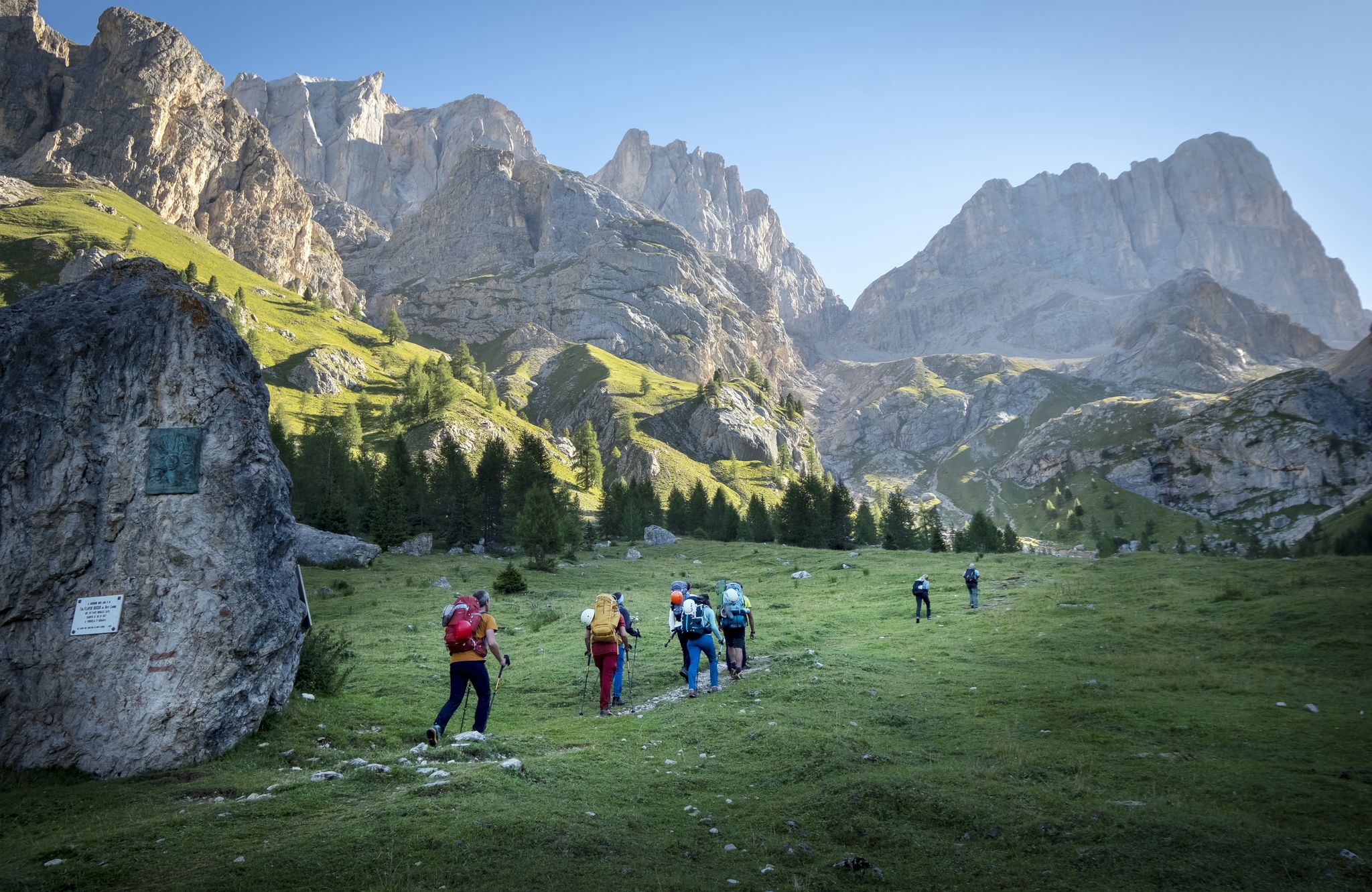
The Path of Peace – journey into Trentino's history
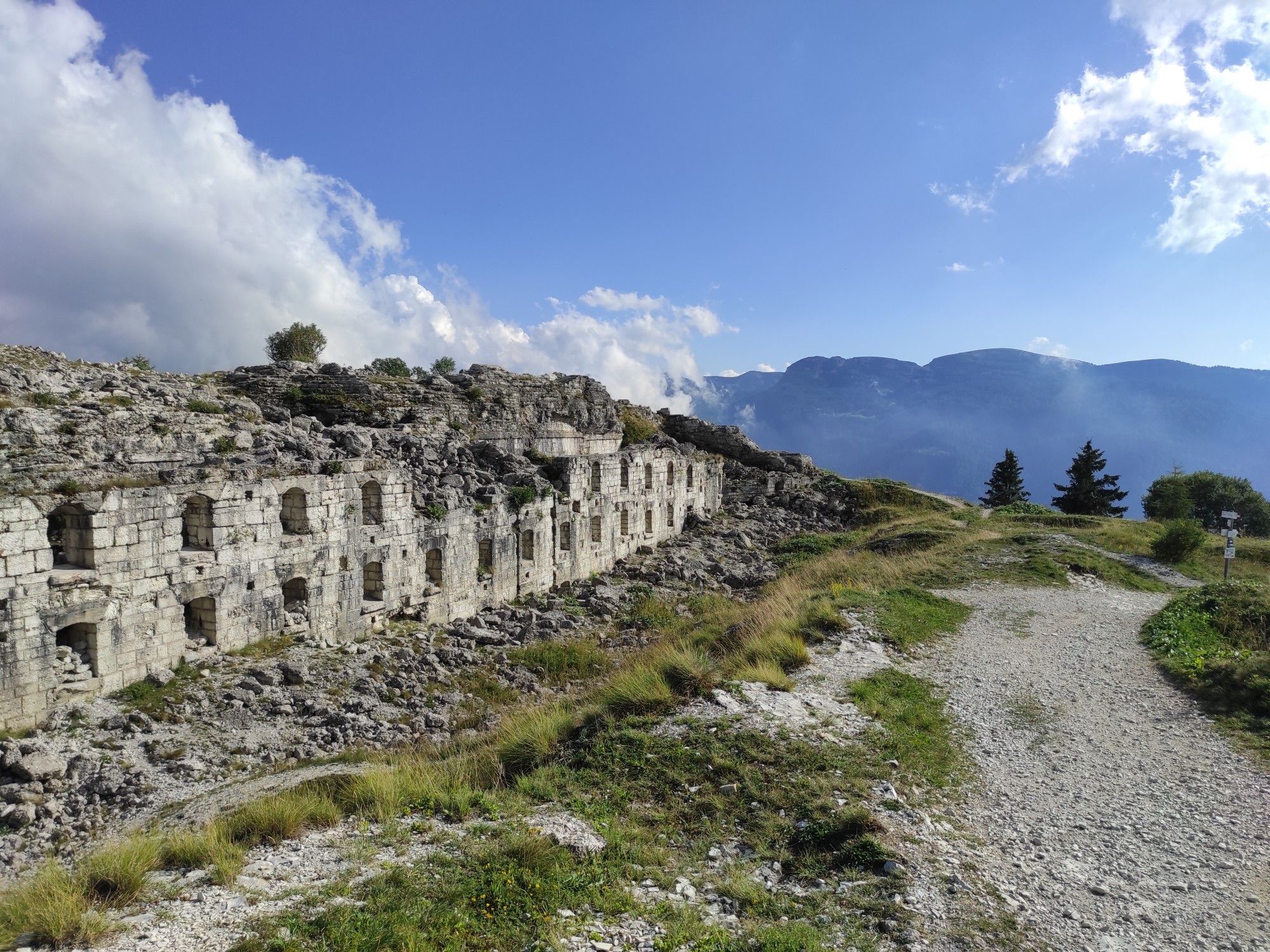
A ride through history and nature – 100Km dei Forti
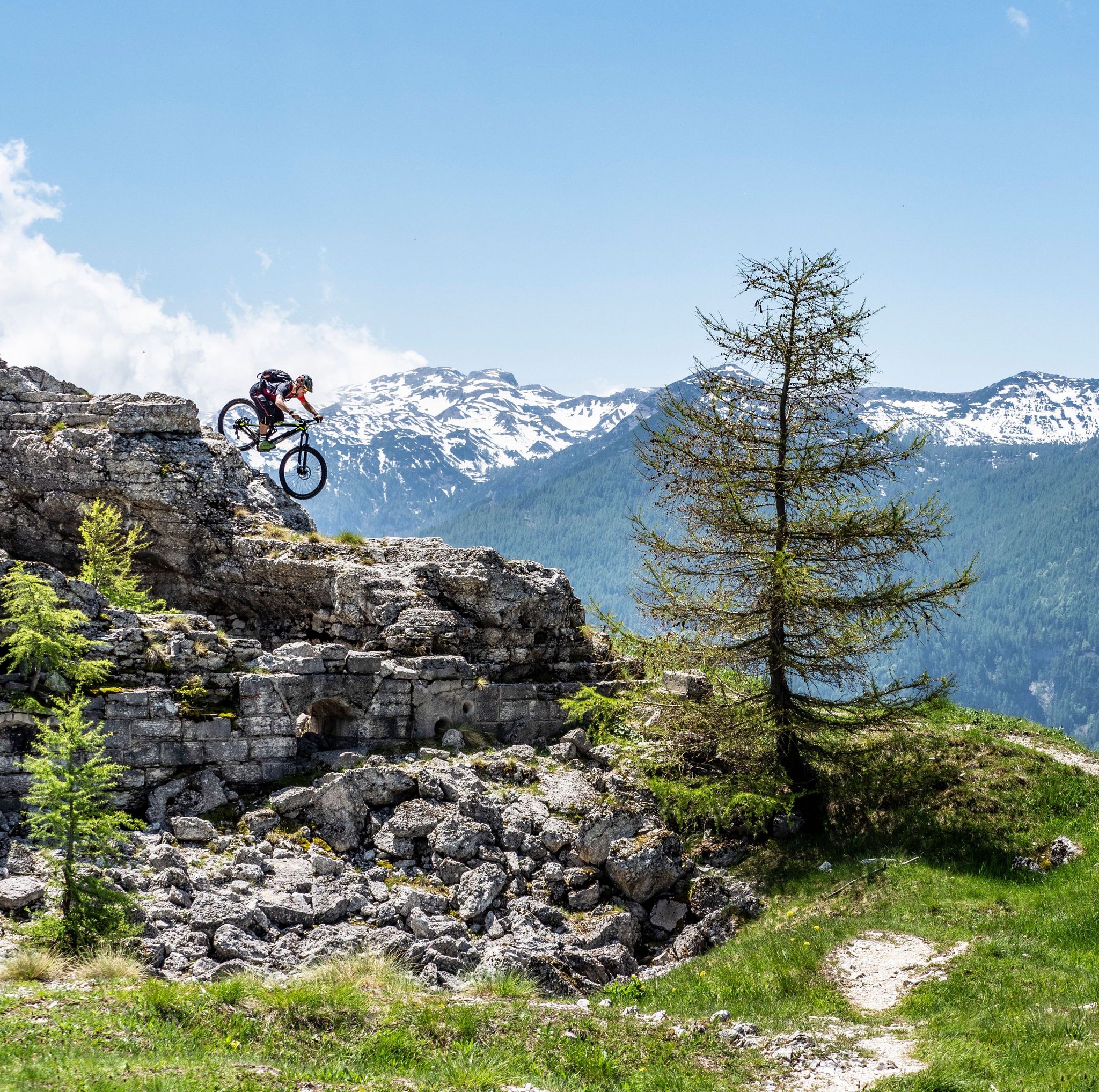
Free your energy! The mountain bike routes of Alpe Cimbra
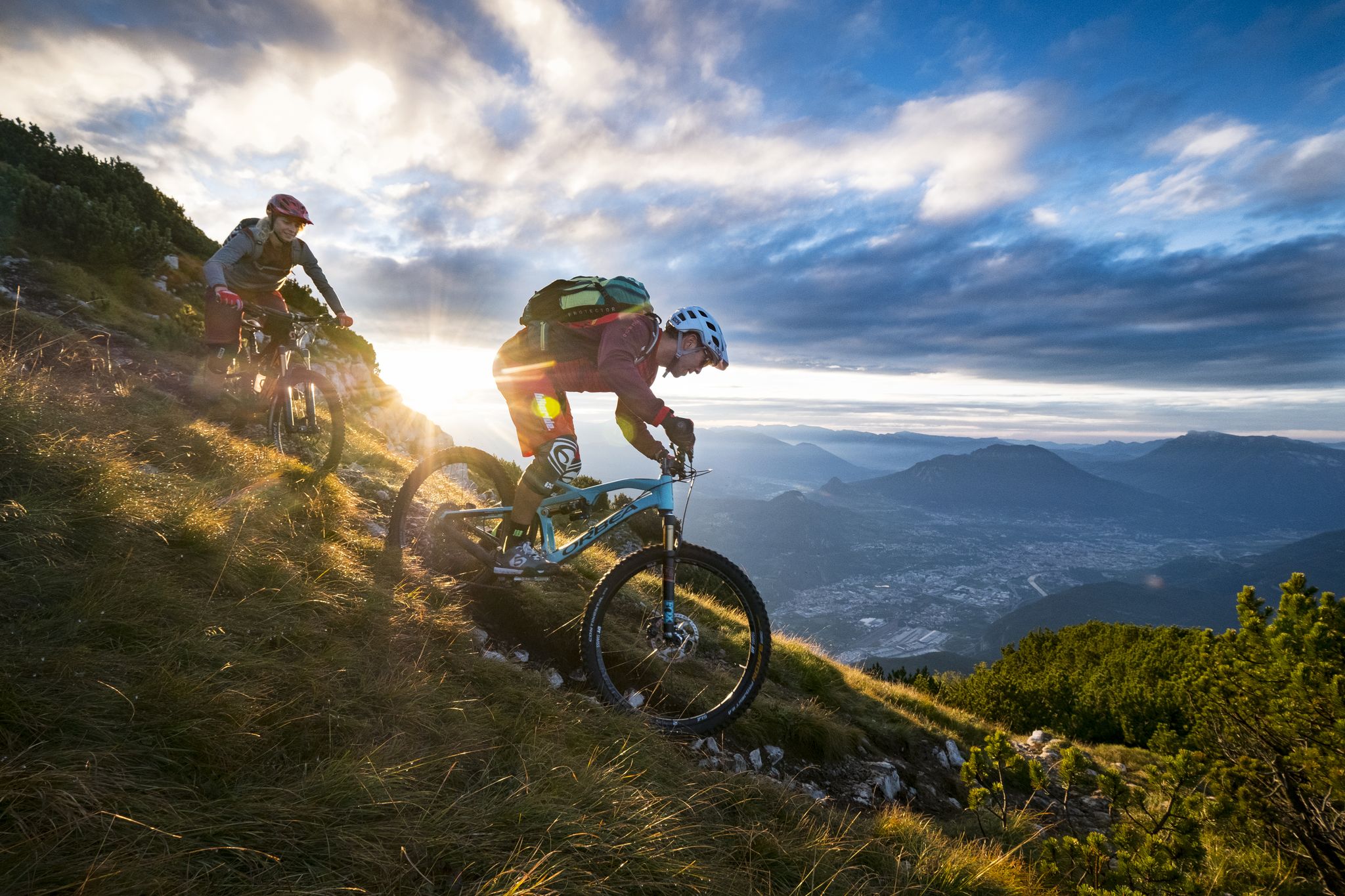
Mountain Biking in Trentino — from the Dolomites to Lake Garda
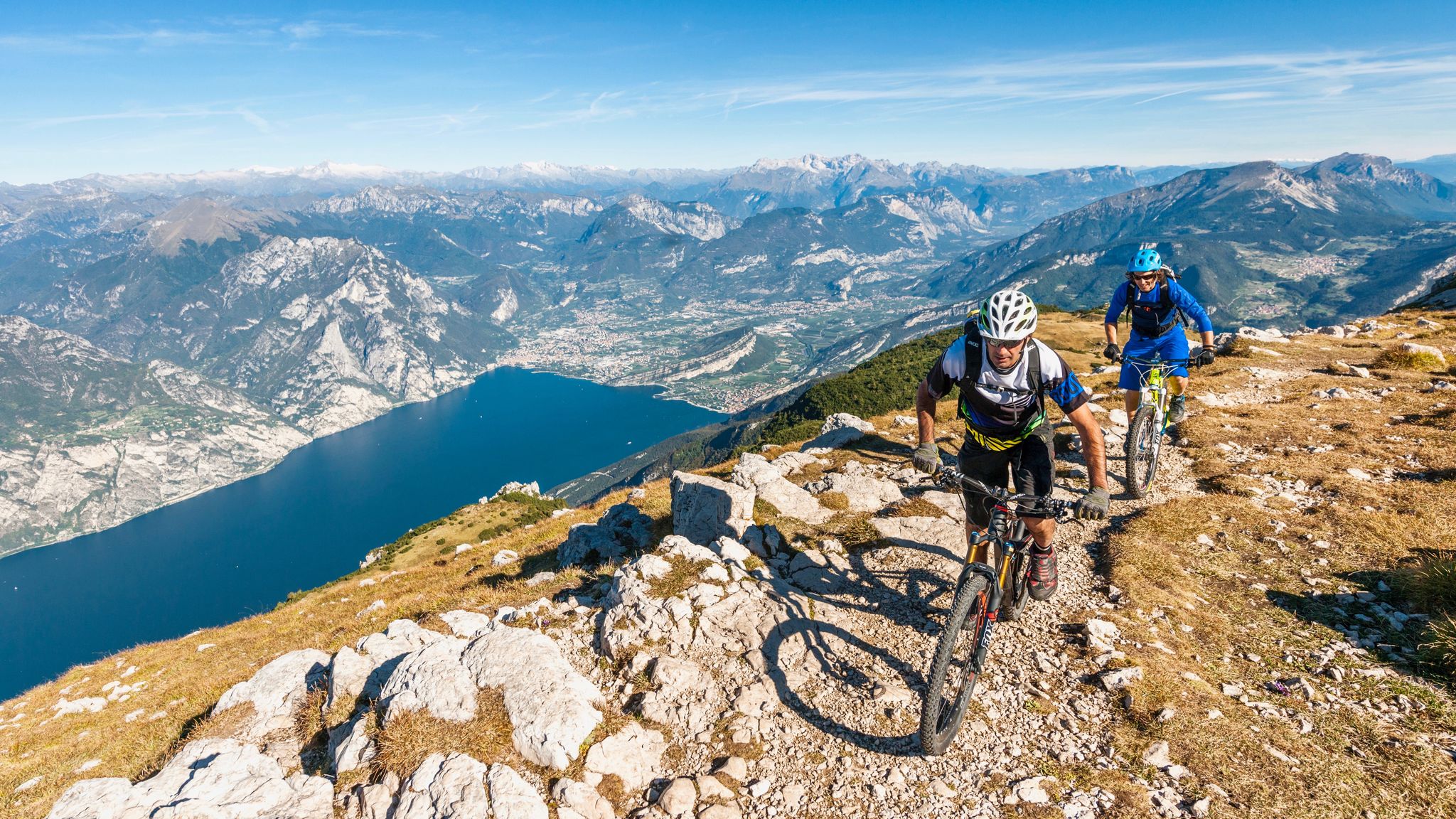
Mediterranean bike tours in alpine altitudes
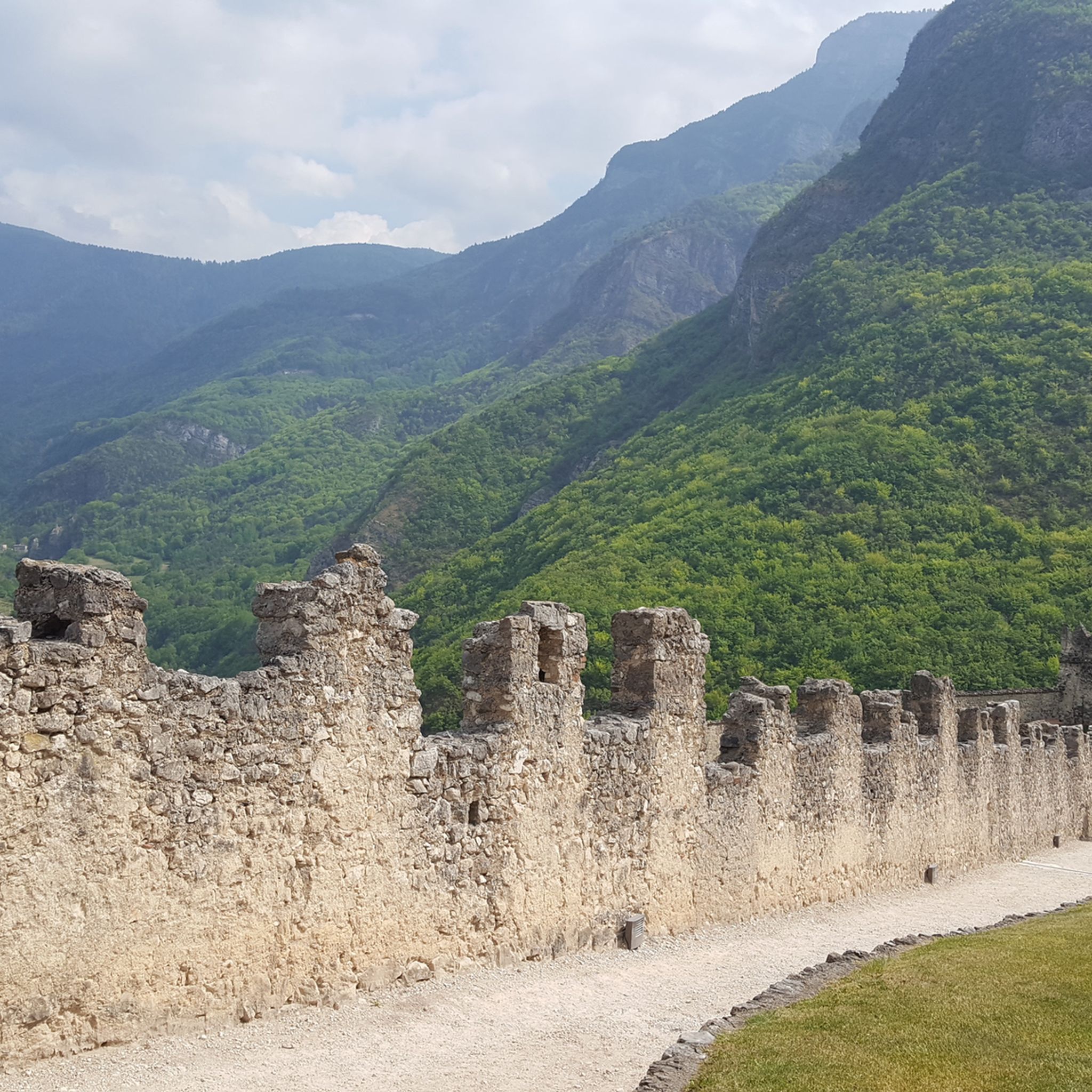
Hiking around Folgaria
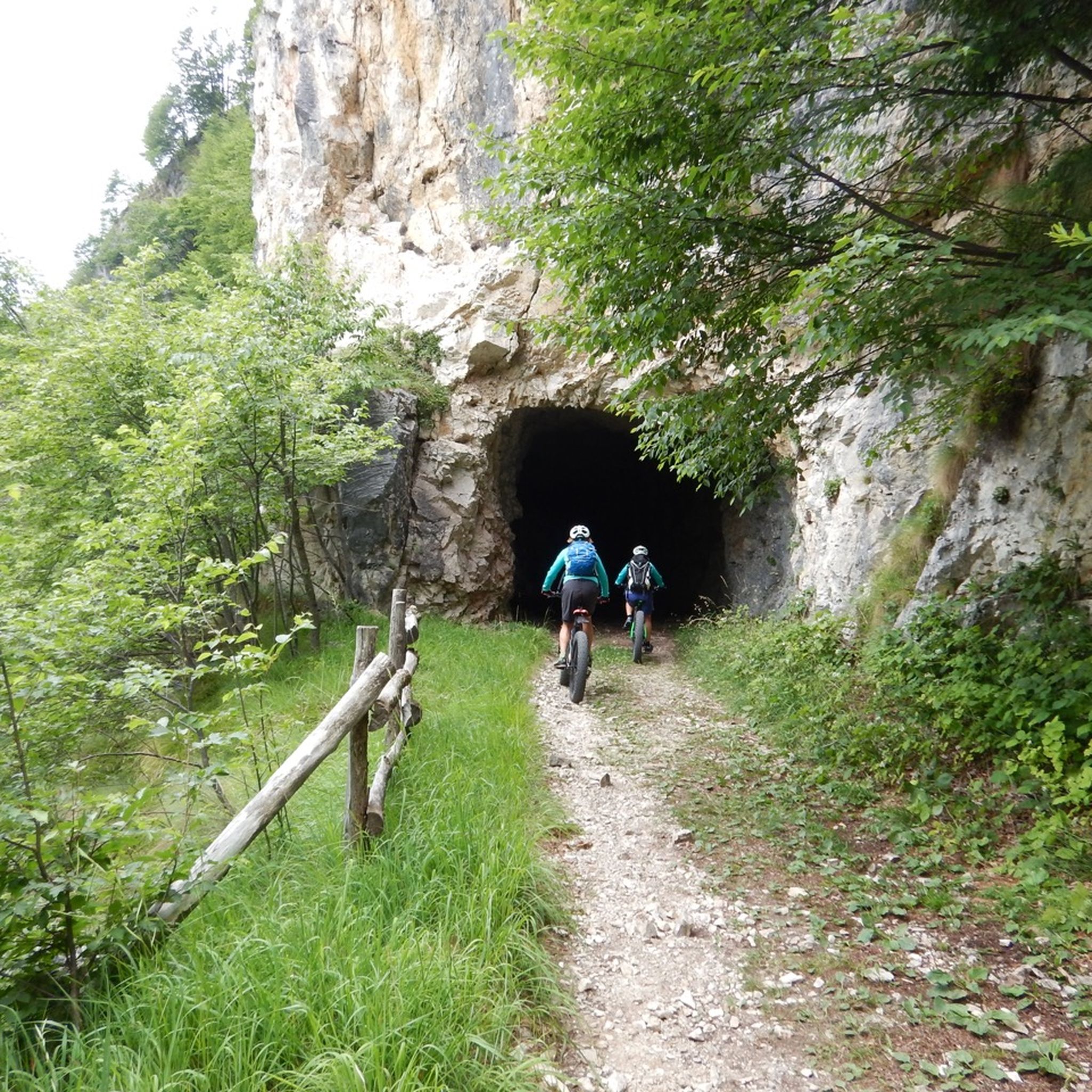
MTB Trails around Folgaria
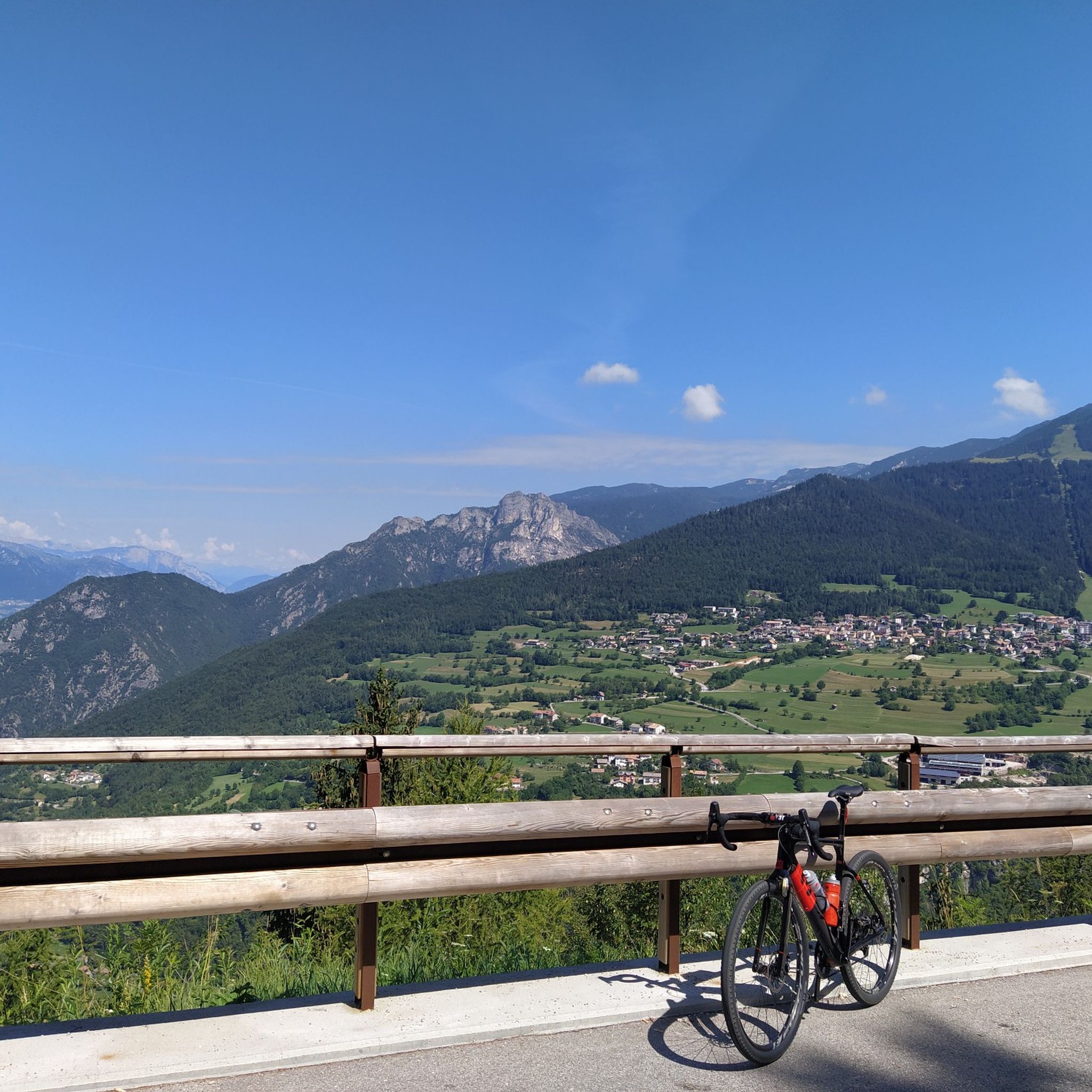
Cycling around Folgaria
Road Cycling Routes around Folgaria
Gravel biking around Folgaria
Other adventures around Folgaria


Tips from the Community

Built between the 13th and 15th centuries. It houses the Great War museum
0
0
The Dosso della Somme fort was the most important technological outpost of the defensive line of the plateaus
0
0

The war museum is really interesting and well presented!
1
0

The website of the Italian War History Museum: https://museomitag.it/
0
0

Remains of Fort Dosso delle Somme
0
0

The Castello di Rovereto, also known as Castel Veneto, is a Renaissance fortress built in the 15th century and the most important example of Venetian fortification architecture in Trentino. After a turbulent history, the castle has housed the Italian War History Museum (Museo Storico Italiano della Guerra in Italian) since 1921. Source: Wikipedia
7
0
The Castello di Rovereto, also known as Castel Veneto, is a Renaissance fortress built in the 15th century and the most important example of Venetian fortification architecture in Trentino. After a turbulent history, the Italian Historical War Museum (Italian: Museo Storico Italiano della Guerra) has been housed in the castle since 1921. Source: Wikipedia
8
0

Spectacular testimony to the presence of a massive defensive line, 30 km long, established by the Austro-Hungarian empire before 1914, which consists of seven fortifications.
1
0
Frequently Asked Questions
What types of historical fortifications can I explore around Folgaria?
The region around Folgaria, including the Alpe Cimbra area and wider Trentino, is rich in history. You can explore impressive Austro-Hungarian forts from World War I, which offer a poignant glimpse into 20th-century military history, as well as magnificent medieval castles that showcase older architectural styles and historical narratives.
Which World War I forts are particularly worth visiting near Folgaria?
Several significant World War I forts are accessible. We recommend visiting Fort Belvedere-Gschwent, known for being exceptionally well-preserved and housing a museum. Another key site is Forte Dosso delle Somme (Werk Serrada), a former Austrian fortification at 1670 meters altitude, offering a direct experience of strategic military positions. Forte Cherle, built in 1908, has also been restored and converted into a museum.
Are there any medieval castles accessible from Folgaria?
Yes, for those interested in older fortifications, the wider Trentino region offers some magnificent medieval castles. Castel Pietra, located approximately 6 km from Folgaria, is known for its unique 15th-century frescoes. Further afield, but accessible, are Beseno Castle and Buonconsiglio Castle in Trento.
Is Fort Belvedere-Gschwent suitable for families?
Yes, Fort Belvedere-Gschwent is considered family-friendly. It is a well-preserved site with a museum that includes artifacts and multimedia installations, providing an educational and engaging experience for visitors of all ages.
How long does it typically take to visit a castle or fort?
The duration of a visit can vary. For a comprehensive site like Fort Belvedere-Gschwent with its museum, you might spend 2-3 hours. Smaller forts or those primarily explored from the exterior might take 1-2 hours. Larger medieval castles like Beseno Castle or Buonconsiglio Castle could easily fill half a day or more, especially if you explore their extensive collections and grounds.
Are there hiking trails connecting the forts around Folgaria?
Yes, many of the World War I forts in the Alpe Cimbra area are connected by walking and cycling routes, such as the famous '100 km of the Forts.' You can find various hiking options, including challenging routes like the 'Achille Papa Hut – Strada Scarubbi loop' or moderate ones like the 'Valimpach Via Ferrata – Cliffside View loop.' For more details, explore the Mountain Hikes around Folgaria guide.
What cycling routes are available near the castles?
The area offers excellent cycling opportunities, often incorporating the historical forts. You can find routes like the 'Tour dei Forti sull'altopiano di Folgaria' for MTB enthusiasts or the 'Forts of Folgaria – Base Tuono Missile Museum loop' for touring bicycles. Check out the MTB Trails around Folgaria and Cycling around Folgaria guides for detailed routes.
Can I visit the castles and forts during winter?
While some outdoor forts might be less accessible or covered in snow during winter, many of the major sites, especially those with museums like Fort Belvedere-Gschwent, often remain open. Medieval castles like Beseno Castle also have winter opening hours, though they might be reduced. It's always best to check the specific opening times for each site before your visit.
What makes Castel Beseno unique among the castles in Trentino?
Beseno Castle, near Rovereto, stands out as the largest feudal fortification in Trentino. Its sheer size, historical significance (including its role in the Battle of Calliano in 1487), and panoramic views of the Etsch Valley are impressive. It's also known for its well-equipped armory where visitors can try on weapons and armor, making it particularly engaging for families.
Are there any castles with unique artistic features?
Yes, Castel Pietra is notable for its distinctive 15th-century frescoes. Additionally, Buonconsiglio Castle in Trento, the former residence of prince-bishops, houses rich art and archaeology collections, including stunning Renaissance frescoes in the 'Magno Palazzo' and the 'Cycle of the Months' Gothic masterpiece in the 'Torre dell'Aquila'.
What are the parking options for visiting the forts and castles?
Most major forts and castles, especially those that are popular tourist destinations, provide dedicated parking areas nearby. For example, sites like Fort Belvedere-Gschwent and Beseno Castle typically have parking facilities. For more remote forts, parking might be at the start of a trail leading to the site. It's advisable to check specific location details for the best parking options.
Are there any viewpoints near the castles and forts?
Many of the forts and castles, due to their strategic defensive locations, offer excellent viewpoints. Forte Dosso delle Somme, situated at 1670 meters, provides commanding views. Similarly, Fort Belvedere-Gschwent and Forte di Tenna are known for their panoramic vistas. Beseno Castle also offers impressive views of the Etsch Valley.
Where can I find more general information about castles in Trentino?
For broader information on castles throughout the Trentino region, you can visit the official tourism website: visittrentino.info. This resource provides details on various historical sites beyond those specifically mentioned here.
Most popular routes around Folgaria
Most popular attractions around Folgaria

Get inspired with the komoot mobile app


Explore more
Looking for the best castles somewhere else? Discover other guides around Folgaria:
