The best walks and hikes around Vallarsa
4.4
(1292)
8,073
hikers
72
hikes
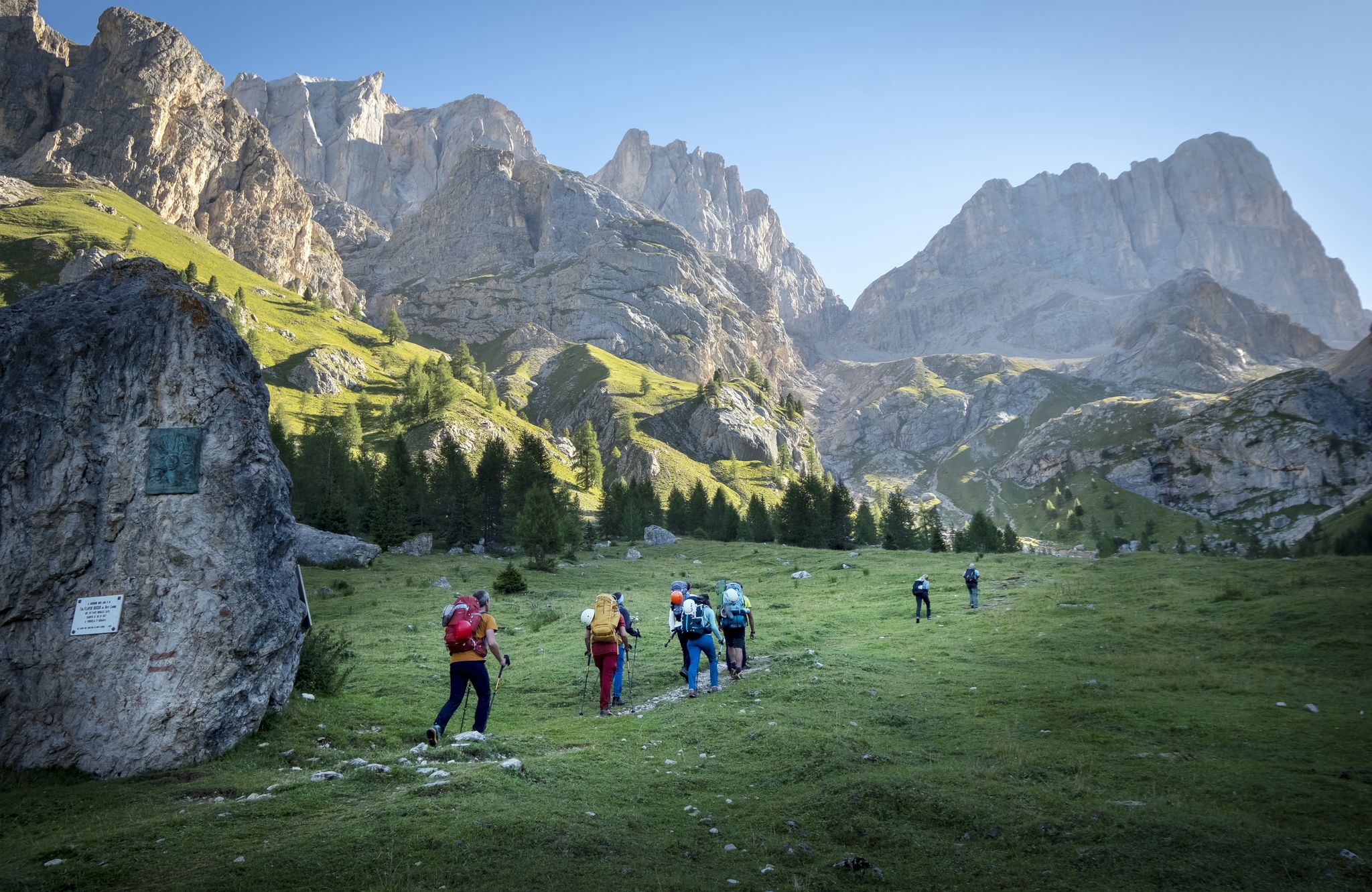
Hiking around Vallarsa offers varied landscapes, from the dramatic Piccole Dolomiti to the southwest and the Monte Pasubio massif to the east. The valley features green valleys, lush forests, and alpine meadows, with the Leno torrent flowing through its heart. Many routes follow historical paths from World War I, showcasing fortifications and trenches. This region provides a diverse range of hiking experiences amidst its natural and historical features.
Best hiking trails around Vallarsa
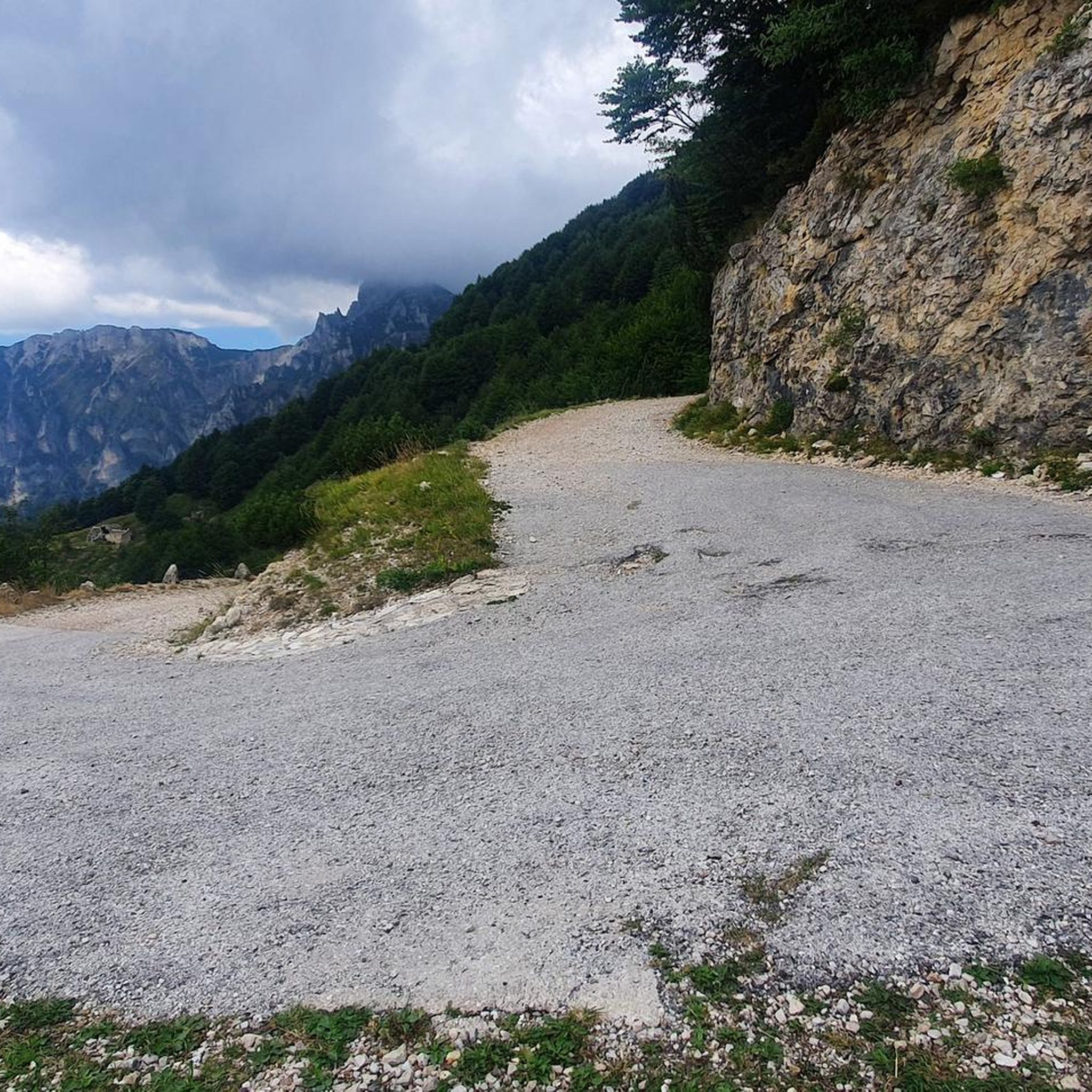
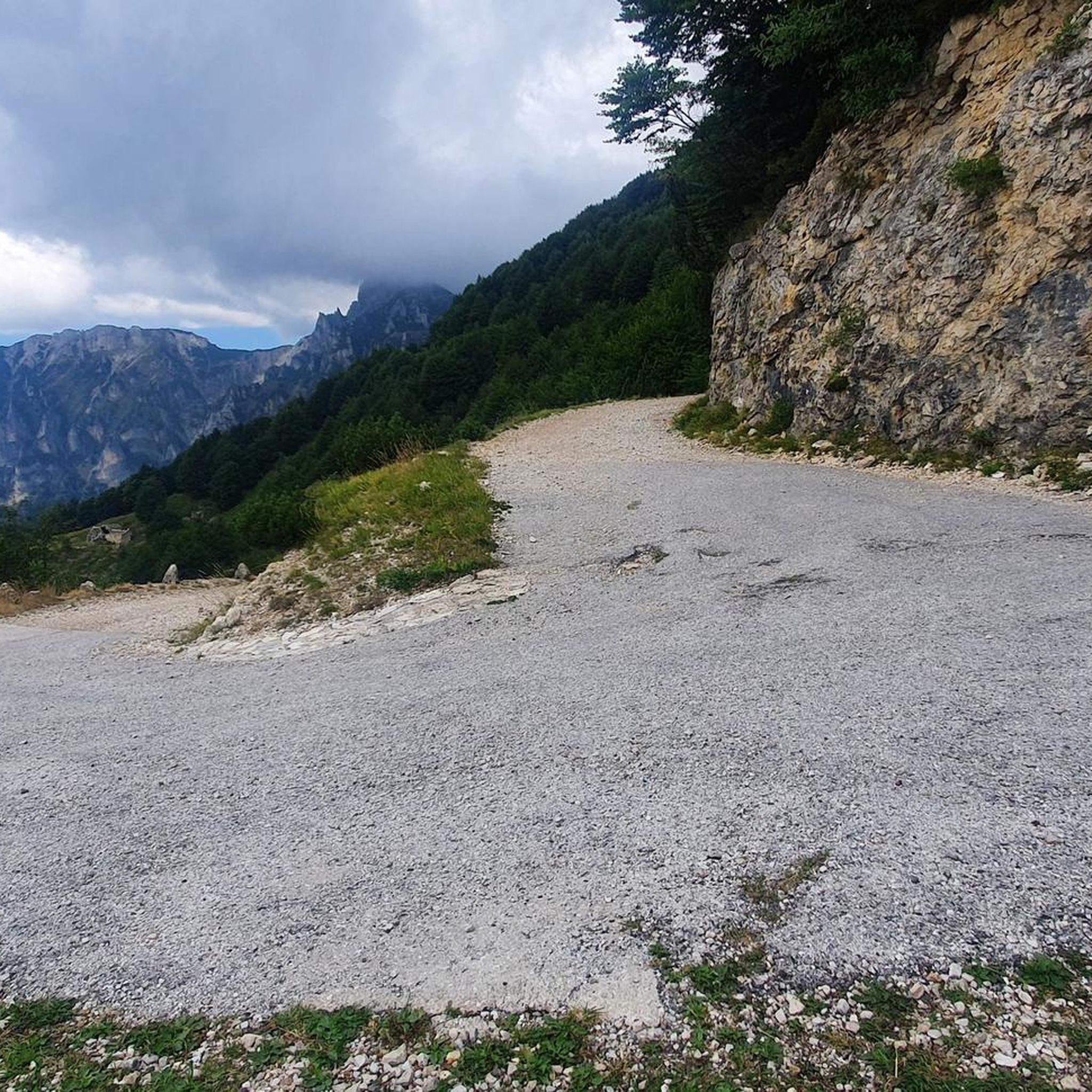
- The most popular hiking route is Pasubio Ring: Road of Heroes, an 11.7 miles (18.9 km) trail that takes about 7 hours 30 minutes to complete. This difficult route offers dramatic mountain views and passes through significant historical sites.
- Another top favourite among local hikers is Road of the Heroes, a difficult 9.6 miles (15.4 km) path. This trail is known for its historical significance and challenging mountain terrain.
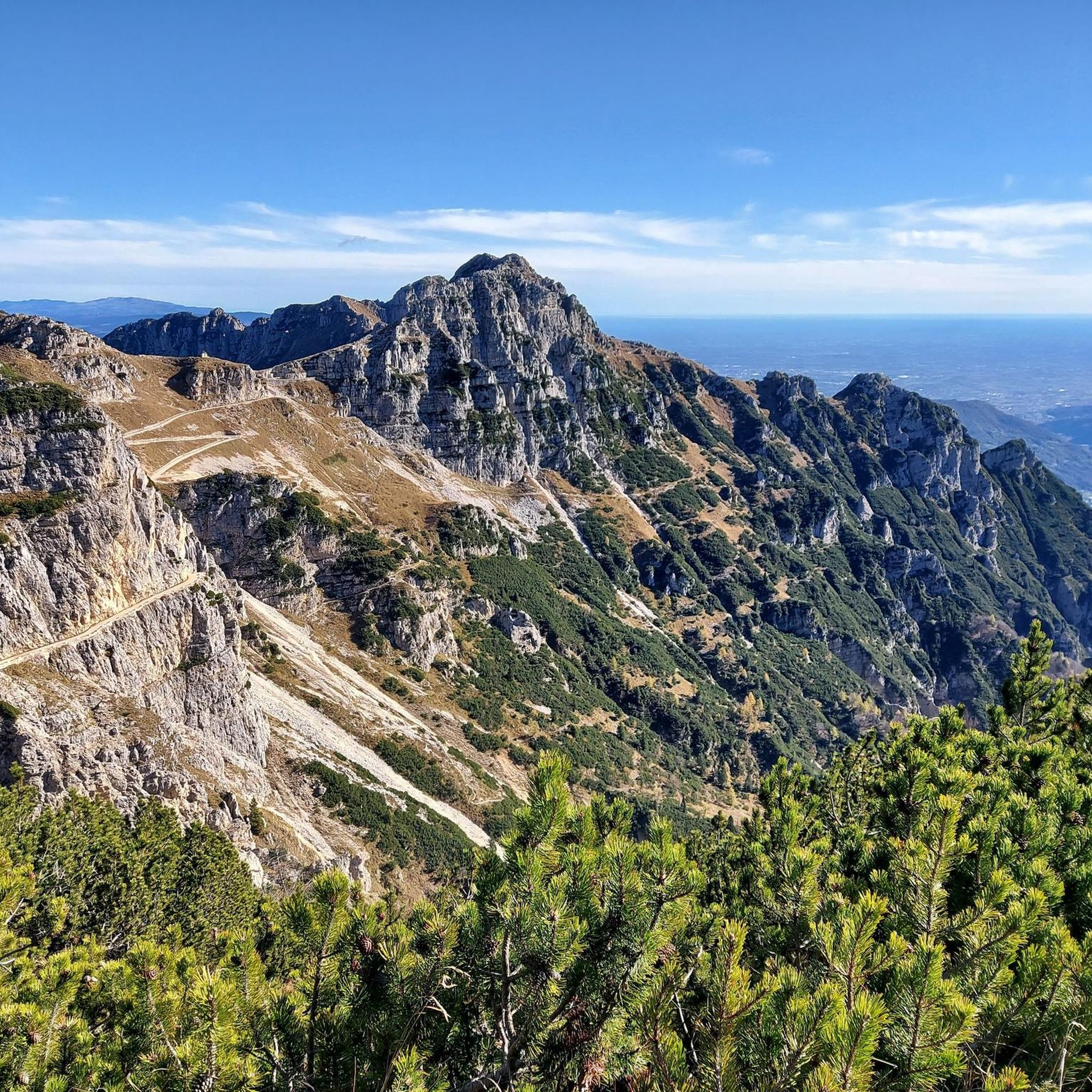
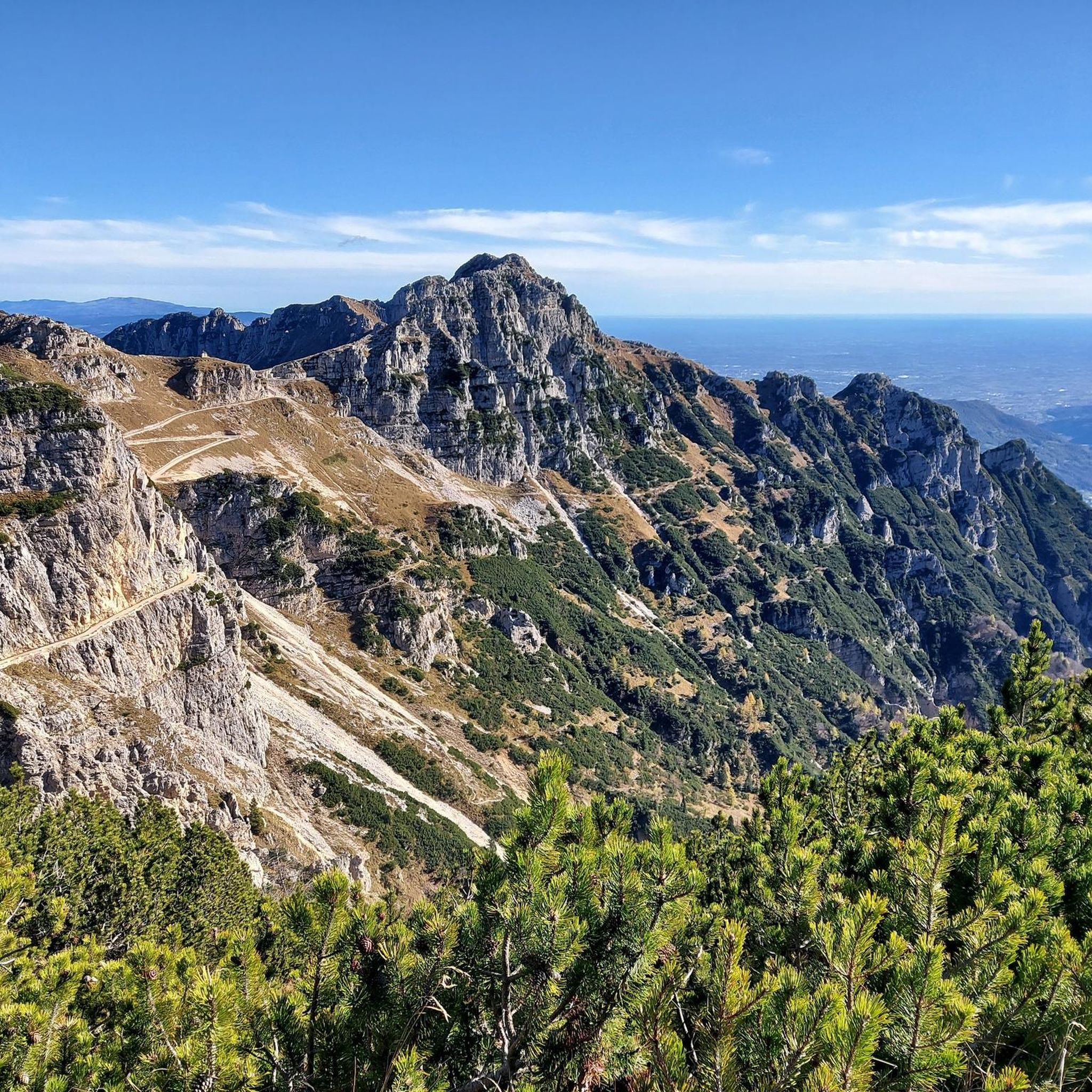
- Local hikers also love the Cima Cornetto e Monte Baffelan — ring tour, a 5.3 miles (8.5 km) trail leading through the Piccole Dolomiti, often completed in about 3 hours 38 minutes.
- Hiking around Vallarsa is defined by its dramatic mountain terrain, historical World War I routes, and serene green valleys. The network offers options for easy, moderate, and difficult ability levels.
- The routes in Vallarsa are highly rated by the komoot community with an average score of 4.4 stars from over 1,100 reviews. More than 6,800 hikers have used komoot to explore Vallarsa's varied terrain.
Last updated: July 7, 2026
4.7
(100)
552
hikers
18.9km
07:30
1,130m
1,140m
Hike the difficult 11.7-mile Road of Heroes ring tour in Pasubio, gaining 3706 feet over historical ridges and summits.
4.7
(108)
630
hikers
15.4km
05:41
830m
830m
Hike the difficult 9.6-mile Strada degli Eroi to Rifugio Achille Papa, gaining 2727 feet with historical sites and dramatic mountain views.

Sign up for free
4.6
(37)
239
hikers
8.50km
03:38
490m
490m
Hard hike. Good fitness required. Sure-footedness, sturdy shoes and alpine experience required.
4.9
(13)
88
hikers
13.9km
06:41
1,100m
1,100m
Historic trail to a remote refuge built on WWI barracks ruins in peaceful Pasubio meadows.
5.0
(6)
62
hikers
9.86km
04:12
620m
630m
Alpine meadow trail with Tibetan bridge crossing and free-roaming rabbits near Rifugio Campogrosso.
Get access to more routes and recommendations from other explorers.
Sign up for free
Already have an account?
Our route recommendations are based on thousands of hikes, rides, and runs completed by other people on komoot.
Start today with a free account
Your next adventure awaits.
Login or Signup
Popular around Vallarsa

Tips from the Community

Be very careful if you want to enter the underground tunnels.
0
0
An evocative place, for its panorama and its history.
0
0

The final reward! We reached the summit of Cima Baffelan after a crazy hike. An adventure that gave us breathtaking views and a bit of history. To experience the same emotions and see the complete route from the Pian delle Fugazze Pass, I've prepared a video for you if you're interested: https://youtu.be/eRpxBEqIySI
0
0

Dente Italiano, immersed in the history of our country.
0
0

The first plans for the construction of a refuge on Pasubio date back to 1907. However, they were not realized until after the First World War, when the Schio section of the CAI began to build a refuge in memory of the soldiers who had fallen on Pasubio. Source: https://de.m.wikipedia.org/wiki/Rifugio_Achille_Papa
7
0


excellent landscape point in a very suggestive setting
0
0

The Dente Italiano and the Dente Austriaco are two rocky towers of equal altitude facing each other, separated by a saddle but sadly united by history: during the First World War, they were the point on Pasubio where enemy lines were closest. With the Strafexpedition of 1916, the imperial army reached the Dente Austriaco, but was blocked by royal troops who had arrived on the Dente Italiano. A grueling and bloody standoff began, with several attempts to break through, all in vain. The impending winter prevented further fighting, and both sides began to fortify their positions and make them more livable... In the Dente Italiano, the Army Corps of Engineers created a veritable underground citadel. It could accommodate 500 men, with all the necessary means of subsistence: shelters, storage facilities, a cistern for drinking water, a generator for lighting, dressing stations, and command posts. The armament consisted of five machine guns, two cannons, and one flamethrower, supported by artillery from the nearby Palon and Cogolo Alto peaks. In contrast, the Austrian Tooth was transformed into an impregnable fortress, thanks to its elongated, square shape, with fire on three sides. There were 10 machine gun emplacements and six artillery emplacements in the cave, complemented by the armament arrayed along the trenches at the summit: 18 grenade launchers, 12 grenade launchers, four flamethrowers, five cannons, and 10 machine guns. Here, too, the bowels of the mountain housed the troops with all the logistical and survival equipment: shelters, storage facilities, lighting, ventilation, a cistern, a telephone exchange, searchlights, etc. Faced with the impossibility of advancing, both commands believed the only solution was to blow up the enemy stronghold from the ground up: thus began the war of mines and countermines, with a dense network of underground tunnels. Between the autumn of 1917 and the spring of 1918, there were 10 explosions, five Austrian and five Italian, until the gigantic 50-ton Austrian dynamite charge on March 13, 1918, which shattered the northern slope of the Dente Italiano, altering its morphology and causing casualties on both sides. After years of war and thousands of deaths, the great war on Pasubio ended with the front line virtually unchanged! To pass between the two Denti, one passes through the chasm created by the mine, amidst enormous boulders and debris: impressive.
0
0
Frequently Asked Questions
What kind of terrain can I expect when hiking in Vallarsa?
Vallarsa offers a diverse range of terrain, from the dramatic and challenging mountain landscapes of the Piccole Dolomiti and Monte Pasubio to serene green valleys, lush forests, and alpine meadows. You'll find paths ranging from easy forest trails to more demanding sections with significant elevation changes, some even involving easy climbing.
Are there any easy hiking trails suitable for beginners in Vallarsa?
Yes, Vallarsa caters to all fitness levels. While many routes are challenging, there are also easier options. For instance, the "Giro delle Malghe" is a simpler route at the foot of Monte Cornetto and Monte Baffelan, offering beautiful views without extreme difficulty. Overall, there are 9 easy routes available in the region.
How many hiking trails are available in Vallarsa?
There are over 60 hiking trails available in Vallarsa. These routes are categorized by difficulty, with 9 easy, 24 moderate, and 35 difficult options, ensuring a suitable trail for every hiker.
Are there any historical trails or World War I sites to explore in Vallarsa?
Absolutely. Vallarsa is rich in history, particularly from World War I. Many trails follow the Alpine War frontline, showcasing well-preserved fortifications, trenches, and tunnels. Notable routes include the long-distance "Sentiero della Pace" (Peace Trail) and the iconic Pasubio Ring: Road of Heroes, which offers dramatic mountain views alongside historical sites.
What cultural attractions can I visit in Vallarsa besides hiking?
Beyond the trails, Vallarsa offers cultural insights into its past. You can visit the Eremo di San Colombano, a hermitage built into sheer rock faces, or explore the Museo della civiltà contadina (Museum of Rural Life) in Riva di Vallarsa to learn about the valley's traditional way of life.
Are the hiking trails in Vallarsa suitable for families with children?
Yes, Vallarsa offers trails suitable for families. While some routes are very challenging, there are easier paths through green valleys and forests that are enjoyable for children. The "Giro delle Malghe" is an example of a simpler route. Always check the difficulty and length of a specific trail to ensure it matches your family's capabilities.
Can I bring my dog on the hiking trails in Vallarsa?
Generally, dogs are welcome on many hiking trails in Vallarsa, especially on forest paths and in open areas. However, it's always advisable to keep them on a leash, particularly in protected areas or near livestock. Some specific routes, especially those involving via ferratas or very narrow, exposed sections, might not be suitable for dogs.
Are there any circular hiking routes in Vallarsa?
Yes, Vallarsa features several rewarding circular routes. A popular option is the Cima Cornetto e Monte Baffelan — ring tour, which takes you through the stunning Piccole Dolomiti. The Pasubio Ring: Road of Heroes is another iconic circular route, though it is more challenging.
What are some notable landmarks or viewpoints I can find along the trails?
Vallarsa is home to breathtaking viewpoints and historical landmarks. You can find the Cima Carega Summit Cross offering panoramic views, or explore the Road of the 52 Tunnels, a historic trail. The area also features a unique Tibetan Bridge, 105 meters long and 35 meters high, in the Valli del Pasubio.
Are there mountain refuges in Vallarsa where I can rest or stay overnight?
Yes, Vallarsa and its surrounding mountains offer several mountain refuges. You can hike to places like General Achille Papa Refuge, Rifugio Vincenzo Lancia, and Rifugio Campogrosso. These refuges provide opportunities for rest, meals, and sometimes overnight stays, often serving as excellent starting or ending points for longer treks.
What is the best time of year to hike in Vallarsa?
The best time to hike in Vallarsa is typically from late spring to early autumn (May to October). During these months, the weather is generally mild, the alpine meadows are vibrant with wildflowers, and the trails are clear of snow. Summer offers warmer temperatures, while spring and autumn provide cooler conditions and stunning foliage. Winter hiking is possible but requires appropriate gear and experience due to snow and ice.
What do other hikers enjoy the most about hiking in Vallarsa?
The komoot community highly rates the hiking experience in Vallarsa, with an average score of 4.4 stars from over 1,100 reviews. Hikers frequently praise the dramatic mountain scenery, the historical significance of the WWI routes, and the diverse range of trails that cater to various skill levels. The well-marked paths and the sense of immersion in nature are also commonly highlighted.
Is public transport available to reach hiking trailheads in Vallarsa?
While some villages in Vallarsa are served by local bus lines, direct public transport to all trailheads, especially those higher in the mountains, can be limited. It's advisable to check local bus schedules in advance or consider driving to access more remote starting points. Parking is generally available near popular trailheads and refuges.
Most popular routes around Vallarsa
Most popular attractions around Vallarsa

Get inspired with the komoot mobile app


Explore more
Browse the best Hikes in other regions.
