The 20 Most Amazing Peaks around Selva Di Progno
Best mountain peaks around Selva Di Progno are found within the Lessinia Regional Natural Park, extending towards the Piccole Dolomiti's Carega mountain group. This area serves as a base for exploring diverse mountain landscapes, from high-altitude summits to historical sites. The region features distinctive dolostone rock formations, expansive plateaus, and peaks with significant panoramic views. It offers varied opportunities for those seeking to explore the natural and historical features of the mountains.
Best mountain peaks around Selva Di Progno
- The…
Last updated: July 7, 2026
Cima Carega Summit Cross
Highlight • Summit
Translated by Google •
Tip by

Castelberto Hut
Highlight • Mountain Hut
Translated by Google •
Tip by

Sign up now to discover places like this
Get recommendations on the best single tracks, peaks, & plenty of other exciting outdoor places.
Sign up for free
Cornetto Peak summit cross
Highlight • Summit
Translated by Google •
Tip by

Monte Civillina — summit and World War I fortifications
Highlight • Summit
Translated by Google •
Tip by

Mount Gramolon
Highlight • Summit
Translated by Google •
Tip by

Sign up for free to discover even more peaks around Selva Di Progno.
Sign up for free
Already have an account?
Start today with a free account
Your next adventure awaits.
Login or Signup
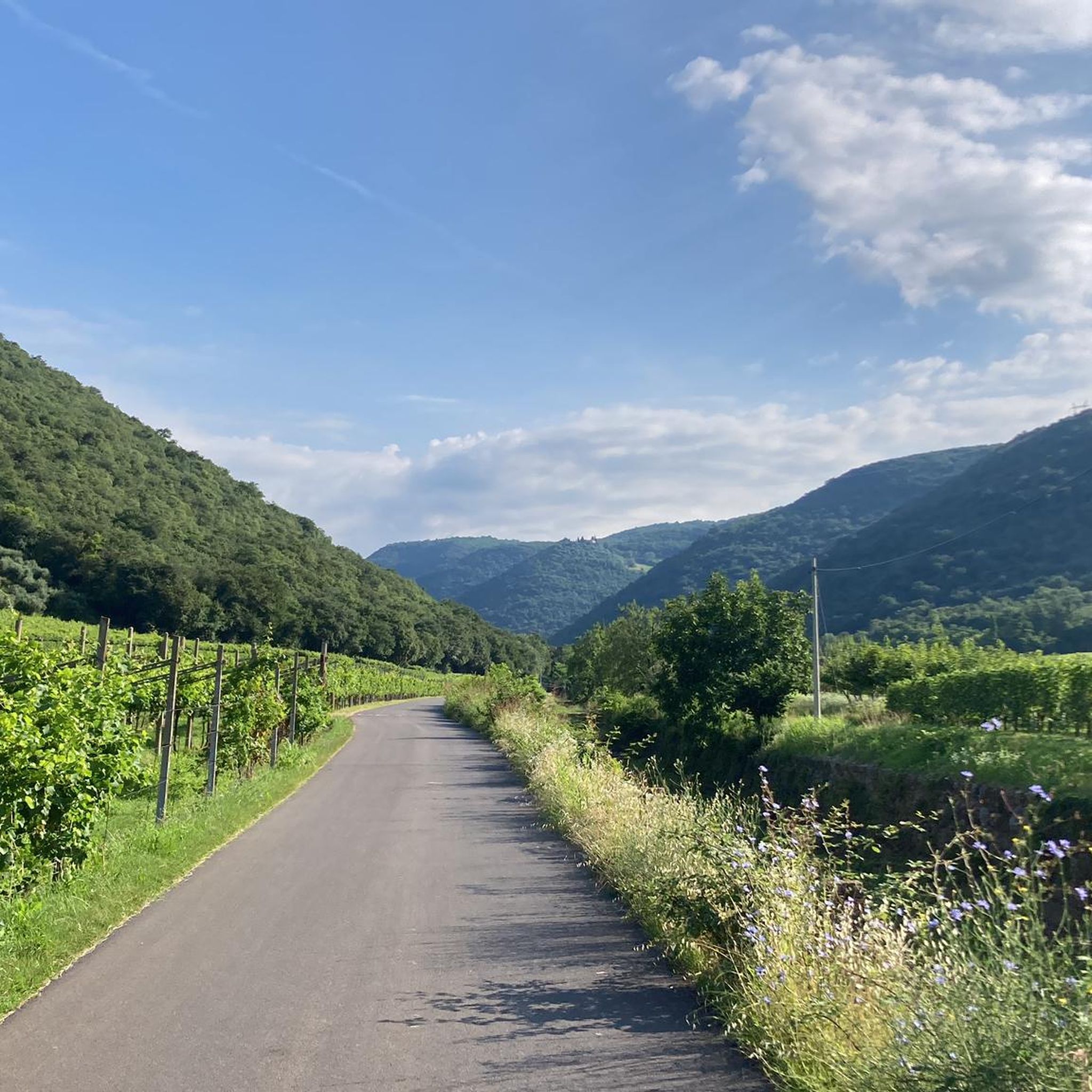
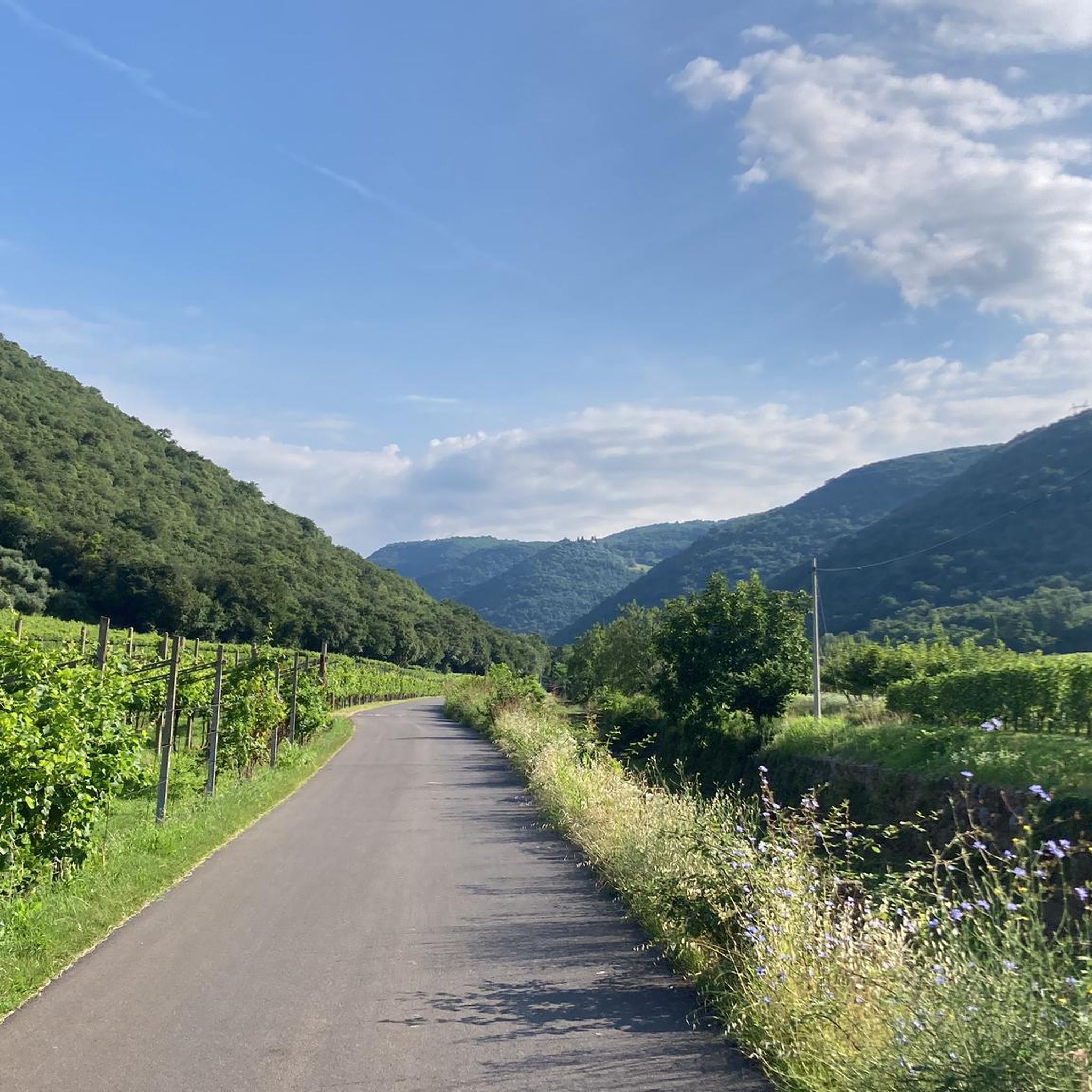
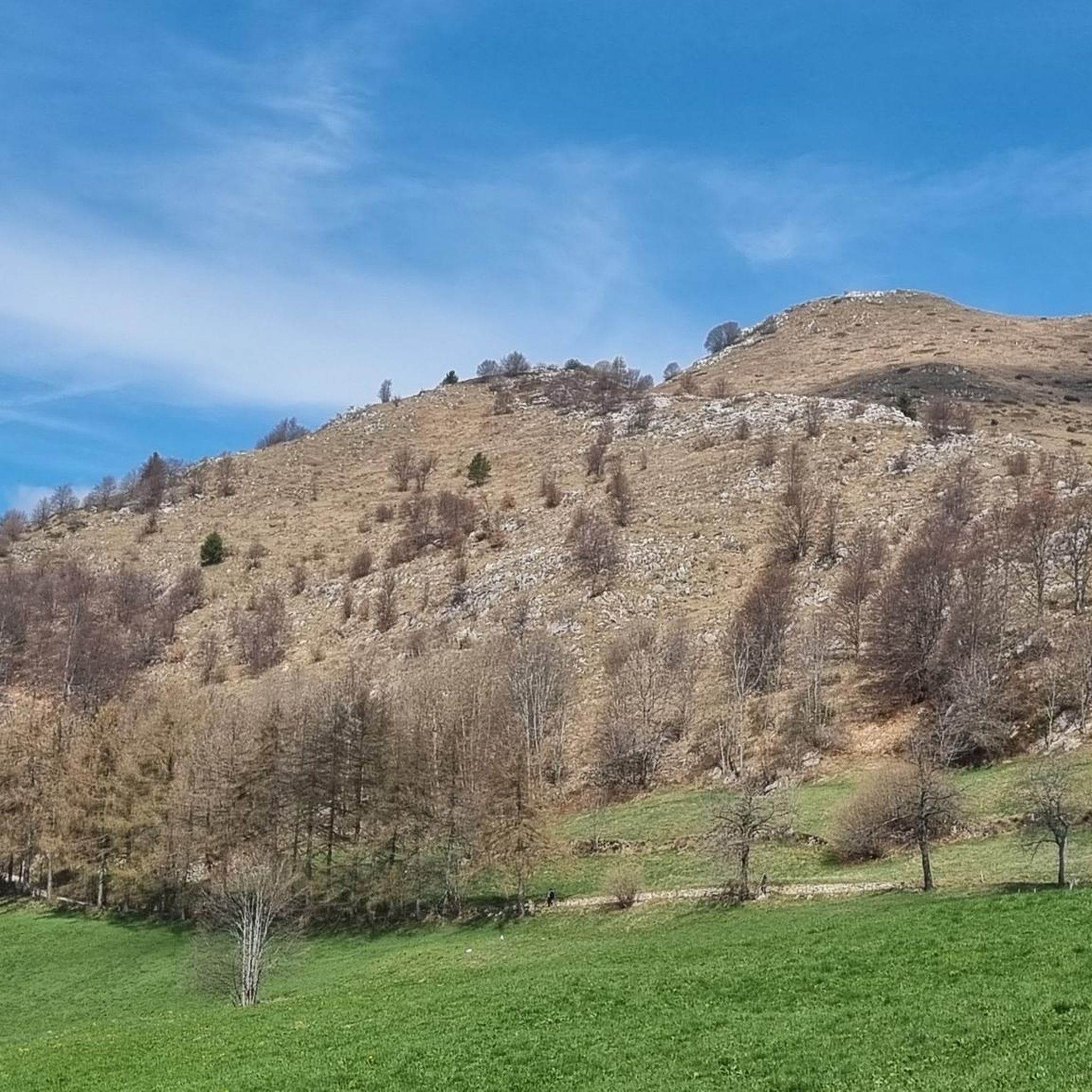
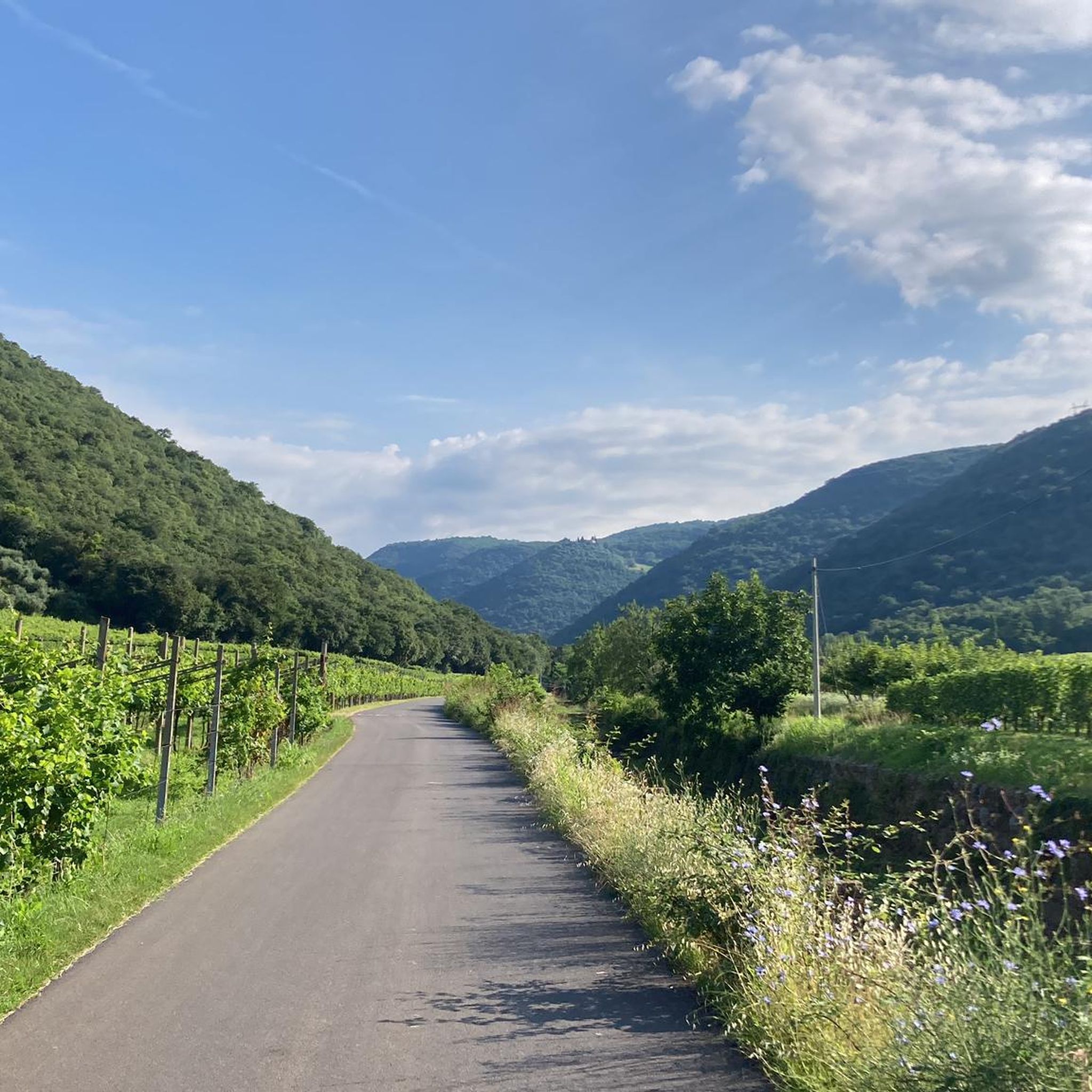

Tips from the Community

It is the northernmost refuge in the Veronese Lessinia, at 1,750 meters above sea level. It is also the highest, on par with the Primaneve refuge on Mount Tomba. Its open position offers sweeping views in all directions. It has been beautifully renovated, both inside and out. 300 meters to the north, the observatory is definitely worth seeing, with its indication of the visible mountains and trenches from the First World War.
0
0

From Monte Gramolòn (1,814 m), you have a breathtaking 360° view of the Piccole Dolomiti, the Sentiero dei Grandi Alberi trail below, and, on the opposite side, the Lessinia mountains! The climb from Passo Ristele (to the north) is short but steep, and breathtaking! From Passo della Scagina (to the south), it's even steeper and more technical, EE, with frequent switchbacks that ascend a deep gully: very evocative. On this side, there are also the Angelo Viali and Ferrari via ferratas. The summit, with its cross, touches a spectacular but exposed ridgeline over the precipice, so be careful and avoid leaning out. The toponym derives from the dialect verb 'sgramolare', meaning to break into lumps: therefore, 'Gramolon' means the mountain that crumbles, due to subsidence and scree!
0
0

Rifugio Castelberto, with good food and tasty sandwiches
0
0

beautiful view from the Castelberto refuge
0
0

Beautiful place, you eat like a god 👍👍👍
0
0

You can also reach the Cornetto peak by going through the vajo stretto, a relatively simple via ferrata. You start from Malga Cornetto following path 150. Be careful in the first part among the meadows, it is easy to lose the path.
0
0
Gramolon can be reached not only by paths but also by the short but intense Ferrari via ferrata.
0
0
Frequently Asked Questions
What are some of the most notable mountain peaks accessible from Selva di Progno?
Selva di Progno serves as an excellent base for exploring several remarkable peaks. Among them are Cima Carega, the highest peak of the Piccole Dolomiti range, Monte Obante with its nearly 360-degree views, and Cima Trappola, the highest mountain in the Lessini Mountains. Other significant peaks include Cima Mosca for experienced mountaineers, and Castel Gaibana and Monte Sparavieri within the Lessinia Regional Natural Park.
What kind of panoramic views can I expect from the peaks around Selva di Progno?
The peaks offer extraordinary panoramic views. From Cima Carega Summit Cross, you can see the Venetian plain, Lessinia regional park, Monte Baldo, and even the Venetian lagoon on clear days. Cima Trappola provides a 360-degree view spanning the Carega group, Lessinia plateau, Monte Baldo, and even the Brenta Dolomites. Monte Obante also boasts nearly 360-degree views, including the Fumante and Pasubio mountains.
Are there challenging climbs for experienced mountaineers in the area?
Yes, several peaks offer challenging experiences. The ascent to Cima Carega Summit Cross from Rifugio Scalorbi is demanding and requires good physical fitness. Monte Obante involves scree slopes, trenches, and exposed sections with fixed ropes. Cima Mosca is known for challenging mountaineering routes, especially in winter, with rock faces and channels. For a technical climb, Sisilla Crag features a challenging trail with a final via ferrata section.
Can I find historical sites or World War I remnants on these peaks?
Yes, the region is rich in history. Cima Trappola features a boundary stone that once marked the border between the Lombardy-Venetia Kingdom and the Austro-Hungarian Empire, along with remnants of World War I trenches. Castelberto Hut is a reconstruction of a former barracks from World War I, with ancient trenches still visible nearby. Monte Civillina also has numerous well-preserved trenches and war artifacts from its strategic role in World War I.
What are the best times of year to hike in the Lessinia mountains?
The Lessinia mountains offer diverse experiences throughout the year. Summer is ideal for hiking, with green hills and pleasant temperatures. Winter ascents are also possible, offering a 'suggestive experience' on peaks like Cima Carega, but require alpine experience and equipment like crampons. Monte Sparavieri is particularly known for its 'enchanting white dunes' in winter, making it suitable for snowshoeing.
Are there family-friendly options for exploring the mountains around Selva di Progno?
While many peaks offer challenging routes, areas within the Lessinia Regional Natural Park, such as around Castel Gaibana and Monte Sparavieri, can be explored as part of easier to moderate hikes. These areas provide splendid views without the extreme difficulty of higher peaks, making them more accessible for families. Always check specific trail difficulties before heading out.
What outdoor activities are available near the mountain peaks of Selva di Progno?
Beyond peak bagging, the area around Selva di Progno offers a variety of outdoor activities. You can find numerous mountain biking trails, such as the 'Giazza – Passo Pertica Hut loop' or 'Malga Morando – Scenic Trail loop'. There are also running trails, including 'Passo Pertica – Bocchetta Mosca loop', and dedicated mountaineering routes like 'Carega Peak – Rifugio Scalorbi loop'. For more details, explore the MTB Trails around Selva Di Progno, Running Trails around Selva Di Progno, and Mountain Hikes around Selva Di Progno guides.
Which peaks offer unique natural features?
Cima Carega is notable for its distinctive dolostone rock formations, giving it a characteristic dolomitic appearance. Monte Obante features an impressive rocky bastion on one side and a linear ridge with scree slopes on the other. Monte Sparavieri is known for its green hills in summer that transform into 'enchanting white dunes' in winter, creating a 'lunar' landscape when covered in snow.
What makes Cima Carega a significant peak to visit?
Cima Carega is significant as the highest peak of both the Gruppo del Carega and the entire Piccole Dolomiti range. It offers extraordinary panoramic views, including the Venetian plain and Lake Garda on clear days. Slightly below its summit lies Rifugio Mario Fraccaroli, a popular stop. Its distinctive dolostone rock formations also contribute to its unique appeal.
Are there options for winter hiking or snowshoeing in the Selva di Progno area?
Yes, winter hiking and snowshoeing are popular activities. Peaks like Cima Carega can be ascended in winter, offering a 'suggestive experience' for those with alpine experience and crampons. Monte Sparavieri is particularly recommended for snowshoeing, as its green hills transform into 'enchanting white dunes' under snow, creating a unique 'lunar' landscape.
What do visitors particularly enjoy about the peaks around Selva di Progno?
Visitors frequently praise the breathtaking panoramic views and the sense of accomplishment from challenging climbs. The Cima Carega Summit Cross is highlighted for its extensive views of the Lessinia regional park and Monte Baldo. The 360° panorama from Cornetto Peak summit cross is also a favorite, described as a 'conquest' with a highly rewarding view after a good level of preparation.
Where can I find a hut with historical significance and great views?
The Castelberto Hut is an excellent choice. It's a faithful reconstruction of a former barracks from the First World War, located at 1765 meters above sea level. From here, the panorama is stupendous, extending from the Val d'Adige to the peaks of Pasubio and Carega, and even encompassing Lessinia, Valpolicella, and Lake Garda. Remains of ancient trenches from the Great War are still visible in the immediate surroundings.
Most popular routes around Selva Di Progno
Most popular attractions around Selva Di Progno

Get inspired with the komoot mobile app


Explore more
See even more amazing summits around Selva Di Progno with these guides:
