Attractions and Places To See around Lugo Di Vicenza - Top 20
Best attractions and places to see around Lugo Di Vicenza include a mix of historical landmarks, cultural sites, and natural features. Situated in the Pedemontana Veneta, the region offers hilly landscapes and opportunities for exploration. Visitors can discover architectural masterpieces, delve into local history, and enjoy scenic routes. The area is known for its Palladian villas, historic churches, and former railway lines converted into cycle paths.
Best attractions and places to see around Lugo Di Vicenza
- The most popular attractions…
Last updated: May 9, 2026
Vaca Mora Cycle Path (Former Rocchette-Asiago Railway)
Highlight (Segment) • Cycleway
Translated by Google •
Tip by

Barenthal British Cemetery
Highlight • Historical Site
Translated by Google •
Tip by

Sign up now to discover places like this
Get recommendations on the best single tracks, peaks, & plenty of other exciting outdoor places.
Sign up for free
Mount Corno Monument
Highlight • Monument
The monument is visible from the plain …
Translated by Google •
Tip by

Marostica
Highlight • Historical Site
Translated by Google •
Tip by

Forte Interrotto
Highlight • Historical Site
Tip by

Sign up for free to discover even more attractions around Lugo Di Vicenza.
Sign up for free
Already have an account?
Start today with a free account
Your next adventure awaits.
Login or Signup
Popular around Lugo Di Vicenza
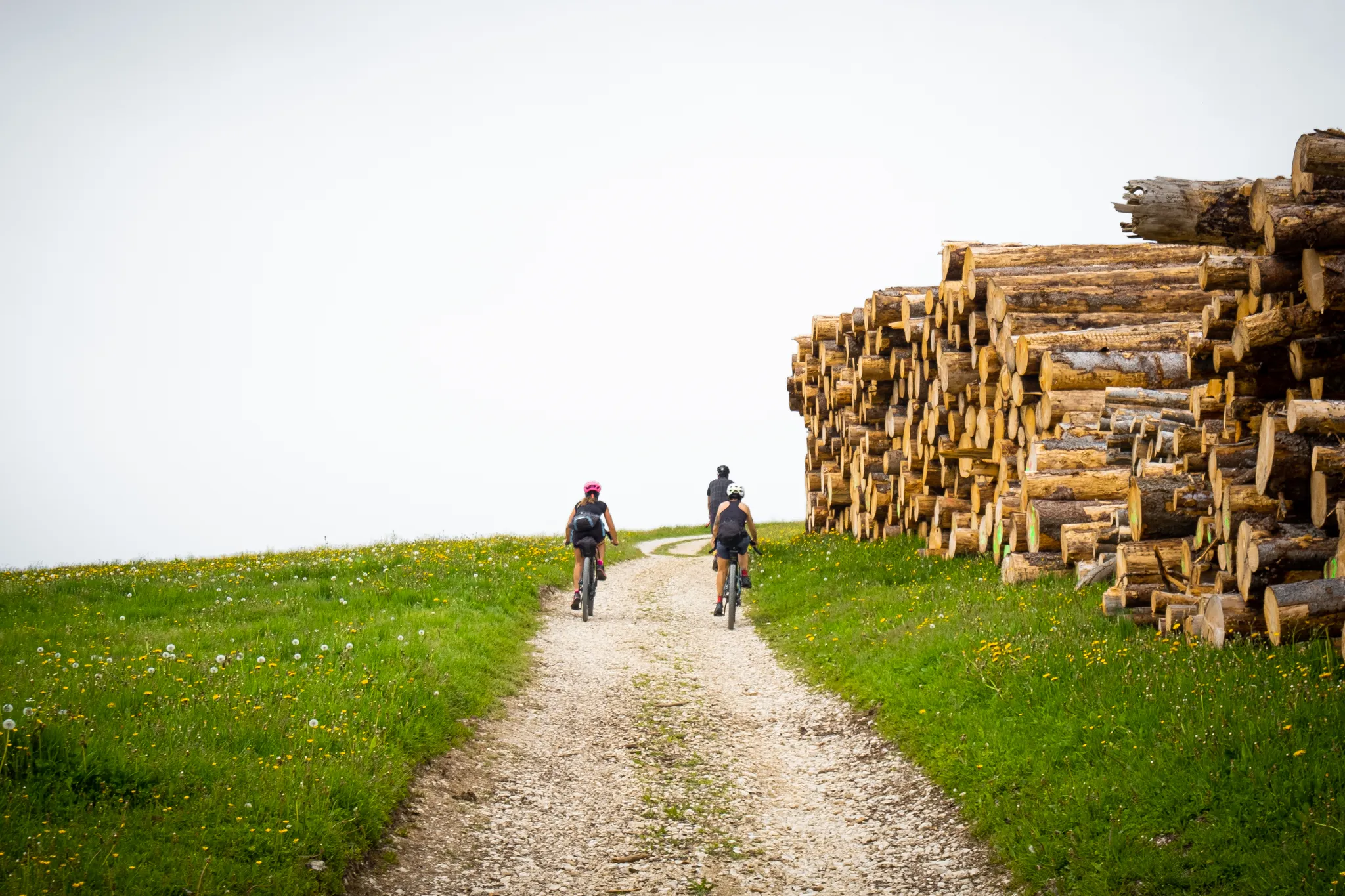
Via delle Prealpi – On the way with the MTB in the Venetian Prealps
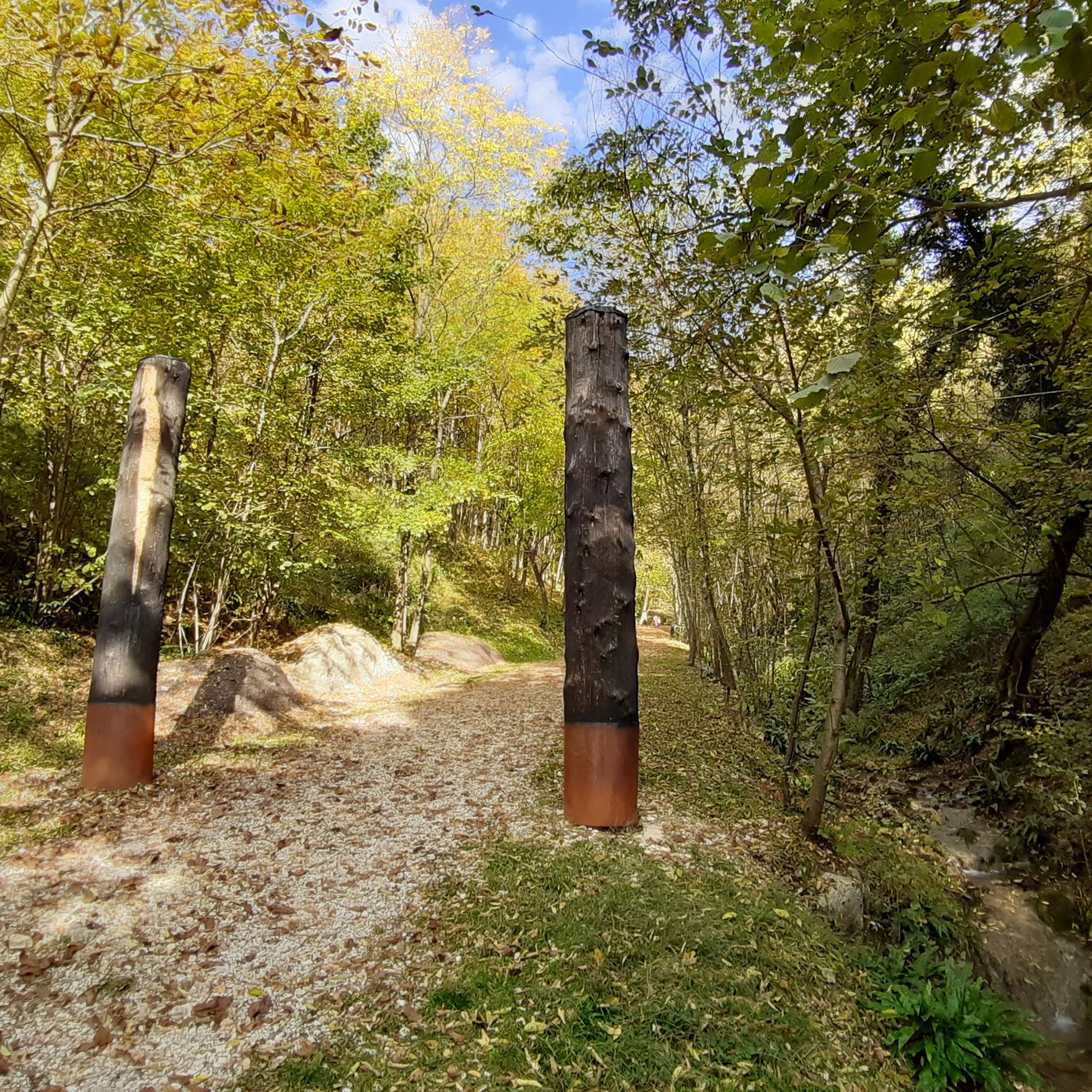
Hiking around Lugo Di Vicenza
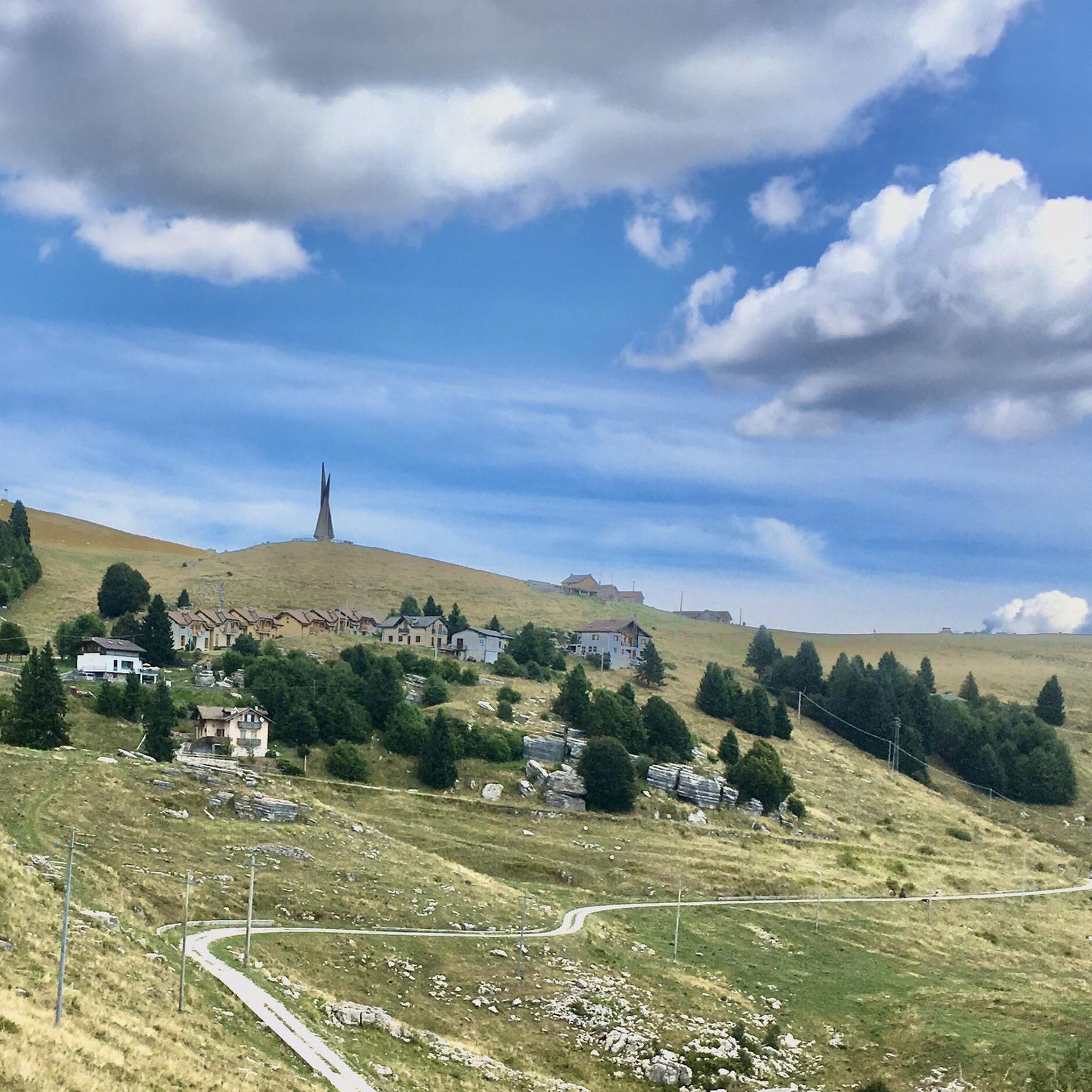
MTB Trails around Lugo Di Vicenza
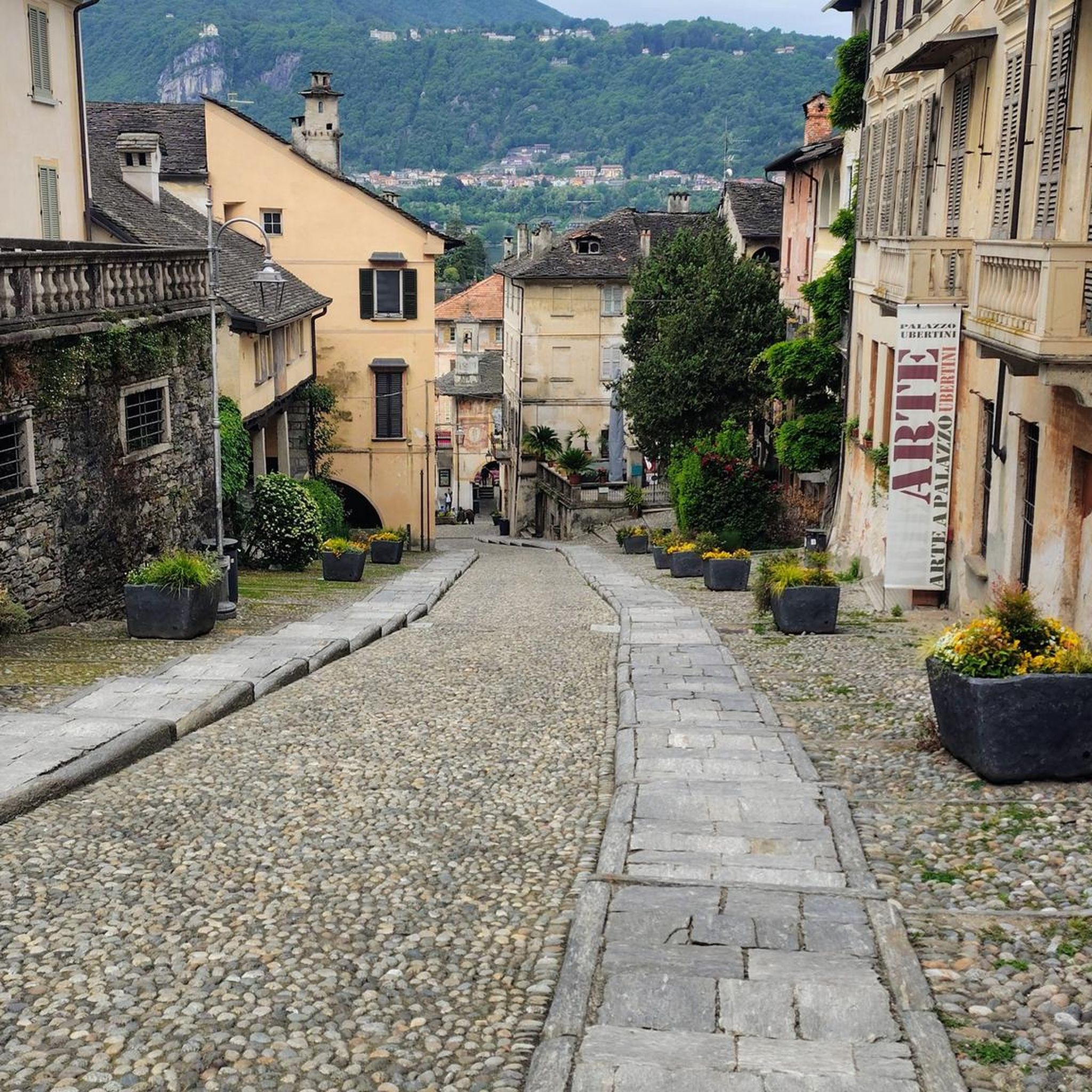
Gravel biking around Lugo Di Vicenza
Cycling around Lugo Di Vicenza
Road Cycling Routes around Lugo Di Vicenza
Running Trails around Lugo Di Vicenza

Mountain Hikes around Lugo Di Vicenza
Other adventures around Lugo Di Vicenza

Tips from the Community


“Death is not the end, but only a very specific end: namely, the end of a first, provisional period of life and the beginning of a new, unending epoch. Jesus said, ‘My kingdom is not of this world.’ So there is another world. Not only his disciples believed in this other world, but also his opponents. The lawyer, for example, asked him what he must do ‘to inherit eternal life.’ (…) Precisely because it lasts forever, this life is so precious that everything else in the present world pales in comparison.” (Text by Albino Luciani / Pope John Paul I)
0
0

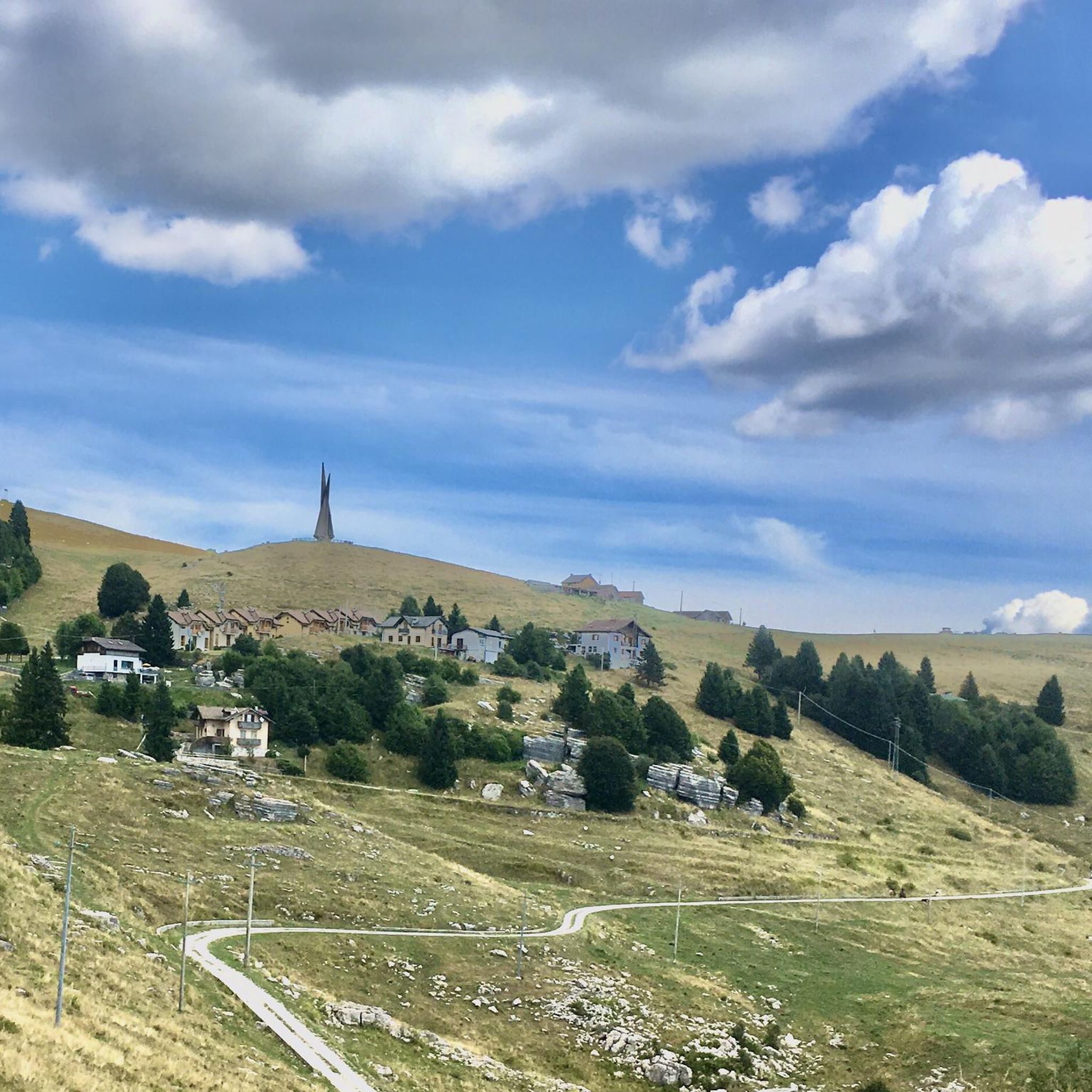
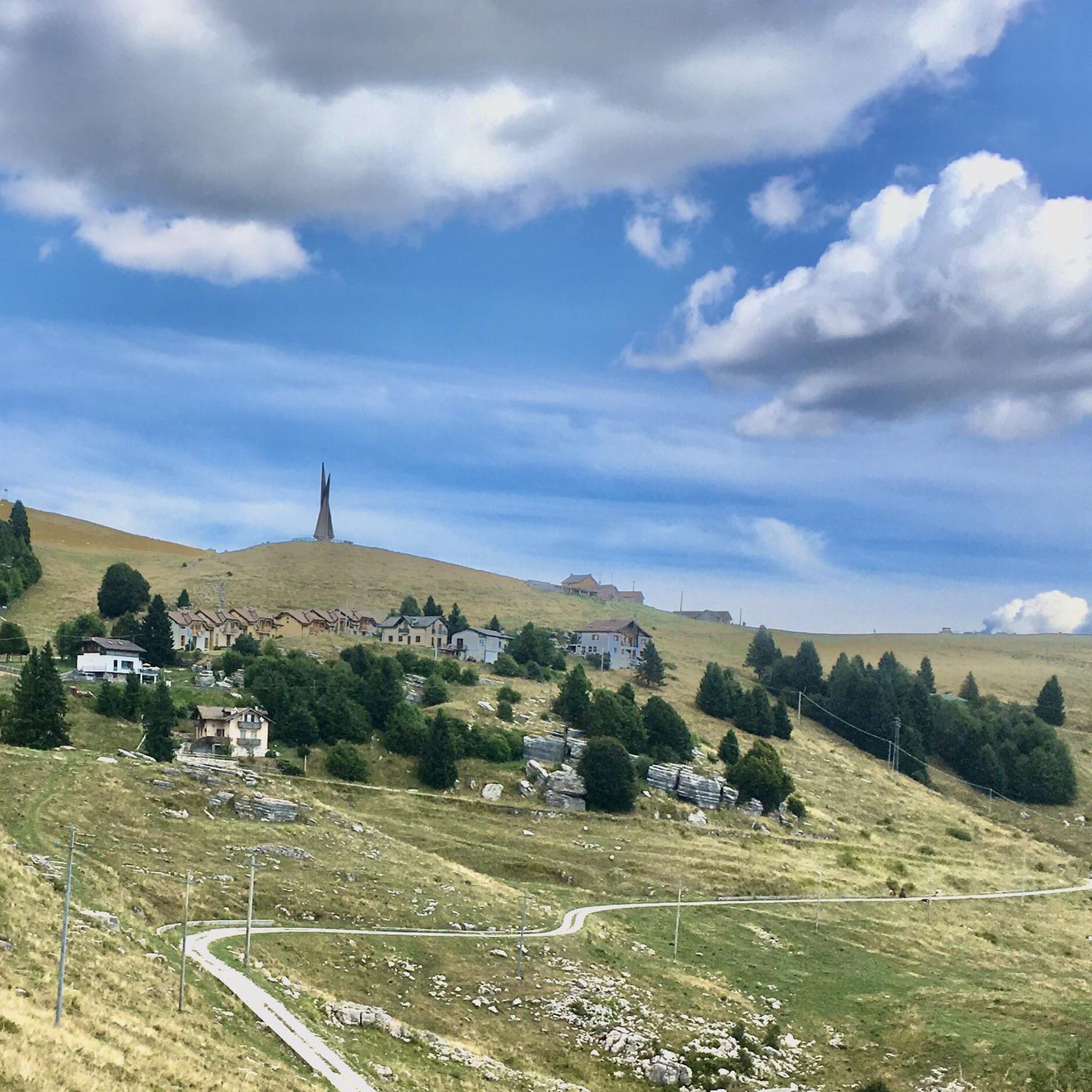
From Monte Corno, you have a beautiful view of the entire plain, all the way to the Apennines, Venice, and the Adriatic Sea on clear days! In reality, the summit of Monte Corno, its highest point (1,383 m), is located just to the north, within the rock labyrinth; but here, the monument enjoys a panoramic position and is also visible from the plain. The monument, 26 meters high and composed of four intertwined concrete sails, was erected in 1970 in memory of the partisan fighting and roundups that took place in these areas during World War II.
0
0

In the locality of Barenthal there is a British cemetery (there are 5 in the whole Plateau) which contains 126 fallen soldiers identified by the Commonwealth belonging to the troops of the XIV Corps of the British Expeditionary Force.
0
0
It is a defensive military barracks built in the second half of the 19th century, entirely in stone, which overlooks the town of Camporovere and dominates the entire central basin of the Plateau. From a historical point of view, the Forte Interrotto represents a completely exceptional case. It was in fact born from a military architecture project that still followed late medieval canons, recognizable in the 6 gigantic central arches and in the imposing lateral bastions with 115 positions for riflemen. In 1916 it was occupied by the Austro-Hungarians and transformed into a stronghold of the imperial line.
1
0

One of the four English cemeteries of the Great War
0
0

In memory of the fallen, I personally don't find it beautiful
1
0

Near the top of Monte Corno, there is this monument erected in 1970 in memory of those killed during the Second World War. The monument is visible from the plain thanks to its four concrete sails that intertwine and soar high into the sky. As you get closer, along the dirt path, sometimes covered by vegetation, you can also read the commemorative stone writing.
5
0
Frequently Asked Questions
What historical and cultural sites can I explore around Lugo Di Vicenza?
The region is rich in history and culture. You can visit UNESCO-listed Palladian villas such as Villa Godi Malinverni, which also houses the Pierluigi Malinverni Fossil Museum, and Villa Piovene. Other notable sites include the Baroque Chiesa di San Pietro, the Chiesa di San Giovanni Battista, and the ancient Cartiera Burgo, an early example of industrial archaeology. For a unique experience, consider visiting Piazza degli Scacchi in Marostica, famous for its living chess game.
Are there any attractions related to the World Wars in the area?
Yes, the area has significant historical sites from the World Wars. You can visit the Barenthal British Cemetery, one of five British cemeteries on the Asiago Plateau commemorating Allied soldiers. Another important site is the Mount Corno Monument, erected in 1970 to honor those who died during the Second World War. Additionally, Forte Interrotto, a 19th-century military barracks transformed into a fortress during World War I, offers a glimpse into the region's wartime past.
What natural features and landscapes can I explore near Lugo Di Vicenza?
Lugo Di Vicenza is nestled in the Pedemontana Veneta, offering beautiful hilly landscapes. You can explore the Berici Hills to the south of Vicenza, which feature natural itineraries, walks through the countryside and woods, and the scenic Lake Fimon, known for its diverse flora and fauna. The region provides ample opportunities to enjoy nature away from more frequented tourist routes.
Is there a scenic cycling path in the area?
Absolutely! The Vaca Mora Cycle Path (Former Rocchette-Asiago Railway) is a pleasant route with a mostly compact dirt surface. It follows the old railway line that connected Rocchette to Asiago, offering scenic views and passing by disused stations as it transitions from the plains to the mountains. It's perfect for a relaxed ride.
What outdoor activities can I do near these attractions?
The region offers a variety of outdoor activities. You can find numerous hiking trails, gravel biking routes, and running paths. For hiking, explore options like the easy Poilus Loop B or the moderate Monte Corno Summit Trail. Gravel biking enthusiasts can tackle routes such as the challenging Asiago Town Center – Barenthal British Cemetery loop. For runners, there are trails like the Monte di Grumo loop. You can find more details on these activities at the Hiking around Lugo Di Vicenza, Gravel biking around Lugo Di Vicenza, and Running Trails around Lugo Di Vicenza guide pages.
Are there family-friendly attractions in Lugo Di Vicenza?
Yes, several attractions are suitable for families. Historical sites like the Barenthal British Cemetery offer a contemplative experience, while the Piazza degli Scacchi in Marostica provides a lively cultural setting. The Vaca Mora Cycle Path is also a great option for a family outing, offering a pleasant ride through scenic landscapes.
When is the best time to visit outdoor attractions in the region?
The Pedemontana Veneta region, including Lugo Di Vicenza, is generally pleasant for outdoor activities from spring through early autumn. During these months, the weather is typically mild, making it ideal for cycling, hiking, and exploring historical sites. Summer offers warm temperatures, while spring and autumn provide comfortable conditions with beautiful seasonal foliage.
What do visitors enjoy most about the attractions around Lugo Di Vicenza?
Visitors frequently praise the scenic beauty and historical significance of the attractions. For instance, the Vaca Mora Cycle Path is loved for its well-maintained dirt surface and the opportunity to enjoy the landscape at a calm pace. Historical sites like the Barenthal British Cemetery are described as very suggestive and worth a moment of meditation. The views from places like Forte Interrotto are also highly appreciated, especially at sunset.
Are there any easy walking routes suitable for everyone?
Yes, there are walking routes suitable for various fitness levels. For an easier option, consider parts of the hiking trails around Lugo Di Vicenza, such as the Poilus Loop B, which is rated as easy. The Vaca Mora Cycle Path, while primarily for cycling, also offers a pleasant, mostly flat surface for walking in many sections.
Can I find any unique or lesser-known attractions in the area?
Beyond the well-known Palladian villas, you might find the ancient Cartiera Burgo, a 16th-century paper mill, to be a unique example of industrial archaeology. Exploring the historic 'contrade' (districts) within Lugo di Vicenza's town center can also reveal charming, less-frequented spots. The monument on Mount Corno, with its distinctive intertwining concrete sails, offers both historical significance and panoramic views, often away from the busiest tourist paths.
Most popular routes around Lugo Di Vicenza
Most popular attractions around Lugo Di Vicenza

Get inspired with the komoot mobile app


Explore more
Still not found the Highlight you’re looking for? See guides of the top attractions in other regions:
