The best MTB trails around Schlotheim
4.7
(87)
108
riders
35
rides
Mountain biking around Schlotheim offers diverse terrain within the Unstrut-Hainich-Kreis district of Thuringia, Germany. The region features a network of trails traversing thick forests and varied landscapes. Riders can expect routes that integrate with natural features like the Unstrut river and offer moderate elevation changes. The area provides a suitable environment for exploring the Thuringian countryside on two wheels.
Best mountain bike trails around Schlotheim
- The most popular mountain bike trail is Totenberg Trail – Zum Possen Hunting Lodge loop…
Last updated: July 8, 2026
4.4
(5)
24
riders
57.6km
03:22
280m
280m
Moderate mountain bike ride. Good fitness required. Advanced riding skills necessary.
4.8
(12)
11
riders
42.4km
03:05
530m
530m
Moderate mountain bike ride. Good fitness required. Suitable for all skill levels.

Sign up for free
4.5
(4)
5
riders
47.2km
02:56
310m
310m
Moderate mountain bike ride. Good fitness required. Advanced riding skills necessary.
5.0
(5)
6
riders
52.1km
03:27
570m
570m
Moderate mountain bike ride. Good fitness required. Suitable for all skill levels.
5.0
(3)
4
riders
45.2km
02:56
370m
370m
Moderate mountain bike ride. Good fitness required. Suitable for all skill levels.
Get access to more routes and recommendations from other explorers.
Sign up for free
Already have an account?
Our route recommendations are based on thousands of hikes, rides, and runs completed by other people on komoot.
Start today with a free account
Your next adventure awaits.
Login or Signup

Tips from the Community

The old bear pit in the Possen leisure and recreation park (near Sondershausen) was a traditional excursion destination for decades. Today it is no longer used as a classic pit. Luckily! The brown bears at Possen now live in a modern, species-appropriate expanded natural enclosure that was rebuilt in cooperation with the Foundation for Bears.
0
0

The church is the parish church of the Mühlhausen old town and was gifted to the Teutonic Order in 1227. The current building was constructed between 1270 and 1300 as an early Gothic hall church, influenced by French cathedral architecture. It possesses significant art-historical elements such as a rose window, medieval stained glass, a late Gothic carved altar, and tomb slabs of important personalities. After the Reformation, religious expressions changed, and much of the original furnishings were lost. The west towers still date from the predecessor building and house historical bells. The church also developed into an important center for Protestant church music, with a peak in the work of Johann Sebastian Bach in the early 18th century.
1
0
The old town of Mühlhausen is one of the best-preserved medieval city centers in Germany and is an important cultural and historical testimony. It is characterized primarily by its almost completely preserved city walls, numerous churches, and a dense network of historic streets and half-timbered houses. A striking feature of the old town is the impressive city fortifications with their towers and gates, which extend over several kilometers. To this day, they convey an impression of Mühlhausen's former importance as a free imperial city in the Middle Ages. Within these walls, a vibrant urban center developed, shaped by trade, crafts, and religious life. Particularly noticeable is the large number of churches, which is why Mühlhausen is often referred to as the "City of Churches." Among the most famous buildings are the Marienkirche, an impressive Gothic structure, and the Divi-Blasii-Kirche, which is closely associated with the work of Johann Sebastian Bach. These churches bear witness to the city's religious and cultural significance in past centuries. The old town also played an important role during the Reformation and the German Peasants' War. Particularly noteworthy is the reformer Thomas Müntzer, who worked in Mühlhausen and made the city a center of social and religious upheaval. In addition to the grand buildings, numerous well-preserved half-timbered houses, narrow alleys, and historic squares shape the cityscape. The central market square with the town hall forms the heart of the old town and remains an important meeting place to this day. Many buildings date from different centuries and show the architectural development of the city. Today, the old town of Mühlhausen is a popular destination for tourists and history enthusiasts. Museums, events, and guided tours offer an insight into the city's eventful past. At the same time, it is a living part of modern urban life, where history and the present are connected in a special way.
1
0

Old bear pit: very creepy, you can't get out of it on your own. A local resident told me that it was still "in operation" around 1950.
2
0

As a bear cage it is inhuman, as a lost place it is a dream.
9
0
All kinds of distractions for young and old.
5
0

When we finally arrived at the roundabout, we were amazed and delighted by the magnificent view. The Sondershausen roundabout is a semicircular structure built in 1910, with a World War II memorial dedicated in 1929, located on the Hainleite ridge. Located at 390 meters above sea level, it serves as a vantage point, including views of Sondershausen's town center and the Harz Mountains.
8
0

If you're looking for hustle and bustle, you've come to the right place.
11
0
Frequently Asked Questions
How many mountain bike trails are there around Schlotheim?
There are over 35 mountain bike trails around Schlotheim, offering a variety of experiences for different skill levels. These routes are highly rated by the komoot community, with an average score of 4.6 stars.
Are there mountain bike trails suitable for beginners in Schlotheim?
Yes, Schlotheim offers several beginner-friendly mountain bike trails. There are 9 easy routes, typically involving up to 2 hours of riding and around 300 meters (1,000 feet) of elevation gain, corresponding to STS S0 - S1 difficulty. These are great for those new to mountain biking or looking for a more relaxed ride.
What kind of terrain can I expect on mountain bike trails in Schlotheim?
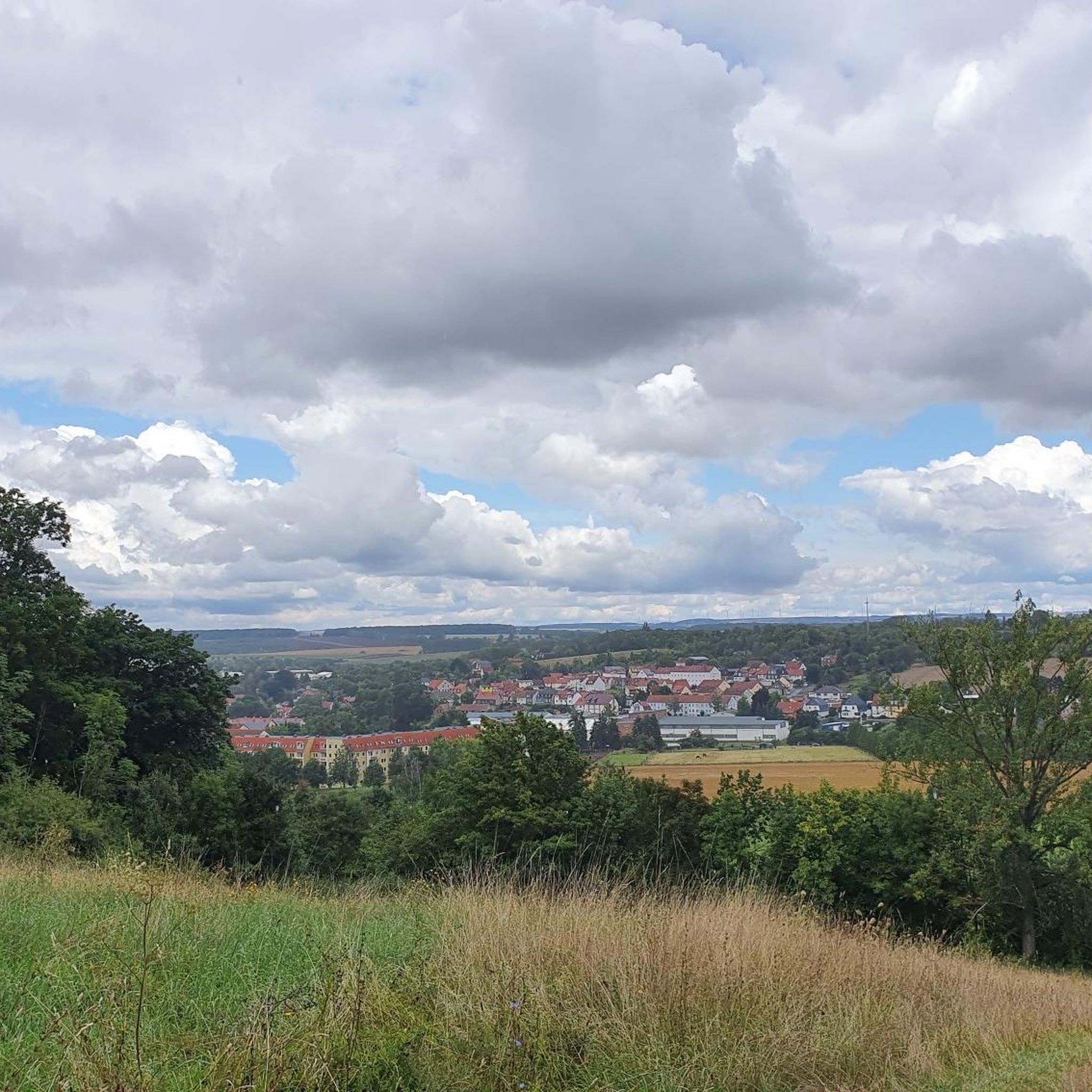
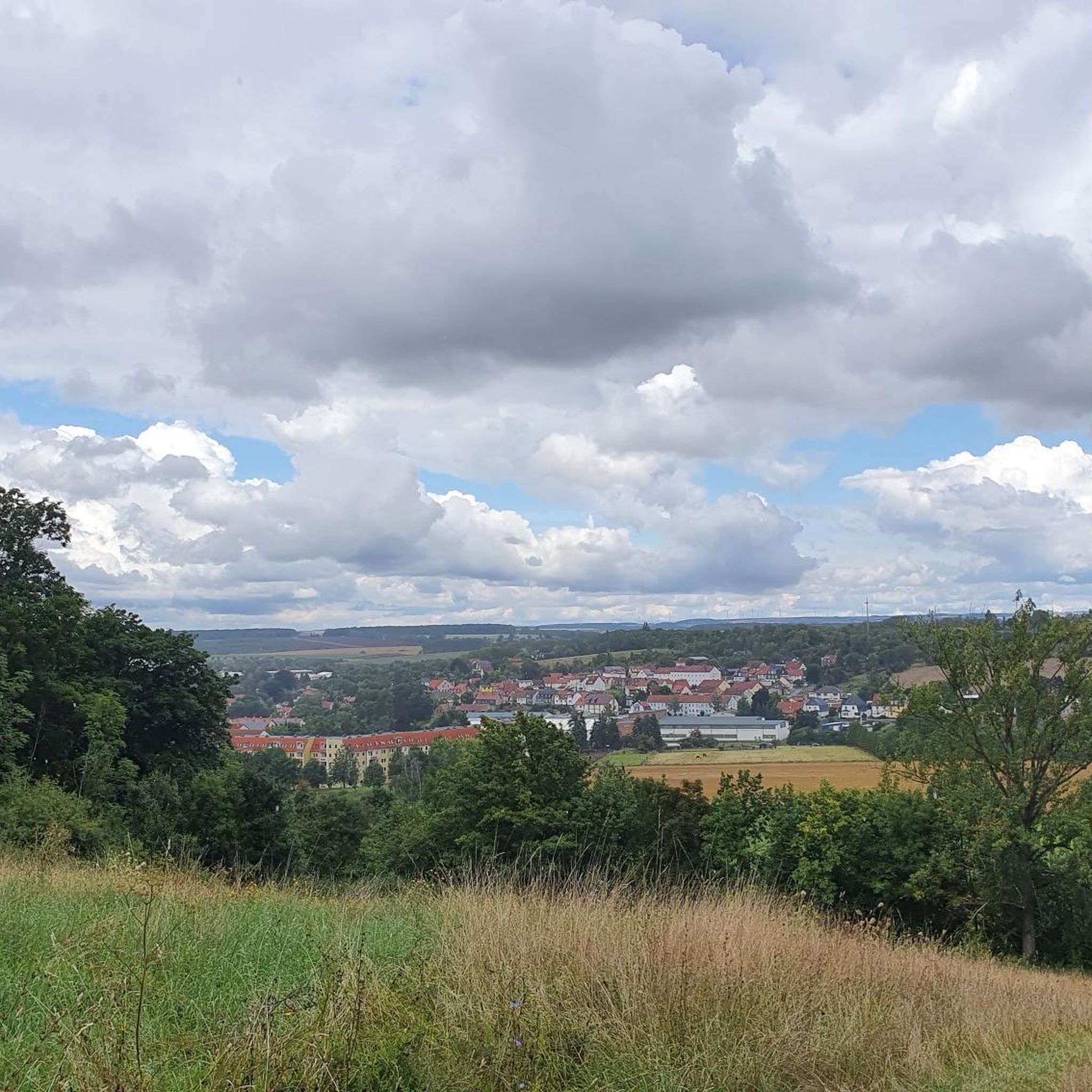
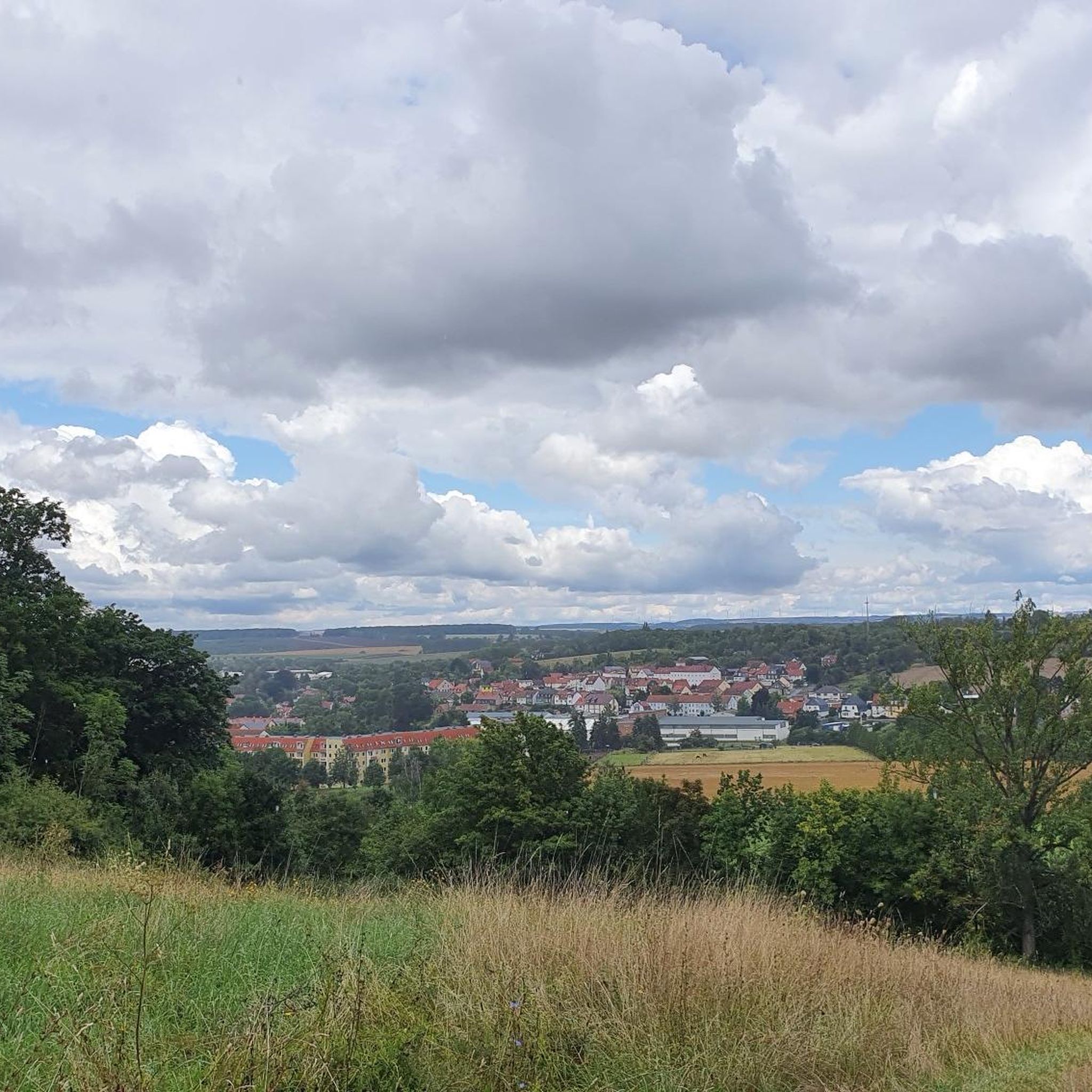
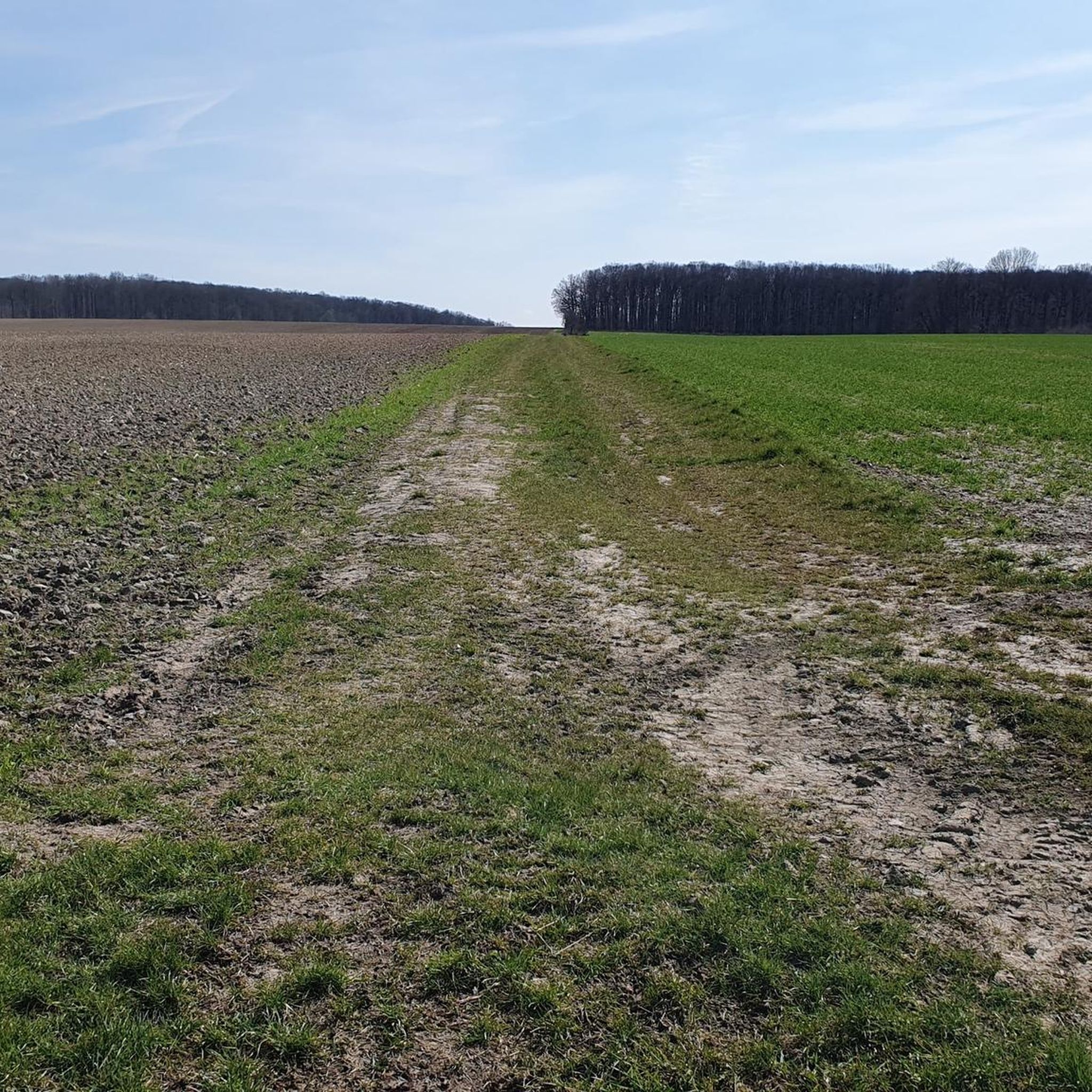
The mountain bike trails around Schlotheim traverse diverse terrain within the Unstrut-Hainich-Kreis district of Thuringia. You can expect routes through dense woodlands, along river valleys like the Unstrut, and over rolling hills. The region's natural beauty provides a scenic backdrop for your ride.
Are there any challenging mountain bike routes for experienced riders?
While most routes in Schlotheim are moderate, requiring good fitness and advanced riding skills, the region's diverse landscape offers opportunities for more challenging rides. Some trails may exceed 5 hours or 900 meters (3,000 feet) of elevation gain, demanding very good fitness and advanced skills, with sections potentially requiring riders to push their bikes (STS S3 - S6).
What are some popular loop mountain bike trails in the Schlotheim area?
Many mountain bike trails around Schlotheim are designed as loops, offering convenient starting and ending points. A popular moderate loop is the Totenberg Trail – Zum Possen Hunting Lodge loop from Ebeleben, which covers 42.4 km through forested areas. Another option is the Bridge Over the Helbe – Eiscafé Bella loop from Schlotheim, a 34.2 km moderate route.
What attractions or landmarks can I see along the mountain bike trails?
The region around Schlotheim offers several cultural and historical attractions that can be incorporated into your ride. You might pass by the historic Volkenroda Monastery, a significant complex founded in 1131, or the picturesque Ebeleben Palace Park, known for its French-style design and fountain figures. The Unstrut Weir, Thamsbrück is another point of interest along the Unstrut river.
Are there any mountain bike routes that follow river paths?
Yes, some mountain bike routes in the Schlotheim area integrate with river paths. For instance, the moderate Zum Possen Hunting Lodge – Unstrut-Werra Cycle Path loop from Ebeleben combines forest sections with stretches along the Unstrut-Werra Cycle Path, providing a mix of natural and established trails.
What is the best season for mountain biking in Schlotheim?
The diverse landscape of Thuringia, with its forests and rolling hills, makes spring, summer, and autumn ideal for mountain biking in Schlotheim. These seasons generally offer pleasant weather and good trail conditions. While winter riding is possible, conditions can be more challenging due to snow or ice.
Are there any less crowded mountain bike trails in Schlotheim?
While the area is popular, you can often find quieter routes, especially on weekdays or by exploring some of the less-trafficked trails. The Gundersleben Rest Area – Idyllic Pond Near Schlotheim loop from Obermehler, a 50.5 km moderate route, offers a chance to explore serene landscapes away from the busiest paths.
What do other mountain bikers enjoy most about mountain biking in Schlotheim?
The mountain biking experience in Schlotheim is highly rated by the komoot community, with an average score of 4.6 stars from over 140 reviews. Riders often praise the diverse terrain, the scenic beauty of the Thuringian landscape, and the variety of routes that cater to different skill levels, from easier paths to more challenging moderate options.
Are there any routes that pass by historical sites?
Yes, several routes offer a blend of natural beauty and historical interest. The Volkenroda Monastery – Cycle Path to Großwelsbach loop from Obermehler is a 45.2 km trail that leads through rural landscapes and directly past the historic Volkenroda Monastery, offering a chance to see this significant landmark.
Most popular routes around Schlotheim
Most popular attractions around Schlotheim

Get inspired with the komoot mobile app


Explore more
Browse the best MTB trails in other regions.
