Attractions and Places To See around Poggiomarino - Top 20
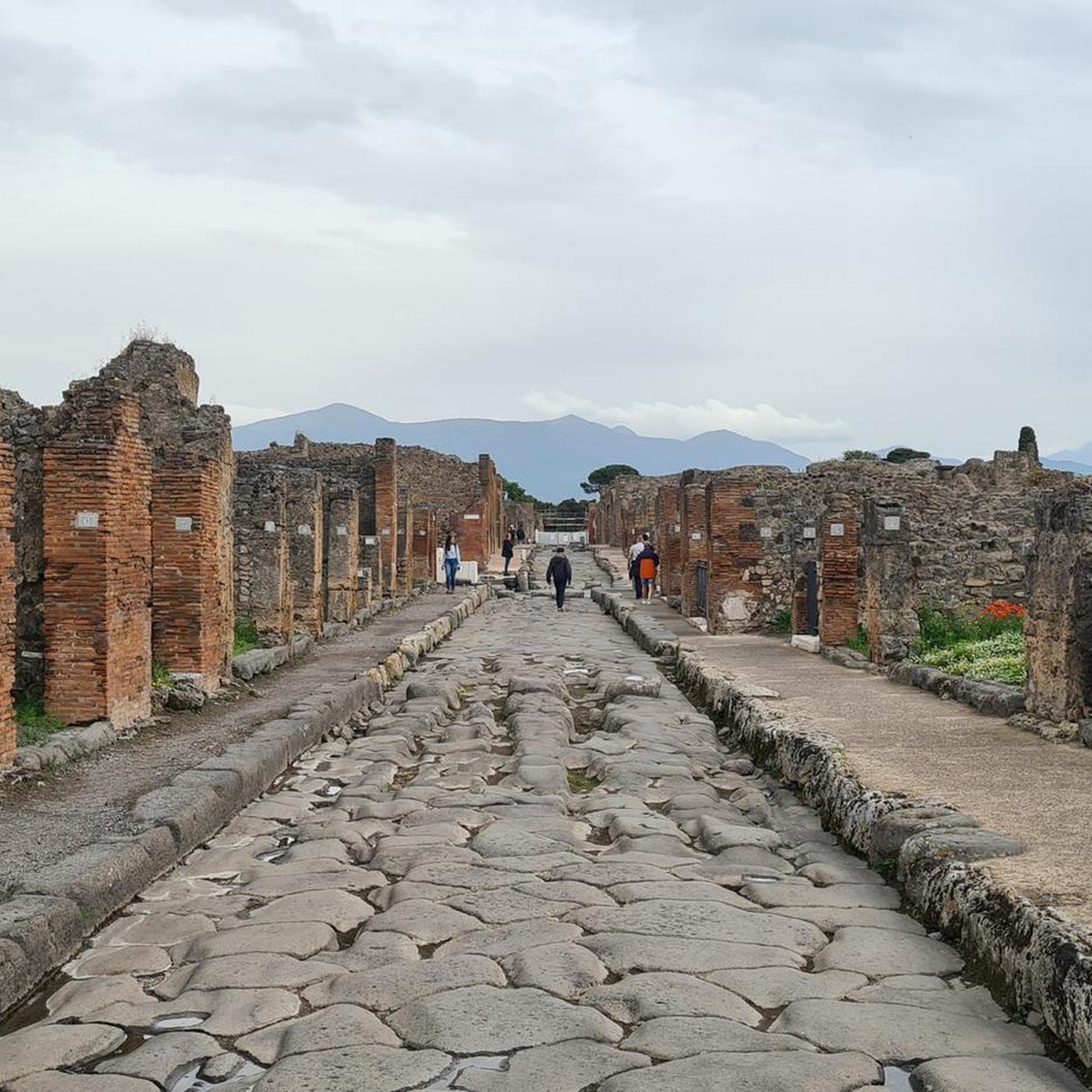
Best attractions and places to see around Poggiomarino include a mix of historical sites and natural features in Italy's Campania region. Poggiomarino serves as a base for exploring the surrounding area, characterized by its agricultural landscape and proximity to significant archaeological parks. The town is situated near the Sarno River, offering access to ancient Roman cities and an iconic volcano. Its history is influenced by Mount Vesuvius, with fertile plains resulting from volcanic activity.
Best attractions and places to see…
Last updated: July 7, 2026
Pompeii Forum
Highlight • Historical Site
Tip by

Pompeii Excavations
Highlight • Historical Site
Translated by Google •
Tip by

Sign up now to discover places like this
Get recommendations on the best single tracks, peaks, & plenty of other exciting outdoor places.
Sign up for free
Crater of Mount Vesuvius
Highlight • Volcano
Translated by Google •
Tip by

Temple of Apollo
Highlight • Religious Site
Translated by Google •
Tip by
Large Theatre of Pompeii
Highlight • Historical Site
Translated by Google •
Tip by

Sign up for free to discover even more attractions around Poggiomarino.
Sign up for free
Already have an account?
Start today with a free account
Your next adventure awaits.
Login or Signup

Tips from the Community

The Teatro Grande was built in the 2nd century BC. To create the horseshoe-shaped tiers (the cavea), the natural cavity of the slope was used. The cavea was divided into 3 zones: closer to the orchestra, four continuous marble-clad steps can be seen, reserved for musicians and the most important figures of the city. Behind them were 20 tiers of stone seats. Unfortunately, only a few fragments remain of these massive structures. One still bears the seat number: each person was therefore allocated only 40 cm. The upper tier, divided into seven sectors and supported by a ring corridor, was added, along with the boxes above the side entrances, during the reign of Emperor Augustus, allowing the theatre to accommodate approximately 5,000 spectators. The entire tier was protected by a wall that supported the velarium, a huge movable awning used to shield the audience from the sun and bad weather. The stage and the scene decorated with marbles and statues date back to the restoration of 62 AD, after the earthquake that had struck Pompeii.
1
0

Still in use today, well preserved and renovated building.
2
0

A tourist magnet but also really worth it. The museum and the tour are very exciting and I would definitely recommend it. It feels like a journey back in time to the lives of people in the past.
1
0
The museum and the tour are very exciting and I would definitely recommend it. It feels like a journey back in time to the lives of people from the past.
1
1

The Large Theatre was among the first public buildings unearthed during the excavations of the 18th century. Its construction probably dates back to the mid 2nd century BC, and was built by utilising the natural slope of a hillside, thereby avoiding the need for artificial stone substructures. The staircase was divided into three segments by means of circular corridors, in turn subdivided into five zones, and rested upon a passage with a barrel vault. As evidenced by an inscription, during the age of Augustus (31 BC - AD 14) the theatre underwent extensive restoration works, financed by two distinguished members of the gens Holconia, one of the most influential Pompeian families of the era. A further inscription, visible at the entrance to the east access corridor, records the name of the architectus who directed the works during the Augustan age, the freedman Marcus Artorius Primus. The building, which retains an essentially Greek appearance, was used for the performance of shows in the Greco-Roman tradition.
1
0

A magnificent archaeological site
1
0

The theatre was where performances of comedies and tragedies were held. It included a semi-circular cavea from which led the series of steps divided into sections on which the spectators sat.
1
0

Frequently Asked Questions
What historical sites can I explore near Poggiomarino?
The region around Poggiomarino is rich in history. You can visit the remarkably preserved ancient Roman city of Pompeii, a UNESCO World Heritage Site, which includes the Basilica of Pompeii and the Large Theatre. Another significant archaeological site is Herculaneum, also preserved by the eruption of Vesuvius. Within Poggiomarino itself, you'll find the 18th-century Church of SS. Rosario del Flocco and the Palazzo di Cristallo.
What natural attractions are there around Poggiomarino?
The most prominent natural attraction is the iconic Crater of Mount Vesuvius, an active volcano that offers hiking opportunities within the Vesuvius National Park. The park features trails through forests and ancient lava flows. Poggiomarino is also situated near the Valleys of the Sarno River, contributing to its agricultural landscape.
Are there opportunities for hiking near Poggiomarino?
Yes, hiking is a popular activity, especially around Mount Vesuvius. The Vesuvius National Park offers atmospheric trails leading up to the volcano cone. While the final ascent to the crater's edge is a climb, visitors can drive quite far up the mountain. For more detailed hiking routes, you can explore guides like MTB Trails around Poggiomarino, which also feature trails suitable for walking.
When is the best time to visit the attractions around Poggiomarino?
The Campania region generally enjoys a Mediterranean climate. Spring (April-May) and Autumn (September-October) are often considered the best times to visit, offering pleasant temperatures for exploring archaeological sites and hiking without the intense heat of summer or the cooler, wetter conditions of winter.
Are there family-friendly attractions in the Poggiomarino area?
Many of the historical sites, such as the Pompeii Forum and the Basilica of Pompeii, are considered family-friendly, offering an educational and engaging experience for all ages. Exploring the Vesuvius National Park can also be an exciting adventure for families, depending on the chosen trail difficulty.
How can I reach Pompeii from Poggiomarino using public transport?
Poggiomarino is well-connected to the wider region. You can typically reach Pompeii from Poggiomarino by train, as the Circumvesuviana line connects many towns in the area, including Pompeii. It's advisable to check local train schedules for the most current information.
Is parking available at Mount Vesuvius and Pompeii?
Yes, parking is generally available at both Mount Vesuvius and Pompeii. For Mount Vesuvius, you can drive a significant portion of the way up, with parking areas available before the final ascent to the crater. At Pompeii, there are several parking facilities located near the archaeological park entrances. It's recommended to arrive early, especially during peak season, to secure a spot.
What cycling routes are available around Poggiomarino?
The area around Poggiomarino offers various cycling opportunities. For road cyclists, there are routes like the 'Ponte di Seiano – View of Positano loop' or the 'Santa Cristina Fountain – View of the Agro Sarnese loop'. Mountain biking enthusiasts can explore trails such as the 'Bosco Crocelle Park Loop'. You can find more details on these and other routes in the Road Cycling Routes around Poggiomarino and MTB Trails around Poggiomarino guides.
What do visitors particularly enjoy about the attractions near Poggiomarino?
Visitors frequently praise the immersive historical experience of Pompeii, describing it as stepping into a 2000-year-old disaster zone and a profound journey into Roman history. The Crater of Mount Vesuvius is also highly regarded for its impressive and mystical atmosphere. The komoot community has shared over 500 photos and given more than 400 upvotes to the attractions in this region.
Can I visit ancient Roman sites other than Pompeii?
Absolutely. In addition to Pompeii, the ancient Roman town of Herculaneum is another significant archaeological site nearby. Like Pompeii, it was preserved by the eruption of Vesuvius and offers a different, often more intimate, glimpse into Roman life with remarkably intact buildings and artifacts.
What are some recommended day trips from Poggiomarino?
Poggiomarino serves as an excellent base for exploring the wider Campania region. Popular day trips include the bustling city of Naples, located about 25 km east, and the stunning Amalfi Coast, known for its picturesque landscapes and colorful towns, approximately 19.5 km away. The charming town of Sorrento is also within easy reach.
Where can I experience local cuisine in Poggiomarino?
Poggiomarino offers an authentic taste of Italian countryside life. You can enjoy traditional Italian dishes in the town's small, family-run trattorias. These establishments often provide a genuine local dining experience, focusing on fresh, regional ingredients.
Most popular routes around Poggiomarino
Most popular attractions around Poggiomarino

Get inspired with the komoot mobile app


Explore more
Still not found the Highlight you’re looking for? See guides of the top attractions in other regions:
