The best walks and hikes around Bracigliano
4.4
(139)
476
hikers
51
hikes
Hiking around Bracigliano offers routes through a landscape characterized by rolling hills and valleys, often featuring Mediterranean vegetation and historical points of interest. The terrain includes moderate elevation changes, with some trails ascending to higher viewpoints. The region provides a mix of paths, from gentle loops to more challenging ascents.
Best hiking trails around Bracigliano
- The most popular hiking route is Hiking loop from Mercato San Severino, a 3.3 miles (5.3 km) trail that takes 1 hour 40 minutes…
Last updated: August 27, 2026
3.8
(4)
12
hikers
11.1km
03:50
580m
580m
Moderate hike. Good fitness required. Easily-accessible paths. Suitable for all skill levels.
5.0
(1)
7
hikers
5.13km
01:37
190m
190m
Easy hike. Great for any fitness level. Easily-accessible paths. Suitable for all skill levels.

Sign up for free
4.4
(5)
9
hikers
12.1km
03:38
390m
390m
Hard hike. Good fitness required. Sure-footedness, sturdy shoes and alpine experience required.
4.0
(1)
4
hikers
6.48km
01:56
200m
200m
Hard hike. Great for any fitness level. Sure-footedness, sturdy shoes and alpine experience required.
4.0
(1)
6
hikers
Easy hike. Great for any fitness level. Easily-accessible paths. Suitable for all skill levels.
Get access to more routes and recommendations from other explorers.
Sign up for free
Already have an account?
Our route recommendations are based on thousands of hikes, rides, and runs completed by other people on komoot.
Start today with a free account
Your next adventure awaits.
Login or Signup
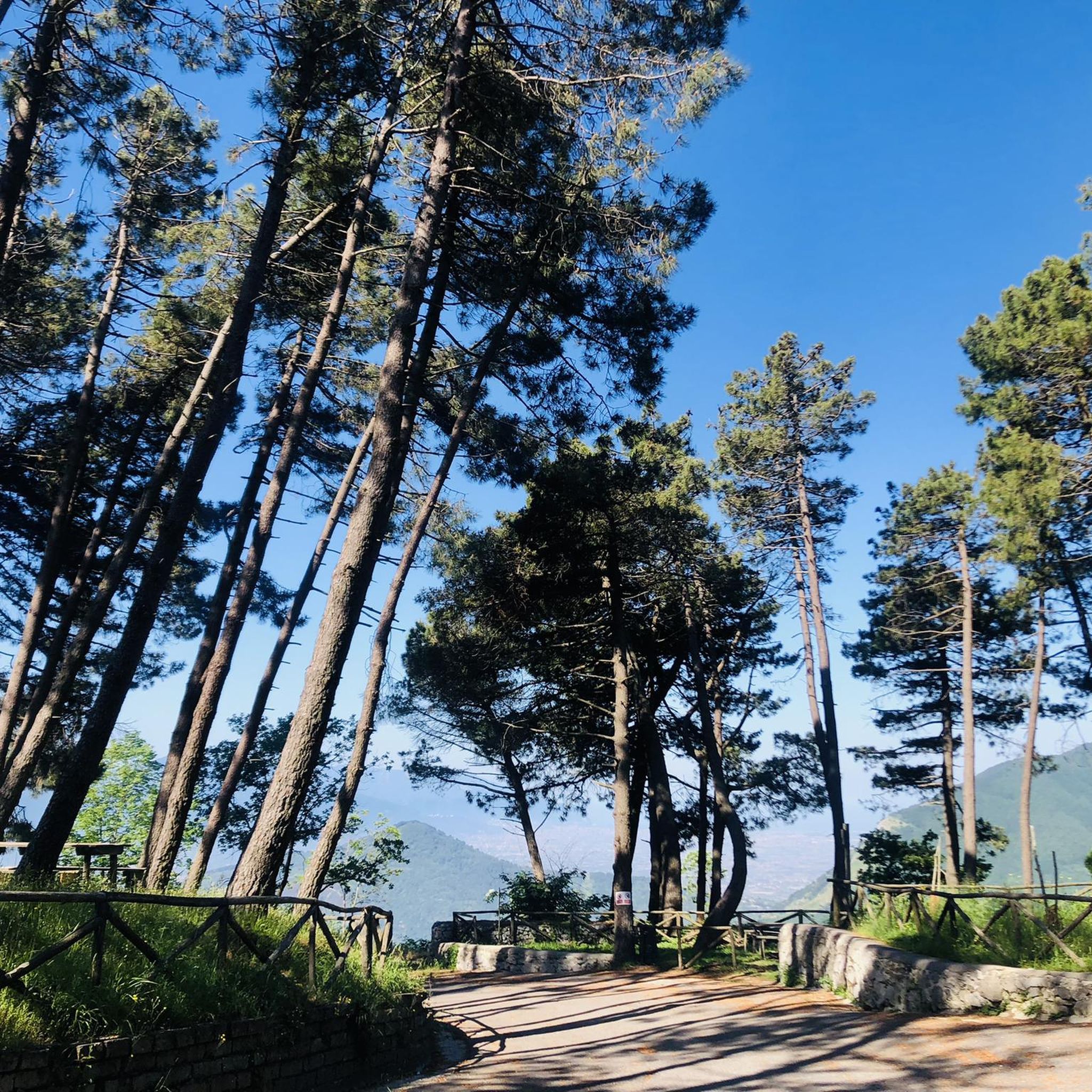
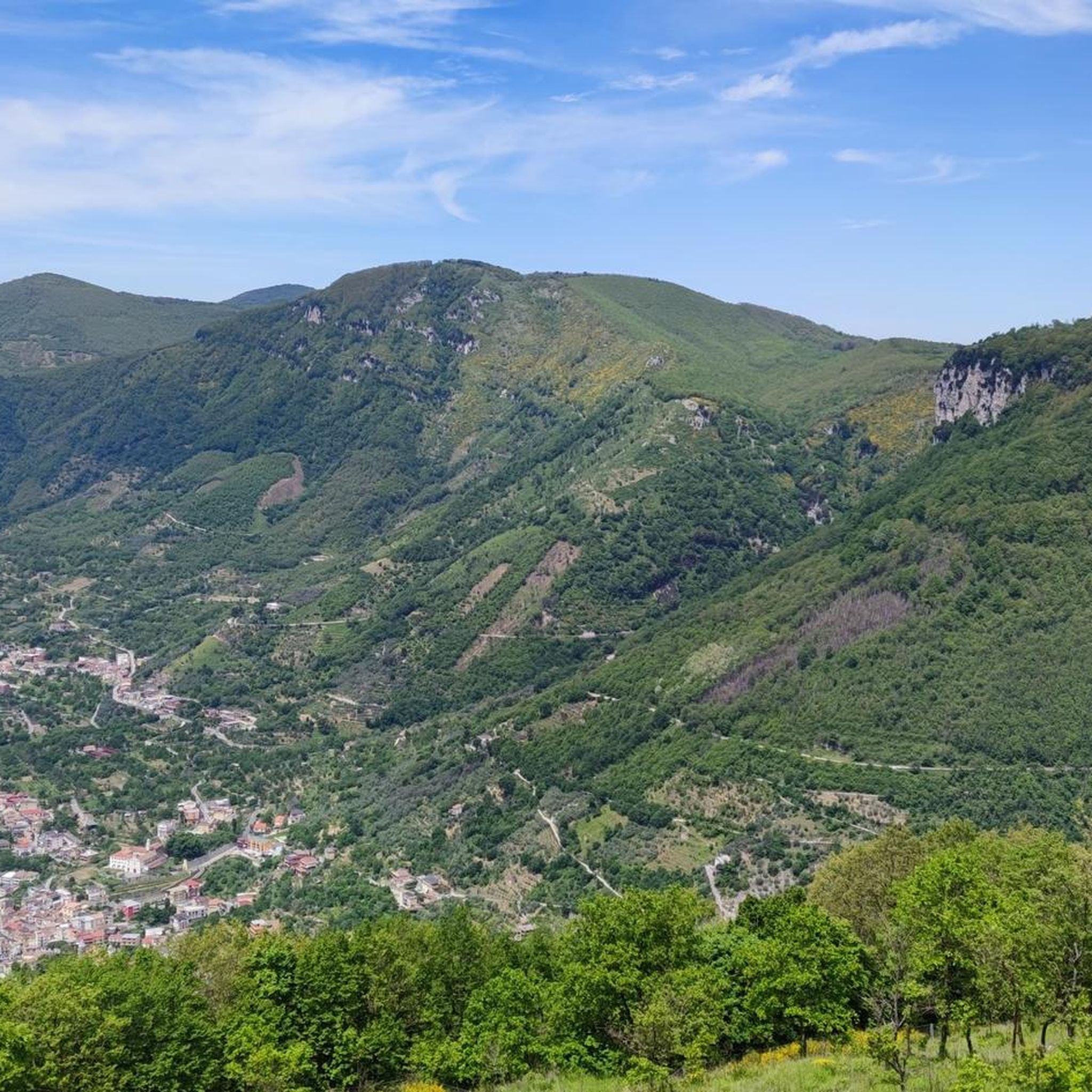
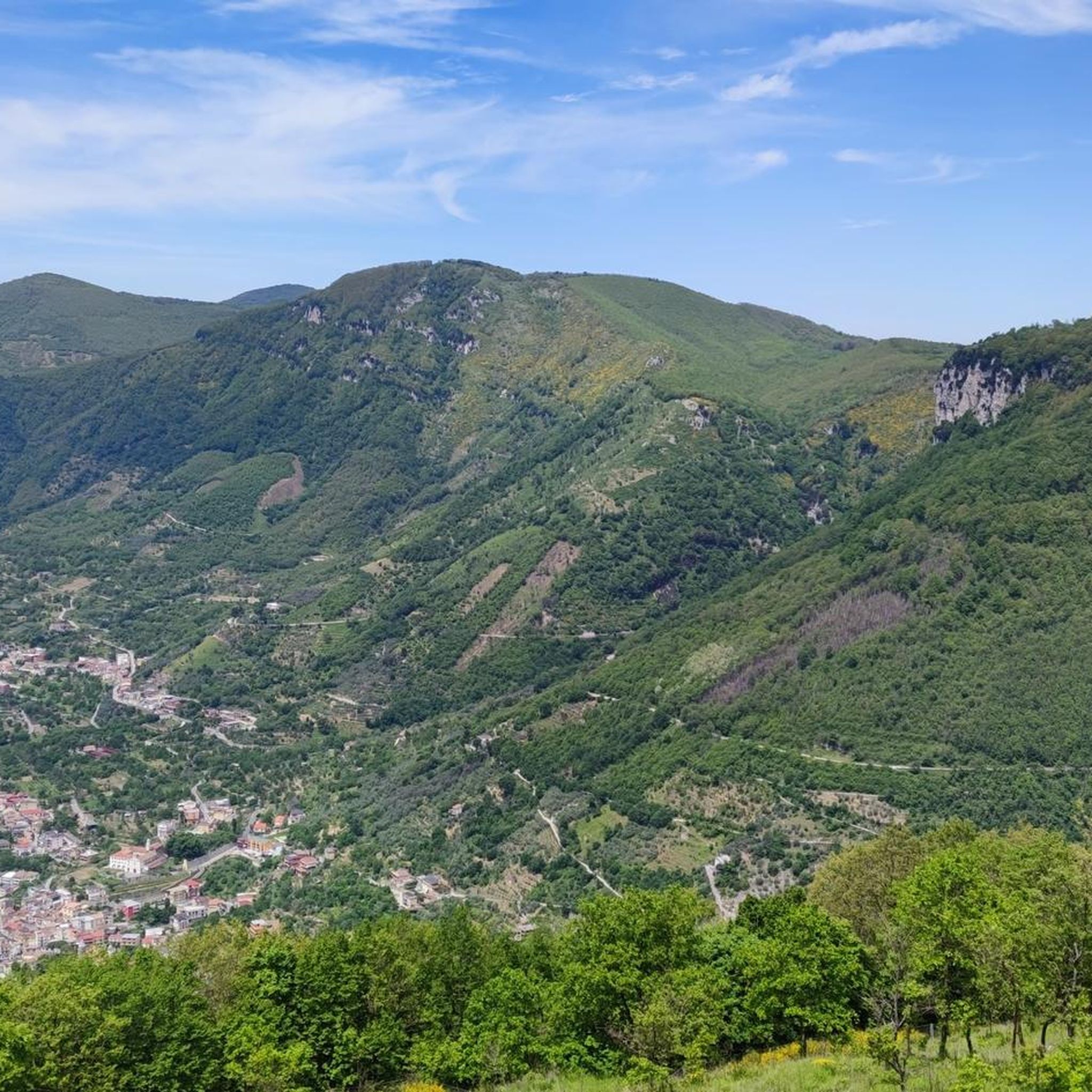


Tips from the Community

The castle of Mercato San Severino, the second largest in Italy, was founded after 1067 by the Norman knight Turgisio Sanseverino, to whom Robert Guiscard granted the ancient city of Rota as a fief. Its current appearance dates primarily to the Angevin period. The settlement was defended by three sets of walls, with a palatium, a parade ground, and other areas. (Source: Wikipedia)
0
0

Torre Gatto – The Sentinel of Mystery Among the ruins hidden by the vegetation stands the Torre Gatto, an ancient bastion of uncertain origin, shrouded in silence and legend. According to popular tradition, the tower was guarded by a giant black cat, guardian spirit of the forest, who appeared only to those who disturbed the peace of the place. Other stories tell that the tower was an observatory of monks, or a Lombard watchtower, placed to guard the paths towards the valley. Today only a part of its walls remains, but the atmosphere is intact: a fascinating point where history and nature intertwine in the silence of time.
0
0

A pedestal, seemingly oversized compared to the size of the actual cross, forms the base for this small sacred monument. The stone base is divided horizontally into several levels, the third of which tapers towards the top. Above it stands the cross, whose crossbeam—in contrast to the longitudinal beam—is provided with a series of holes, the bottom of which, however, is not visible to the observer.
0
0

Beautiful tour with breathtaking views
1
0


The castle has an ancient and troubled history, about 1300 years long. In the 6th century the Longobards, coming from Benevento, settled in the area and less than a century later the castle was built, of which today only a few run-down ruins remain. As per practice in the Middle Ages, the first inhabited nucleus developed around the fortress, what is now known as Borgo San Matteo. In the following centuries the castle hosted King Manfredi of Swabia several times, who was buried there together with his son after having lost his life during the battle of Tagliacozzo. Later the castle passed into the hands of the Angevins and the County of Sarno ended up under the control of the Kingdom of Naples. In the 15th century, before passing to the Aragonese, the castle was occupied by the Orsini family, to whom we owe the building of the Bear Tower, still visible today. In these years the castle was the scene of the famous conspiracy of the barons and the Torre dell'Orso proved to be decisive for the fate of the battle of Sarno. The history of the Sarno fortress ends in the 17th century: in 1647 it was destroyed during the repressive actions against the revolts triggered by Masaniello. Also for this reason today the fortress is a set of almost unrecognizable ruins, which emerge scattered here and there in the mountain vegetation, where the central body of the castle is more intact and still viable, albeit with great attention and effort.
23
0
A substantial expansion on the east side of the castle probably dates back to the Aragonese period, i.e. the detached structure of the so-called Orsina tower because it was built by Daniele Orsini, count from 1460 to 1480. Located at a distance of about 100 meters outside the wall circuit, the structure covered a notable strategic importance in the defense of the castle on the north-east side. The tower, divided into four vaulted floors and connected by a staircase carved into the thickness of the wall, has a circular internal shape. The structure suffered considerable damage during the Second World War, following the earthquake of November 1980 and due to a strong wind it suffered another collapse in 1997.
21
0
The small sanctuary of the Madonna del Carmine al Castello stands on the Saretto hill overlooking the city of Sarno. It is very small but dear to the devotion of the Sarnese faithful. Due to its high position it is visible from all of the Agro Sarnese - Nocerino and arouses in those who observe it, even from a distance, the desire to visit it. It was originally dedicated to Saints Cosma and Damiano. It dates back to the period when the town was located on the hill. The news about this little church dates back to the Acts of the Holy Visit of the Bishop of Sarno, Paolo Fusco, of 1581: in them we read that the zealous Bishop, not being able to access the church due to a thick bush and lack of a path, he ascertained from the Tower of the Castle that the church was abandoned and declared it deconsecrated. A century after the visit of Bishop Fusco, around 1700, out of devotion to Francesco Antonio Corrado, the church rose again larger and more beautiful, thanks to his constant interest
19
0
Frequently Asked Questions
How many hiking trails are available around Bracigliano?
There are over 45 hiking routes available around Bracigliano, offering a variety of experiences from easy strolls to more challenging ascents through rolling hills and valleys.
What kind of terrain can I expect on hikes in Bracigliano?
Hikes in Bracigliano feature varied terrain, including paths through Mediterranean vegetation, moderate elevation changes, and trails that lead to higher viewpoints. You'll encounter a mix of natural paths and historical points of interest.
Are there easy hiking trails suitable for beginners in Bracigliano?
Yes, Bracigliano offers several easy hiking trails. For instance, the Outdoor Church and Picnic Area – Statue of Saint Francis loop from Bracigliano is an easy 3.3-mile (5.3 km) path that passes by historical sites and offers pleasant views.
Are there more challenging hikes for experienced hikers in the area?
For those seeking a challenge, Bracigliano has difficult routes. The Torre della Cappella – Torre del Gatto loop from Rio Santa Marina is a difficult 7.5-mile (12.1 km) hike with significant elevation changes, offering a more strenuous experience.
What is the best time of year to hike in Bracigliano?
Given the Mediterranean climate, the best times to hike in Bracigliano are typically spring (April to June) and autumn (September to October). During these seasons, the weather is milder, and the vegetation is lush, making for more comfortable and scenic walks.
Are there any circular walks in Bracigliano?
Many of the routes around Bracigliano are circular. A popular option is the Hiking loop from Mercato San Severino, which is a 3.3-mile (5.3 km) trail offering varied terrain in a loop format.
Can I find hikes with good viewpoints in Bracigliano?
Yes, several hikes in Bracigliano lead to excellent viewpoints. The area's rolling hills often provide panoramic vistas. You might consider routes that pass by the San Michele Shrine and Panorama for stunning views.
Are there any historical sites or landmarks to see along the trails?
Bracigliano's trails are rich with historical points of interest. You can explore sites like the Torre del Gatto, a historic tower, or the serene Vallefredda Hermitage, offering glimpses into the region's past.
What do other hikers enjoy about the trails in Bracigliano?
The hiking trails in Bracigliano are highly rated by the komoot community, with an average score of 4.3 stars from over 100 reviews. Hikers often praise the varied paths, the historical landmarks encountered along the way, and the beautiful views across the valleys.
Are the hiking trails in Bracigliano suitable for families?
Many of the easier and moderate trails in Bracigliano are suitable for families. Routes with gentle elevation changes and interesting historical sites, like the Outdoor Church and Picnic Area – Statue of Saint Francis loop, provide an enjoyable experience for all ages.
Are there any places to explore or attractions near the hiking routes?
Beyond the trails, you can explore several attractions. The Campo Summo Plateau offers natural beauty, while the Casone De Fazio and Acqua Carpegna Spring provides a unique stop. These points of interest add to the regional experience.
Most popular routes around Bracigliano
Most popular attractions around Bracigliano

Get inspired with the komoot mobile app


Explore more
Browse the best Hikes in other regions.
