Attractions and Places To See around Battipaglia - Top 20
Best attractions and places to see around Battipaglia are situated in the fertile Sele Plain, near the Tyrrhenian coast in Italy's Campania region. This area offers a mix of historical sites, cultural experiences, and natural landscapes. Battipaglia is known for its agricultural heritage and its proximity to significant natural features like the Sele River. The region provides a base for exploring both local points of interest and broader Campania attractions.
Best attractions and places to see around Battipaglia
- The most popular attractions is Convent of Santa Maria di Costantinopoli, a religious building that is part of the archaeological complex of Olevano sul Tusciano. This Dominican convent, built from 1553, is a significant historical monument in the area.
- Another must-see spot is Mouth of the Sele River, a river and natural monument. Visitors can walk along a road that runs alongside the river to get closer to this significant natural feature.
- Visitors also love Bridge over the Tusciano River, a bridge that offers a crossing point with nearby facilities. Near the bridge, there is a water fountain and the Parco San Michele picnic area, which can be reached by car.
- Battipaglia is known for its historical sites, natural features, and cultural experiences. The area offers a variety of attractions, from ancient castles and religious buildings to river mouths and local markets.
- The attractions around Battipaglia are appreciated by the komoot community, with 24 upvotes and 97 photos shared by visitors.
Last updated: August 30, 2026
Convent of Santa Maria di Costantinopoli
Highlight • Religious Site
Translated by Google •
Tip by

Olevano Castle
Highlight • Castle
In the factories, the re-use of clay fragments and previous constructions is visible. The various rooms in which the inhabitants' daily activities took place are still clearly evident: three cisterns for collecting rainwater, halls, service area, halls, suspended arches and more. Between the second and third walls, the vast residential settlement can still be identified, positioned on a vast, mainly flat surface. In this area the ruins of a Christian church outline the small nave and the apse.
Translated by Google •
Tip by

Sign up now to discover places like this
Get recommendations on the best single tracks, peaks, & plenty of other exciting outdoor places.
Sign up for free
Mouth of the Sele River
Highlight • River
Translated by Google •
Tip by
Chapel of Saint Michael the Archangel
Highlight • Religious Site
Translated by Google •
Tip by

Bridge over the Tusciano River
Highlight • Bridge
Translated by Google •
Tip by
Sign up for free to discover even more attractions around Battipaglia.
Sign up for free
Already have an account?
Start today with a free account
Your next adventure awaits.
Login or Signup
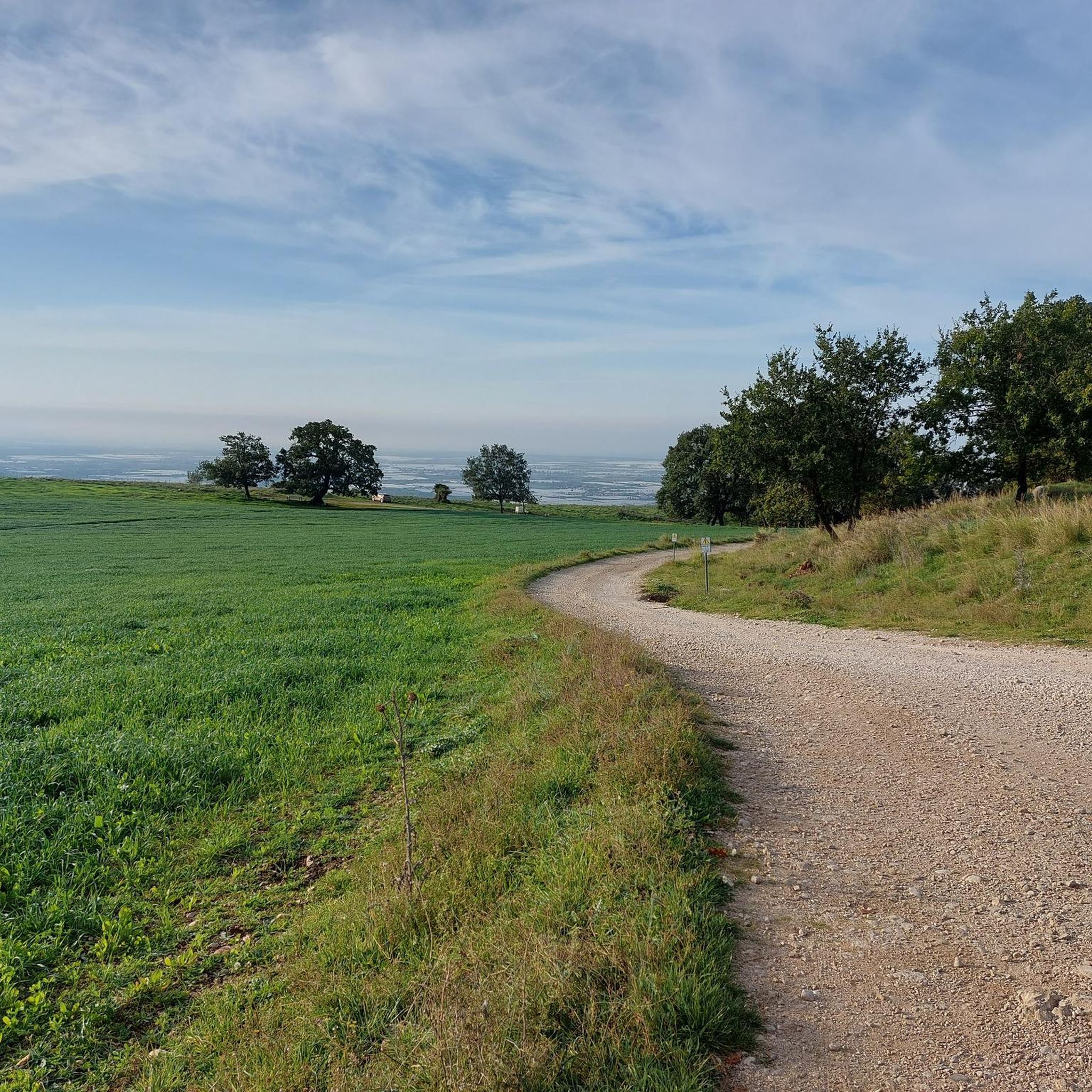
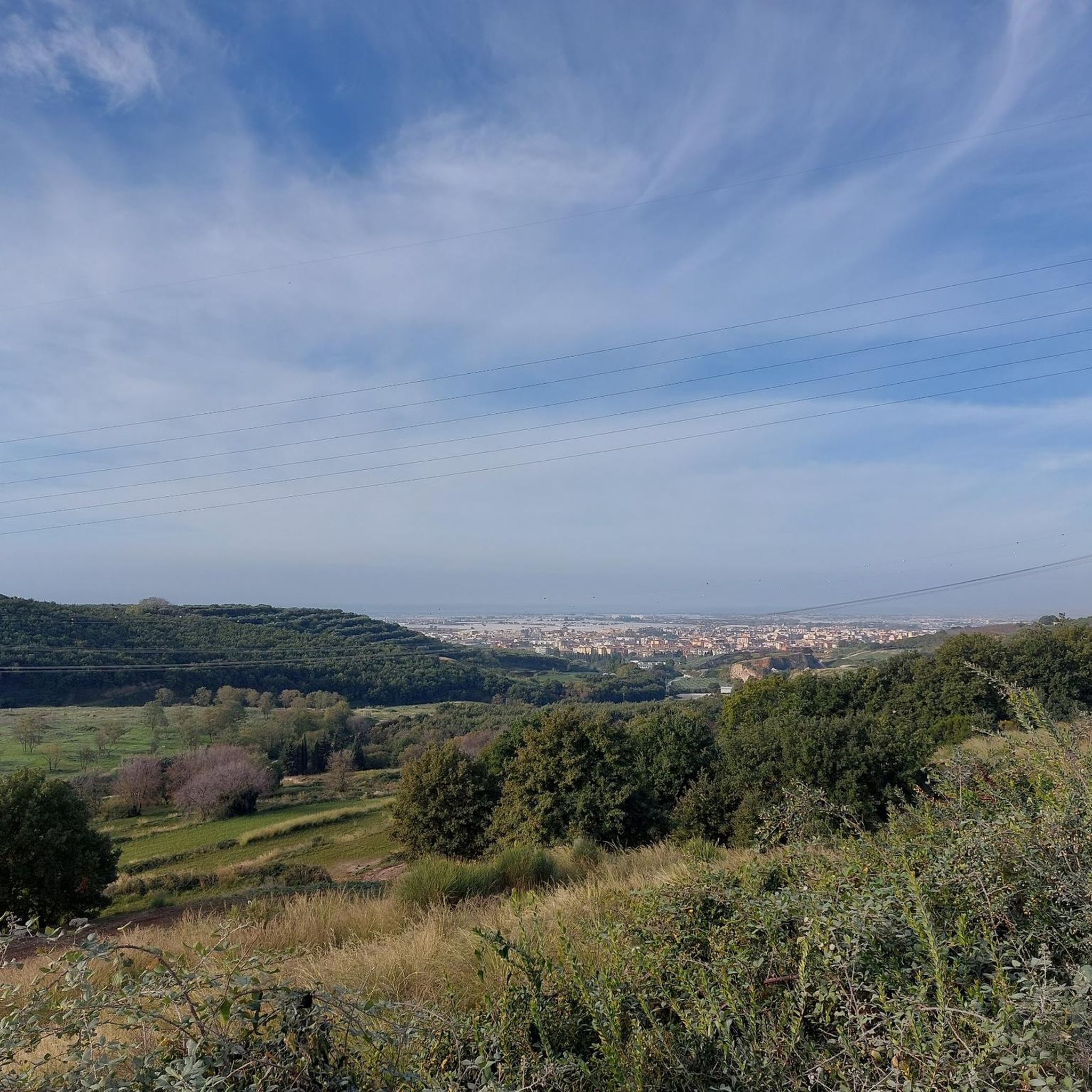
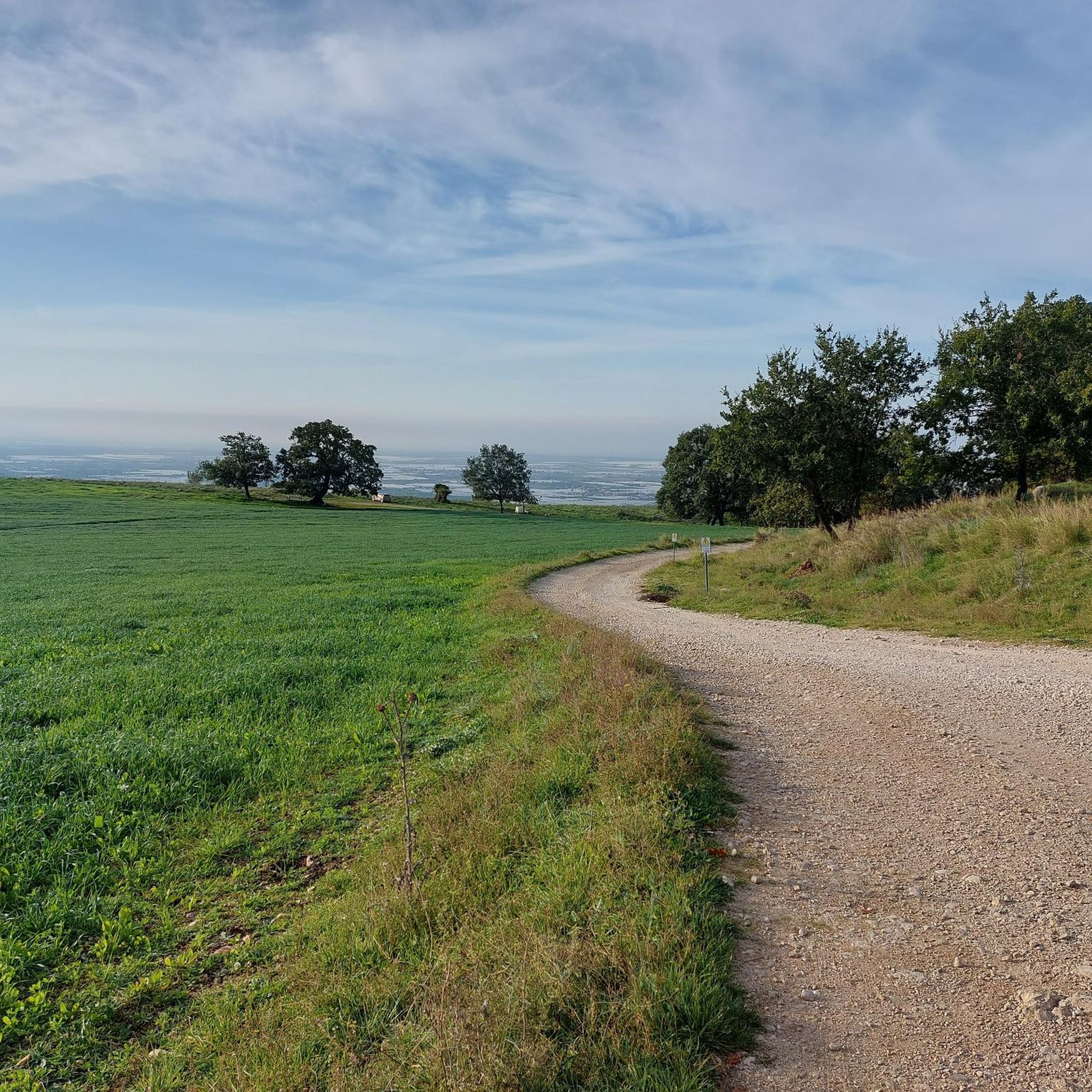
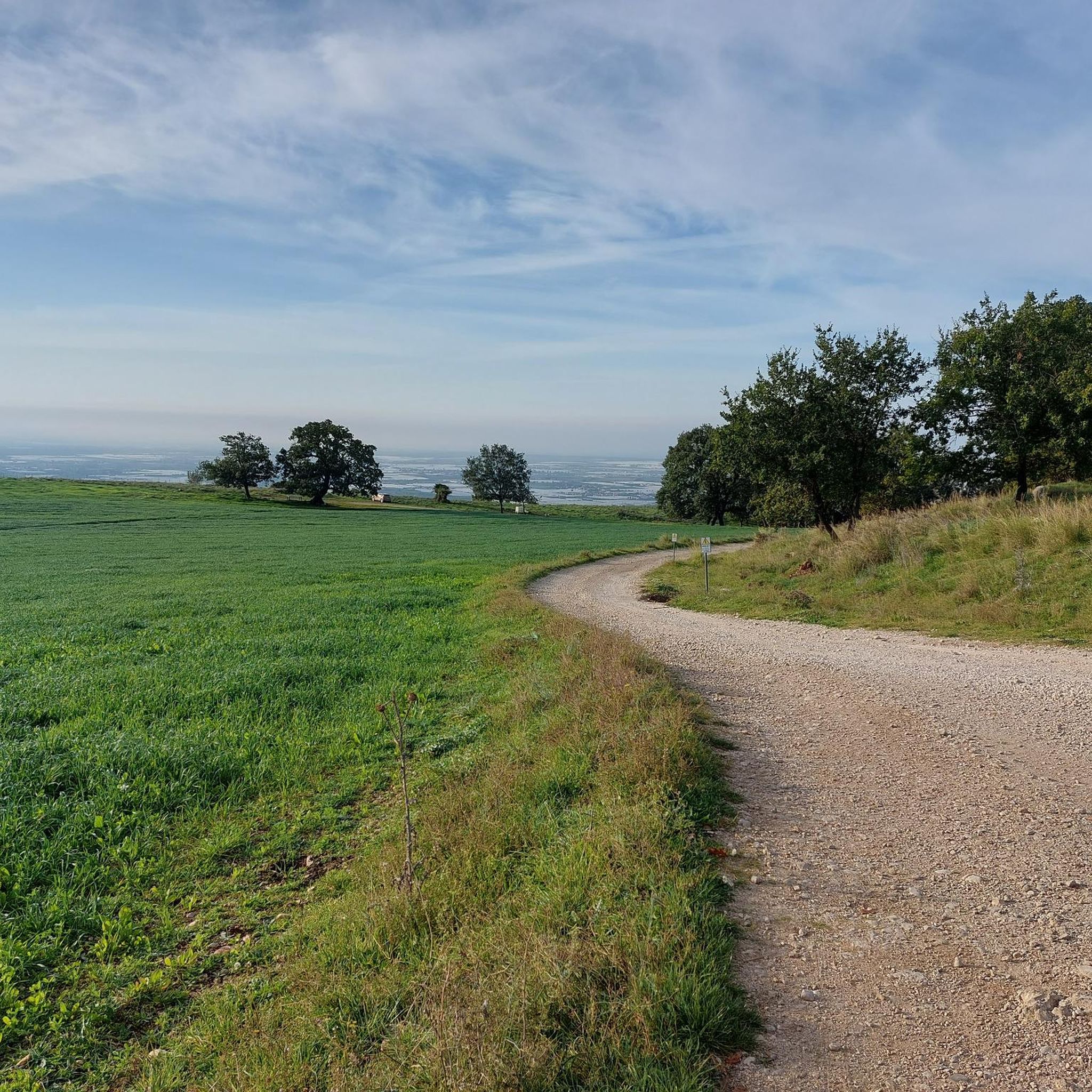

Tips from the Community

Convent Ruins
1
0

Even as a ruin it is still very impressive.
3
0

Crossing of the Tusciano river, with a picnic area in the immediate vicinity
0
0
Convent of Constantinople, beautiful to see, pity it is closed
3
0

very well kept exteriors, it's a pity that we were unable to visit the interior of the convent and the garden because the gates were closed.
2
0

This church was dedicated to the Archangel Michael “SAN MICHELE”. The name (coming from the Hebrew language) means "Who is like God?". He is often depicted - in paintings or as a statue - with a flaming sword, and occasionally a lance. Michael is - together with Raphael, Gabriel (and by some counts Uriel) - one of the three or four archangels who (according to our human imagination) occupy the highest rank in the heavenly hierarchy of angelic beings. Their common feast day in the saints' calendar is September 29th.
3
0

The defensive building is set between two natural rock towers in a locality in the hamlet of Felitto, in an inaccessible place that dominates the entire valley below. The fortress was surrounded by a triple wall, the first of which can still be identified by some fragments incorporated in the current urbanization; the second, halfway up the slope, still has the watchtowers and the entrance to the Castrum intact; the third with two quadrangular towers was placed to guard the central nucleus built at maximum height. In the factories, the re-use of clay fragments and previous constructions is visible. The various rooms in which the inhabitants' daily activities took place are still clearly evident: three cisterns for collecting rainwater, halls, service area, halls, suspended arches and more. Between the second and third walls, the vast residential settlement can still be identified, positioned on a vast, mainly flat surface. In this area the ruins of a Christian church outline the small nave and the apse.
20
0

Abandoned in 1806, the Convent of Santa Maria in Costantinopoli is part of the archaeological complex of Olevano sul Tusciano. It is worth stopping to admire the view and imagine what the Convent was like before it was abandoned.
5
0
Frequently Asked Questions
What natural attractions can I explore near Battipaglia?
You can visit the Mouth of the Sele River, a significant natural feature where you can walk along a road that runs alongside the river. Battipaglia is also situated in the fertile Sele Plain, surrounded by agricultural landscapes, and is near the Tyrrhenian coast, offering sandy beaches. Further afield, you can explore the natural beauty of the Cilento National Park or the Oasi di Persano nature reserve.
Are there historical sites to visit in and around Battipaglia?
Yes, the area boasts several historical sites. The Convent of Santa Maria di Costantinopoli, part of an archaeological complex, is a significant Dominican convent built in 1553. Another notable site is Olevano Castle, a medieval fortress perched on a hill offering expansive views. The Mu.Bat Museum of Battipaglia also focuses on crucial moments of World War II, particularly 'Operation Avalanche'.
What cultural experiences does Battipaglia offer?
Battipaglia is renowned as a hub for buffalo mozzarella production. You can tour local dairies, such as Caseificio La Fattoria, to observe the mozzarella-making process and taste fresh 'Zizzona di Battipaglia'. The town also hosts a vibrant open-air market, offering fresh local produce and a lively atmosphere. The Santuario di Santa Maria della Speranza is a modern spiritual center that becomes a focal point during its annual July festival.
Can I find family-friendly activities near Battipaglia?
Yes, the Bridge over the Tusciano River offers a crossing point with nearby facilities, including a water fountain and the Parco San Michele picnic area, which is easily accessible by car. The Mouth of the Sele River is also considered family-friendly, offering a pleasant walk along the river.
What outdoor activities, like hiking or cycling, are available near Battipaglia?
The area around Battipaglia offers various outdoor activities. For hiking, you can explore routes like the 'Pilgrim's Way Loop' or 'Along the Tusciano river' in the Parco Regionale dei Monti Picentini. Cycling enthusiasts can find routes such as 'Epitaph of Eboli – Via Campo Fiorito loop' for road cycling or 'Piazza Amendola Fountain – Castelluccio di Battipaglia loop' for touring. You can find more details and routes in the Hiking around Battipaglia and Road Cycling Routes around Battipaglia guides.
What are some recommended day trips from Battipaglia?
Battipaglia's strategic location makes it an excellent base for exploring the broader Campania region. You can easily access the picturesque Amalfi Coast, the ancient temples of Paestum (a UNESCO World Heritage site), and Vietri sul Mare, famous for its hand-painted ceramics. Naples and Salerno are also approximately an hour and 30 minutes away, respectively.
Are there any religious landmarks worth visiting in the area?
Yes, the Convent of Santa Maria di Costantinopoli is a significant Dominican convent dating back to 1553, offering historical and architectural interest. Additionally, the Chapel of Saint Michael the Archangel is a recommended stop, especially before ascending to Olevano Castle.
Where can I find panoramic views in the Battipaglia area?
The Olevano Castle, perched on a hill, offers expansive views of the surrounding countryside. The Convent of Santa Maria di Costantinopoli also provides a suggestive viewpoint to admire the landscape.
What is the best time of year to visit Battipaglia for sightseeing?
The Campania region, where Battipaglia is located, generally enjoys a Mediterranean climate. Spring (April-May) and early autumn (September-October) offer pleasant temperatures, ideal for exploring historical sites, enjoying outdoor activities, and touring dairies without the intense summer heat. Summer (June-August) is also popular, especially for those looking to enjoy the nearby Tyrrhenian coast and beaches.
What do visitors enjoy most about the attractions around Battipaglia?
Visitors appreciate the blend of historical depth, natural beauty, and cultural experiences. The Convent of Santa Maria di Costantinopoli is noted for its suggestive atmosphere and historical significance. The Mouth of the Sele River is enjoyed for its unique natural scenery, and the Bridge over the Tusciano River is valued for its convenient picnic area. The overall appeal lies in the region's diverse offerings, from ancient monuments to local culinary traditions.
Can I visit a medieval castle near Battipaglia?
Yes, you can visit Olevano Castle, a medieval fortress located in an inaccessible place that dominates the entire valley below. Constructed around the year 1000 and later modified by Frederick II of Swabia, it is a significant historical landmark. While privately owned, accessible areas can be visited, and you can still identify fragments of its triple wall and various rooms.
Most popular routes around Battipaglia
Most popular attractions around Battipaglia

Get inspired with the komoot mobile app


Explore more
Still not found the Highlight you’re looking for? See guides of the top attractions in other regions:
