Attractions and Places To See around Postiglione - Top 20
Best attractions and places to see around Postiglione include natural features and historical sites. Located at the foot of the Alburni Mountains in the province of Salerno, Postiglione's mountainous area is part of the Cilento, Vallo di Diano and Alburni National Park. The town offers a blend of natural beauty and cultural significance, with various sites reflecting its history and environment.
Best attractions and places to see around Postiglione
- The most popular attractions is Summit of Monte Panormo, a summit that reaches an altitude of 1,742 meters. From its peak, views of the surrounding woods and peaks are available.
- Another must-see spot is The “Grotta Profunnata” in the Oasi Valle della Caccia, a cave considered one of the notable features of the Picentini Mountains. This cave contains various environments, including stalactites, stalagmites, and a small lake.
- Visitors also love Tana del cinghiale - Natural rock cavity, a natural rock cavity found along the path leading to the Grotta Profunnata. This site is located within the Valle della Caccia WWF Oasis.
- Postiglione is known for its diverse natural features like caves and mountain summits, alongside historical landmarks such as castles and ancient monuments. Visitors can explore a variety of attractions that highlight both the region's natural beauty and its cultural heritage.
- The attractions around Postiglione are appreciated by the komoot community, with 10 upvotes and 104 photos shared across 16 highlights.
Last updated: July 7, 2026
The “Grotta Profunnata” in the Oasi Valle della Caccia
Highlight • Cave
This place, already known as a refuge for brigands in the second half of the 19th century, saw its first official exploration only in 2004. The speleologists who ventured there managed to identify real "environments" within it: a small cave joined by a corridor to a larger one, which overlooks the Valle del Trientale. Continuing along the path, stalactites and stagmites dominate, leading to a small lake, characterized by crystal clear water.
Unfortunately, the cave in its entirety is not a place accessible to everyone: in its entirety it can only be visited by speleologists or, in any case, experts equipped with the appropriate equipment.
For ordinary visitors, the excursion is only possible in the initial part, always with the aid of suitable equipment and under the guidance of an expert.
grandecampania.it/oasi-valle-della-caccia
Translated by Google •
Tip by

Summit of Monte Panormo
Highlight • Summit
Translated by Google •
Tip by

Sign up now to discover places like this
Get recommendations on the best single tracks, peaks, & plenty of other exciting outdoor places.
Sign up for free
Tana del cinghiale - Natural rock cavity
Highlight • Cave
Trekking clothes and sturdy shoes!
Translated by Google •
Tip by
Epitaph of Eboli
Highlight • Monument
The Via del Grano is the name given to the Regio Cammino di Matera, an ancient road artery which in the 19th century connected the principalities Citeriore and Ulteriore (current provinces of Salerno and Avellino) with Basilicata. Commissioned in 1789 by King Ferdinand IV of Bourbon, on the proposal of the Marquis of Valva, Superintendent of Roads and Bridges, it served not only to join the municipalities of the Campania and Lucanian hinterland, from Eboli to Melfi, but also to ensure the transport of grain and other foodstuffs from the fertile plains of Puglia to Naples, the capital of the Kingdom.
Translated by Google •
Tip by

Epitaph of Ferdinand IV of Bourbon
Highlight • Monument
Translated by Google •
Tip by
Sign up for free to discover even more attractions around Postiglione.
Sign up for free
Already have an account?
Start today with a free account
Your next adventure awaits.
Login or Signup
Tips from the Community

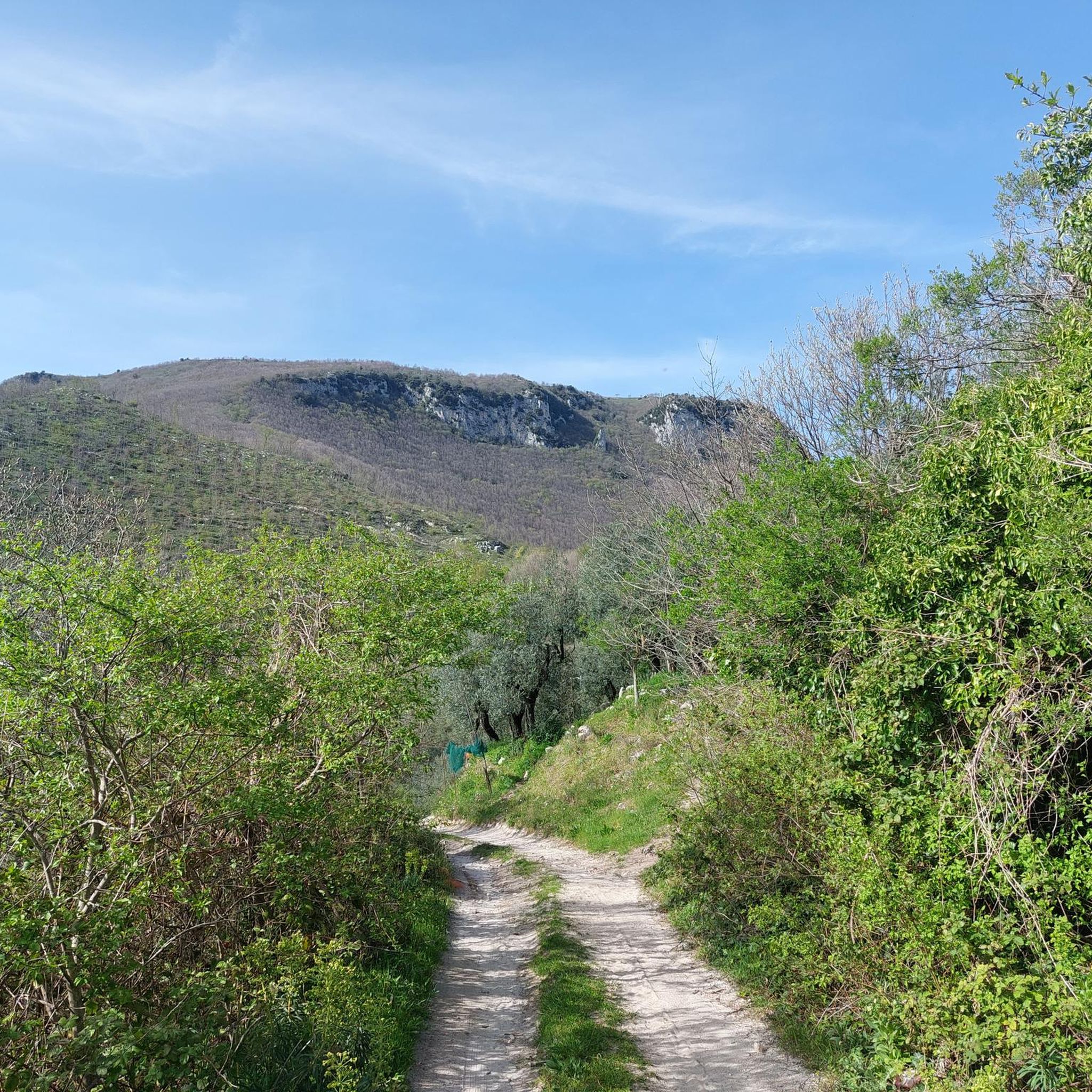
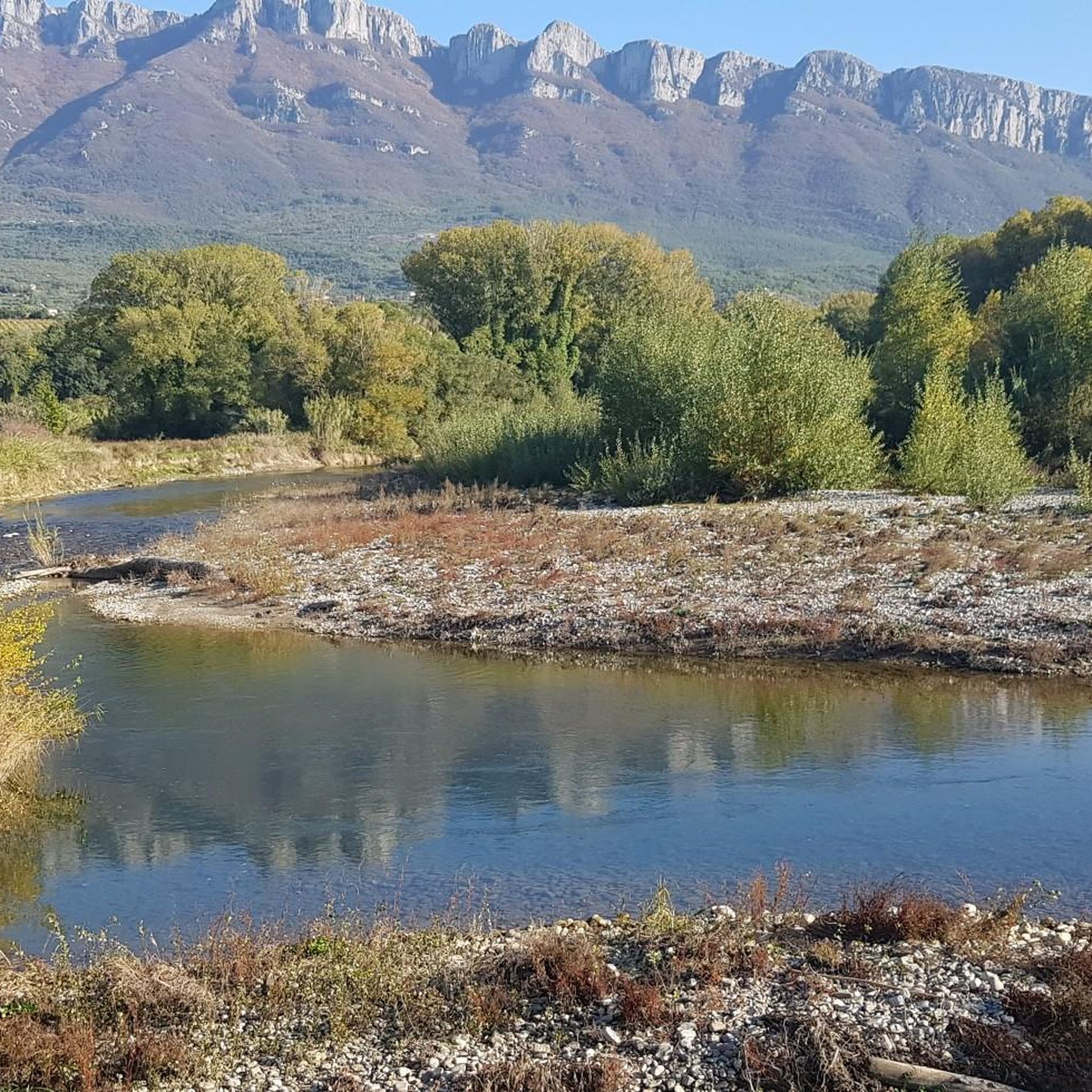
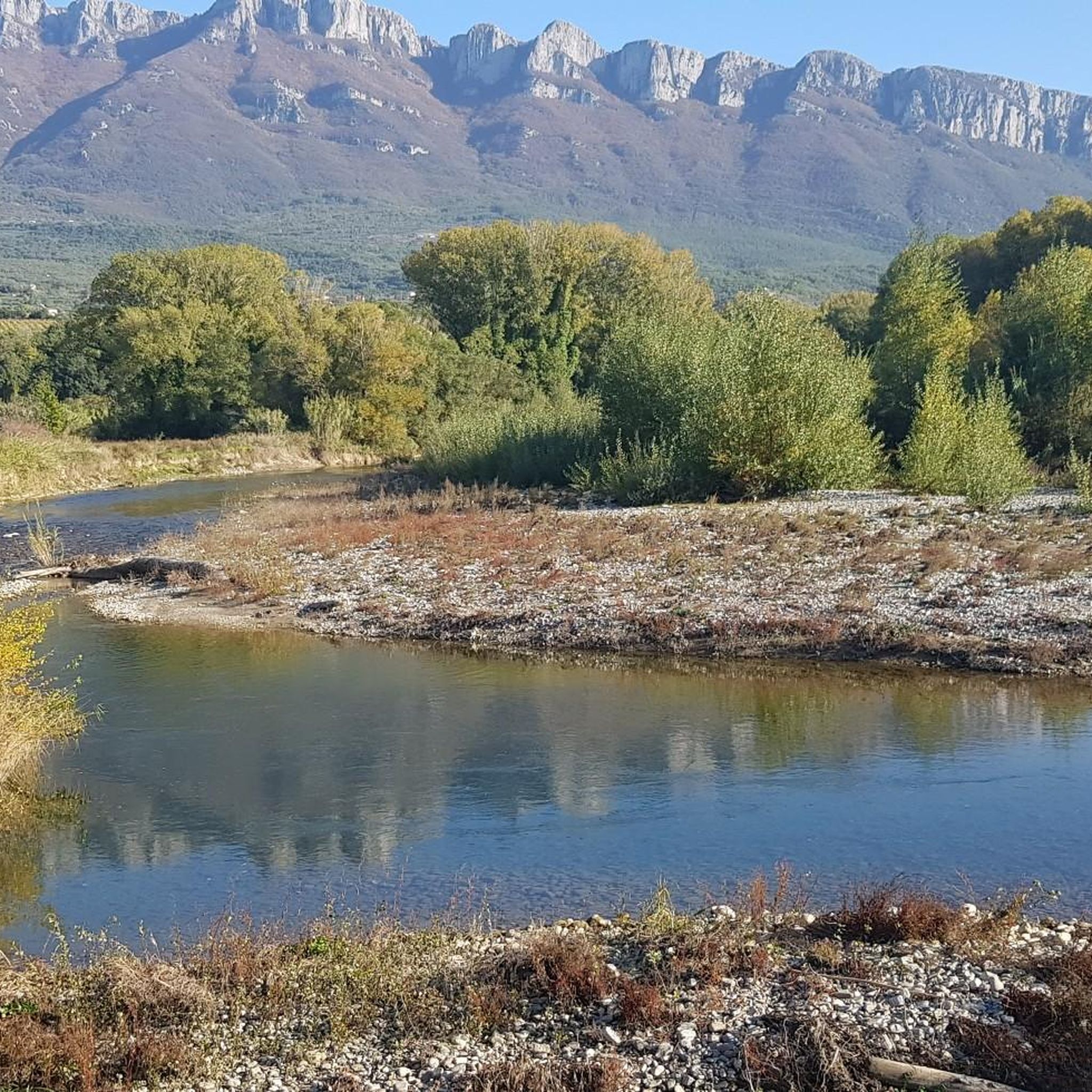
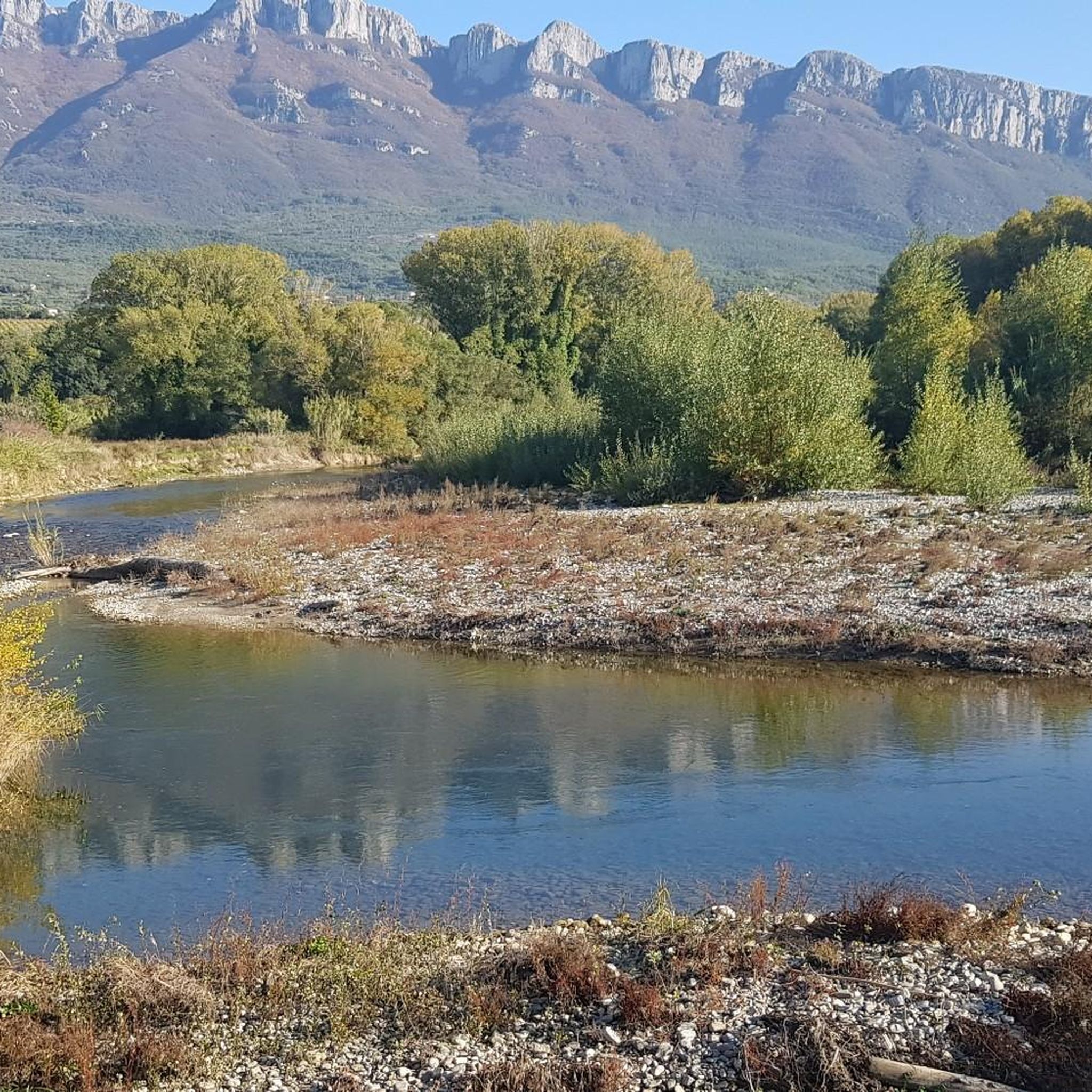
Images from the summit of Mount Panormo (1742 meters) Good mountaineering experience required.
3
0

The Grotta Profunnata is one of the most interesting attractions of the Oasi Valle della Caccia. It has different environments, and is only partially accessible to visitors, with the help of suitable equipment and under the guidance of an expert.
2
0

Monte Panormo is located at an altitude of 1,742 metres. It is also often known by the name of Monte Alburno. From its peak you can enjoy a breathtaking view of the surrounding woods and peaks.
2
0
Along the path that leads from the Valle della Caccia WWF Oasis to the "Grotta Profunnata" you come across a natural rock cavity called the "Boar's Den". Trekking clothes and sturdy shoes!
5
0
One of the jewels of the Picentini Mountains is the "Grotta Profunnata", an interesting discovery inside the mountain massif. This place, already known as a refuge for brigands in the second half of the 19th century, saw its first official exploration only in 2004. The speleologists who ventured there managed to identify real "environments" within it: a small cave joined by a corridor to a larger one, which overlooks the Valle del Trientale. Continuing along the path, stalactites and stagmites dominate, leading to a small lake, characterized by crystal clear water. Unfortunately, the cave in its entirety is not a place accessible to everyone: in its entirety it can only be visited by speleologists or, in any case, experts equipped with the appropriate equipment. For ordinary visitors, the excursion is only possible in the initial part, always with the aid of suitable equipment and under the guidance of an expert. https://grandecampania.it/oasi-valle-della-caccia/
4
1

Monument that marks the beginning of the via del Grano.
3
0
Capital that marks the beginning of the via del grano. The plaque shows the Latin verses placed at the Epitaffio monument (in the center of the homonymous district) built by King Ferdinand IV of Bourbon in 1797 to mark the first milestone along the Royal Way of Matera at the 44th mile from Naples. The Via del Grano is the name given to the Regio Cammino di Matera, an ancient road artery which in the 19th century connected the principalities Citeriore and Ulteriore (current provinces of Salerno and Avellino) with Basilicata. Commissioned in 1789 by King Ferdinand IV of Bourbon, on the proposal of the Marquis of Valva, Superintendent of Roads and Bridges, it served not only to join the municipalities of the Campania and Lucanian hinterland, from Eboli to Melfi, but also to ensure the transport of grain and other foodstuffs from the fertile plains of Puglia to Naples, the capital of the Kingdom.
23
0

Epitaph Ferdinand IV of Bourbon from 1797 From this point the Via del Grano begins
1
0
Frequently Asked Questions
What natural attractions can I explore in Postiglione?
Postiglione offers several natural wonders. You can visit The “Grotta Profunnata” in the Oasi Valle della Caccia, a cave featuring stalactites, stalagmites, and a small lake. While much of it requires expert equipment, a part is accessible with guidance. Nearby, you'll find the Tana del cinghiale - Natural rock cavity. For panoramic views, ascend the Summit of Monte Panormo (1,742 meters), also known as Monte Alburno. Other natural sites include Grotta di Sant'Elia and the Sant'Angelo Forest.
Are there any historical or cultural sites to visit in Postiglione?
Yes, Postiglione is rich in history. Explore the Castello Normanno “G. Da Procida”, a fortified system built around the year 1000, offering vast panoramas. The Chiesa Parrocchiale di San Giorgio, dating back to the 14th century, features a majestic sculptural complex of Saint George. You can also see the Fontana Monumentale in Piazza Armando Diaz, the ancient Fontana dei Grandini, and the 16th-century Cappella di San Vito. The Torre Campanaria di San Nicola is the sole remnant of the former mother church. Don't miss the Epitaph of Ferdinand IV of Bourbon and the Epitaph of Eboli, which mark the historic 'Via del Grano'.
What kind of outdoor activities can I do near Postiglione?
The area around Postiglione, nestled in the Cilento, Vallo di Diano and Alburni National Park, is ideal for various outdoor activities. You can find numerous routes for mountain biking, road cycling, and touring. For specific trails and their difficulty levels, check out the guides for MTB Trails around Postiglione, Road Cycling Routes around Postiglione, and Cycling around Postiglione.
Are there any family-friendly attractions in Postiglione?
Yes, Postiglione offers attractions suitable for families. The Epitaph of Ferdinand IV of Bourbon and the Epitaph of Eboli are historical monuments that can be visited by families. Exploring the initial, accessible part of The “Grotta Profunnata” with expert guidance can also be an exciting experience for older children.
Where can I find the best viewpoints in the Postiglione area?
For breathtaking views, head to the Summit of Monte Panormo. At 1,742 meters, it offers expansive vistas of the surrounding woods and peaks. The Castello Normanno “G. Da Procida” also provides a strategic position with a vast panorama encompassing the Gulf of Salerno, the Cilento, Vallo di Diano and Alburni National Park, parts of the Cilento and Amalfi coasts, and the island of Capri.
What is the significance of the 'Via del Grano' in Postiglione?
The 'Via del Grano' (Grain Road) refers to the Regio Cammino di Matera, an ancient road artery commissioned by King Ferdinand IV of Bourbon in 1789. It connected the provinces of Salerno and Avellino with Basilicata and was crucial for transporting grain and other foodstuffs. The Epitaph of Ferdinand IV of Bourbon and the Epitaph of Eboli are monuments that mark the first milestones along this historic route.
Can I visit the Grotta Profunnata, and what should I expect?
The Grotta Profunnata is a significant natural feature. While its entirety is only accessible to speleologists or experts with specialized equipment, the initial part of the cave can be visited by ordinary visitors. This requires suitable equipment and the guidance of an expert. Inside, you can expect to see various environments, including stalactites, stalagmites, and a small lake with crystal-clear water.
What is the best time of year to visit Postiglione attractions?
The best time to visit Postiglione attractions, especially for outdoor activities and enjoying the natural beauty, is typically from late spring to early autumn (May to October). During these months, the weather is generally pleasant for hiking, cycling, and exploring historical sites. The Summit of Monte Panormo can be covered in snow from early December to mid-April, making spring and summer ideal for summit hikes.
What is the Castello Normanno “G. Da Procida” and what can I see there?
The Castello Normanno “G. Da Procida” is a historic Norman castle built around the year 1000. It features a main body and six towers, one of which provided access to a prison. Historically, it served as a military prison and later a museum during the World Wars. From its strategic location, visitors can enjoy extensive panoramic views of the Gulf of Salerno, the Cilento, Vallo di Diano and Alburni National Park, parts of the Cilento and Amalfi coasts, and the island of Capri.
Are there any ancient religious sites in Postiglione?
Yes, Postiglione has several ancient religious sites. The Chiesa Parrocchiale di San Giorgio is the town's oldest parish church, dating back to the 14th century. The Cappella di San Vito, a 16th-century chapel, was historically used for blessing animals. Additionally, the Grotta di Sant'Elia, located at about 900 meters above sea level, has been a significant pilgrimage site for centuries, where locals invoked the saint for rain during droughts.
What do visitors particularly enjoy about the attractions around Postiglione?
Visitors to Postiglione appreciate the blend of natural beauty and rich history. They enjoy the breathtaking views from the Summit of Monte Panormo and the unique experience of exploring the accessible parts of The “Grotta Profunnata”. The historical significance of sites like the Norman Castle and the Epitaphs of Ferdinand IV and Eboli, which mark the ancient 'Via del Grano', also captivate many. The komoot community has shared over 100 photos, highlighting the diverse appeal of the region's natural and cultural landmarks.
Most popular attractions around Postiglione

Get inspired with the komoot mobile app


Explore more
Still not found the Highlight you’re looking for? See guides of the top attractions in other regions:
