Attractions and Places To See around Vietri Di Potenza - Top 13
Best attractions and places to see around Vietri Di Potenza include a blend of natural beauty and cultural heritage. Situated on a rocky spur of the Lucanian Apennines within the Melandro Valley, the town serves as "La Porta della Lucania," the first town welcoming visitors to Basilicata from Campania. The area features diverse landscapes, from river gorges and waterfalls to historical sites and unique street art.
Best attractions and places to see around Vietri Di Potenza
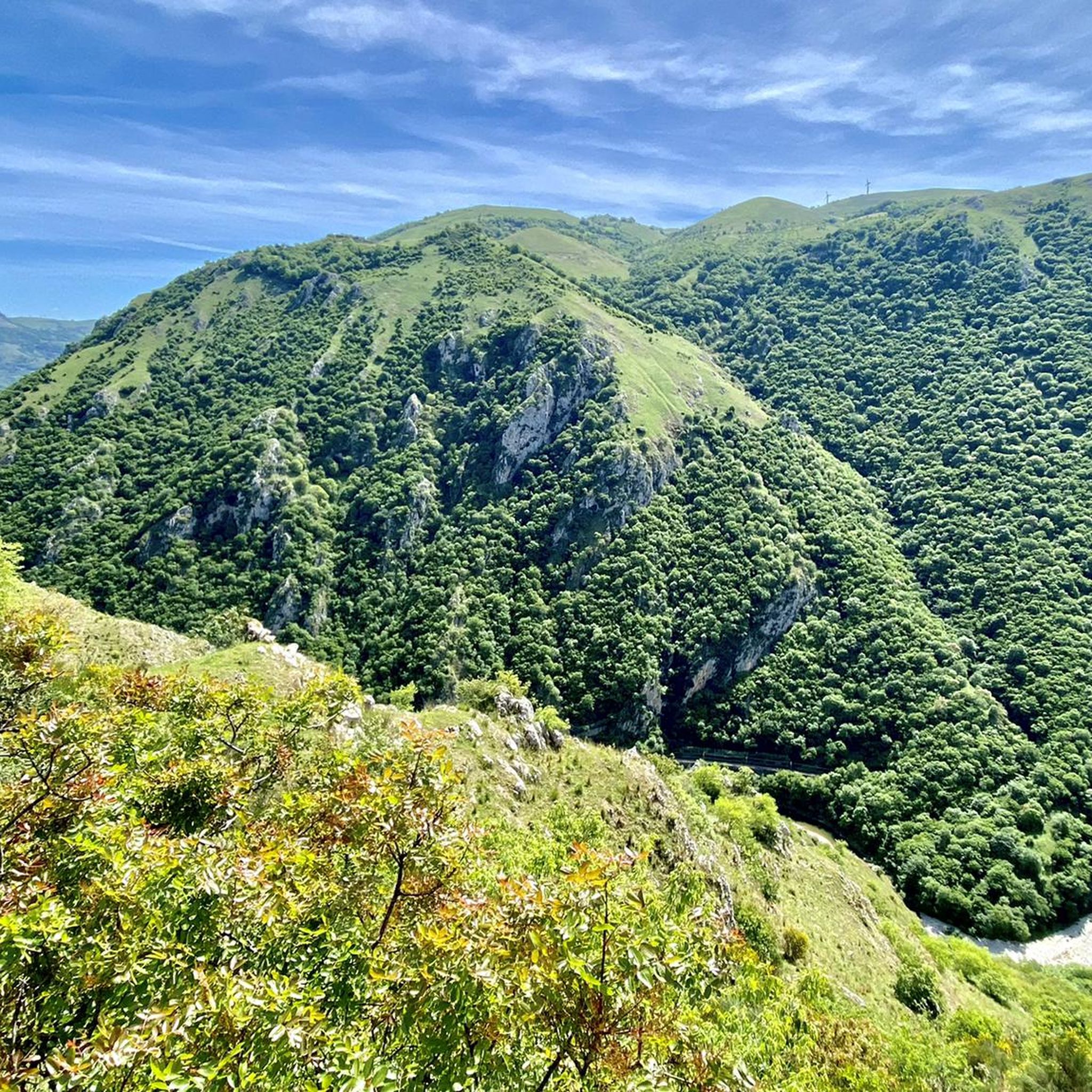
- The most popular attractions is Cascata Grande di Savoia, a waterfall that is one of the Savoia waterfalls, located in the Tuorno valley. It is described as a place of extreme beauty.
- Another must-see spot is Grotta di Pertosa-Auletta, a cave complex. This site is renowned for its navigable underground river, which is unique in Italy.
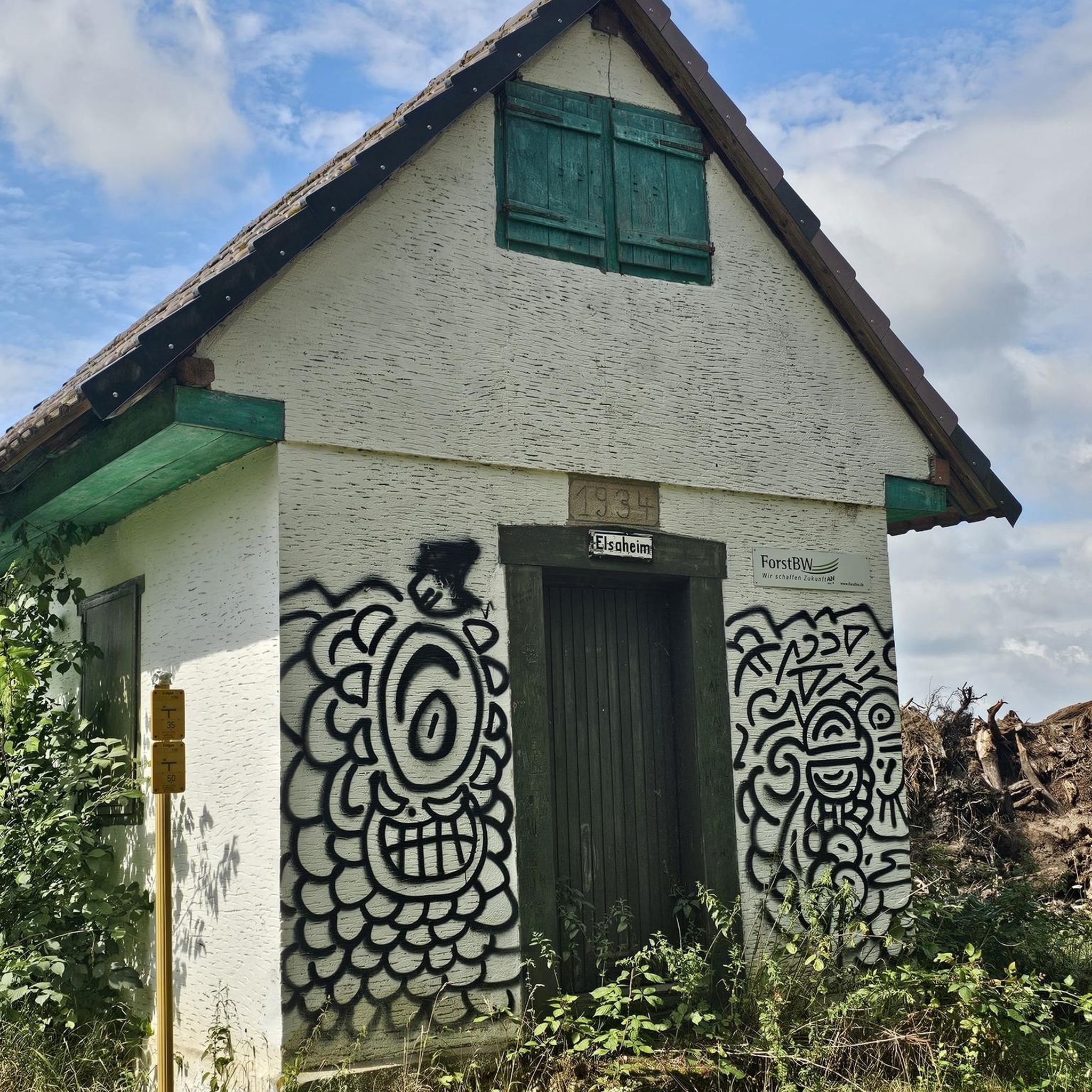
- Visitors also love Satriano di Lucania, a settlement. This medieval village is known as the "Italian capital of murals," featuring over 400 hand-painted artworks on its buildings.
- Vietri Di Potenza is known for its natural features, historical sites, and cultural experiences. Visitors can explore river gorges, waterfalls, ancient convents, and villages adorned with street art.
- The attractions around Vietri Di Potenza are appreciated by the komoot community, with more than 20 upvotes and 18 photos.
Last updated: July 15, 2026
Cascata Grande di Savoia
Highlight • Waterfall
Translated by Google •
Tip by

The Castle of Buccino
Highlight • Castle
With the advent of the Swabians the castle had to lose importance, since it is not mentioned in the Statutum de reparatione castrorum imperialium. Even afterwards there is no news about the presence of castellans and servants inside the castle. From these data it can be deduced that the Buccinese castle did not play a particularly important role, from a military point of view, in the chessboard of the Kingdom's fortifications.
In 1247 the castrum Buccino or Pulcini belonged to the feudal lord Tommaso di Fasanella.
With the Angevins the castle was again assigned to important feudal lords, who changed the face of the manor according to the customs of the time. In 1269 the castle, together with those of Campagna, Eboli, Auletta and Quaglietta, was assigned to Roberto, eldest son of the Count of Flanders. Already in 1271 it was revoked from the Royal Curia, to be then assigned, until 1274, to Gualtiero de Sommerouse, soldier and executioner of the Kingdom.
During the fifth summons of Charles I of Anjou (1276-1277) the castle was stolen from Tommaso Count of Marsico to be assigned to Guidone d'Alemagna, soldier, executioner, councilor, royal family, treasurer and fiscal receiver.
In the following two centuries, the castle was in the possession of the d'Alemagna family, then passed to the Caracciolo and Di Sangro families.
At present the castle structure is characterized by a mighty Norman square-plan keep which must have been the only existing structure, at least until the advent of the Angevins. The construction of a first courtyard dates back to the late 13th century, with related residential buildings, two circular towers at the corners and a large cistern, with an adjoining service area in the southern part.
This first transformation is probably the work of the d'Alemagna family, in a crucial moment for the history of the Kingdom, characterized by the so-called war of the Vespers, which broke out in 1282 and which reached its peak in Campania at the end of the 13th century. In that period they began to build circular towers with escarpments at the base with an upper crown consisting of corbels and arches for the plumbing defense. Although the circular towers of the castle of Buccino are cut off, they fall within this type of construction, typical of Angevin castle architecture.
In the first half of the 14th century, the castle underwent a new structural reorganization. The hill is equipped with a defensive system consisting of a moat with two other circular towers and a second wall. Some rooms and a stable included in the perimeter area of the external walls can still be ascribed to the Angevin age.
Between the sixteenth and seventeenth centuries the castle underwent a gradual abandonment, as evidenced by the progressive filling layers of the moat and the levels of obliteration found in the environment identified as the stable.
The resumption of intensive occupation of the hill takes place between the eighteenth and nineteenth centuries when the reorganization of the internal courtyard, occupied along the northern edge by a stable, and the creation of a water drainage system, defined a substantial change in the intended use of the spaces.
During the nineteenth century. the castle assumes the appearance of a building witnessed by four large limestone, located along the northern slope of the hill, and by numerous lime extinguishing pits in the southern part.
arch. Lucio Ganelli
Translated by Google •
Tip by

Sign up now to discover places like this
Get recommendations on the best single tracks, peaks, & plenty of other exciting outdoor places.
Sign up for free
Satriano di Lucania
Highlight • Settlement
This initiative, which has been going on for decades, is a direct consequence of the cultural legacy left by the painter Giovanni De Gregorio, known as "Il Pietrafesa", who was born here at the end of the 16th century.
Translated by Google •
Tip by

National Archaeological Museum of Volcei 'Marcello Gigante'
Highlight • Historical Site
ambientesa.beniculturali.it/BAP/?q=luoghi&luogo=Musei&provincia=Salerno&comune=Buccino&src=&ID=61
Translated by Google •
Tip by
Grotta di Pertosa-Auletta
Highlight • Cave
For information on admission, guided tours, and opening hours, visit: fondazionemida.com/grotte-pertosa-auletta
Translated by Google •
Tip by
Sign up for free to discover even more attractions around Vietri Di Potenza.
Sign up for free
Already have an account?
Start today with a free account
Your next adventure awaits.
Login or Signup

Tips from the Community

Buccino is the ancient Volcei. Worth seeing are the urban archaeological park in the pretty town center and the Norman castle.
0
0

The Pertosa-Auletta Caves, also known as the Angel Caves, are one of the most fascinating speleological complexes in Campania, famous for their navigable underground river: the only one in Italy and one of the few in Europe. The cave system extends for over three kilometers beneath the Alburni Mountains, through immense chambers, ancient concretions, and natural light effects. For information on admission, guided tours, and opening hours, visit: https://fondazionemida.com/grotte-pertosa-auletta
1
0

The large waterfall is one of the Savoia waterfalls, it is located in the Tuorno valley, a place of extreme beauty.
1
0
Medieval village in the Lucanian Apennines, also known as the "Italian capital of murals". In fact, the city has over 400 works of art, hand painted on the walls of the buildings between the historic center and the suburbs, which make Satriano a real open-air art gallery. This initiative, which has been going on for decades, is a direct consequence of the cultural legacy left by the painter Giovanni De Gregorio, known as "Il Pietrafesa", who was born here at the end of the 16th century.
0
0

The National Archaeological Museum of Volcei traces, through the exhibits, the long and fascinating history of the populations that over the centuries have inhabited the hills overlooked by the Alburni mountains. The Museum is dedicated to the memory of Marcello Gigante, an illustrious citizen of Buccino, a refined and sensitive philologist, Hellenist and papyrologist, founder, among other things, of the Center for the study of Herculaneum papyri, who always strongly hoped for the establishment of the Archaeological Museum . The Museum is housed in a fifteenth-century building formerly the Convent of the Eremitani di Sant'Agostino for a total area of about 1600 square meters distributed on the four levels through which the exhibition itinerary winds. http://ambientesa.beniculturali.it/BAP/?q=luoghi&luogo=Musei&provincia=Salerno&comune=Buccino&src=&ID=61
1
0
That of Buccino represents a typical example of the baronial castle of the Salerno hinterland. The manor, although in a state of ruin, has recently been restored as part of the programs of the Ancient Volcei urban park. The various architectural elements have been preserved through which it is possible to read the chronological and functional evolution of the site. It is not excluded that the promontory guarding the underlying inhabited area was already used in Roman times, as evidenced by the various elements of reuse found in recent works. However, we must wait until the 12th century to have the first documentary information of the fief of Buccino, through which we know the names of the first dominus: Nicola di Principato, count (1128); Judge Aminabad (1141); Riccardo Philippi (1141). With the advent of the Swabians the castle had to lose importance, since it is not mentioned in the Statutum de reparatione castrorum imperialium. Even afterwards there is no news about the presence of castellans and servants inside the castle. From these data it can be deduced that the Buccinese castle did not play a particularly important role, from a military point of view, in the chessboard of the Kingdom's fortifications. In 1247 the castrum Buccino or Pulcini belonged to the feudal lord Tommaso di Fasanella. With the Angevins the castle was again assigned to important feudal lords, who changed the face of the manor according to the customs of the time. In 1269 the castle, together with those of Campagna, Eboli, Auletta and Quaglietta, was assigned to Roberto, eldest son of the Count of Flanders. Already in 1271 it was revoked from the Royal Curia, to be then assigned, until 1274, to Gualtiero de Sommerouse, soldier and executioner of the Kingdom. During the fifth summons of Charles I of Anjou (1276-1277) the castle was stolen from Tommaso Count of Marsico to be assigned to Guidone d'Alemagna, soldier, executioner, councilor, royal family, treasurer and fiscal receiver. In the following two centuries, the castle was in the possession of the d'Alemagna family, then passed to the Caracciolo and Di Sangro families. At present the castle structure is characterized by a mighty Norman square-plan keep which must have been the only existing structure, at least until the advent of the Angevins. The construction of a first courtyard dates back to the late 13th century, with related residential buildings, two circular towers at the corners and a large cistern, with an adjoining service area in the southern part. This first transformation is probably the work of the d'Alemagna family, in a crucial moment for the history of the Kingdom, characterized by the so-called war of the Vespers, which broke out in 1282 and which reached its peak in Campania at the end of the 13th century. In that period they began to build circular towers with escarpments at the base with an upper crown consisting of corbels and arches for the plumbing defense. Although the circular towers of the castle of Buccino are cut off, they fall within this type of construction, typical of Angevin castle architecture. In the first half of the 14th century, the castle underwent a new structural reorganization. The hill is equipped with a defensive system consisting of a moat with two other circular towers and a second wall. Some rooms and a stable included in the perimeter area of the external walls can still be ascribed to the Angevin age. Between the sixteenth and seventeenth centuries the castle underwent a gradual abandonment, as evidenced by the progressive filling layers of the moat and the levels of obliteration found in the environment identified as the stable. The resumption of intensive occupation of the hill takes place between the eighteenth and nineteenth centuries when the reorganization of the internal courtyard, occupied along the northern edge by a stable, and the creation of a water drainage system, defined a substantial change in the intended use of the spaces. During the nineteenth century. the castle assumes the appearance of a building witnessed by four large limestone, located along the northern slope of the hill, and by numerous lime extinguishing pits in the southern part. arch. Lucio Ganelli
1
0
Frequently Asked Questions
What natural attractions can I explore in and around Vietri di Potenza?
Vietri di Potenza is surrounded by natural beauty. You can visit the dramatic Gorges of Puzz' gnunt, carved by the Melandro River, known for their sulphurous springs. The Tuorno valley features the beautiful Cascata Grande di Savoia, a place of extreme beauty. For hiking, Mount Rotonda and the Pallone del Tuorno offer enchanting views, and the nearby Lucano-Val d'Agri-Lagonegrese Apennines National Park provides well-marked trails.
Are there any significant historical or cultural sites in Vietri di Potenza?
Yes, Vietri di Potenza boasts a rich history. The 17th-century Convent of the Capuchin Friars, perched on a hill, offers dominant views and houses an ancient library. Other notable sites include the Former Ducal Palace and Clock Tower, the Marquisate Castle, and several historic churches like the Mother Church of St. John the Baptist and the Church of San Nicola di Mira. Don't miss the unique street art project "I muri della legalità" with murals by Antonio Perrotta.
What are some family-friendly activities or attractions near Vietri di Potenza?
Families can enjoy exploring the unique street art in Vietri di Potenza, which transforms the village into an open-air gallery. A short drive away, the medieval village of Satriano di Lucania, known as the "Italian capital of murals," offers over 400 hand-painted artworks, providing an engaging cultural experience for all ages. The Fontanelle natural springs are also ideal for relaxing picnics after exploring.
What unique underground attractions are there in the region?
Just a short distance from Vietri di Potenza, you can visit the fascinating Grotta di Pertosa-Auletta. This speleological complex is unique in Italy for its navigable underground river, offering an unforgettable boat tour through immense chambers and ancient concretions.
Are there opportunities for hiking or cycling around Vietri di Potenza?
Absolutely. The region offers diverse outdoor activities. For hiking, the Lucano-Val d'Agri-Lagonegrese Apennines National Park provides numerous trails. Cyclists can explore various routes, including challenging road cycling tours like the "View of Sasso di Castalda loop from Vietri di Potenza" or mountain biking trails such as the "Piano della Nevena loop from Piano della Nevena." You can find more details on specific routes in the MTB Trails, Cycling, and Road Cycling Routes guides for the area.
What is the best time of year to visit Vietri di Potenza for outdoor activities?
The spring and autumn months generally offer the most pleasant weather for outdoor activities in Vietri di Potenza, with mild temperatures ideal for hiking and cycling. Summer can be warm, but it's a great time to enjoy the natural springs and waterfalls. The annual "Typical" Festival, celebrating local olive oil and products, takes place on August 12th and 13th.
Where can I learn about the local history and archaeology?
To delve into the region's past, visit the National Archaeological Museum of Volcei 'Marcello Gigante' in Buccino, located about 12 km from Vietri di Potenza. Housed in a 15th-century building, it traces the history of the populations that inhabited the Alburni mountains over centuries.
Are there any local festivals or unique traditions in Vietri di Potenza?
Vietri di Potenza, recognized as a "City of Oil," celebrates its local olive oil, often called "Vietri gold," and other typical products during the annual "Typical" Festival. This vibrant event is held on August 12th and 13th in the historic center, offering a taste of local culture and gastronomy.
What are the options for public transport to attractions around Vietri di Potenza?
While specific local bus routes to individual attractions like the Gorges of Puzz' gnunt or the Capuchin Convent may vary, Vietri di Potenza is generally best explored by car for flexibility. Public transport options within the town and to the more remote natural sites or the Lucano-Val d'Agri-Lagonegrese Apennines National Park are limited. It's advisable to check local schedules upon arrival for the most current information.
Are there any unique viewpoints or scenic spots in the area?
Yes, Vietri di Potenza offers several scenic spots. The Convent of the Capuchin Friars, perched atop a hill, provides dominant panoramic views over the town and the Melandro Valley. The Lucanian Apennines, where the village is situated, offer a picturesque setting, and hiking paths on Mount Rotonda and the Pallone del Tuorno also lead to enchanting vistas.
What is the significance of the Melandro Valley?
The Melandro Valley is a beautiful and evocative natural area that immerses Vietri di Potenza. It's characterized by spectacular natural scenery, including forests and rocky ridges, and is home to the Gorges of Puzz' gnunt, carved by the Melandro River itself. The valley forms a significant part of the region's natural charm.
What is the 'City of Oil' designation for Vietri di Potenza?
Vietri di Potenza was recognized as a "City of Oil" in 2007. This designation highlights the village's strong connection to olive oil production, which is a significant part of its agricultural heritage and local economy. The local olive oil is highly valued and often referred to as "Vietri gold."

Get inspired with the komoot mobile app


Explore more
Still not found the Highlight you’re looking for? See guides of the top attractions in other regions:
