Attractions and Places To See around Montecorice - Top 20
Best attractions and places to see around Montecorice include historical landmarks, natural beauty, and cultural sites within the Cilento National Park. This charming hill town along the Cilento coast offers traditional southern Italian village life and scenic excursions. Visitors can explore winding streets, ancient churches, and coastal hamlets. The area is also known for its traditional olive cultivation and views over the Tyrrhenian Sea.
Best attractions and places to see around Montecorice
- The most popular attractions is Celso (Pollica), a settlement that retains its ancient urban structure. This ancient village is built with local stones and features a baronial palace and a stone church in a panoramic position.
- Another must-see spot is Costabile Viewpoint of Castellabate, a viewpoint offering views of the gulf from Licosa to Punta Tresino. It is located in one of Italy's villages within the Cilento, Vallo di Diano and Alburni national park.
- Visitors also love Old village to discover, a historical site characterized by particular architecture. These remains of an ancient village were abandoned during the 18th century, showcasing a past rural reality of this part of Cilento.
- Montecorice is known for its historical sites, natural features, and scenic viewpoints. The area offers a variety of attractions to see and explore, from ancient villages to coastal landscapes.
- The attractions around Montecorice are appreciated by the komoot community, with more than 100 photos and over 100 upvotes shared by visitors.
Last updated: July 6, 2026
Costabile Viewpoint of Castellabate
Highlight • Viewpoint
Translated by Google •
Tip by

Old village to discover
Highlight • Historical Site
fondoambiente.it/luoghi/villaggio-abbandonato-di-tresino?ldc
Translated by Google •
Tip by

Sign up now to discover places like this
Get recommendations on the best single tracks, peaks, & plenty of other exciting outdoor places.
Sign up for free
Section of Trail 700 with scenic viewpoints
Highlight (Segment) • Viewpoint
Trekking clothing is absolutely necessary, with sturdy shoes, gloves and sufficient mountaineering experience.
Translated by Google •
Tip by
Celso (Pollica)
Highlight • Settlement
Translated by Google •
Tip by

Pietra del Mulacchio megalith
Highlight • Natural Monument
If you do not arrive in this "Sacred Area" you cannot imagine the presence of this Cilento Stonehenge ...
Translated by Google •
Tip by

Sign up for free to discover even more attractions around Montecorice.
Sign up for free
Already have an account?
Start today with a free account
Your next adventure awaits.
Login or Signup
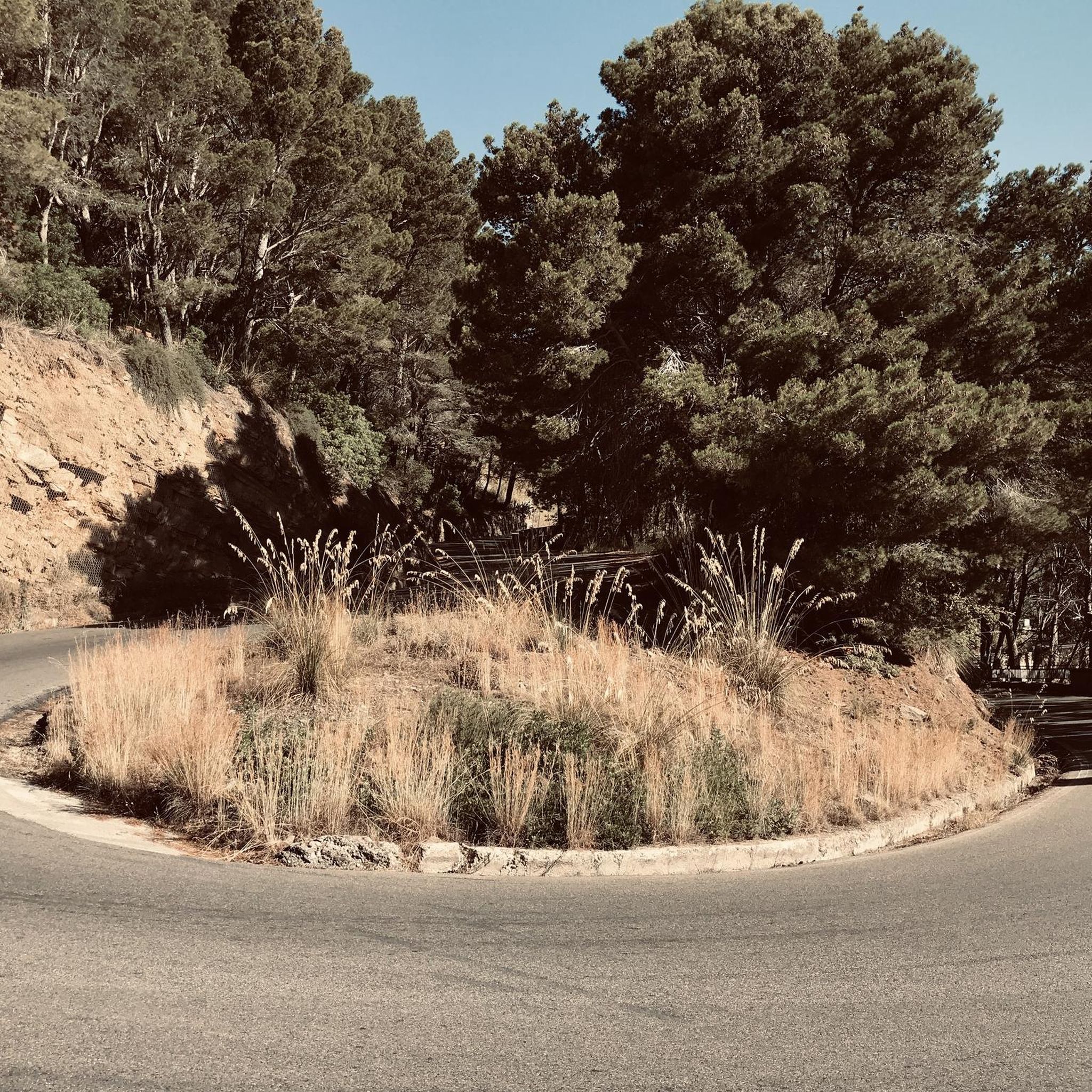
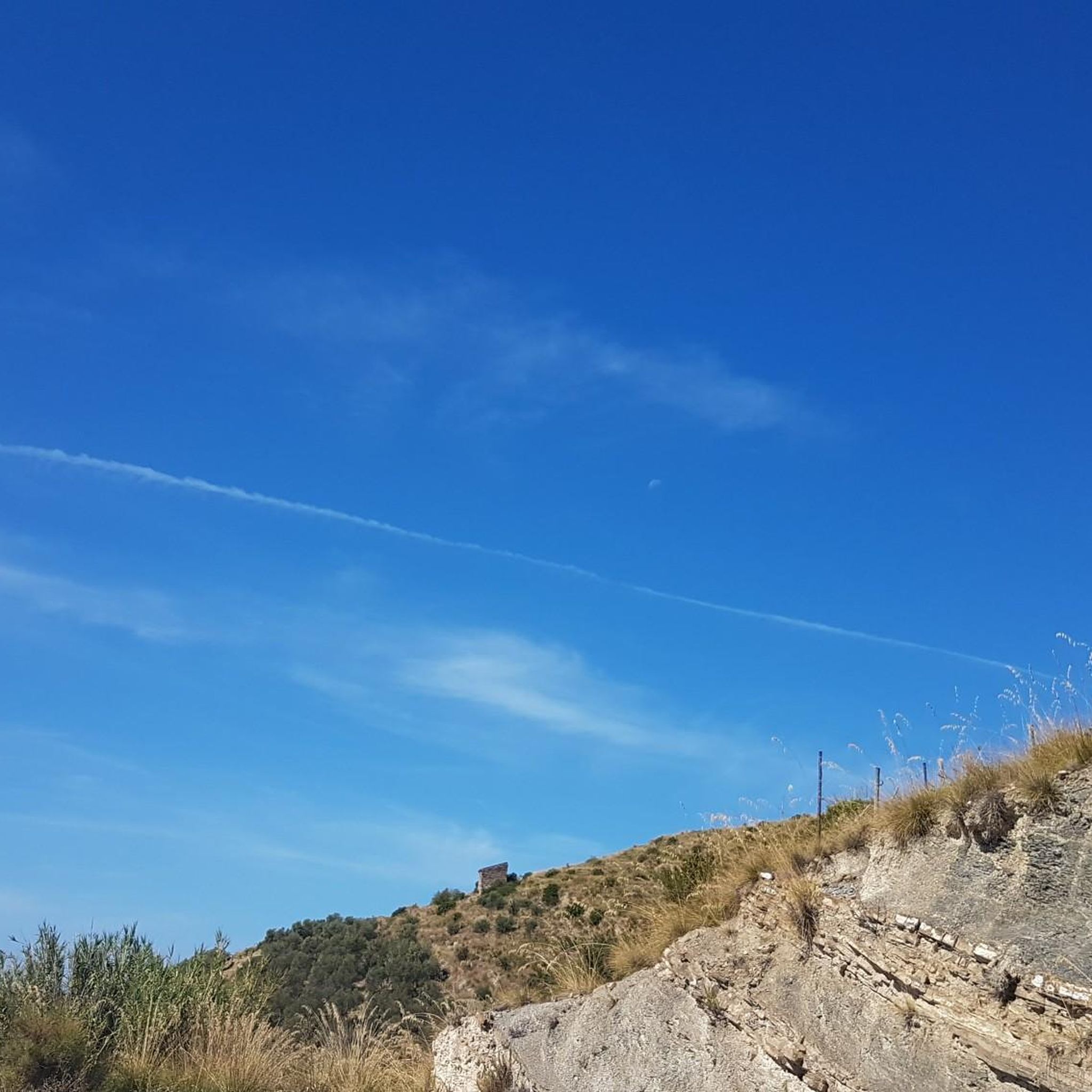
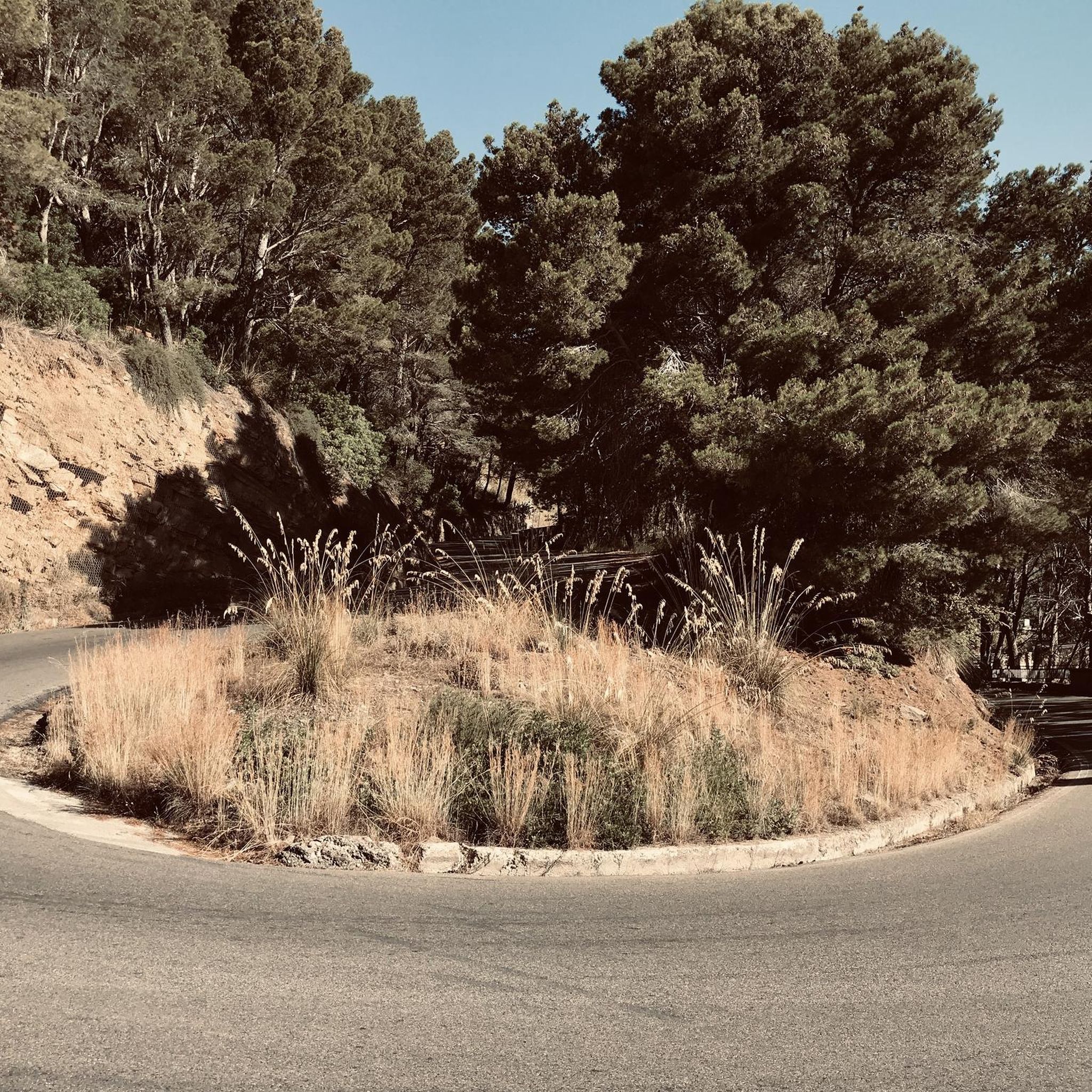
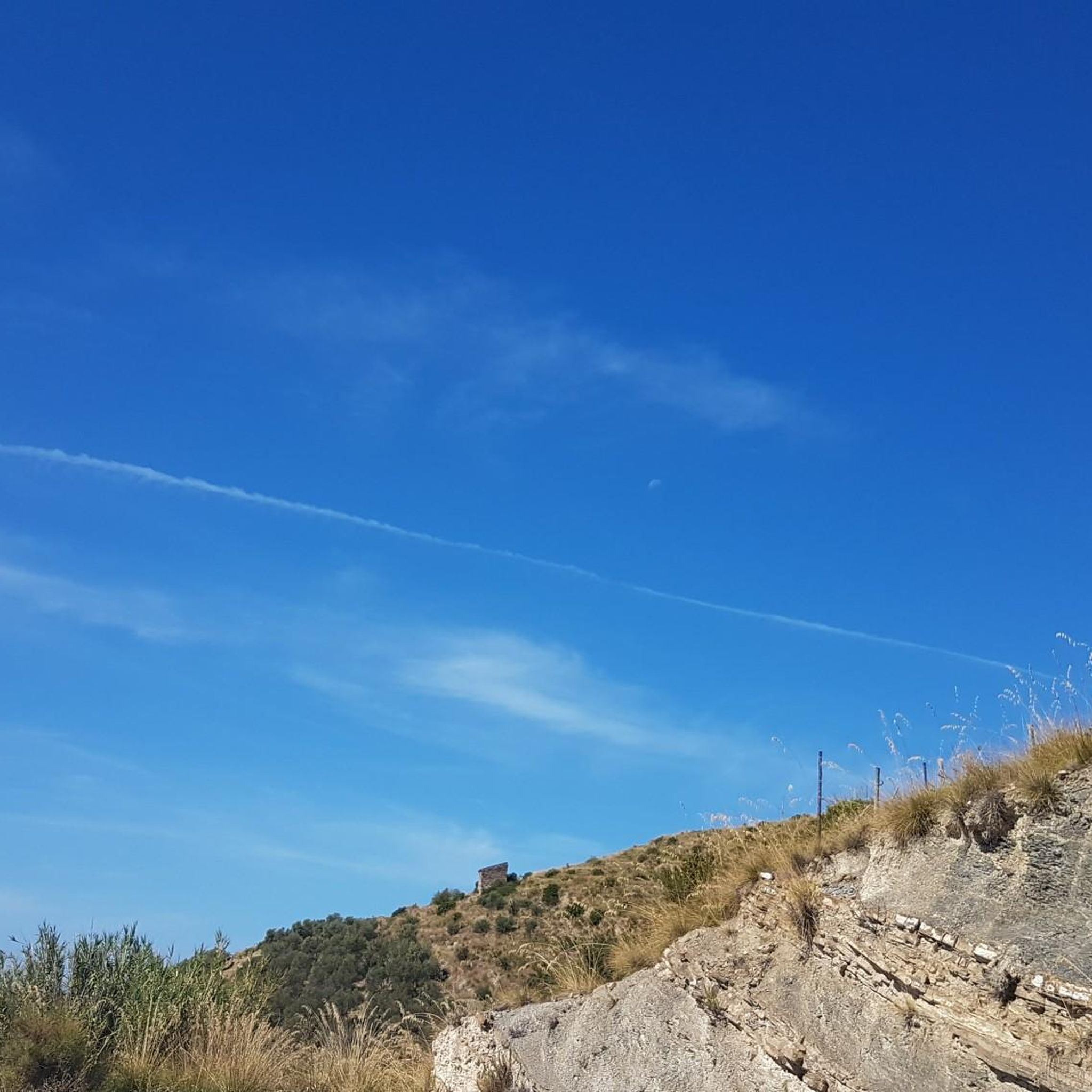
Tips from the Community

If you're cycling from north to south along the Cilento coast, this is the first real panoramic viewpoint. I recommend climbing up, avoiding the main road to avoid the bulk of traffic (there's a fork at the start of the climb). The view is worth the effort: beautiful.
0
0

a breathtaking view of the Almafi and Capri coast to enjoy your snack before going back down
0
0

Nice little place with nice alleys. But not much to see
1
0

Castellabate is a special corner of Campania located in the province of Salerno in the heart of the Cilento National Park. The town is an ancient village of medieval origins which is not only included in the ranking of the "most beautiful villages in Italy", but which is also considered a UNESCO World Heritage Site. In fact, the city, located about 300 meters above sea level, is characterized by narrow cobbled streets, ancient buildings that hide elegant courtyards and terraces that can offer wonderful landscapes.
0
0

The Mulacchio stone is a prehistoric megalith on Monte Stella which probably served as a solar calendar and place of fertility for the ancient Cilento populations. With a ladder you can climb to the top and admire the 360 degree panorama.
3
0
Remains of an ancient village abandoned during the 18th century due to the greater development of nearby towns such as Castellabate and Agropoli. The church, the school, and various buildings used as homes, barns or stables can be recognized.
3
0
Path 700 starts from Trentova Bay, a pebble and sandy beach, and follows the ridge of Monte Tresino, a relief that offers breathtaking views of the Tyrrhenian Sea and the Cilento coast. From this stretch you can admire Punta Tresino.
2
0

In a ring tour in the Trentova-Tresino area I wanted to include a path with a very captivating name: "La Panoramica". Along the downhill path from Mount Tresino to Punta Tresino, the views are actually beautiful, but the path in the final part, i.e. the last 200 meters, is almost overhanging, and is decidedly "dangerous" because it is very exposed, absolutely uncared for, with vegetation obstructing the step and unstable ground. It went well but objectively it wasn't for everyone. Trekking clothing is absolutely necessary, with sturdy shoes, gloves and sufficient mountaineering experience.
5
0
Frequently Asked Questions
What historical and cultural sites can I explore in Montecorice?
Montecorice offers a rich history. Explore the Centro Storico di Montecorice with its winding streets and ancient churches. Visit the Chiesa di San Nicola di Bari in the heart of the town. The coastal hamlet of Frazione Agnone Cilento features the Church of the Madonna del Carmine and 19th-century noble palaces. In Ortodonico, you can see the elegant Palazzo Marchesale and the Celso (Pollica), a settlement that retains its ancient urban structure. Don't miss the Museo della Civiltà Contadina, showcasing rural life and ancient olive oil mills.
Are there any ancient or abandoned villages to discover near Montecorice?
Yes, you can explore the Old village to discover, which consists of remains of an ancient village abandoned during the 18th century. It offers a glimpse into the past rural reality of Cilento, with recognizable structures like a church, school, and various homes.
Where can I find the best scenic views around Montecorice?
For breathtaking vistas, head to the Costabile Viewpoint of Castellabate, which offers panoramic views of the gulf from Licosa to Punta Tresino. Another excellent spot is the Section of Trail 700 with scenic viewpoints, particularly along the downhill path from Mount Tresino to Punta Tresino.
What natural attractions and beaches are there in Montecorice?
Montecorice is part of the Cilento National Park, offering diverse natural beauty. You can find several small beaches with clear waters, including those in Agnone, Case del Conte, and San Nicola a Mare. Baia Arena is known for its white sand, while Capitello features unique 'Flysch of Cilento' rock formations. Don't miss Ripe Rosse, a fascinating pine forest of Aleppo pines growing directly on the rock.
Are there opportunities for hiking or outdoor activities near Montecorice?
Absolutely. Montecorice is situated within the Cilento National Park, offering numerous scenic walking routes through hills, olive groves, and coastal trails. You can hike to the summit of Monte Stella from the Assunta locality in Cosentini. For more structured routes, explore the running trails around Montecorice, the MTB trails, or cycling routes in the area.
What is the Pietra del Mulacchio megalith and where can I find it?
The Pietra del Mulacchio megalith, also known as Preta ru Mulacchio, is a prehistoric solar calendar and fertility site located on Monte Stella. This ancient megalithic dolmen, dating back to the 3rd or 2nd millennium BC, is composed of gigantic boulders that align to indicate solstices. It's a unique archaeological site often referred to as a 'Cilento Stonehenge'.
What kind of local life and atmosphere can I expect in Montecorice?
Montecorice offers a glimpse into traditional southern Italian village life. Its historic center features winding streets, stone houses, and small piazzas. The Piazza del Popolo serves as a communal hub with traditional houses, small shops, and cafés, perfect for experiencing local life and seasonal events. The area is also recognized for its traditional olive cultivation and authentic rural atmosphere.
Are there any family-friendly attractions in Montecorice?
While specific family-focused attractions aren't detailed, the general atmosphere of Montecorice, with its charming historic center and accessible beaches like those in Agnone, Case del Conte, and San Nicola a Mare, can be enjoyable for families. Exploring the Museo della Civiltà Contadina in Ortodonico could also be an educational experience for children.
What is the best time of year to visit Montecorice for attractions and outdoor activities?
Montecorice, located on the Cilento coast, generally enjoys a Mediterranean climate. Spring (April-May) and early autumn (September-October) are ideal for visiting attractions and engaging in outdoor activities like hiking and cycling, as the weather is pleasant and not too hot. The summer months (June-August) are perfect for enjoying the beaches and coastal hamlets.
What do visitors particularly enjoy about the attractions around Montecorice?
Visitors appreciate the stunning views, especially from the Costabile Viewpoint of Castellabate, which offers a breathtaking panorama of the gulf. The historical depth of sites like the Old village to discover and the ancient urban structure of Celso (Pollica) are also highly valued. The blend of natural beauty, historical significance, and traditional village charm makes the area a unique destination.
Can I find any unique natural formations or geological features in the area?
Yes, Montecorice offers some unique natural features. The beach at Capitello is characterized by the 'Flysch of Cilento,' a typical stepped rock formation. Additionally, the Ripe Rosse area features a distinctive pine forest of Aleppo pines that grow directly on the rock, creating a peaceful and unusual natural environment.
Are there any specific churches or religious sites of note in Montecorice?
Montecorice has several significant religious sites. The Chiesa di San Nicola di Bari is a central church in the historic center. In Frazione Agnone Cilento, you'll find the Church of the Madonna del Carmine. Other notable sites include the 16th-century Chiesa di San Biagio and the Chapel of the Madonna delle Grazie, which also features a windmill.
Most popular attractions around Montecorice

Get inspired with the komoot mobile app


Explore more
Still not found the Highlight you’re looking for? See guides of the top attractions in other regions:
