The 14 Most Amazing Peaks around Drenchia
Best mountain peaks around Drenchia are found in this picturesque comune in the Italian region of Friuli-Venezia Giulia, nestled on the western slopes of the Kolovrat Range and bordering Slovenia. This geographical area offers access to several compelling mountain peaks, each with unique features and historical significance. The Drenchia region provides diverse landscapes for exploration, from high alpine views to historical sites.
Best mountain peaks around Drenchia
- The most popular mountain peaks is Chapel of Christ the Redeemer on Monte…
Last updated: August 17, 2026
Krn (2,244 m)
Highlight • Summit
Translated by Google •
Tip by

Chapel of Christ the Redeemer on Monte Matajur Summit
Highlight • Summit
Translated by Google •
Tip by

Sign up now to discover places like this
Get recommendations on the best single tracks, peaks, & plenty of other exciting outdoor places.
Sign up for free
Rifugio Pelizzo
Highlight • Mountain Hut
Translated by Google •
Tip by
Krn Peak
Highlight • Summit
Translated by Google •
Tip by

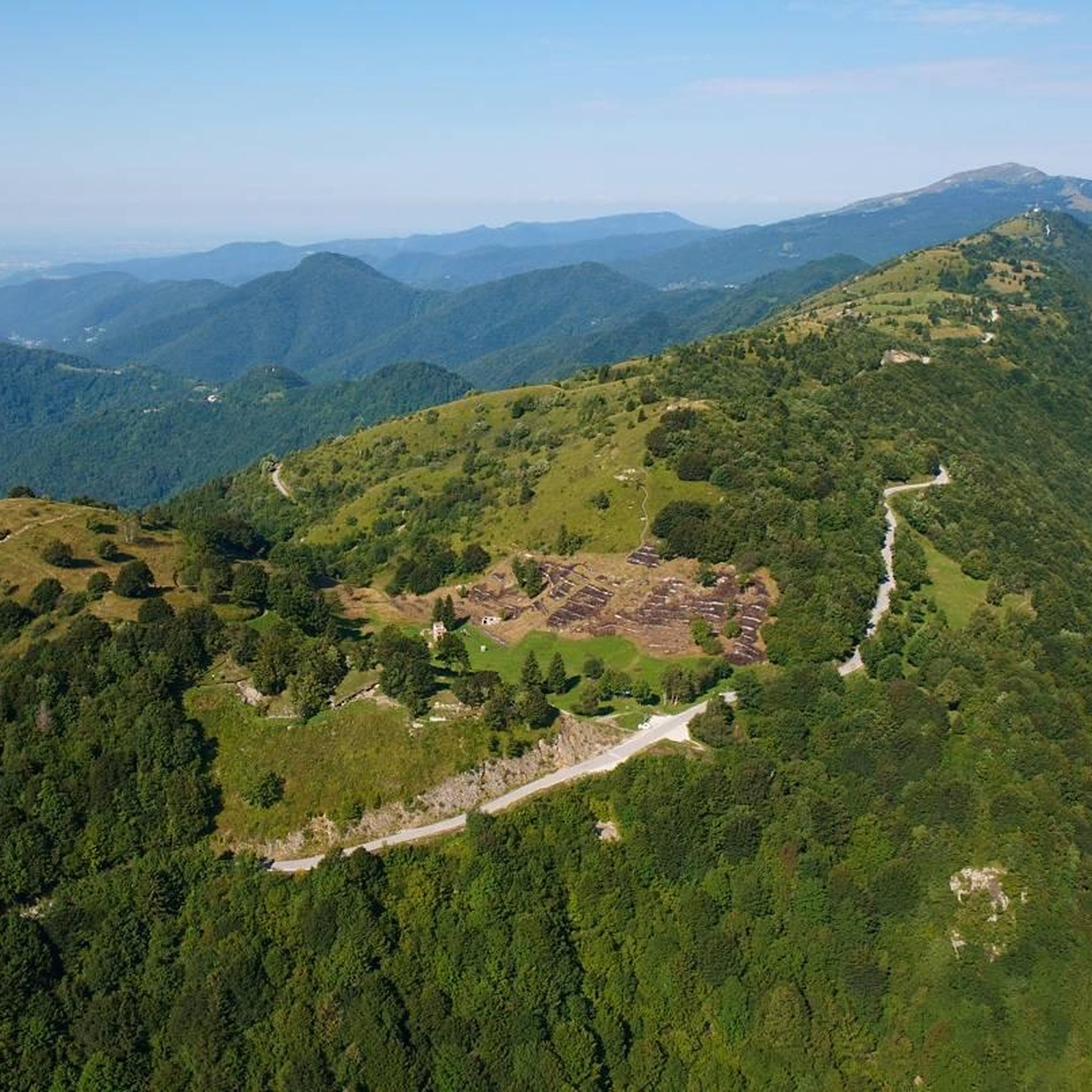
World War I remnants at the Batognica summit
Highlight • Historical Site
Tip by

Sign up for free to discover even more peaks around Drenchia.
Sign up for free
Already have an account?
Start today with a free account
Your next adventure awaits.
Login or Signup
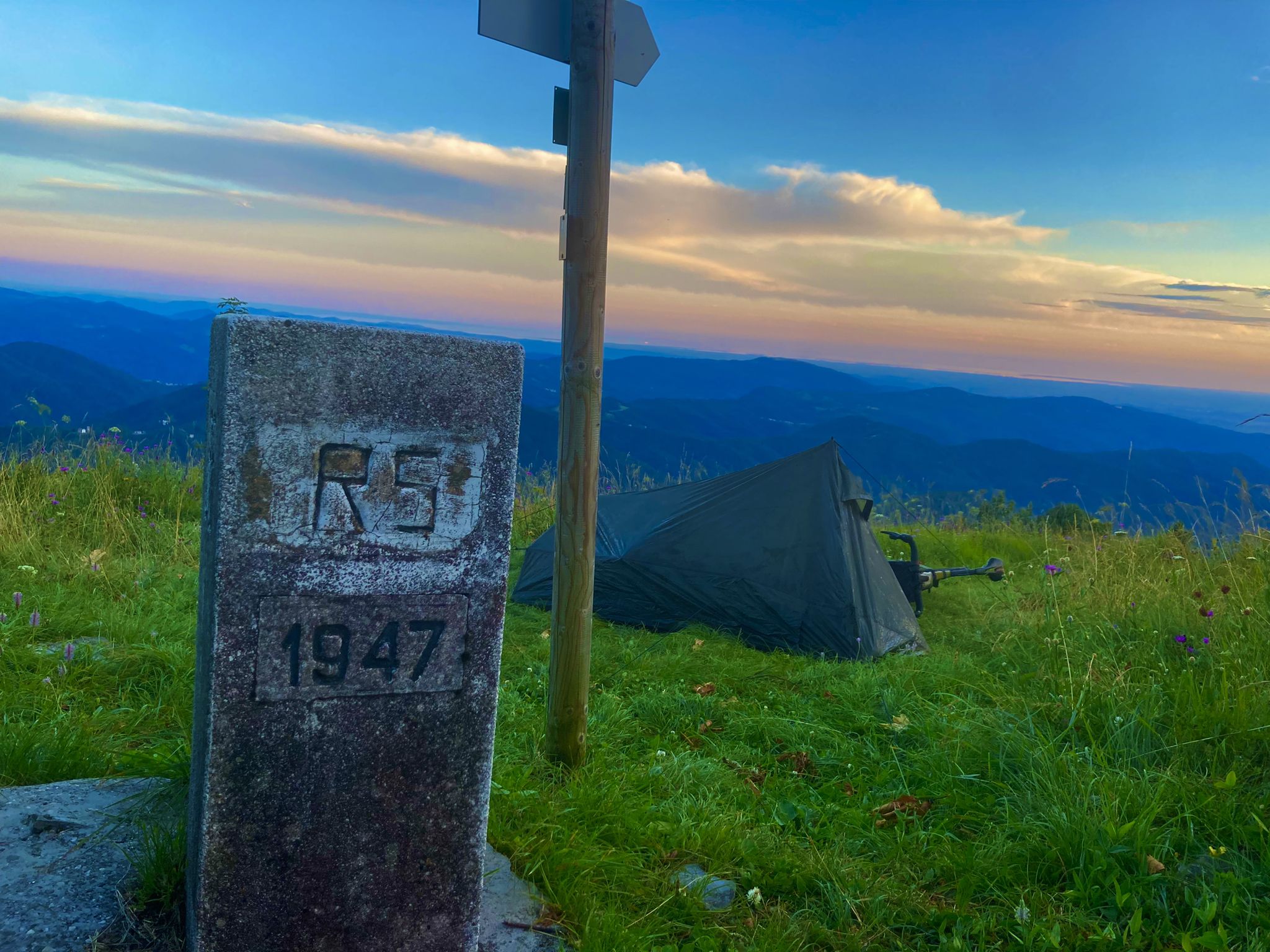
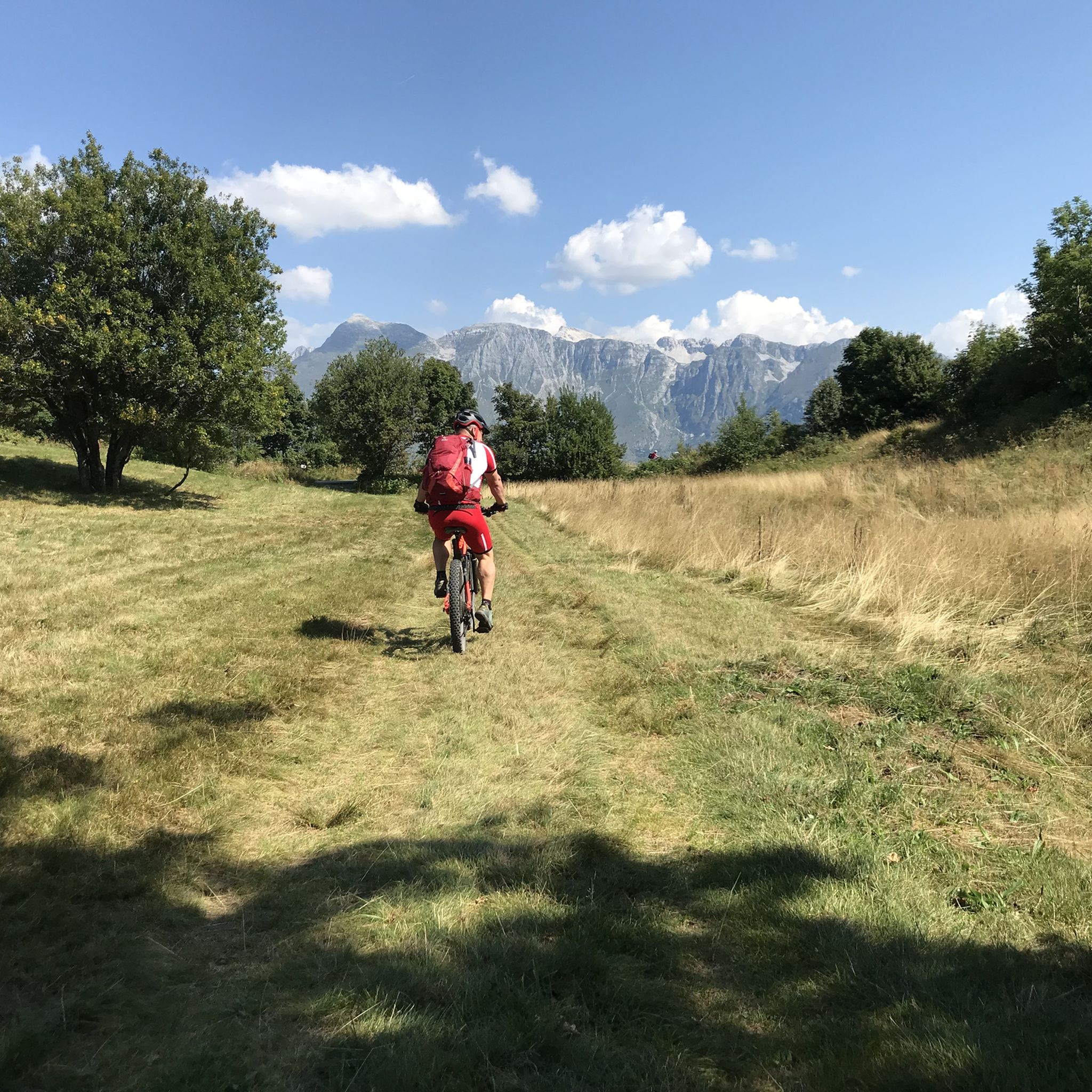
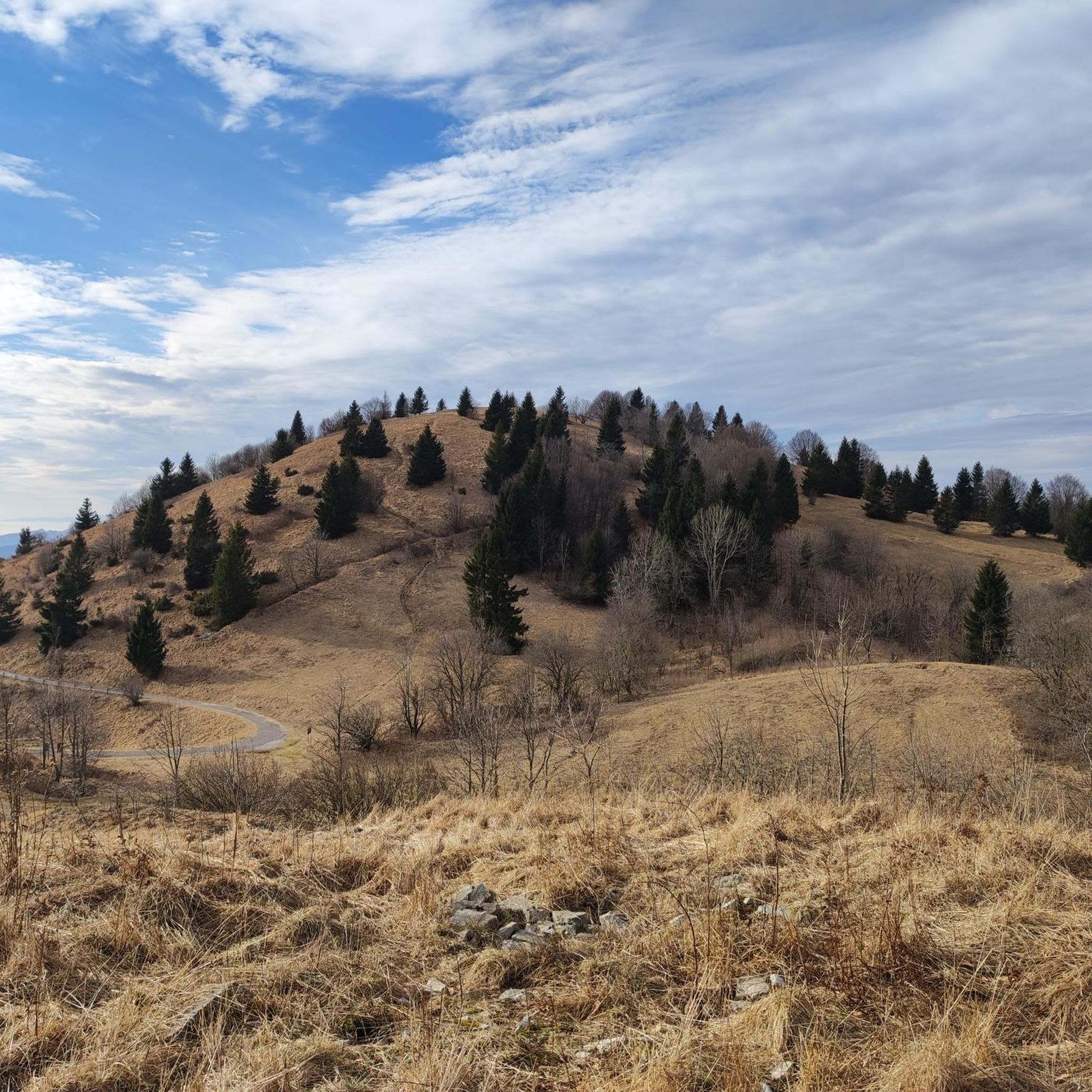

Other adventures around Drenchia

Tips from the Community

Very nice accommodation below the Matajur (1645m).
0
0

The top of Mount Nero, highly panoramic. The view extends over the Kobarid valley, the Julian Alps and Prealps, the Triglav mountain range and the Triglav National Park.
0
0

Easily accessible, it offers a beautiful view of the mountains all around, the small church of Christ the Redeemer and plenty of space for a break and a packed lunch. Excellent
0
0

The traces of the war, which happened over a hundred years ago, are still omnipresent here. You can find barbed wire, grenade fragments, ammunition and see old bunkers and corridors. A somewhat depressing place.
0
0

Very beautiful up here.
0
0

Without a doubt, a peak worth visiting
0
0

The highlight! A view over Slovenia and Italy is possible. History took place here. The chapel commemorates this.
0
0
Perfect for strengthening yourself in an uncomplicated environment.
0
0
Frequently Asked Questions
What are some of the most notable mountain peaks to explore around Drenchia?
The Drenchia region offers a variety of compelling mountain peaks. Among the most popular are Chapel of Christ the Redeemer on Monte Matajur Summit, known for its breathtaking 360° views, and Krn (2,244 m), one of Slovenia's highest peaks with expansive views of the Julian Alps and Soča Valley. The Kolovrat Range is also highly regarded for its panoramic views and historical significance.
Which mountain peaks near Drenchia offer the best panoramic views?
For truly spectacular panoramic views, consider hiking to the Chapel of Christ the Redeemer on Monte Matajur Summit, where you can see the Adriatic and the Julian Alps. Krn (2,244 m) also provides fantastic vistas of the Julian Alps and the emerald-green Soča Valley. The Kolovrat Range is renowned for magnificent views stretching across the Julian Alps to the Adriatic Sea.
Are there mountain peaks around Drenchia with significant historical importance?
Yes, several peaks in the Drenchia area are rich in history, particularly from World War I. The Batognica summit is a profound historical site with visible trenches, tunnels, and explosion craters from intense battles. The Kolovrat Range features an open-air museum with well-preserved WWI trenches and bunkers. Even Krn (2,244 m) has historical fortifications from the war, as it was a contested peak.
What kind of hiking difficulty can I expect on the mountain peaks near Drenchia?
The difficulty varies. Peaks like Krn (2,244 m) are considered challenging but technically accessible for two-thousander peaks, requiring basic fitness. The Chapel of Christ the Redeemer on Monte Matajur Summit is often described as a fairly easy mountain for a hike, offering great rewards for moderate effort. The Kolovrat ridge offers an easy but rewarding hike.
When is the best time to hike the mountain peaks around Drenchia?
The best time to hike the mountain peaks around Drenchia is generally during the warmer months, from late spring to early autumn. During this period, the weather is more stable, and trails are typically clear of snow. However, be aware that there is no shade on some paths, so caution is advised on very sunny and hot days. After rain, paths over meadows and stones can be slippery.
Are there any mountain huts or places for refreshments near the peaks?
Yes, for those hiking Krn, there is a mountain hut called Kuhinja at its base where mountaineers can find refreshments after their ascent. For other areas, it's advisable to check local resources or plan to carry your own supplies.
What outdoor activities can I do near the mountain peaks of Drenchia?
Beyond hiking the peaks, the Drenchia region offers a range of outdoor activities. You can explore various running trails, such as the easy "Soča River loop from Tolmin" or the more difficult "Soča River – Kozlov Rob Castle loop from Volarje." For mountain biking, there are challenging routes like the "Panorama Trail on the Hillside – View of the Adriatic Sea loop from Grimacco." Cycling enthusiasts can enjoy routes like the "View of the Resia Valley – Cycle path along the Soča loop from Catena del Monte Colovrat." You can find more details on these activities in the Running Trails around Drenchia, MTB Trails around Drenchia, and Cycling around Drenchia guides.
What unique natural features can I expect to see on these mountain peaks?
The Drenchia peaks offer diverse natural beauty. Near Krn (2,244 m), you'll find Krn Lake (Krnsko jezero), the largest alpine lake in Slovenia. The Kolovrat Range provides stunning views of the Julian Alps and the Adriatic Sea. Many peaks feature beautiful mountain meadows and dramatic alpine landscapes.
Are there any less crowded mountain peaks or hidden gems near Drenchia?
While popular peaks like Krn and Monte Matajur attract visitors, exploring the broader Kolovrat Range can offer a sense of peace and solitude, often described as a "route for the soul." Peaks like Monte Cum and Monte San Martino, while significant, might offer a quieter experience compared to the more prominent summits, allowing for reflection amidst nature and history.
What should I wear for hiking in the Drenchia mountains?
Given the varied terrain and potential for changing weather, it's best to dress in layers. Sturdy hiking boots are essential, especially for rocky or slippery paths. Sun protection (hat, sunscreen) is crucial due to lack of shade on some peaks. Always carry waterproof and windproof outer layers, even on clear days, as mountain weather can change rapidly.
What makes Monte San Martino a unique destination near Drenchia?
Monte San Martino, located west of Drenchia, is unique for its charming medieval village situated at 603 meters. It offers breathtaking panoramic views towards the Sibillini Mountains and the Adriatic coast. Beyond its natural beauty, the village is culturally rich, housing three polyptychs by the renowned Renaissance painters, the Crivelli brothers, making it a valuable destination for art and history enthusiasts.
Can I find traces of World War I on Monte Krn?
Yes, World War I fortifications on Mount Krn are still visible. Krn was a highly contested peak during the war between Italy and Austria, and you can find fascinating, albeit sobering, remnants of this conflict, including fortifications, which serve as a reminder of its historical significance.
Most popular routes around Drenchia
Most popular attractions around Drenchia

Get inspired with the komoot mobile app


Explore more
See even more amazing summits around Drenchia with these guides:
