Attractions and Places To See around Bormio - Top 20
Best attractions and places to see around Bormio include a blend of historical landmarks, significant cultural sites, and diverse natural features within the Italian Alps. The town's historic center reflects its past as a vital trade crossroads, featuring ancient buildings and cobbled streets. Bormio serves as a gateway to alpine landscapes, with the Stelvio National Park offering extensive outdoor opportunities. The region is also known for its natural hot springs and iconic mountain passes.
Best attractions and places to see…
Last updated: September 26, 2026
Stelvio Pass
Highlight • Mountain Pass
Translated by Google •
Tip by

Rifugio Tabaretta (Tabaretta Hut)
Highlight • Mountain Hut
Translated by Google •
Tip by

Sign up now to discover places like this
Get recommendations on the best single tracks, peaks, & plenty of other exciting outdoor places.
Hintergrathütte
Highlight • Mountain Hut
Translated by Google •
Tip by

Val Mora
Highlight (Segment) • Gorge
Translated by Google •
Tip by

Julius Payer Hut (Payerhütte)
Highlight • Mountain Hut
Hosted …
Translated by Google •
Tip by

Sign up for free to discover even more attractions around Bormio.
Already have an account?
Start today with a free account
Your next adventure awaits.
Popular around Bormio
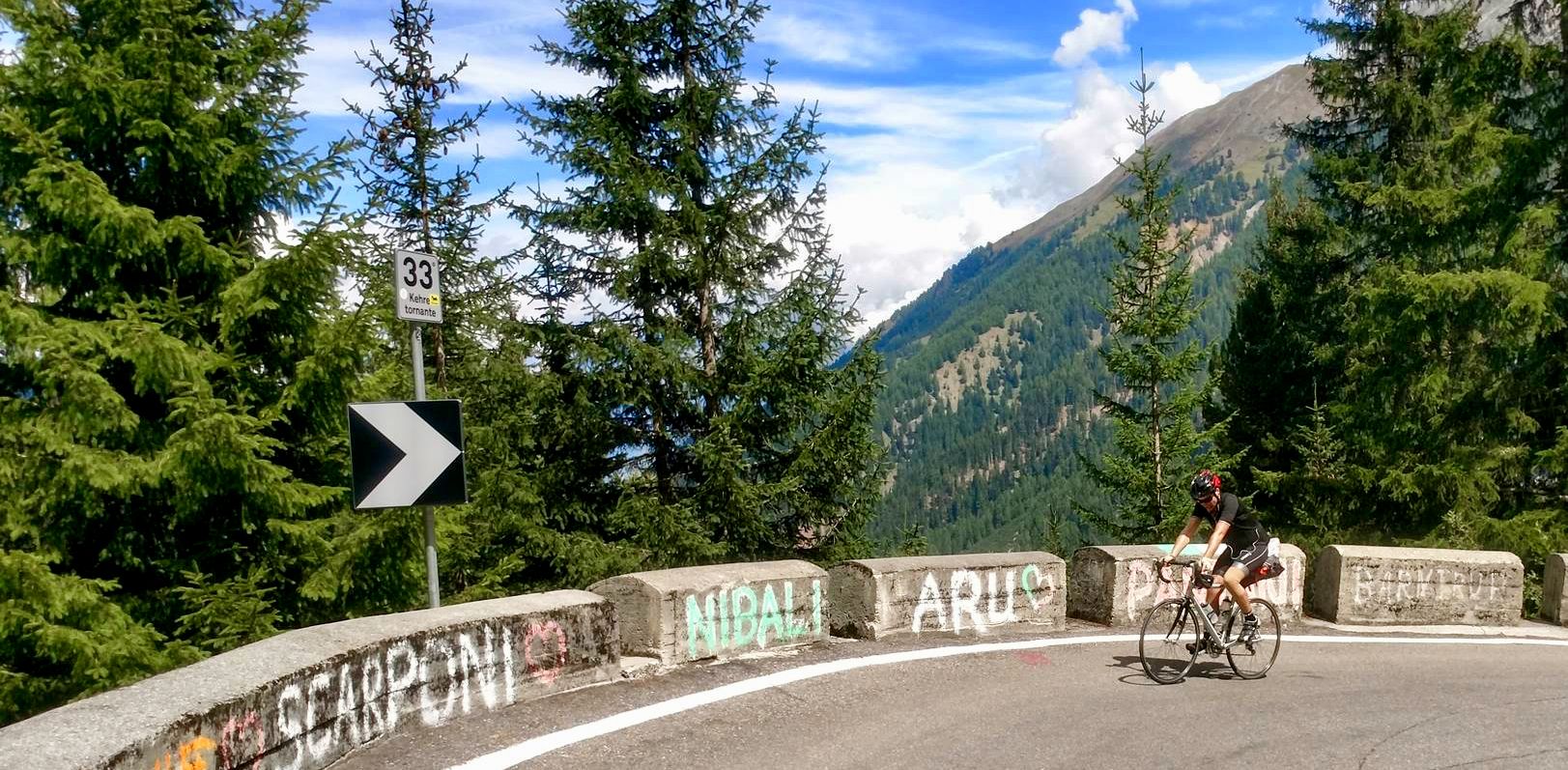
From the mountains to the sea — road cycling in Northern Italy
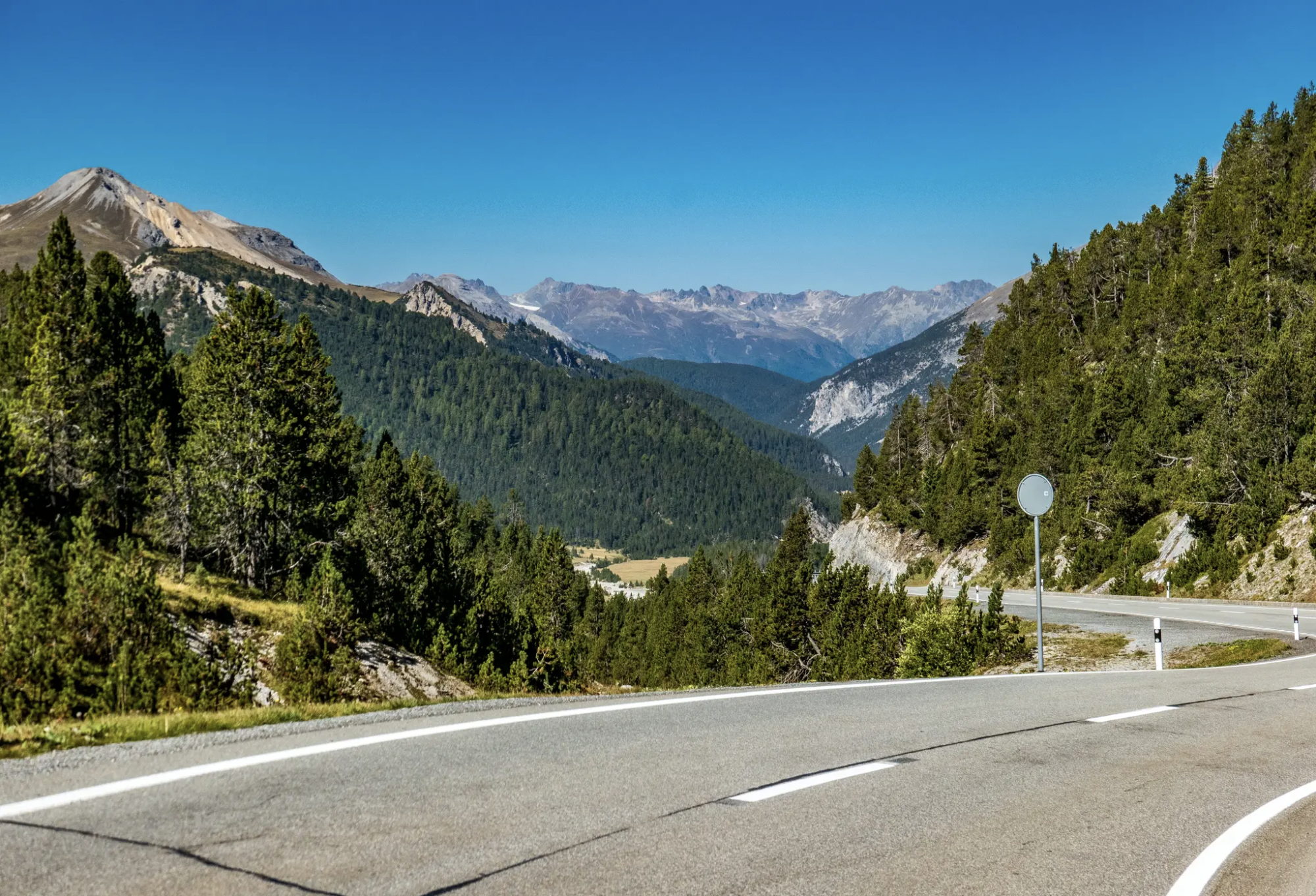
Following the Race Across the Alps
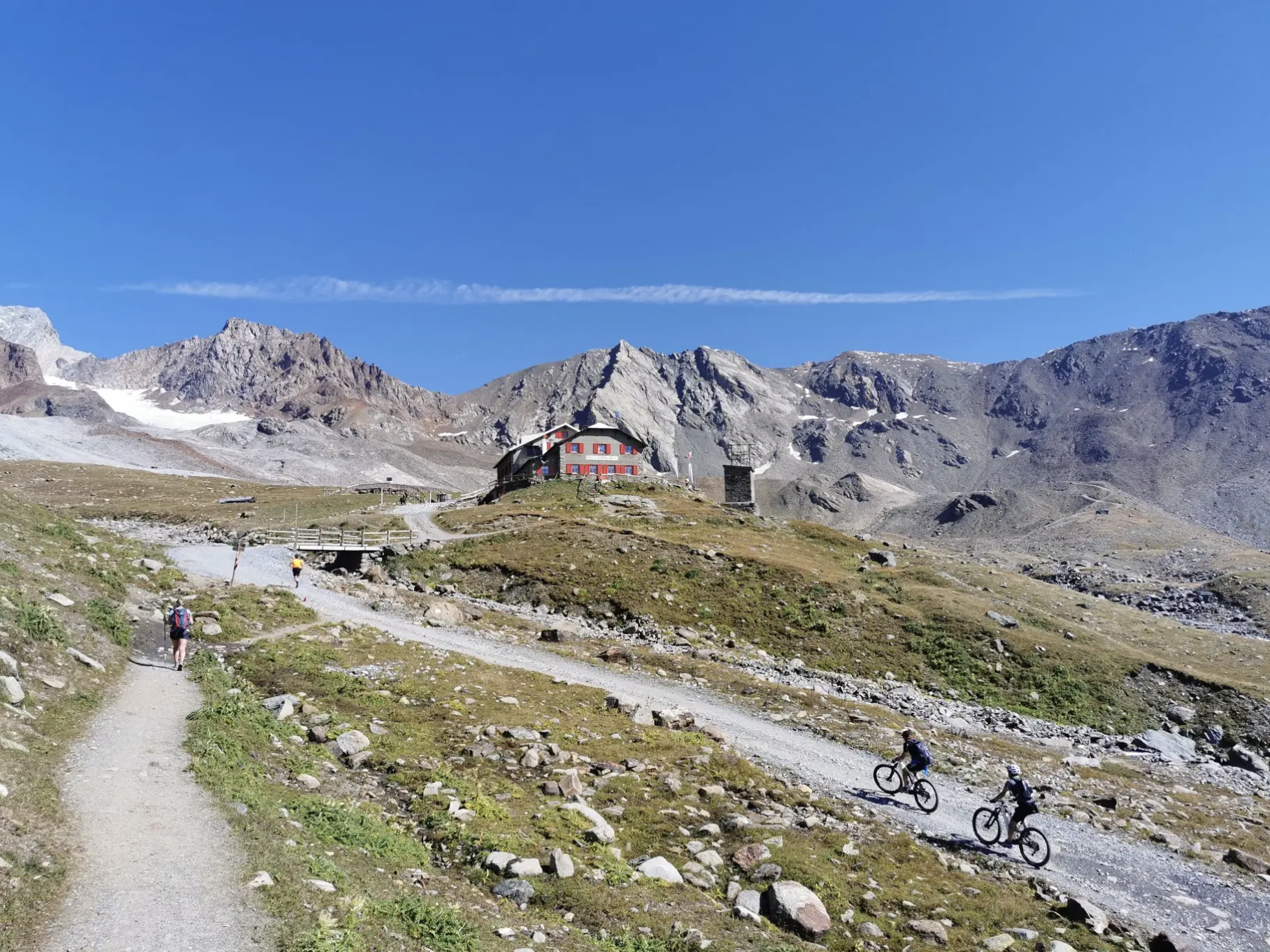
Around Ortler on high alpine trails in 7 stages
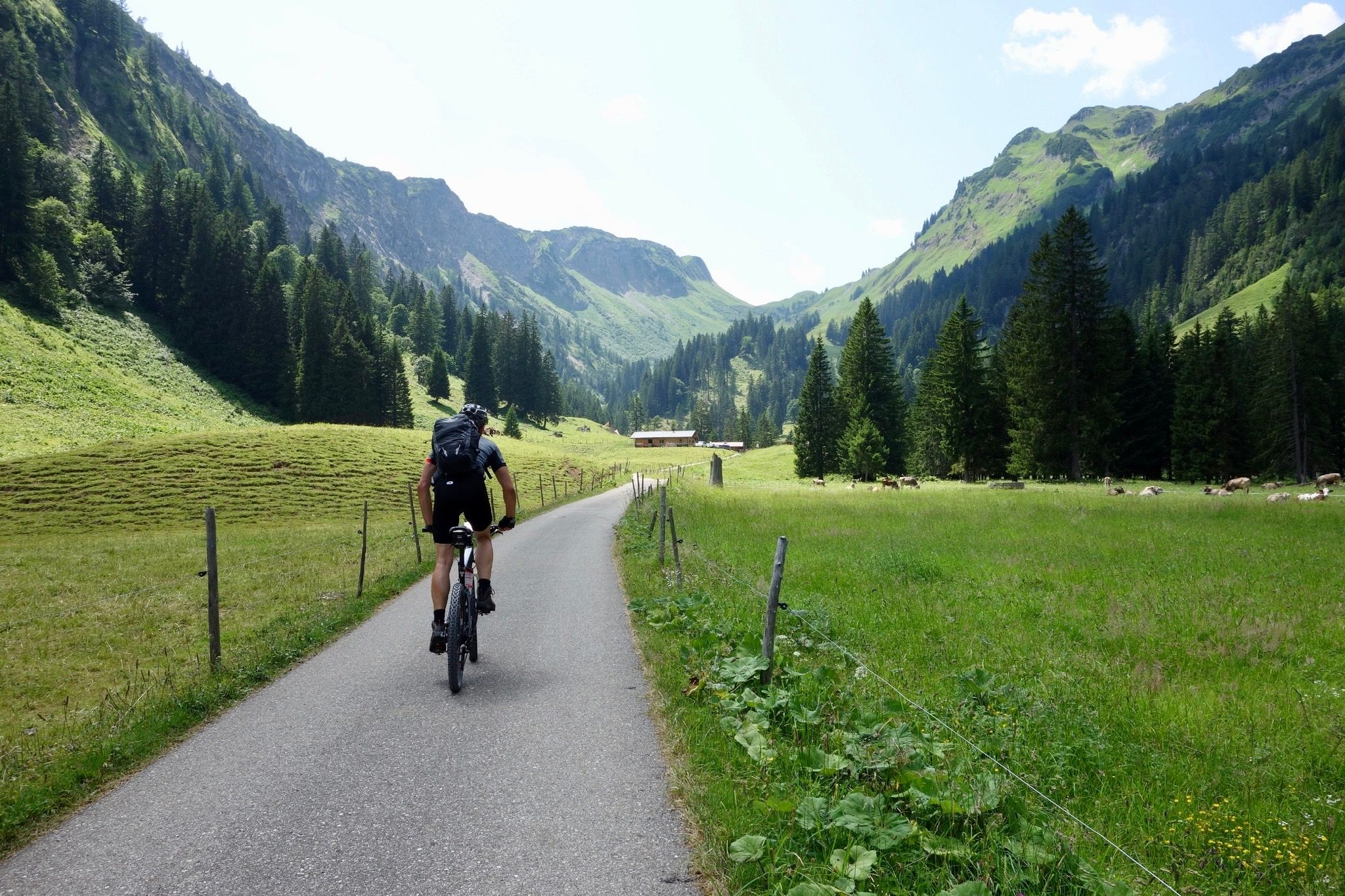
Heckmair Transalp – the original Alpine Crossing
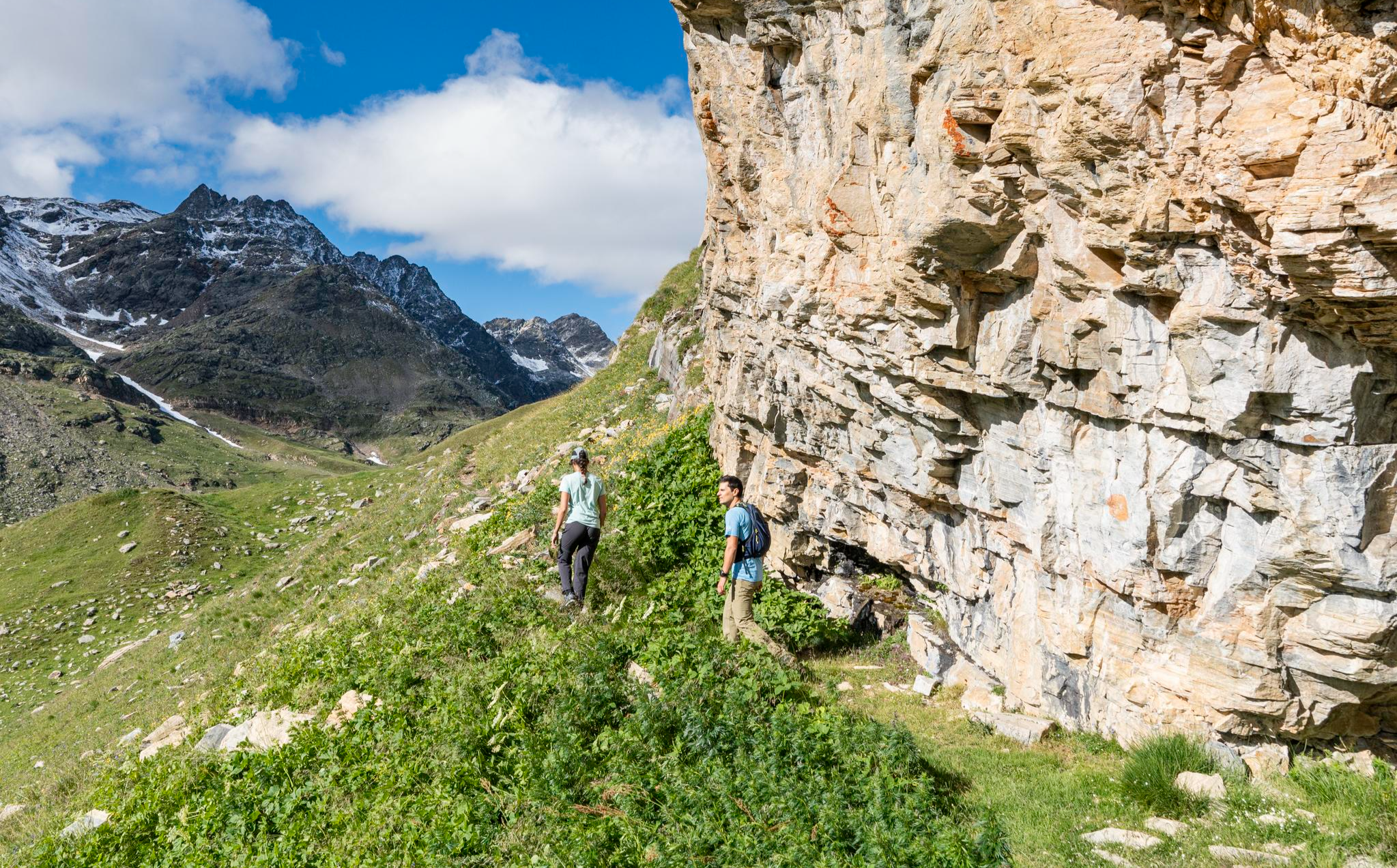
Stelvio Historical Trek – on the trail of the Great War in Bormio
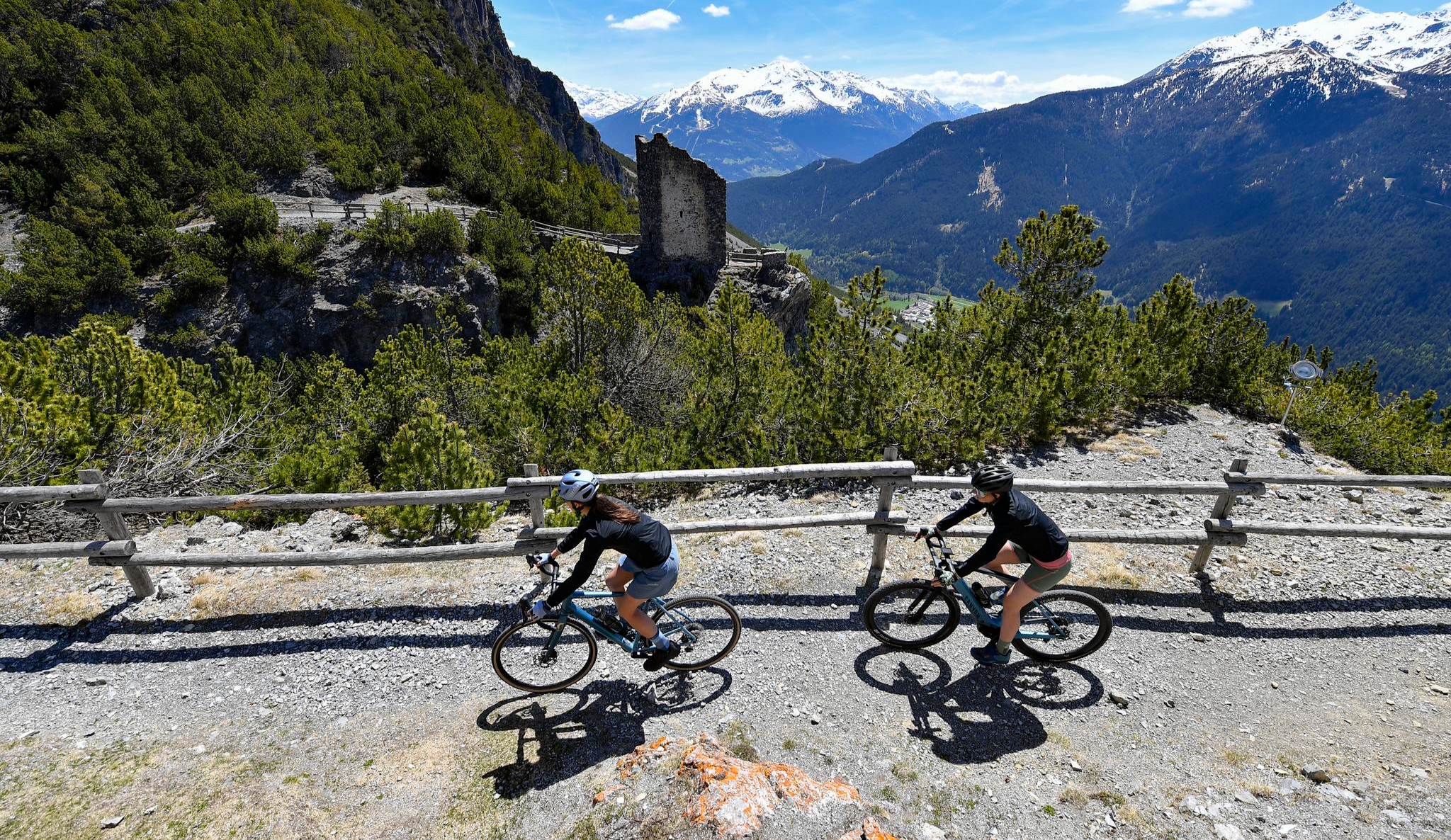
Alpine gravel in Bormio – epic passes and ancient paths
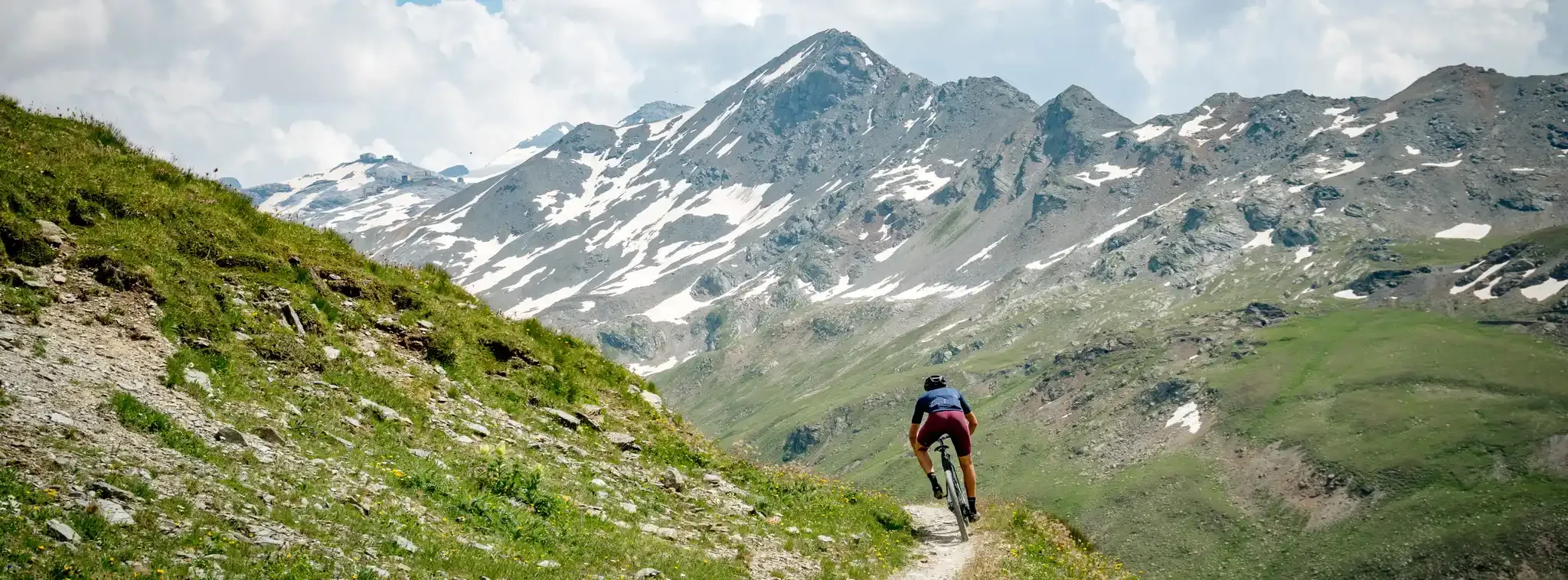
The hidden gems of Bormio – Cycling beyond the Stelvio
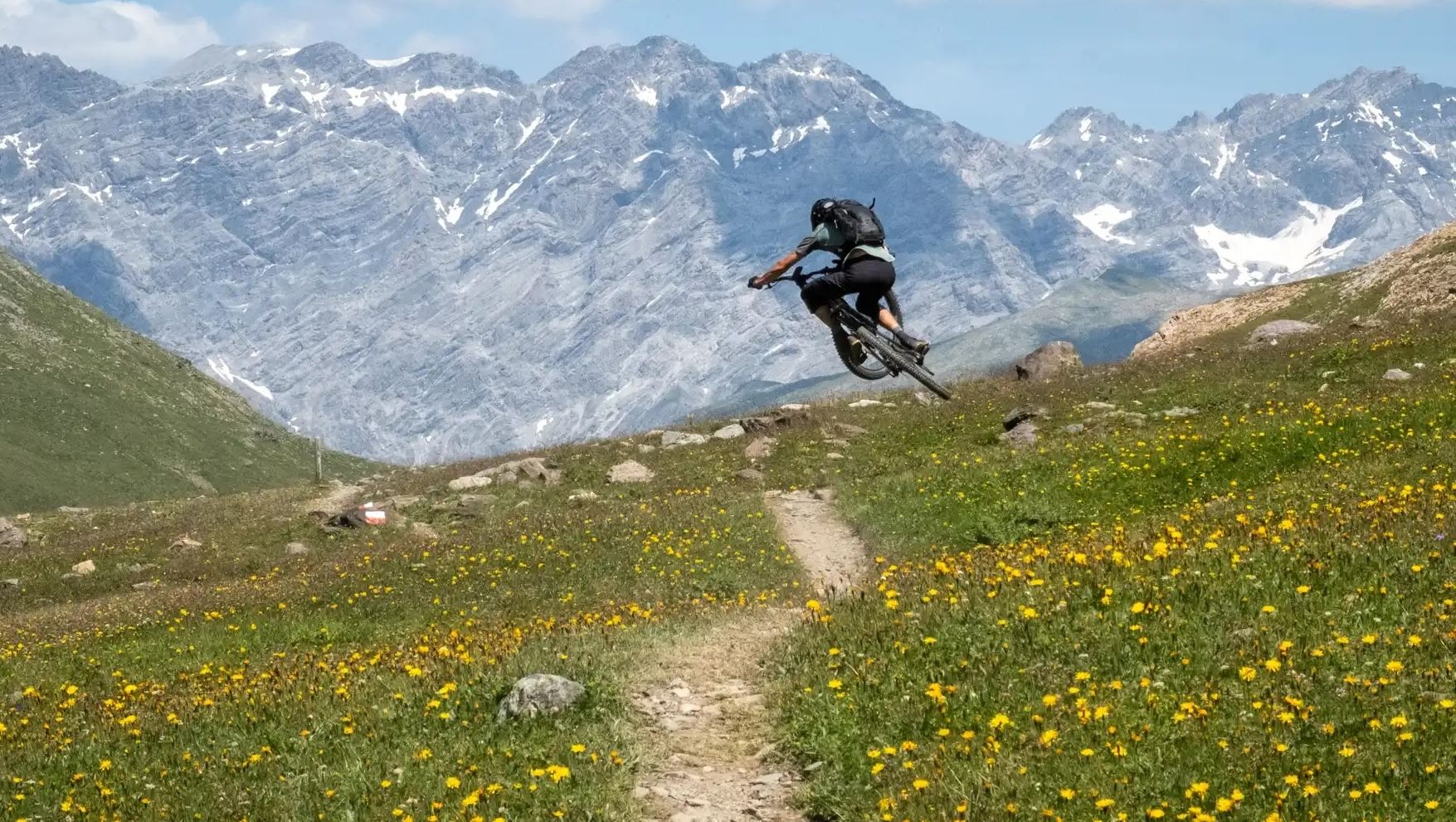
Three epic days in the Alps – Bormio & Santa Caterina MTB adventure
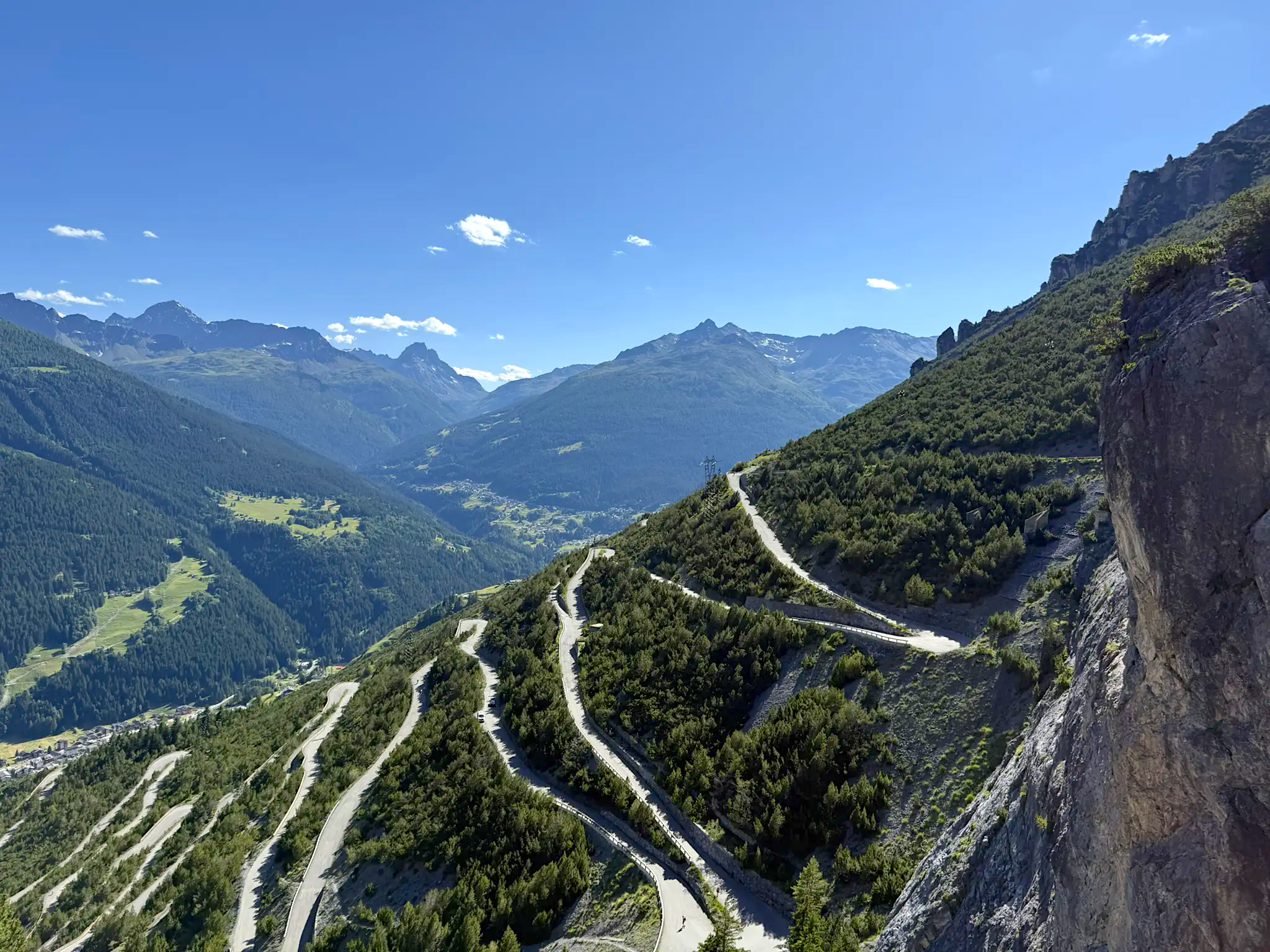
Stelvio Epic Rides – your unforgettable Bormio challenge
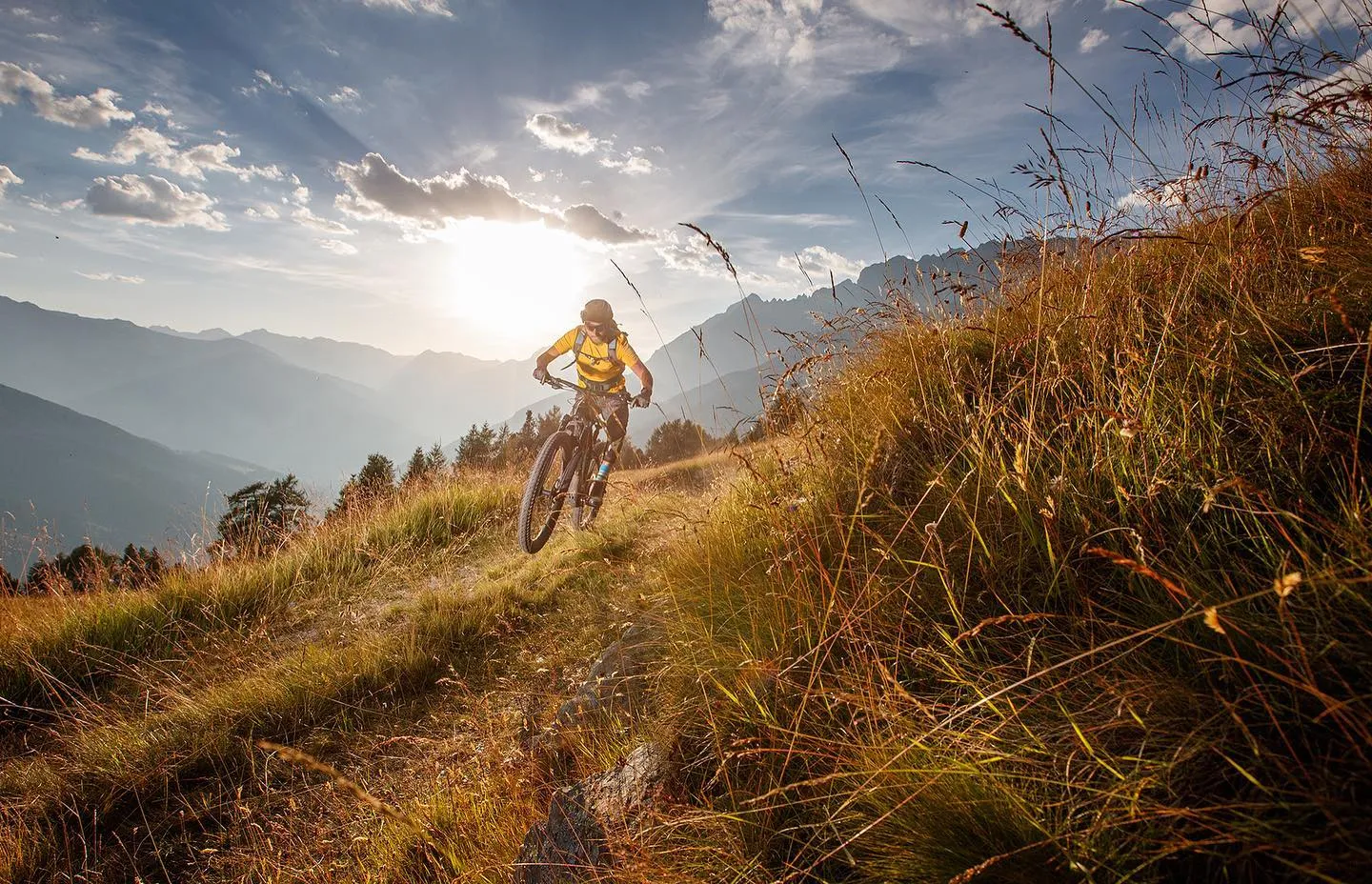
Bormio 360 Adventure Trail – MTB between huts and alpine pastures
Other adventures around Bormio


Tips from the Community

The legendary Stelvio Pass needs no introduction.
6
0

Totally idyllic mountain hut with overnight accommodation. Quiet and secluded with a great panoramic view and a small lake. Don't despair when hiking to the hut: you can only see it when you are right in front of it, as it is very sheltered. And watch out: the kitchen closes at 3 p.m.
2
2

Great hike to the Tabarettahütte👍. The view is amazing and the food is very good. The crisp ascent via no. 8 is worth it.
2
0

The Stelvio pass, at an altitude of 2,757 metres, connects Lombardy to Trentino-Alto Adige. The road, paved and generally open from June to the end of September, connects Bormio to Prato allo Stelvio. The Lombard side is connected to the Umbrail pass and, subsequently, to the Swiss Canton of Grisons. The Stelvio pass is the highest car pass in Italy. The South Tyrolean side is famous for its hairpin bends: there are 48 of them. From the pass it is possible to admire the Ortler perfectly.
1
4

Val Mora is a valley adjacent to the basin of the Cancano lakes, connected to this by the wine and salt road. It is a wild and untouched valley. A beautiful place for hiking, especially by bike. I highly recommend to visit this place to enjoy nature! 😊
7
2

The Payer Hut (Payerhütte or Julius-Payer-Hütte) is an Alpine refuge located in the Ortles-Cevedale group, in the southern Rhaetian Alps. It stands at 3,029 m on the rocky ridge of Tabaretta, overlooking the valleys of Trafoi and Solda. The panorama extends from Val Mustair to the upper Val Venosta. It is an important and strategic support point for the popular normal route to Ortles. It also builds a rewarding destination for the hiker, who can enjoy an unparalleled panorama from here. The refuge, named after the famous cartographer and polar explorer Julius Payer, was built in 1875 by the Prague section of the then DOeAV. At the beginning it was a simple hut that could accommodate up to 30 people. Just a year after the opening, the first annex building was built. In 1885 the refuge was significantly expanded with the construction of an upper floor. Two years later it began to operate and in 1895 it exceeded 1000 visitors for the first time. The growing numbers made another expansion necessary. In 1909 a 3-storey building was built which housed 21 rooms with 48 beds, a warehouse, pantry, rooms for guides, a breakfast room and a coffee corner. During the First World War the refuge was occupied by the military and served as a rear station for the occupation troops on the summit of the Ortles. After the First World War the refuge became property of the Italian state and its management was entrusted to the Milan section of the CAI. Administrative management that lasted until 2010. In 1947 a fire, probably caused by lightning, destroyed the old building; the one from 1909 remained, which was consequently reorganised. From 1990 to 1994 major renovation works were carried out. Since 1999, the property has been owned by the Autonomous Province of Bolzano. www.payerhuette.com/it/
4
2
The Tabaretta Refuge (2,556 m) is an Alpine refuge in the Southern Rhaetian Alps, located on the crest of the Marlet ridge, at the foot of the north-eastern slope of Punta Tabaretta. Being located directly on the path that leads to the Payer Refuge, it is a popular destination for hikers starting from Solda and for mountaineers who want to try the Via Normale all’Ortles. From its terrace you can enjoy a beautiful view of the north face of the highest peak in South Tyrol, towards the Tabaretta via ferrata, the Sesvenna group and the Austrian Alps. The refuge, owned by the Reinstadler family, is open from mid-June to mid-October and has a capacity of 40 beds. It was built at the end of the 19th century by Alois Schöpf, owner of the “Außerortlerhof” in Solda. Sisters Theresa and Berta ran it until 1963, when their grandchildren took over. In 1974, Tabaretta was sold to Waltraud Burger. A year later, the “Ladum” cable car was built, which is still needed for supply today. Since 1980, with the help of Hans Reinstadler and his family, the refuge has been constantly renovated and expanded. Since 1987, the refuge has been run by Klaus Reinstadler and his wife Andrea. www.tabaretta.com
6
0

Famous Alpine pass, often Cima Coppi at the Giro d'Italia, the Stelvio is the destination of tens of thousands of cyclists and two-wheel lovers every year. To the three classic slopes (Bormio, Val Mustair and Prato allo Stelvio) we must add the dirt road, very hard but short, which leads to the Tibet Trail.
2
0
Frequently Asked Questions
What natural features can I explore around Bormio?
Bormio is surrounded by stunning alpine landscapes. The Stelvio Pass is a paramount natural attraction, renowned for its challenging hairpin bends and spectacular panoramic views. Other notable natural features include the Gavia Pass, the serene Cancano Lakes (Lago San Giacomo and Lago Cancano), and Val Viola, known for its wildflowers and alpine lakes. The entire region is part of the expansive Stelvio National Park, offering diverse natural beauty.
Are there opportunities for hiking near Bormio?
Yes, the area around Bormio offers extensive hiking opportunities, from easy walks to challenging mountaineering routes. You can explore trails leading to alpine refuges like Rifugio Tabaretta (Tabaretta Hut) or Hintergrathütte, which provide stunning views. For more detailed routes, you can find various options in the Mountain Hikes around Bormio guide, including loops around Mount Scorluzzo.
What cycling routes are available in the Bormio area?
Bormio is a cyclist's paradise, famous for its iconic mountain passes. The Stelvio Pass and Gavia Pass are legendary climbs. You can also find routes to the Torri di Fraele and Cancano Lakes. For a comprehensive list of routes, explore the Road Cycling Routes around Bormio guide, which includes ascents to these famous passes and more.
Where can I find thermal baths for relaxation in Bormio?
Bormio is famous for its natural hot springs. You can relax and rejuvenate at Bagni Vecchi, Bagni Nuovi, and Bormio Terme. These spas offer mineral-rich waters and various wellness treatments, providing a perfect retreat after outdoor activities.
Are there any scenic lakes to visit near Bormio?
Absolutely. The Cancano Lakes, consisting of Lago San Giacomo and Lago Cancano, are an impressive sight nestled within the Stelvio National Park. These artificial lakes are overseen by the 14th-century Torri di Fraele and are popular for cycling and hiking. Lake San Giacomo di Fraele is particularly noted for its beautiful natural road and alpine landscape.
What is the best time of year to visit Bormio for outdoor activities?
The best time depends on your preferred activities. For hiking and cycling, the period from May to October is ideal, as mountain passes like Gavia Pass are typically open. For skiing and winter sports, Bormio offers an extensive season, usually running from November to May, hosting events like the Alpine Ski World Cup.
What historical sites can I visit in Bormio?
Bormio's historic center is rich with ancient buildings and cobbled streets. Key landmarks include Piazza del Kuèrc, the Palazzo del Podestà, and the Tower of the Bajona. Along Via Roma, you can admire elegant palaces and ancient coats of arms. The Alberti Tower, a 13th-century structure, also offers historical significance. Further afield, the Forte Venini di Oga provides insight into Great War history.
Are there any museums in Bormio that showcase its history or culture?
Yes, Bormio offers several museums. The Bormio Civic Museum, housed in the Palazzo De Simoni, delves into the town's history with artifacts, artworks, and historical documents. Nearby, the Valfurva Valley Museum features WWI artifacts and traditional reconstructions, while the Natural Mineralogical Museum boasts an extensive collection of crystals and minerals.
Where can I see significant religious or artistic sites in Bormio?
Bormio has several notable churches. The Church of the Holy Spirit is often called 'Bormio's Sistine Chapel' due to its vibrant frescoes from the Giotto school. The Collegiate Church of Saints Gervasius and Protasius, located in Piazza del Kuèrc, houses valuable 16th and 17th-century artworks. Additionally, the Sassello Church features 15th-century frescoes.
Are there family-friendly attractions or activities around Bormio?
Yes, Bormio offers options for families. The Cancano Lakes area is popular for easy cycling and walking, providing a scenic and accessible outing. Many of the less strenuous hiking trails within Stelvio National Park are also suitable for families. The thermal baths can also be a relaxing experience for all ages.
What do visitors particularly enjoy about the attractions around Bormio?
Visitors frequently praise the breathtaking panoramic views, especially from high-altitude spots like Stelvio Pass. The sense of accomplishment after challenging climbs, the tranquility of secluded mountain huts like Hintergrathütte, and the beauty of natural landscapes such as Lake San Giacomo di Fraele are often highlighted. The blend of natural beauty, historical significance, and diverse outdoor activities makes Bormio a highly appreciated destination.
Can I find challenging mountain biking routes near Bormio?
Yes, Bormio is well-known for its challenging mountain biking terrain. The region offers demanding routes through alpine landscapes, including gravel biking options. You can find difficult routes like 'IV Stelvio' or 'Val Verva Loop' in the Gravel biking around Bormio guide, providing thrilling experiences for experienced riders.
Most popular routes around Bormio
Most popular attractions around Bormio

Get inspired with the komoot mobile app


Explore more
Still not found the Highlight you’re looking for? See guides of the top attractions in other regions:
