Top 20 Mountain Passes around Bormio
Best mountain passes around Bormio are located in the Italian Alps, a region known for its high-altitude routes. The area features numerous passes that attract cyclists, motorcyclists, and scenic drivers. These routes offer diverse terrain and provide access to alpine landscapes. Bormio serves as a central point for exploring these mountain passes.
Best mountain passes around Bormio
- The most popular mountain passes is Stelvio Pass, a mountain pass that is one of the most important Alpine passes in Europe. It is a destination for many cyclists and two-wheel enthusiasts.
- Another must-see spot is Döss Radond Pass, a mountain pass. Visitors can find a place to stop, rest, and admire the view at 2,234 meters.
- Visitors also love Umbrail Pass (2,503 m), a mountain pass. This pass allows access to the Stelvio Pass from Switzerland and is considered one of its three sides.
- Bormio is known for challenging climbs, scenic routes, and high-altitude mountain passes. The region offers a variety of mountain passes to see and explore, suitable for different types of outdoor activities.
- The mountain passes around Bormio are appreciated by the komoot community, with 2441 upvotes and 1597 photos contributed by users.
Last updated: September 29, 2026
Stelvio Pass
Highlight • Mountain Pass
Translated by Google •
Tip by

Fraele Towers
Highlight • Monument
Translated by Google •
Tip by

Sign up now to discover places like this
Get recommendations on the best single tracks, peaks, & plenty of other exciting outdoor places.
Döss Radond Pass
Highlight • Mountain Pass
Translated by Google •
Tip by

Umbrail Pass (2,503 m)
Highlight (Segment) • Mountain Pass
Tip by

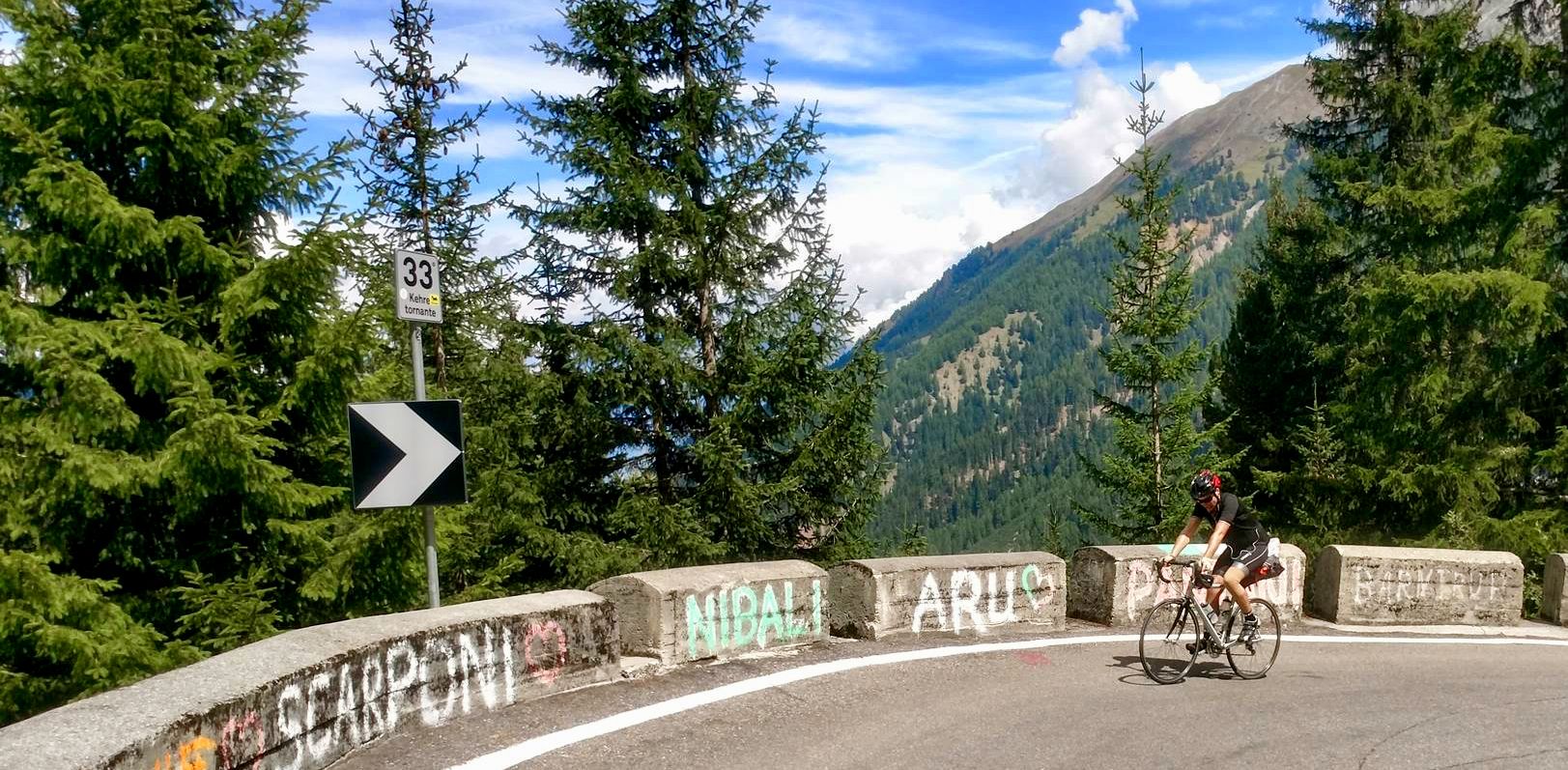
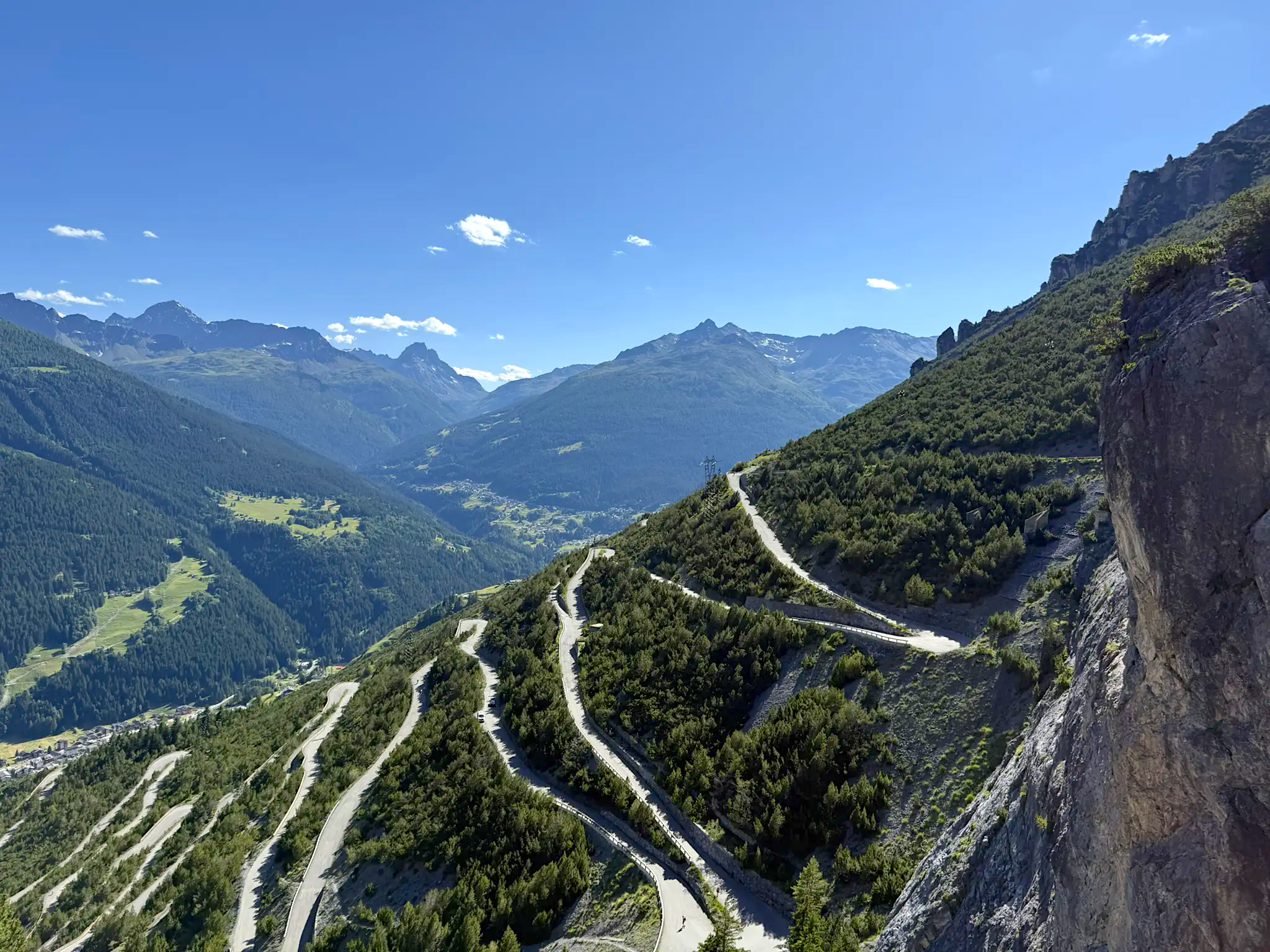
Stelvio Pass Hairpin Bends
Highlight (Segment) • Mountain Pass
Translated by Google •
Tip by

Sign up for free to discover even more mountain passes around Bormio.
Already have an account?
Start today with a free account
Your next adventure awaits.
Popular around Bormio
From the mountains to the sea — road cycling in Northern Italy
Following the Race Across the Alps
Around Ortler on high alpine trails in 7 stages
Heckmair Transalp – the original Alpine Crossing
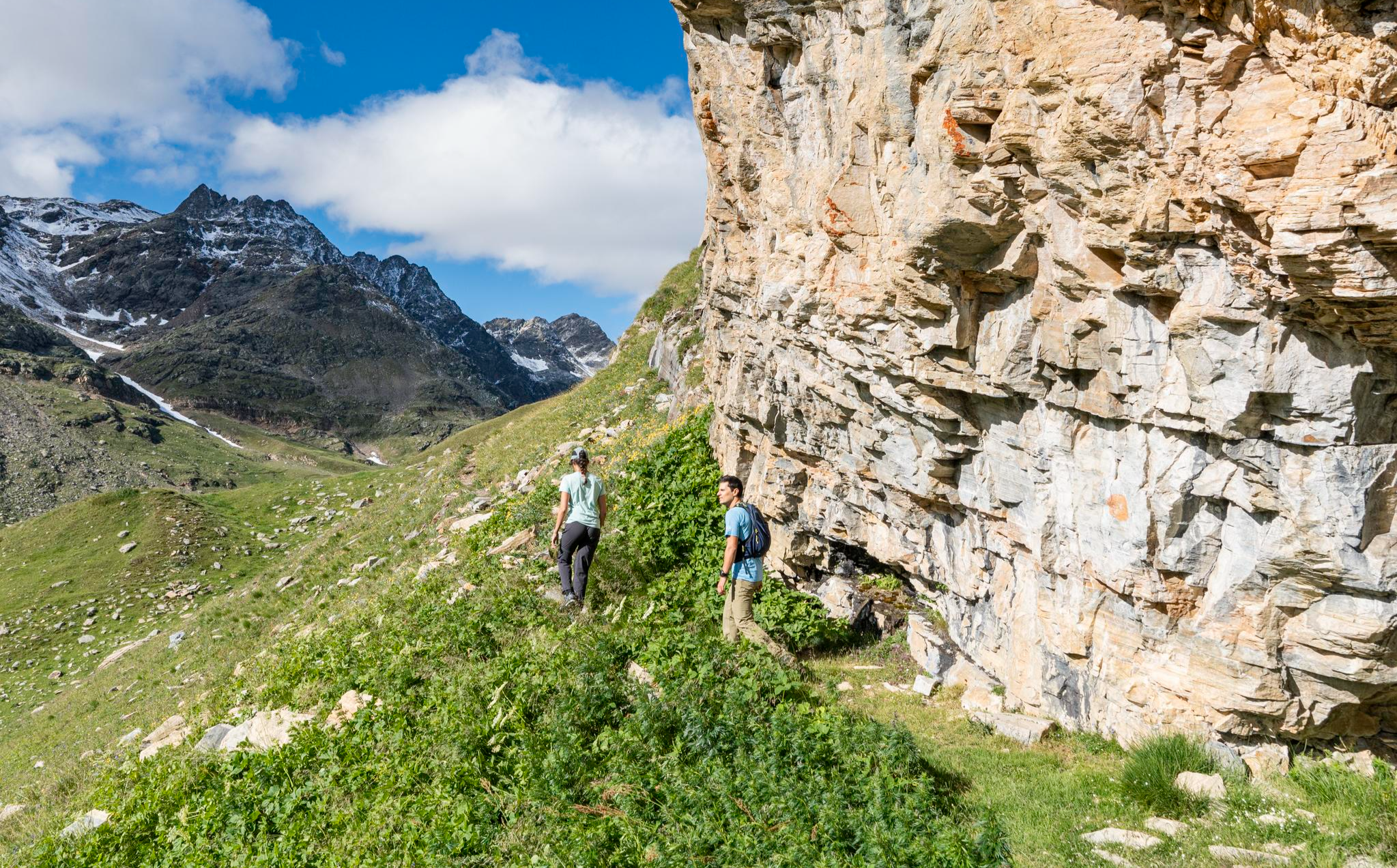
Stelvio Historical Trek – on the trail of the Great War in Bormio
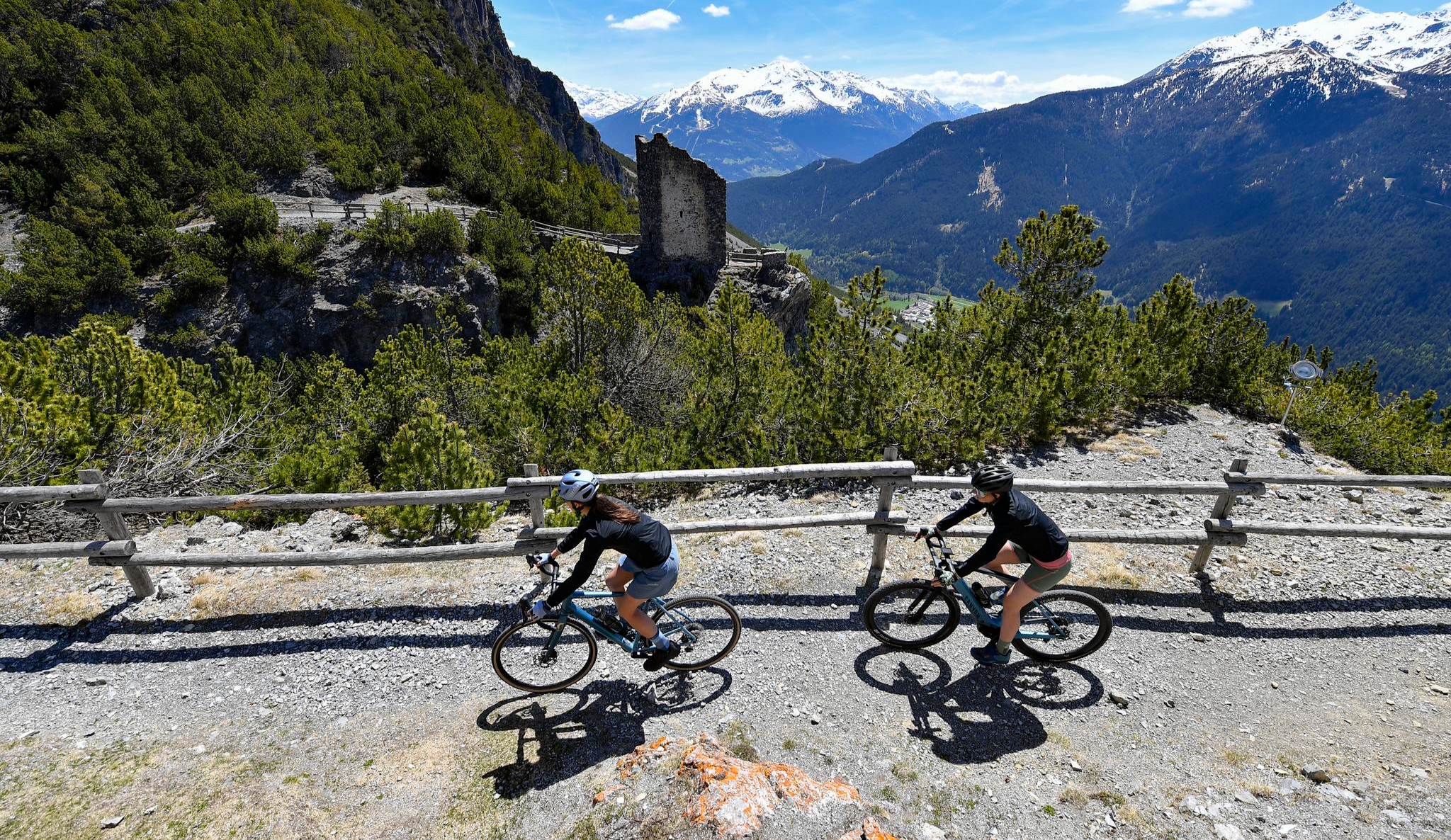
Alpine gravel in Bormio – epic passes and ancient paths
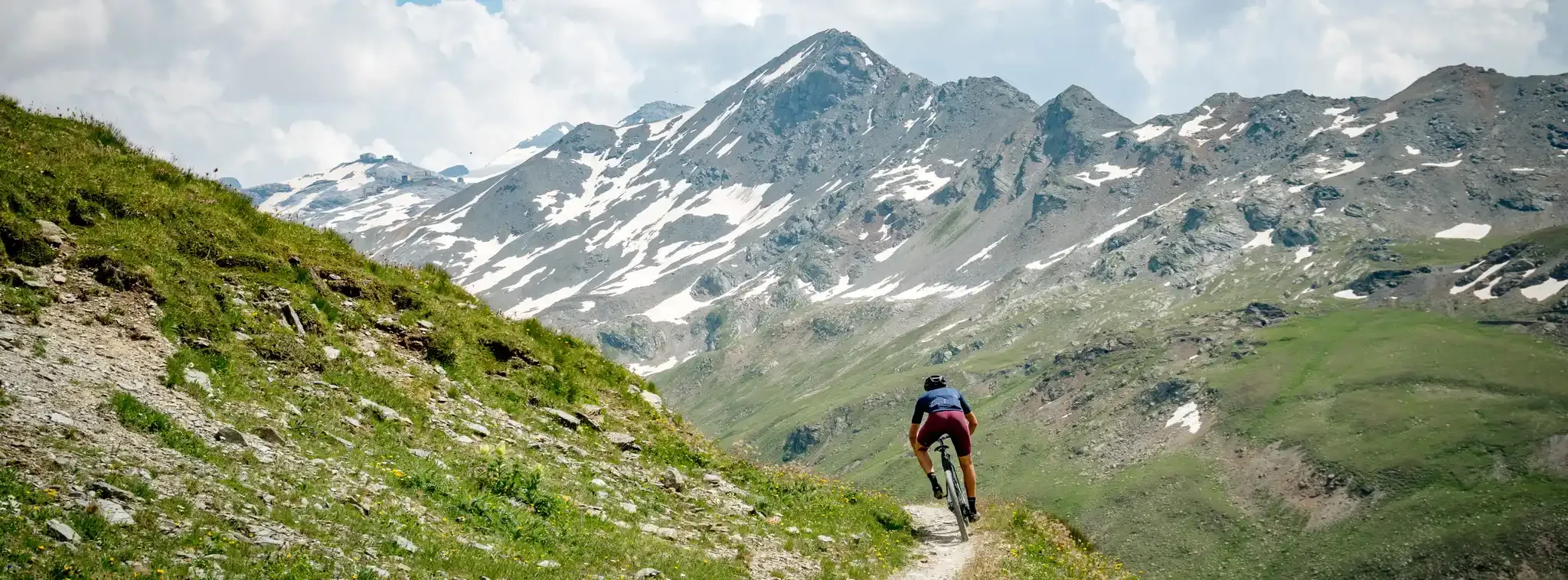
The hidden gems of Bormio – Cycling beyond the Stelvio
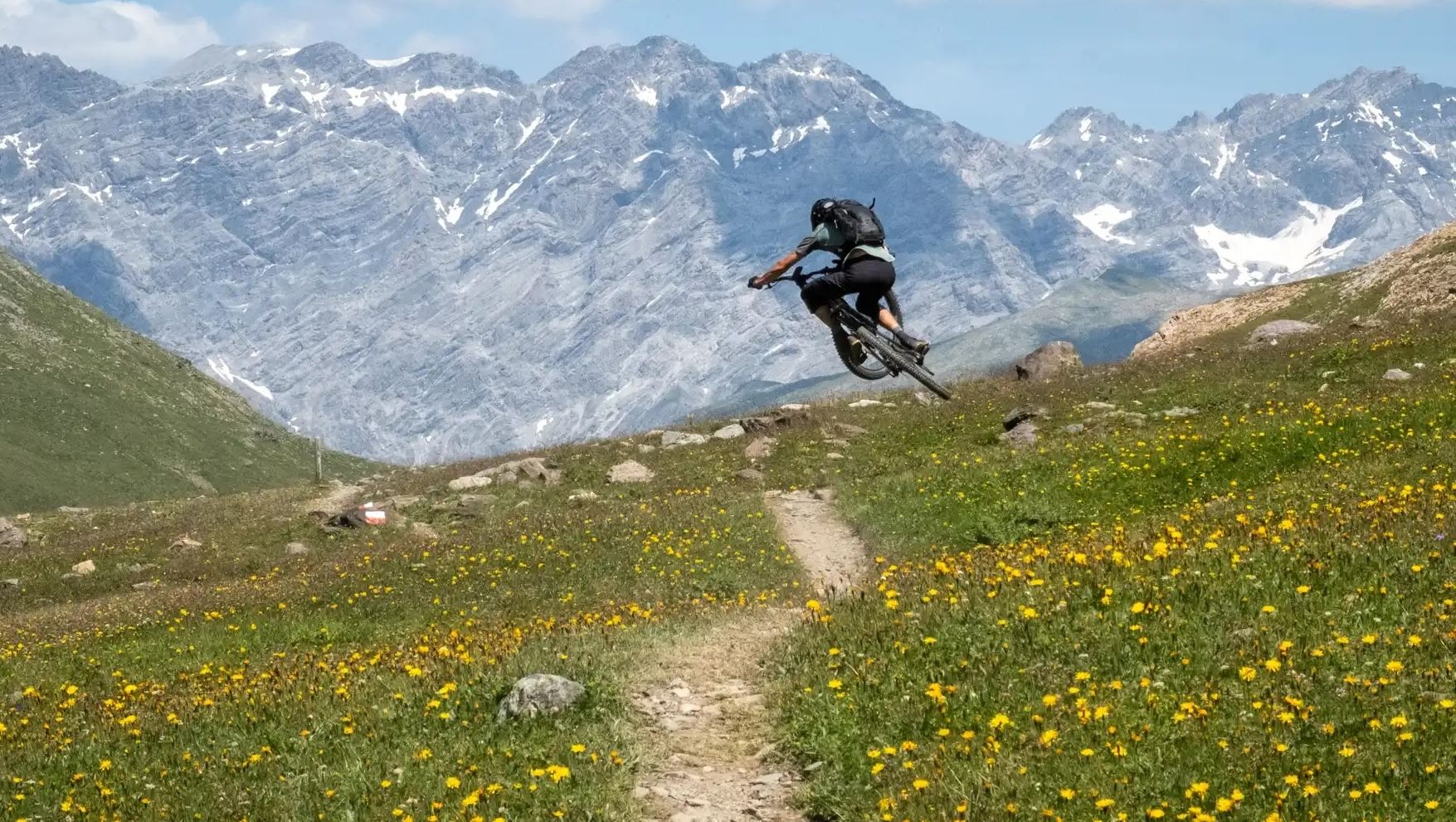
Three epic days in the Alps – Bormio & Santa Caterina MTB adventure
Stelvio Epic Rides – your unforgettable Bormio challenge
Bormio 360 Adventure Trail – MTB between huts and alpine pastures
Other adventures around Bormio


Tips from the Community

The legendary Stelvio Pass needs no introduction.
6
0

The towers of Fraele mark the border between Valdidentro and Val San Giacomo and are located between Monte delle Scale 2,520 meters and Cima Plator 2,910 meters.
5
0
His majesty the Stelvio, an incomparable climb.
12
2

The Umbrail Pass allows you to get to the Stelvio Pass from nearby Switzerland, it is one of the three sides of the Stelvio Pass.
6
0

The Stelvio pass, at an altitude of 2,757 metres, connects Lombardy to Trentino-Alto Adige. The road, paved and generally open from June to the end of September, connects Bormio to Prato allo Stelvio. The Lombard side is connected to the Umbrail pass and, subsequently, to the Swiss Canton of Grisons. The Stelvio pass is the highest car pass in Italy. The South Tyrolean side is famous for its hairpin bends: there are 48 of them. From the pass it is possible to admire the Ortler perfectly.
1
4

The Döss Radond is located at an altitude of 2,234 metres. It is the highest point of Val Mora. Once here it is all downhill, whether you continue towards Switzerland or towards Cancano. The meaning of the name is "round hump", and indicates the particular shape that the valley took when the glaciers melted. A nice point to stop, rest, admire the view.
6
1
The Torri di Fraele are signal towers, placed to defend the pass of the same name in 1391. One of the towers is well preserved, and is a coveted stopping point at the top of one of the most iconic and tiring climbs in all of Valtellina. The towers cannot be visited but the panorama that opens before the eyes repays the effort.
3
1

Street used to be natural and more beautiful but seen umpteen times and still beautiful
6
0
Frequently Asked Questions
What are the most challenging mountain passes for cyclists around Bormio?
The region around Bormio is famous for its demanding climbs. The Stelvio Pass is iconic with its 48 hairpin bends on the South Tyrolean side, a frequent stage in the Giro d'Italia. The Mortirolo Pass, also known as Passo della Foppa, is renowned as one of Europe's hardest climbs, with gradients reaching up to 18% or even 23% in sections. The Gavia Pass also presents a significant challenge with its length and constant slope.
Are there any less crowded alternatives to the famous Stelvio Pass?
Yes, the Umbrail Pass offers a quieter experience. It's often considered the 'third side' of the Stelvio and is generally less trafficked, providing a more tranquil cycling or driving experience. It also connects directly to the Stelvio Pass road and offers a unique cross-border journey between Italy and Switzerland.
What is the best time of year to visit the mountain passes around Bormio?
Most mountain passes around Bormio are typically open during the summer season, generally from late May or early June until October, due to heavy snowfall. The Foscagno Pass is a notable exception, usually open year-round, making it a vital link to Livigno. For cycling and hiking, the summer months offer the most reliable conditions, though temperatures at higher altitudes can still be considerably lower, even in midsummer.
What historical significance do these mountain passes hold?
The Stelvio Pass, built between 1820 and 1825 by the Austrian Empire, has changed little since its construction and once connected Habsburg Lombardy with Austria. It also features historical trails from World War I. The Fraele Towers, located between Valdidentro and Val San Giacomo, are signal towers built in 1391, marking a historical border.
Are there family-friendly activities or passes suitable for all ages around Bormio?
While many passes are challenging, some areas offer more accessible experiences. The Döss Radond Pass, for example, is noted as family-friendly, offering a great spot to stop, rest, and admire the view at 2,234 meters, with opportunities to see marmots and cows. The Foscagno Pass provides accessible scenic drives with panoramic views.
What kind of natural features and viewpoints can I expect to see?
The passes offer spectacular alpine scenery. From the summit of Stelvio Pass, you can admire the Ortler mountain and expansive vistas within the Stelvio National Park. The Gavia Pass is known for stunning views of snow-capped peaks, glacier-fed rivers, and lush valleys. The Foscagno Pass lies on the main alpine watershed, offering panoramic views, especially when snow dusts the landscape.
What outdoor activities can I do near the mountain passes around Bormio?
Beyond cycling and scenic drives, the region offers various outdoor activities. You can find numerous running trails, such as those along the Adda River, by exploring Running Trails around Bormio. For more challenging adventures, there are mountain hikes like those around Stelvio Pass, detailed in Mountain Hikes around Bormio. Gravel biking routes, including the challenging 'IV Stelvio' and 'Passo Umbrail', are also available via Gravel biking around Bormio.
Are there opportunities for winter activities on these passes?
Yes, the Stelvio Pass is unique in offering summer skiing, snowboarding, freeriding, and snowkiting on its glacier. While most passes close to vehicles in winter, the Foscagno Pass is typically open year-round, providing access to Livigno, a popular winter sports destination.
Where can I find places to rest or get refreshments along the passes?
Several passes offer facilities. At the Döss Radond Pass, there's a fountain for refilling water, and about six kilometers further, Alp Mora in Val Mora offers drinks and simple snacks. The Gavia Pass has mountain huts like Rifugio Bonetta and Rifugio A. Berni nearby, providing places to stop and rest.
What makes the Gavia Pass a unique experience compared to other passes?
The Gavia Pass, at 2,621 meters, is known for its narrow and winding roads, particularly on the southern section, offering a more tranquil and wild alpine experience. It's typically open only during the summer due to heavy snowfall, contributing to its rugged charm. It has also been featured multiple times in the Giro d'Italia, with the 1988 snowstorm stage being particularly memorable.
Can I combine a visit to the Umbrail Pass with the Stelvio Pass?
Absolutely. The Umbrail Pass directly connects to the Stelvio Pass road, making it an excellent option for those looking to experience both. It allows access to the Stelvio Pass from Switzerland, offering a different approach and often a less crowded journey to the iconic summit.
What do visitors enjoy most about the mountain passes around Bormio?
Visitors frequently praise the epic climbs and the breathtaking panoramic views. Many komoot users highlight the challenge and reward of conquering passes like Stelvio Pass, often calling it an 'incomparable climb' and a 'must' for racing cyclists. The sense of achievement and the spectacular mountain landscapes are consistently mentioned as highlights.
Most popular routes around Bormio
Most popular attractions around Bormio

Get inspired with the komoot mobile app


Explore more
See even more epic mountain passes by checking out these guides around Bormio:
