The best cycling routes around Schönberg am Kamp
4.4
(75)
755
riders
50
rides
Touring cycling around Schönberg am Kamp offers diverse routes through the Kamptal-Schönberg Nature Park, characterized by the meandering Kamp River and its well-developed riverside cycle paths. The region features distinctive wine terraces on the southern slopes of the Manhartsberg, alongside the forests of Manhartsberg and Gföhlerwald. Rolling hills provide varied terrain, suitable for both relaxed rides and more challenging ascents.
Best touring cycling routes around Schönberg am Kamp
- The most popular touring cycling route is Bicycle Bridge Over the Kamp…
Last updated: August 21, 2026
4.1
(18)
121
riders
Moderate bike ride. Good fitness required. Mostly paved surfaces. Suitable for all skill levels.
4.8
(6)
107
riders
32.9km
02:35
510m
510m
Hard bike ride. Very good fitness required. Mostly paved surfaces. Suitable for all skill levels.

Sign up for free
4.4
(11)
79
riders
32.4km
01:58
170m
170m
Moderate bike ride. Good fitness required. Mostly paved surfaces. Suitable for all skill levels.
3.8
(8)
57
riders
24.6km
01:37
330m
330m
Moderate bike ride. Good fitness required. Mostly paved surfaces. Suitable for all skill levels.
4.8
(12)
52
riders
81.5km
05:17
920m
920m
Hard bike ride. Very good fitness required. Mostly paved surfaces. Suitable for all skill levels.
Get access to more routes and recommendations from other explorers.
Sign up for free
Already have an account?
Our route recommendations are based on thousands of hikes, rides, and runs completed by other people on komoot.
Start today with a free account
Your next adventure awaits.
Login or Signup

Tips from the Community

The well-known Trinity Column (Pestsäule) in Langenlois stands as a striking centerpiece on the Kornplatz. It was erected in 1713 by the citizenry as thanks for being spared from the plague and consecrated on October 14th of the same year. The baroque monument was created by the renowned Krems sculptor Andreas Krimmer.
0
0
The well-known Trinity Column (Plague Column) in Langenlois stands as a striking centerpiece on the Kornplatz. It was erected in 1713 by the citizenry as thanks for being spared from the plague and was consecrated on October 14 of the same year. The baroque monument was created by the renowned Krems sculptor Andreas Krimmer.
0
0
At LOISIUM, wine enjoyment combines with a true zest for life. Authenticity, regionality, and passion for wine meet here – whether on an exciting journey of discovery through the world of winemaking artistry or with a relaxed glass at the end of the day. Nestled in some of Europe's most beautiful wine regions, LOISIUM is the perfect place for anyone who wants to not just drink wine, but experience it.
0
0

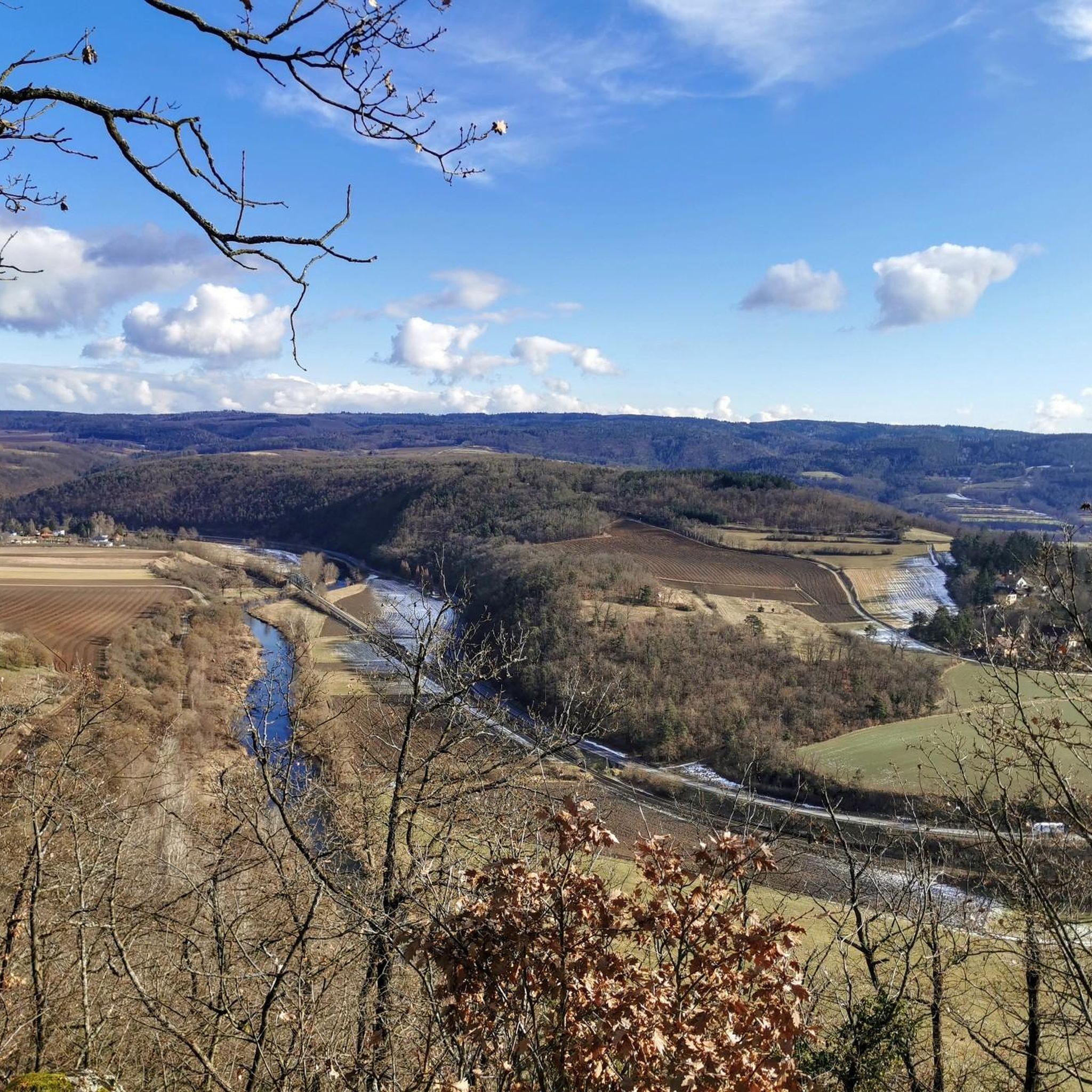
A beautiful view of the Kamp, the Kamptal-Thaya cycle path leads over it.
0
0

Beautiful cellar lane along which you can find many good wine taverns. Also invites for a stroll.
1
0

One of the most beautiful castles in Austria! Worth a visit, the bird of prey demonstrations are particularly exciting.
0
0

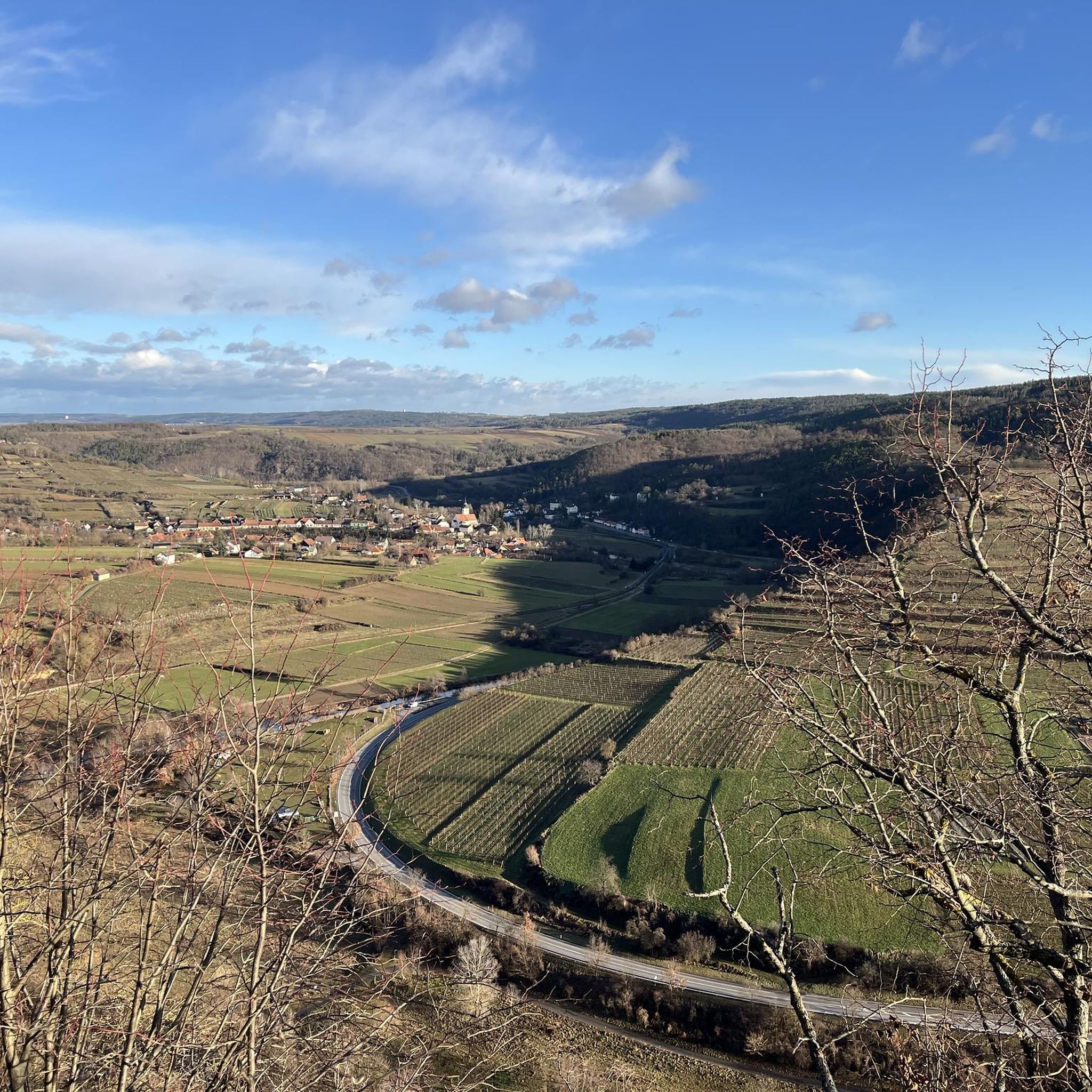
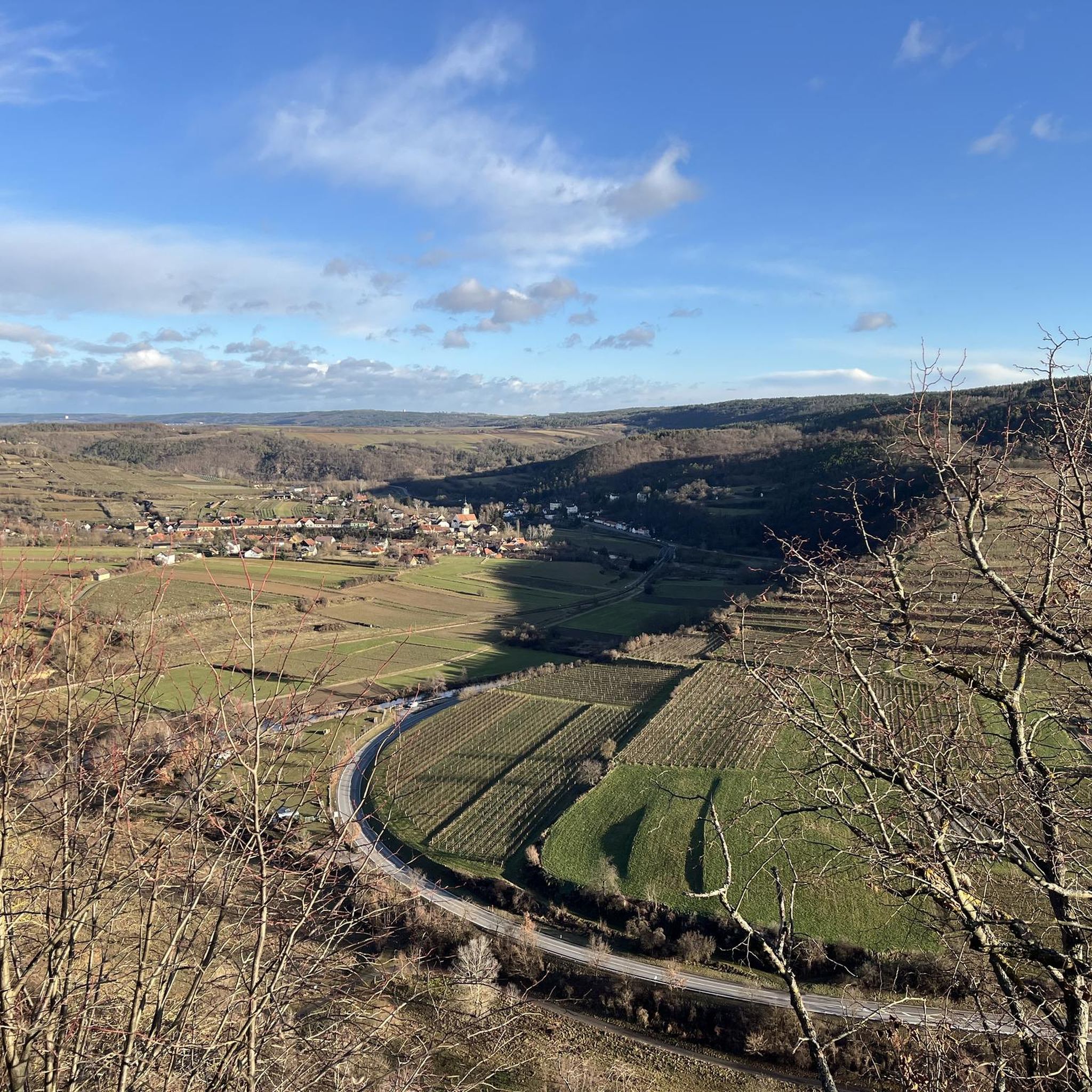
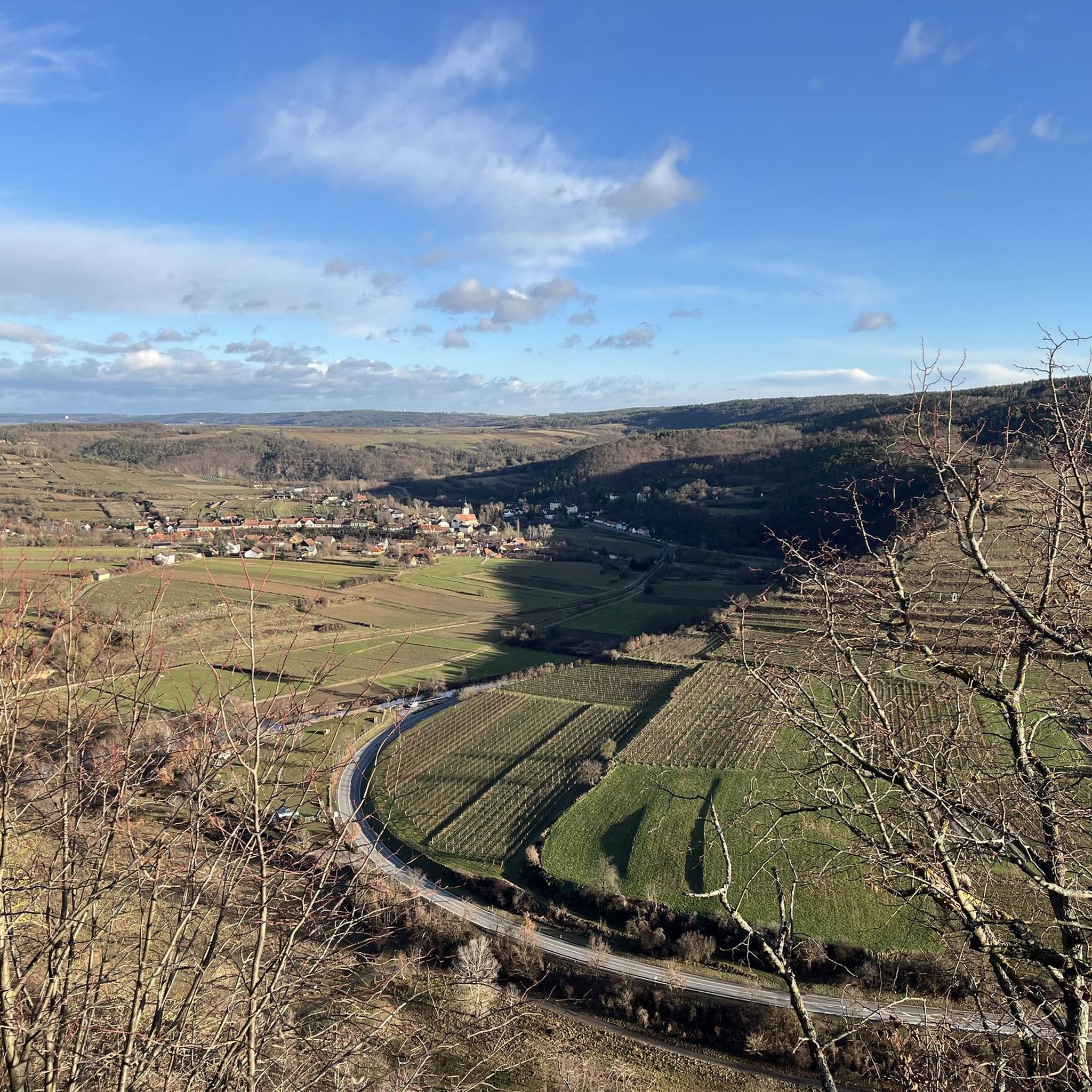
Beautiful views over the vineyards and interesting wine cellars.
0
0

The Peace Stupa in Wagram near Feuersbrunn is one of the largest Buddhist peace monuments in Europe. Built between 2016 and 2019 according to the design of Austrian architect Matthias Rainer, it reaches a height of 32.5 meters and a diameter of approximately 30 meters. Particularly noteworthy is the accessible interior, designed as a space for meditation and encounters. The ceremonial inauguration took place on June 4, 2023. Construction was privately financed through the Stupa Institute of the Austrian Buddhist Religious Society and carried out under the spiritual guidance of monk Bop Jon Sunim, who had previously been involved in the Hungarian Peace Stupa in Zalaszántó. Inside the stupa are relics of the historical Buddha Shakyamuni, presented by the Dalai Lama, while a gilded Buddha statue weighing approximately 700 kilograms sits atop it. A large peace bell and the surrounding garden with meditation paths, sculptures, and prayer flags invite spiritual contemplation. The stupa symbolizes peace, compassion, and religious tolerance and is open to all people regardless of their faith.
2
0
Frequently Asked Questions
How many touring cycling routes are available in Schönberg am Kamp?
There are over 50 touring cycling routes around Schönberg am Kamp, offering a wide variety of experiences from leisurely riverside rides to more challenging ascents through vineyards and forests.
What kind of terrain can I expect on touring cycling routes around Schönberg am Kamp?
The terrain is quite varied. You'll find well-developed cycle paths along the meandering Kamp River, routes through distinctive wine terraces on the southern slopes of the Manhartsberg, and trails within the forests of Manhartsberg and Gföhlerwald. The region also features rolling hills, providing options for more demanding routes.
What is the best time of year for touring cycling in Schönberg am Kamp?
The best seasons for touring cycling in Schönberg am Kamp are spring and autumn. During these times, you'll experience pleasant temperatures and vibrant natural scenery, whether it's the lush greenery of spring or the warm colors of autumn in the vineyards.
What do other touring cyclists say about the routes in Schönberg am Kamp?
The touring cycling routes in Schönberg am Kamp are highly rated by the komoot community, with an average score of 4.5 stars from over 60 reviews. Cyclists often praise the scenic beauty of the Kamp Valley, the well-maintained paths, and the cultural highlights along the way.
Are there easy touring cycling routes suitable for beginners in Schönberg am Kamp?
Yes, there are several easy touring cycling routes. For a relaxed experience, consider routes that follow the Kamp River. An example is the Bicycle Bridge Over the Kamp – Kamp Valley Riverside Trail loop from Plank am Kamp, which is a moderate route but offers a scenic ride along the river.
Are there challenging touring cycling routes for experienced cyclists?
Absolutely. For those seeking a challenge, routes with significant elevation gain are available. The Kornplatz, Langenlois – Haindorf Castle loop from Stiefern is a difficult 20.5-mile (32.9 km) path that includes substantial climbing and passes through vineyards and historical sites. Another demanding option is the Rosenburg Castle – Kamp Valley Riverside Trail loop from Plank am Kamp, a long and difficult route with considerable elevation changes.
Are there any circular touring cycling routes in the area?
Yes, many routes in Schönberg am Kamp are designed as loops, allowing you to start and end at the same point. For instance, the Grafenegg Castle – Kornplatz, Langenlois loop from Schönberg am Kamp is a popular circular route leading through winegrowing villages and past cultural landmarks.
What interesting landmarks or attractions can I see along the touring cycling routes?
The routes often pass by significant cultural and natural landmarks. You can explore places like Kornplatz, Langenlois, known as one of Austria's wine capitals, or historical sites such as Rosenburg Castle and Grafenegg Castle. The region also features traditional wine cellar lanes and the unique Rohrendorf Cellar Lane.
Are there routes that go through vineyards?
Yes, cycling through the vineyards is a highlight of the region. The southern slopes of the Manhartsberg feature distinctive wine terraces that meet the Kamp River landscape. The Vineyards in the Kamptal – Kamp Bridge Zöbing loop from Schönberg am Kamp is a great example of a route that immerses you in the wine culture of the Kamptal.
Are there family-friendly touring cycling options in Schönberg am Kamp?
The well-developed cycle paths along the Kamp River are generally suitable for families, offering leisurely rides with gentle gradients. These paths allow cyclists to enjoy the scenic beauty of the river and surrounding nature in a relaxed setting.
Can I find places to eat or drink along the cycling routes?
Yes, the region is known for its wine culture, and many routes pass through charming winegrowing villages like Langenlois and Straß im Straßertale. You'll find opportunities to stop at local 'Heuriger' (wine taverns) or cafes to taste regional wines and enjoy local cuisine.
Is public transport available to access the cycling routes?
Schönberg am Kamp is accessible, and public transport options can connect you to the region. For specific route access, it's advisable to check local bus or train schedules that serve the villages along the Kamptal, as many routes start or pass through these areas.
Are there any castles I can visit while cycling?
The region is rich in historical castles. You can cycle past or visit impressive structures like Rosenburg Castle, Gobelsburg Castle, and Grafenegg Castle. Some routes, like the Grafenegg Castle – Kornplatz, Langenlois loop from Schönberg am Kamp, are specifically designed to include these cultural landmarks.
Most popular routes around Schönberg am Kamp
Most popular attractions around Schönberg am Kamp

Get inspired with the komoot mobile app


Explore more
Browse the best Cycling routes in other regions.
