Attractions and Places To See around Montemarano - Top 20
Best attractions and places to see around Montemarano, a village in Campania, Italy, offers a blend of history, culture, and natural beauty. Situated in the Calore Valley, the area is known for its picturesque landscapes and extensive chestnut forests. Visitors can explore ancient landmarks, cultural sites, and enjoy hiking opportunities in a tranquil environment. The town presents several notable landmarks, cultural sites, natural features, and points of interest.
Best attractions and places to see around Montemarano
- The most popular attractions…
Last updated: July 6, 2026
Civita di Ogliara Ancient Walls
Highlight • Historical Site
Translated by Google •
Tip by

Sanctuary of the Most Holy Savior of Serino
Highlight • Religious Site
Translated by Google •
Tip by
Sign up now to discover places like this
Get recommendations on the best single tracks, peaks, & plenty of other exciting outdoor places.
Sign up for free
Monumental Complex of the Mount (Church, Monastery, and Castle of Montella)
Highlight • Historical Site
Translated by Google •
Tip by
Dragon Plain
Highlight • Natural Monument
Translated by Google •
Tip by

Abbey of Goleto
Highlight • Religious Site
it was built at the behest of San Guglielmo da Vercelli in 1133.
Translated by Google •
Tip by
Sign up for free to discover even more attractions around Montemarano.
Sign up for free
Already have an account?
Start today with a free account
Your next adventure awaits.
Login or Signup
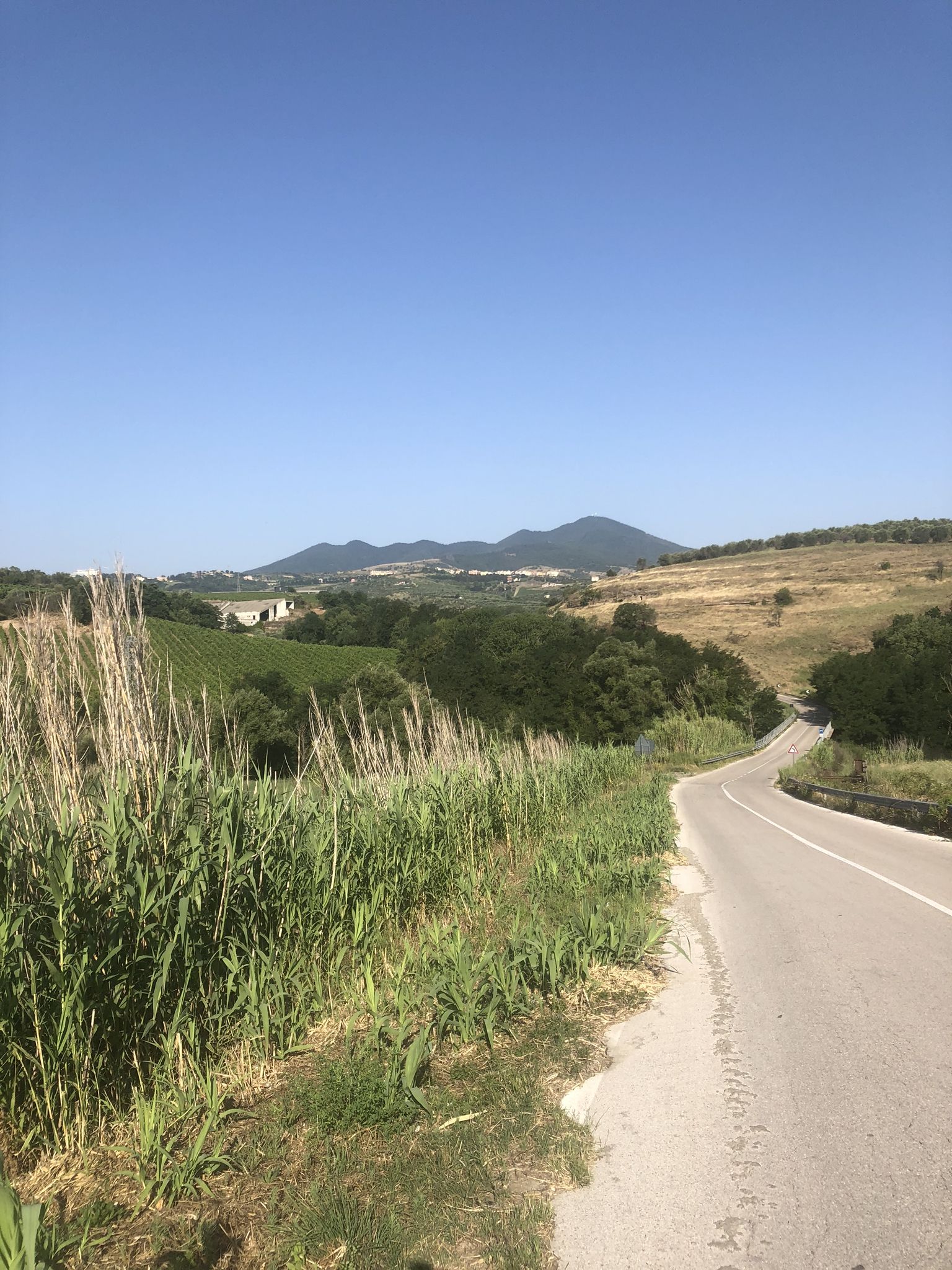
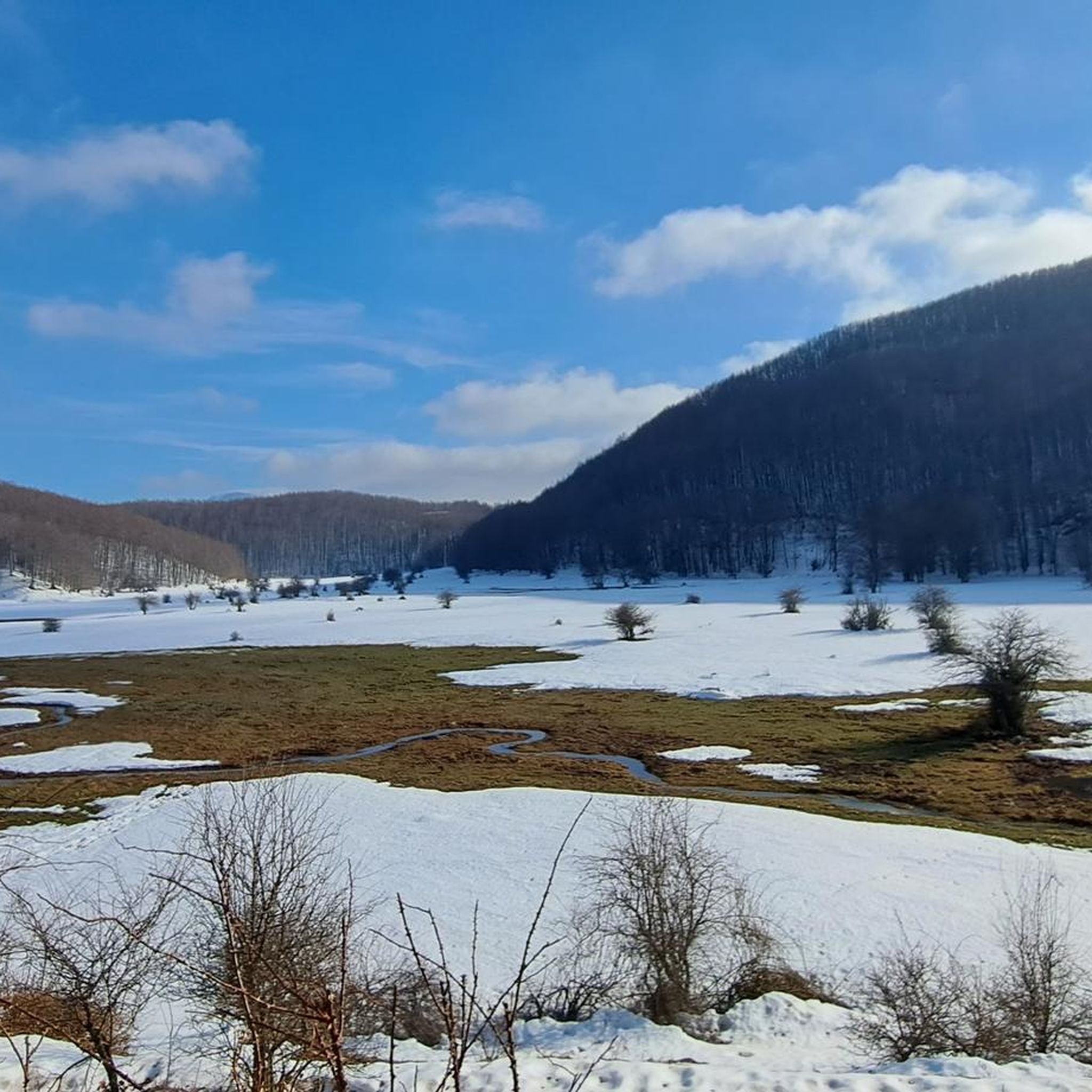
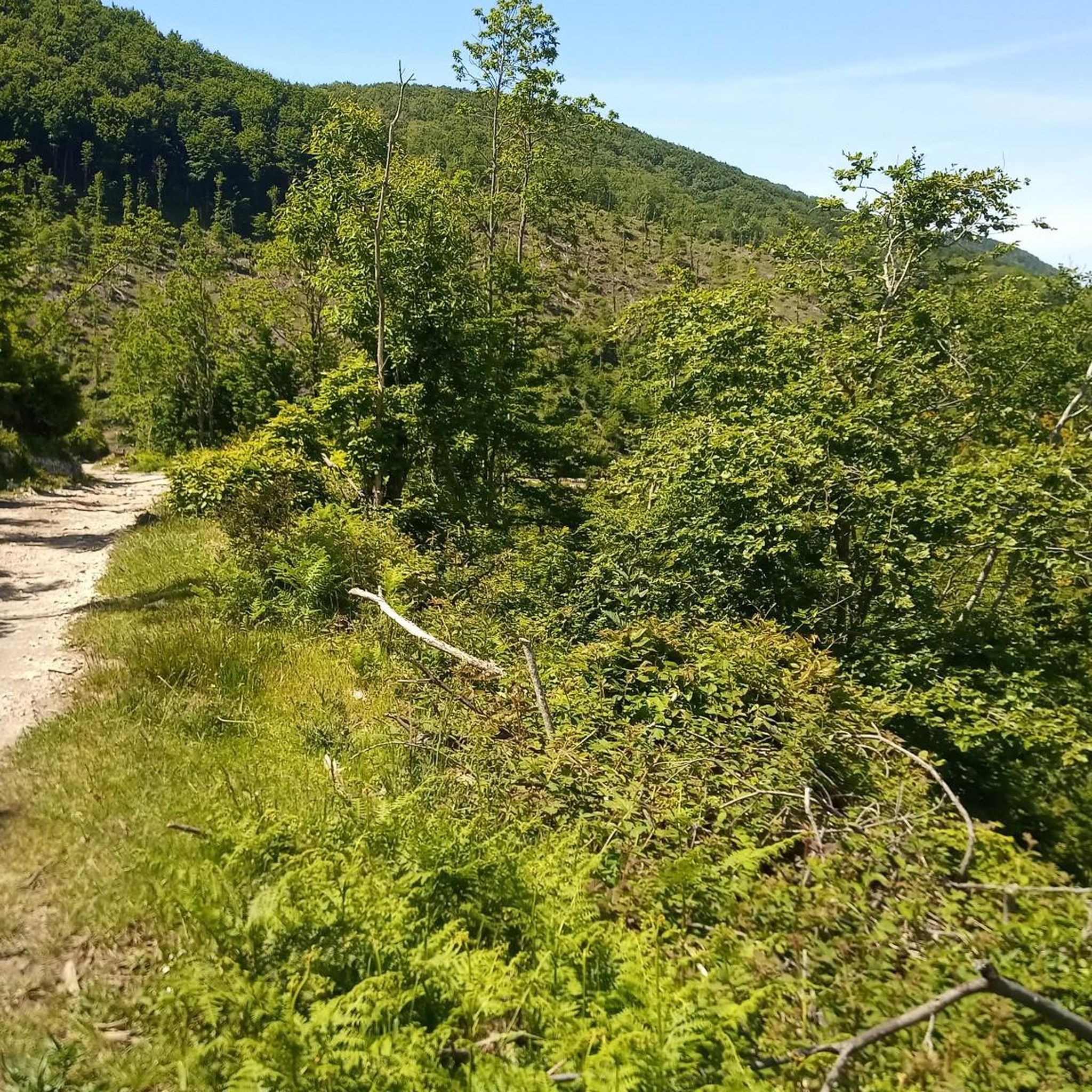
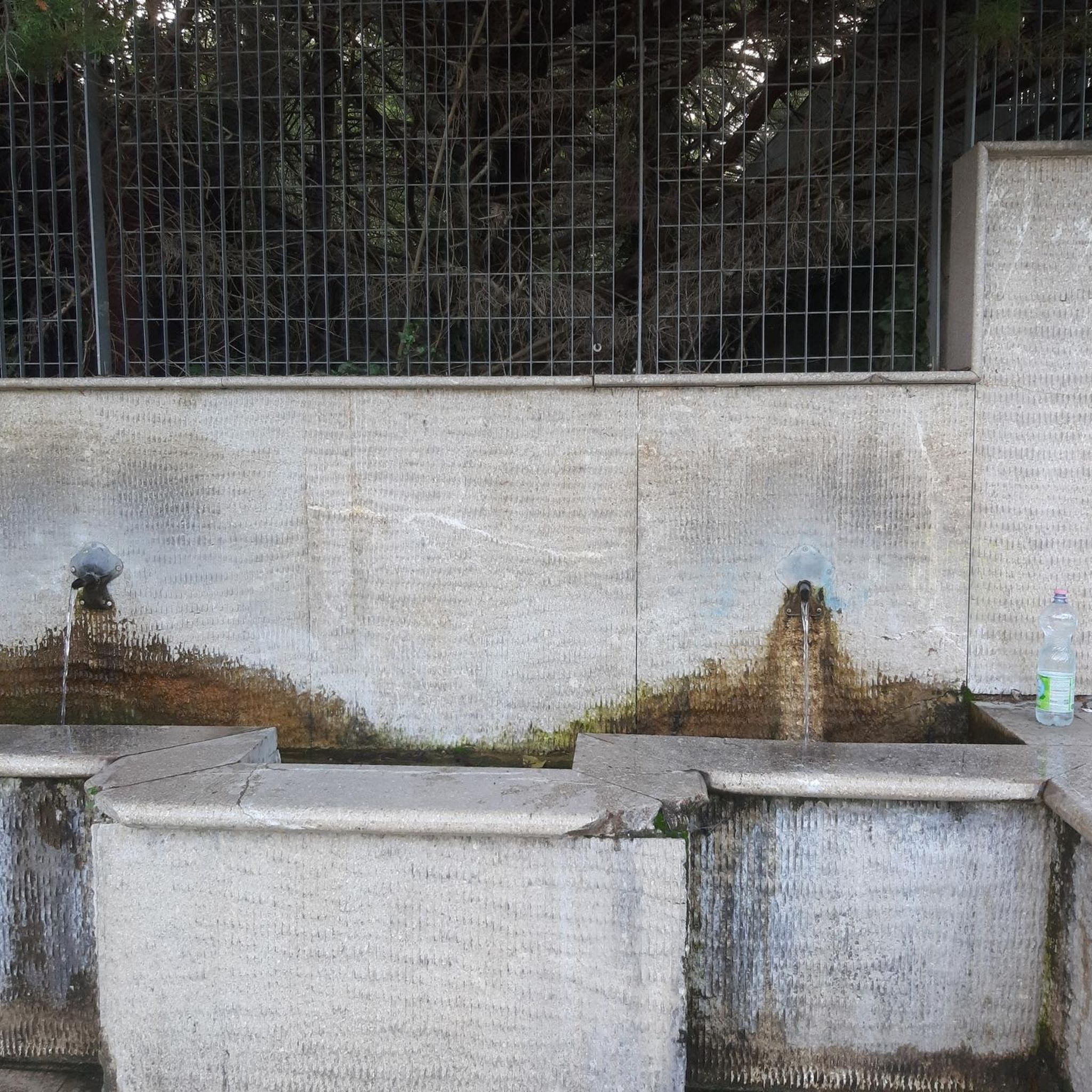

Other adventures around Montemarano

Tips from the Community

It can be reached either from Ofantina, from the Sant'Angelo - Industrial Area junction there is a fast-flowing road, or from the state road that connects Lioni to Sant'Angelo or Torella d.L. If you choose, coming from Lioni, the junction for Nusco-Bagnoli (turn left immediately before the petrol station) there are roads with little traffic and with the scenic complex of the Picentini mountains on the left.
0
0
A place out of time, an oasis of peace as the sign in the internal entrance says ("respect this place of peace". Entering it by bike, silent and discreet, is a gesture of respect in the wake of the pilgrims on the path of San Guglielmo, patron saint of Irpinia.
0
0

In the locality of Ogliara, immersed in the Serino forest, there is the city wall of the "Civita di Ogliara", according to tradition, it is that of the mythical Sabatia, city of the Hirpini, whose inhabitants, following its destruction, were forced to flee thus giving life to the residential areas of Serino, Solofra, Montoro and Montella
0
0

Incredibly suggestive place, it is undoubtedly worth a visit. Presence of toilets with drinking water to fill water bottles
0
0

Really suggestive place that deserves to be visited.
4
0
It can be visited by reservation only.
5
0

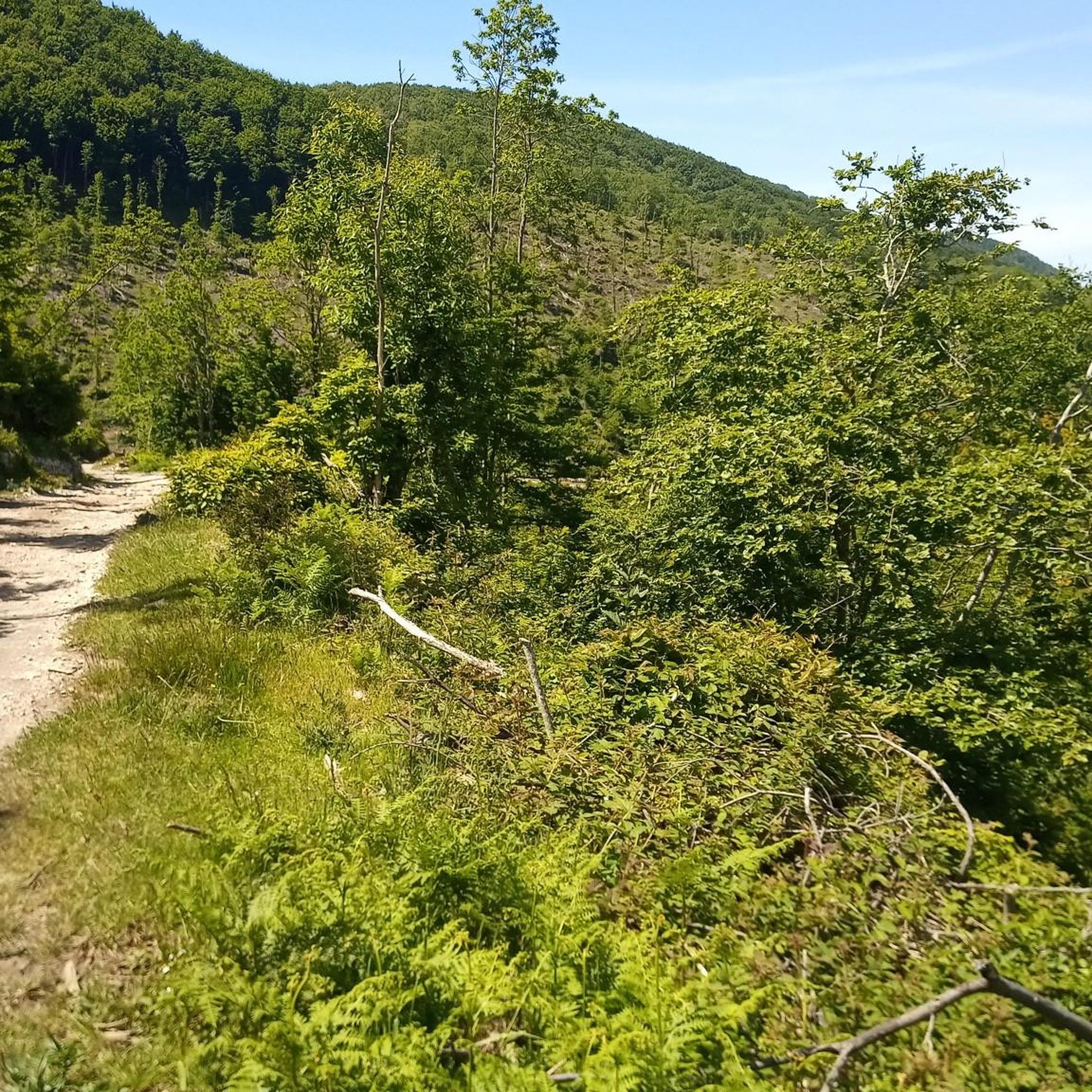
Walls Civita di Ogliara, accessed from a dirt road to the left of the picnic area
3
0

The monumental complex of the Monte, consisting of a church, monastery, archaeological garden and castle, rises just above Montella, a small town in the heart of the green Irpinia. Of great historical interest is the site of the 10th century Lombard castle with the adjacent settlement dating back to the 6th-7th century. Excavations conducted in the 1980s have brought to light finds from the Lombard and early medieval times, including coins and fragments of frescoes, as well as burials dating back to the same period. Today the central body (tower or donjon), the surrounding walls and the ruins of the rooms of the nobility are visible. In 1293 Charles II of Anjou confiscated the castle to make it a place for recreation. King Charles II was responsible for the construction of the cistern and the water channeling system. In the fourteenth century, at the behest of the d'Aquino, feudal lords of Montella, the twelfth-century tower was renovated and works to improve the building were carried out, with the creation of pictorial decorations. The castle was inhabited by the Cavaniglia counts in the 15th century, and during their lordship it hosted a memorable hunting expedition in 1445 in which King Alfonso the Magnanimous took part. The church has a single nave with side chapels. The wooden altars are of great value. In one of the side chapels there is an important thirteenth-century wooden altarpiece depicting the "Madonna dell'umiltà". The monastery was built between 1554 and 1586 on the pre-existing church at Monte di Pietà, by the Monte di Pietà di Montella, founded and administered by the Congrega del SS. Sacrament of Montella. It was entrusted to the Minimi Reformed Conventuals of S. Francesco replaced in 1603 by the reformed Observants. In 1613 a community of 12 fathers and several lay brothers lived in the convent. The feudal lord Antonio Grimaldi, in 1642, donated the garden adjacent to the convent, former dependence of the castle, to the Monte di Pietà. It has undergone several changes over the centuries: the structure has a square plan and the typical cloister with cross vaults frescoed in the seventeenth century by Michele Ricciardi. Completely recovered and made usable, the upper floors could be used for spiritual retreats, while it is still possible to visit the cells. The lower rooms, where the life of the friars took place, can be visited in full by taking advantage of the routes prepared also by means of illustrative panels present in each area. The convent garden is located in the open space adjacent to the castle; it has been recovered and the same crops from the Middle Ages that gave sustenance to the monks have been planted there. The entire monumental complex of the Monte, restored and open to visitors, is the property of the Santissimo Sacramento di Montella Archconfraternity
17
0
Frequently Asked Questions
What historical sites can I explore in Montemarano?
Montemarano offers a rich history to explore. You can visit the medieval Civita di Ogliara Ancient Walls, a historical site with a wall circumference of about 2 kilometers. The village itself boasts a beautiful medieval-style historical center, perched around the Montemarano Castle, which also houses the Wine Museum. Other notable sites include the Church of Santa Maria Assunta, with its Romanesque columns and a 15th-century wood chair, and the Church of Purgatorio, home to the Museum of Sacred Fabric and Hanging.
Are there any museums in Montemarano?
Yes, Montemarano features several interesting museums. The Montemarano Castle hosts the Wine Museum, celebrating the region's winemaking heritage. The Church of Purgatorio houses the Museum of Sacred Fabric and Hanging, which displays precious Italian liturgical vestments. Additionally, the Ethnomusical Museum is dedicated to the local folk tradition, particularly the unique 'tarantella montemaranese' dance.
What cultural events or festivals are celebrated in Montemarano?
Montemarano is known for its vibrant cultural events. The most significant is the Montemarano Carnival, famous for its traditional masked parades and the rhythmic 'tarantella montemaranese' dance. Other annual events include the Festa del Vino (Wine Festival) in late September/early October, the Festa del Bosco (Woodlands Produce Festival) in August, and the Feast of Saint John, dedicated to the patron saint on August 21st.
Where can I enjoy nature and scenic landscapes around Montemarano?
The area around Montemarano is rich in natural beauty. You can explore the picturesque landscapes of the Calore Valley and the extensive chestnut forests. The Bosco di Montemarano is highlighted as a peaceful oasis, perfect for walks and enjoying nature. For a unique natural formation, visit the Dragon Plain, a karst sinkhole with a fascinating local legend.
What hiking opportunities are available near Montemarano?
Montemarano and its surroundings offer various hiking opportunities. You can find trails ranging from moderate to difficult, such as the 'Rifugio Acqua degli Uccelli – Rifugio degli Uccelli loop' or the 'Grotte Candraloni – Grotta dei Candraloni loop'. For more details and route options, explore the Hiking around Montemarano guide.
Are there cycling routes for road bikes or mountain bikes?
Yes, the region around Montemarano is suitable for both road cycling and mountain biking. Road cyclists can enjoy routes like the 'Malepasso Road – Monte Terminio Plateau loop'. For mountain bikers, options include the 'Monte Sovero Loop' or the 'Crest of S. Stefano del Sole'. You can find detailed routes in the Road Cycling Routes around Montemarano and MTB Trails around Montemarano guides.
Are there family-friendly attractions around Montemarano?
Families visiting Montemarano might enjoy the Abbey of Goleto. This monastic citadel offers a peaceful and historically rich environment that can be interesting for all ages. The historical center of Montemarano itself, with its medieval charm, can also be a pleasant place for a family stroll.
What is the Sanctuary of the Most Holy Savior of Serino?
The Sanctuary of the Most Holy Savior of Serino is an ancient religious building entirely dug into the rock on the slopes of Mount Terminio. It was adapted for liturgical and residential use by a small hermit community, believed to have been excavated around the end of the 1300s. It's a unique and challenging site to reach, offering a rewarding experience for visitors.
Can I experience local wine and food in Montemarano?
Absolutely! Montemarano is located in a region known for its rich winemaking heritage. You can explore local wineries and indulge in an Irpinia Gourmet Tour to savor exquisite local wines, such as Aglianico and Taurasi DOCG, along with other regional delicacies. The Wine Museum in Montemarano Castle also provides insight into this tradition.
What is the Monumental Complex of the Mount?
The Monumental Complex of the Mount (Church, Monastery, and Castle of Montella) is a significant historical site near Montemarano. It consists of a church, monastery, archaeological garden, and castle ruins, offering insights into Lombard and early medieval times. Visible ruins of a 10th-century castle and a 12th-century tower are part of this complex.
What do visitors enjoy most about the attractions around Montemarano?
Visitors particularly appreciate the blend of history, culture, and natural beauty. The ancient walls of Civita di Ogliara are noted for their historical significance. The Sanctuary of the Most Holy Savior of Serino is praised for its unique rock-hewn structure and challenging, scenic approach. The Abbey of Goleto is described as an incredibly suggestive place and an oasis of peace.
What is the best time of year to visit Montemarano?
Montemarano can be enjoyed throughout the year, but the best time often depends on your interests. Spring and autumn offer pleasant weather for exploring historical sites and hiking. Autumn is particularly appealing for the Festa del Vino (Wine Festival) and enjoying the chestnut forests. The vibrant Montemarano Carnival takes place before Lent, typically in late winter/early spring.
Most popular attractions around Montemarano

Get inspired with the komoot mobile app


Explore more
Still not found the Highlight you’re looking for? See guides of the top attractions in other regions:
