Attractions and Places To See around Nusco - Top 20
Best attractions and places to see around Nusco include a rich blend of historical landmarks, cultural sites, and natural beauty. This picturesque hilltop town in Italy's Campania region offers panoramic views of the surrounding valleys and the Apennine Mountains. Recognized as one of "I Borghi più belli d'Italia," Nusco features a well-preserved medieval historic center with narrow cobblestone streets and ancient architecture. Its elevated position provides wide-ranging vistas over the Ofanto and Calore river valleys.
Best attractions and places to see around Nusco
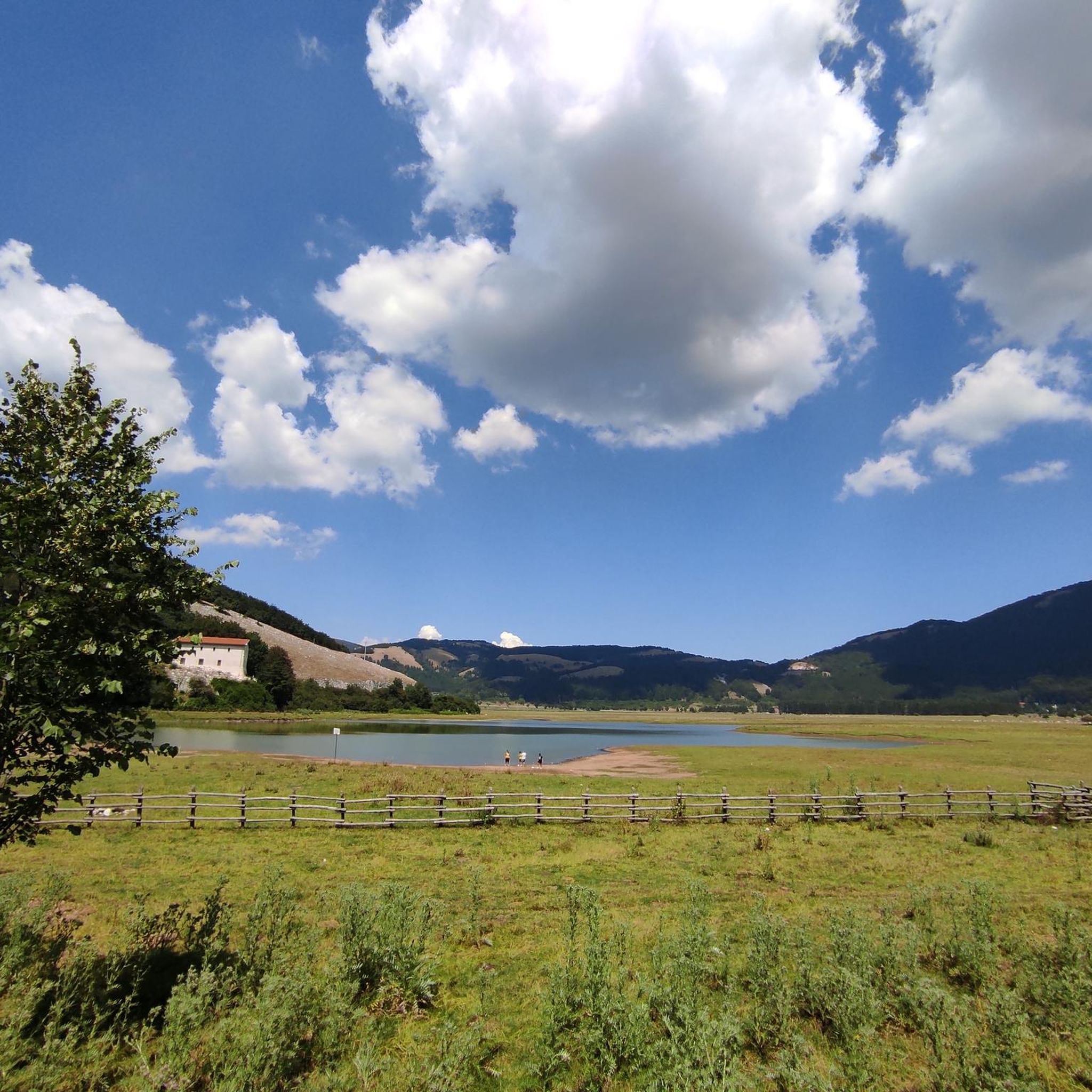
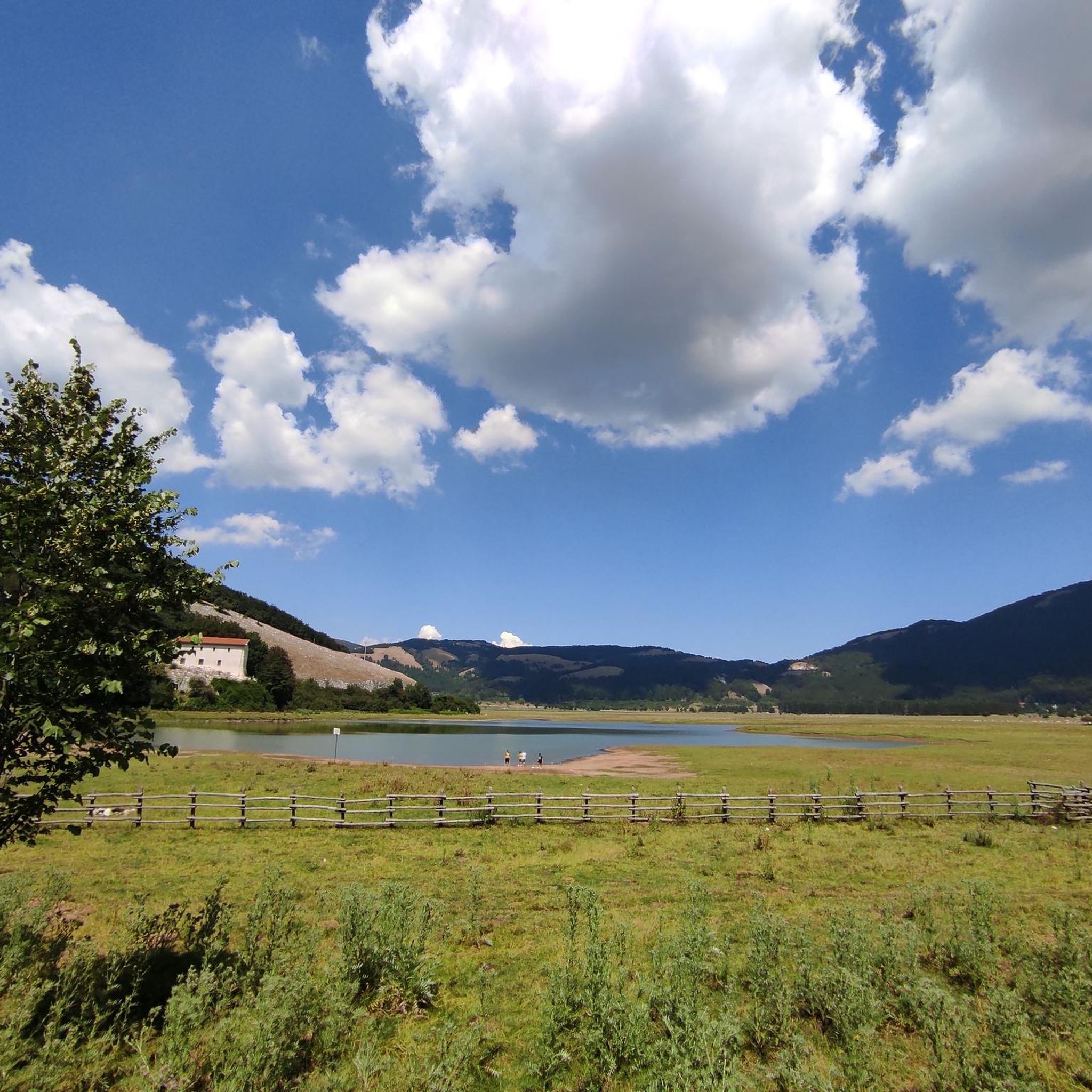
- The most popular attractions is Piano di Verteglia, a natural plateau that serves as a grazing area for herds in summer. From this location, views extend towards Monte Terminio, sweeping over Avellino and the Gulf of Salerno up to Vesuvius.
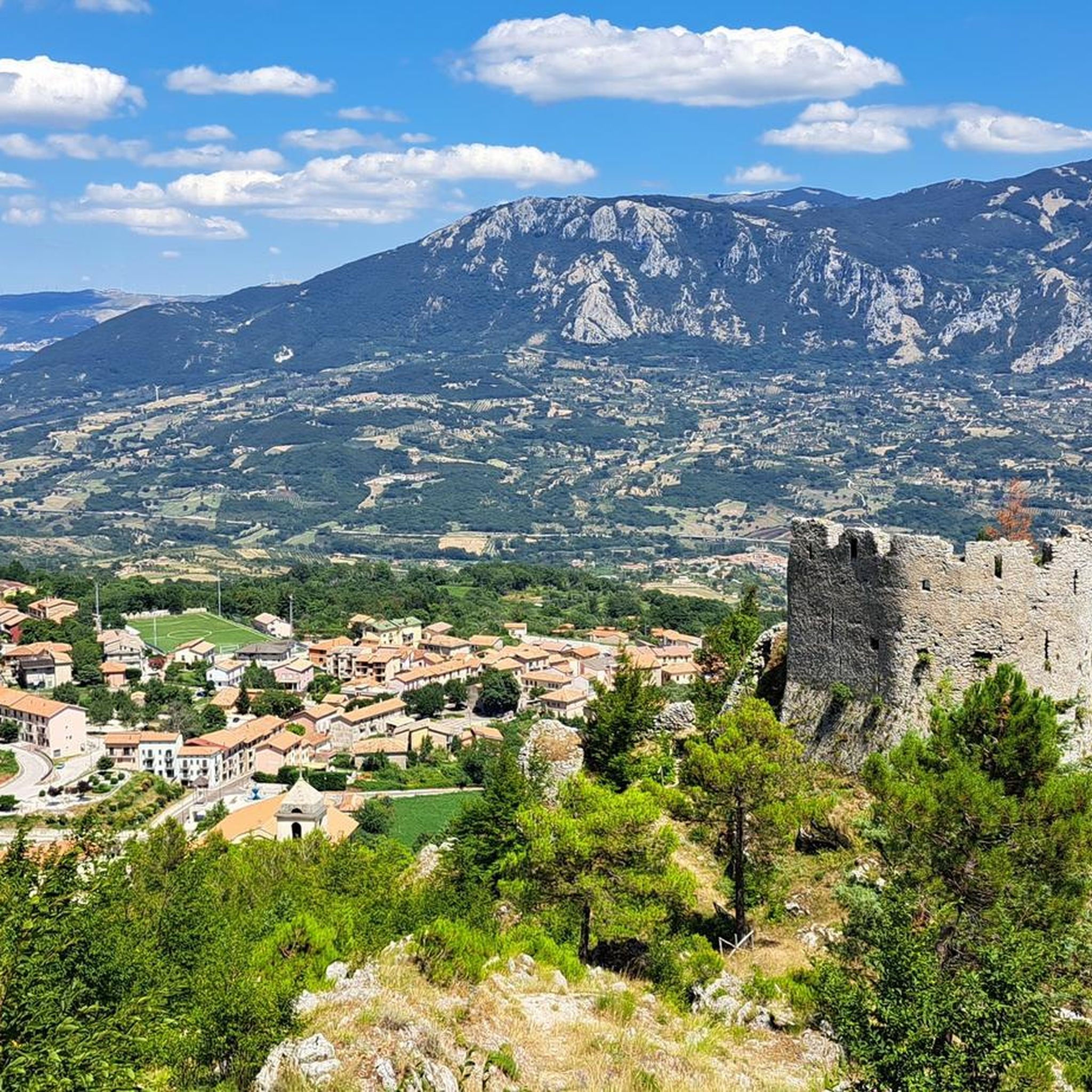
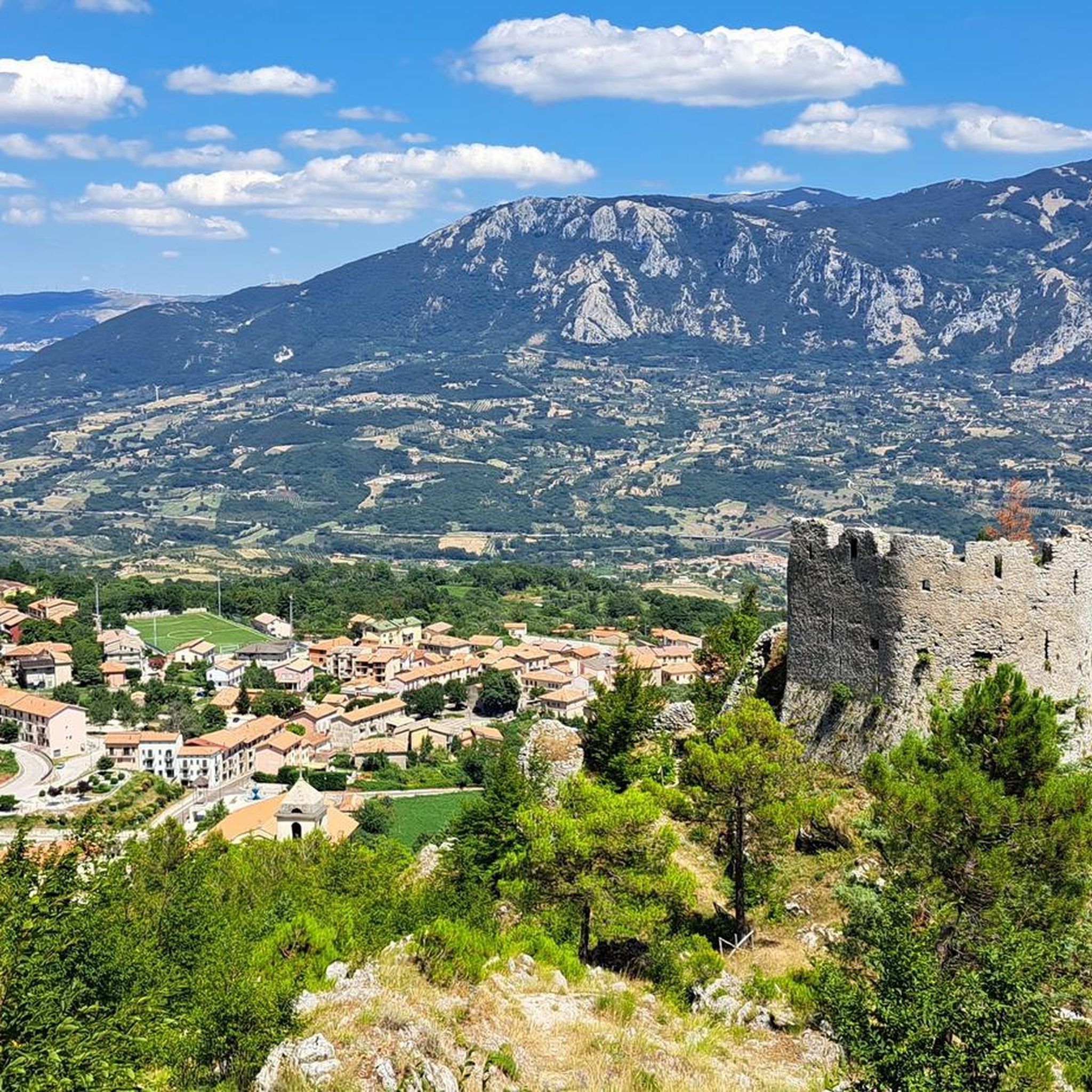
- Another must-see spot is Monumental Complex of the Mount (Church, Monastery, and Castle of Montella), a historical site featuring a 10th-century Lombard castle and an adjacent settlement dating back to the 6th-7th century. The complex includes a church with valuable wooden altars and a monastery built between 1554 and 1586.
- Visitors also love Abbey of Goleto, a religious building constructed in 1133 at the behest of San Guglielmo da Vercelli. This monastic citadel is located in Sant'Angelo dei Lombardi and is considered a suggestive place to visit.
- Nusco is known for its historical sites, natural viewpoints, and religious buildings. Visitors can explore ancient castles, serene abbeys, and scenic natural areas.
- The attractions around Nusco are appreciated by the komoot community, with 10 upvotes and 17 photos shared by visitors.
Last updated: July 7, 2026
Monumental Complex of the Mount (Church, Monastery, and Castle of Montella)
Highlight • Historical Site
Translated by Google •
Tip by

Monte Cervialto
Highlight • Summit
Translated by Google •
Tip by

Sign up now to discover places like this
Get recommendations on the best single tracks, peaks, & plenty of other exciting outdoor places.
Sign up for free
Dragon Plain
Highlight • Natural Monument
In more scientific terms it is a karst sinkhole, a sort of precipice that opens on the slopes of Monte Costa, formed after the earthquake of 1456, capable of holding about nine hundred liters of water and which constitutes the focal point of the "Bocca del Dragone ”from which the underground hydrographic network begins.
Translated by Google •
Tip by

Abbey of Goleto
Highlight • Religious Site
it was built at the behest of San Guglielmo da Vercelli in 1133.
Translated by Google •
Tip by
The rock church of Madonna del Fiume
Highlight • Religious Site
Located inside a karst cave, which can be accessed along a nature trail, this suggestive rock church dates back to the 17th century. According to tradition, its construction would follow the episode in which a chapel, located on the bank of the Meria torrent, was overwhelmed due to the overflowing of the watercourse caused, in turn, by the conspicuous rains which affected the town for several days. The cataclysmic event, however, left intact a depiction of the Virgin Mary painted on the wall, which is why the Church was erected which, still today, is a pilgrimage destination for many faithful and excursionists.
Another belief of pagan origin is also linked to the Church of the Madonna del Fiume in Calabritto: if a woman expecting a child drinks the water that drips from a particular breast-shaped stalactite, she will be assured of plenty of milk. This legend, corroborated by the fact that the Madonna del Fiume is the protector of pregnant women, means that, every year, on the occasion of Monday in Albis, the expectant Calabrian women go to the rock church, as a sign of devotion to the Virgin and auspicious for the health and growth of their children.
Emblem, perhaps unique in Irpinia, of the perfect symbiosis between faith and nature, the rock church of the Madonna del Fiume in Calabritto is a stop not to be missed for those who love to spend moments of profound reflection and contemplation.
infoirpinia.it/santuario-della-madonna-del-fiume-calabritto-percorso-trekking
Translated by Google •
Tip by

Sign up for free to discover even more attractions around Nusco.
Sign up for free
Already have an account?
Start today with a free account
Your next adventure awaits.
Login or Signup

Tips from the Community

Cervialto represents the highest peak of the Picentini mountains and is the fourth highest peak in Campania after La Gallinola in Matese (1923 meters), Cervati (1899 meters) and Mutria (1823 meters), as well as the largest in the province of Avellino. The mountain extends between the municipalities of Calabritto and Bagnoli Irpino. The summit is the border point between the two municipalities. The characteristic summit sinkhole between the summit and the sub-peak falls within the municipality of Bagnoli Irpino (IGM 1:25,000). Cervialto is known above all thanks to its proximity to the Laceno plateau (Laceno lake), a well-known tourist destination, from which it is 3.6 km away. Cervialto is surrounded by Mount Rajamagra (1,667 m) where there are ski lifts, by Mount Cervarolo, by Mount Piscacca or Magnone, by Montagnone di Nusco, by Cervarulo, by Calvello and, on the Salernitano side, by the Polveracchio massif. The Colle del Leone, the Ripe del Moggio, the Montagna Grande and the Colle del Sagrestano form the backdrop to the series of "high mountains". On one of the peaks, there is the radio station of the Firefighters of the Lioni section. ... https://it.wikipedia.org/wiki/Monte_Cervialto
1
0

It can be reached either from Ofantina, from the Sant'Angelo - Industrial Area junction there is a fast-flowing road, or from the state road that connects Lioni to Sant'Angelo or Torella d.L. If you choose, coming from Lioni, the junction for Nusco-Bagnoli (turn left immediately before the petrol station) there are roads with little traffic and with the scenic complex of the Picentini mountains on the left.
0
0
A place out of time, an oasis of peace as the sign in the internal entrance says ("respect this place of peace". Entering it by bike, silent and discreet, is a gesture of respect in the wake of the pilgrims on the path of San Guglielmo, patron saint of Irpinia.
0
0

Monte Cervialto with its 1809 m above sea level is the highest peak in the Picentini area. From the summit you can enjoy a spectacular panorama from the Tyrrhenian Sea to the peaks of the Lattari Mountains, from the Amalfi Coast to the Alburni Mountains, from the top of Monte Cervati in Cilento to the other peaks of the Picentini.
5
0

Incredibly suggestive place, it is undoubtedly worth a visit. Presence of toilets with drinking water to fill water bottles
0
0
To reach it, trekking clothing and sturdy shoes are recommended.
5
0
The rock church of the Madonna del Fiume of Calabritto is located in Ponticchio, a few steps from the Bard'natore waterfall. Located inside a karst cave, which can be accessed along a nature trail, this suggestive rock church dates back to the 17th century. According to tradition, its construction would follow the episode in which a chapel, located on the bank of the Meria torrent, was overwhelmed due to the overflowing of the watercourse caused, in turn, by the conspicuous rains which affected the town for several days. The cataclysmic event, however, left intact a depiction of the Virgin Mary painted on the wall, which is why the Church was erected which, still today, is a pilgrimage destination for many faithful and excursionists. Another belief of pagan origin is also linked to the Church of the Madonna del Fiume in Calabritto: if a woman expecting a child drinks the water that drips from a particular breast-shaped stalactite, she will be assured of plenty of milk. This legend, corroborated by the fact that the Madonna del Fiume is the protector of pregnant women, means that, every year, on the occasion of Monday in Albis, the expectant Calabrian women go to the rock church, as a sign of devotion to the Virgin and auspicious for the health and growth of their children. Emblem, perhaps unique in Irpinia, of the perfect symbiosis between faith and nature, the rock church of the Madonna del Fiume in Calabritto is a stop not to be missed for those who love to spend moments of profound reflection and contemplation. https://infoirpinia.it/santuario-della-madonna-del-fiume-calabritto-percorso-trekking/
5
0

It can be visited by reservation only.
5
0
Frequently Asked Questions
What historical sites can I explore in Nusco?
Nusco is rich in history. You can visit the impressive Monumental Complex of the Mount (Church, Monastery, and Castle of Montella), which includes a 10th-century Lombard castle. Within Nusco itself, explore the well-preserved Historic Center with its narrow cobblestone streets, the ruins of the Castello di Nusco, the ancient Lombard Walls, and the 17th-century Bishop's Palace.
Are there any natural attractions or scenic viewpoints near Nusco?
Absolutely. Nusco is known as the 'Balcony of Irpinia' for its stunning panoramic views over the Ofanto and Calore river valleys and the Apennine Mountains. You can also visit Piano di Verteglia, a natural plateau offering wide-ranging vistas towards Monte Terminio and even Vesuvius on clear days. The Dragon Plain, a karst sinkhole with a local legend, is another unique natural spot. Nearby, the Monti Picentini Regional Park and Fontigliano offer opportunities to enjoy forests and unspoiled landscapes.
What outdoor activities are available around Nusco?
The area around Nusco is ideal for outdoor enthusiasts. You can find numerous routes for hiking, mountain biking, and road cycling. For example, there are challenging hiking trails like the 'Rifugio Canadese – loop tour in the Parco Regionale dei Monti Picentini' or easier options like the 'Laceno Lake loop'. Explore more options on the Hiking around Nusco, MTB Trails around Nusco, and Road Cycling Routes around Nusco guide pages.
Are there family-friendly attractions in the Nusco area?
Yes, several attractions are suitable for families. Piano di Verteglia is a natural plateau where children can enjoy open spaces and observe grazing herds in summer. The Abbey of Goleto offers a serene and historically rich environment that can be interesting for all ages. Exploring Nusco's medieval Historic Center with its charming streets and squares is also a pleasant family activity.
Where can I experience local culture and traditions in Nusco?
Nusco offers several cultural experiences. Visit the Museo Etnomusicale Comunale, which showcases musical instruments and documents related to the town's folk traditions, especially the Carnival. The Diocesan Museum and the Museum of the Treasury Hall of the Cathedral also preserve significant historical and artistic heritage. If you visit in mid-January, you might experience 'La Notte dei Falò' (Bonfire Night), a traditional festival in honor of Saint Anthony with large fires, music, and food.
What are some unique or 'hidden gem' places to visit around Nusco?
For a truly unique experience, seek out The rock church of Madonna del Fiume, located within a karst cave accessible via a nature trail. This 17th-century church is steeped in local legends and offers a perfect blend of faith and nature. The Eremo e Grotta del Salvatore, formerly known as the Grotto of the Angel, is another intriguing hermitage and grotto on the 'path of the Angel'.
Can I find religious sites of interest in Nusco?
Nusco has a strong ecclesiastical heritage. The Cathedral of Sant'Amato is the town's spiritual heart, featuring Baroque altars and sacred relics. Other notable churches include the Church of Saint Anthony with its Renaissance portal, the Church of the SS. Trinità known for its medieval frescoes, and the Church of San Giuseppe with its late-Baroque façade. Don't miss the Abbey of Goleto, a significant monastic citadel nearby.
What is the best time of year to visit Nusco for sightseeing?
Nusco is beautiful throughout the year, but spring (April-June) and autumn (September-October) generally offer the most pleasant weather for exploring the historic center, enjoying panoramic views, and engaging in outdoor activities like hiking. The mild temperatures and vibrant natural colors make these seasons particularly appealing.
Are there museums in Nusco?
Yes, Nusco hosts several museums. The Diocesan Museum, housed in the Episcopal Palace, displays the historical and artistic heritage of the local communities. Within the Cathedral, you'll find the Museum of the Treasury Hall, preserving sacred objects and relics. Additionally, the Museo Etnomusicale Comunale focuses on local folk traditions and musical instruments, and the Museo dei Parati Sacri showcases precious sacred vestments.
What kind of views can I expect from Nusco?
From Nusco, often called the 'Balcony of Irpinia,' you can expect breathtaking, wide-ranging panoramic views. The town's elevated position at 914 meters above sea level provides stunning vistas over the valleys of the Ofanto and Calore rivers, as well as the surrounding Apennine Mountains and lush forests. The ruins of the Castello di Nusco and Piazza Natale are excellent spots to take in these scenic landscapes.
What is the <a href="https://www.komoot.com/highlight/4843577" target="_blank" rel="noopener">Monumental Complex of the Mount</a>?
The Monumental Complex of the Mount, located just above Montella, is a significant historical site. It comprises a 10th-century Lombard castle, an adjacent settlement dating back to the 6th-7th century, a church with valuable wooden altars, and a monastery built between 1554 and 1586. Excavations have revealed Lombard and early medieval finds, and the complex played a notable role in medieval history, even hosting King Alfonso the Magnanimous for a hunting expedition.
What is the significance of the <a href="https://www.komoot.com/highlight/4550229" target="_blank" rel="noopener">Abbey of Goleto</a>?
The Abbey of Goleto is a profoundly suggestive monastic citadel located in Sant'Angelo dei Lombardi. It was founded in 1133 by San Guglielmo da Vercelli and is considered an oasis of peace. Visitors often describe it as a place 'out of time,' offering a unique spiritual and historical experience.
Most popular attractions around Nusco

Get inspired with the komoot mobile app


Explore more
Still not found the Highlight you’re looking for? See guides of the top attractions in other regions:
