Attractions and Places To See around Rocchetta Sant'Antonio - Top 11
Best attractions and places to see around Rocchetta Sant'Antonio include a blend of historical sites, cultural experiences, and natural landscapes. This area, nestled in the Daunian Apennines, features hilltop villages, ancient ruins, and significant natural monuments. Visitors can explore a rich historical ambiance alongside serene natural settings like lakes and gorges. The region offers diverse points of interest for those seeking both cultural depth and outdoor exploration.
Best attractions and places to see around Rocchetta Sant'Antonio
- The most popular attractions is Ascoli Satriano, a settlement of pre-Roman origins. This small city was historically significant in battles between Rome and Hannibal, and its ancient village features a Basilica Cathedral and a Norman castle.
- Another must-see spot is Candela Historic Hilltop Town, a picturesque settlement located in the southern Dauni mountains. Its historic center is perched on hills, offering a unique perspective on the surrounding landscape and housing a 17th-century building.
- Visitors also love Carbonara Archaeological Park, a historical site with intact urban fabric and ruins. This park features an eighteenth-century fountain, the Museum of the Itinerant Cities, and remains of ancient buildings, appearing as a medieval Pompeii.
- Rocchetta Sant'Antonio is known for its historical settlements, archaeological parks, and natural features like lakes and gorges. The area offers a variety of attractions to see and explore, from ancient ruins to serene natural basins.
- The attractions around Rocchetta Sant'Antonio are appreciated by the komoot community, with 9 upvotes and 6 photos shared by visitors.
Last updated: May 9, 2026
Ascoli Satriano
Highlight • Settlement
Translated by Google •
Tip by

Candela Historic Hilltop Town
Highlight • Settlement
Translated by Google •
Tip by

Sign up now to discover places like this
Get recommendations on the best single tracks, peaks, & plenty of other exciting outdoor places.
Sign up for free
Carbonara Archaeological Park
Highlight • Historical Site
Translated by Google •
Tip by

Lake San Pietro
Highlight • Lake
In the sixties, the Capitanata di Foggia decided to build this reservoir to allow the collection of the torrent waters, and then put them in the riverbed during drought periods, to be used for irrigation purposes in the lands of the nearby Puglia. The artificial reservoir has a maximum full capacity of 17,100,000 cubic meters and is delimited by the municipal boundaries of Monteverde, Aquilonia and Lacedonia, all common members of the Alta Irpinia Mountain Community. Lake San Pietro or Aquilaverde (i.e. Aquilonia - Monteverde) today is a place of peace and rare beauty due to the very green crown of the surrounding pine forests and is a wetland affected by the passage of migratory fauna. Only the large dam makes us remember that we are on the banks of an artificial basin. In the part closest to the access road, the bank is low and slopes gently into the water; the other bank is characterized by large rocky walls, dominated by abundant vegetation. A large picnic area develops along the north-east side of the lake
Translated by Google •
Tip by
Accadia Gorges – Pietra di Punta
Highlight • Gorge
Translated by Google •
Tip by

Sign up for free to discover even more attractions around Rocchetta Sant'Antonio.
Sign up for free
Already have an account?
Start today with a free account
Your next adventure awaits.
Login or Signup
Popular around Rocchetta Sant'Antonio
Tips from the Community

Less than a kilometer from the town center, along the provincial road, you can easily see the path that leads to Pietra di Punta. At the end of the path there is a small waterfall, active depending on the flood of the stream. Parking along the road.
0
0

Candela is a picturesque town located in the southern Dauni mountains, with its historic center rising on the hills of San Rocco and San Tommaso. The municipal territory, between the Carapelle and Ofanto rivers, marks the end of the Pescasseroli-Candela sheep track, an ancient grassy transhumance route 211 km long. With a population of 2,495 inhabitants, Candela is a municipality in the province of Foggia, in Puglia. A place where history and nature blend, offering a fascinating perspective on the southern Dauni mountains.
1
0

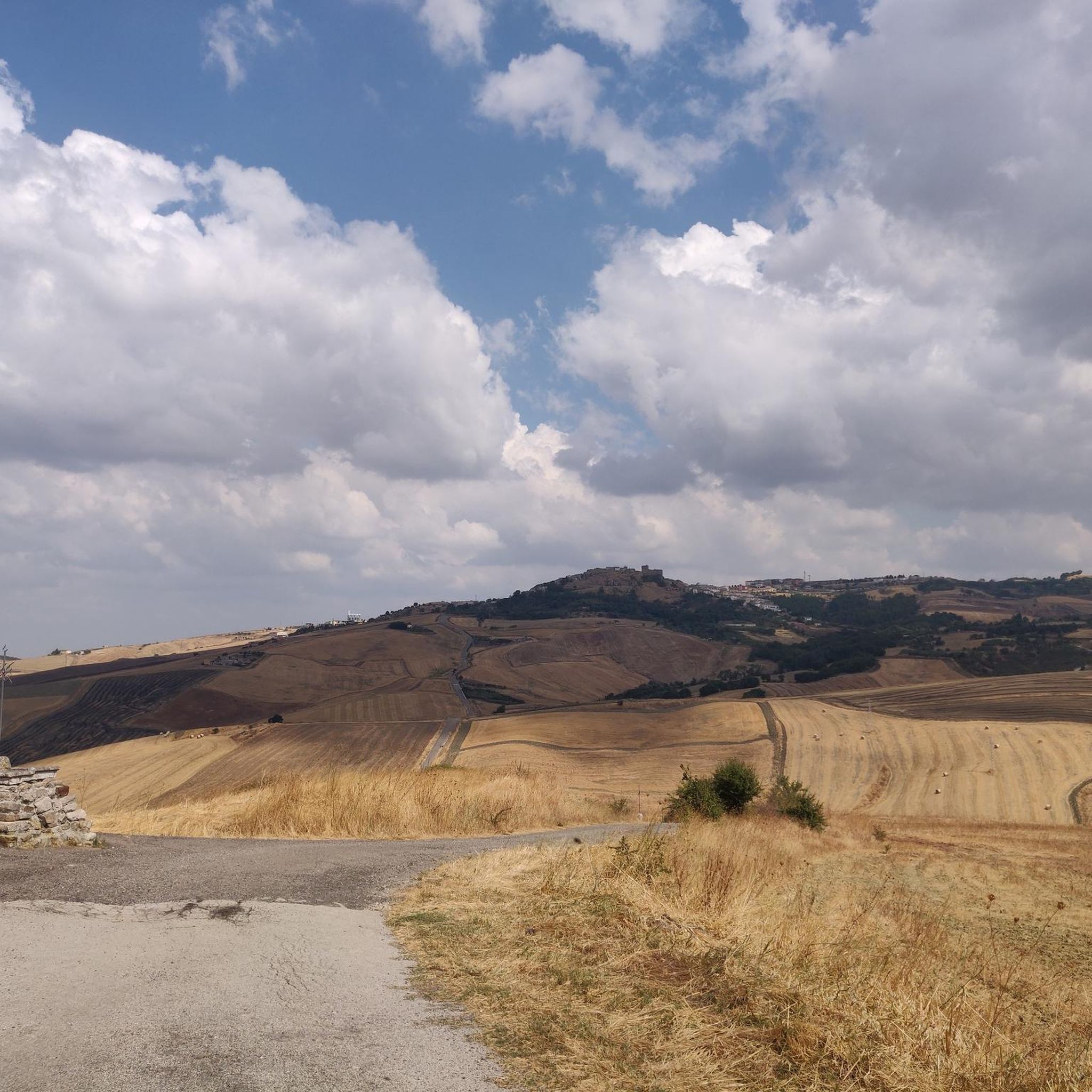
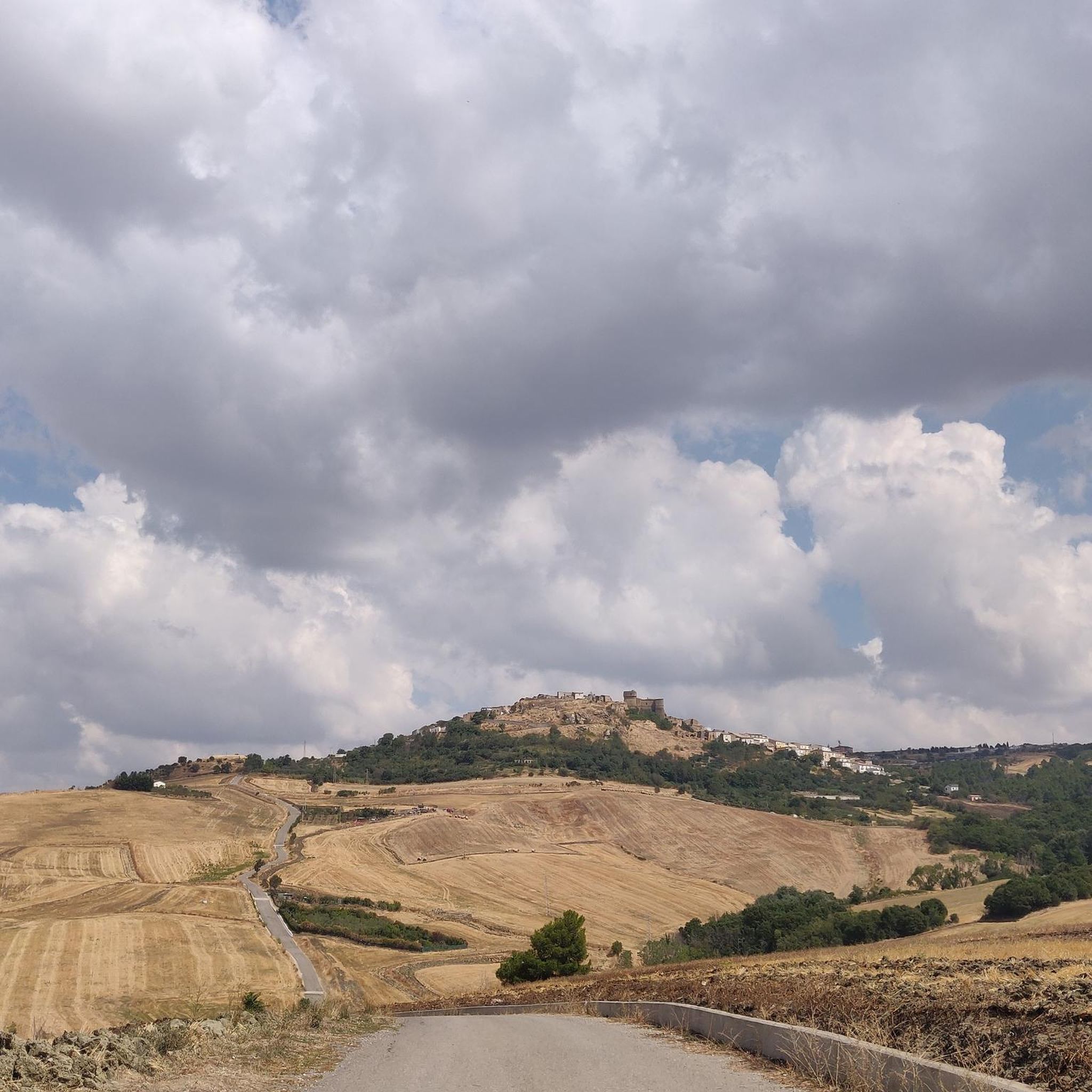
Ascoli Satriano is a small city of pre-Roman origins, historically the scene of important battles between Rome and Hannibal. The ancient village is accessed from the Porta di Sant'Antonio Abate, and through characteristic alleys you can visit the Basilica Cathedral Nativity of the Blessed Virgin Mary, the Norman castle which was also the ducal palace, the Clock Tower and the Arch of Porta Nuova .
1
0
Candela is a village in the southern Dauni Mountains with a characteristic historic center perched on a hill. A particular tourist attraction of the village is the Santa Claus House. It is located in Palazzo Ripandelli, a 17th century building, and is furnished with typical Christmas objects and decorations. It also houses the Toy Museum and can be visited during the Christmas period.
1
1

Artificial basin set in the Campania Apennines at 460 m above sea level. It receives its water from the Osento stream that originates in the Lacedonia area and has a fair flow of water, especially in winter. In the sixties, the Capitanata di Foggia decided to build this reservoir to allow the collection of the torrent waters, and then put them in the riverbed during drought periods, to be used for irrigation purposes in the lands of the nearby Puglia. The artificial reservoir has a maximum full capacity of 17,100,000 cubic meters and is delimited by the municipal boundaries of Monteverde, Aquilonia and Lacedonia, all common members of the Alta Irpinia Mountain Community. Lake San Pietro or Aquilaverde (i.e. Aquilonia - Monteverde) today is a place of peace and rare beauty due to the very green crown of the surrounding pine forests and is a wetland affected by the passage of migratory fauna. Only the large dam makes us remember that we are on the banks of an artificial basin. In the part closest to the access road, the bank is low and slopes gently into the water; the other bank is characterized by large rocky walls, dominated by abundant vegetation. A large picnic area develops along the north-east side of the lake
0
0
The ruins of Carbonara. Inside the Borgo there is a large Archaeological Park, which still has the urban fabric intact, an eighteenth-century fountain with drinking troughs and wash houses, the Museum of the Itinerant Cities, the Palazzo of the Vitale family, to the visitors who pass through it every day , the ancient Carbonara, appears as a medieval Pompeii. In the Archaeological Park, in addition to the ruins of the mother church and the beautiful pavement of Piazza Municipio, where the two churches (S. Giovanni and the Immaculate Conception), the Town Hall, the Magistrate's Court, Monte Frumentario and the Carceri stood, you can also admire the remains of ancient buildings (De Feo, Cerulli, Giurazzi). The square, recomposed with the wings of the palaces and churches, is used as a container for concerts of traditional music and songs, for ritual and theatrical performances and for historical re-enactments. Beyond the abandoned urban perimeter there is the extramoenic church of the Maddalena. (DO)
0
0
Frequently Asked Questions
What historical sites can I explore in Rocchetta Sant'Antonio?
Rocchetta Sant'Antonio is rich in history. You can visit the impressive Ducal Castle (Castello D'Aquino), a medieval fortress offering panoramic views. The Chiesa Madre di San Nicola showcases beautiful Baroque architecture. Don't miss exploring the charming Historic Centre and Vicoli, which reveal an atmospheric blend of medieval and Renaissance palaces. Additionally, the Carbonara Archaeological Park offers a glimpse into ancient urban fabric and ruins, often described as a medieval Pompeii.
Are there any natural attractions or viewpoints near Rocchetta Sant'Antonio?
Yes, the area offers several natural highlights. The village itself provides wide views over the Ofanto valley. You can also find numerous fountains, with the Pescarella fountain being particularly famous for its sweet-tasting water. For a more immersive nature experience, the nearby Bosco di Rocchetta Sant'Antonio Nature Reserve offers lush greenery and scenic trails. Another notable natural feature is the Accadia Gorges – Pietra di Punta, which features a small waterfall depending on the stream's flow.
What are some popular towns or settlements to visit in the vicinity?
Beyond Rocchetta Sant'Antonio, you can explore other historically significant settlements. Ascoli Satriano is a small city of pre-Roman origins, known for its ancient village, Basilica Cathedral, and Norman castle. Another picturesque option is Candela Historic Hilltop Town, located in the southern Dauni mountains, with a characteristic historic center perched on a hill.
Are there any family-friendly activities or attractions?
While specific children's activities are not detailed, the natural surroundings offer opportunities for family outings. The Lake San Pietro, an artificial basin, is considered family-friendly and features a large picnic area along its north-east side, perfect for a relaxing day outdoors. Exploring the historic centers of Rocchetta Sant'Antonio or Candela can also be an engaging experience for families interested in history and culture.
What kind of outdoor activities can I do around Rocchetta Sant'Antonio?
The region around Rocchetta Sant'Antonio is ideal for various outdoor activities. You can find numerous routes for cycling, mountain biking, and road cycling. For example, there are challenging road cycling tours like the 'Sant'Agata di Puglia and Accadia Loop' or more moderate cycling routes around Lake San Pietro. Mountain biking enthusiasts can explore trails such as the 'Fontana Maruggia loop'. You can find detailed routes and guides for these activities on the Road Cycling Routes around Rocchetta Sant'Antonio, Cycling around Rocchetta Sant'Antonio, and MTB Trails around Rocchetta Sant'Antonio guide pages.
Where can I find water sources or fountains in the area?
Rocchetta Sant'Antonio is known for its abundant water sources and numerous fountains. The Pescarella fountain is particularly famous for its sweet-tasting water and beneficial effects. Other notable fountains include Fontana d'uva, Fontana Nuova, Fontana r'morc, Fontana San Lorenzo, and Fontana San Martino, many of which are found within or near the village.
What is the significance of the Ducal Castle in Rocchetta Sant'Antonio?
The Ducal Castle (Castello D'Aquino) is a prominent symbol of Rocchetta Sant'Antonio's history, positioned at the highest point of the village. This imposing medieval fortress, with its surviving walls and towers, offers panoramic views over the Ofanto valley. It features an almond-shaped tower, possibly designed by Francesco Di Giorgio Martini, considered one of the most beautiful in the area. Although privately owned, its exterior and historical significance make it a major draw.
Are there any religious sites worth visiting?
Yes, Rocchetta Sant'Antonio has a strong religious character. The central Chiesa Madre di San Nicola (Mother Church of Santa Maria Assunta) is a must-see, showcasing Baroque architecture and art, including the 16th-century 'Madonna del cardellino'. Its striking octagonal bell tower is particularly noteworthy. The Church of Sant'Antonio di Padova is also significant as it gave the village the second half of its name. Other churches like Maddalena, Santa Maria delle Grazie, and San Giuseppe, along with the Marian shrine of Santa Maria in Giuncarico ('l'Annunziata') and the Church of the Madonna del Pozzo, are important local sites.
What is the best time to visit Rocchetta Sant'Antonio?
While specific seasonal recommendations are not provided, the region's agricultural traditions, particularly grape and olive cultivation, suggest that spring and autumn might be pleasant for exploring the natural landscapes and enjoying local produce. The annual gastronomy festivals also indicate vibrant cultural experiences during certain times of the year. For outdoor activities like cycling and hiking, milder weather in spring and early autumn is generally preferred.
What makes the Carbonara Archaeological Park unique?
The Carbonara Archaeological Park is unique because it preserves an intact urban fabric and ruins, giving visitors the impression of a 'medieval Pompeii'. Within the park, you can find an eighteenth-century fountain, the Museum of the Itinerant Cities, and remains of ancient buildings. The main square, with its reconstructed wings of palaces and churches, is often used for traditional music concerts, theatrical performances, and historical re-enactments.
Can I find any lakes or artificial basins in the area?
Yes, the Lake San Pietro is an artificial basin nestled in the Campania Apennines. It's known for its peaceful setting and the very green crown of surrounding pine forests. The lake is also a wetland, attracting migratory fauna. It's a great spot for a picnic, with a large area developed along its north-east side.
What are the local traditions or cultural events in Rocchetta Sant'Antonio?
Rocchetta Sant'Antonio is recognized for its traditional agricultural practices, especially grape and olive cultivation, and is famous for its annual gastronomy festivals. The town retains strong rural traditions, with festivals celebrating seasonal produce and regional crafts. The entire village is often described as an 'open-air museum,' highlighting its rich history, traditions, and architectural wonders.
Most popular routes around Rocchetta Sant'Antonio
Most popular attractions around Rocchetta Sant'Antonio

Get inspired with the komoot mobile app


Explore more
Still not found the Highlight you’re looking for? See guides of the top attractions in other regions:
