Attractions and Places To See around San Nazzaro - Top 20
Best attractions and places to see around San Nazzaro include a variety of historical sites, natural monuments, and cultural landmarks. This region, likely situated in Campania, Italy, offers insights into ancient history and diverse landscapes. Visitors can explore preserved historical structures and natural features like gorges. The area provides opportunities to experience both man-made heritage and the natural environment.
Best attractions and places to see around San Nazzaro
- The most popular attractions is Stretto di Barba, a gorge that…
Last updated: July 7, 2026
Church of Santa Sofia
Highlight • Religious Site
Translated by Google •
Tip by

Altavilla Irpina Fountain
Highlight • Rest Area
Translated by Google •
Tip by
Sign up now to discover places like this
Get recommendations on the best single tracks, peaks, & plenty of other exciting outdoor places.
Sign up for free
Stretto di Barba
Highlight • Gorge
Translated by Google •
Tip by
Ancient Sulphur Mine of Tufo
Highlight • Historical Site
Translated by Google •
Tip by
Fountain of the Duke of San Donato
Highlight • Monument
It is fully functional and the water is fresh
Translated by Google •
Tip by
Sign up for free to discover even more attractions around San Nazzaro.
Sign up for free
Already have an account?
Start today with a free account
Your next adventure awaits.
Login or Signup


Tips from the Community

This fountain is an essential reference point for the hundreds of cyclists who travel this road
3
0

The Church of Santa Sofia represents one of the most important and best preserved early medieval buildings in Italy.
0
0
A monastery was annexed to the religious building, today home to the Sannio Museum
0
0

Drinking fountain before going up to the town of Altavilla Irpina
0
0

Fountain with always present and very fresh water
0
0

The church of Santa Sofia is on the list of UNESCO World Heritage Sites, together with other places that make up the serial site "Lombards in Italy".
1
0

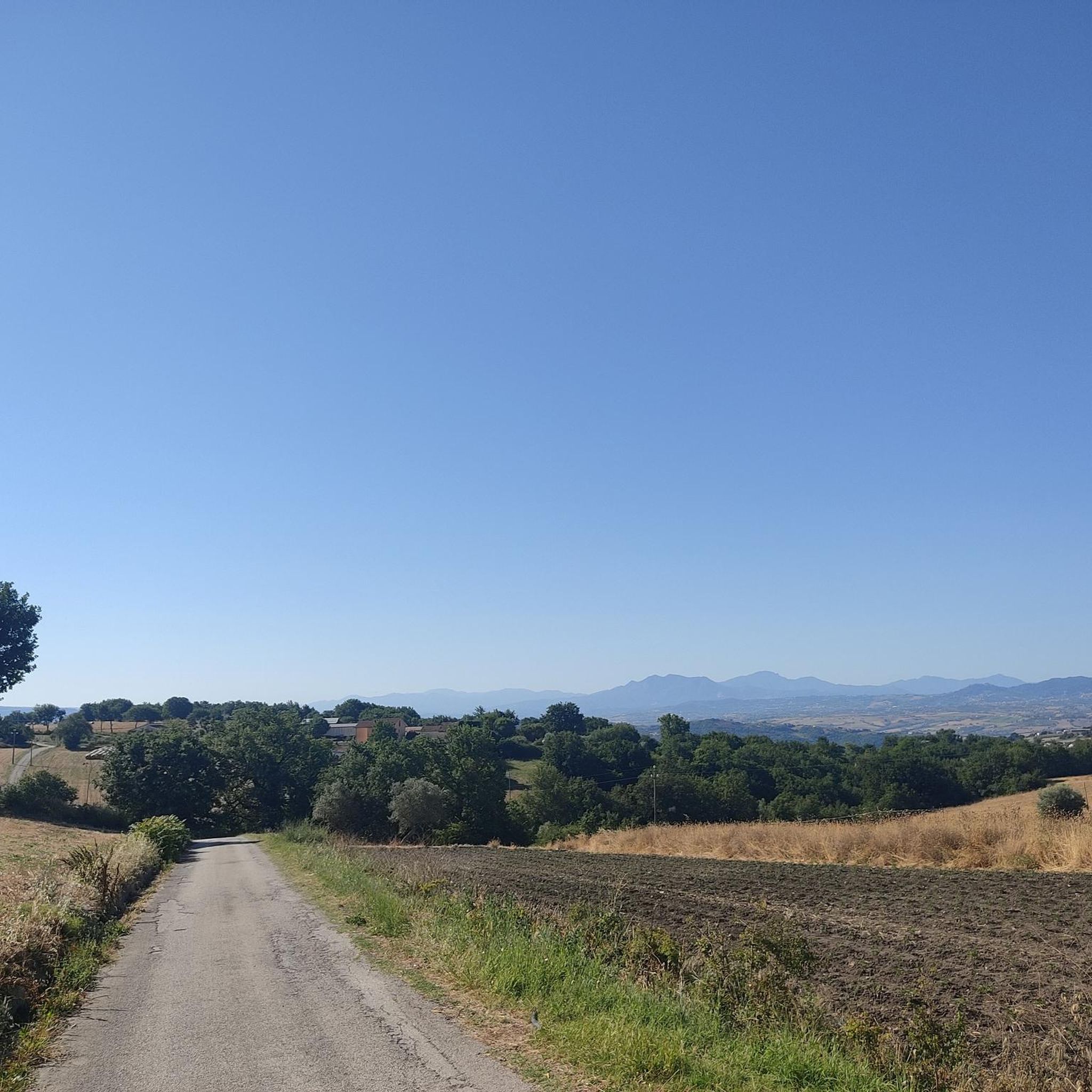
scenic route in the municipalities that produce Greco di Tufo
2
0
UNESCO World Heritage Site, it is part of the serial site "Lombards in Italy: the places of power", including seven places full of architectural, pictorial and sculptural evidence of Lombard art. The central hexagonal plan refers to that of the homonymous church in Constantinople: in the center six columns are arranged at the top and connected by arches that support the dome. It is one of the most important examples of Lombard architecture in the Langobardia Minor, even if over the centuries it has been remodeled several times, until it acquires its modern appearance.
2
0
Frequently Asked Questions
What historical sites can I explore around San Nazzaro?
The region around San Nazzaro is rich in history. You can visit the Church of Santa Sofia, a UNESCO World Heritage Site in Benevento known for its unique Lombard architecture. Another significant historical spot is the Ancient Sulphur Mine of Tufo, offering a glimpse into the area's industrial past. Nearby Benevento also features the well-preserved Arch of Trajan and a Roman Theatre.
Are there any natural attractions or scenic viewpoints near San Nazzaro?
Absolutely. The Stretto di Barba is a highly evocative gorge in the Sabato valley, offering scenic views, especially during winter and spring when the river is full. The broader Campania region is also home to iconic natural features like Mount Vesuvius and the stunning Amalfi Coast, providing breathtaking landscapes and panoramic vistas.
What outdoor activities can I do near these attractions?
The area around San Nazzaro is excellent for outdoor activities, particularly cycling. You can find various routes for touring bicycles, road cycling, and mountain biking. Explore options like the 'Benevento and Apice Vecchia Loop' for touring, the 'Church of Santa Sofia – Piazza Castello, Benevento loop' for road cycling, or the 'Apice Vecchia – Castello dell'Ettore loop' for mountain biking. You can find detailed routes and guides at Cycling around San Nazzaro, Road Cycling Routes around San Nazzaro, and MTB Trails around San Nazzaro.
Are there family-friendly attractions around San Nazzaro?
Yes, several attractions are suitable for families. The Church of Santa Sofia is a cultural site that can be interesting for older children. For more practical stops, the Altavilla Irpina Fountain and the Fountain of the Duke of San Donato offer pleasant spots to rest and refill water bottles, which can be convenient during family outings.
When is the best time to visit the Stretto di Barba gorge?
The Stretto di Barba is particularly captivating during winter and spring. This is when the river is at its full capacity, enhancing the natural beauty and evocative atmosphere of the gorge.
What is the significance of the Church of Santa Sofia?
The Church of Santa Sofia is a UNESCO World Heritage Site, recognized as a prime example of Lombard architecture. It features a distinctive central hexagonal plan and is part of the 'Lombards in Italy: the places of power' serial site, showcasing significant architectural, pictorial, and sculptural evidence of Lombard art. A monastery annexed to the church now houses the Sannio Museum.
Can I find places to refill water bottles during my explorations?
Yes, there are convenient spots to refill your water bottles. The Altavilla Irpina Fountain, located at the start of the climb to Altavilla, is known for its always-present and very fresh water. Similarly, the Fountain of the Duke of San Donato is fully functional and provides fresh water.
What is the Ancient Sulphur Mine of Tufo?
The Ancient Sulphur Mine of Tufo is a historical site near Tufo station. This partially restored mine offers a unique insight into the region's industrial heritage and past mining operations.
What do visitors appreciate most about the attractions around San Nazzaro?
Visitors particularly enjoy the blend of historical depth and natural beauty. The Stretto di Barba is praised for its evocative scenery, while the Church of Santa Sofia is valued for its historical significance and architectural beauty. The region's ability to offer both ancient heritage and scenic natural formations is highly appreciated.
Are there any famous Roman ruins in the vicinity of San Nazzaro?
Yes, the broader region of Campania is home to some of the most famous Roman ruins. While not directly in San Nazzaro, the ancient city of Pompeii, preserved under volcanic ash, offers an unparalleled glimpse into Roman daily life. In nearby Benevento, you can also find the impressive Arch of Trajan and a Roman Theatre.
What is the Sabato valley known for, besides the Stretto di Barba?
The Sabato valley, where the Stretto di Barba is located, is also recognized for its scenic routes that pass through municipalities known for producing Greco di Tufo wine. This makes it an attractive area for those interested in local viticulture and picturesque drives.
Is the region around San Nazzaro part of a larger historical or cultural area?
Yes, the region is part of Campania, a historically rich area in Southern Italy. The Church of Santa Sofia, for instance, is a UNESCO World Heritage Site, part of a serial site dedicated to Lombard power in Italy. The area's history spans from ancient Roman times to the Lombard period, offering a deep cultural experience.
Most popular attractions around San Nazzaro

Get inspired with the komoot mobile app


Explore more
Still not found the Highlight you’re looking for? See guides of the top attractions in other regions:
