The best walks and hikes around Schrattenberg
4.8
(243)
1,585
hikers
97
hikes
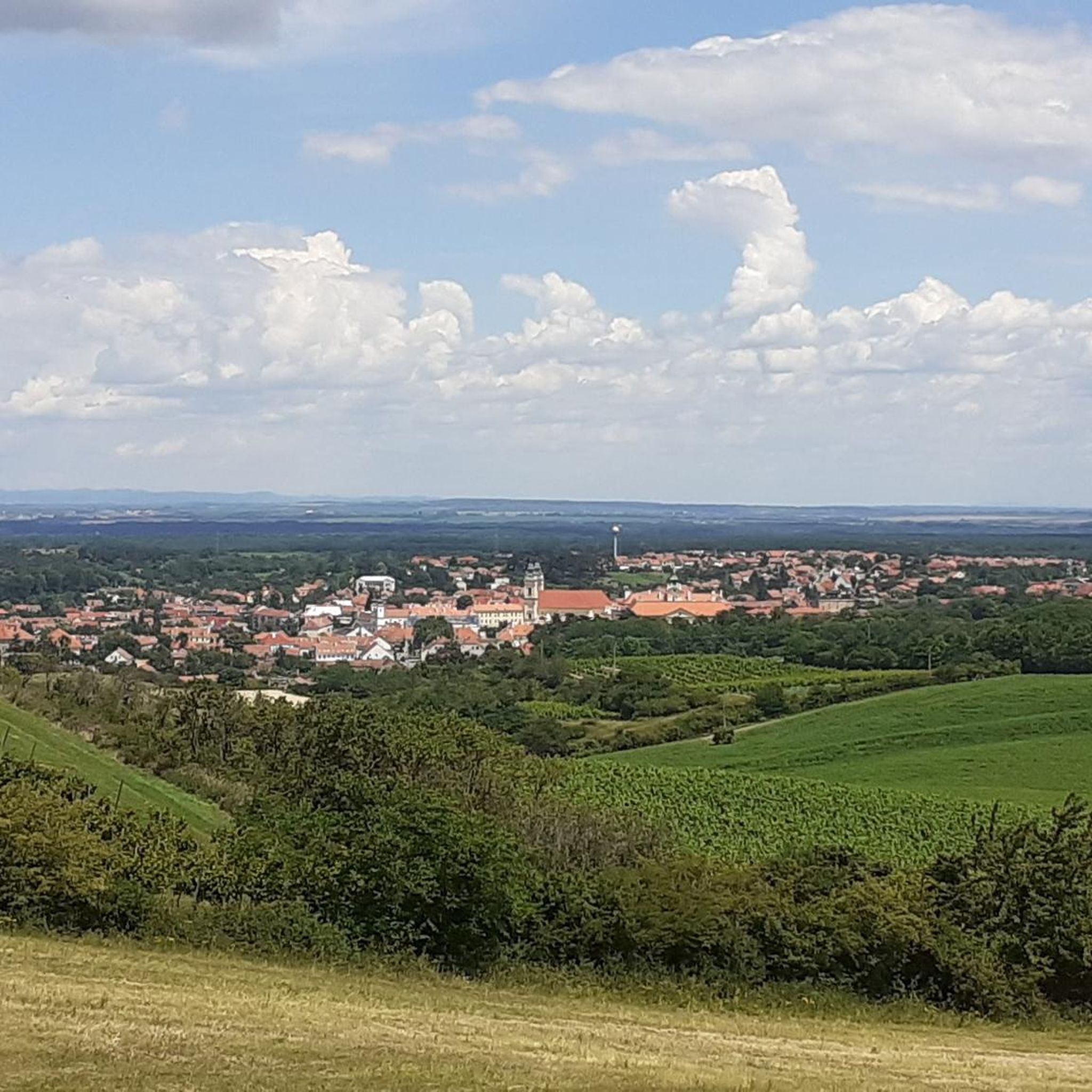
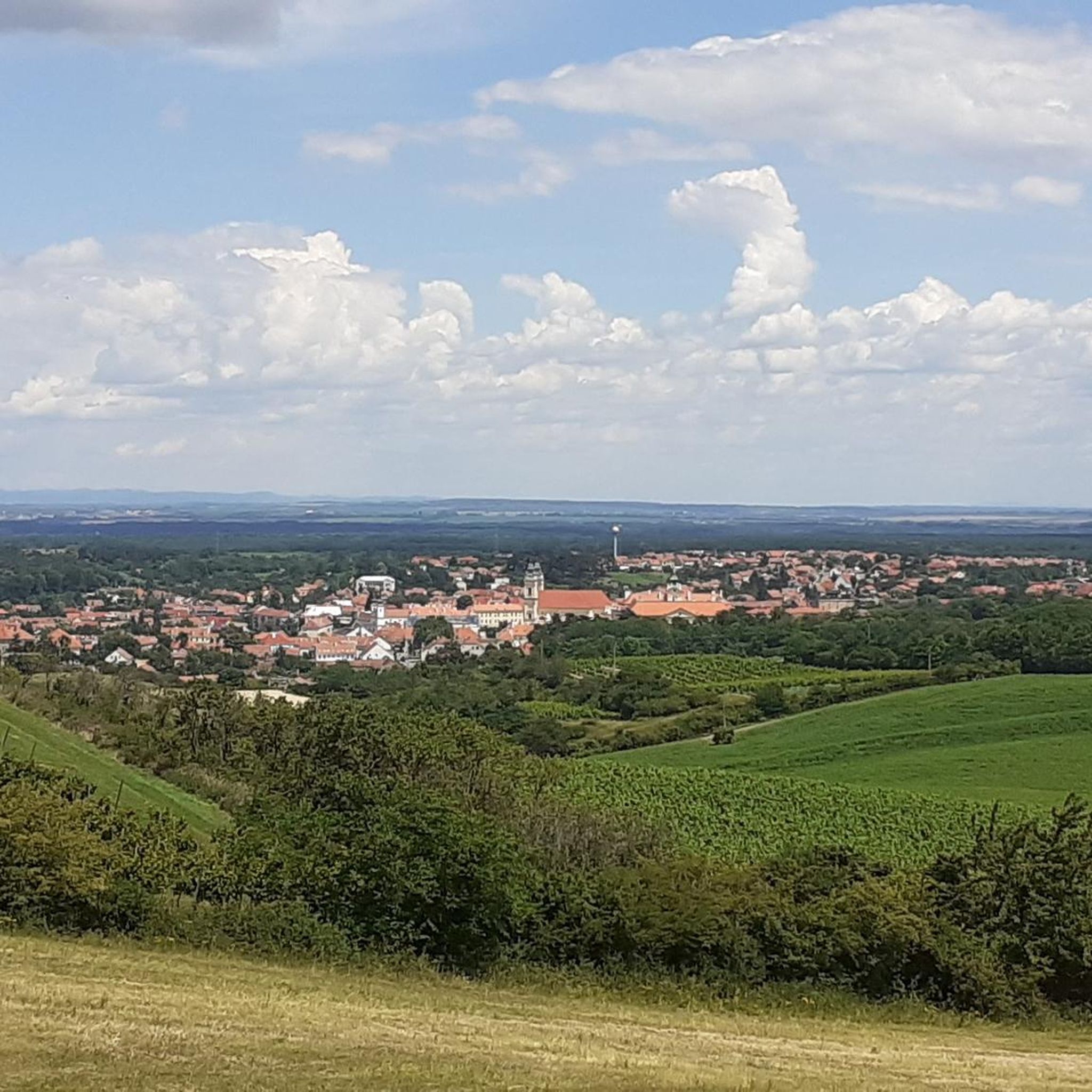
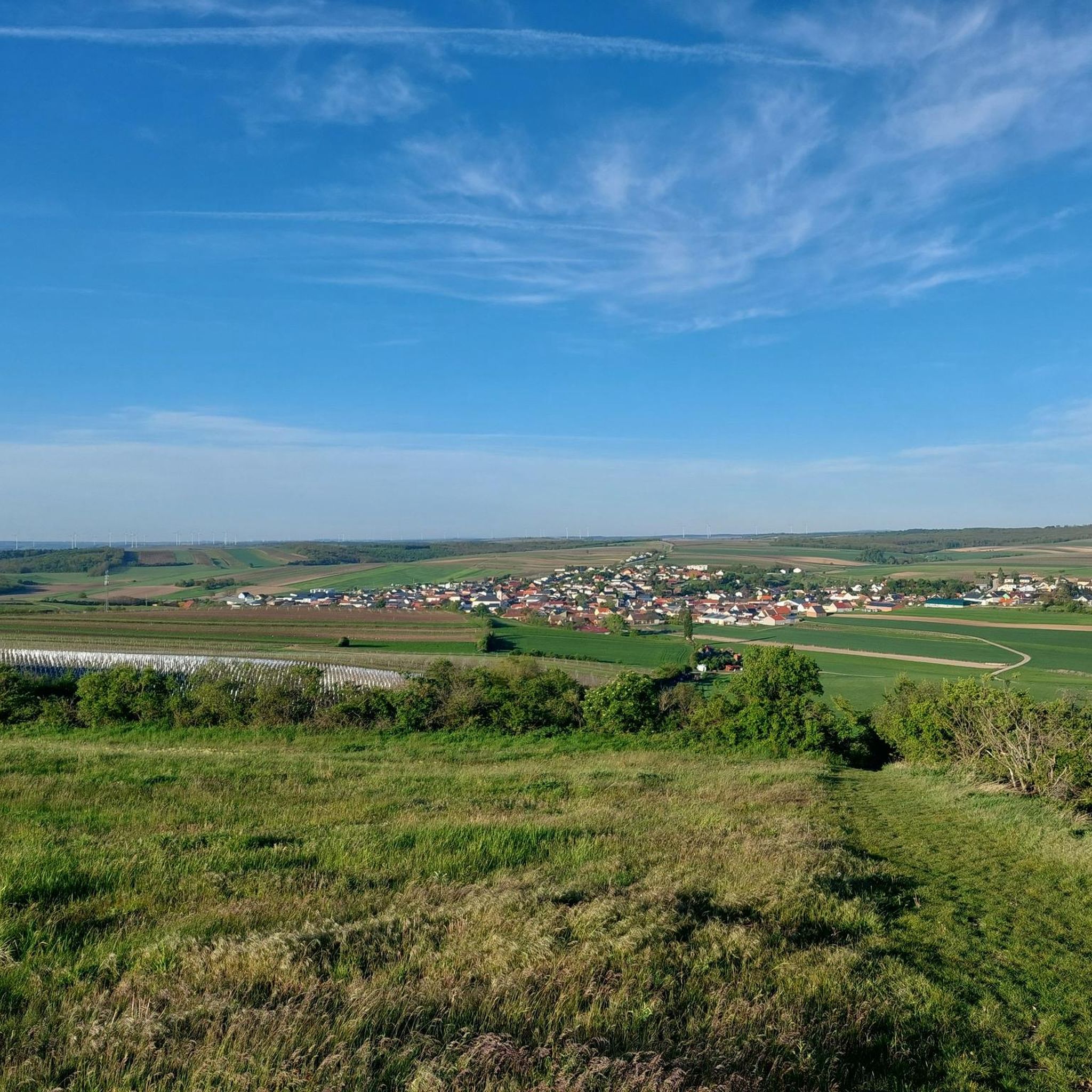
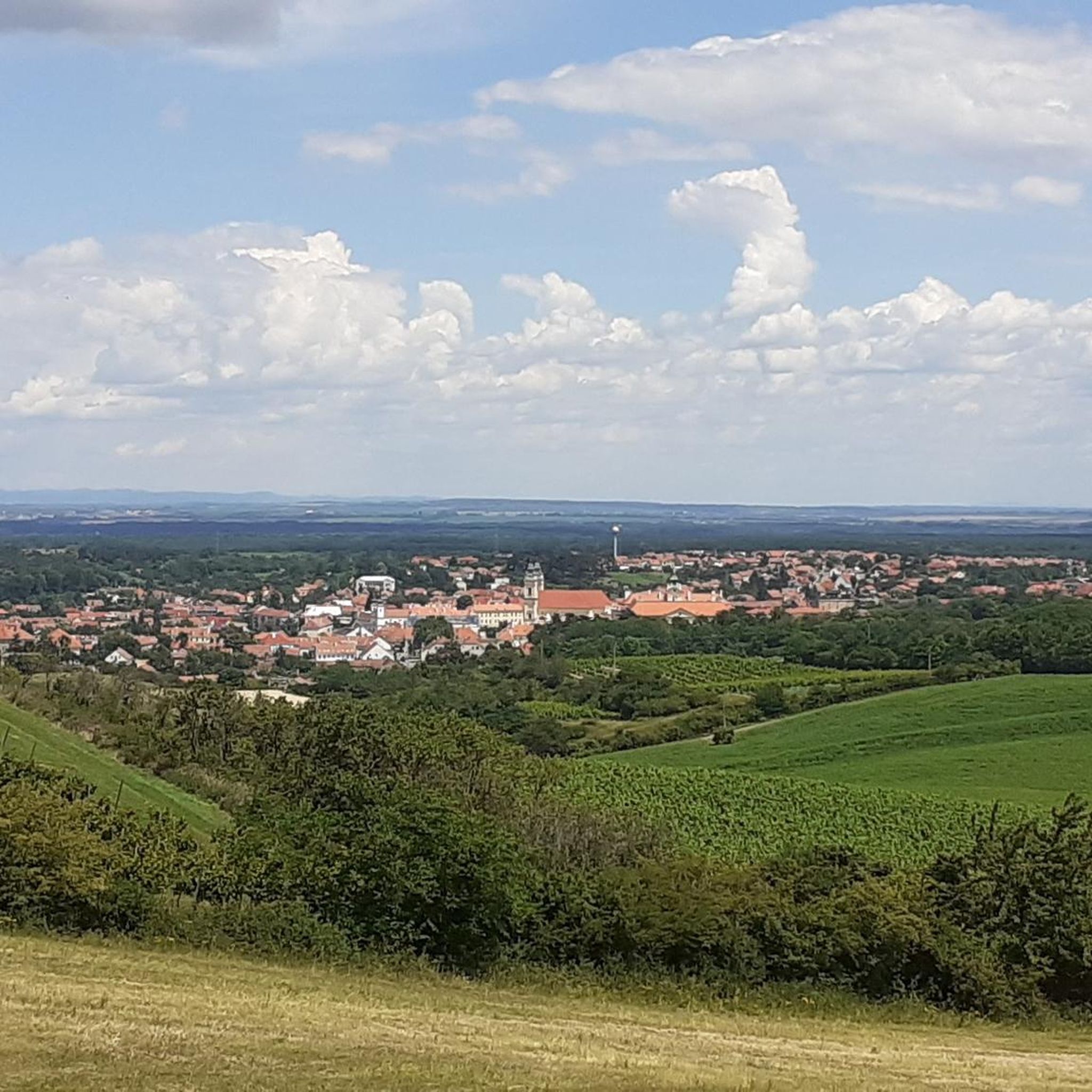
Hiking around Schrattenberg offers diverse landscapes in Lower Austria, characterized by rolling hills, extensive vineyards, and unique cellar lanes. The terrain primarily consists of gentle ascents and descents, making it accessible for various fitness levels. Natural features include picturesque loess walls and a canopy of leaves along historical paths. The region provides a mix of open country views and paths through agricultural areas.
Best hiking trails around Schrattenberg
- The most popular hiking route is Radyweg Cellar Lane – Falkenstein Wine…
Last updated: May 4, 2026
5.0
(6)
31
hikers
Hard hike. Very good fitness required. Easily-accessible paths. Suitable for all skill levels.
5.0
(1)
5
hikers
9.32km
02:31
120m
120m
Moderate hike. Good fitness required. Easily-accessible paths. Suitable for all skill levels.

Sign up for free
5.0
(2)
6
hikers
6.45km
01:46
100m
100m
Easy hike. Great for any fitness level. Easily-accessible paths. Suitable for all skill levels.
7
hikers
Easy hike. Great for any fitness level. Easily-accessible paths. Suitable for all skill levels.
5.0
(1)
5
hikers
6.02km
01:38
90m
80m
Easy hike. Great for any fitness level. Easily-accessible paths. Suitable for all skill levels.
Get access to more routes and recommendations from other explorers.
Sign up for free
Already have an account?
Our route recommendations are based on thousands of hikes, rides, and runs completed by other people on komoot.
Start today with a free account
Your next adventure awaits.
Login or Signup

Tips from the Community

Nice rest area in front of and in a small cellar.
0
0

Heuriger Modliba - open all year round FR, SA, SO and public holidays from 4pm - Easter to October also open MO
0
0

It's a dream to walk between the vines.
2
0

At the highest point there is a beautiful picnic area with a view. Various picnic baskets can be ordered in the restaurant.
1
0
The cycle path is the oldest and also one of the most beautiful cellar alleys in Poysdorf. What is special is the canopy of leaves over the cellar alley and the loess walls.
0
1

Perfect refreshment station after a cellar alley hike
1
0

Castle ruins Falkenstein The romantic castle ruins tower proudly and powerfully over the wine village. The history of Falkenstein Castle is as old as the settlement of the Weinviertel under Emperor Heinrich III in the middle of the 11th century. As a border fortress to the north, it once protected the country from incursions from Bohemia and Hungary. The first Lords of Falkenstein were enfeoffed by the Babenbergs. For centuries, Falkenstein Castle was a feudal and pledged dominion of the sovereigns until it became privately owned in 1571. In 1645 the castle was conquered by the Swedes, but not destroyed. Decay only started at the end of the 17th century. a. Under the current owner Georg Thurn-Vrints, the castle ruins were reopened to visitors and a conservation association was founded. The ruins of Falkenstein Castle are under monument protection, occasionally archaeological excavations are carried out under the direction of the Federal Monuments Office. In summer, the large tournament courtyard becomes an atmospheric setting for various festivals and events. During the guided tour, the old walls reveal their secrets. You will learn interesting facts about the building history of the castle and its inhabitants, you see a natural cave in the limestone and an intact vault from the 13th century, where a medieval panel and a small museum with finds illustrate medieval life.
0
0

Just visit, it's worth seeing.
0
0
Frequently Asked Questions
How many hiking trails are available around Schrattenberg?
There are over 100 hiking routes around Schrattenberg, offering a wide variety of experiences. These include options for different fitness levels, from easy strolls to more challenging routes.
What kind of terrain can I expect on hikes in Schrattenberg?
The terrain around Schrattenberg is characterized by rolling hills, extensive vineyards, and unique cellar lanes. You'll find paths through picturesque loess walls and under canopies of leaves, with primarily gentle ascents and descents. The region offers a blend of open country views and routes through agricultural areas.
What are the difficulty levels of hiking trails in Schrattenberg?
Schrattenberg offers a range of difficulty levels. Approximately 46% of the trails are considered easy, 49% are moderate, and 5% are difficult. This ensures there are suitable options for various fitness levels and preferences.
Are there any historical landmarks or cultural sites to see while hiking near Schrattenberg?
Yes, the region is rich in historical and cultural sites. You can explore the unique Radyweg Cellar Lane, known for its picturesque setting. Nearby, the romantic Castle Ruins Falkenstein offer a glimpse into the region's history. Just across the border, the town of Valtice, part of the UNESCO cultural landscape Lednice-Valtice, is also accessible.
Are there any natural features or viewpoints to discover on hikes?
Absolutely. The area features distinctive natural elements like loess walls and charming cellar alleys. For viewpoints, you can find summits such as Höhlenstein, Höllenstein Summit, and Heidberg Summit, offering expansive views of the surrounding landscape.
Can I find any lakes or water features on trails near Schrattenberg?
While Schrattenberg is not primarily known for large lakes, you can find interesting water features nearby. These include the Flooded Limestone Quarry Janíčův Vrch, the Katzelsdorf Landscape Pond, and the Poysdorf Bathing Pond, which can be pleasant additions to your hike.
What do other hikers say about the trails in Schrattenberg?
The hiking trails in Schrattenberg are highly regarded by the komoot community, with an average rating of 4.8 out of 5 stars from over 240 reviews. More than 1600 hikers have explored the area using komoot, often praising the unique cellar lanes, vineyard paths, and the blend of cultural and natural exploration.
Are there family-friendly hiking options in Schrattenberg?
Yes, Schrattenberg offers many family-friendly hiking options, particularly among its 46 easy-rated trails. Routes like the Raistenberg loop from Schrattenberg are suitable for pleasant walks through the local landscape, making them ideal for families.
Are there circular hikes available in Schrattenberg?
Yes, many of the trails around Schrattenberg are designed as loops, providing convenient circular hiking experiences. Examples include the Raistenberg loop from Schrattenberg and the Reistna Colonnade – Austrian State Border loop from Schrattenberg, allowing you to start and end in the same location.
What is the best time to visit Schrattenberg for hiking?
The region is enjoyable for hiking across multiple seasons. Spring and autumn offer pleasant temperatures and beautiful scenery, especially with the vineyards changing colors. Summer is also suitable, though it can be warmer. The diverse trails and cellar alleys provide unique experiences throughout the year.
Are dogs allowed on hiking trails in Schrattenberg?
Generally, dogs are welcome on hiking trails in Lower Austria. It's always recommended to keep dogs on a leash, especially in agricultural areas, near livestock, or in nature protection zones, and to clean up after them. Specific rules might apply to certain protected areas, so always check local signage.
Are there any longer, more challenging hikes for experienced hikers?
For experienced hikers seeking a challenge, Schrattenberg does offer some more demanding routes. An example is the Radyweg Cellar Lane – Falkenstein Wine Cellar Lane loop from Herrnbaumgarten, which is a difficult 15-mile (24.1 km) trail exploring unique cellar lanes and vineyards, taking approximately 6 hours and 38 minutes to complete.
Most popular attractions around Schrattenberg

Get inspired with the komoot mobile app


Explore more
Browse the best Hikes in other regions.
