Attractions and Places To See around Tufara - Top 15
Best attractions and places to see around Tufara include historical sites, natural landscapes, and cultural traditions. Tufara is situated on a tuffaceous cliff in the Molise region of Italy, offering views of the Fortore valley. The area is characterized by its ancient architecture and surrounding Apennine Mountains. Visitors can explore medieval structures and natural features.
Best attractions and places to see around Tufara
- The most popular attractions is Lago di Occhito, a lake that is an artificial lake located…
Last updated: May 3, 2026
Lago di Occhito
Highlight • Lake
Translated by Google •
Tip by

Lago di Occhito
Highlight • Lake
Translated by Google •
Tip by
Sign up now to discover places like this
Get recommendations on the best single tracks, peaks, & plenty of other exciting outdoor places.
Sign up for free
San Bartolomeo in Galdo
Highlight • Settlement
Translated by Google •
Tip by

Bosco Mazzocca
Highlight • Forest
Translated by Google •
Tip by

Gravel Road Along Lake Occhito
Highlight (Segment) • Trail
Translated by Google •
Tip by

Sign up for free to discover even more attractions around Tufara.
Sign up for free
Already have an account?
Start today with a free account
Your next adventure awaits.
Login or Signup

Tips from the Community

San Bartolomeo in Galdo is an Italian town in the province of Benevento, located in Campania, near the border with Puglia and Molise. It has ancient origins, dating back to the Roman and medieval periods, and has numerous historic buildings and churches, including the Church of San Bartolomeo Apostolo. The town is located in the hilly area of Val Fortore, surrounded by an agricultural landscape. Among the local traditions, there are religious celebrations and cultural events that involve the community.
0
0
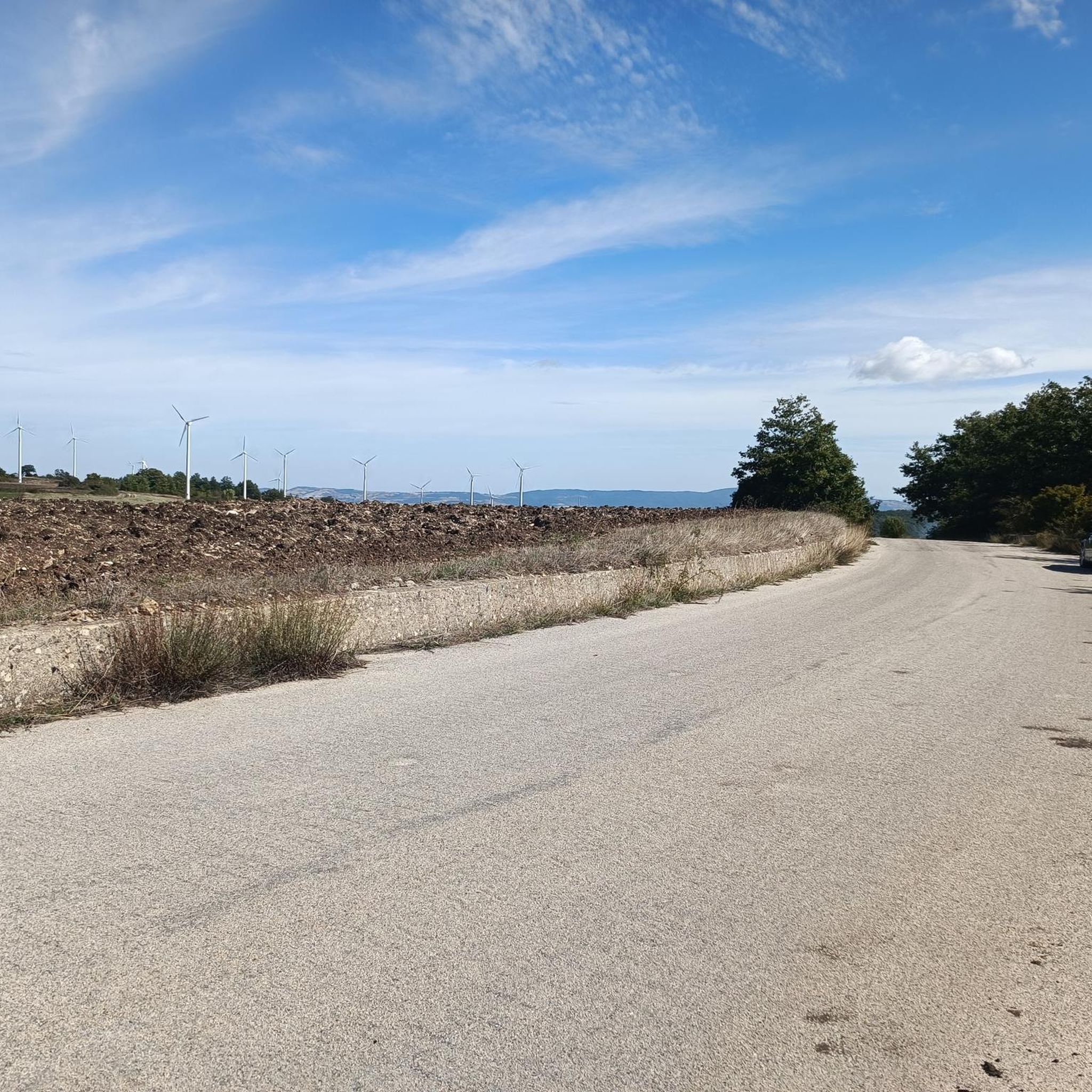
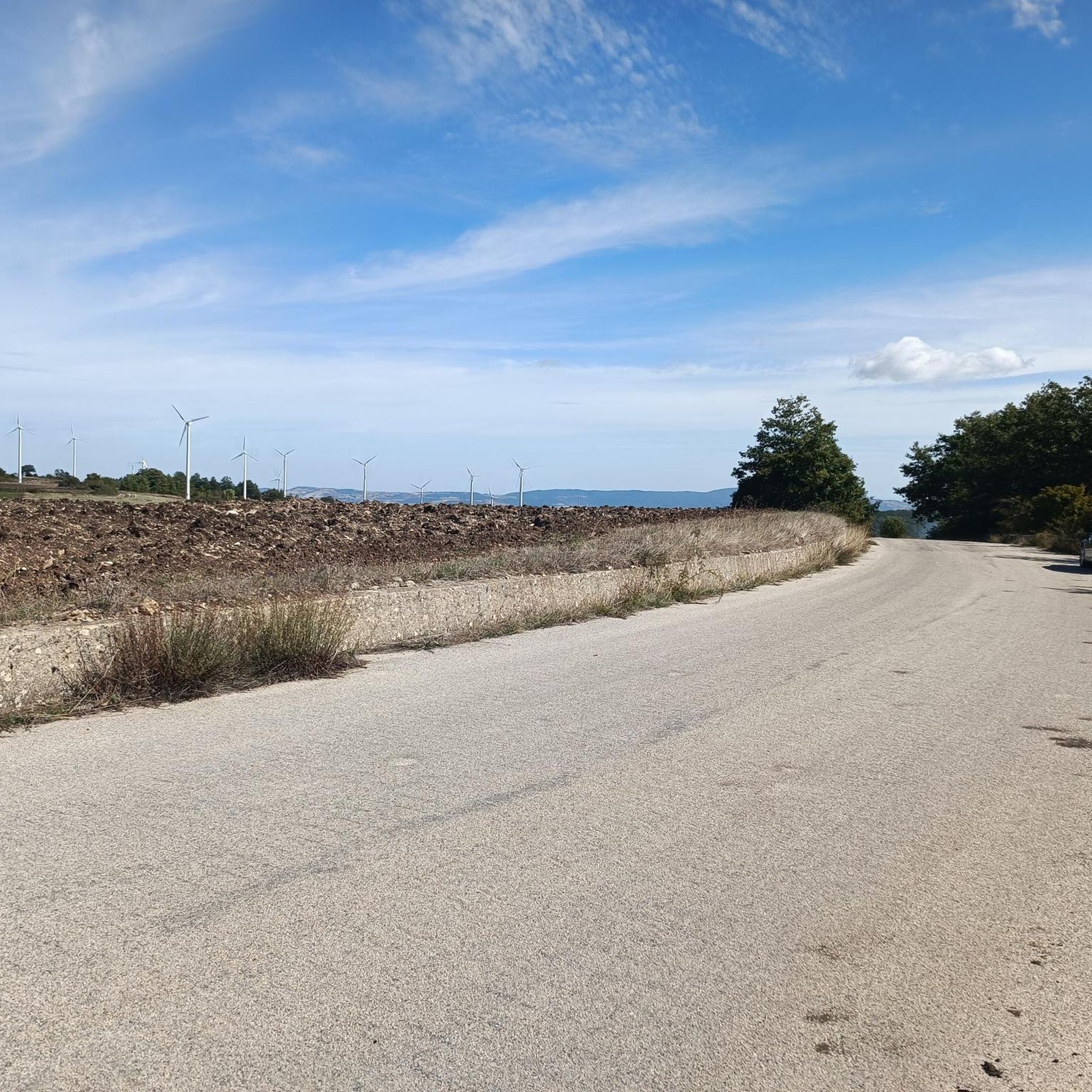
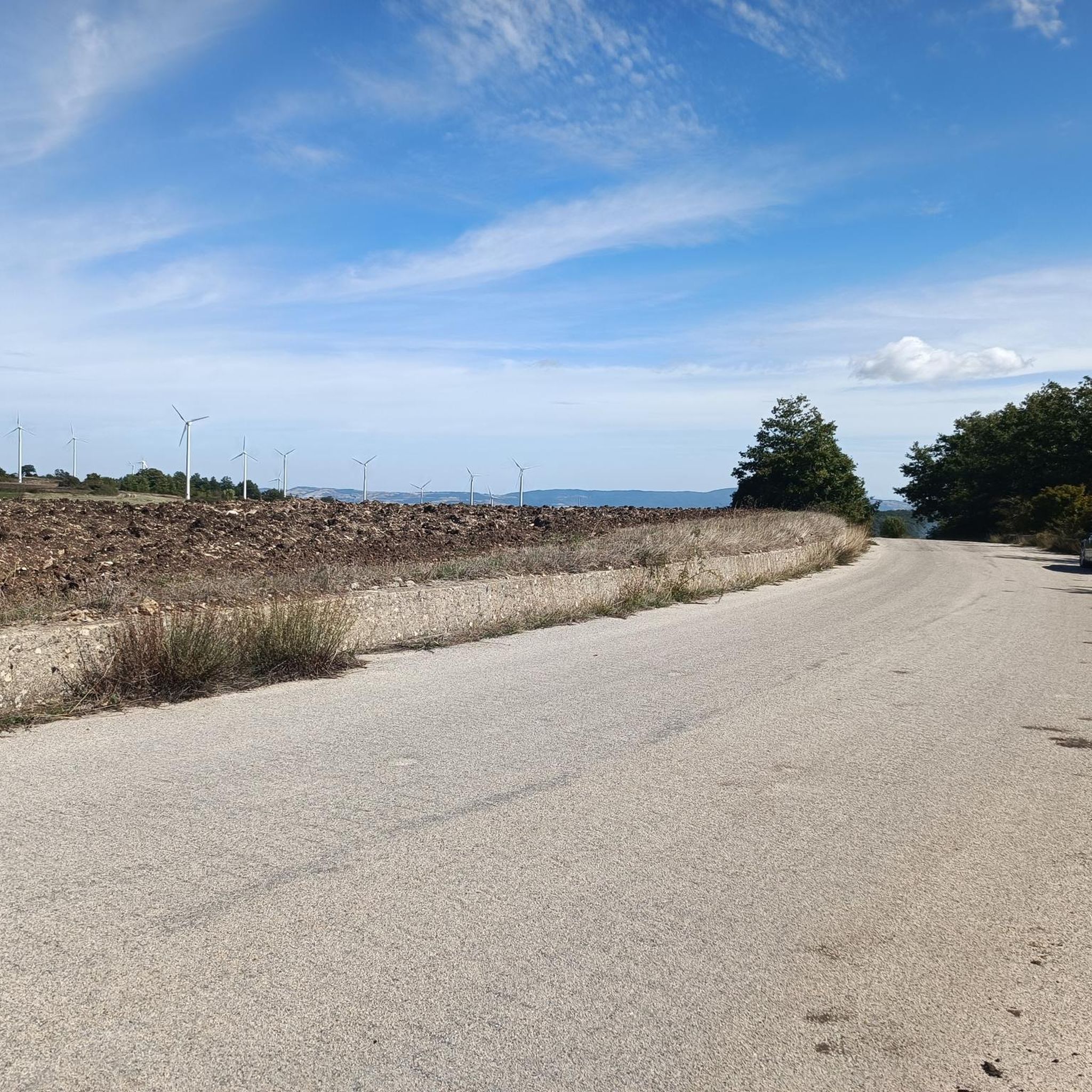
Let me start by saying that I did a complete tour of the lake starting from the crossroads on the state road to Tufara and then going back up towards Celenza Valfortore. As far as I'm concerned, I preferred the Apulian side to the Molise side, both for the panorama and for the "quality" of the road. I suggest turning around at the barrier (Puglia side) since at a certain point there is no practicable route. We took absurd gambles in the middle of bushes full of thorns. Furthermore, according to the operators of the barrier, you have to call the consortium and get a permit to be able to cross.
0
0
Let me start by saying that I did a complete tour of the lake. The Apulian side is more beautiful than the Molise side. I suggest turning around at the barrier as at a certain point there is no viable route. We took absurd gambles in the middle of bushes full of thorns. Furthermore, according to the operators of the barrier, you have to call the consortium and get a permit to be able to cross.
0
0

Lago di Occhito is a fascinating artificial lake located in the Molise region of Italy. Surrounded by stunning landscapes and a variety of flora and fauna, it offers an ideal location for outdoor activities such as bird watching and fishing. puglia.com/celenza-valforte-e-lago-di-occhito
0
0
Lago di Occhito is a fascinating artificial lake located in the Molise region of Italy. Surrounded by stunning landscapes and a variety of flora and fauna, it offers an ideal location for outdoor activities such as bird watching and fishing. https://www.puglia.com/celenza-valforte-e-lago-di-occhito/
1
0

A beautiful green area of about 450 hectares, a forest full of ash trees and wild animals. There are also benches and tables where you can relax. The natural area is located about 45 minutes by car from Campobasso
1
0
Dirt road that runs along the Apulian side of the Occhito lake, the lake is in fact the border between Puglia and Molise. To be covered with gravel or mtb bikes.
2
0

Bosco di Mezzocca is a beautiful green area where there are picnic tables and games for children. You are surrounded by woods of Ash, Cerro and Bosso.
1
0
Frequently Asked Questions
What natural attractions can I explore around Tufara?
Tufara is surrounded by natural beauty. You can visit Lago di Occhito, an artificial lake perfect for bird watching and fishing, or Lago di Decorata, which offers paths and a restaurant. The region also features the serene Pianella Forest (Bosco Pianella) with hiking trails and viewpoints, and the town itself is perched on a distinctive tuffaceous cliff, offering spectacular views of the Apennine Mountains.
Are there any historical sites or cultural landmarks in Tufara?
Yes, Tufara boasts a rich history. You can explore the medieval Lombard Fortress (Castello Longobardo), the 12th-century Church of Saints Peter and Paul with its Romanesque and Baroque elements, and the Chapel of the Madonna del Carmine. The town also has the Museum of St. John the Hermit, dedicated to its patron saint, and the Tufara Archaeological Museum.
What kind of outdoor activities, like hiking or cycling, are available near Tufara?
The area around Tufara is excellent for outdoor enthusiasts. You can find various routes for mountain biking, road cycling, and touring. For example, there are MTB trails like the 'Tufara, Gambatesa, and Lake Occhito Loop' or the 'Bosco Mazzoca e Lago di Decorata – giro ad anello'. Cyclists can explore routes such as the 'Lake Occhito Loop' or the 'San Bartolomeo in Galdo and the sheep tracks of Alto Sannio'. You can find more details on these and other routes in the dedicated guides for MTB Trails around Tufara, Road Cycling Routes around Tufara, and Cycling around Tufara.
Can I find family-friendly activities in Tufara?
While specific family-friendly attractions are not detailed, the natural settings around Tufara offer opportunities for families. The paths around Lago di Decorata and the hiking trails in the Pianella Forest are suitable for family outings. Exploring the medieval castle and the town's narrow alleys can also be an engaging experience for children.
What are the unique cultural traditions or events in Tufara?
Tufara is renowned for its vibrant cultural traditions. The most famous is the Carnival of the Devil (Carnevale del Diavolo), a fascinating folklore ritual. Another significant event is the Feast of St. John the Hermit, celebrated in November, which involves religious rites, processions, and the preparation of devotional food called 'panelle'.
Where can I experience local cuisine or find dining options in Tufara?
Tufara offers an authentic Italian culinary experience. You can savor local dishes like handmade cavatelli, regional cheeses, and cold cuts. Lago di Decorata features a restaurant known for its good and varied menu, including fish. Look for local trattorias and cafes within the town for traditional Molise flavors.
What is the best time of year to visit Tufara for sightseeing and outdoor activities?
The Molise region generally enjoys pleasant weather from spring through early autumn. Visiting Tufara during these seasons (April to October) would be ideal for exploring historical sites, enjoying outdoor activities like hiking and cycling, and experiencing local events. Summers are warm, while spring and autumn offer milder temperatures perfect for exploration.
Are there any specific viewpoints around Tufara offering scenic views?
Absolutely. Tufara itself is perched on a tuffaceous cliff, providing panoramic views of the Fortore valley and the surrounding Apennine Mountains. The Lombard Fortress offers commanding vistas. Additionally, natural highlights like Lago di Occhito and the Pianella Forest also feature scenic viewpoints.
What are some lesser-known or "hidden gems" to discover in Tufara?
Beyond the main attractions, consider visiting the Chapel of San Giovanni da Tufara, which is believed to have been a private home transformed into a church, offering a glimpse into local religious history. Exploring the narrow alleys and small squares of the compact historical center can also reveal charming, less-traveled spots and unique architectural details.
Where can I find accommodation options in Tufara?
While specific accommodations are not listed, Tufara and its surrounding areas offer various options, including local guesthouses, B&Bs, and agriturismo establishments. These often provide an authentic experience of rural Molise. It's advisable to check local listings or booking platforms for the most current availability.
Are there opportunities for wine tasting or exploring local produce near Tufara?
Yes, Tufara is located along the Sannio Wine Roads, offering opportunities to discover local wine production through scenic routes and potential wine tastings. The region is also known for its local cheeses, cold cuts, and other traditional produce, which can often be found in local markets or specialty shops.
Is public transport available to reach Tufara or its surrounding attractions?
Public transport options to Tufara and its more remote attractions might be limited. It is generally recommended to have a car for flexibility when exploring the Molise region and its natural and historical sites. For specific information on local bus services, you may need to consult regional transport authorities or local tourist information centers.
What should I know about visiting Lago di Occhito?
Lago di Occhito is a large artificial lake that serves as a border between Puglia and Molise. It's a great spot for bird watching and fishing. Be aware that the Apulian side is often considered more scenic. If you plan to do a full tour, some sections may require a permit from the consortium, and certain routes can be challenging or impassable due to lack of signage or overgrown paths, especially on the Molise side.
What is the significance of San Bartolomeo in Galdo?
San Bartolomeo in Galdo is a historic settlement with ancient Roman and medieval origins, located near the borders of Campania, Puglia, and Molise. It features numerous historic buildings and churches, including the prominent Church of San Bartolomeo Apostolo. The town is nestled in the hilly Val Fortore, surrounded by an agricultural landscape, and is known for its religious celebrations and cultural events.
Most popular attractions around Tufara

Get inspired with the komoot mobile app


Explore more
Still not found the Highlight you’re looking for? See guides of the top attractions in other regions:
