Attractions and Places To See around Alberona - Top 20
Best attractions and places to see around Alberona include historical sites, natural viewpoints, and serene landscapes within the Daunian Mountains of Puglia. This hilltop village, recognized for its medieval charm and rich history, offers a tranquil retreat. The area is characterized by its mountainous terrain, surrounding woodlands, and numerous natural springs. Visitors can explore a variety of cultural and natural features that highlight the region's heritage and scenic beauty.
Best attractions and places to see around Alberona
- The most popular…
Last updated: July 6, 2026
Mount Cornacchia
Highlight • Summit
The summit is easily accessible.
Translated by Google •
Tip by

Lago Pescara
Highlight • Lake
Translated by Google •
Tip by

Sign up now to discover places like this
Get recommendations on the best single tracks, peaks, & plenty of other exciting outdoor places.
Sign up for free
Castle of Lucera
Highlight • Castle
Translated by Google •
Tip by

Gazebo with a View of the Daunia Mountains
Highlight • Structure
Translated by Google •
Tip by

Cathedral of Santa Maria Assunta, Lucera
Highlight • Religious Site
Translated by Google •
Tip by
Sign up for free to discover even more attractions around Alberona.
Sign up for free
Already have an account?
Start today with a free account
Your next adventure awaits.
Login or Signup
Tips from the Community

The imposing Stauferburg was built in the 13th century by Emperor Frederick II on the ruins of a Norman castle. The extensive complex impresses with its 900m long and up to 13m high walls, which were later expanded by the Anjou. The outdoor area and the striking tower can mostly be visited for about €3 entrance fee.
0
0
The Cathedral of Santa Maria Assunta is a basilica minor in the Gothic architectural style, which is very rarely seen so unaltered in Puglia and is considered the southernmost Gothic brick church in Italy. It is named after a 14th-century statue of the Virgin Mary, carved from dark wood and gilded, with the nickname Madonna della vittoria, because it commemorates the victory of the House of Anjou over the Hohenstaufen in Southern Italy. In the right apse, there is also a 14th-century crucifix originating from the- Rhine region.
1
0


Beautiful view, especially after struggling to reach the place :D
0
0

More than a refuge, it is a bivouac. It deserves to be visited for the satisfaction of reaching the highest peak in Puglia. Always a very windy spot, even in good weather.
0
0

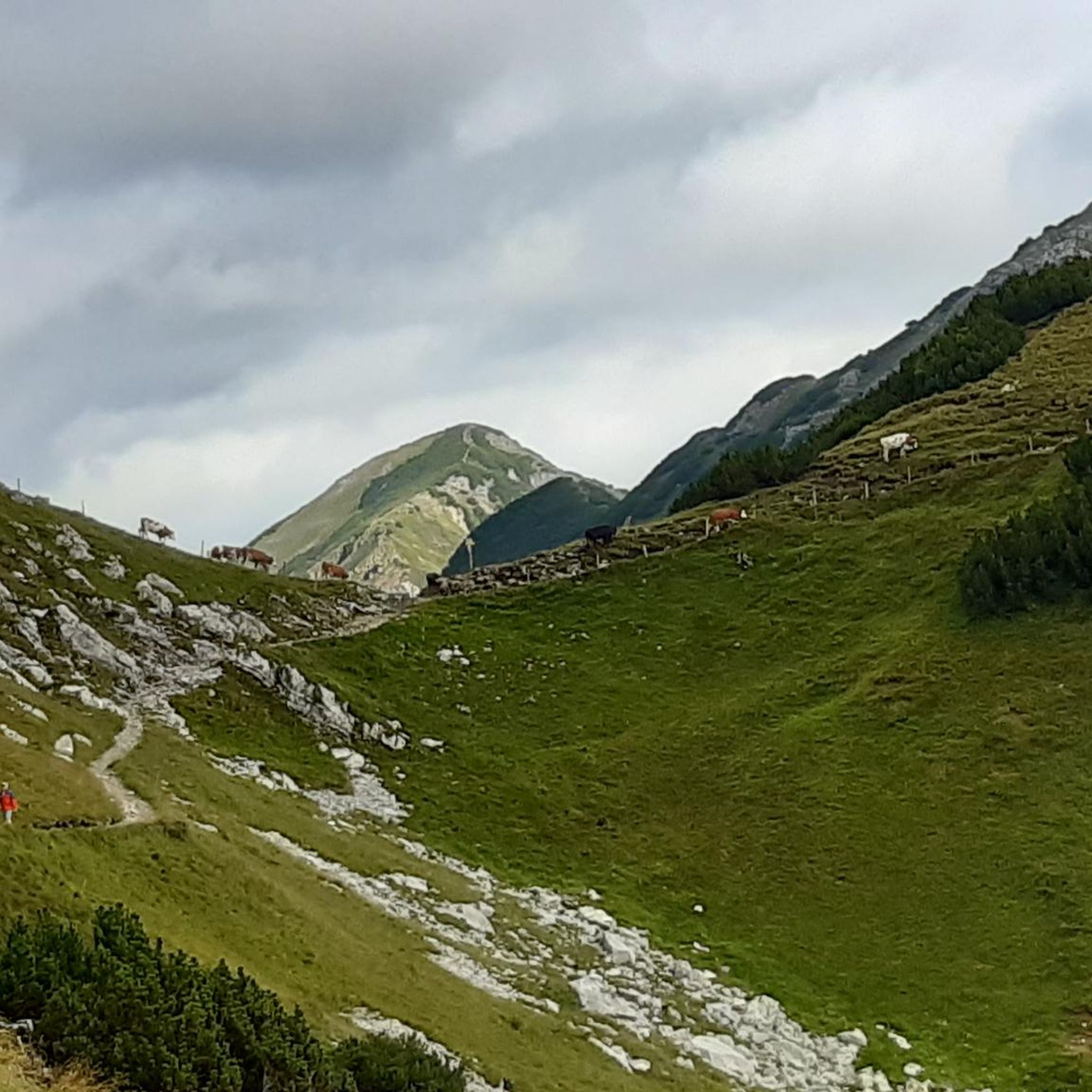
With its 1151 m above sea level, it is the highest mountain in Puglia. At the top is a shelter completely restored in 2020. The summit is easily accessible.
2
0

Monte Cornacchia, with its 1151 meters, is the highest mountain in Puglia. From its summit, on which a small forest refuge has been built, you can enjoy a suggestive and spectacular 360° panorama towards Irpinia, the Gargano, the Maiella and the Tavoliere. The summit of the mountain represents the ideal destination for excursions and trekking in search of uncontaminated landscapes and tranquillity. The vegetation of the mountain is characterized by the presence of vast meadows and high altitude pastures, alternating with coniferous and deciduous woods. The most important faunal presence is that of the wolf, index of the high naturalistic value of the whole area. Alongside the wolf, the presence of numerous species of birds of prey should also be noted. Monte Cornacchia can be reached via the beautiful and comfortable Sentiero Frassati di Puglia which connects Biccari, Castelluccio Valmaggiore, Celle di San Vito, Faeto and Roseto Valfortore.
1
0
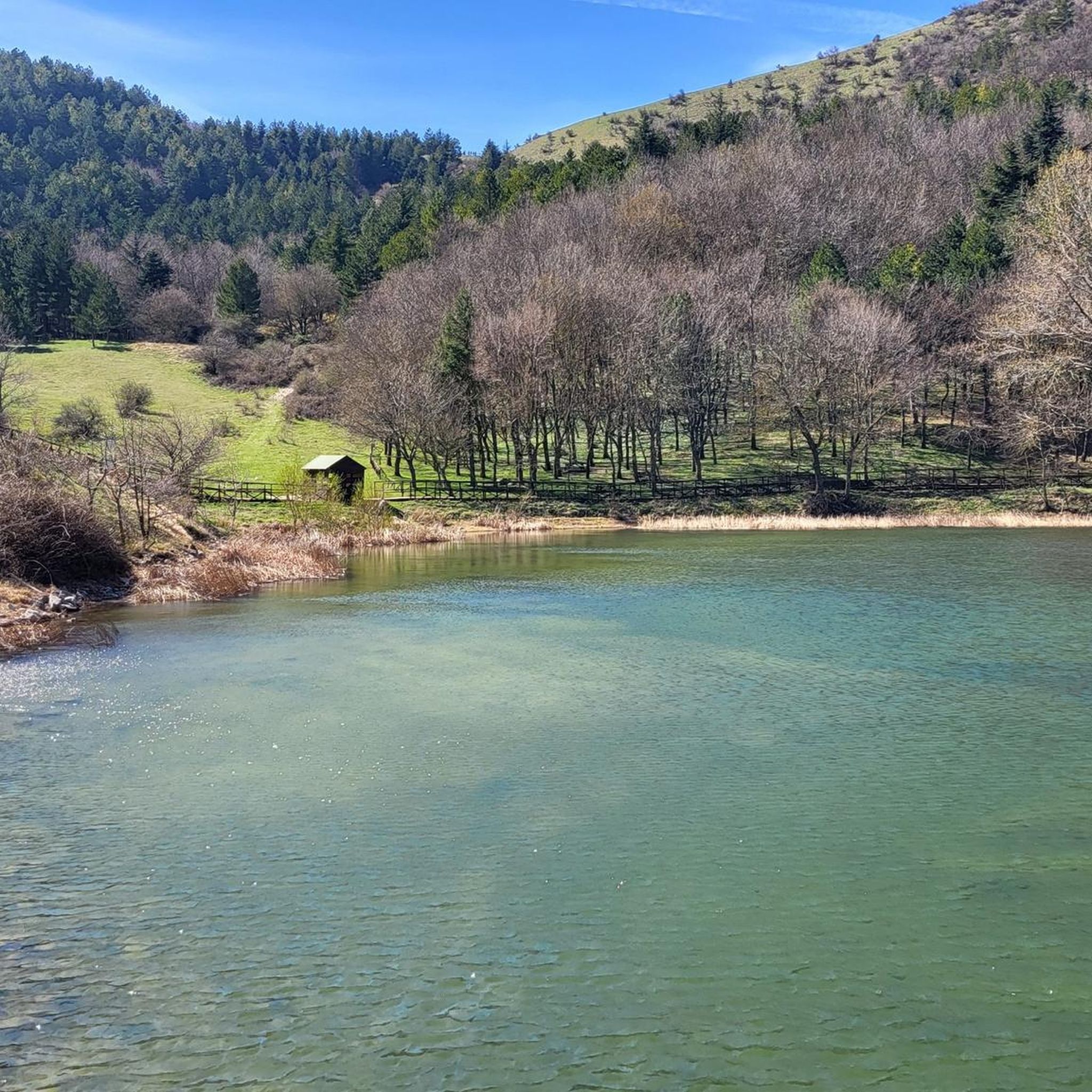
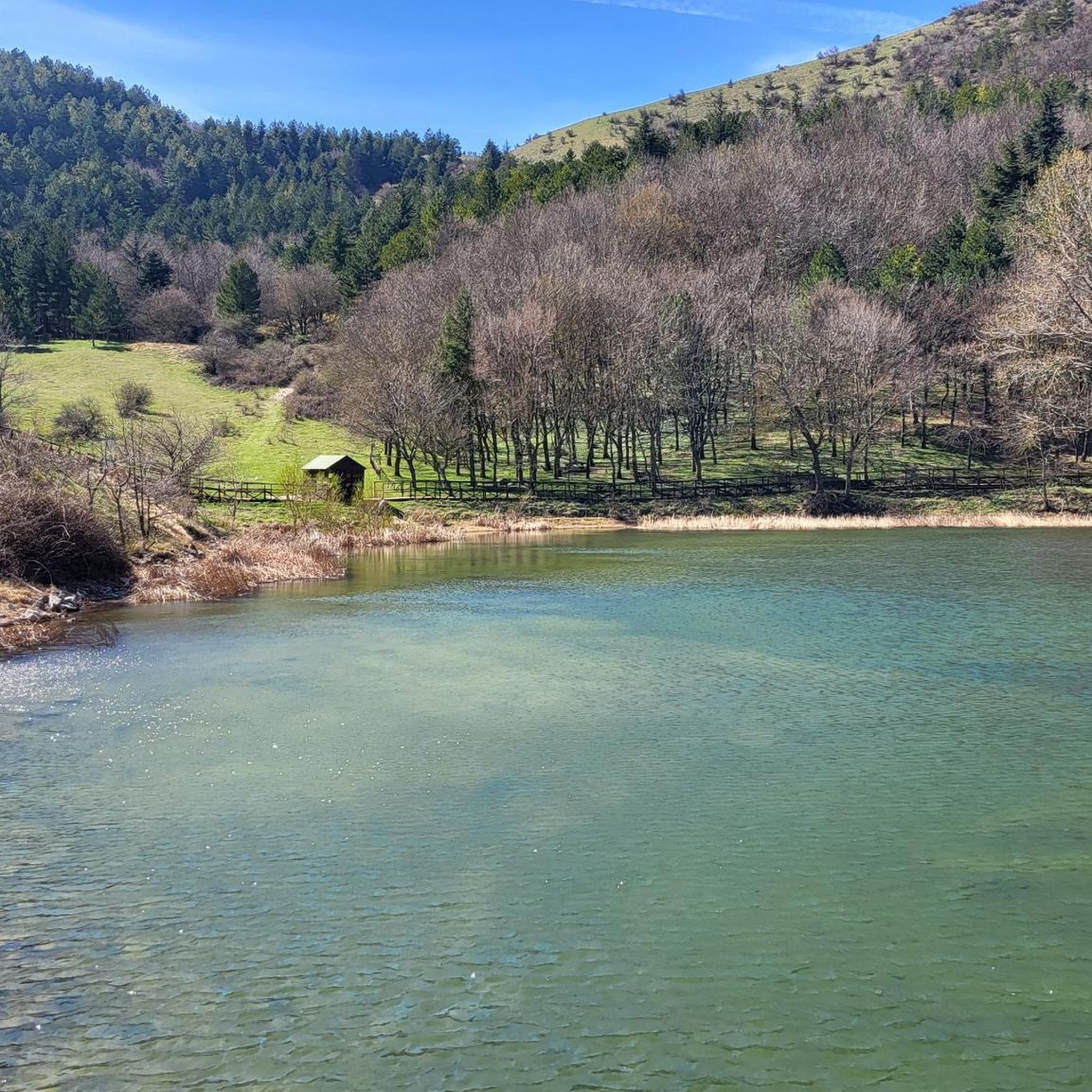
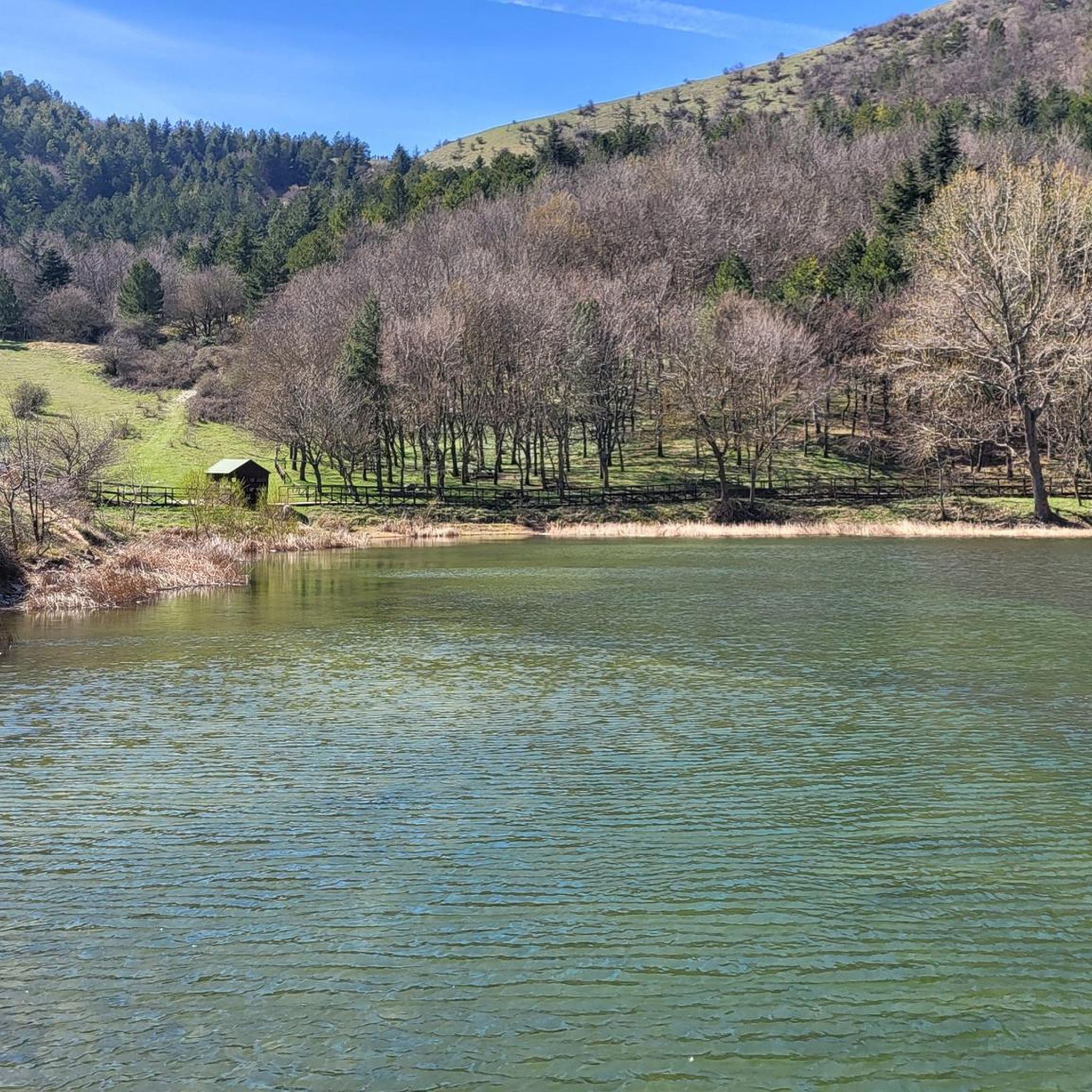
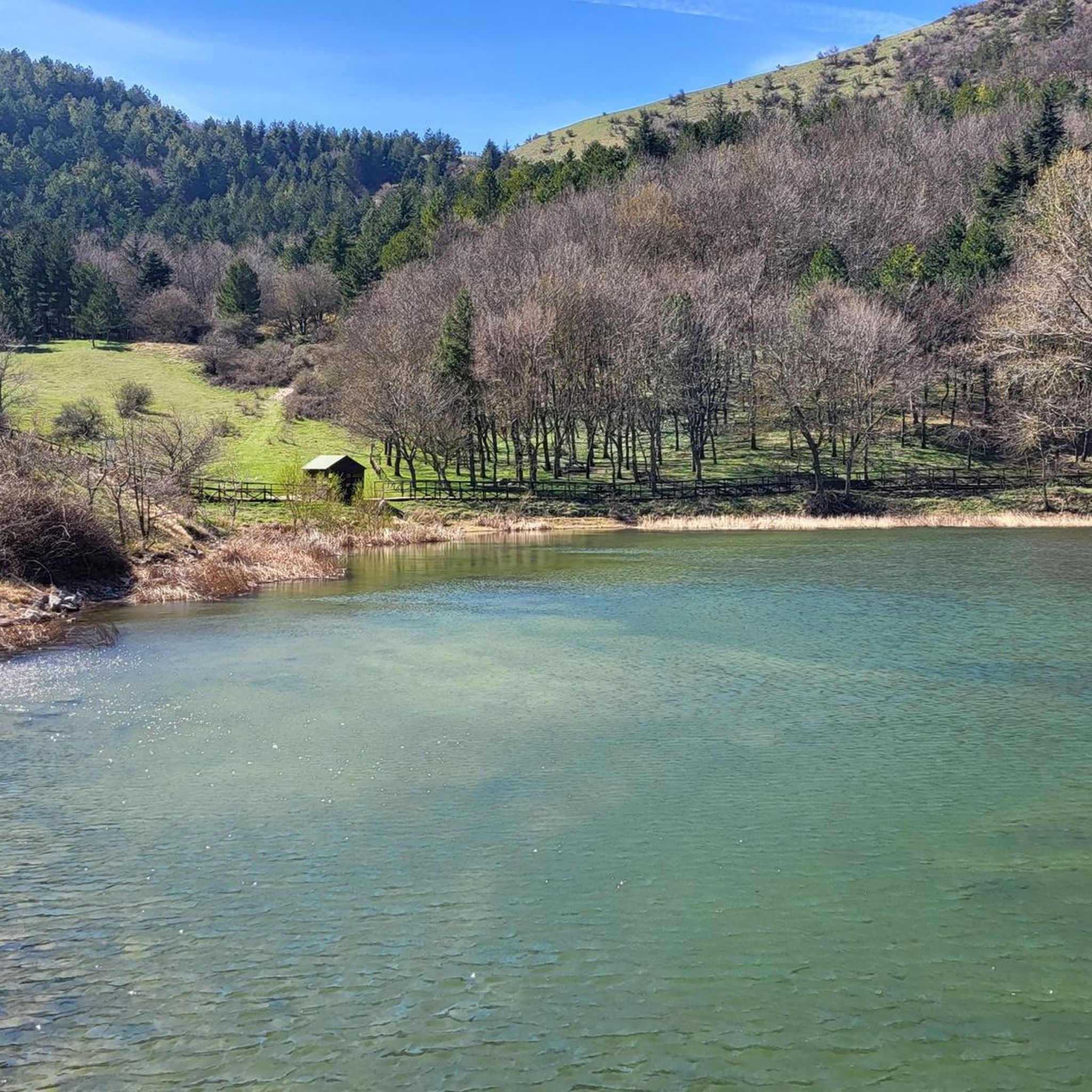
North-east of Monte Cornacchia, on the slopes of Toppo Pescara, at an altitude of 900 meters above sea level, there is a small natural lake basin called Lago Pescara. The lake extends for about three hectares with a depth which, in the center of the lake, reaches even four meters. Without natural outlets, its waters are fed by sub-lacustrine springs and streams formed after the rainfall and after the snow melted. From the top of its position it dominates the surrounding plain, with its slow decline towards the sea, interrupted on the horizon by the fortified hill of Lucera, in the center of the tableland, and by the promontory of the Gargano which is also easy to see on the clearest days. The term "Pescara" of the lake is improper and derives, perhaps, from a transcription error on toponymic maps, as the locals gave it the name of "Peschiera", attributing to the lake a certain image of goodness for fishing. The climate of the area has a mild summer and a rather harsh winter with abundant snowfalls.
0
0
Frequently Asked Questions
What natural features can I explore around Alberona?
Alberona, known as the 'village of water,' is surrounded by natural beauty. You can visit Lago Pescara, a serene lake basin nestled on the slopes of Toppo Pescara, offering picturesque views. The area is also rich in springs and fountains like Fontana Muta and Pisciarelli. For expansive views, head to Muraglione, where you can see the Tavoliere delle Puglie plain, the Gargano promontory, and even the Tremiti Islands on clear days. The village is also situated on the slopes of Mount Stylus, providing commanding views of the countryside.
Are there historical sites to visit near Alberona?
Yes, Alberona and its surroundings are steeped in history. In Alberona itself, explore the medieval charm of the Old Town with its narrow cobblestone streets, the Castle of Lucera (an imposing Svevo-Angioina Fortress), and the Cathedral of Santa Maria Assunta, Lucera, a significant Gothic-Angiolino structure. Within Alberona, you'll find the Chiesa Madre di Santa Maria Assunta, the distinctive Torre del Priore (attributed to the Knights Templar), and the ruins of Castello di Alberona.
What kind of outdoor activities can I do near Alberona?
The mountainous terrain around Alberona is ideal for various outdoor activities. You can find numerous hiking trails, including paths through the Apennine foothills like the 'Canale dei Tigli,' which features waterfalls. An easier walk up Mount Cornacchia offers refreshments at a wooden refuge. For more structured routes, explore options for hiking, running, and road cycling. You can find detailed routes and guides, such as Hiking around Alberona, Running Trails around Alberona, and Road Cycling Routes around Alberona.
Are there any family-friendly attractions in the Alberona area?
Absolutely! Families can enjoy several spots. The Giant Bench with View of Tavoliere delle Puglie offers a fun photo opportunity and stunning panoramic views. Lago Pescara is a beautiful natural setting for a leisurely visit. The Cathedral of Santa Maria Assunta, Lucera, with its historical significance, can also be an engaging visit for older children. Gentle walks through the surrounding woodlands and along paths like the 'Canale dei Tigli' are also suitable for families.
Where can I find the best panoramic views around Alberona?
For breathtaking panoramic views, visit the Giant Bench with View of Tavoliere delle Puglie, which allows you to admire the vast Tavoliere delle Puglia extending to the Gargano. Another excellent spot is Muraglione, offering expansive vistas that can reach the Tremiti Islands on a clear day. The Gazebo with a View of the Daunia Mountains also provides a quiet place to enjoy the surrounding scenery.
What is the best time of year to visit Alberona?
Alberona experiences a mild summer, making it pleasant for exploring the village and its natural surroundings. Winters can be rather harsh with abundant snowfalls, especially in higher elevations like the Lago Pescara area. Therefore, late spring, summer, and early autumn are generally the most favorable times to visit for outdoor activities and comfortable sightseeing.
What is the significance of the Knights Templar and Knights of Malta in Alberona?
Alberona has deep historical ties to both the Knights Templar and the Knights of Malta. The Chiesa Madre di Santa Maria Assunta was originally erected by the Templars, and its bell tower once served a military purpose. The distinctive Torre del Priore, a 14th-century round tower, is attributed to the Knights Templar and later became the residence of the Grand Prior of the Order of the Knights of Malta. These connections are evident in the village's architecture and heritage.
Are there any unique cultural experiences or local products in Alberona?
Alberona is renowned for its traditional olive oil production, with centuries-old olive groves yielding high-quality oil. You can also experience local culture through festivals, such as the Festival of the Crowned Madonna in April and the Patronage Festival of San Giovanni in August. The Municipal Antiquarium, inaugurated in 2001, offers a glimpse into local life with its collection of furniture, objects, tools, and utensils from the early 20th century.
Where can I learn more about Alberona's recognition as one of Italy's most beautiful villages?
Alberona is proudly recognized as one of 'Italy's Most Beautiful Villages' (I Borghi più belli d'Italia) and has been awarded the Orange Flag by the Italian Touring Club. You can find more information about this distinction and the village's unique charm on the official Borghi più belli d'Italia website: borghipiubelliditalia.it.
What are some of the religious buildings worth visiting in Alberona?
Alberona features several historically significant religious buildings. The Chiesa Madre di Santa Maria Assunta, with its Romanesque architecture and Templar origins, is a central landmark. Other notable churches include the neo-Gothic Church of San Rocco in Piazza Civetta, the medieval Church of San Giovanni Battista with its beautiful frescoes, and the 16th-century Church of San Giuseppe, known for its Gothic-style portal and stone altar.
What is the 'Canale dei Tigli' and what can I expect there?
The 'Canale dei Tigli' is a walking route located in the woodlands surrounding Alberona. It's known for its natural beauty, featuring waterfalls and torrents. This path offers a refreshing experience for walkers and is part of the broader network of routes through the Apennine foothills, providing an excellent opportunity to immerse yourself in the region's natural environment.
Can I find any unique man-made monuments or structures in the area?
Beyond historical castles and churches, you can discover unique man-made structures. The Giant Bench with View of Tavoliere delle Puglie is a contemporary art installation offering a playful perspective on the landscape. The Gazebo with a View of the Daunia Mountains provides a sheltered spot to appreciate the scenery. In Alberona's old town, look for the 15th-century Arco dei Mille and the well-preserved Calabrian Arch.

Get inspired with the komoot mobile app


Explore more
Still not found the Highlight you’re looking for? See guides of the top attractions in other regions:
