Attractions and Places To See around Castel Campagnano - Top 20
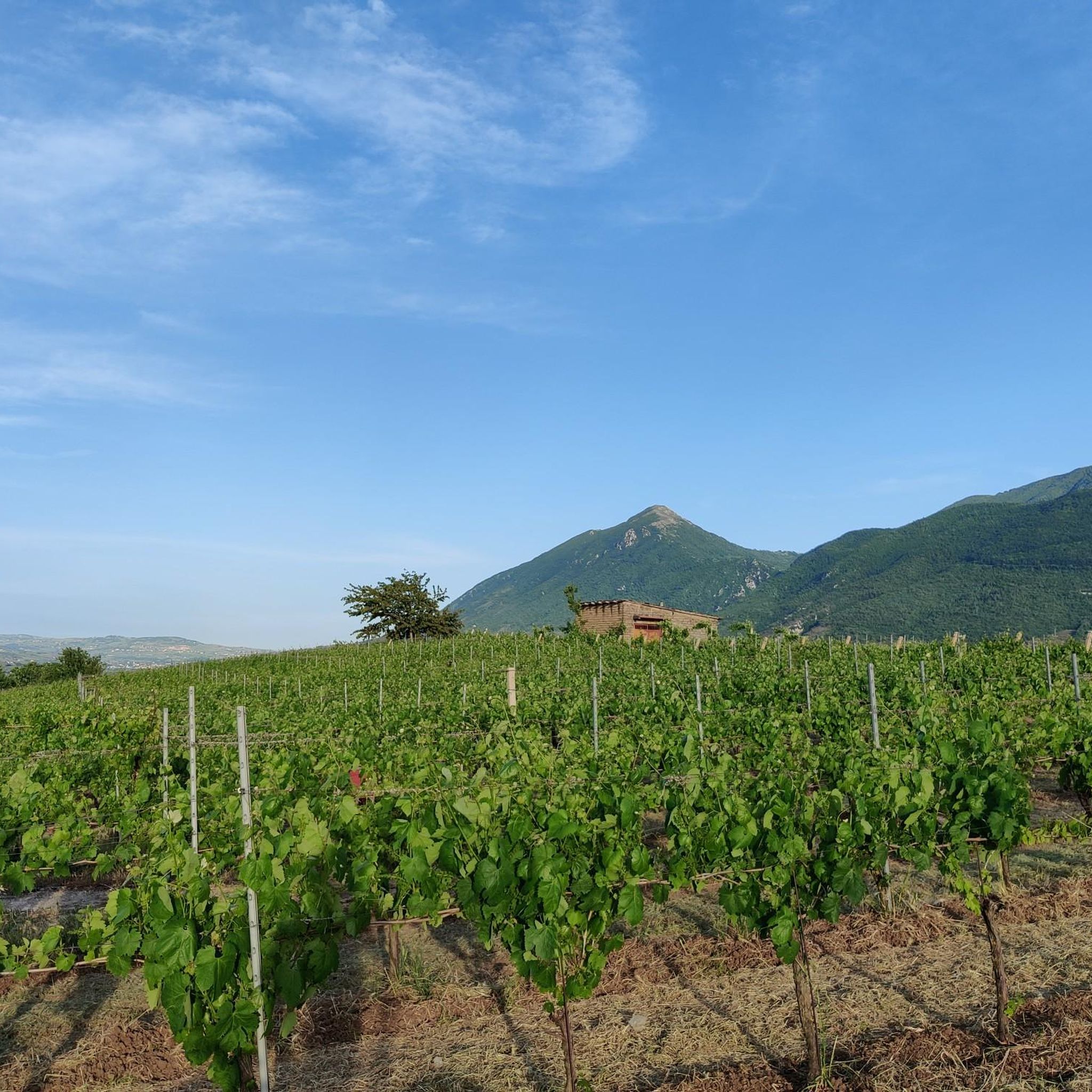
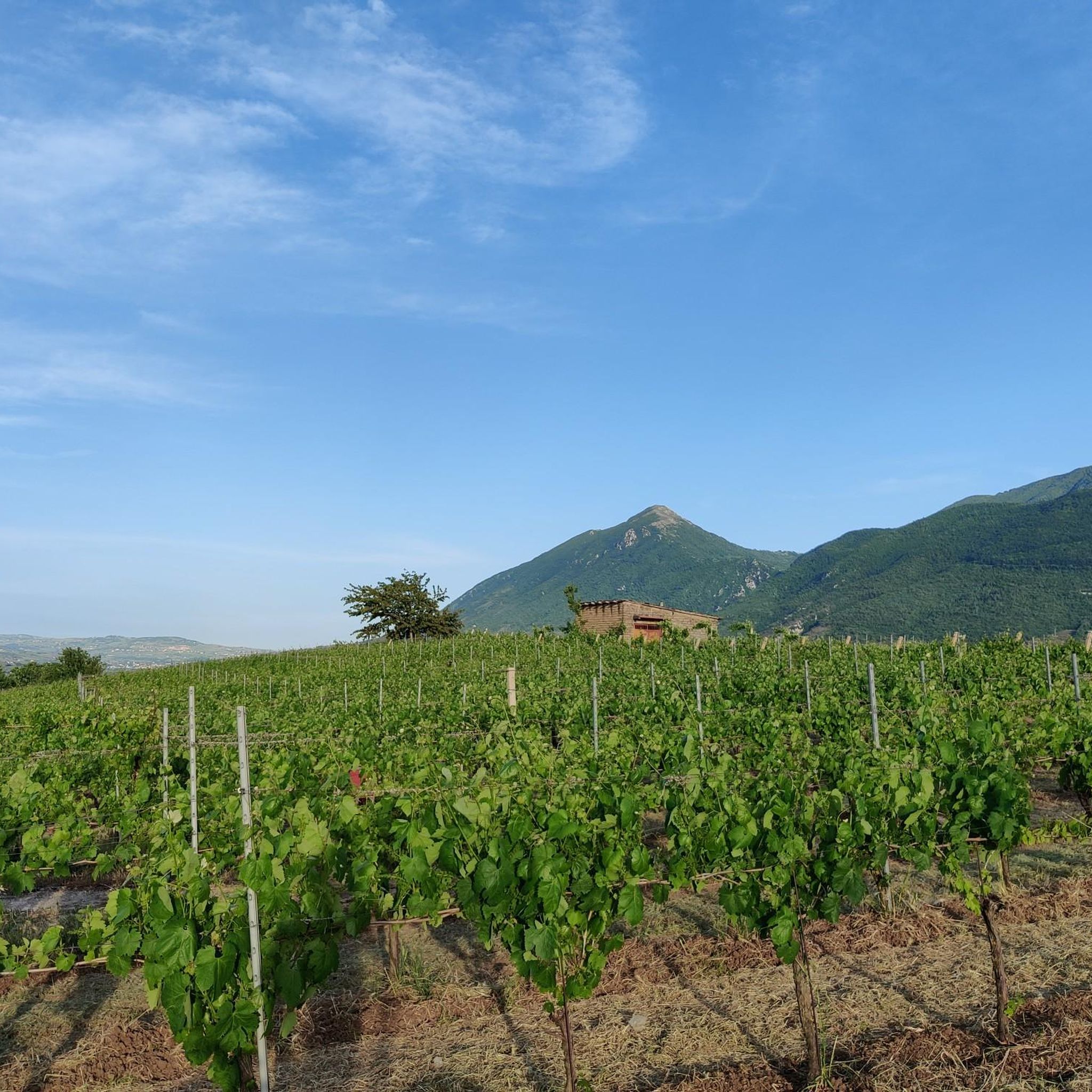
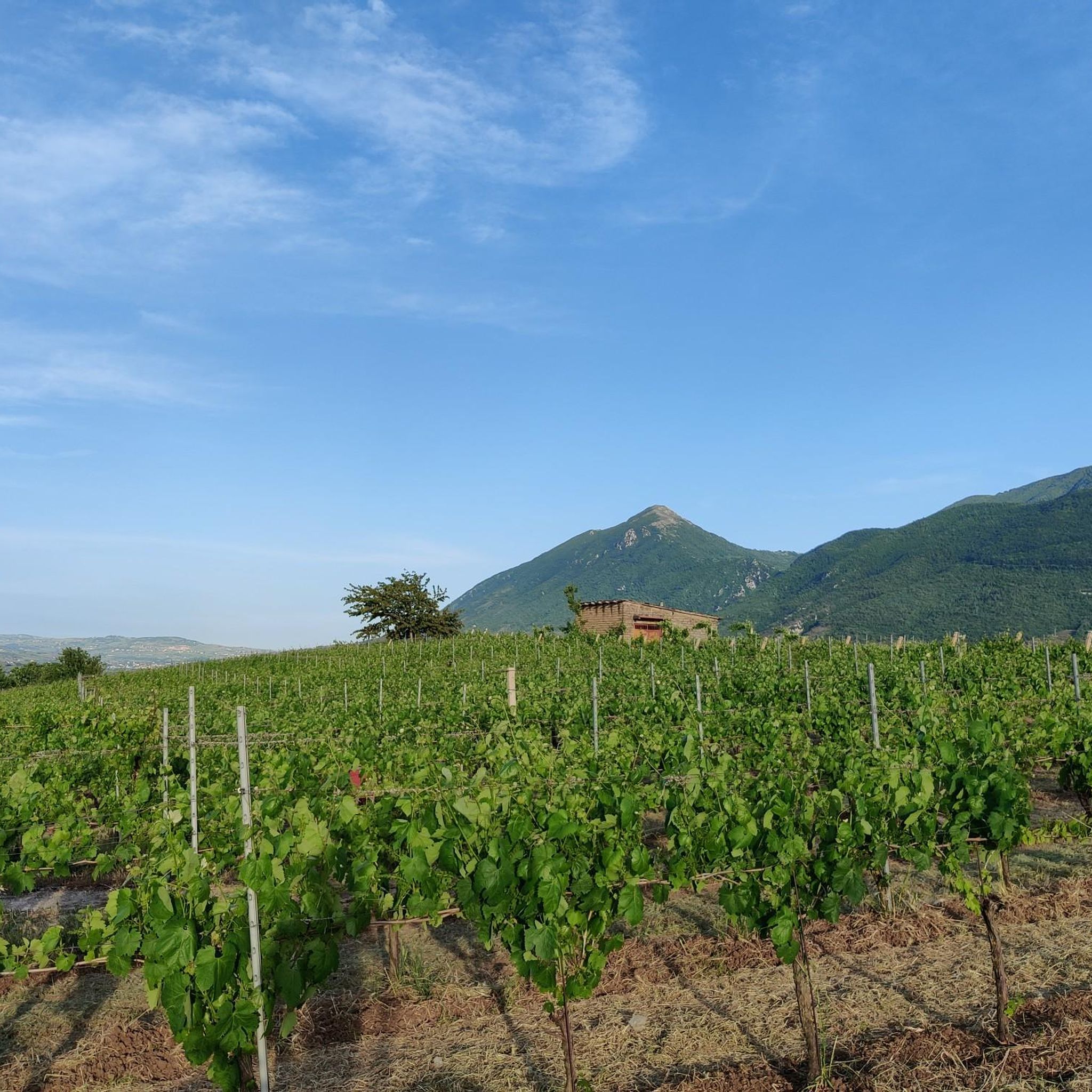
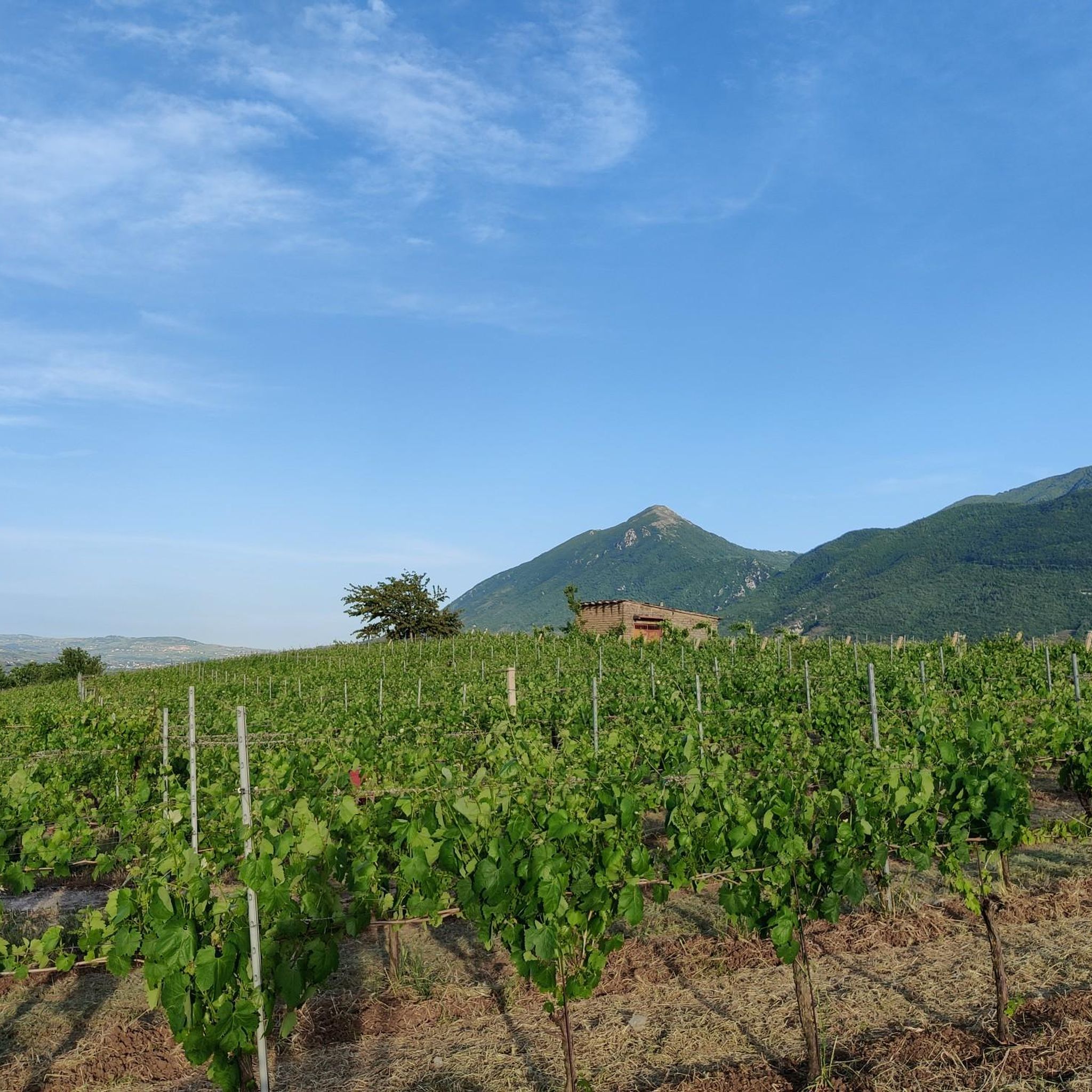
Best attractions and places to see around Castel Campagnano include a blend of historical landmarks, cultural insights, and natural beauty. This municipality in the Province of Caserta, Italy, is characterized by rolling hills, fertile plains, and extensive vineyards and olive groves. The area offers a picturesque landscape ideal for outdoor activities and exploring ancient Roman traces. Visitors can discover various landmarks, viewpoints, and natural features, making it a destination for those interested in history and the best outdoor activities.
Best attractions and places to see around Castel Campagnano
- The most popular attractions is Acquedotto Carolino, a man-made monument built in the mid-1700s to supply water to the Royal Palace of Caserta. It is a UNESCO World Heritage Site, recognized as an important 18th-century engineering work.
- Another must-see spot is Casertavecchia Medieval Village, a historical site situated on the slopes of the Tifatini mountains. This village offers historical insights and views from its elevated position.
- Visitors also love Piazza della Vaccheria and the Church of Santa Maria delle Grazie, a religious building featuring a blend of Gothic and Baroque styles. It stands in the heart of the Bourbon district of Vaccheria, showcasing Neapolitan eclectic art.
- Castel Campagnano is known for its historical landmarks, cultural sites, and natural features. The region offers a variety of attractions to see and explore, from ancient churches to scenic landscapes.
- The attractions around Castel Campagnano are appreciated by the komoot community, with more than 100 upvotes and over 20 photos shared by visitors.
Last updated: May 11, 2026
Piazza della Vaccheria and the Church of Santa Maria delle Grazie
Highlight • Religious Site
Translated by Google •
Tip by

Casertavecchia Medieval Village
Highlight • Historical Site
Translated by Google •
Tip by
Sign up now to discover places like this
Get recommendations on the best single tracks, peaks, & plenty of other exciting outdoor places.
Sign up for free
Acquedotto Carolino
Highlight • Monument
Translated by Google •
Tip by

Casertavecchia Tower
Highlight • Historical Site
Translated by Google •
Tip by

Vaccheria Panoramic Trail
Highlight (Segment) • Trail
Translated by Google •
Tip by

Sign up for free to discover even more attractions around Castel Campagnano.
Sign up for free
Already have an account?
Start today with a free account
Your next adventure awaits.
Login or Signup

Tips from the Community

Wonderful aqueduct built by Vanvitelli to bring water to the Royal Palace of Caserta
0
0

Route traveled at the beginning of September 2024. Due to bad weather the route is bumpy with fallen trees that prevent transit. I struggled and not a little, if it is not cleared it is to be avoided
0
0

Single track surrounded by nature, which suddenly opens up offering a beautiful panorama of Caserta and beyond.
0
0

Piazza del Vaccheria is the main square of the Bourbon village, here is the characteristic church of Santa Maria delle Grazie.
2
0

Hydraulic engineering work from the 1700s
0
0

Pedaling on the state road, you pass right under the imposing 18th century Carolino Aqueduct. It was used to bring water to the Royal Palace of Caserta from the Fizzo springs, today it is no longer in use and has been a UNESCO World Heritage Site since 1997 together with the Royal Palace of Caserta and the San Leucio complex.
1
0

Aqueduct built in the mid-1700s to bring water from Mount Taburno to the Royal Palace of Caserta. Considered one of the most important engineering works of the 18th century.
1
0

The Tower of Casertavecchia is part of the village which was under Lombard dominion. The particular position, thanks to the protection of the mountains, has made Casertavecchia a refuge for the populations during the incursion of the Saracens.
2
0
Frequently Asked Questions
What historical landmarks can I explore in Castel Campagnano itself?
In Castel Campagnano, you can visit several significant historical sites. These include the Palazzo Aldi, known for its valuable portal and 17th-century courtyard, and the Church of Santa Maria ad Nives, which features Baroque and Neoclassical styles. Don't miss the ancient Rupestrian Church of Castel Campagnano (Chiesa di Sant'Angelo), a rock-cut church with preserved 10th and 11th-century frescoes. The town also has a historic Castle and fascinating Underground Cellars, some reaching 20 meters deep, which were originally tuff quarries and later used for wine preservation.
Are there any ancient Roman traces or archaeological sites in the area?
Yes, the fertile land around Castel Campagnano has attracted inhabitants since antiquity. You can find traces of necropolises and rustic Roman villas, which attest to a Roman presence in the region starting from the 2nd century BCE.
What natural features and landscapes characterize the Castel Campagnano region?
The region is known for its picturesque natural setting, featuring gentle slopes, fertile plains, and extensive vineyards and olive groves, often compared to Tuscan panoramas. It's also situated at the confluence of the Calore and Volturno rivers, which create rich ecosystems with reeds, willows, and poplars, making it a haven for migratory birds and birdwatchers.
What outdoor activities can I do near Castel Campagnano?
The area around Castel Campagnano is ideal for outdoor activities. You can find various trails leading towards woods, hills, and rivers, perfect for walking, horse riding, and cycling. For specific routes, you can explore options like the Road Cycling Routes around Castel Campagnano, Cycling around Castel Campagnano, or Running Trails around Castel Campagnano.
Are there any family-friendly attractions in the vicinity?
Yes, the region offers family-friendly options. The impressive Acquedotto Carolino, an 18th-century UNESCO World Heritage site, is a great historical marvel for all ages. Additionally, Piazza della Vaccheria and the Church of Santa Maria delle Grazie is another site that welcomes families.
Where can I experience local culture and traditions related to food and drink?
Castel Campagnano is well-suited for cultivating olive groves and vineyards. The area is known for its Falanghina wine and high-quality olive oil. An annual wine and oil festival is held in June, offering tastings and cultural events, providing a great opportunity to experience local traditions.
What is the Casertavecchia Medieval Village and what can I see there?
Casertavecchia Medieval Village is a historical site situated on the slopes of the Tifatini mountains, offering historical insights and panoramic views. Visitors appreciate its charm and the presence of refreshment activities and bars. You can also partially visit the Casertavecchia Tower, which was part of the village's defense.
What is the Acquedotto Carolino and why is it significant?
The Acquedotto Carolino, also known as the Vanvitelli Aqueduct, is an impressive man-made monument built in the mid-1700s. It was designed to supply water to the Royal Palace of Caserta and is considered one of the most important engineering works of the 18th century. It is a UNESCO World Heritage Site.
Are there any scenic trails for hiking or cycling with good views?
Yes, the region offers trails with suggestive views. The Vaccheria Panoramic Trail, for instance, provides a scenic view of the entire valley of Caserta, Vesuvius, and extends to the sea. The broader area also has various trails for walking and cycling through its picturesque landscape of hills and rivers.
What do visitors enjoy most about the attractions around Castel Campagnano?
Visitors particularly enjoy the blend of historical and natural beauty. For example, the Casertavecchia Medieval Village is praised for its 'very very beautiful location' and 'breathtaking views.' The Church of Santa Maria delle Grazie is noted for its unique blend of Gothic and Baroque styles, making it a significant example of Neapolitan eclectic art.
When is the best time to visit Castel Campagnano for cultural events?
If you are interested in cultural events related to local produce, the annual wine and oil festival is held in June. Additionally, the Church of Santa Maria ad Nives commemorates a miracle with a special ceremony involving white flakes descending from the dome during its August 5th feast day.
Most popular routes around Castel Campagnano
Most popular attractions around Castel Campagnano

Get inspired with the komoot mobile app


Explore more
Still not found the Highlight you’re looking for? See guides of the top attractions in other regions:
