The 20 Most Amazing Peaks around Barberino Di Mugello
Best mountain peaks around Barberino Di Mugello are situated in the Tuscan-Emilian Apennines, offering diverse hiking opportunities within the Mugello region. The area features a landscape of hills and mountains with varied vegetation, including beech and chestnut woods. It provides panoramic views and access to historical routes, making it suitable for trekkers and nature enthusiasts. The region is known for its natural environment and varied terrain.
Best mountain peaks around Barberino Di Mugello
- The most popular mountain peaks is Mount Cantagrilli, a summit known for its panoramic views of the Marina valley and the southern Calvana massif. Visitors can encounter wild horses and cows, and enjoy diverse blooms in spring.
- Another must-see spot is Croce della Retaia, a summit offering extensive panoramas over the Florentine plain and the city of Prato. On clear days, views can extend to the port of Livorno and the island of Capraia.
- Visitors also love Monte Maggiore Summit (917 m), a summit within the Calvana mountain range. The ascent from the north offers scenic views and opportunities to see cows and horses.
- Barberino Di Mugello is known for summits, viewpoints, and natural monuments. The area offers a variety of mountain peaks to see and explore, ranging from meadow peaks to those with dense forest sections.
- The mountain peaks around Barberino Di Mugello are appreciated by the komoot community, with more than 140 upvotes and over 120 photos shared by visitors.
Last updated: July 21, 2026
Croce della Retaia
Highlight • Summit
Translated by Google •
Tip by

Mount Cantagrilli
Highlight • Summit
Translated by Google •
Tip by
Sign up now to discover places like this
Get recommendations on the best single tracks, peaks, & plenty of other exciting outdoor places.
Sign up for free
Monte Maggiore Summit (917 m)
Highlight • Summit
Translated by Google •
Tip by

Burnt Inn Pass
Highlight • Mountain Pass
Translated by Google •
Tip by

Geppe's Cross
Highlight • Summit
Translated by Google •
Tip by

Sign up for free to discover even more peaks around Barberino Di Mugello.
Sign up for free
Already have an account?
Start today with a free account
Your next adventure awaits.
Login or Signup
Popular around Barberino Di Mugello
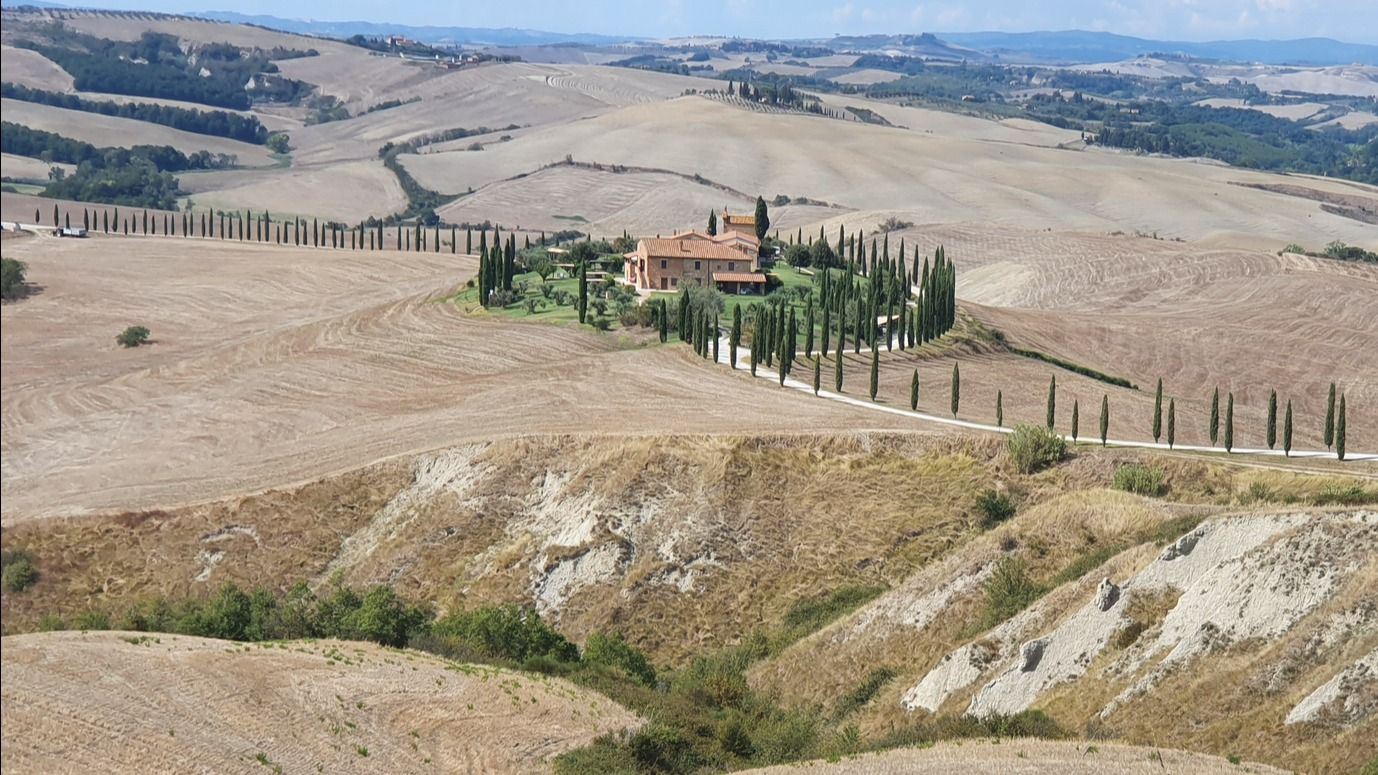
A Grand Tour of Italy – Rome to Milan by bike
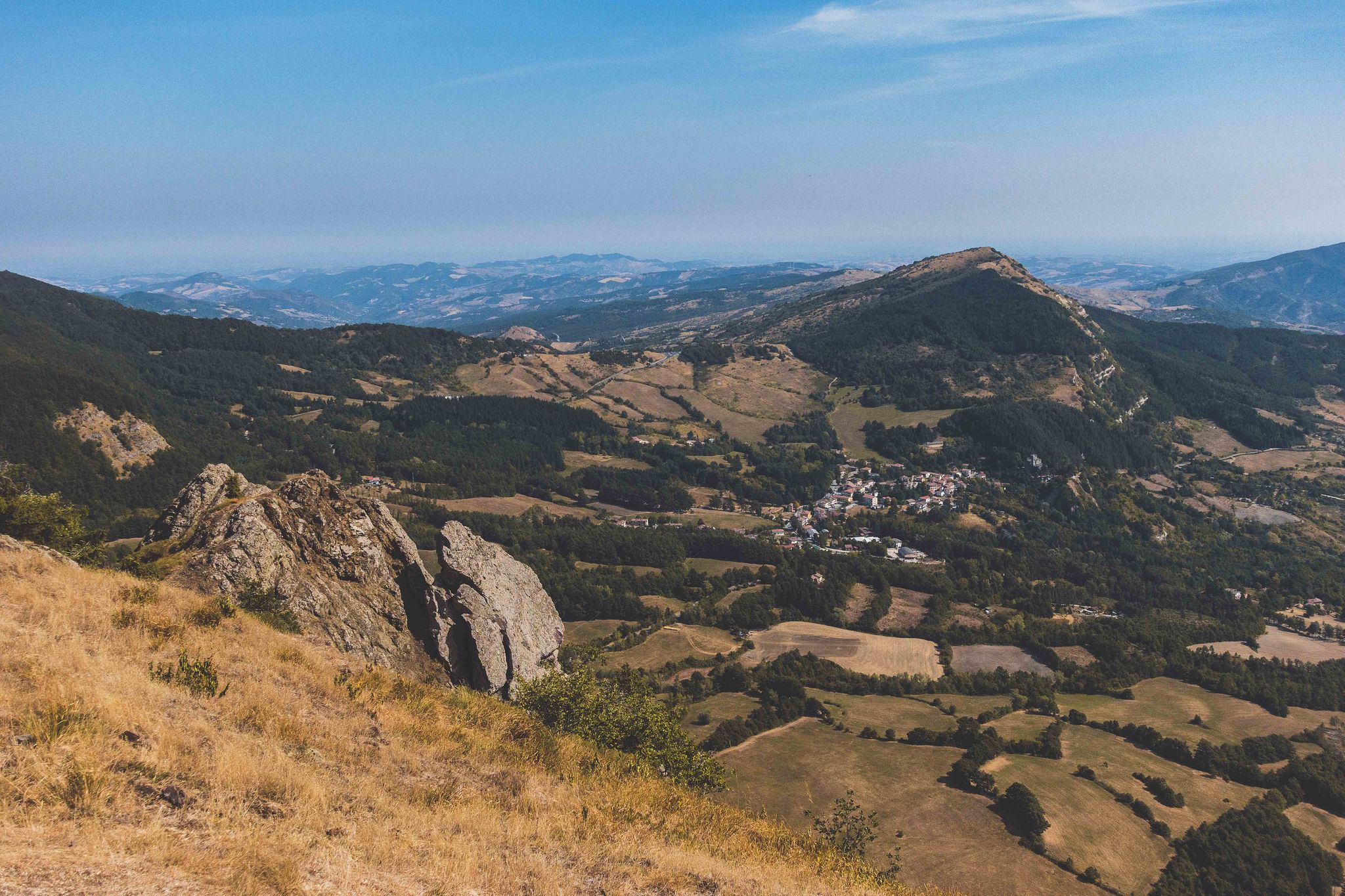
Western Mugello – Apennine passes and historic cycling climbs
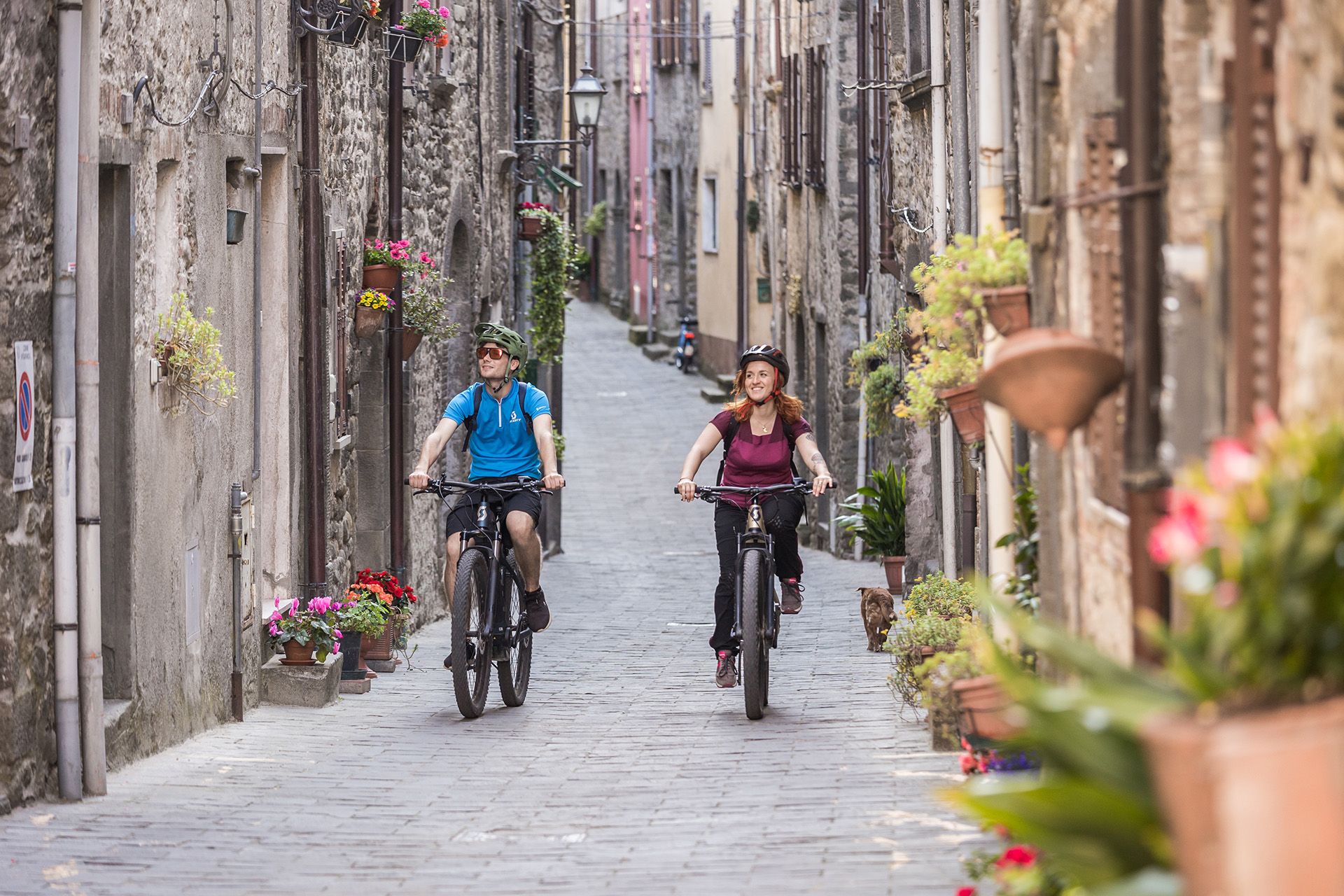
Tuscany by bike — nine Tours for every taste
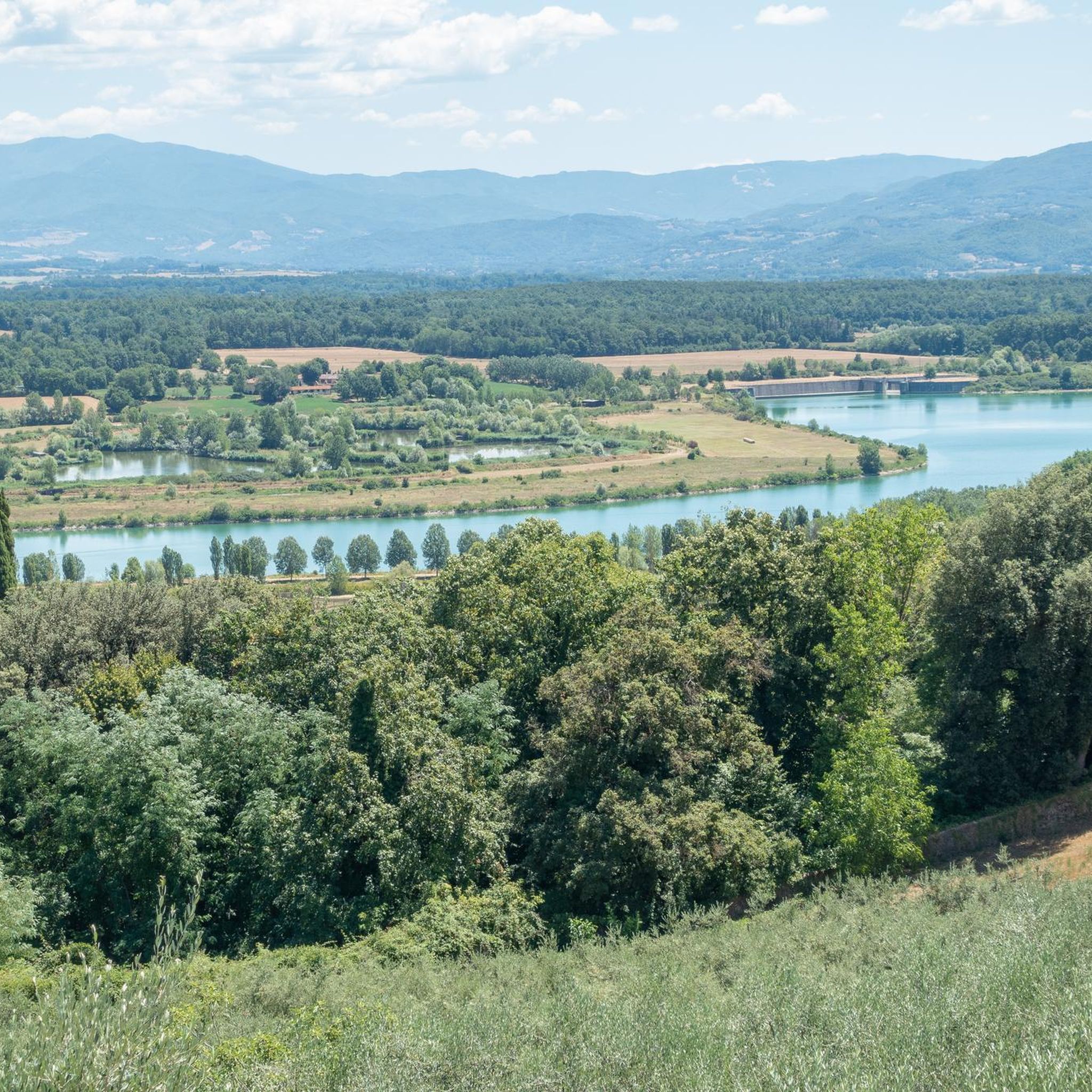
MTB Trails around Barberino Di Mugello
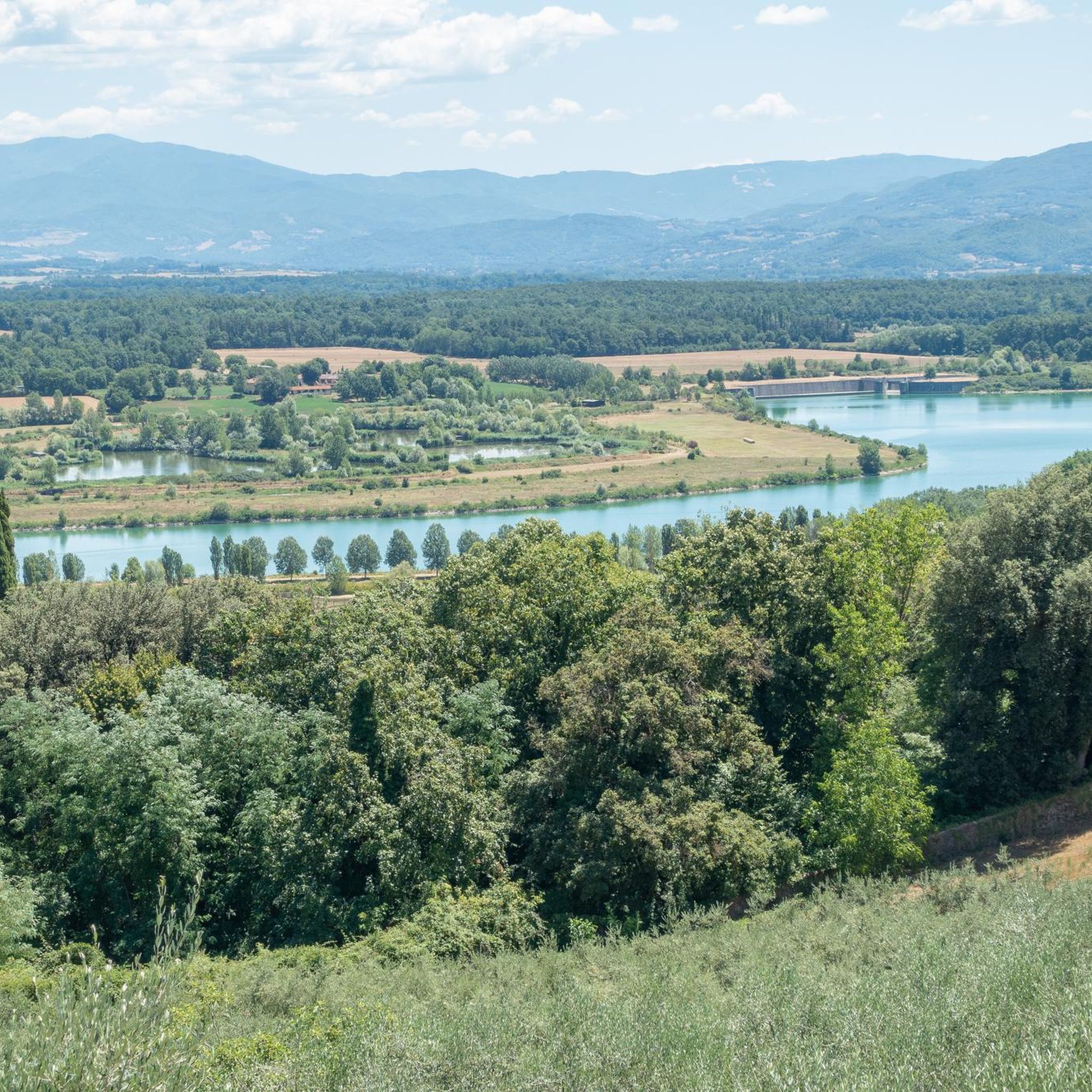
Hiking around Barberino Di Mugello
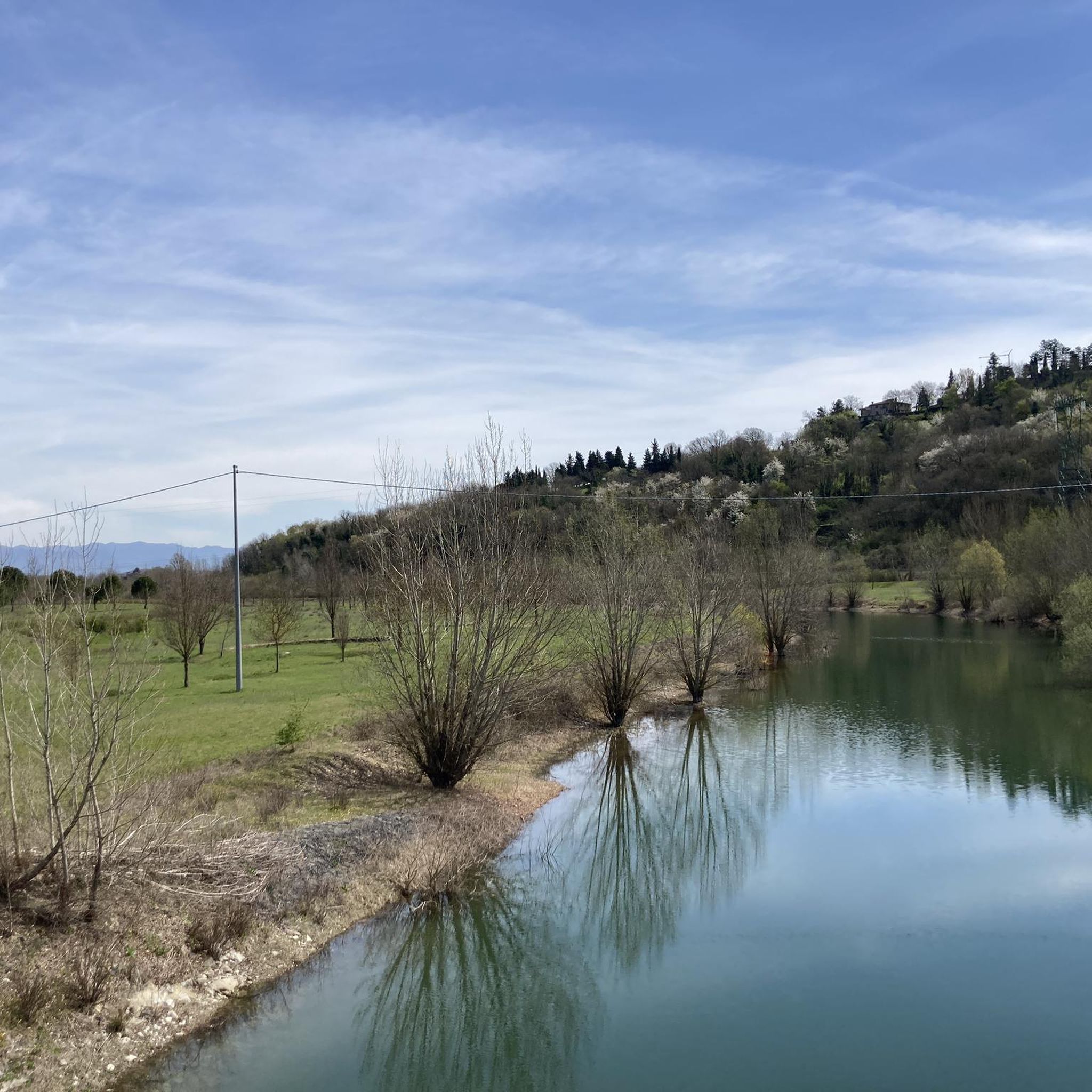
Cycling around Barberino Di Mugello
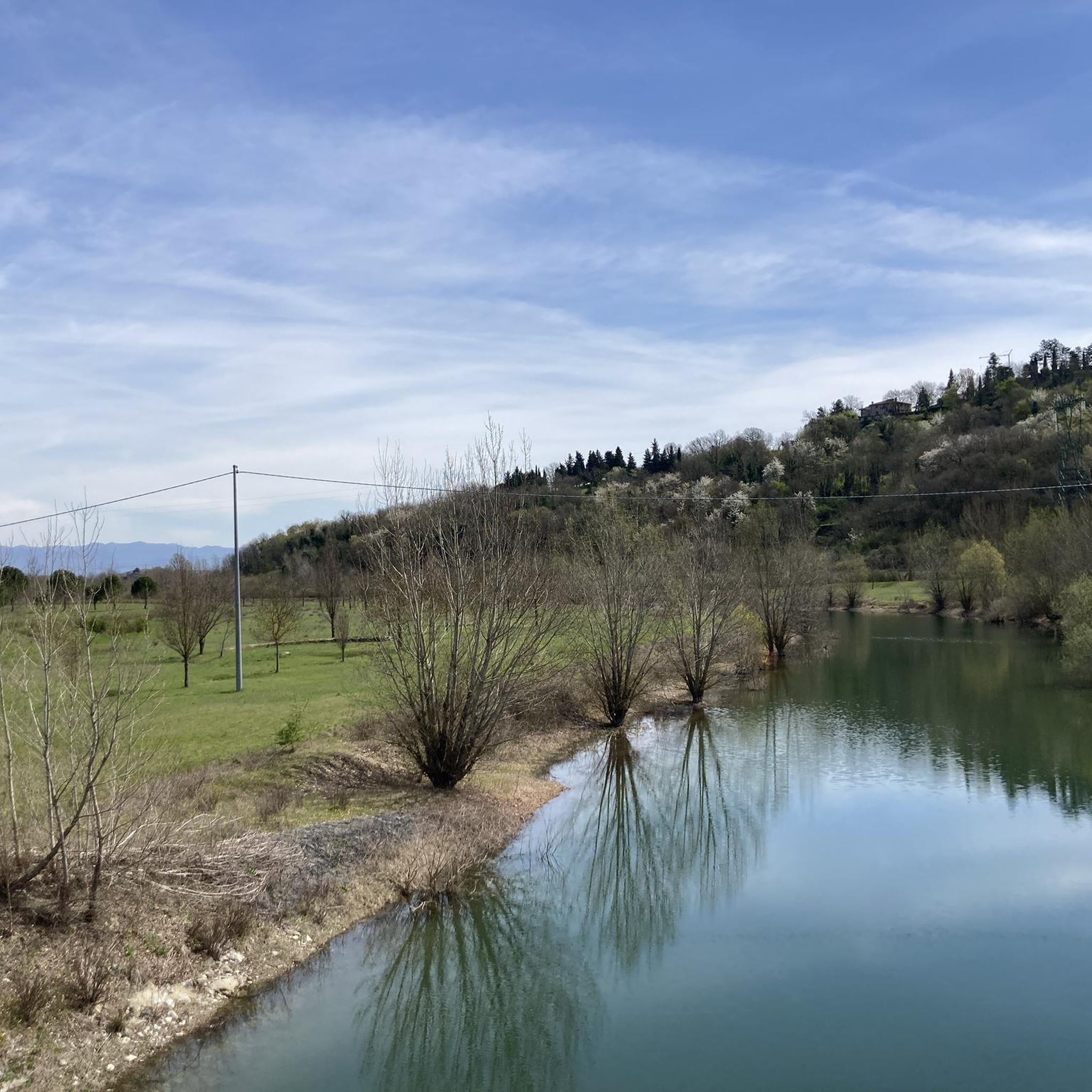
Road Cycling Routes around Barberino Di Mugello
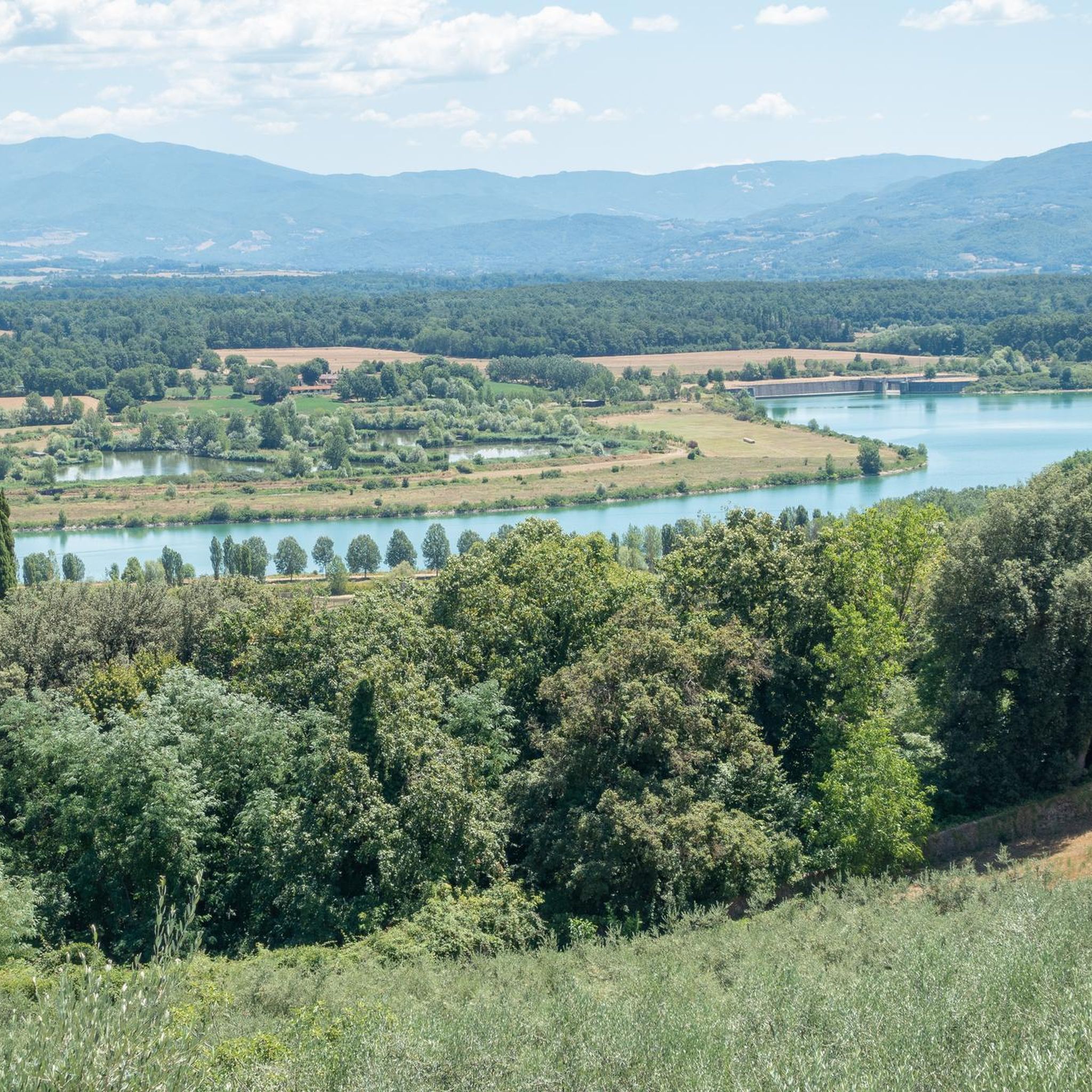
Running Trails around Barberino Di Mugello

Gravel biking around Barberino Di Mugello
Other adventures around Barberino Di Mugello


Tips from the Community

Path a bit hidden but breathtaking view
0
0

Perhaps the most famous crucifix in Italy is not found on the heights of the mountains, although of course there are many summit crosses throughout the country – like the CROCE DI GEPPE here – but in literature: The author Giovanni Guareschi, creator of the protagonists 'Don Camillo' and 'Peppone', included another main character in his stories – which are well-known and popular far beyond the borders of the country: The crucified Christ, who speaks to Don Camillo from the high altar. The author himself offers the following comment: “So, one has to explain: If the priests feel offended by Don Camillo, they can smash a candlestick over my head for all I care; if the communists are offended by Peppone, they can split a club in two over my back; but if someone feels offended by the words of Christ, nothing can be done. Whoever speaks in my stories… is my Christ, that is, the voice of my conscience. My personal matter, my own affair. And therefore: each for himself and God for all.” (G. Guareschi)
0
0

It is the pinnacle of Prato's hikes, starting from the slopes to get some fresh air, or for those with more time, as a stopping point for beautiful hikes in Calvana.
0
0

In the Middle Ages it was the highway that connected northern Italy with the south (in particular trade with Milan and the Church with Rome)
1
0

Climb to be done with MTB push due to the steep slope
1
0


Fascinating forest, but don't go down from Gazzarro by bike
1
0

Frequently Asked Questions
Which mountain peaks around Barberino Di Mugello offer the most scenic views?
For breathtaking panoramas, consider visiting Croce della Retaia, which provides extensive views over the Florentine plain and the city of Prato, and on clear days, even extends to the port of Livorno and the island of Capraia. Mount Cantagrilli also offers stunning views of the Marina valley and the southern Calvana massif.
Can I encounter wildlife on the mountain trails near Barberino Di Mugello?
Yes, the mountain peaks around Barberino Di Mugello are known for their natural environment. On Mount Cantagrilli and Monte Maggiore Summit (917 m), it's possible to encounter wild horses and cows grazing in the meadows. The diverse vegetation, including beech and chestnut woods, also supports various bird species.
What kind of natural scenery can I expect when hiking in the Barberino Di Mugello mountains?
The region offers a varied landscape of hills and mountains within the Tuscan-Emilian Apennines. You'll find diverse vegetation, including oak forests, hornbeam-hazelnut groves, and coniferous reforestations. In spring, the summital meadows burst with flowers, and you can enjoy panoramic views of the surrounding Tuscan landscape.
Are there easy mountain hikes suitable for beginners around Barberino Di Mugello?
While specific 'easy' mountain peak hikes aren't detailed, the area offers a wide selection of trails ranging in difficulty. Many paths are suitable for exploring the natural environment. For gentler options, consider walks around Lake Bilancino, which are generally less challenging than summit ascents.
What are the more challenging peaks or routes for experienced hikers in the area?
For experienced hikers, the ascent to Monte Maggiore Summit (917 m) from the north offers scenic views and a rewarding experience. Longer routes that incorporate peaks like Monte Gazzaro (1125 m) or sections of the 'Via degli Dei' also provide more challenging treks with significant elevation gains.
Are there any historically significant mountain passes or routes in the Barberino Di Mugello area?
Yes, the region is rich in history. The Burnt Inn Pass is an ancient medieval pass with a fascinating legend. The area is also part of the renowned 'Via degli Dei' (Path of the Gods), an ancient route used by Etruscans and Romans connecting Bologna and Florence, offering a blend of natural exploration and historical immersion.
When is the best time of year to hike the mountain peaks around Barberino Di Mugello?
The varied terrain and vegetation make the region enjoyable throughout the seasons. Spring is particularly beautiful when the summital meadows burst with flowers and diverse blooms can be seen on peaks like Mount Cantagrilli. Autumn also offers stunning foliage. Always be prepared for varying weather conditions in the mountains.
What other outdoor activities can I do near the mountain peaks of Barberino Di Mugello?
Besides hiking, the Apennine Mountain Range around Barberino Di Mugello offers numerous paths suitable for mountain biking and horseback riding. You can explore various routes for gravel biking, running, and MTB. For detailed routes, check out the Gravel biking around Barberino Di Mugello, Running Trails around Barberino Di Mugello, and MTB Trails around Barberino Di Mugello guides.
Are there long-distance hiking routes accessible from Barberino Di Mugello?
Yes, the region is part of longer, renowned hiking trails. You can access sections of the 'Via degli Dei' (Path of the Gods) and the 'Grande Escursione Appenninica' (Great Apennine Excursion), allowing for extensive trekking experiences. The Passo del Passeggere, along the Via degli Dei, offers lush vegetation and panoramic views.
Are there places to stop for refreshments near the mountain passes or trails?
Yes, at the Raticosa Pass, one of the most famous passes in the Tuscan-Emilian Apennines, you'll find the Chalet Raticosa, where it is possible to stop and refresh. The Burnt Inn Pass also offers a suitable place for a stop with sun and shade, near a spring.
Is parking available for hikers accessing the mountain peaks?
While specific parking locations for each peak are not detailed, the region is popular with hikers, suggesting various access points. It's advisable to consult detailed trail maps on platforms like Komoot for specific parking information related to your chosen route.
What do visitors enjoy most about the mountain peaks around Barberino Di Mugello?
Visitors highly appreciate the spectacular panoramas, especially from peaks like Croce della Retaia and Mount Cantagrilli. The opportunity to encounter wild horses and cows, the diverse blooms in spring, and the tranquility of the natural environment are also frequently mentioned highlights.
Most popular routes around Barberino Di Mugello
Most popular attractions around Barberino Di Mugello

Get inspired with the komoot mobile app


Explore more
See even more amazing summits around Barberino Di Mugello with these guides:
