Top 8 Castles around Castelfiorentino
Best castles around Castelfiorentino are found in Tuscany's Valdelsa, a region with a rich medieval history. The area features numerous fortified structures and historical dwellings. Castelfiorentino itself was a significant Florentine fiefdom with defensive walls. The surrounding hilly landscapes offer a window into centuries of Tuscan history through these sites.
Best castles around Castelfiorentino
- The most popular castles is Pretorio Palace in Certaldo, a historical site that was the ancient residence of the Alberti counts. The prisons, audience hall,…
Last updated: July 1, 2026
Pretorio Palace in Certaldo
Highlight • Historical Site
it.wikipedia.org/wiki/Palazzo_Pretorio_(Certaldo)
Translated by Google •
Tip by

Montegufoni Castle
Highlight • Castle
Tip by

Sign up now to discover places like this
Get recommendations on the best single tracks, peaks, & plenty of other exciting outdoor places.
Sign up for free
Poppiano Castle
Highlight • Castle
Place of historical, cultural, architectural and tourist interest
Via Fezzana, 45, 50025 Poppiano FI
guicciardini1199.it
05582315
Translated by Google •
Tip by

San Miniato Cathedral and Clock Tower
Highlight • Religious Site
Translated by Google •
Tip by

Historic Village of Castelfalfi
Highlight • Settlement
Translated by Google •
Tip by

Sign up for free to discover even more castles around Castelfiorentino.
Sign up for free
Already have an account?
Start today with a free account
Your next adventure awaits.
Login or Signup
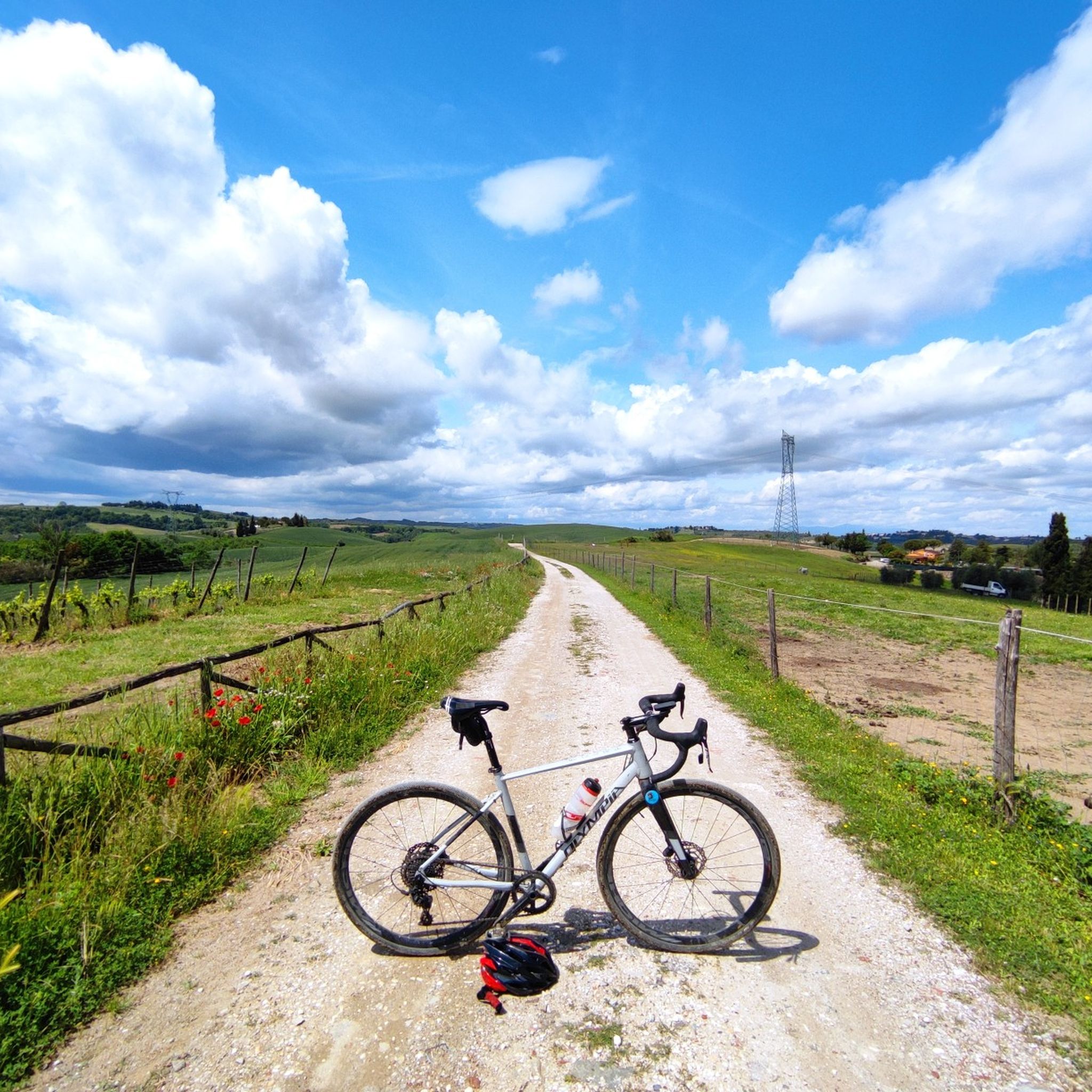
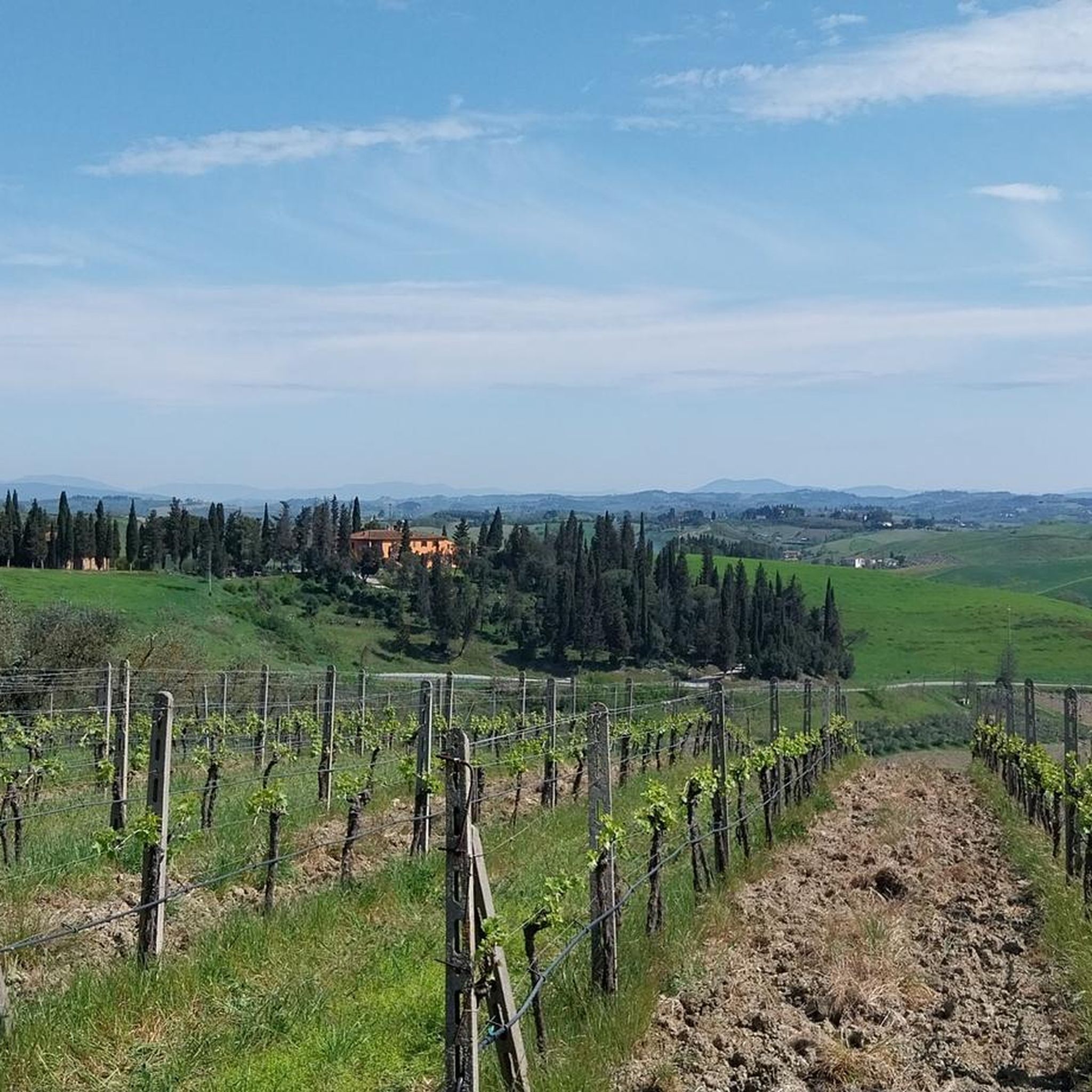
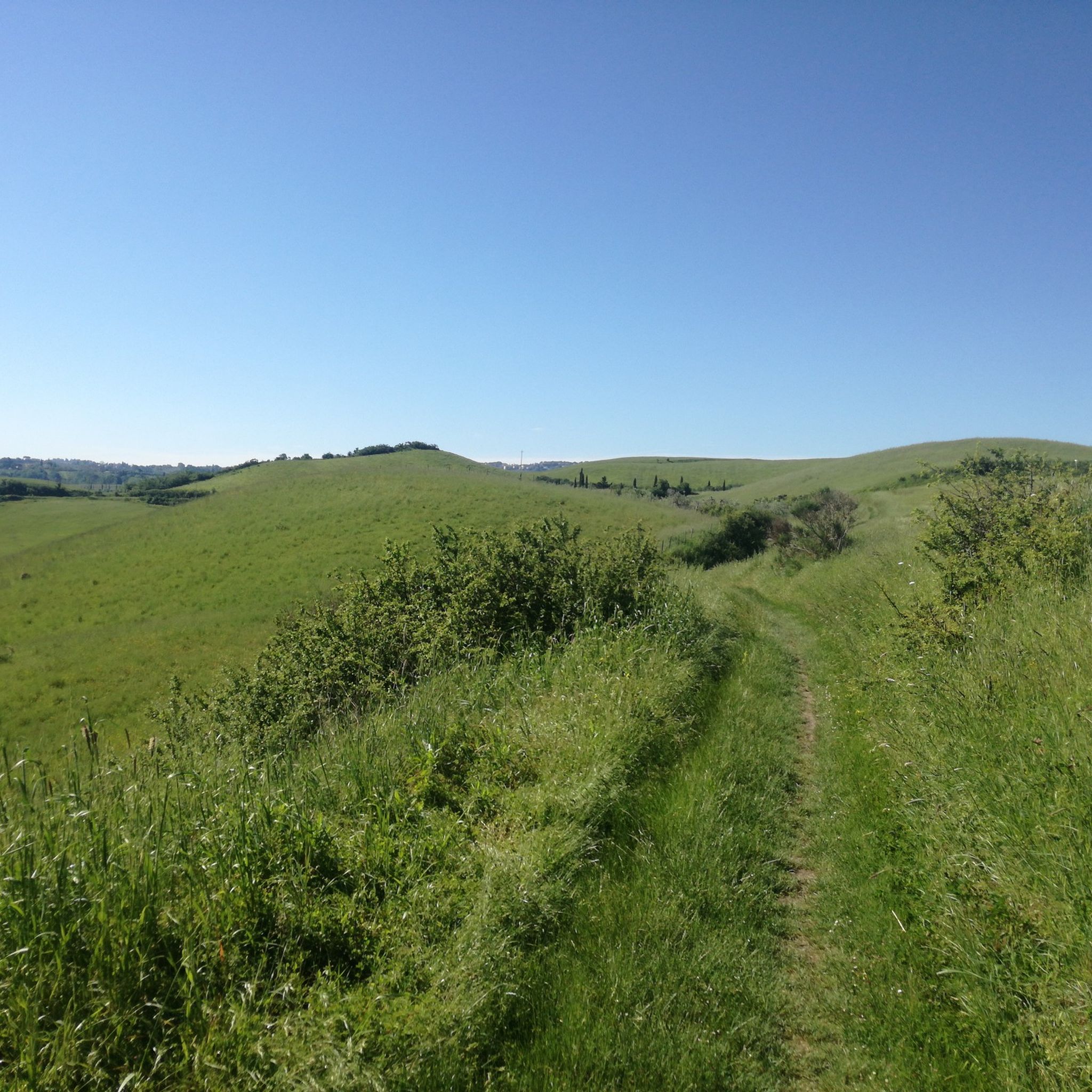
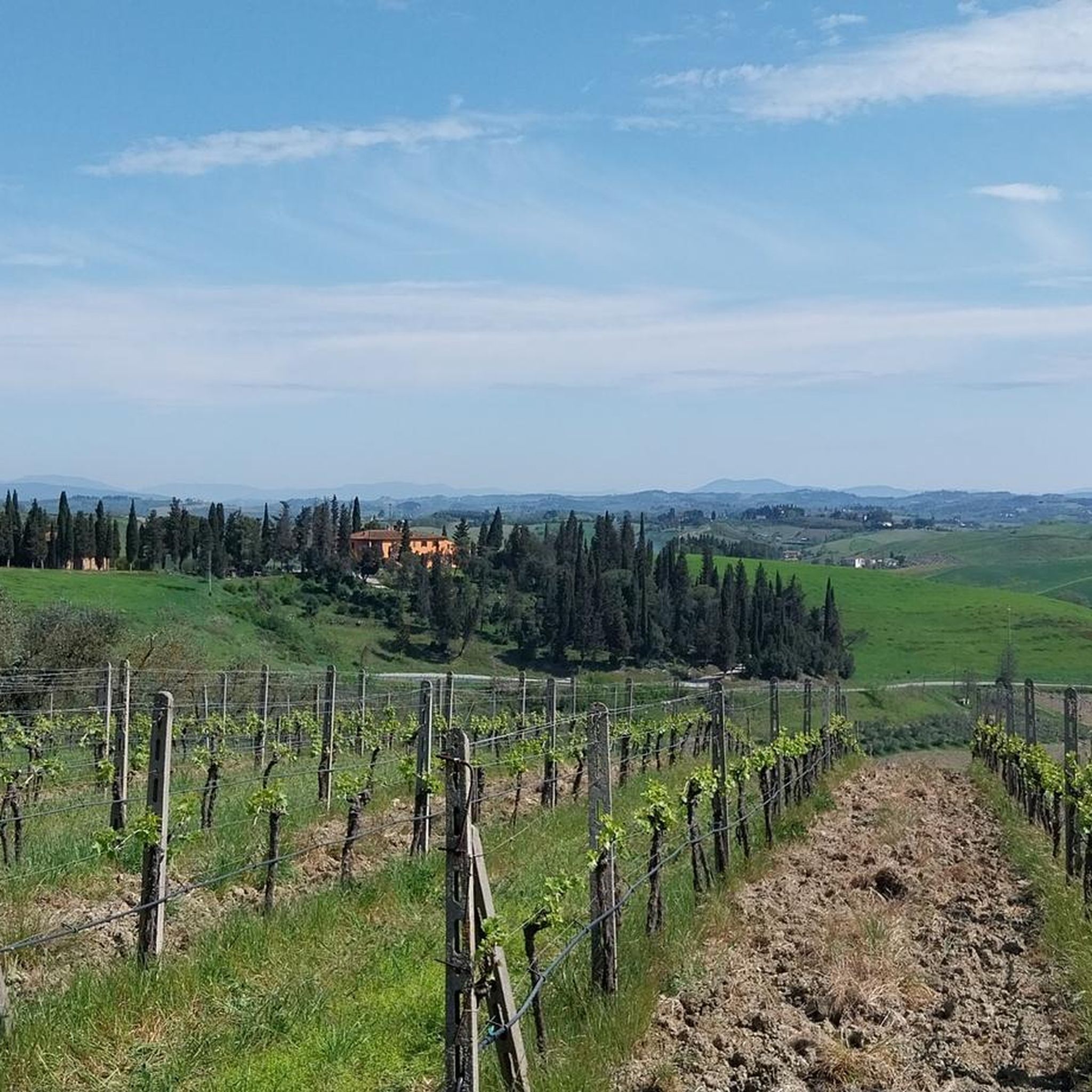

Tips from the Community

Poppiano Castle, located in the Florentine Chianti hills near Montespertoli, is an imposing medieval building that has endured centuries of history. Originally built as a defensive fortification, it was transformed over time into a stately residence. The Guicciardini family, among the most influential in Florence, had a profound connection to the castle: Francesco Guicciardini, a celebrated Renaissance historian and politician, spent part of his life there and used it as a base for his agricultural and political activities. Today, Poppiano Castle is an example of how history and tradition can coexist with modernity. The property is still owned by the Guicciardini family and continues to produce high-quality wine and olive oil, preserving the region's distinctive agricultural traditions. The castle is also open to visitors, offering guided tours that allow visitors to explore its history, cellars, and surrounding vineyards.
0
0

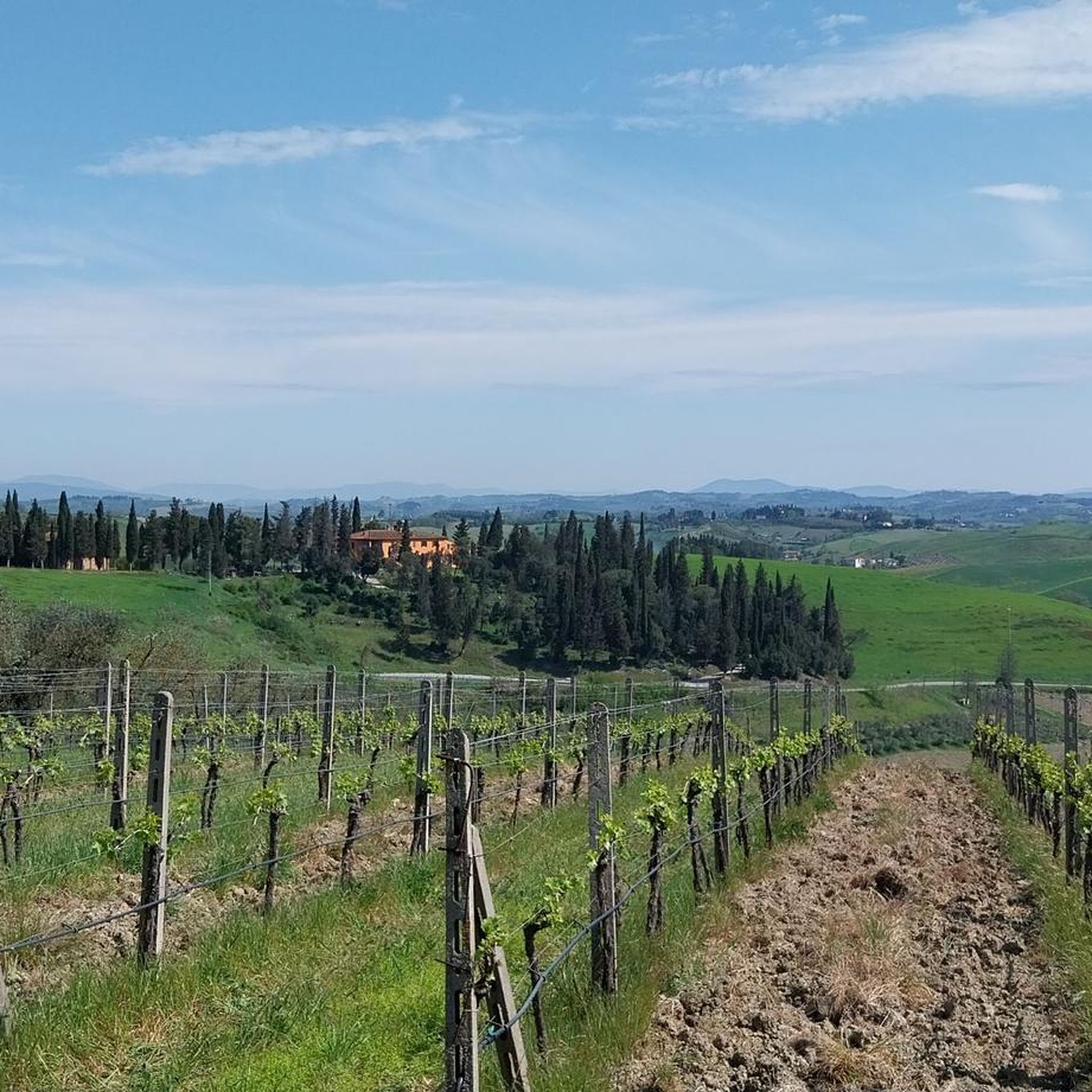
Castelfalfi is a charming medieval village located in Tuscany, in the municipality of Montaione, province of Florence. Nestled in the Tuscan hills, it offers a breathtaking view of vineyards, olive groves and woods. The village has been restored and transformed into a luxury tourist destination, with a resort, a golf course and high-quality accommodation facilities. The history of Castelfalfi dates back to the Middle Ages, and today it represents a perfect combination of history, nature and modern comfort.
0
0

San Miniato, city of good cuisine and white truffles, looks from a hill over the plain through which the Arno flows. The monumental palaces prove its grandeur, but all its charm lies in two esplanades formed by the unexpected Prato del Duomo and the square in front of the castle of Emperor Frederick II. The name San Miniato was previously followed by 'al Tedesco' (from the German.), because the city was the Tuscan residence of the German emperors from the 10th century.
5
0

Palazzo Pretorio, the most representative monument of Certaldo, was the ancient residence of the Alberti counts, built around the end of the 12th century on the ruins of the ancient houses of this family. The prisons, the audience hall, the archive, the chapel and the private quarters of the Vicars can still be visited today. On the facade and inside the palace there are numerous coats of arms, each of which represents the effigy of the family of each Vicar who governed and lived here. In the Palace you can admire frescoes and sinopias from the 15th and 16th centuries. For further information: https://www.comune.certaldo.fi.it/it/page/palazzo-pretorio
0
0

Place of historical, cultural, architectural and tourist interest Piazzetta del Vicariato, 4, 50052 Certaldo FI https://www.comune.certaldo.fi.it/it/page/palazzo-pretorio 0571661219
1
0
"Count Ferdinando Guicciardini Castle" Place of historical, cultural, architectural and tourist interest Via Fezzana, 45, 50025 Poppiano FI http://www.guicciardini1199.it/ 05582315
2
0

Already in the dominions of the Acciaioli family and now owned by the Posarelli family, the castle of Montegufoni is known because, during the bombings suffered by Florence in the Second World War, some works of art were hidden there, including the Adoration of the Magi of Ghirlandaio and Botticelli's Spring.
0
0

Ancient village with a rich historic center worthy of a visit. The capital of the Tuscan truffle
2
0
Frequently Asked Questions
What historical significance do the castles around Castelfiorentino hold?
The castles and fortified sites in the Valdelsa region around Castelfiorentino are deeply rooted in medieval history. Many, like the ancient Pretorio Palace in Certaldo, served as residences for powerful noble families and centers of local governance. Others, such as Castello di Coiano, were strategically important along the Via Francigena, while sites like Villa Cambi Pucci in Cambiano showcase the transformation from medieval fortifications to Renaissance villas, reflecting centuries of Tuscan political and cultural evolution.
Are there any castles with unique architectural features or famous connections?
Yes, several castles boast unique features. Castello di Oliveto is particularly notable for its potential design by Filippo Brunelleschi, featuring Guelph battlements and a balcony reminiscent of the Florence Dome. It also hosted illustrious guests like Lorenzo de' Medici and various Popes. The Historic Village of Castelfalfi, an ancient Etruscan stronghold, offers spectacular views from its castle.
Can I visit these castles, and do they offer tours or special experiences?
Many of the castles and historic sites are accessible to visitors. For example, Poppiano Castle offers guided tours, allowing exploration of its history, cellars, and vineyards. Castello di Oliveto operates as an exclusive venue for events, offers accommodations, cooking courses, and guided tours. The Pretorio Palace in Certaldo can be visited as a museum, showcasing its prisons, audience hall, and private quarters.
Are there family-friendly castles or activities for children?
The Historic Village of Castelfalfi is categorized as family-friendly, offering an engaging historical setting with beautiful views that can appeal to all ages. Exploring the grounds of castles like Poppiano or the fortified village remnants of Castello di Cabbiavoli can also be an imaginative experience for children, allowing them to envision medieval life.
What outdoor activities can I do near the castles around Castelfiorentino?
The region around Castelfiorentino is excellent for outdoor activities. You can find numerous routes for hiking, gravel biking, and running. For instance, there are moderate hiking routes like the 'Brotafalchi Café loop from Coiano' or more challenging ones like the 'Via Francigena Boundary Marker loop from Castelfiorentino'. You can explore more options on the Hiking around Castelfiorentino guide, the Gravel biking around Castelfiorentino guide, or the Running Trails around Castelfiorentino guide.
Are there any castles that also produce local products like wine or olive oil?
Yes, several castles maintain agricultural traditions. Poppiano Castle, still owned by the Guicciardini family, continues to produce high-quality wine and olive oil. Castello di Oliveto also operates as a farm producing wine and olive oil, offering a taste of the region's rich agricultural heritage alongside its historical significance. Castello di Coiano also had a famous winery established by Countess Carlotta Masetti.
What is the best time of year to explore the castles and surrounding area?
Tuscany, including the Castelfiorentino area, is beautiful in spring (April-May) and autumn (September-October) when the weather is mild and the landscapes are vibrant. These seasons are ideal for exploring the castles and enjoying outdoor activities like hiking or biking without the intense heat of summer. Winter visits are also possible, offering a quieter experience, though some attractions might have reduced hours.
Are there any castles that have been transformed into accommodations or event venues?
Yes, some historical castles have found new life as accommodations or event venues. Montegufoni Castle, rich in history and once a hiding place for artworks during WWII, now operates as a hotel. Castello di Oliveto is also an exclusive venue for events and offers accommodations, allowing visitors to experience staying in a historic fortified villa.
What are some notable viewpoints or natural features near these castles?
Many castles offer scenic views of the Tuscan landscape. The Historic Village of Castelfalfi provides spectacular panoramic views from its castle. The area around San Miniato Cathedral and Clock Tower, perched on a hill, overlooks the Arno plain and is known for its beautiful vistas. The hilly landscapes of Valdelsa, where these sites are located, are natural features in themselves, offering picturesque backdrops for exploration.
Are there any castles connected to famous historical figures or events?
Absolutely. Castello di Oliveto hosted Lorenzo de' Medici and several Popes, and was a filming location for the TV series 'I Medici.' Montegufoni Castle famously hid significant artworks, including Botticelli's 'Primavera,' during World War II. Villa Cambi Pucci in Cambiano was once used as a post office by Cosimo I de' Medici and was even depicted on a map by Leonardo da Vinci.
What kind of historical artifacts or art can be seen in these castles?
Inside the Pretorio Palace in Certaldo, you can admire frescoes and sinopias from the 15th and 16th centuries, along with numerous coats of arms representing the families of past Vicars. Villa Cambi Pucci in Cambiano features stone decorations, fireplaces, doorposts, and trompe l'oeil frescoes, showcasing the artistic tastes of Florentine nobility.
Are there any castles that are particularly well-preserved or offer a glimpse into medieval defensive architecture?
Castello di Oliveto is considered one of Tuscany's most beautiful fortified villas, featuring a classic rectangular medieval enclosure with Guelph battlements, stone walls, and four imposing crenellated corner towers. Castello di Cabbiavoli, originally a fortified village from 1210, still retains visible defensive walls and a tower, offering a clear insight into medieval defensive structures.
Most popular routes around Castelfiorentino
Most popular attractions around Castelfiorentino

Get inspired with the komoot mobile app


Explore more
Looking for the best castles somewhere else? Discover other guides around Castelfiorentino:
